
Reviewed · SERENGETI & NGORONGORO SAFARIS
4-Day Safari: Lake Manyara, Serengeti & Ngorongoro
The real draw here is the three-park sweep in only four days: flamingos and tree-climbing lions at Lake Manyara, open plains and big cats in the Serengeti, then a half-day among wildlife inside Ngorongoro Crater. It is a fast, classic northern Tanzania safari rather than a slow luxury retreat.
I like the low-cost camping setup and the practical boxed lunches, which keep you out on game drives instead of sending you back to camp at midday. I also like the small-group limit of 15, though actual departures may be combined with another local operator, and the guide quality can vary. Long drives, basic facilities, and a non-refundable booking deserve careful thought.
Key points to know before booking
- Three major wildlife areas in four days: Lake Manyara, Serengeti, and Ngorongoro each offer a different setting and style of game viewing.
- Central Serengeti is the wildlife heart of the trip: The Seronera area and its river attract many species, especially during the afternoon drive.
- Camping keeps the price down: Dinner, breakfast, lunch, park entry fees, and a driver-guide are included, but toiletries and Olduvai Gorge are not.
- The itinerary is road-heavy: Day 2 lasts about six hours, Day 3 about seven hours, and the return to Arusha follows the crater visit.
- Past groups have often been smaller than the limit: One departure had six people in the vehicle, but the advertised maximum is 15.
- Guide names and service may vary: Max, Joe, Masulya, and Martin are among the guides connected with past departures, while some bookings have been subcontracted locally.
A fast route through Tanzania’s northern safari circuit
At $1,743.59 per person, this is not a bare sightseeing transfer with a few animal stops. You are paying for access to three famous conservation areas, park entry fees, meals, camping, and a guide-driver over four demanding days.
That price makes the most sense if you want the northern circuit but do not want to arrange each park, campsite, transfer, and permit yourself. I see it as a practical package for a solo visitor joining a group, a couple watching costs, or friends who want a proper safari without luxury lodge prices.
The tradeoff is pace. You spend part of nearly every day moving between parks. The route covers a lot, but you will not get the leisurely rhythm of a longer Serengeti stay. One useful improvement would be adding more nights in the Serengeti, since the central Seronera area deserves more than an afternoon and a morning drive.
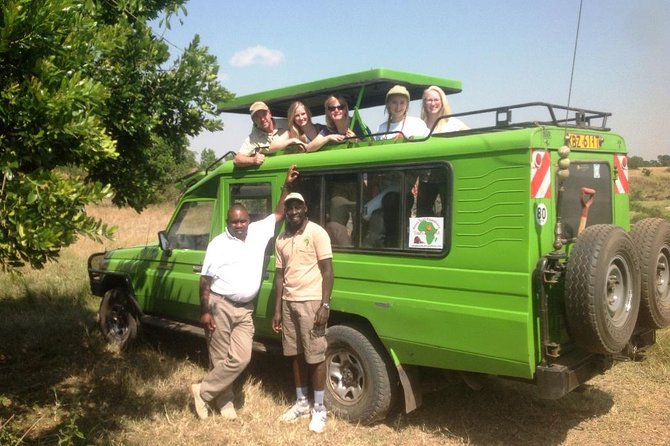
Pickup and drop-off at Arusha accommodations simplify the start and finish. The group limit is 15, although actual groups can be smaller. One past vehicle carried six people, which is a much nicer arrangement than filling every seat, but you should not assume that number for your own date.
More Safaris in Arusha
- Balloon Safari & Bush Breakfast in Serengeti – Miracle Experience
★ 5.0 · 1,646 reviews - 4 Days Group Camping Safari
★ 5.0 · 1,101 reviews - 5 Days Group Camping Safari
★ 5.0 · 730 reviews
Day 1: Lake Manyara’s lake, forest, and climbing lions
You leave your Arusha hotel for Lake Manyara National Park, arriving around lunchtime at camp before the afternoon game drive. That timing gives you a useful first taste of safari without trying to force a full day into the schedule.
Lake Manyara is a compact park with a striking setting. A shallow soda lake covers about two-thirds of the park, while the Great Rift Valley’s western escarpment rises nearby. The combination of water, woodland, and open areas brings together animals you might not expect to see in one small place.
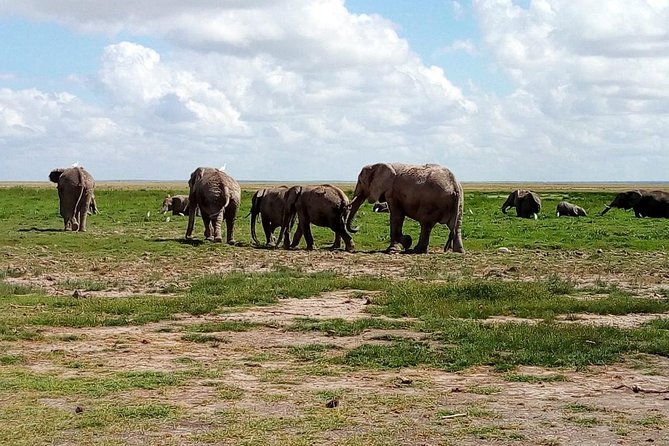
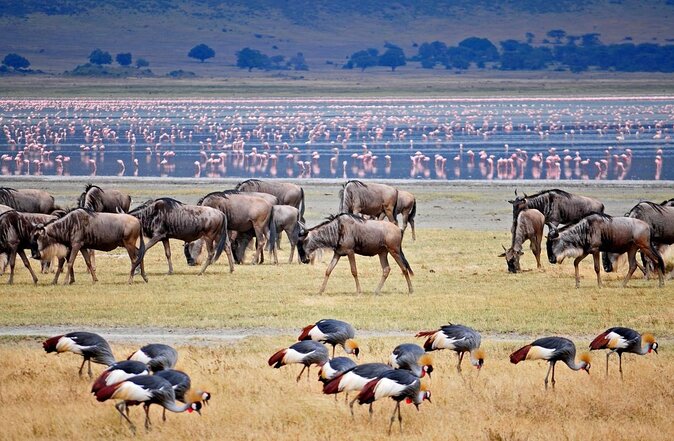
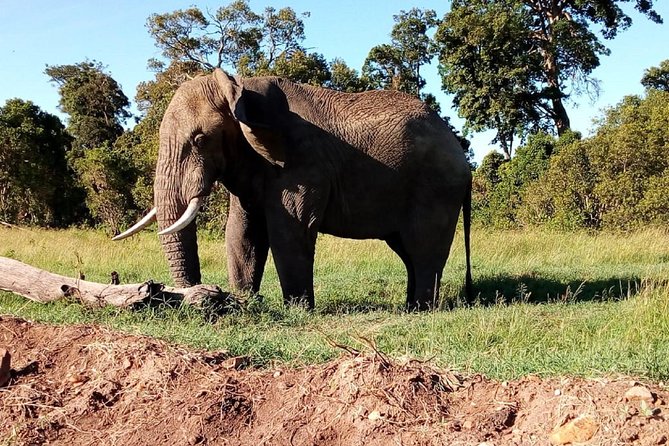
Keep watch for elephants, which are one of the park’s main attractions. The park is also known for its tree-climbing lions, an unusual sight that depends on luck and a sharp-eyed guide. You might also find large flamingo flocks around the lake, attracted by algae.
I like this first stop because it changes the tone immediately. You are not starting on endless plains. You are moving through a place shaped by the Rift Valley, with birds near the water and woodland animals close to the road.
The limitation is time. You get an afternoon drive, not a full day, so sightings depend heavily on the route and conditions. The evening ends with dinner and camping, and facilities are basic by design. Pack your own toiletries and towel, since those are not supplied.
Day 2: The long road to central Serengeti
After breakfast, you head through the high farmland around Karatu and across the Ngorongoro Conservation Area before descending toward Serengeti National Park. The drive takes about six hours, so this is the day to expect long stretches in the vehicle.
The reward comes as the scenery opens into the Serengeti’s famous plains. The route heads toward Seronera, the central park area, where the Seronera River provides a dependable water source and draws a broad mix of wildlife.
You arrive around lunchtime and continue with an afternoon game drive. That is a good use of the day. Instead of stopping at camp for a long rest, the boxed lunch allows you to spend the best available daylight looking for animals.
Central Serengeti is the strongest wildlife section of this short trip. You might see lions, elephants, buffalo, giraffes, zebra, wildebeest, hyenas, jackals, and other species. The description also points to migrating herds, but migration sightings depend on the season and the animals’ location. No four-day route can promise a particular movement of herds.
The drive itself is part of the safari, but it can be tiring. Roads are rough, and the schedule leaves little room for a slow morning. If your priority is time in the Serengeti, I would ask before booking if an additional night can be arranged, although this package is built around the stated four-day plan.
Dinner and overnight camping follow the afternoon drive. You should think of camp as a functional base, not a hotel replacement. The value is sleeping near the park circuit and keeping costs under control.
Day 3: From Serengeti wildlife to Ngorongoro
Day 3 begins with a final early morning game-viewing session in the Serengeti. Early hours are valuable because they give you another chance to find predators and active herds before the day’s transfer begins.
You then leave for the Ngorongoro Conservation Area. The published journey takes about seven hours, so this is another full day in a safari vehicle. The route links two very different places: Serengeti plains and the elevated crater region.
Olduvai Gorge is available as an optional stop, with its own cost outside the package. The site is tied to the work of Louis and Mary Leakey and discoveries often discussed in the story of human evolution, including Nutcracker Man and Handy Man. If you care about archaeology, it could add real depth to the trip. If wildlife is your only goal, the extra stop may feel like a costly interruption during an already long transfer.
You arrive at the conservation area late in the evening and spend the night at Simba Campsite. The timing matters. You are positioned for the early crater descent, but you should not expect much sightseeing after arrival. Dinner and rest are the main business.
This is also the point where I would check the exact meal and overnight details with the operator. The package lists three breakfasts, three dinners, and four lunches, while the itinerary refers to dinner and an overnight stay after the crater day. The overall arrangement may be clear to the operator, but the wording is not perfectly tidy.
More Serengeti and Ngorongoro itineraries:
- 3 Days Serengeti & Ngorongoro Group Camping Safari
★ 5.0 · 574 reviews - 5-Day Highlights mid-Range Crater, Serengeti, Tarangire
★ 5.0 · 296 reviews - 3-Day Classic Serengeti Safari
★ 5.0 · 263 reviews - Private 6-Day Tarangire Manyara Crater and Serengeti with Mid-Range Lodges
★ 5.0 · 238 reviews
Day 4: A half-day inside Ngorongoro Crater
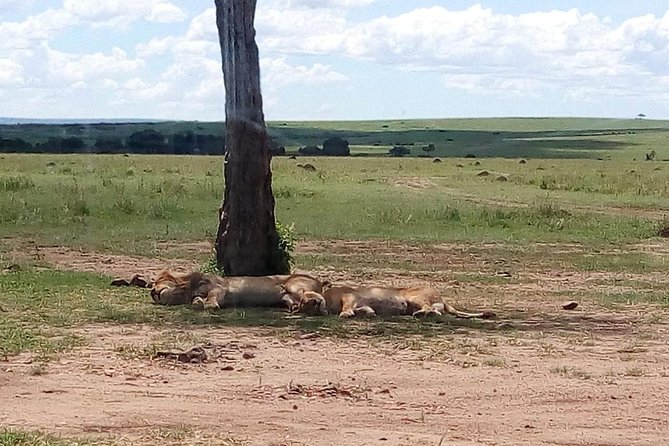
After an early breakfast, you descend into Ngorongoro Crater for a half-day safari. This is one of the most memorable parts of the route because the crater floor concentrates a large number of animals in a contained setting.
You may see wildebeest, zebra, buffalo, eland, warthog, hippo, and giant African elephants. The crater is also known for predators, including lions, hyenas, jackals, cheetahs, and the harder-to-spot leopard.
I like the way the crater visit gives this quick safari a strong final act. After the open scale of the Serengeti, the crater feels more enclosed and focused. A trained guide can help you scan carefully, especially when looking for a leopard or a distant predator.
You eat a picnic lunch and then return to Arusha. The itinerary describes dinner and an overnight stay in Arusha, but the stated inclusions list only three dinners and does not clearly identify an Arusha hotel. Confirm this before paying, especially if you need a room after the return.
Camping, meals, and what the price really covers
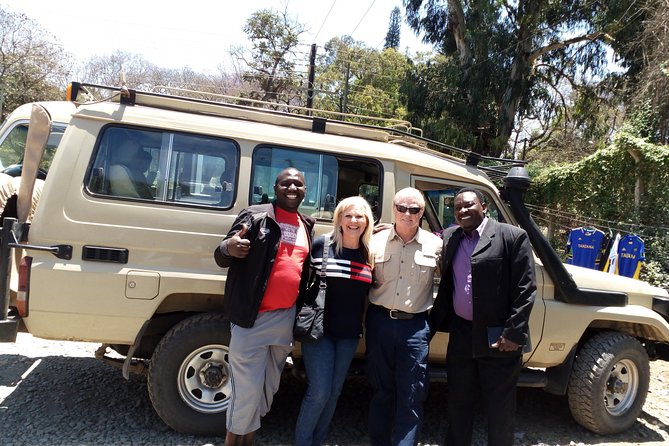
The camping arrangement is the main reason this trip costs less than lodge-based safaris. It also gives you a closer-to-the-ground experience, with tent setup and simple camp routines instead of polished rooms and fixed hotel service.
The package includes a driver-guide, national park entrance fees, three breakfasts, three dinners, and four lunches. The four lunches matter because they keep the vehicle moving during game-drive days. You should still clarify the exact lunch format, since the itinerary describes picnic or boxed lunches rather than restaurant meals.
Not included are toiletries, towels, bathing soap, and personal sanitary items. Pack these yourself. Casual clothing is suitable, but practical safari clothes are a better choice than dressy outfits. You need a moderate level of physical fitness, mainly because of the long road hours, early starts, and basic camping conditions.
The price is good for the number of major sites included, but value depends on your expectations. You receive a broad wildlife sampler, not deep time in each park. Luxury, privacy, and a predictable guide assignment are not the selling points here.
Guides, group size, and the subcontracting question
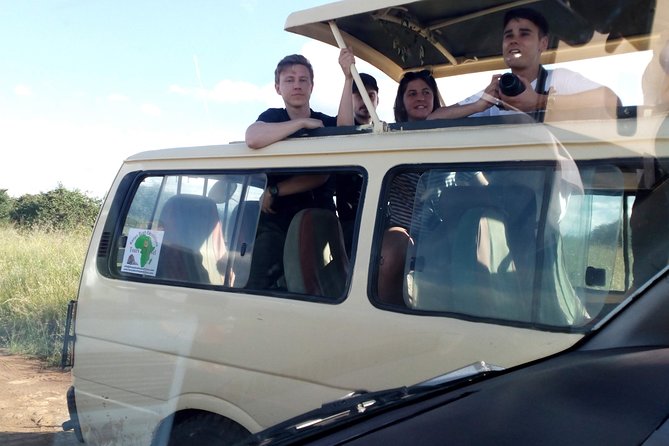
The guide can make or break a safari. Names connected with past departures include Max, Joe, John, Masulya, and Martin. Masulya and Martin were associated with especially strong guiding, while Max was credited with turning a multi-park journey into a memorable trip. Those names show that capable staff have led the route, but they do not guarantee who will drive your vehicle.
There is an important practical wrinkle. Some departures have involved a contractor or a different local company, with people booked through several agencies placed in one group. That can work perfectly well, and some groups have enjoyed the shared experience. It can also create uncertainty over who is responsible if communication or guide service falls short.
Ask for the operating company, guide name, vehicle arrangement, and expected group size before departure. I would also request a clear briefing the night before pickup. One past booking benefited from a prompt hotel pickup and a pre-trip briefing, which is exactly the sort of small detail that helps a complex safari start well.
A maximum of 15 is reasonable for a group safari, but vehicle space matters more than the headline number. Six people in a vehicle is comfortable; 15 may feel crowded depending on the vehicle layout. Get that detail in writing if personal space matters to you.
The strongest reasons to choose this safari
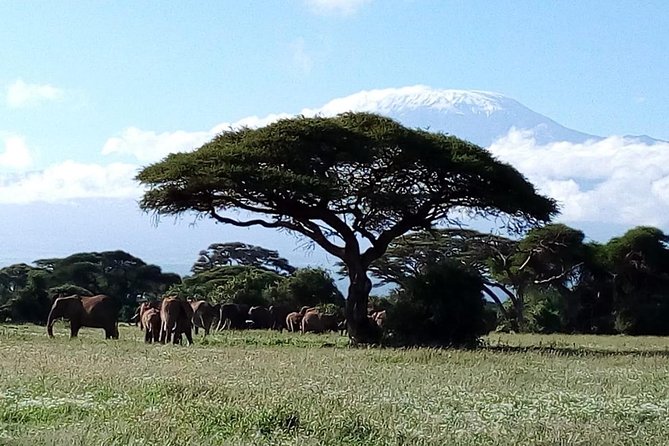
I would choose this route for its range. Lake Manyara offers a lake and forest setting, Serengeti provides the broad plains and central wildlife zone, and Ngorongoro brings a concentrated crater safari. Few four-day plans cover such different environments.
I also like the chance to meet other people. Solo visitors can join a group rather than paying the full cost of a private vehicle, and past departures have included friendly shared camping experiences. That social side is part of the value, though it means you give up control over stops and pace.
The wildlife potential is excellent. Elephants at Manyara, flamingos by the lake, tree-climbing lions, Serengeti predators, migrating herds, and Ngorongoro’s dense animal population all fit the route. Sightings are never guaranteed, but the parks are well chosen.
The compromises you should accept
This is not a restful four days. Day 2 and Day 3 involve long transfers, and Day 4 includes an early crater descent followed by the return to Arusha. If you dislike rough roads or need lots of downtime, the schedule may wear you out.
Camping also requires flexibility. The package excludes basic personal supplies, and the accommodation is intended for budget-conscious safari participants. You should not book this expecting lodge comforts.
The operator’s mixed subcontracting arrangement is another consideration. Strong guides have been part of the experience, but guide quality and accountability may vary if another company runs your departure. Confirm the details before booking instead of assuming the name on the reservation tells you exactly who will operate every part.
Finally, the booking is non-refundable and cannot be changed for any reason. That is a major financial risk at this price, so check your dates and travel plans carefully before committing.
Should you book the four-day route?
Book it if you want a budget-minded introduction to northern Tanzania, value broad park coverage, and can handle long drives and basic camping. It is particularly useful for a solo visitor who wants to join a group, share costs, and see the headline parks from Arusha.
Think twice if you want luxury, a private schedule, guaranteed guide continuity, or several relaxed days in the Serengeti. Before booking, confirm the guide or operating company, group size, vehicle capacity, the Arusha overnight arrangement, and the optional Olduvai Gorge cost.
For the right person, this is a lot of Tanzania in a short time. It is busy, dusty, and occasionally rough around the edges, but the route gives you a serious chance at memorable wildlife without the price of a high-end lodge safari.
FAQ
Where does the safari begin and end?
The safari offers pickup and drop-off at accommodations in Arusha. The route begins from Arusha and returns there after the Ngorongoro Crater visit.
How long is the experience?
The safari lasts approximately four days.
Which parks and conservation areas are included?
The route includes Lake Manyara National Park, Serengeti National Park, and the Ngorongoro Conservation Area, including a crater safari.
What meals are included?
The package includes three breakfasts, three dinners, and four lunches. The itinerary describes boxed or picnic lunches during the game-drive days.
Is Olduvai Gorge included?
No. Olduvai Gorge is an optional stop, and its tour cost is not included in the package price.
How many people can join the tour?
The advertised maximum is 15 people. Actual group sizes can be smaller, and one past departure had six people in the vehicle.
What should I bring for camping?
You need to bring toiletries, towels, bathing soap, and personal sanitary items because these are not included.
Can I cancel or change the booking?
No. The experience is non-refundable and cannot be changed for any reason after booking.
More four day trips in Arusha
- 4 Days Join Group tour Tarangire Serengeti and Ngorongoro crater
★ 5.0 · 219 reviews - 4-Day Safari from Arusha: Tarangire, Serengeti and Ngorongoro
★ 5.0 · 173 reviews - 4 Days safari Tour Tanzania
★ 5.0 · 159 reviews - 4 Days Tarangire Serengeti Ngorongoro Crater
★ 5.0 · 117 reviews
Newly listed around Arusha
- 5-Day Private Safari Tour in Tanzania’s Wildlife★ 5.0 · 3 reviews
- 3 Days private safari Tarangire ,Ngorongroro crater &Manyara★ 5.0 · 3 reviews
- 3 Day Sharing Safari – Manyara, Ngorongoro Crater and Tarangire National Parks★ 5.0 · 3 reviews
- Tarangire National Park Day Trip★ 5.0 · 3 reviews
- 2 Days Tarangire and Ngorongoro Crater Tour★ 5.0 · 3 reviews
- 6 -Day Tarangire, Manyara, Serengeti & Ngorongoro★ 5.0 · 3 reviews
- 5 Days Group Camping Safari★ 4.7 · 3 reviews
- 4 Days Tanzania Safari★ 4.5 · 3 reviews
Serengeti & Ngorongoro Safaris, compared.


Balloon Safari & Bush Breakfast in Serengeti – Miracle Experience
Read our review →




Private 6-Day Tarangire Manyara Crater and Serengeti with Mid-Range Lodges
Read our review →
5 Days Camping Tarangire, Serengeti & Ngorongoro crater & Visiting Maasai
Read our review →Browse the lists this tour appears in