
Reviewed · SERENGETI & NGORONGORO SAFARIS
4-Day Safari from Arusha: Tarangire, Serengeti and Ngorongoro
The best part of this safari is its three-park route. In only four days, you move from baobab country in Tarangire to the open plains of the Serengeti, then finish among the dense wildlife of Ngorongoro Crater. That gives you a broad look at northern Tanzania without arranging separate park visits yourself.
I like the private 4×4 format, since your group can focus on the animals and set a comfortable pace with the guide. I also like the practical package: lodging, meals, park fees, drinking water, and safari transport are included. The main thing to consider is the pace. You cover long distances, and the second and third days involve substantial driving between parks.
Key points to know before booking
- Three major wildlife areas in four days: Tarangire, Serengeti, and Ngorongoro each offer a different setting and animal experience.
- Private safari for at least two people: Only your own group participates, although the minimum booking is two people.
- Seronera is the Serengeti focus: This central area has the Seronera River, a key water source that draws a wide range of wildlife.
- Lodges and tented camps are included: Rooms are self-contained and come with hot showers.
- Meals and water are covered: Breakfast, lunch, dinner, and 1.5 liters of drinking water per person per day are provided.
- Guides are a major part of the experience: Past guide names connected with the operator include Isaac, Six, Joseph, John, Anock, Ali, Kaana, and Jofa.
Why this four-day route works
Northern Tanzania is not a place where the most important parks sit close together. Tarangire, Serengeti, and Ngorongoro require real road time, but that movement is part of the safari. You see farmland near Karatu, highland scenery around the conservation area, and then the broad grasslands of the Serengeti.
A four-day schedule gives you enough time for a meaningful visit to each area. You are not spending every night in the same park, and you get a useful mix of habitats. Tarangire is especially appealing for elephants and baobabs, the Serengeti gives you the classic open-plain setting, and Ngorongoro offers a concentrated wildlife experience in a dramatic volcanic basin.
The tradeoff is that this is an active trip, not a slow lodge holiday. You should expect early starts, several hours in a safari vehicle, picnic meals, and roads that can make the journey feel longer than the mileage suggests. If your priority is seeing several famous parks in a short stay, the route makes sense. If you want long afternoons at one camp, choose a longer itinerary.
More Safaris in Arusha
- Balloon Safari & Bush Breakfast in Serengeti – Miracle Experience
★ 5.0 · 1,646 reviews - 4 Days Group Camping Safari
★ 5.0 · 1,101 reviews - 5 Days Group Camping Safari
★ 5.0 · 730 reviews
Day 1: Tarangire’s elephants and baobab trees
The first day begins at 8:30 a.m. in Arusha, with pickup from Msumbi Coffees at TFA Shopping Complex on Sokoine Road. From there, you drive to Tarangire National Park for a game drive and picnic lunch.
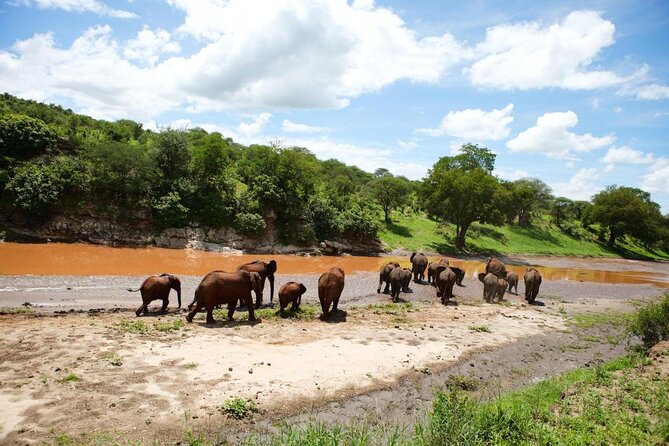
Tarangire has a look of its own. Acacia woodland gives way to giant African baobabs, while broad swamp areas in the south hold water and attract animals during the dry season. The Tarangire River also helps draw wildlife, making the park a strong opening stop.
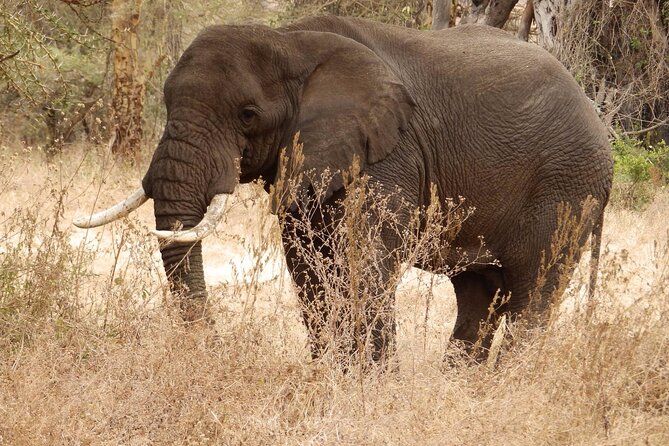
Elephants are the main attraction here. The park is known for large herds, and the mix of woodland, river, and swamp gives you good chances to see them in different settings. You may also find lions, zebra, giraffes, buffalo, and other animals, though sightings are never guaranteed on a particular drive.
Tarangire is also associated with three less common species: greater kudu, fringe-eared oryx, and Ashy starling. The exact sightings depend on conditions and luck, but these animals give the park more interest than simply being an elephant stop.
The listed game-drive time is about six hours. That is enough for a useful introduction, though you should not read full day as an all-day drive from sunrise to sunset. The first day also sets the pattern for the rest of the trip: wildlife watching from a 4×4, a picnic lunch, and a road transfer to the night’s accommodation.
Day 2: From Karatu to the Seronera plains
After breakfast, you travel through the farmland around Karatu and across the Ngorongoro Conservation Area before reaching Serengeti National Park. The route is scenic, but this is one of the longer transfer days, with about four hours of listed activity time before or around the game drive.
The change in scenery is one of the pleasures of the route. You leave the higher farmland behind and enter the wide grasslands that have made the Serengeti famous. The sense of space is very different from Tarangire’s trees and swamps. Here, the horizon seems to keep going.
The safari centers on the Seronera area in central Serengeti. The Seronera River provides an important water source, so the area attracts a broad range of wildlife. It is one of the better places on this route for looking for several species in the same general area.
Your guide’s skill matters greatly here. Guides associated with this safari include Isaac, Six, Joseph, John, Anock, Ali, Kaana, and Jofa. Assignments can vary, but the operator’s guide team is a key part of what you are paying for. Several accounts describe guides who were patient, friendly, good at spotting distant animals, and willing to explain wildlife, local communities, and the parks.
The road transfer means you will not spend the entire day stopping for animals. That is normal for a three-park safari. The benefit is that you reach the Serengeti on the second day instead of giving up a separate day just for transport.
Day 3: A morning in Serengeti, then toward Ngorongoro
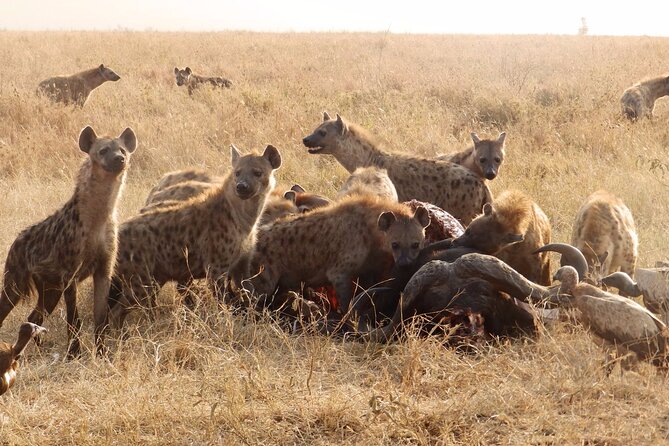
Day three starts with an early breakfast and a morning game drive in Serengeti. This is a smart use of the route because the morning gives you another chance to see animals before leaving the park.
After the drive, you head toward the Ngorongoro Conservation Area, with wildlife viewing along the way. The four-hour schedule is shared between the morning safari and the transfer, so this is another day when you need to be comfortable with time in the vehicle.
The timing also means your Serengeti experience is brief. You get the central park area on day two and a morning drive on day three, but you do not have multiple full days to explore different parts of the park. That matters if your main goal is the Serengeti rather than a balanced northern Tanzania itinerary.
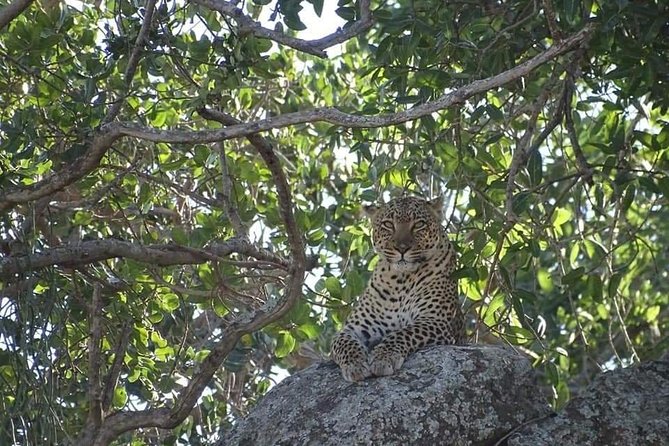
Still, this route gives you two separate chances to look for wildlife in the Seronera area. Some of the most memorable sightings described by past customers include leopard sightings and distant rhino spotting. Those moments depend on luck, season, and your guide’s eyes, but they show why a second game drive can be valuable.
You then spend the night in the Ngorongoro area before descending into the crater the next morning. The accommodation is described as a lodge or tented camp, with a self-contained room and hot shower. Ask for the exact property and room type before departure if that detail matters to you, since the package allows more than one accommodation style.
More Serengeti and Ngorongoro itineraries:
- 3 Days Serengeti & Ngorongoro Group Camping Safari
★ 5.0 · 574 reviews - 5-Day Highlights mid-Range Crater, Serengeti, Tarangire
★ 5.0 · 296 reviews - 3-Day Classic Serengeti Safari
★ 5.0 · 263 reviews - Private 6-Day Tarangire Manyara Crater and Serengeti with Mid-Range Lodges
★ 5.0 · 238 reviews
Day 4: Ngorongoro Crater’s concentrated wildlife
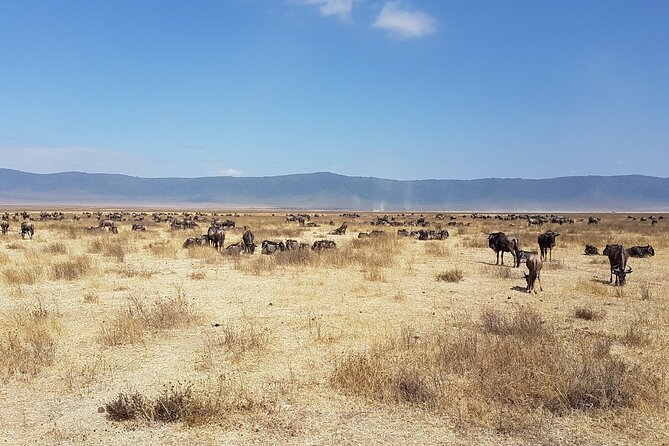
After breakfast, you descend into Ngorongoro Crater for a game drive and picnic lunch. The listed crater visit lasts about six hours, making this the other major wildlife day of the trip.
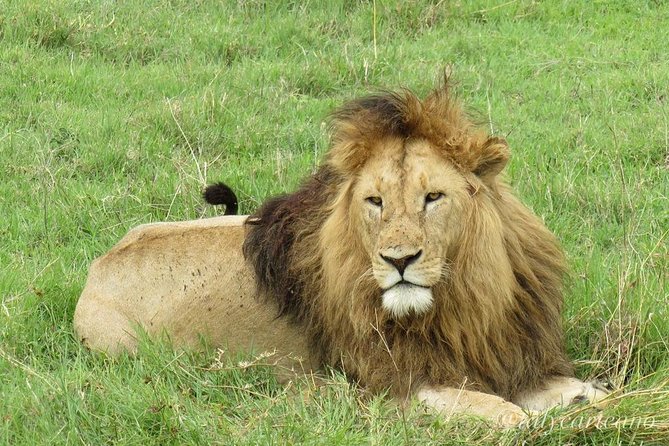
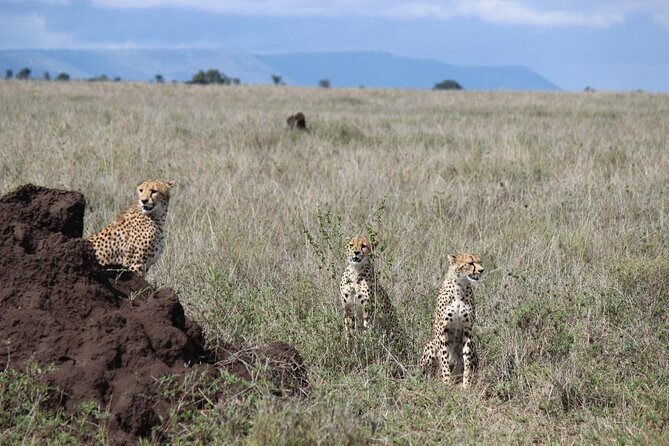
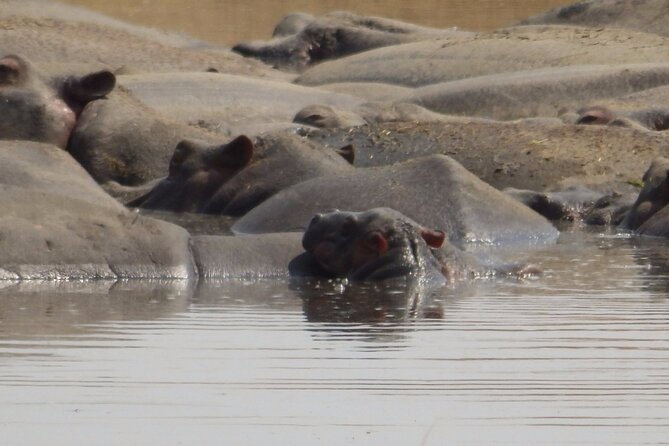
The crater is a large volcanic basin with a year-round water supply and grazing areas. That combination supports many animals in a relatively compact setting. You may see wildebeest, zebra, buffalo, eland, warthog, hippo, and elephants, along with predators such as lions, hyenas, jackals, cheetahs, and possibly leopard.
Black rhino is one of the biggest draws. Ngorongoro is home to some of Tanzania’s last remaining black rhinos, although sightings are not assured. The crater’s enclosed setting can make wildlife viewing feel more concentrated than in the open Serengeti, but it can also feel busier at popular animal sightings.
The picnic lunch takes place on the crater floor. You should treat this as a practical safari meal, not a restaurant stop. It saves time and keeps the day focused on wildlife, but it also means the schedule is shaped by park rules and the route rather than by your personal lunch preferences.
At the end of the crater visit, the activity returns to the Arusha meeting point. The exact return time is not provided, so do not schedule a tight onward connection on the same day without confirming the timing first.
Lodges, tented camps, meals, and water
The accommodation is one of the package’s useful features. You stay in lodges and tented camps with self-contained rooms and hot showers, so this is not a bare-bones camping trip. At the same time, tented camp does not mean a standard hotel room, and the atmosphere can be more closely connected to the surrounding bush.
Some past customers chose tented accommodation specifically to hear wildlife around camp at night. Sounds such as hyenas, zebras, and buffalo were part of the appeal. That style suits you if you want a closer-to-nature setting, but you should follow camp safety instructions and avoid walking around after dark unless staff advise you to do so.
All listed meals are included: three breakfasts, four lunches, and three dinners. Vegetarian and non-vegetarian meals are available. That is important on a route with long drives, since you are not left searching for food between parks.
Drinking water is included at 1.5 liters per person per day. I would still confirm how water is supplied in the vehicle and bring a reusable bottle if you use one. Beverages, laundry, telephone costs, and other personal purchases are not included.
What the $1,754.88 price covers
At $1,754.88 per person, this is not a low-cost quick excursion from Arusha. But the price includes much of what makes a safari expensive: park fees, a private 4×4 vehicle, a driver-guide, accommodation, meals, and drinking water.
The private setup is especially important to the value calculation. You are booking for a minimum of two people, and the trip is for your group alone. That gives you more control than a large shared vehicle, even though the parks themselves can still have busy animal sightings.
You also avoid paying separately for every park entrance and meal. All fees and taxes are included, which makes budgeting easier. The main costs left outside the package are airport transfers, nights in Arusha, flights, personal expenses, optional activities, and tips for the guide, cook, or other staff.
Optional activities include a balloon ride and visits to a local village, including a Maasai village. These are not part of the quoted price, and the four-day schedule may not leave much spare time. If one of those activities is important to you, arrange it before booking rather than assuming it can be added easily.
The value is strongest for a pair or small private group that wants a straightforward package and does not want to coordinate several suppliers. It is less attractive if you are willing to join a shared safari or if you want a longer stay in each park.
The guide can shape the whole safari
On safari, the guide is more than a driver. The guide chooses routes, explains animal behavior, watches for movement, and helps you understand why one area is worth stopping in. Past guide names connected with this operator include John, Anock, Isaac, Six, Joseph, Ali, Kaana, and Jofa.
Specific praise has focused on sharp animal spotting, calm driving, good explanations, and friendly service. One account described a guide spotting a rhino from a remarkable distance. Other accounts highlighted patience and a willingness to explain the surroundings, Maasai culture, and wildlife.
That said, you should not book on the assumption that a particular named guide will lead your trip unless the operator confirms it in writing. Guide assignments can change. I would send your questions before departure and ask about language, accommodation style, pickup details, and the expected route.
Communication is another useful point. The operator is based in Tanzania, and past customers have described clear planning before arrival and quick answers from a manager named Peter. That can be helpful when you are arranging an international trip and need confirmation about airport timing, nights in Arusha, or onward travel.
Who this safari suits best
This trip suits you if you want to see the three headline parks of northern Tanzania in a compact schedule. It works particularly well for couples, friends, or families of at least two people who prefer a private vehicle and want lodging rather than basic camping.
It also suits first-time safari visitors who value a package with most major costs included. You get varied scenery, several game drives, and a clear route from Arusha and back.
You may want a longer safari if you dislike early starts or long road transfers. Four days gives you a taste of each park, but the Serengeti portion is short. A longer stay would give you more time to explore beyond central Serengeti and reduce the feeling of moving on just as you get settled.
Families should also ask about the exact accommodation and vehicle arrangements before booking. The supplied information says most people can participate, but it does not provide age rules, child pricing, or a detailed accessibility plan.
Practical details before you go
Pickup is offered, but the stated start point is Msumbi Coffees at TFA Shopping Complex, JMFH+RR3, Sokoine Road, Arusha. The scheduled start time is 8:30 a.m. The activity ends back at the meeting point.
Confirmation is provided at booking, and the safari is available daily throughout the year. Weather can affect departures. If poor weather causes cancellation, you are offered another date or a full refund.
You can cancel for a full refund if you do so at least 24 hours before the local start time. Cancellations or changes made inside that 24-hour window are not accepted for a refund.
Bring light clothing, warm layers for early mornings, sun protection, and patience for the roads. Keep your camera ready, but remember that wildlife sightings remain unpredictable. A good guide improves your chances, not the guarantee.
Should you book this safari?
I would book this if your goal is a well-rounded northern Tanzania safari in four days and you value a private vehicle, included meals, and simple lodge or tented-camp accommodation. Tarangire, Serengeti, and Ngorongoro offer three distinct settings, and the route gives you a strong first look at the region.
I would hesitate if you want a relaxed pace or if the Serengeti is your only priority. In that case, spend more nights there instead of dividing your time among three parks.
Before paying, confirm the guide language, the exact accommodation, the pickup plan, and the likely return time to Arusha. If those details suit you, the package offers a practical way to cover a lot of Tanzania without handling every part of the trip yourself.
FAQ
How long is the safari?
The safari lasts approximately four days and includes visits to Tarangire National Park, Serengeti National Park, the Ngorongoro Conservation Area, and Ngorongoro Crater.
Where does the safari start?
The stated meeting point is Msumbi Coffees at TFA Shopping Complex, JMFH+RR3, Sokoine Road, Arusha, Tanzania.
What time does the safari begin?
The scheduled start time is 8:30 a.m.
Is this a private safari?
Yes. This is a private tour, and only your group participates. The minimum booking is two people.
What type of accommodation is included?
Accommodation is provided in lodges and tented camps. Rooms are self-contained and include hot showers.
Are meals included?
Yes. The package includes three breakfasts, four lunches, and three dinners. Vegetarian and non-vegetarian meals are available.
What is not included in the price?
Airport transfers, nights in Arusha, domestic and international flights, personal expenses, beverages, laundry, telephone costs, optional tours, and tips are not included.
More four day trips in Arusha
- 4 Days Join Group tour Tarangire Serengeti and Ngorongoro crater
★ 5.0 · 219 reviews - 4-Day Safari from Arusha: Tarangire, Serengeti and Ngorongoro
★ 5.0 · 173 reviews - 4 Days safari Tour Tanzania
★ 5.0 · 159 reviews - 4 Days Tarangire Serengeti Ngorongoro Crater
★ 5.0 · 117 reviews
Newly listed around Arusha
- 5-Day Private Safari Tour in Tanzania’s Wildlife★ 5.0 · 3 reviews
- 3 Days private safari Tarangire ,Ngorongroro crater &Manyara★ 5.0 · 3 reviews
- 3 Day Sharing Safari – Manyara, Ngorongoro Crater and Tarangire National Parks★ 5.0 · 3 reviews
- Tarangire National Park Day Trip★ 5.0 · 3 reviews
- 2 Days Tarangire and Ngorongoro Crater Tour★ 5.0 · 3 reviews
- 6 -Day Tarangire, Manyara, Serengeti & Ngorongoro★ 5.0 · 3 reviews
- 5 Days Group Camping Safari★ 4.7 · 3 reviews
- Private 4×4 Vitara Safari in Arusha National Park★ 5.0 · 3 reviews
Serengeti & Ngorongoro Safaris, compared.


Balloon Safari & Bush Breakfast in Serengeti – Miracle Experience
Read our review →




Private 6-Day Tarangire Manyara Crater and Serengeti with Mid-Range Lodges
Read our review →
5 Days Camping Tarangire, Serengeti & Ngorongoro crater & Visiting Maasai
Read our review →Browse the lists this tour appears in