
Reviewed · SERENGETI & NGORONGORO SAFARIS
4-Day Safari from Arusha: Tarangire, Serengeti and Ngorongoro
Tarangire’s giant baobabs, Serengeti’s open plains, and Ngorongoro’s crowded crater floor make this a strong four-day introduction to Tanzania’s best-known wildlife areas. You get a private 4×4 with a pop-up roof, which gives you room to watch animals without sharing the vehicle with another group.
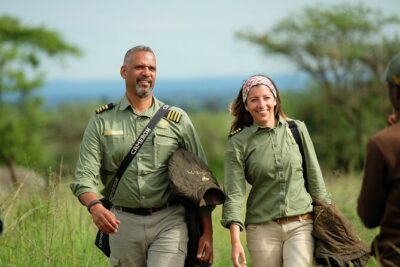
I like the clear route: three major wildlife areas in four days, with park fees, meals, water, and accommodation included. I also like the personal guide setup. Guides named Josef and David have been praised for their warm manner, punctuality, and strong knowledge of animals and the environment.
The tradeoff is time. You cover a lot of ground, and the route includes long drives between parks. If you want slow mornings, several nights in one camp, or a better chance to linger in one area, this schedule may feel brisk.
Key Details Before You Book
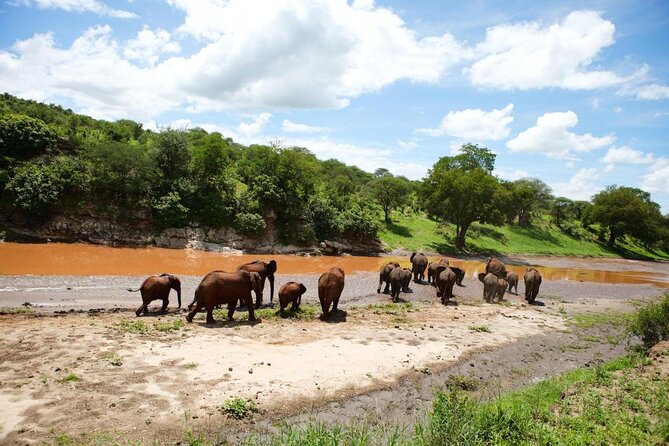
- Elephant country on day one: Tarangire is known for large elephant herds, baobab trees, acacia woodland, and swamps that draw animals in the dry season.
- Three major safari settings: You move from Tarangire’s river and swamps to the Serengeti’s wide plains, then to Ngorongoro’s enclosed crater.
- Private touring matters: Only your group takes part, so you can ask questions, discuss sightings, and shape the pace within the day’s plan.
- The price covers the expensive basics: At $1,753.34 per person, park fees, a private jeep, guide, meals, water, taxes, and accommodation are included.
- An optional balloon ride costs extra: The hot-air balloon upgrade is listed at $539 per person, a large add-on to budget carefully.
- The safari begins and ends in the Arusha area: Pickup is offered, but the stated meeting point is Arusha National Park, with a start window from 8:30 to 9 a.m.
Why This Four-Day Route Works
This safari gives you a useful slice of northern Tanzania without asking you to arrange separate park entries, vehicles, guides, meals, and lodging. You spend one day in Tarangire, enter the Serengeti on the second day, continue through the Ngorongoro Conservation Area on the third, and finish inside Ngorongoro Crater.
The route also gives you three different wildlife settings. Tarangire has woodland, baobabs, water, and swamp. The Serengeti opens out into long views and central river country. Ngorongoro is a compact wildlife area inside an ancient volcanic crater, where many species gather around year-round water and grazing.
That variety is the main reason to choose this trip. You are not seeing the same type of scenery each day. You are also not relying on one park to deliver every animal you hope to find.
Still, four days is short for a safari route of this size. The plan works best if you accept early starts, road time, and a full schedule. You will see a lot, but you will not have much spare time.
More Safaris in Arusha
- Balloon Safari & Bush Breakfast in Serengeti – Miracle Experience
★ 5.0 · 1,646 reviews - 4 Days Group Camping Safari
★ 5.0 · 1,101 reviews - 5 Days Group Camping Safari
★ 5.0 · 730 reviews
Day One: Tarangire’s Elephants and Baobabs
After breakfast, you drive to Tarangire National Park for a game drive with a picnic lunch. The park is shaped by its vegetation and water: acacia woodland, huge African baobabs, a river, and broad swamp areas in the south.
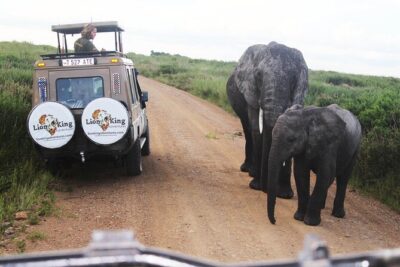
In the dry season, those water sources pull animals toward the park. That makes Tarangire especially useful early in a safari, since you can begin with a strong chance of seeing large mammals near water. The park is particularly famous for its elephant herds, and elephants are one of the main reasons to include Tarangire in a northern Tanzania route.
Look also for giraffes, zebras, buffaloes, and lions. The park has a more unusual side, too. It is associated with the greater kudu, fringed-eared oryx, and ashy starlings, three less commonly seen species that add interest beyond the usual safari checklist.
The baobabs give the day a visual character you will not get in the Serengeti. Their thick trunks and bare, spreading limbs appear among the woodland and make excellent markers as you move through the park. The swamps in the south can also bring a different mix of bird and mammal life.
The supplied timing lists about five hours at Tarangire, although the day is described as a full-day game drive. Ask for the expected driving time from Arusha and the exact time inside the park. That detail matters because road time can reduce the hours available for wildlife watching.
You eat a picnic lunch during the park visit. It is practical rather than luxurious, but it keeps the day moving and avoids leaving the park for a restaurant.
Day Two: Entering the Serengeti Through the Highlands
Day two takes you toward Serengeti National Park through the high farmland around Karatu and the Ngorongoro Conservation Area. The change in scenery is part of the day. You leave the higher country behind and head toward the broad Serengeti plains.
The plan focuses on the Seronera area in central Serengeti. This is an important wildlife zone because of the Seronera River, which supplies water and helps draw animals into the area. You arrive in time for lunch, followed by an afternoon game drive.
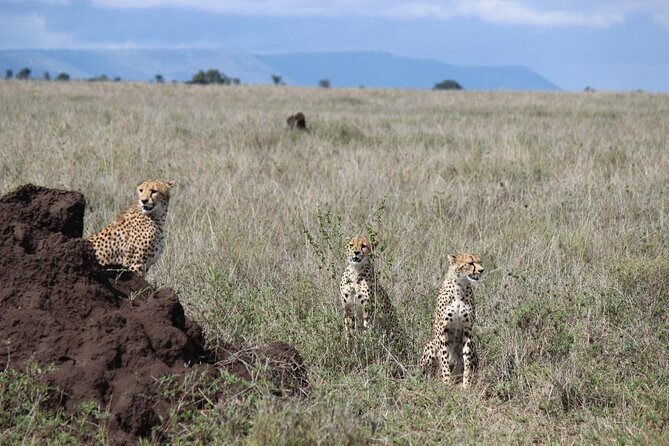
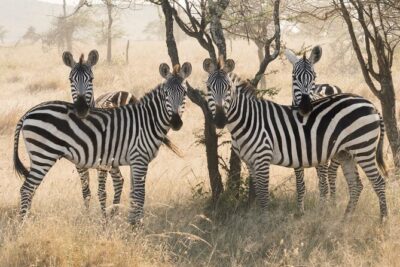
This central section is a sensible choice for a short safari. You do not have enough nights to reach every corner of the park, so focusing on a productive area keeps the route practical. You might see lions, cheetahs, hyenas, giraffes, zebras, wildebeest, buffaloes, and elephants, though no safari can promise a particular animal on a particular drive.
The Serengeti’s appeal is not only the animals. It is the feeling of distance. The plains stretch far into the distance, and the open view lets you scan for movement well beyond the road. After Tarangire’s trees and swamp country, this wide setting feels like a clear change of scene.
The listed time for this stop is about three hours, but the day includes the approach from Arusha and the route through Karatu and Ngorongoro. You should expect a substantial travel day, not three relaxed hours spent only watching animals.
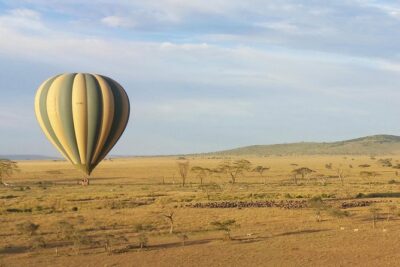
You can upgrade this safari with a hot-air balloon ride. The listed price is $539 per person, so it is not a small extra. It may suit you if an aerial view of the Serengeti is a top priority, but it raises the cost sharply. Ask when the balloon ride occurs and how it affects the normal game-drive schedule before paying for it.
Day Three: From Serengeti Wildlife to Ngorongoro Conservation Area
The third day begins with an early breakfast and a morning game drive. Early departures are useful on safari because animals may be active before the heat of the day, and the schedule gives you another chance to see the Serengeti before leaving it.
In the afternoon, you head toward the Ngorongoro Conservation Area with a game drive along the way. This transition is more than a transfer. The conservation area includes high country, open grazing areas, and the approach to one of Africa’s most famous wildlife sites.
The route is efficient, but it is also demanding. You have a morning game drive, a change of area, and more wildlife viewing in one day. If you prefer long stops at a single sighting, tell your guide early. A private vehicle gives you a better chance to discuss the pace than a shared departure would.
This is also where the guide’s role becomes important. A guide such as Josef or David can help explain how water, grazing, animal movement, and conservation concerns connect across the parks. The experience is better when you understand why animals gather in one place and disappear from another, rather than simply collecting photographs.
Accommodation is included, but the provided information does not name the lodges or camps. Ask for the exact accommodation category before booking. That will tell you more about comfort, room style, location, and what kind of evening to expect.
More Serengeti and Ngorongoro itineraries:
- 3 Days Serengeti & Ngorongoro Group Camping Safari
★ 5.0 · 574 reviews - 5-Day Highlights mid-Range Crater, Serengeti, Tarangire
★ 5.0 · 296 reviews - 3-Day Classic Serengeti Safari
★ 5.0 · 263 reviews - Private 6-Day Tarangire Manyara Crater and Serengeti with Mid-Range Lodges
★ 5.0 · 238 reviews
Day Four: Ngorongoro Crater and the Long Ride Back
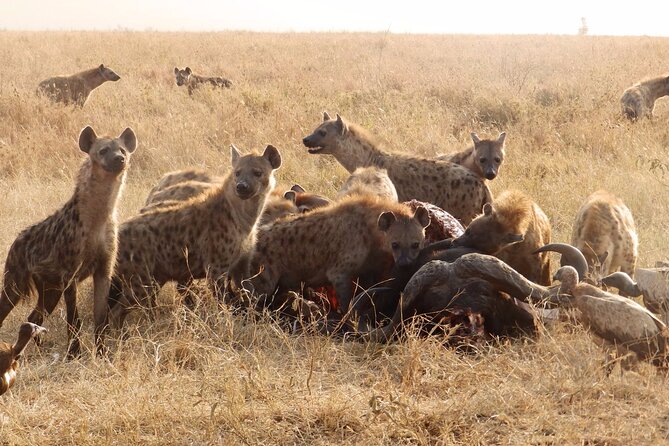
After breakfast, you descend into Ngorongoro Crater for a full-day game drive with a picnic lunch. The crater is a natural enclosure with grass, water, and feeding areas that support a large concentration of wildlife.
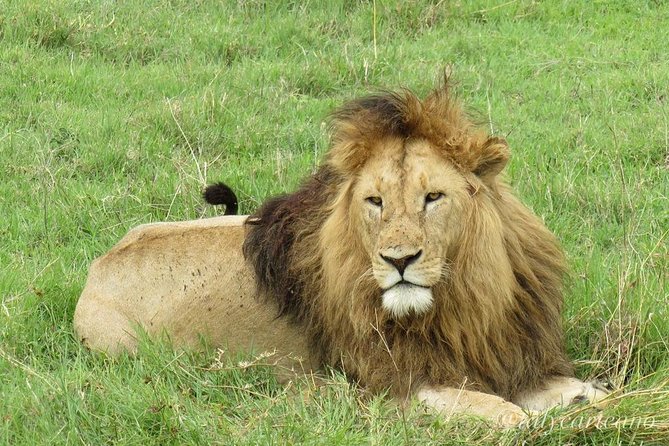
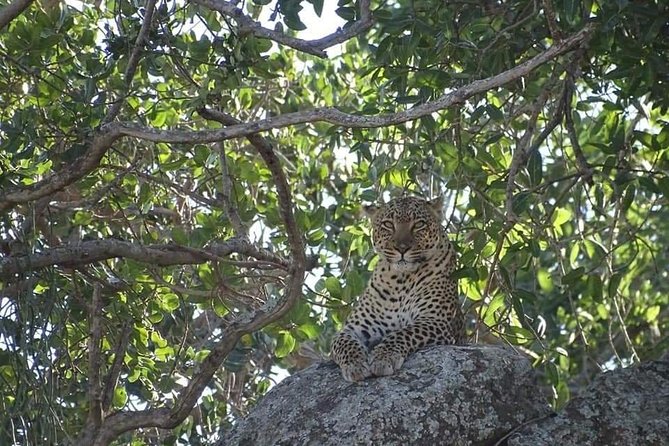
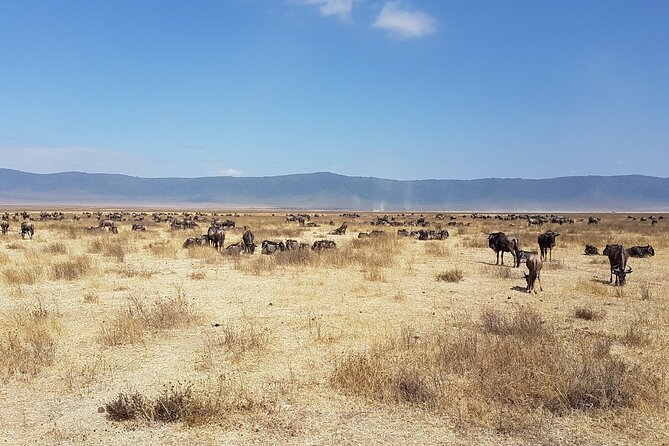
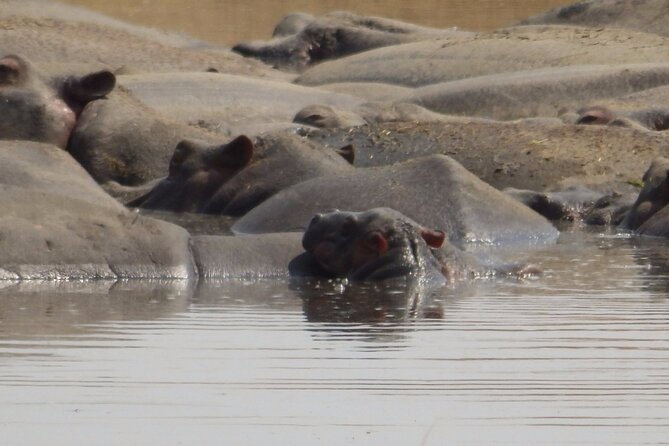
The crater floor may bring you close to herds of wildebeest, zebra, buffalo, eland, warthog, hippo, and African elephants. Predators include lions, hyenas, jackals, cheetahs, and the more elusive leopard. The area is also known for black rhino, one of the rarest animals you might hope to see in Tanzania.
The crater’s appeal is concentration. In the Serengeti, you may scan a huge open area before finding an animal. In Ngorongoro, the surrounding crater walls and dependable water supply create a more contained setting. That does not guarantee easy sightings, but it can make the wildlife feel more immediate.
The scenery is another reason to value this final day. You get the broad crater basin below and the enclosing high rim around it, a setting very different from both Tarangire and the Serengeti.
The listed time for the stop is about five hours, followed by a late-afternoon drive back to Arusha. That makes day four a full day with a long return. You should avoid scheduling a flight, major appointment, or fixed evening plan immediately after the safari unless you have confirmed the arrival time directly.
The picnic lunch keeps you inside the crater for the main part of the day. As on day one, this is a practical choice that protects wildlife-viewing time.
What the Private Jeep Adds
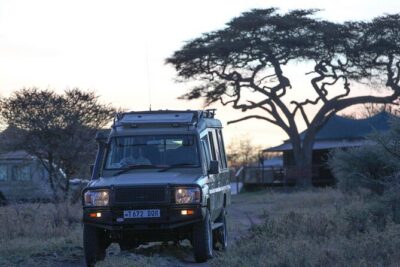
The private 4×4 is one of the most valuable features here. The vehicle has a pop-up roof for game viewing, allowing you to look out across the parks and watch animals from a better standing or seated position.
A private tour does not remove the natural limits of a safari. You still follow park rules, road conditions affect the schedule, and animals choose where they go. But you can ask your guide to explain a sighting, spend more time on an interesting species, or move on when you have had enough.
You also avoid sharing the day with an unknown group. That matters when your interests differ. One person may want birds, another may want elephants, and someone else may care most about big cats. A private guide can work with your group’s priorities.
The guide is central to the experience. Josef and David are names connected with strong past bookings, including praise for punctuality, friendliness, and detailed explanations of the wildlife and surroundings. They may not be the guides assigned to your departure, so ask who will lead your safari and how many years of guiding experience that person has.
What the $1,753.34 Price Really Covers
The price is high in everyday terms, but it covers many of the costly parts of a Tanzania safari. You receive park fees, a private safari jeep, a private guide, accommodation, three dinners, three lunches, two breakfasts, and 1.5 liters of drinking water each day.
Government taxes, VAT, and service charges connected with the included accommodation and meals are also covered. That reduces the risk of constant small charges during the trip.
The value depends heavily on the accommodation and the number of people in your booking. A minimum of two people is required, and the tour is private for your group. If two people share the vehicle, the cost is easier to understand than if a larger group divides it among more people, but you should confirm the maximum group size.
Several major expenses are not included. You pay separately for airport transfers, flights, Arusha hotel nights, a Tanzania visa, personal expenses, drinks, laundry, telephone use, tips, and optional tours.
The balloon ride deserves special attention. At $539 per person, it adds roughly a third of the base price for one person. I would treat it as a separate decision, not an automatic part of the safari. First decide if the standard game drives meet your priorities.
Meals, Water, and Practical Comfort
Three lunches, three dinners, and two breakfasts are included. The pattern fits the four-day schedule, though you should ask what happens with breakfast on the first day and dinner on the final day if your return timing changes.
The daily water allowance is 1.5 liters per person. That is useful, but you may want to confirm whether you can buy or bring more, especially during long drives and warm afternoons. Personal drinks are not included.
Picnic lunches are listed for the park days. They save time and keep you in the wildlife areas, but they also mean you should not expect a long restaurant break in the middle of the day.
The safari runs from approximately 8:30 to 9 a.m. on the listed operating days, from January 1 through December 31, 2025. Pickup is offered, but the stated meeting point is Arusha National Park and the activity ends back at the meeting point. Confirm the exact pickup address, especially if you are staying elsewhere in Arusha.
Who Should Choose This Safari
This trip suits you if you want the classic northern Tanzania route and have only four days. It is especially useful for first-time safari visitors who would rather have one private operator coordinate the vehicle, guide, park access, meals, and lodging.
It also suits couples and small groups who value privacy. The private format lets you make the most of your guide’s time and avoid being tied to strangers’ schedules.
Families can consider it too, since children must be accompanied by an adult and most people can participate. Still, the long drives and early mornings may test younger children. Ask the provider about age rules, vehicle time, and the exact accommodation before making a family booking.
This is less suitable if you want a slow, lodge-centered holiday. You move between three major areas, and the return to Arusha comes soon after the crater visit.
The experience has a 4.9 rating from 173 reviews and is recommended by 99 percent of bookers. Those figures point to a consistently strong experience, with the guide and organization receiving especially high praise. I would still use them alongside the practical questions about driving time, lodging, and group size.
Should You Book the Four-Day Safari?
Book it if you want maximum wildlife variety in a short window, prefer a private vehicle, and value having park fees, meals, water, and accommodation arranged in one package. Tarangire’s elephants, the Serengeti’s open country, and Ngorongoro’s dense wildlife make a convincing four-day route.
Think twice if you dislike long road days or need a firm airport departure soon after returning to Arusha. Before paying, confirm the accommodation, pickup point, guide assignment, vehicle capacity, and daily driving times.
The free cancellation rule gives you a full refund if you cancel at least 24 hours before the start time. That provides some flexibility, but it does not remove the need to check the non-included costs. For a compact first safari from Arusha, this is a well-focused choice, provided you are ready for an active schedule.
FAQ
How long is the safari?
The experience lasts approximately four days.
Which parks and protected areas does the tour visit?
The route includes Tarangire National Park, Serengeti National Park, the Ngorongoro Conservation Area, and Ngorongoro Crater.
Is this a private safari?
Yes. Only your group participates, and the tour uses a private 4×4 safari jeep with a pop-up roof and a private guide.
Are meals and water included?
Yes. The package includes three dinners, three lunches, two breakfasts, and 1.5 liters of drinking water per person each day.
Is the hot-air balloon ride included?
No. It is an optional upgrade listed at $539 per person.
What is the cancellation policy?
You can cancel for a full refund up to 24 hours before the experience start time. Cancellations or changes made less than 24 hours before the start are not accepted for a refund.
More four day trips in Arusha
- 4 Days Join Group tour Tarangire Serengeti and Ngorongoro crater
★ 5.0 · 219 reviews - 4 Days safari Tour Tanzania
★ 5.0 · 159 reviews - 4 Days Tarangire Serengeti Ngorongoro Crater
★ 5.0 · 117 reviews - 4 Days Tarangire, Serengeti and Ngorongoro Mid-Range Group Safari
★ 5.0 · 84 reviews
Newly listed around Arusha
- 5-Day Private Safari Tour in Tanzania’s Wildlife★ 5.0 · 3 reviews
- 3 Days private safari Tarangire ,Ngorongroro crater &Manyara★ 5.0 · 3 reviews
- 3 Day Sharing Safari – Manyara, Ngorongoro Crater and Tarangire National Parks★ 5.0 · 3 reviews
- Tarangire National Park Day Trip★ 5.0 · 3 reviews
- 2 Days Tarangire and Ngorongoro Crater Tour★ 5.0 · 3 reviews
- 6 -Day Tarangire, Manyara, Serengeti & Ngorongoro★ 5.0 · 3 reviews
- 5 Days Group Camping Safari★ 4.7 · 3 reviews
- Private 4×4 Vitara Safari in Arusha National Park★ 5.0 · 3 reviews
Serengeti & Ngorongoro Safaris, compared.
Balloon Safari & Bush Breakfast in Serengeti – Miracle Experience
Read our review →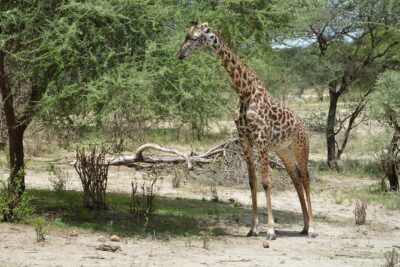
Private 6-Day Tarangire Manyara Crater and Serengeti with Mid-Range Lodges
Read our review →
5 Days Camping Tarangire, Serengeti & Ngorongoro crater & Visiting Maasai
Read our review →Browse the lists this tour appears in