
Reviewed · SERENGETI & NGORONGORO SAFARIS
4-Day Safari to Tarangire, Serengeti and Ngorongoro from Arusha – Join a group
The real strength of this safari is its tight route through three of Tanzania’s great wildlife areas. In four days, you move from Tarangire’s baobabs and elephant herds to the Serengeti’s open plains, then finish among the dramatic walls of Ngorongoro Crater.
I like the small group limit of seven, which keeps the shared price reasonable without putting you in a large vehicle. I also like the practical setup: a 4WD with a pop-up roof, guaranteed window seats, meals, camping gear, and pickup and drop-off in Arusha.
The trade-off is the pace. You spend long hours on rough roads and make the full journey to the Serengeti in a short trip. This is a strong choice for seeing the highlights on a budget, but not for a slow safari with long stays in one park.
Key points to know before booking
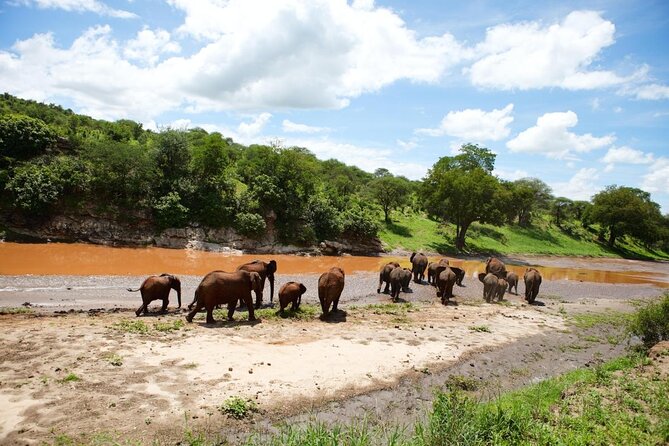
- Three major parks in four days: Tarangire, Serengeti, and Ngorongoro are all included, with game drives in each.
- Small shared group: The vehicle holds a maximum of seven people, making this a social but relatively intimate safari.
- Camping is the budget advantage: A tent, mattress, and sleeping bag are supplied for the budget option.
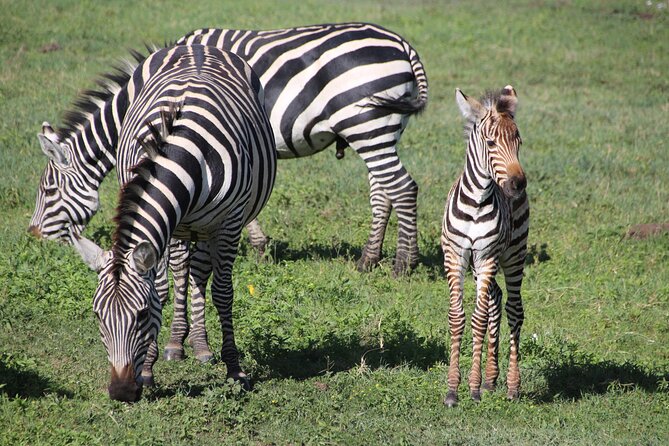
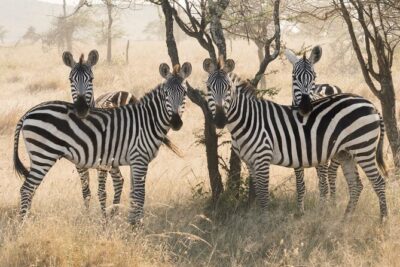
- Big game is the focus: Lions, elephants, buffaloes, cheetahs, giraffes, zebras, wildebeest, hippos, crocodiles, and possible rhinos are all part of the wildlife search.
- Cold weather matters: Ngorongoro’s rim is high and can feel chilly, especially on the third night.
- The price covers the essentials: At $1,050 per person, you receive transport, park fees, accommodation, meals, water, a guide, and Arusha transfers.
Why this four-day route works
This trip gives you a quick look at northern Tanzania’s best-known safari areas without asking you to arrange separate transport, camps, meals, and park permits. That matters because the practical side of a safari can become costly and confusing when handled piece by piece.
You begin and end in Arusha, Tanzania’s main base for northern safari circuits. Pickup is offered at your accommodation at 8:30 in the morning, and the company returns you to your chosen Arusha hotel or location after the final crater drive.
The group format keeps costs down. You share the vehicle and guide, but the group limit of seven is much more manageable than a large coach-style outing. A guaranteed window seat also matters more than it may sound. Wildlife viewing often means waiting quietly and scanning the same area for several minutes, so a clear view from the vehicle is useful.
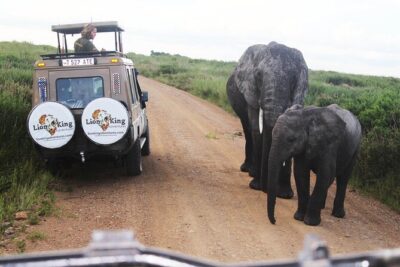
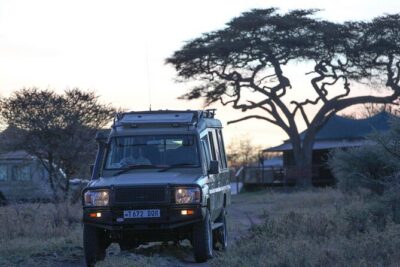
The included 4WD has a pop-up roof for game viewing. You can stand or sit beneath the opening as the vehicle stops, giving you a better view of animals and allowing more room for photography. Bottled water is included at 1.5 liters per person per day, though you should plan carefully because a full day outside can make that amount feel modest.
More Safaris in Arusha
- Balloon Safari & Bush Breakfast in Serengeti – Miracle Experience
★ 5.0 · 1,646 reviews - 4 Days Group Camping Safari
★ 5.0 · 1,101 reviews - 5 Days Group Camping Safari
★ 5.0 · 730 reviews
Tarangire’s elephants and baobabs on day one
The first morning is straightforward. You leave Arusha at 8:30 and drive about two and a half hours to Tarangire National Park, reaching the gate at roughly 11. The drive uses up part of the morning, but Tarangire is a good first park because its wildlife and scenery feel different from what follows.
The park takes its name from the Tarangire River, a key water source in the area. During the dry season, animals gather near the river, and the park is especially associated with large elephant herds and tall, striking baobab trees.
You spend about six hours inside the park, including a picnic lunch. Expect the day to combine long stretches of driving with sudden stops for wildlife. Elephants, giraffes, hippos, buffaloes, zebras, wildebeest, lions, and hyenas are among the animals you may see.
Tarangire is also a good reminder that a safari is not only about ticking off famous animals. The baobabs give the park a distinct character, and the mix of open areas, river country, and trees creates a different setting from the Serengeti’s broad plains.
The day ends with a park exit around 5 p.m., followed by about an hour of driving to the overnight accommodation. Because you are already covering a lot of ground, this is a full first day. I would keep your arrival in Arusha and the previous night as restful as possible.
The long road to Serengeti on day two
After breakfast, you set out around 9 a.m. for Serengeti National Park. The drive to the park gate takes about three hours and passes through the Ngorongoro Highlands. The road is not wasted time: you get changing scenery, and wildlife may appear before the official game drive begins.
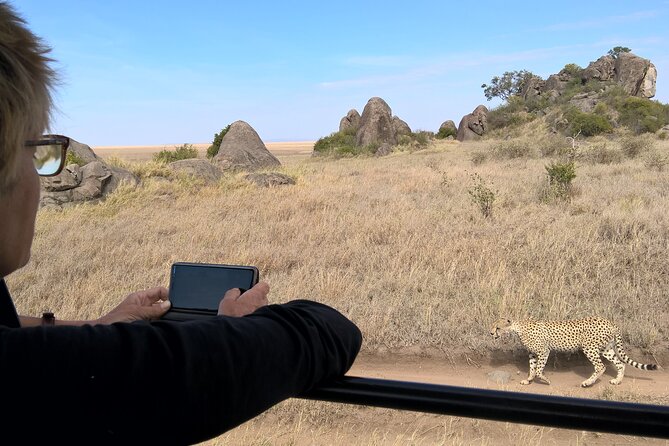
You enter the Serengeti around midday and spend about six hours on game drives. The park is famous for its enormous open plains, its large lion population, and the annual movement of wildebeest and other grazing animals. It also supports cheetahs, leopards, hyenas, giraffes, zebras, impalas, ostriches, warthogs, monkeys, and many bird species.
The Serengeti is the emotional center of this safari. Its open views make it easier to understand why this part of Tanzania is so closely linked with big-cat viewing. At the same time, the size of the park means sightings are never guaranteed, and the vehicle may spend time searching rather than moving from one sure sighting to the next.
That uncertainty is part of the experience, but it is also a practical consideration. You should be comfortable with several hours in a vehicle, dusty roads, and changing conditions. The supplied reviews repeatedly praise guides such as Mbwana, Jonas, and Michele for safe driving, animal knowledge, and a willingness to help groups find the Big Five. Your assigned guide may differ, but the guide’s skill will shape the quality of this day.
An early Serengeti start and a scenic move to the crater rim
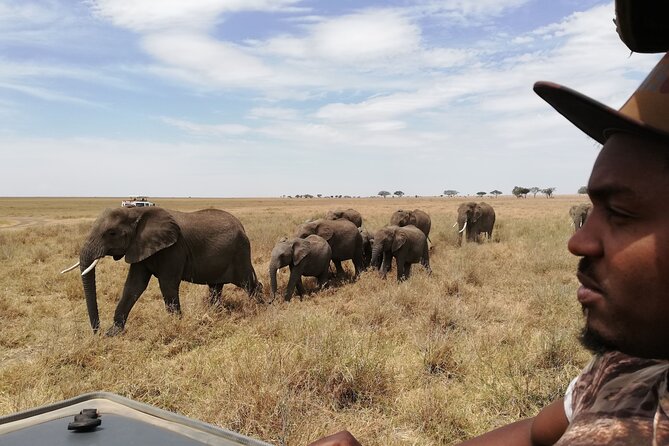
Day three starts at 6 a.m. with morning game drives. This early departure is useful because it gives you time in the Serengeti before leaving and lets you make wildlife stops along the route toward Ngorongoro.
The total game-drive time is about six hours, including a picnic lunch. You are not simply driving straight out of the park. The route functions as both a transfer and a final chance to see wildlife on the Serengeti plains.
This is also the day to pack warm clothes. Dinner and the overnight stay take place on the Ngorongoro Crater rim, where the higher elevation can bring chilly temperatures. A fleece, sweater, or warm jacket is more useful here than extra dressy clothing.
I like the overnight position because it sets up an early crater descent the next morning and gives you the chance to see the crater views from above. The drawback is that accommodation at this stage is functional rather than leisurely. You are still on a moving safari, not staying several nights in one lodge.
The camping version is aimed at people who want to reduce the cost and accept a more basic night. A tent, mattress, and sleeping bag are included. Other accommodation levels are listed as Deluxe and Comfort, but the exact properties and room standards are not specified, so ask for those details before paying if your sleeping arrangements matter.
More Serengeti and Ngorongoro itineraries:
- 3 Days Serengeti & Ngorongoro Group Camping Safari
★ 5.0 · 574 reviews - 5-Day Highlights mid-Range Crater, Serengeti, Tarangire
★ 5.0 · 296 reviews - 3-Day Classic Serengeti Safari
★ 5.0 · 263 reviews - Private 6-Day Tarangire Manyara Crater and Serengeti with Mid-Range Lodges
★ 5.0 · 238 reviews
Six hours inside Ngorongoro Crater
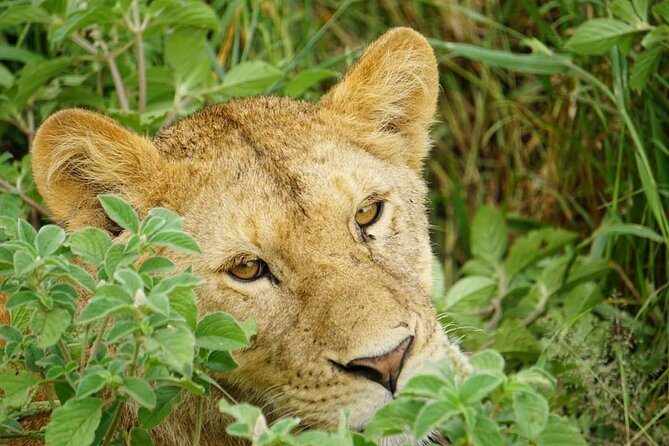
After an early breakfast, you descend into Ngorongoro Crater at about 7 a.m. The crater floor is one of the trip’s most concentrated wildlife areas, and the setting gives the final day a powerful sense of place.
The drive includes about six hours of game viewing and a picnic lunch at the hippo pool picnic site. You may see lions, buffaloes, hippos, flamingos, wildebeest, zebras, gazelles, leopards, rhinos, hyenas, elephants, and other animals.
The crater is part of the Ngorongoro Conservation Area and is recognized as a UNESCO World Heritage site. The views from the rim are a major part of the visit, but the crater floor is where the wildlife search takes place. You get a different kind of safari here than in the Serengeti: the enclosed setting can make the animal viewing feel more concentrated, while the crater walls create a memorable backdrop.
Rhino sightings are possible but not something to treat as a promise. Some past parties saw the Big Five, including rhinos at a distance. That is a useful way to set expectations: this route gives you a strong chance to see a wide range of animals, but nature does not follow a checklist.
Around 1 p.m., you leave the crater and drive back to Arusha. The return transfer is included, but this is another long day. If you have a flight immediately afterward, confirm the timing carefully and leave plenty of room for delays. The stated drop-off is at your Arusha accommodation, not an airport transfer.
What the $1,050 price really covers
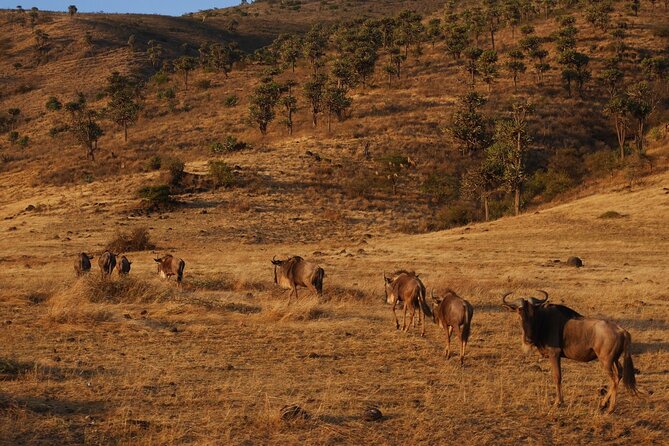
At $1,050 per person, this is not a cheap day trip, but it includes the parts that make a northern Tanzania safari expensive. You receive park fees and taxes, four days of game drives, a 4WD vehicle, a professional English-speaking guide, accommodation, three breakfasts, four lunches, three dinners, bottled water, and Arusha pickup and drop-off.
The four lunches are especially practical because the route keeps you in the parks during the middle of the day. You do not need to return to a town for every meal. Personal drinks, alcoholic beverages, flights, visas, tips, and accommodation before or after the safari are extra.
The value is strongest for a solo visitor or couple who wants to share the cost. A private safari gives you more control over departure times and stops, but the shared format makes this itinerary more attainable. It also gives you company during long drives and around camp.
Tips are not included and are highly recommended. Set aside money for the guide and other safari staff rather than treating the advertised price as your complete trip budget.
Camping, comfort, and the social side
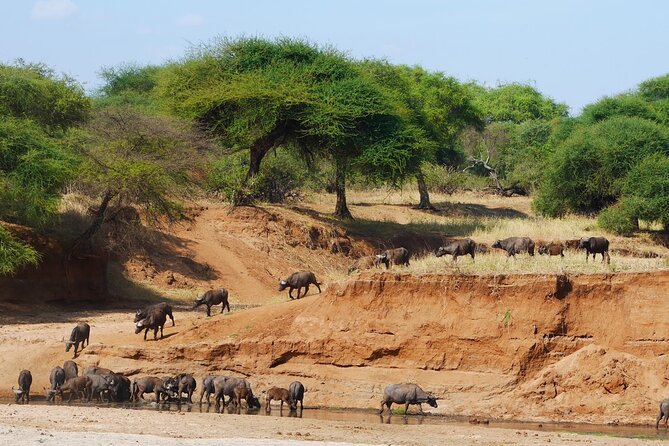
The social setup is one of the tour’s main selling points. With no more than seven people, you share sightings, meals, and long drives with a small group rather than traveling alone in a vehicle.
That can be fun, especially if you enjoy meeting people and comparing notes after a day of wildlife viewing. It can also mean less control. You may need to compromise on how long to stay at a sighting, when to stop, or how much time to spend taking photographs.
Camping is the clearest way to keep the price in check. The equipment listed includes a tent, mattress, and sleeping bag, so you do not need to bring a full camping kit. Still, budget camping means you should pack with simplicity in mind: warm layers for the crater rim, comfortable clothes, sun protection, and a small bag that keeps your essentials close.
If you prefer more comfort, ask which Deluxe or Comfort accommodation applies to your departure. Those categories are included, but the supplied details do not identify exact lodges or room features.
The guide and vehicle make the difference
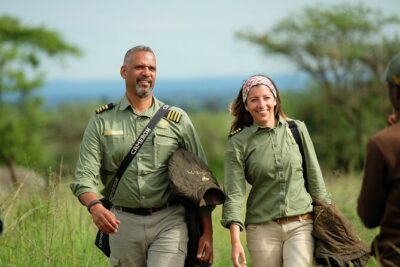
A safari guide does much more than steer the vehicle. The guide reads animal behavior, explains birds and plants, watches the radio or road activity, and decides when a sighting deserves more time.
The strongest feedback about this operator centers on guides and drivers. Mbwana is repeatedly praised for his animal knowledge, calm driving, attention to the group, and ability to answer detailed questions. Jonas is singled out for handling rough roads safely, while Victor receives praise for clear planning and quick communication before the trip.
You should still regard these names as examples rather than a guarantee of who will lead your departure. Ask the company which guide is assigned if that information is important to you.
The vehicle’s pop-up roof and guaranteed window seat are valuable features. They improve your viewing position and reduce one common annoyance of shared safaris, fighting for a place beside the window. A maximum of seven people also leaves more room for each person to see out.
Who should book this safari
I would choose this trip if I had four days, wanted the classic northern Tanzania route, and cared more about seeing several major parks than spending extra time at one camp. It suits solo visitors, couples, and friends who are happy to share costs and space.
It also suits first-time safari visitors who want the main highlights organized in one package. The guide, vehicle, park fees, meals, accommodation, and transfers are bundled together, so you have fewer moving parts to manage.
I would hesitate if you dislike early starts, rough roads, long transfers, or basic camping. The Serengeti portion is rewarding, but the schedule gives you only a short window there. A longer safari would allow more time to settle into the park and reduce the pressure of moving each day.
Free cancellation is available when you cancel at least 24 hours before the local start time. Changes or cancellations inside that window are not accepted for a refund, so keep that cutoff in mind.
Should you book it?
Book this safari if you want Tarangire, Serengeti, and Ngorongoro in one efficient four-day package and you are comfortable with a shared vehicle and a busy schedule. The small group, included park fees, supplied camping gear, and strong emphasis on guide quality make the $1,050 price reasonable for a classic route.
Choose a longer or private safari if you want more time in the Serengeti, more control over the daily rhythm, or a guaranteed higher level of accommodation. For a budget-minded first safari from Arusha, though, this trip gives you a lot of Tanzania in a short, memorable run.
FAQ
Where does the safari start?
Pickup is offered from your accommodation in Arusha. The stated start time is 8:30 a.m.
How many people can join the group?
The tour has a maximum of seven participants.
What parks are included?
The route includes Tarangire National Park, Serengeti National Park, and Ngorongoro Crater within the Ngorongoro Conservation Area.
Is camping equipment provided?
Yes. The budget option includes a tent, mattress, and sleeping bag. Deluxe and Comfort accommodation options are also listed.
Are meals included?
Yes. The package includes three breakfasts, four lunches, and three dinners. Personal drinks and alcoholic beverages are not included.
Is transportation included after the safari?
Yes. Drop-off at your chosen accommodation or location in Arusha is included after the final day.
More four day trips in Arusha
- 4 Days Join Group tour Tarangire Serengeti and Ngorongoro crater
★ 5.0 · 219 reviews - 4-Day Safari from Arusha: Tarangire, Serengeti and Ngorongoro
★ 5.0 · 173 reviews - 4 Days safari Tour Tanzania
★ 5.0 · 159 reviews - 4 Days Tarangire Serengeti Ngorongoro Crater
★ 5.0 · 117 reviews
Newly listed around Arusha
- 5-Day Private Safari Tour in Tanzania’s Wildlife★ 5.0 · 3 reviews
- 3 Days private safari Tarangire ,Ngorongroro crater &Manyara★ 5.0 · 3 reviews
- 3 Day Sharing Safari – Manyara, Ngorongoro Crater and Tarangire National Parks★ 5.0 · 3 reviews
- Tarangire National Park Day Trip★ 5.0 · 3 reviews
- 2 Days Tarangire and Ngorongoro Crater Tour★ 5.0 · 3 reviews
- 6 -Day Tarangire, Manyara, Serengeti & Ngorongoro★ 5.0 · 3 reviews
- 5 Days Group Camping Safari★ 4.7 · 3 reviews
- 4 Days Tanzania Safari★ 4.5 · 3 reviews
Serengeti & Ngorongoro Safaris, compared.
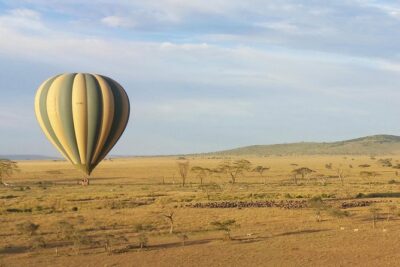
Balloon Safari & Bush Breakfast in Serengeti – Miracle Experience
Read our review →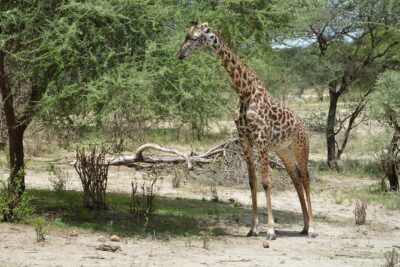

Private 6-Day Tarangire Manyara Crater and Serengeti with Mid-Range Lodges
Read our review →
5 Days Camping Tarangire, Serengeti & Ngorongoro crater & Visiting Maasai
Read our review →Browse the lists this tour appears in