
Reviewed · SERENGETI & NGORONGORO SAFARIS
4-Day Budget Tarangire, Serengeti, Ngorongoro Safari Guided Tour
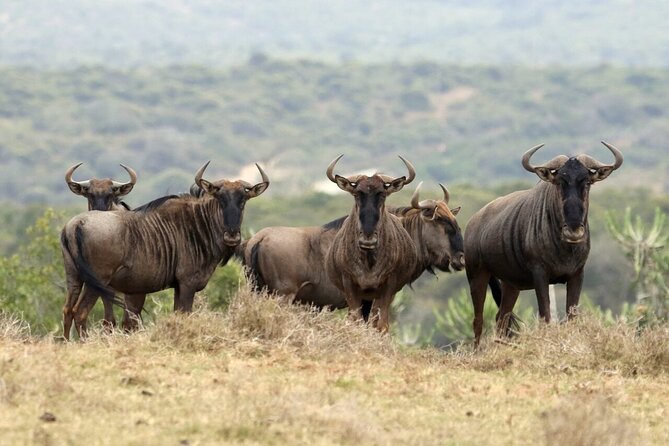
The big appeal here is variety: in four demanding days, you visit Tarangire, Serengeti, and Ngorongoro, three very different wildlife areas. You get dry-country elephants and river life in Tarangire, open grasslands and predator country in central Serengeti, then a compact volcanic world in the Ngorongoro Crater.
I like the small maximum group of six, which gives you a better chance of seeing out of the vehicle and asking your guide questions without shouting across a crowded van. I also like the practical price: at $1,000 per person, park fees, transport, accommodation, meals, water, taxes, and a professional driver-guide are bundled together.
The trade-off is time. Days two and three run about 12 hours, and the route includes long drives between parks. Accommodation is budget-oriented, with campsites at Nyani and Simba, so this suits you best if wildlife matters more than a polished lodge stay.
Key points to know before booking
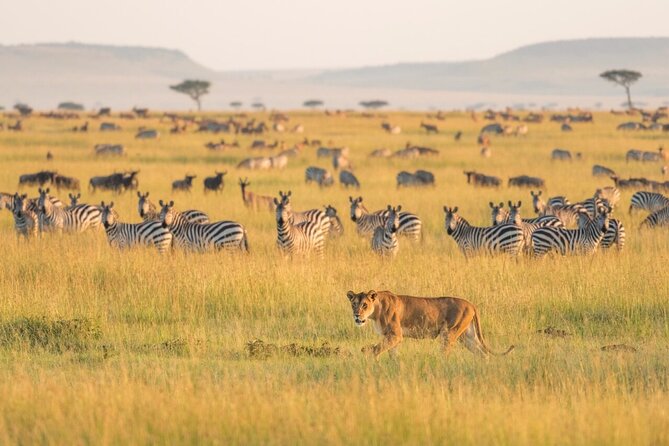
- Three major wildlife areas in four days: Tarangire, central Serengeti, and the Ngorongoro Conservation Area.
- Small group format: The vehicle carries a maximum of six people, with pickup offered from Arusha.
- Strong meal coverage: Four breakfasts, four lunches, and three dinners are included, with past trips featuring freshly cooked meals and dishes such as soup, pasta, pizza, and traditional food.
- Guide-led wildlife searching: Guides including Ismael, Omar, and Hassan have been praised for animal spotting, route management, and clear explanations, but your assigned guide may differ.
- Budget camping with one lodge night: You stay at a budget lodge after Tarangire, Nyani campsite in Serengeti, and Simba campsite near Ngorongoro.
- Flexible cancellation: You can cancel up to 24 hours before the 6:00 am start for a full refund, subject to the stated weather and minimum-group conditions.
What $1,000 buys you on this Tanzania safari
At $1,000 per person, this is not a bare-bones park entry package. The price covers park fees, all listed activities, transport, accommodation, meals, drinking water, taxes, and a professional driver-guide.
That matters in northern Tanzania, where park fees and long-distance transport can quickly consume a large share of a safari budget. You also avoid arranging separate transfers between Arusha, Tarangire, Serengeti, and Ngorongoro.
The price does not cover international flights, airport transfers, extra nights before or after the safari, tips, personal purchases, or government increases in taxes and park fees. You should also plan for accommodation in Arusha if your hotel nights fall outside the four-day schedule.
I see the main value in the combination of three parks and full meal coverage. Past trips were especially praised for good food, well-organized pickup, kind staff, and guides who worked hard to find animals. One solo woman specifically described feeling safe and well cared for, which is useful reassurance if you are joining on your own.
Still, budget means budget. You should not book this expecting private rooms, a luxury tented camp, or a slow pace. The schedule is built to cover famous parks efficiently, not to give you long afternoons beside one waterhole.
More Safaris in Arusha
- Balloon Safari & Bush Breakfast in Serengeti – Miracle Experience
★ 5.0 · 1,646 reviews - 4 Days Group Camping Safari
★ 5.0 · 1,101 reviews - 5 Days Group Camping Safari
★ 5.0 · 730 reviews
Day 1: Tarangire and the river that gathers wildlife
Your first morning begins with breakfast at your Arusha hotel, followed by pickup at around 6:00 am. The drive and park visit take roughly 10 hours, so this is a full opening day rather than a gentle introduction.
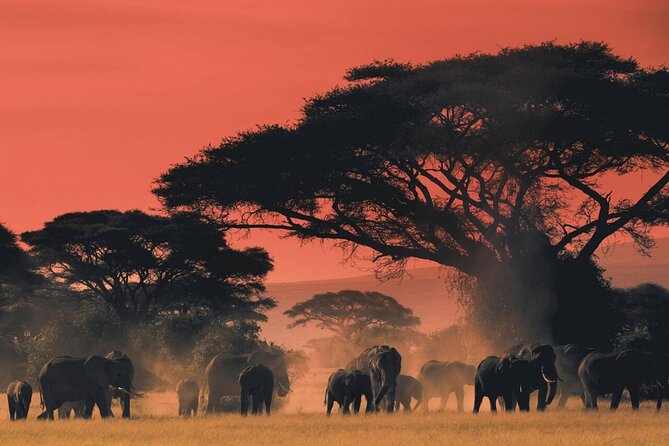
Tarangire is an excellent first stop because it has a character of its own. The permanent Tarangire River draws animals during dry periods, when much of the surrounding country becomes less dependable for water. The park is known for large elephant numbers, and its dry-season concentration can make the animal sightings feel surprisingly close and busy.
The scenery changes as you move through the park, with open grass, trees, and the river zone creating different places to search. Your guide’s skill matters here. A good guide will watch animal behavior, communicate with other vehicles when appropriate, and help you understand why animals gather in one area rather than another.
The schedule describes the park as especially rewarding during the dry season, when migratory movement and thirsty animals increase the pressure around permanent water. In the rainy season, sightings can be less concentrated, and the bush may offer animals more places to spread out. One past safari still found nearly all the hoped-for animals in rainy conditions, missing only the leopard, but no season can guarantee a particular sighting.
You spend the night at a budget lodge after the game drive. That lodge night gives you a little more comfort before the camping portion begins, but the 10-hour day can still leave you tired. I would keep your first evening simple and save your energy for the long road to Serengeti.
Day 2: The long road into central Serengeti
Day two begins after breakfast and takes about 12 hours. You travel onward to Serengeti National Park, a name that carries real weight, but the important question is what you will see once you get there.
Central Serengeti is known for broad open grasslands, rocky outcrops, and the Seronera River, which flows throughout the year. Permanent water makes the Seronera area a useful place for wildlife, especially when nearby sources dry up. The area is also noted for predator sightings, so your guide may spend time scanning open ground, river edges, and rocky areas.
This is the day when patience pays. You may cover a great deal of ground, and the wildlife can be spread across a huge area. The guide is not simply driving from one attraction to another. The work includes watching the road, reading the terrain, listening for information about sightings, and deciding how long to remain in promising areas.
Serengeti is also associated with the Great Migration, but you should not treat migration sightings as automatic. Animal movement changes with rainfall and grazing conditions. The park remains worthwhile outside the migration period because resident wildlife and predator country are central parts of its appeal.
The overnight stay is at Nyani campsite. Camping makes the safari more affordable and keeps you close to the park setting, but it also means you should be comfortable with basic conditions. Past trips praised the tents and food, including meals cooked during the safari, yet the supplied details do not promise private facilities or luxury camping.
Day two is the hardest on paper. Twelve hours includes driving and game viewing, so anyone who dislikes long road days should think carefully before booking. If you can accept the distance, this is the day that delivers the grandest sense of open country.
Day 3: Leaving Serengeti for the Ngorongoro Conservation Area
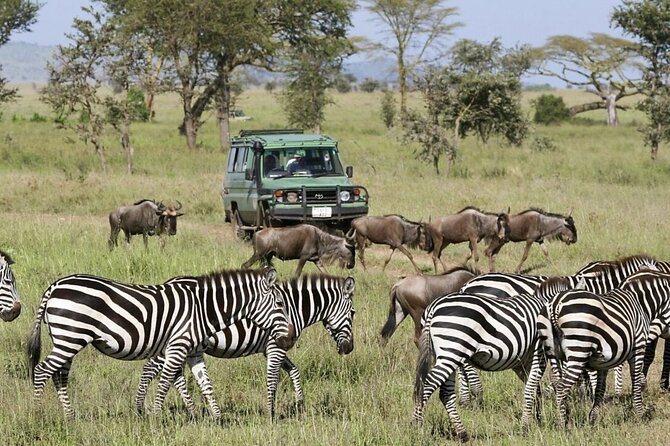
The third day also takes about 12 hours. You return to camp to pack, then leave Serengeti toward the Ngorongoro area, with a game drive along the route.
That wording is important. You are not simply checking out and riding straight to the next overnight stop. Wildlife viewing continues as you travel, which can produce useful sightings in places you might otherwise pass through. At the same time, the route means you have less freedom to linger than you would on a dedicated full-day Serengeti drive.
You spend the night at Simba campsite. This is the second camping night, and it keeps the package at a price that is far below many lodge-based safaris. I would pack light and keep frequently used items accessible, since you will be handling your belongings around camp and moving between different sleeping locations.
Meals are a strong part of the package. Four breakfasts, four lunches, and three dinners are included, and past trips praised food prepared fresh during the journey. Dishes mentioned include traditional meals, soups, pasta, and pizza. That variety can make a real difference after a dusty road day, especially when you are not stopping to find restaurants.
The staff names associated with past trips include chef Ramadani, guides Ismael, Omar, and Hassan, and team members Isaya and Amiri. These names should not be read as a guarantee of your exact crew, but they give you a sense of the personal service available on some departures. Ask for the assigned guide and chef before you leave if knowing the team matters to you.
More Serengeti and Ngorongoro itineraries:
- 3 Days Serengeti & Ngorongoro Group Camping Safari
★ 5.0 · 574 reviews - 5-Day Highlights mid-Range Crater, Serengeti, Tarangire
★ 5.0 · 296 reviews - 3-Day Classic Serengeti Safari
★ 5.0 · 263 reviews - Private 6-Day Tarangire Manyara Crater and Serengeti with Mid-Range Lodges
★ 5.0 · 238 reviews
Day 4: The Ngorongoro Crater’s compact wildlife world
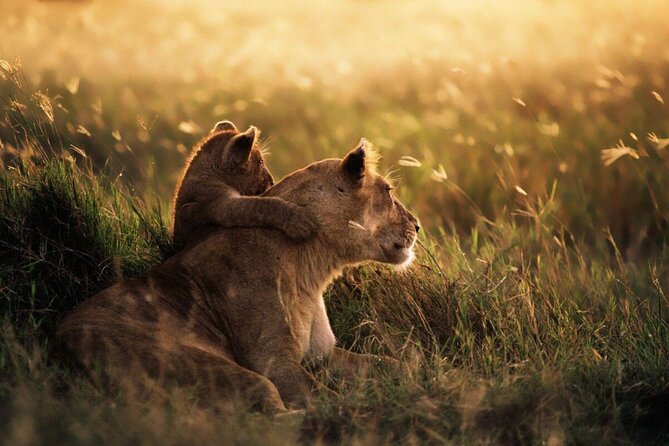
The final day begins after breakfast and includes about six hours in Ngorongoro Crater. Compared with the previous two days, this is shorter and more focused.
The crater is roughly 10 miles wide and was formed when a volcano collapsed. Its enclosed shape creates a compact ecosystem with grassland, water, and wildlife in close relation. That does not make sightings certain, but it does make the crater an efficient place for a final game drive.
The crater is famous for a high concentration of predators, and you may be able to see several major species in one afternoon. Several past trips reported seeing four of the Big Five, while one account described missing only the leopard during a rainy-season safari. Those examples show the potential, not a promise. Leopards are elusive, and even common animals can be hidden by weather, distance, or vegetation.
Ngorongoro also gives you a strong visual finish. The crater walls and broad floor create a sense of scale that differs from Serengeti’s open plains and Tarangire’s river country. You get three separate wildlife settings in one short trip, rather than three versions of the same park.
The schedule does not specify an included final transfer to the airport. Roundtrip airport transportation is excluded, so confirm where the safari ends and arrange your onward ride or extra Arusha accommodation separately.
Why the small group size matters
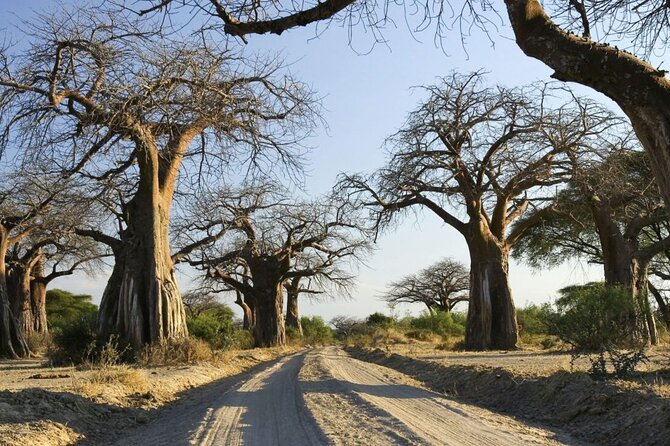
The maximum group size is six, and pickup is offered. This is one of the most useful details in the package because the quality of a safari often depends as much on the people in the vehicle as on the park itself.
A six-person group is still social, but it is less cramped than a large shared departure. You have a better chance of getting a window seat, keeping your camera pointed in the right direction, and hearing the guide. Group discounts may also help if you are booking with friends or family.
The downside is that a shared safari requires compromise. You may want to stay longer at a lion sighting while another person wants to move on. The schedule is also fixed enough that the group needs to keep moving between parks.
The guide is central to the experience. Past trips placed strong emphasis on guides who were attentive, informative, safe, and good at finding favorable viewing spots. I would ask before booking how the group is formed, how many people are confirmed, and whether the guide speaks your preferred language, since those details are not specified here.
Food, water, and the practical camping setup
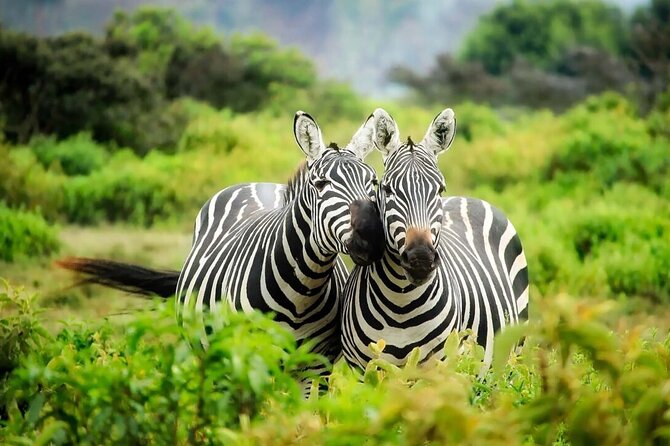
The included meals reduce both cost and hassle. Breakfast and dinner are covered at the appropriate overnight stops, while lunches are included throughout the four days. Drinking water is also provided.
The food has received unusually warm attention, with specific praise for fresh cooking and a mix of traditional and familiar dishes. That is valuable on a safari because meal timing follows long drives and game viewing, not normal city hours.
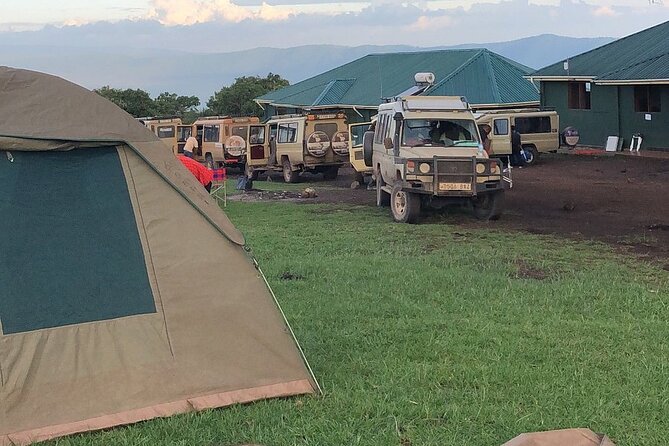
Accommodation is mixed: a budget lodge on the first night, then Nyani and Simba campsites. This is a sensible setup for keeping the rate near $1,000, but you should decide honestly how comfortable you are with camping before you pay.
All accommodation is included, but the information does not specify room type, tent facilities, bedding, bathrooms, or electrical access. Ask those questions directly. You should also bring personal items suited to long days outdoors, since personal purchases are not included.
Who should book this safari
I would recommend this trip to you if your priority is seeing major northern Tanzania parks without paying lodge-safari prices. It works especially well for solo visitors, couples, and small groups who want a guided experience and are happy to share a vehicle.
It is also a good fit if you want to sample three parks before deciding on a longer safari. Tarangire gives you a distinct dry-season setting, Serengeti provides the broadest sense of wild country, and Ngorongoro offers a concentrated final game drive.
I would hesitate if you want a relaxed schedule. Two 12-hour days are a serious commitment, and the route leaves little room for delays. I would also look elsewhere if your priority is a luxury camp, private vehicle, or a highly customized photography plan.
Weather matters too. The experience requires good weather, and a cancellation caused by poor weather may result in another date or a full refund. The minimum group requirement also applies, so a departure can be changed or refunded if that minimum is not met.
Should you book the 4-day Tarangire, Serengeti, and Ngorongoro safari?
Book it if you want maximum park variety at a controlled price, and you accept long driving days plus budget camping. The package has the right ingredients for a first northern Tanzania safari: three famous wildlife areas, meals, water, park fees, transport, and a small group capped at six.
Before booking, confirm the exact accommodation details, final drop-off arrangements, group size, and assigned guide. If those answers suit you, $1,000 is a sensible value for a tightly packed four-day route. If you need private comfort or more time in Serengeti, spend more on a longer or more customized safari instead.
FAQ
Where does the safari start?
The safari starts in Arusha, Tanzania, with pickup offered. The stated start time is 6:00 am.
How long is the tour?
The safari lasts approximately four days.
Which parks and conservation areas are included?
The route includes Tarangire National Park, Serengeti National Park, the Ngorongoro Conservation Area, and the Ngorongoro Crater.
What is the maximum group size?
The experience has a maximum of six participants.
Is accommodation included?
Yes. All accommodation is included. The schedule specifies a budget lodge after Tarangire, Nyani campsite in Serengeti, and Simba campsite near Ngorongoro.
Are meals included?
Yes. The package includes four breakfasts, four lunches, and three dinners.
Is drinking water included?
Yes. Drinking water is included.
Are park fees included?
Yes. Park fees are included, along with all listed activities, transportation, taxes, and VAT.
Are airport transfers included?
No. Roundtrip airport transfers are not included.
Can I cancel for a full refund?
Yes, if you cancel at least 24 hours before the 6:00 am start time. Cancellations or changes made less than 24 hours before the start are not accepted for a refund under the stated policy.
What happens if weather or group numbers cancel the safari?
If poor weather causes cancellation, you will be offered another date or a full refund. If the minimum number of participants is not met, you will be offered another date or experience, or a full refund.
More four day trips in Arusha
- 4 Days Join Group tour Tarangire Serengeti and Ngorongoro crater
★ 5.0 · 219 reviews - 4-Day Safari from Arusha: Tarangire, Serengeti and Ngorongoro
★ 5.0 · 173 reviews - 4 Days safari Tour Tanzania
★ 5.0 · 159 reviews - 4 Days Tarangire Serengeti Ngorongoro Crater
★ 5.0 · 117 reviews
Newly listed around Arusha
- 5-Day Private Safari Tour in Tanzania’s Wildlife★ 5.0 · 3 reviews
- 3 Days private safari Tarangire ,Ngorongroro crater &Manyara★ 5.0 · 3 reviews
- 3 Day Sharing Safari – Manyara, Ngorongoro Crater and Tarangire National Parks★ 5.0 · 3 reviews
- Tarangire National Park Day Trip★ 5.0 · 3 reviews
- 2 Days Tarangire and Ngorongoro Crater Tour★ 5.0 · 3 reviews
- 6 -Day Tarangire, Manyara, Serengeti & Ngorongoro★ 5.0 · 3 reviews
- 5 Days Group Camping Safari★ 4.7 · 3 reviews
- 4 Days Tanzania Safari★ 4.5 · 3 reviews
Serengeti & Ngorongoro Safaris, compared.


Balloon Safari & Bush Breakfast in Serengeti – Miracle Experience
Read our review →




Private 6-Day Tarangire Manyara Crater and Serengeti with Mid-Range Lodges
Read our review →
5 Days Camping Tarangire, Serengeti & Ngorongoro crater & Visiting Maasai
Read our review →Browse the lists this tour appears in