
Reviewed · SERENGETI & NGORONGORO SAFARIS
3-Day Safari in Serengeti & Ngorongoro(Mid-range)
The big draw here is the contrast between Serengeti’s endless plains and the compact wildlife world inside Ngorongoro Crater. In three demanding days, you get two major northern Tanzania parks, with time for afternoon and full-day game viewing rather than a quick pass through each.
I like the private format, since only your own group joins the activity, and I like the chance to spend a night near the crater at Rhino Lodge instead of racing back to Arusha. The main drawback is the schedule: reaching the Serengeti from Arusha takes most of the first day, so you should be ready for long road hours and an early start.
Key points to know before booking
- Two days in the Serengeti: You have an afternoon game drive on day one and another full day in a different part of the park on day two.
- Ngorongoro on the final morning: The crater game drive begins early and includes a scenic descent through forest before reaching the open crater floor.
- Private activity: Your group travels together, rather than joining a large mixed party.
- Arusha pickup: Pickup is offered from your accommodation, with a mobile ticket supplied after booking.
- Mid-range price: At $2,480 per person, the value depends heavily on your group size, vehicle arrangements, lodging, meals, and how much private attention you want.
- Bring or confirm binoculars: One departure went without them, and they can help when animals are farther from the vehicle.
Two parks, two very different safari settings
This trip works because Serengeti and Ngorongoro offer different kinds of wildlife viewing.
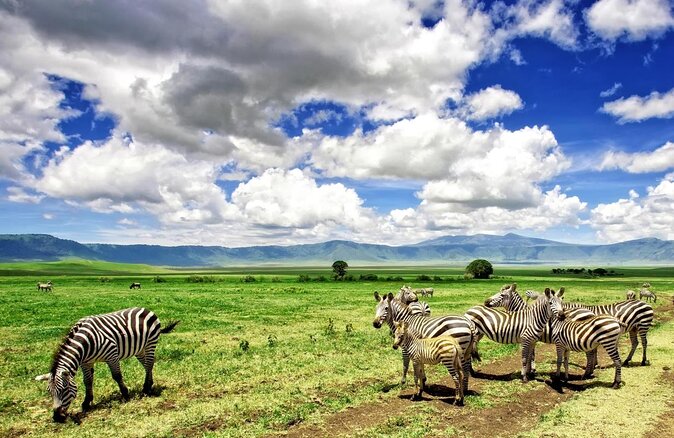
The Serengeti is huge, covering about 14,763 square kilometers. Its Maasai name is commonly translated as endless plains, and that description makes sense once the road opens into broad grassland. The scale is part of the experience. You may spend time simply moving through open country, watching for animals and enjoying the sense of distance.
Ngorongoro Crater is more contained. It is a large volcanic caldera formed after a giant volcano exploded and collapsed two to three million years ago. Inside, open grassland is framed by steep crater walls, with wooded areas and water sources that help support a wide range of wildlife.
I like this pairing for a first safari because you get both the freedom of a vast park and the concentrated setting of a crater. You should not expect the exact same animal sightings on every departure, but the two parks give your guide different settings in which to search.
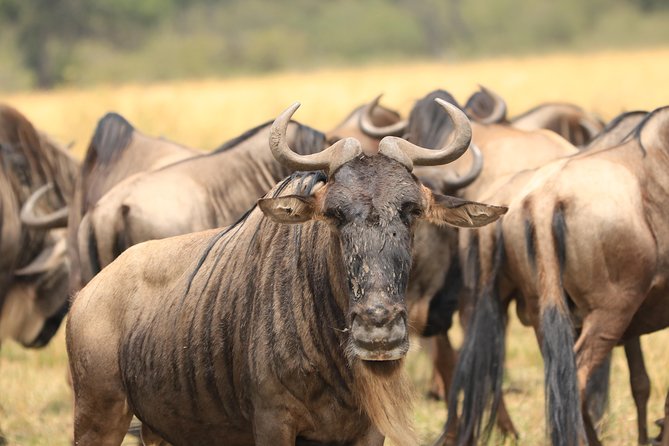
The Serengeti is also closely linked with the Great Migration, when more than a million wildebeests make an annual movement north and later return south. Timing matters, though. This three-day trip does not promise a particular migration crossing or a specific herd location. Book it for the parks and the chance to see wildlife, not for a guaranteed single event.
More Safaris in Arusha
- Balloon Safari & Bush Breakfast in Serengeti – Miracle Experience
★ 5.0 · 1,646 reviews - 4 Days Group Camping Safari
★ 5.0 · 1,101 reviews - 5 Days Group Camping Safari
★ 5.0 · 730 reviews
Day one: the long road from Arusha to afternoon wildlife
The day begins with pickup in Arusha, listed at 12:00 am and also described as an early morning departure. That is a detail worth confirming before you pay, since a midnight pickup and a dawn pickup affect your sleep, hotel arrangements, and what you should pack the night before.
The road journey to Serengeti is a major part of day one. Lunch is eaten on the way or just before entering the park, then the safari continues with an afternoon game drive. The listed duration is about 10 hours, so this is not a leisurely transfer followed by a long afternoon in the park.
That travel time is the trade-off for seeing the Serengeti within a short three-day program. If you have only a few days in northern Tanzania, the route lets you reach the park without adding a separate transfer day. If you dislike long drives, the schedule may feel compressed.
The afternoon light can make the first game drive especially appealing, but your available viewing time depends on the road conditions, park entry timing, and the distance covered earlier in the day. Your guide will be balancing arrival, driving, and the search for animals.
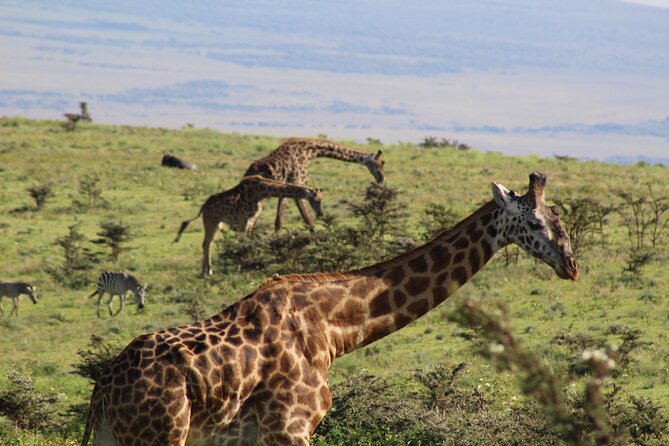
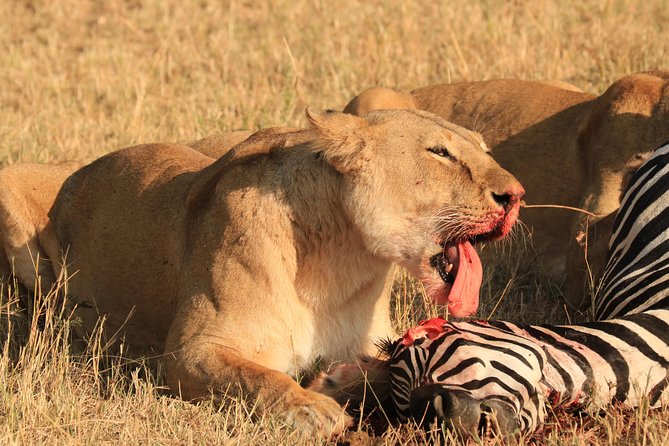
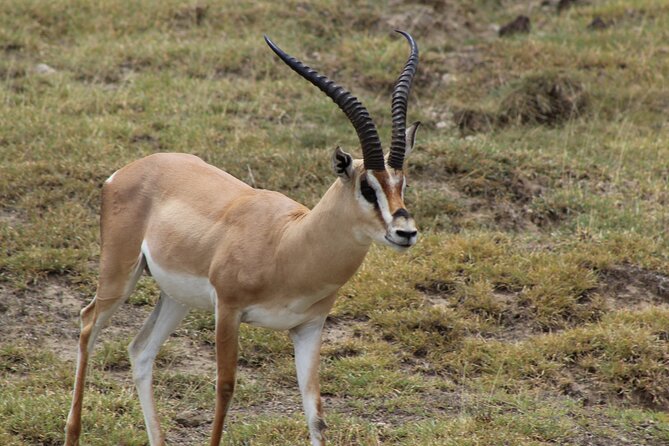
The park is home to large numbers of hoofed animals and predators that follow them. The information provided does not promise particular sightings, so keep your expectations sensible. The experience is about searching, watching, and letting the guide interpret what appears, not checking off a fixed list.
A good guide matters here. The strongest praise attached to this operator focuses on guides who explain nature and animal behavior, give people time for photographs, and do not rush every sighting. One guide named Issa was described as the driver of a safari van, while Julieth or Juliette at the White House hostel helped arrange departures for visitors staying there. Since staff assignments can change, confirm who will lead your specific departure.
Day two: a fuller day in the Serengeti
Day two gives you another wildlife day from a second location in the park. That change matters. The Serengeti is too large to understand from one viewpoint, and moving through a different area gives you a fresh chance to find animals and see how the plains change.
The day is listed at about nine hours. That leaves far more room for game viewing than the arrival afternoon. You will spend the day in a safari vehicle, watching the ground and tree lines, listening to the guide, and stopping when there is something worth a closer look.
The park’s appeal is not only its animal count. The open setting lets you appreciate relationships between species, grazing areas, and the movement of herds across a broad horizon. A guide who explains what you are seeing can turn a distant animal into a more meaningful encounter.
You may also have stretches with no major sighting. That is normal in a large wild park, and it is one reason I prefer a second Serengeti day over a single rushed game drive. More time improves your chances, though it never guarantees a particular animal.
In the afternoon, the route continues toward Ngorongoro Crater. You spend the night at Rhino Lodge, where dinner is included in the plan described. Overnighting near the crater is practical because it positions you for an early game drive on day three.
The lodge detail also helps explain the mid-range label. This is not simply a day trip with a return to Arusha. Your price covers a multi-day route with accommodation along the way, though you should ask exactly what lodging, meals, park costs, and vehicle arrangements are included in your booking confirmation.
Day three: descending into Ngorongoro Crater
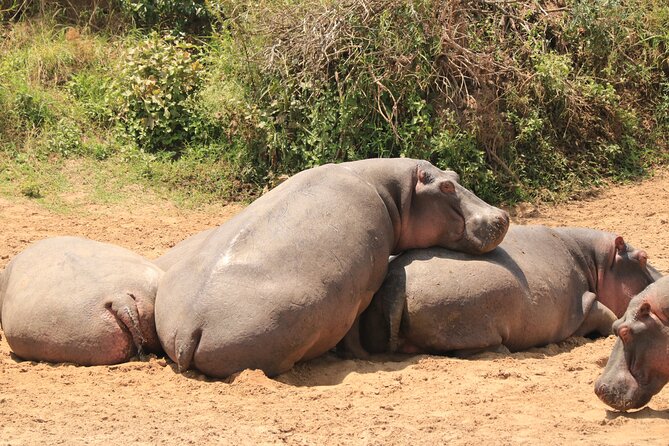
The final day begins early in safari vehicles with pop-up roofs. The roof design is useful because it gives you a better view while seated and allows you to look around without leaving the vehicle.
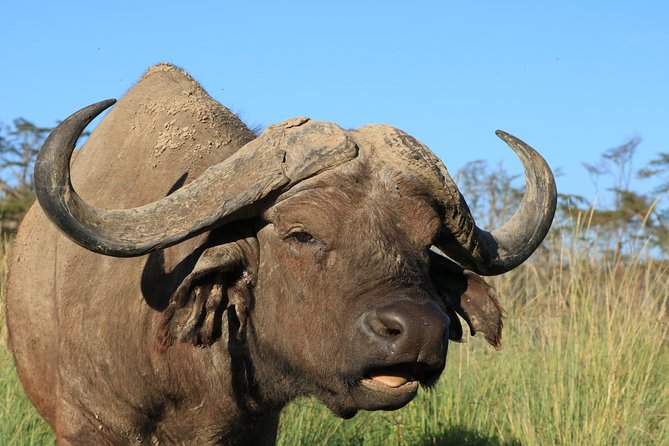
The descent into the crater is one of the most scenic parts of the trip. The route passes through lush forest, where elephants and buffaloes may be seen, before reaching the open floor below. This transition from woodland to grassland gives the morning a strong sense of place.
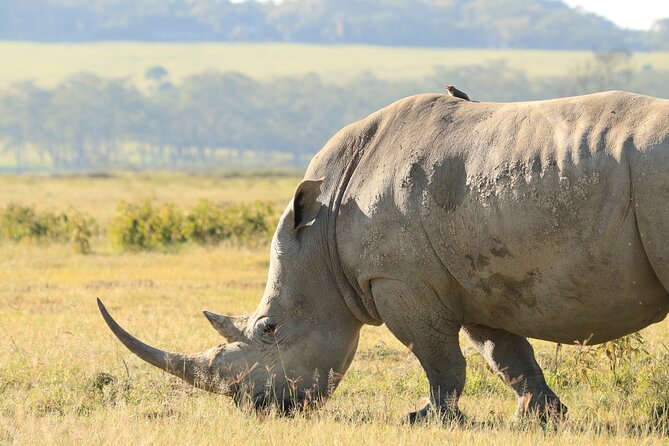
Inside the crater, the setting is more enclosed than the Serengeti. The crater floor includes open grassland, two small wooded areas, a fever tree forest, and the banks of Lake Magadi. Those different habitats help explain why a relatively compact area can support many kinds of wildlife.
The drive is listed at about 10 hours, including the crater visit and the return portion of the day. An early start is important. It gives you more time in the crater and fits the timing of a full final day, but it also means you may be tired after two previous safari days.
Ngorongoro can be a strong final act because the scenery changes so sharply from the flat Serengeti. You get steep crater walls, forest on the descent, and a broad floor where animals are easier to scan than in dense woodland.
Still, do not think of the crater as a guaranteed animal show. Wildlife is free to move, and viewing conditions change. Your guide’s patience and ability to explain what you are seeing will shape the quality of the morning.
More Serengeti and Ngorongoro itineraries:
- 3 Days Serengeti & Ngorongoro Group Camping Safari
★ 5.0 · 574 reviews - 5-Day Highlights mid-Range Crater, Serengeti, Tarangire
★ 5.0 · 296 reviews - 3-Day Classic Serengeti Safari
★ 5.0 · 263 reviews - Private 6-Day Tarangire Manyara Crater and Serengeti with Mid-Range Lodges
★ 5.0 · 238 reviews
What the private format changes
This is a private tour or activity, meaning only your group participates. That can be a major advantage for a safari, since you may have more say in how long to stay at a sighting, when to stop for photographs, and how to pace the day.
The private setup is especially useful if people in your group have different interests. One person may want animal photographs, while another wants explanations about plants, birds, or the wider ecology. A good guide can adjust the pace more easily with a private group.
The downside is price. At $2,480 per person, this is a serious expense, and private travel can cost more than joining a shared vehicle. The value improves if your group wants privacy and personal attention, but you should compare the final inclusions carefully.
Ask before booking:
- Is the $2,480 rate based on one person in a private vehicle or on a minimum group size?
- What accommodation category applies at Rhino Lodge?
- Which meals are covered besides the dinner named in the schedule?
- Are park entry fees, crater fees, and vehicle costs included?
- Who will drive and guide your departure?
- Is a pair of binoculars supplied?
These questions are not needless fussing. They tell you what the price really buys.
Guide quality and the small details that matter
The most consistently positive part of this experience is the human side. The guide is expected to explain nature and animals, allow time for photographs, and help you make sense of what you see. That can matter more than a glossy vehicle or a packed schedule.
The strongest individual comments describe staff as helpful, informative, accommodating, and willing to arrange a last-minute place in a group. Pickup from an Arusha hostel and return transport were also handled for at least one departure.
At the same time, one guide forgot the binoculars. That is a small problem when animals are close, but it can matter when a sighting is distant or partially hidden. I would bring your own if you have them, or confirm before departure that the vehicle carries a working pair.
The names Julieth and Juliette appear in connection with arrangements through the White House hostel. Issa is named as a safari van driver. These details may help if you are booking through that hostel or trying to confirm who is involved, but they do not guarantee that the same people will handle every departure.
Food, timing, and comfort on a demanding route
The schedule is active. Day one is about 10 hours, day two about nine hours, and day three about 10 hours. Add early starts, changing roads, and long periods in a safari vehicle, and you should plan for fatigue.
Lunch on day one is eaten on the way or just before entering Serengeti. Dinner at Rhino Lodge is specified for the second night. Other meal details are not provided, so ask what is included and tell the operator about any dietary needs before you leave.
The accommodation is described as Rhino Lodge, but the room type and full facilities are not stated. If you are choosing this safari partly for comfort, request those details in writing. Mid-range can mean different things from one operator to another.
Wear practical clothing and bring sun protection, water, and a camera with spare battery power. These are general safari precautions rather than promised tour supplies. You should also keep your luggage manageable, since the trip involves road travel and a change of location.
The mobile ticket is convenient, and pickup is offered from accommodation in Arusha. The exact meeting time deserves special attention because the listing gives 12:00 am while the day one description says bright and early. Confirm the local pickup time directly.
Is $2,480 per person fair value?
The price sits in the premium range for a three-day experience, even though the tour is labeled mid-range. Its value depends on what is included and how many people share the private arrangement.
You are paying for access to two major parks, a long transfer from Arusha, two Serengeti game-drive periods, one night near Ngorongoro, a crater game drive, and a private group format. Those elements can make the price reasonable for someone who wants a short, structured safari without arranging each piece separately.
The price is harder to justify if the group is very small and the inclusions are limited. Before booking, compare the accommodation standard, vehicle type, guide arrangement, meals, and park charges with other three-day options.
I would also consider the cost of time. A cheaper trip that spends less time in the Serengeti may not offer the same chance to see the park properly. Here, day two gives you a fuller safari day, which is one of the better uses of a short itinerary.
The rating shown for the experience is 4.8 from five reviews. That is encouraging, but the sample is small. I would treat the praise for helpful staff, patient explanations, and good wildlife viewing as useful signals, not as a promise that every departure will be identical.
Who should book this safari?
I would recommend it to you if you have three days, want the classic Serengeti and Ngorongoro combination, and value a private group. It suits someone who is willing to accept long driving hours in exchange for reaching the parks quickly.
It is also a good fit if you want help with the practical pieces. Pickup from Arusha, an overnight near the crater, and a planned return route reduce the amount of planning you must handle yourself.
You may want a longer safari if the Serengeti is your main goal. The first day includes a long approach, and only day two gives you a full day in the park. Adding time would reduce the pressure and give you more chances to see wildlife in different areas.
I would hesitate if you need a relaxed schedule, dislike early mornings, or expect luxury at every stage. The route is active, the drives are long, and the mid-range label should not be read as high-end comfort.
Final verdict: a strong short safari with a demanding first day
I like this trip for its efficient combination of Serengeti and Ngorongoro. The best parts are the second Serengeti day, the overnight near the crater, and the final descent from forest into the crater floor.
The main caution is the price and pace. Confirm what the $2,480 includes, clarify the midnight pickup listing, and ask about binoculars and the assigned guide. If those details suit you, this is a sensible private safari for seeing two of northern Tanzania’s most important wildlife areas in only three days.
FAQ
Where does the safari begin?
The safari begins in Arusha, Tanzania, with pickup offered from your accommodation.
How long is the safari?
The experience lasts approximately three days.
What is the listed price?
The listed price is $2,480 per person.
Is this a private safari?
Yes. Only your group participates in the private tour or activity.
What happens on the first day?
You are picked up in Arusha, travel toward Serengeti National Park, eat lunch on the way or before entering the park, and take an afternoon game drive.
How much time is spent in Serengeti?
The itinerary includes an afternoon game drive on day one and another day of wildlife viewing on day two. The listed durations are about 10 hours on day one and nine hours on day two.
Where do you stay before visiting Ngorongoro Crater?
You overnight near Ngorongoro Crater and have dinner at Rhino Lodge.
What happens on the third day?
You take an early morning game drive in Ngorongoro Crater. The route descends through forest before reaching the crater floor, which includes grassland, wooded areas, fever tree forest, and the banks of Lake Magadi.
Are tickets included?
The experience provides a mobile ticket. Admission is specifically listed as included for the Ngorongoro Crater portion.
Can you cancel for a full refund?
Yes, if you cancel at least 24 hours before the local start time. Cancellations made less than 24 hours before the start time are not refunded, and the activity may be canceled if its minimum number of participants is not reached.
More three day trips in Arusha
- 3 Day Serengeti National Park & Ngorongoro Crater Camping Safari
★ 5.0 · 142 reviews - 3 Days Tarangire, Ngorongoro & Lake Manyara Group Camping Safari
★ 5.0 · 102 reviews - 3 Days Private Safari – manyara, Ngorongoro & Tarangire
★ 5.0 · 94 reviews - 3 Days Small Group Safari to Serengeti NP and Ngorongoro Crater Tour in Tanzania
★ 5.0 · 77 reviews
Newly listed around Arusha
- 5-Day Private Safari Tour in Tanzania’s Wildlife★ 5.0 · 3 reviews
- 3 Days private safari Tarangire ,Ngorongroro crater &Manyara★ 5.0 · 3 reviews
- 3 Day Sharing Safari – Manyara, Ngorongoro Crater and Tarangire National Parks★ 5.0 · 3 reviews
- Tarangire National Park Day Trip★ 5.0 · 3 reviews
- 2 Days Tarangire and Ngorongoro Crater Tour★ 5.0 · 3 reviews
- 6 -Day Tarangire, Manyara, Serengeti & Ngorongoro★ 5.0 · 3 reviews
- 5 Days Group Camping Safari★ 4.7 · 3 reviews
- 7-Day Mt. Kilimanjaro Hiking: Machame Route★ 5.0 · 3 reviews
Serengeti & Ngorongoro Safaris, compared.


Balloon Safari & Bush Breakfast in Serengeti – Miracle Experience
Read our review →




Private 6-Day Tarangire Manyara Crater and Serengeti with Mid-Range Lodges
Read our review →
5 Days Camping Tarangire, Serengeti & Ngorongoro crater & Visiting Maasai
Read our review →Browse the lists this tour appears in