
Reviewed · SERENGETI & NGORONGORO SAFARIS
3 Days Tarangire, Ngorongoro & Lake Manyara Group Camping Safari
Three days, three very different parks: Tarangire’s elephants and baobabs, Ngorongoro’s busy crater floor, and Lake Manyara’s bird-filled mix of forest, swamp, and water. That variety is the main reason to choose this safari when your time in northern Tanzania is short.
I like the six-person limit, which keeps the vehicle more personal than a large shared expedition. I also like the practical camping setup, with meals included and a tree-shaded site at Twiga Campsite. The tradeoff is a fast schedule: six hours of safari activity each day leaves little room for a slow pace or a missed park.
Key points to know before booking
- Three parks in three days: You get elephants, big cats, crater wildlife, birds, forests, alkaline lakes, and baobabs in one compact trip.
- Ngorongoro is the dramatic centerpiece: The route descends more than 600 meters into the crater, where water and grazing support animals all year.
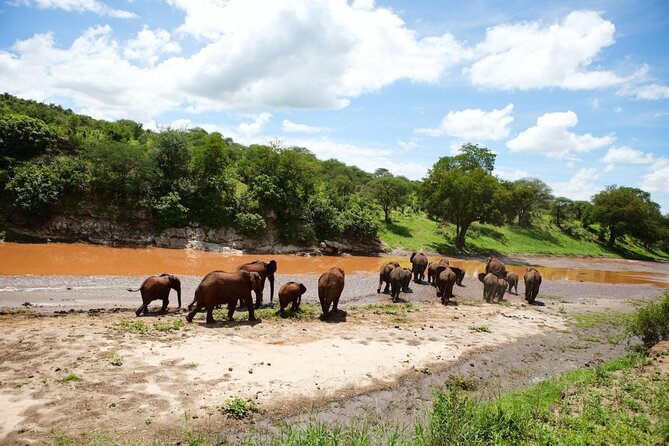
- Tarangire is best known for elephants: Its baobab trees and seasonal wildlife movement give the first day a strong visual identity.
- Lake Manyara changes the rhythm: Woodlands, hot springs, swamps, cliffs, and lake habitats bring a different mix of animals and birds.
- Camping keeps the price in check: At $700 per person, the trip includes two breakfasts, two dinners, and three lunches.
- Personal service matters here: The group is limited to six, with Lewis driving and Moussa preparing the food on the reviewed departure.
Three parks, three very different safari days
This safari works because each park offers something different. You are not spending three days looking at the same type of scenery or waiting for the same animals to appear.
Tarangire brings large elephant groups and distinctive baobabs. Ngorongoro concentrates a wide range of animals on a crater floor supplied by water and grazing. Lake Manyara is smaller, but its mix of forest, swamps, cliffs, hot springs, and open water creates plenty of variety.
You should think of this as a high-value sampler of northern Tanzania, not a leisurely single-park safari. The route covers a lot of ground, and the listed schedule gives about six hours at each park. That is enough time for meaningful game drives, but not enough to explore every corner or wait indefinitely for a rare sighting.
The departure point is Jevas Hotel EncoreTZ in Makao Mapya, Arusha, at 8:00 am. The tour returns to the same meeting point after the final day. Since the trip begins and ends in Arusha, it fits neatly into a larger Tanzania itinerary.
More Safaris in Arusha
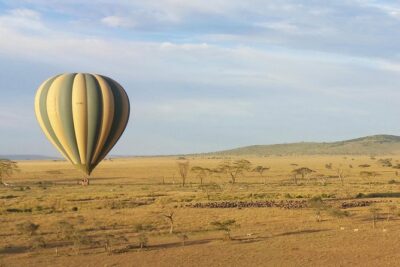
- Balloon Safari & Bush Breakfast in Serengeti – Miracle Experience
★ 5.0 · 1,646 reviews - 4 Days Group Camping Safari
★ 5.0 · 1,101 reviews - 5 Days Group Camping Safari
★ 5.0 · 730 reviews
Day one: elephants and baobabs in Tarangire
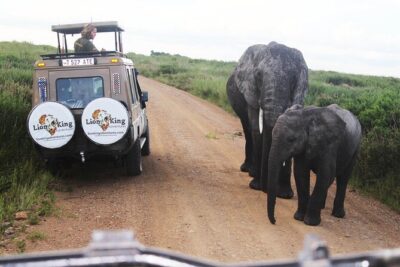
After breakfast, you head toward Tarangire National Park for a game drive and picnic lunch. The park is famous for its large elephant population and its old baobab trees, so this first day has a clear identity from the start.
Tarangire also sits at the center of a major annual wildlife movement. At certain times, the wider cycle can involve up to 3,000 elephants, 25,000 wildebeest, and 30,000 zebras. Those figures describe the broader seasonal pattern, not a promise that you will see every animal on one visit, but they explain why the park matters.
I like Tarangire as an opening day because it gives you two things quickly: large mammals and memorable scenery. Elephants are often the headline attraction, while the baobabs make the photographs look unmistakably East African. The combination feels different from the crater and helps the safari avoid becoming a series of similar game drives.
The day includes a picnic lunch inside the park, followed by a drive to Twiga Campsite. The campsite is described as tree-shaded and centrally located, which is useful after a long road and game-drive day. A central camp can also make the next stages of the route more practical, though the schedule remains active.
The main limitation is time. With roughly six hours assigned to Tarangire, you will see a good portion of the park, but this is not a slow photographic expedition. If you enjoy stopping for long periods at one sighting, the group schedule may feel brisk.
Day two: descending more than 600 meters into Ngorongoro Crater
The second day begins with an early breakfast and the trip’s most dramatic change in elevation. You descend more than 600 meters into Ngorongoro Crater for a game drive across a natural bowl supplied by water and grazing throughout the year.
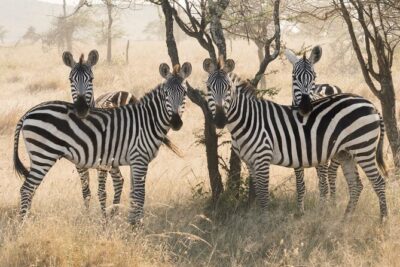
This is the day most likely to define the safari for you. The crater supports wildebeest, zebra, buffalo, eland, warthog, hippo, and large African elephants. Its concentration of animals gives you a strong chance to see several species within one drive, although wildlife sightings can never be guaranteed.
The predator list is equally appealing. Lions, hyenas, jackals, cheetahs, and leopards are all associated with the crater. Leopards are especially difficult to spot, so you will need patience and a good eye. The presence of a guide makes a real difference here, since an experienced driver can help you notice movement or animals partly hidden in the grass.
You also visit Lake Magadi, a large, shallow alkaline lake in the crater’s southwestern corner. The lake is one of the crater’s defining features and can add birds and reflective water scenes to a day otherwise centered on mammals.
I would give Ngorongoro top priority if you are comparing this tour with other short safaris. The crater packs a great deal into one area, giving you a better chance to see a broad range of animals without spending the entire day crossing between distant habitats.
The drawback is the same strength in reverse. Because Ngorongoro is so popular and wildlife is concentrated, the experience can feel busy at key sightings. The supplied details do not specify how many vehicles may be present, so you should book it for the wildlife access and scenery rather than expect complete solitude.
Day three: Lake Manyara’s forests, swamps, and birdlife
After breakfast, the final safari day heads to Lake Manyara National Park. This park is smaller than the other two, but it makes up for its size with a surprising range of habitats.
You can expect a mix of acacia woodland, water forest, baobab-covered cliffs, algae-streaked hot springs, swamps, and the lake itself. Each habitat supports different plant and animal life, so the drive feels more varied than a simple trip around a single open plain.
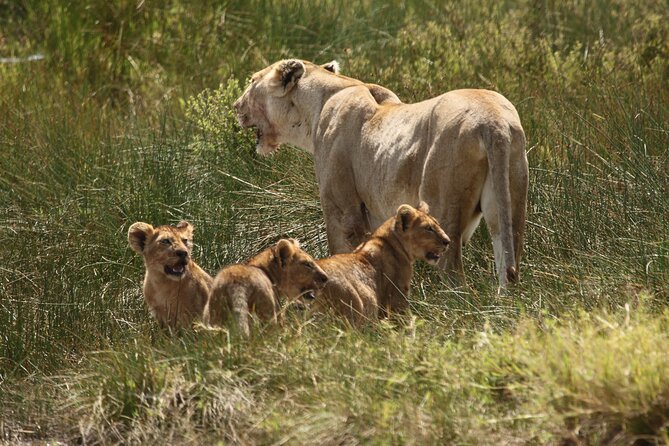
Lake Manyara is known for having one of the largest concentrations of baboons anywhere in the world. It is also associated with lions that climb trees, an unusual behavior that gives this park its own appeal. The park’s birdlife is another major reason to include it, especially if you enjoy smaller sightings as much as large mammals.
I see Manyara as a strong final day because it changes the mood. After Tarangire’s elephants and Ngorongoro’s crater floor, the forests and wetlands provide a different visual experience. The lake and hot springs also add features that you simply do not get at the other two parks.
Still, the six-hour format means you should keep your expectations sensible. Lake Manyara may provide excellent variety, but it is not a guarantee of every famous sight, including tree-climbing lions. The appeal is the full mix of habitats and birdlife, not one single animal.
More Serengeti and Ngorongoro itineraries:
- 3 Days Serengeti & Ngorongoro Group Camping Safari
★ 5.0 · 574 reviews - 5-Day Highlights mid-Range Crater, Serengeti, Tarangire
★ 5.0 · 296 reviews - 3-Day Classic Serengeti Safari
★ 5.0 · 263 reviews - Private 6-Day Tarangire Manyara Crater and Serengeti with Mid-Range Lodges
★ 5.0 · 238 reviews
Camping at Twiga Campsite and included meals
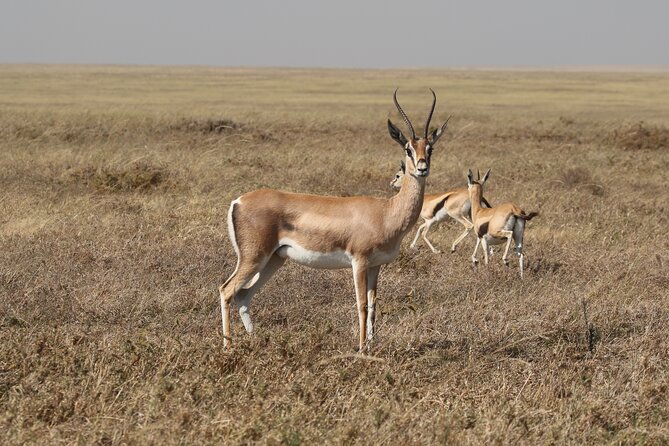
Camping is the reason this safari can offer three major parks for $700 per person. You get a more affordable base than a lodge-focused trip, while still spending nights close to the route.
The available information describes Twiga Campsite as tree-shaded and centrally located. That matters in a hot, active itinerary. Shade can make the camp feel more comfortable, and a central position can reduce unnecessary backtracking.
Do not book this trip expecting a luxury lodge experience. The details do not specify tent size, private bathrooms, electricity, or other campsite facilities, so ask Suricata Safaris directly if those points matter to you. The value comes from the route, the park access, transport, guiding, camping, and food rather than high-end accommodation.
Food planning is included. The package provides two breakfasts, two dinners, and three lunches, including picnic lunch during the park days. That removes one of the awkward parts of a short safari: finding meals while moving between parks.
Moussa is the cook named in the available feedback, and the meal service was singled out for its hot food. That is a useful detail because a warm dinner at camp matters after a long drive. You should still tell the operator about dietary needs before departure, since no special meal arrangements are stated.
The value of a six-person safari at $700
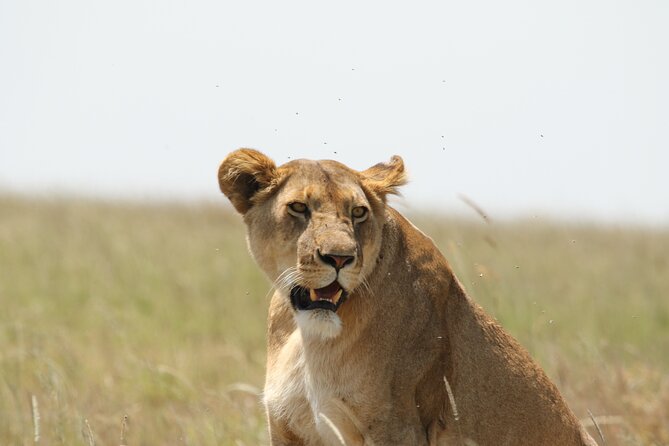
At $700 per person, this is not the cheapest possible way to see Tanzania, but it offers a strong amount of variety for three days. You visit three major parks, receive three lunches, two breakfasts, and two dinners, and have camping accommodation rather than paying lodge rates.
The six-person maximum is especially important. A smaller group gives you a better chance to ask questions, discuss animal sightings, and get attention from the guide. It also makes the vehicle feel less crowded than a large shared group.
The booking information also describes the activity as private, with only your group participating. Read that alongside the six-person limit: the practical point is that you should expect a small, self-contained group rather than an open vehicle filled with unrelated people.
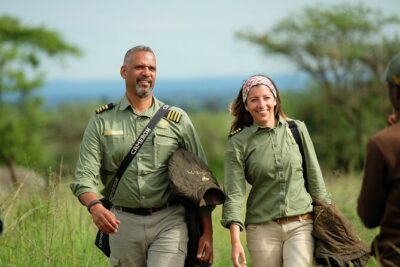
Lewis is the named driver-guide, and Moussa handles cooking on the reviewed departure. Hilary is noted as a communicative contact during the booking and transfer process. Those details matter because a safari depends on more than scenery. Clear pickup arrangements, a guide who can explain what you are seeing, and reliable camp meals all shape the trip.
Tips for the safari guide and cook are not included. Set money aside for that extra cost, and treat it as part of your real budget rather than a surprise at the end.
How demanding is the three-day schedule?
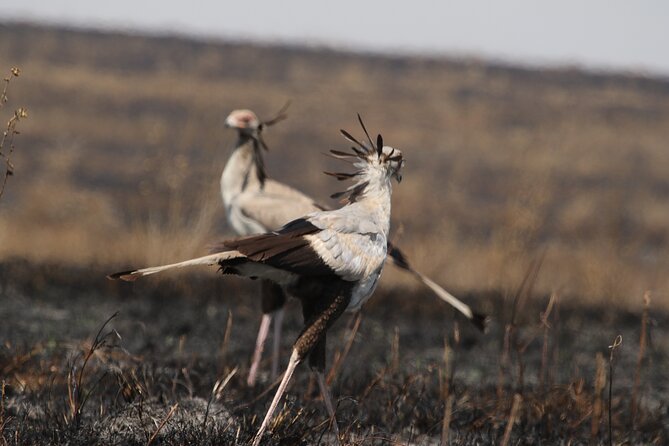
The published timing gives approximately six hours at each park, but the safari also involves transfers between Arusha, the parks, and the campsite. You should expect full days rather than a relaxed holiday rhythm.
The early breakfast on day two is particularly important. Ngorongoro requires an early start, and the crater descent is the centerpiece of the day. Bring patience for road time, and avoid filling your evenings with fixed plans immediately after returning to Arusha.
Most people can participate, according to the supplied details, and the meeting point is near public transportation. The activity begins at 8:00 am from Jevas Hotel EncoreTZ and ends back there. Confirmation is provided at booking, and free cancellation is available up to 24 hours before the start time.
The best packing choices are practical ones: comfortable clothes for long drives, sun protection, and a small day bag for the game drives. The supplied information does not specify luggage limits or camping equipment details, so ask about those before you arrive.
Who should choose this safari?
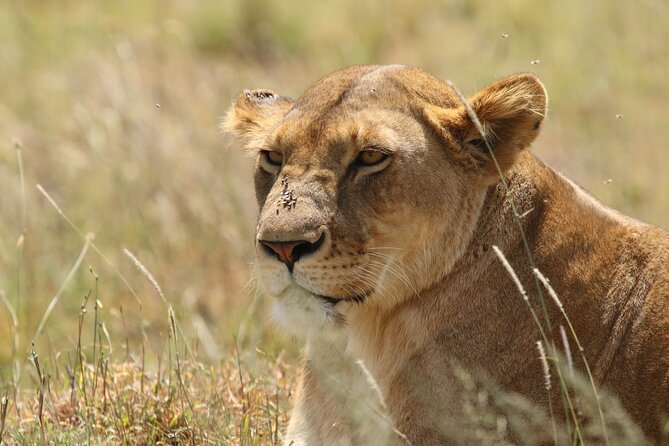
I would recommend this trip to you if you want a short, affordable introduction to northern Tanzania and care more about seeing several habitats than spending extra nights in one park.
It suits people who are happy with camping, included set meals, and active days. It also works well for a first safari, since Tarangire, Ngorongoro, and Lake Manyara each show a different side of the region.
You may want a different trip if your main goal is luxury accommodation, a slow photographic pace, or long periods at one wildlife sighting. Three parks in three days is efficient, but efficiency always means giving up some leisure.
The activity has a five-star rating from 102 reviews and a 100 percent recommendation figure in the supplied information. I would treat that as encouraging, while still focusing on the actual fit: the route is excellent for variety, the price is sensible for the inclusions, and the camping schedule demands energy.
Should you book the Tarangire, Ngorongoro, and Lake Manyara safari?
Book it if you have only three days, want the main northern Tanzania highlights, and prefer a small group over a large vehicle. The strongest reasons are Ngorongoro’s concentrated wildlife, Tarangire’s elephants and baobabs, and the amount of food and park time included for $700.
Before paying, confirm the camping facilities, vehicle details, group size for your departure, and any dietary or luggage requirements. If Suricata Safaris confirms those points and you are comfortable with early starts and active days, this is a practical way to turn a short stay in Arusha into a genuine safari experience.
FAQ
Where does the safari start?
It starts at Jevas Hotel EncoreTZ, Makao Mapya, Arusha 0255, Tanzania.
What time does the safari start?
The stated start time is 8:00 am.
Where does the safari end?
The activity ends back at the meeting point in Arusha.
How long is the safari?
The safari lasts approximately three days.
Which parks does the safari visit?
It visits Tarangire National Park, Ngorongoro Crater, and Lake Manyara National Park.
How many people can join the group?
The group is limited to six travelers, and the activity is described as private for your group.
Is camping included?
Yes. The trip includes cost-effective camping accommodation, with the overnight stop described at the tree-shaded Twiga Campsite.
Which meals are included?
Two breakfasts, two dinners, and three lunches are included.
Are guide and cook tips included?
No. Tips for the safari guide and cook are not included.
Can I cancel for a full refund?
Yes, you can cancel for a full refund if you cancel at least 24 hours before the experience start time. Changes or cancellations made less than 24 hours before the start are not accepted for a refund.
More three day trips in Arusha
- 3 Days Private Safari – manyara, Ngorongoro & Tarangire
★ 5.0 · 94 reviews - 3 Days Small Group Safari to Serengeti NP and Ngorongoro Crater Tour in Tanzania
★ 5.0 · 77 reviews - 3 Days Safari to Tarangire, Ngorongoro & Lake Manyara parks
★ 5.0 · 70 reviews - 3 Days 2 Nights Group Joining Serengeti and Ngorogoro Safari
★ 5.0 · 56 reviews
More camping safaris in Arusha
- 2 Days Tarangire and Ngorongoro Group Camping Safari
★ 5.0 · 146 reviews - 6 Days Tanzania Budget Camping Safari
★ 5.0 · 145 reviews - 3 Day Serengeti National Park & Ngorongoro Crater Camping Safari
★ 5.0 · 142 reviews - 5-Day private Camping Safari Tour in Tanzania
★ 5.0 · 86 reviews
Newly listed around Arusha
- 5-Day Private Safari Tour in Tanzania’s Wildlife★ 5.0 · 3 reviews
- 3 Days private safari Tarangire ,Ngorongroro crater &Manyara★ 5.0 · 3 reviews
- 3 Day Sharing Safari – Manyara, Ngorongoro Crater and Tarangire National Parks★ 5.0 · 3 reviews
- Tarangire National Park Day Trip★ 5.0 · 3 reviews
- 2 Days Tarangire and Ngorongoro Crater Tour★ 5.0 · 3 reviews
- 6 -Day Tarangire, Manyara, Serengeti & Ngorongoro★ 5.0 · 3 reviews
- 5 Days Group Camping Safari★ 4.7 · 3 reviews
- 4 Days Tanzania Safari★ 4.5 · 3 reviews
Serengeti & Ngorongoro Safaris, compared.
Balloon Safari & Bush Breakfast in Serengeti – Miracle Experience
Read our review →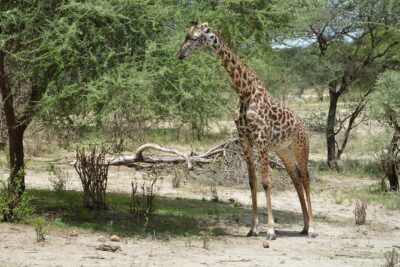
Private 6-Day Tarangire Manyara Crater and Serengeti with Mid-Range Lodges
Read our review →
5 Days Camping Tarangire, Serengeti & Ngorongoro crater & Visiting Maasai
Read our review →Browse the lists this tour appears in