
Reviewed · SERENGETI & NGORONGORO SAFARIS
Arusha: 3-Day Serengeti & Ngorongoro Crater Big Five Safari
The real draw here is the chance to see Serengeti’s open plains and Ngorongoro’s enclosed wildlife bowl in only three days. You get sunrise game drives, a crater descent, full-board meals, and a proper 4×4 rather than a standard road vehicle. Guides including Mike, Eric, Savio, and Nico have been praised for calm driving, good animal positioning, and clear explanations.
I like the choice between a mid-range lodge stay and camping, and I like that park fees, crater fees, meals, water, and hotel transfers in central Arusha are bundled into the $900 price. The main caution is time: long, bumpy road sections leave little room for rest, and one serious safety report involved a jeep overturning, so confirm the vehicle and driver arrangements before departure.
Key points to know before you book
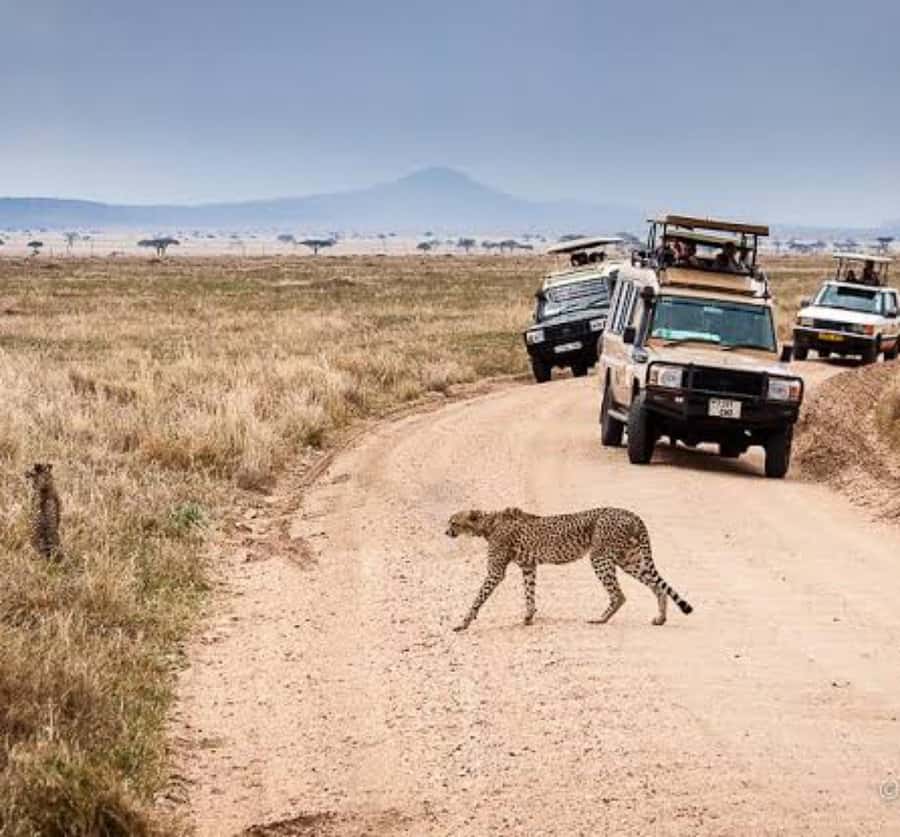
- See two major wildlife areas in three days: Serengeti provides wide-ranging game drives, while Ngorongoro offers dense wildlife viewing in a compact crater.
- The pop-up-roof Land Cruiser matters: You can stand or sit under the raised roof for broad views and photographs.
- Camping brings you close to the wild: Tents, mattresses, cooking gear, and a safari chef are included, but nighttime temperatures can fall to about 5°C.
- The drive time is demanding: The first transfer is about five hours, followed by roughly 1.5 hours and two hours on the second day, then about three hours back to Arusha.
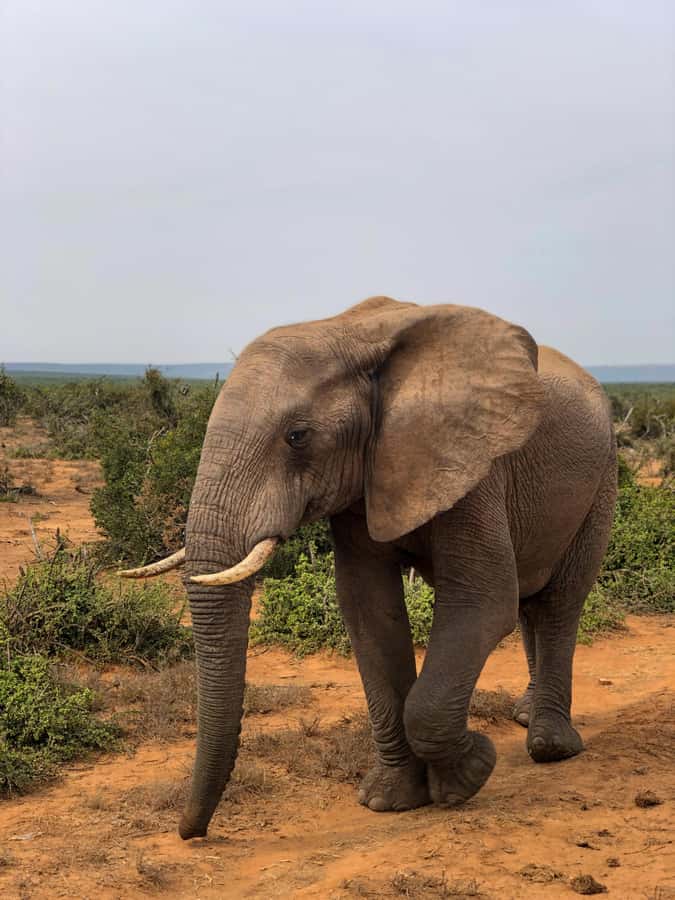
- Big Five sightings are possible, not promised: Lions, elephants, buffalo, and rhinos are among the animals you may see, but wildlife remains unpredictable.
- The price covers the costly basics: Park entry, transit, concession or camping fees, crater service charges, accommodation, food, water, and guiding are included.
What $900 buys you on this Tanzania safari
At $900 per person, this is not a cheap three-day outing. But safari pricing can rise quickly once you add park entry, crater fees, a suitable 4×4, fuel, meals, guiding, and overnight stays. Here, those major costs are included, which makes the package easier to compare with other short safaris.
You receive pickup and return to a hotel in Arusha town, transport in a Toyota Land Cruiser with a pop-up roof, an English-speaking driver-guide, three meals per full day, bottled water, and two nights of accommodation. Camping guests also receive tents, sleeping mattresses, tables, chairs, cooking equipment, and a professional chef.
The lodge option is the simpler choice. Named properties include Shuhudia Tented Lodge or Kumbukumbu Tented Lodge in the Serengeti, followed by Ngorongoro Wild Tented Lodge or Ngorongoro Safari Lodge, or comparable properties. Exact accommodation should be confirmed before you pay, since the wording allows substitutions.
Camping costs less in comfort but adds something real to the experience. You sleep in tents at Tumbili Public Campsite and Simba Public Campsite, with the sounds of the bush nearby. That can mean elephants, giraffes, or buffalo around camp, as one camping account described, but it also means bringing warm clothing and accepting basic facilities.
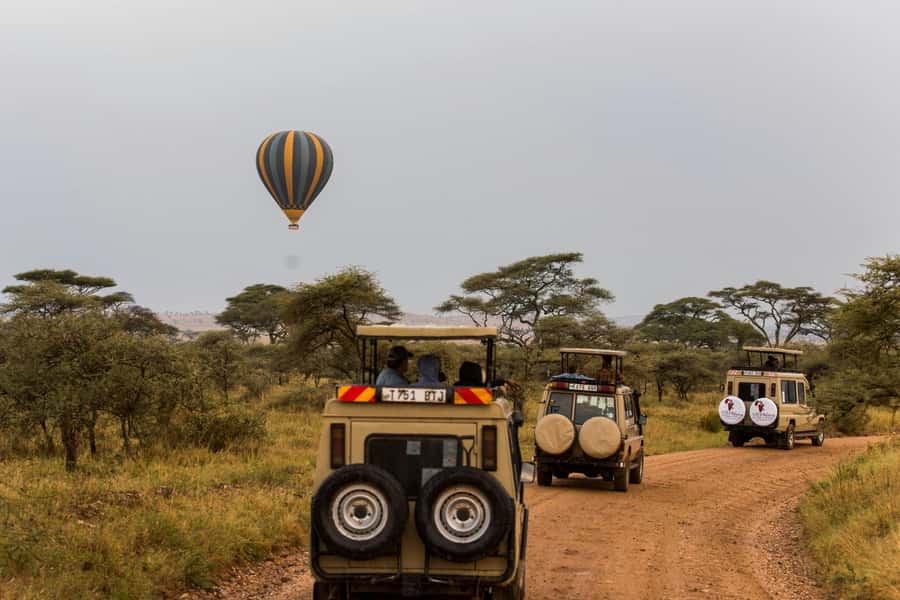
The optional hot-air balloon safari costs $530 per person. That is a large extra charge on a $900 trip, so I would treat it as a separate splurge, not part of the basic value calculation.
More Safaris in Arusha
- Balloon Safari & Bush Breakfast in Serengeti – Miracle Experience
★ 5.0 · 1,646 reviews - 4 Days Group Camping Safari
★ 5.0 · 1,101 reviews - 5 Days Group Camping Safari
★ 5.0 · 730 reviews
Day 1: the long road from Arusha to Serengeti
Your pickup begins early in Arusha. The route passes through the Great Rift Valley and the Ngorongoro Highlands, giving you a useful sense of how quickly northern Tanzania changes from town to open country and highland scenery.
A short stop at Mto wa Mbu adds a local touch before the main wildlife portion begins. You have a chance to see village life and taste local produce. It is a brief cultural pause rather than a full village tour, so keep your expectations modest, but it breaks up the long drive.
The transfer to Serengeti takes about five hours in the itinerary, and the road can be rough. A safari vehicle is built for this kind of route, but you should still expect jolts, dust, and a tiring first day. Pack light, keep water close, and bring a small bag for the vehicle instead of repeatedly opening your main luggage.
Lunch is taken as a picnic along the route. After reaching Naabi Hill Gate, the entrance to Serengeti National Park, you begin the first game drive. This is the moment the trip changes from transport to wildlife watching.
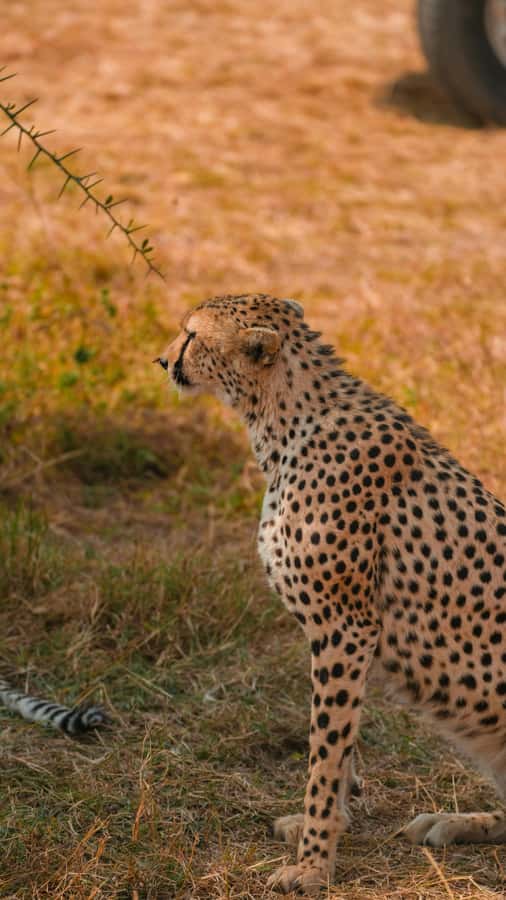
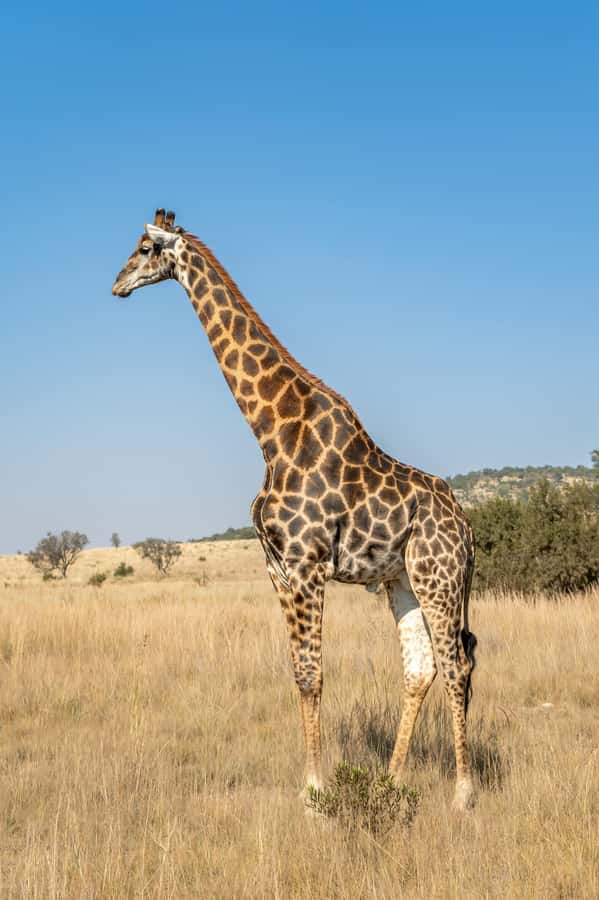
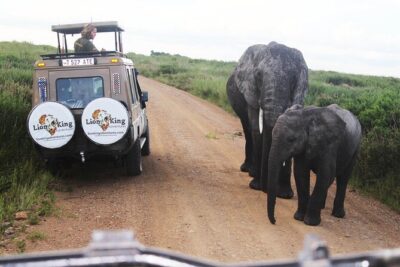
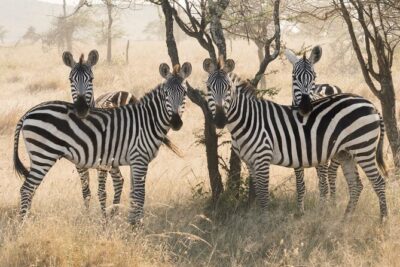
Serengeti is famous for its broad grasslands, where animals are easier to scan than in thick woodland. You might see elephants, giraffes, lions, zebras, antelopes, and other species moving across the plains. The appeal is not one guaranteed sighting. It is the scale of the place and the possibility of encountering animals with plenty of open space around them.
Your guide’s driving style matters here. Mike was praised for explaining animals, nature, and Maasai culture, while Savio was specifically praised for calm, safe driving and for finding varied scenery and wildlife during a short trip. Ask your guide questions early. A good exchange can turn a list of animal sightings into a better understanding of behavior and habitat.
The evening brings dinner and an overnight stay at a lodge, tented lodge, or public campsite. At a camp, the night sky and animal sounds become part of the experience. At a lodge, you get more ease after a tiring road day. Choose based on your tolerance for basic sleeping conditions, not just on price.
Day 2: sunrise animals and the move toward Ngorongoro
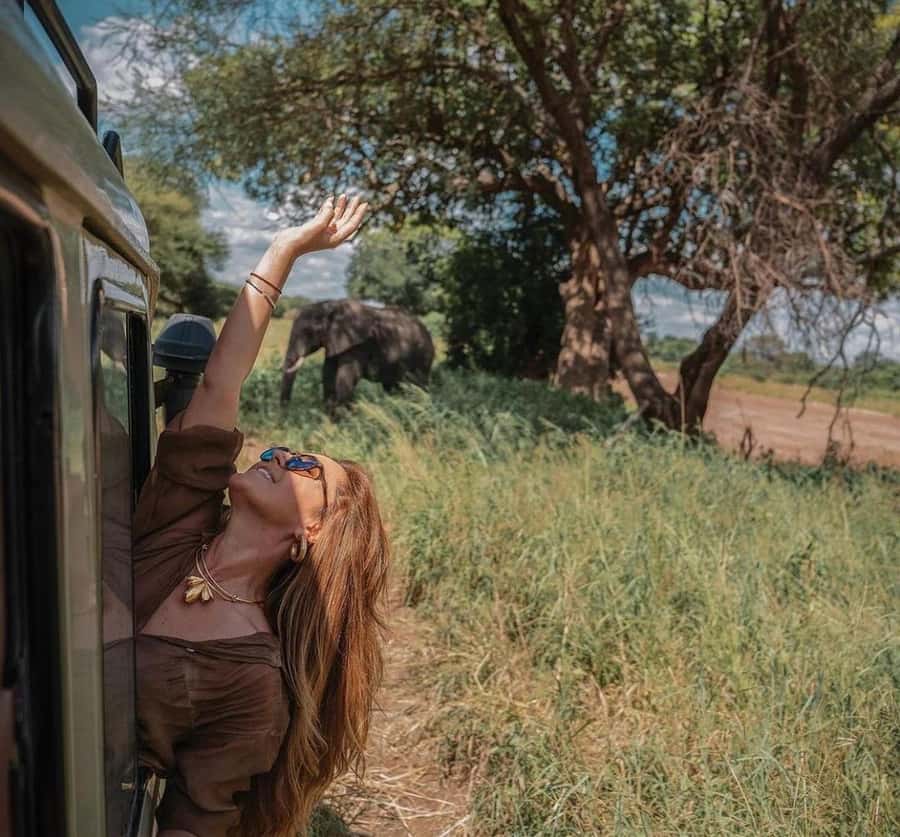
The second day starts early with a sunrise game drive. This is one of the strongest parts of the schedule because the park is active in the cooler morning hours, and the low light can make the plains especially striking.
You eat breakfast in the park before another morning drive. The early start gives you more time to look for predators, grazing herds, elephants, and smaller animals before leaving Serengeti. You also gain a second chance at sightings missed the previous afternoon.
The schedule then turns toward the Ngorongoro Conservation Area. The transfer takes about two hours as listed, with a picnic lunch on the way. Expect more scenery than concentrated animal watching during this section. The rolling hills and changing vegetation offer a useful contrast to the open Serengeti, but the journey still adds to an already busy day.
You arrive at the crater rim in the evening. The view is dramatic, with the crater spread below and the walls rising around it. This is a good place to slow down, eat dinner, and prepare for the early start on day three.
The accommodation may be a crater-area tented lodge, a lodge such as Ngorongoro Safari Lodge, or Simba Public Campsite for the camping version. Again, confirm the exact property. A crater rim stay is valuable because it puts you near the next morning’s descent, reducing the need for an even earlier road transfer.
Day two is the hardest day for many people. You have already spent hours on the road, then completed a morning drive, then moved again. The reward is a full wildlife morning in Serengeti, but this trip suits you best if you are comfortable with long vehicle days.
Day 3: descending 600 meters into Ngorongoro Crater
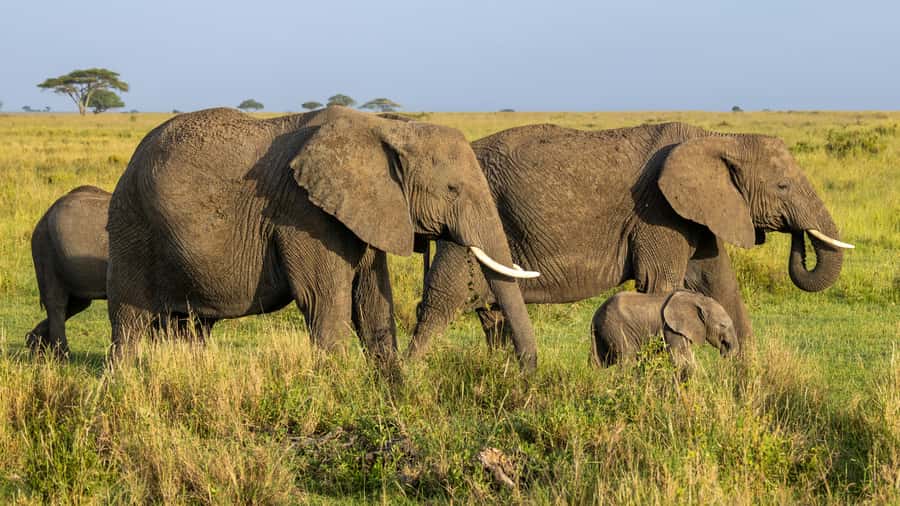
After breakfast, the vehicle descends about 600 meters into Ngorongoro Crater. The descent itself is part of the show, as the crater walls frame the route and the broad floor opens below.
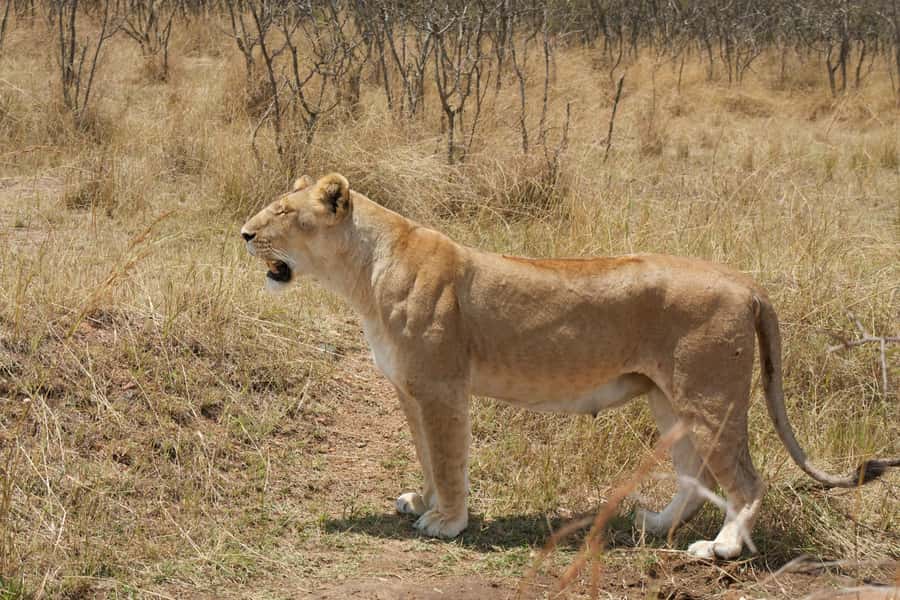
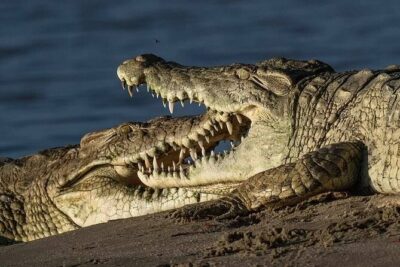
Ngorongoro is often called Africa’s Eden because wildlife gathers in a relatively contained area. You may look for black rhinos, lions, elephants, zebras, wildebeests, hippos, and buffalo. The crater is one of the strongest places on this route for a concentrated Big Five search, especially when compared with the much wider Serengeti.
Still, do not treat the Big Five promise as a guarantee. The animals move, hide, and respond to weather and season. Several people on recent trips saw all five, but you should book for the quality of the setting and the full range of wildlife, not for a checklist.
The crater floor also changes the rhythm of game viewing. In Serengeti, you may scan a wide distance before spotting movement. In Ngorongoro, the walls and compact setting can make sightings feel more immediate, though other vehicles may be present. Your guide’s patience and positioning are important.
A scenic picnic lunch follows the morning drive. Eating outdoors in a conservation area is memorable, but follow every instruction about food and waste. Feeding animals is forbidden, as is touching them, and drones are not allowed.
After the crater drive, you climb out and return to Arusha, with the transfer listed at about three hours. Arrival is expected in the late afternoon, with drop-off at an Arusha hotel or airport. Do not schedule an unusually tight onward connection unless the operator confirms the timing directly. Roads, animal sightings, and park procedures can all affect the return.
More Serengeti and Ngorongoro itineraries:
- 3 Days Serengeti & Ngorongoro Group Camping Safari
★ 5.0 · 574 reviews - 5-Day Highlights mid-Range Crater, Serengeti, Tarangire
★ 5.0 · 296 reviews - 3-Day Classic Serengeti Safari
★ 5.0 · 263 reviews - Private 6-Day Tarangire Manyara Crater and Serengeti with Mid-Range Lodges
★ 5.0 · 238 reviews
Guides, vehicles, and safety on rough roads
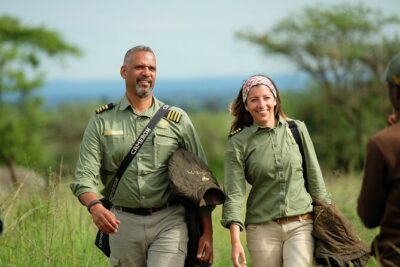
The strongest repeated feature of this safari is the human side of the trip. Mike was praised for his explanations and guiding, Eric for his friendly manner and animal knowledge, Savio for careful driving, and Nico for placing the vehicle where animals could be seen clearly. Patrick, Ernest, and Mwanga were also described as attentive with practical problems and communication.
Names can change with availability, so ask who your guide will be and how the vehicle is maintained. The guide is not just there to drive. You rely on that person for animal identification, road judgment, timing, and decisions about where to stop.
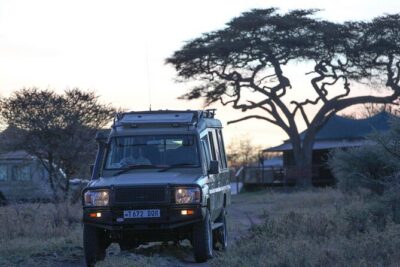
The 4×4 Toyota Land Cruiser with a pop-up roof is the right type of vehicle for game drives. The roof gives you a higher viewing position and helps you photograph animals without glass between you and the scene. It does not make the roads smooth. One account specifically noted that the routes were more uneven than expected and that the vehicle shook often.
There is also one serious safety concern in the supplied feedback: a jeep overturned on the first day, causing injuries, though the operator provided support and a refund. That report should not be ignored. Before setting out, check that seat belts work, ask about the vehicle’s condition, and speak up if driving feels unsafe. A professional guide should value controlled driving over reaching the next sighting quickly.
The activity is offered privately or in small groups. That can improve the experience because you have more room for camera equipment and more say in stops. It can also cost more, depending on the final arrangement.
Lodge comfort or tented nights?
The lodge option gives you the easiest version of this safari. After dusty roads and early starts, a bed, prepared meals, and a more settled evening can make a big difference. This is the sensible pick if you want wildlife days without turning sleep into another challenge.
Camping gives you a closer connection to the setting. Tents, mattresses, cooking gear, chairs, tables, and a safari chef are included, so this is organized camping rather than carrying your own equipment. Meals have been a strong part of the experience, with fresh food prepared for the group and lunches packed in large containers for picnic stops.
You should bring a warm sweater, jacket, and socks. Night temperatures can fall to around 5°C, and mosquito repellent is essential. A towel and toilet paper are also listed, which tells you exactly how basic some campsite facilities may be.
The camping choice is best for you if you enjoy hearing the bush after dark and can accept fewer comforts. Rangers are present at camps, but you still need to follow camp rules and never wander on your own.
Food, luggage, and what to pack
Breakfast, lunch, dinner, and bottled drinking water are included on the first two days. Breakfast and lunch are included on the final day. That matters because there are no casual food stops to rely on once you are inside the parks.
Pack no more than 10 kilograms per person in a soft duffel bag. Extra luggage can be stored at your hotel. A soft bag is easier to fit into a safari vehicle than a hard suitcase.
Bring sunscreen, strong insect repellent, neutral clothing, a warm layer, a jacket, socks, binoculars, a towel, and toilet paper. White, beige, and green clothing is recommended. Avoid bright colors, and do not bring a drone.
A guide has a binocular available to share, but your own pair is far better if you want to scan distant animals without waiting. Keep your camera, phone, water, and sunscreen within reach during the drives.
Who should book this three-day safari?
I would recommend it to you if your time in northern Tanzania is limited and you want both Serengeti and Ngorongoro rather than one park alone. It is also a good match for first-time safari visitors who want park fees, transport, meals, guiding, and accommodation handled in one booking.
Camping suits you if the sound of animals nearby is part of the appeal. Lodge accommodation is better if you need more rest between early starts and rough drives. Families should confirm the age rules and sleeping setup directly, while pregnant women should not book this activity.
The tour is wheelchair accessible according to the activity details, but the rough roads, vehicle movements, and campsite facilities make it wise to discuss your exact needs before booking.
Free cancellation is available up to 24 hours before departure, and you can reserve now and pay later. Central Arusha hotels are recommended for included pickup. Hotels outside the city center may incur extra charges, and airport transfers on the day before or after the safari cost extra.
Should you book it?
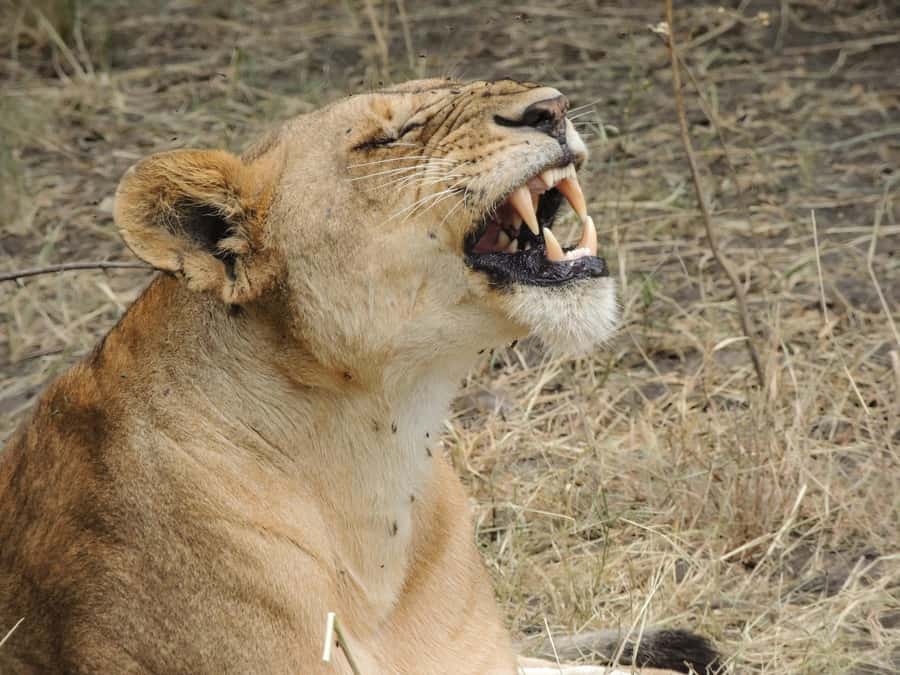
Book this safari if you want a concentrated wildlife trip and accept that three days means long road hours, early mornings, and little downtime. The combination of Serengeti’s vast plains and Ngorongoro’s dense crater wildlife gives you two very different settings in a short period.
At $900, the package offers solid value because the expensive park and transport costs are included, along with food, water, guiding, and two nights of accommodation. I would choose the lodge option for comfort, camping for a more direct connection with the bush, and I would confirm the assigned guide, vehicle condition, pickup charge, and exact accommodation before paying.
FAQ
How long is the safari?
The safari lasts three days and starts and ends in Arusha.
What parks and conservation areas are included?
The route includes Serengeti National Park and the Ngorongoro Conservation Area, including a game drive inside Ngorongoro Crater.
Is pickup from my hotel included?
Pickup and drop-off are included for hotels in Arusha town. Hotels outside the city center may require an additional fee.
What type of vehicle is used?
Transport is provided in a 4×4 Toyota Land Cruiser with a pop-up roof.
Is a guide included?
Yes. An experienced English-speaking safari driver-guide is included.
Are meals included?
Breakfast, lunch, dinner, and bottled drinking water are included on the first two days. Breakfast, lunch, and bottled water are included on the final day.
Can I choose camping instead of lodges?
Yes. The activity offers mid-range lodge accommodation or tent camping with mattresses and camping equipment.
How much luggage can I bring?
The luggage limit is 10 kilograms per person. Duffel bags are recommended, and extra luggage can be stored at your hotel.
What should I bring?
Pack sunscreen, insect repellent, neutral-colored clothing, a warm sweater, jacket, socks, binoculars, a towel, and toilet paper.
Is the hot-air balloon safari included?
No. It is an optional activity costing $530 per person.
Is the safari suitable for pregnant women?
No. The activity is listed as unsuitable for pregnant women.
Can I cancel the booking?
Yes. You can cancel up to 24 hours in advance for a full refund.
More three day trips in Arusha
- 3 Day Serengeti National Park & Ngorongoro Crater Camping Safari
★ 5.0 · 142 reviews - 3 Days Tarangire, Ngorongoro & Lake Manyara Group Camping Safari
★ 5.0 · 102 reviews - 3 Days Private Safari – manyara, Ngorongoro & Tarangire
★ 5.0 · 94 reviews - 3 Days Small Group Safari to Serengeti NP and Ngorongoro Crater Tour in Tanzania
★ 5.0 · 77 reviews
Newly listed around Arusha
- 5-Day Private Safari Tour in Tanzania’s Wildlife★ 5.0 · 3 reviews
- 3 Days private safari Tarangire ,Ngorongroro crater &Manyara★ 5.0 · 3 reviews
- 3 Day Sharing Safari – Manyara, Ngorongoro Crater and Tarangire National Parks★ 5.0 · 3 reviews
- Tarangire National Park Day Trip★ 5.0 · 3 reviews
- 2 Days Tarangire and Ngorongoro Crater Tour★ 5.0 · 3 reviews
- 6 -Day Tarangire, Manyara, Serengeti & Ngorongoro★ 5.0 · 3 reviews
- 5 Days Group Camping Safari★ 4.7 · 3 reviews
- 7-Day Mt. Kilimanjaro Hiking: Machame Route★ 5.0 · 3 reviews
Serengeti & Ngorongoro Safaris, compared.
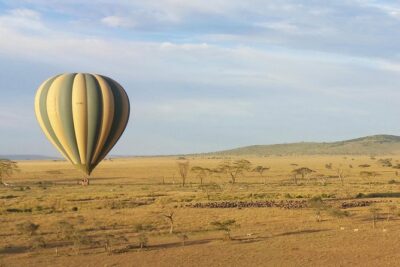
Balloon Safari & Bush Breakfast in Serengeti – Miracle Experience
Read our review →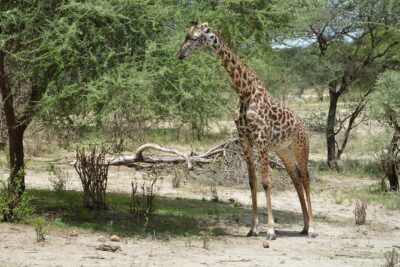
Private 6-Day Tarangire Manyara Crater and Serengeti with Mid-Range Lodges
Read our review →
5 Days Camping Tarangire, Serengeti & Ngorongoro crater & Visiting Maasai
Read our review →Browse the lists this tour appears in