
Reviewed · SERENGETI & NGORONGORO SAFARIS
3 Day Serengeti National Park & Ngorongoro Crater Camping Safari
The biggest draw here is the contrast between two remarkable wildlife areas: the wide, open Serengeti, where herds seem to run to the horizon, and the enclosed Ngorongoro Crater, where roughly 30,000 animals live inside an ancient volcanic bowl. You get both in three days, with a camping setup that keeps the cost below many lodge-based safaris.
I like the small maximum group of six, which gives you a better chance of a window seat and makes it easier to ask your guide to pause for a bird, lion, or distant cheetah. I also like the practical package: park fees, meals, water, a 4×4, camping, and airport transfers are included. The main drawback is the pace. Long road stretches connect Arusha, Serengeti, and the crater, so this is an efficient wildlife trip rather than a slow, restful holiday.
Key points to know before you book
- Two famous wildlife areas in three days: See Serengeti’s broad plains and Ngorongoro’s enclosed volcanic caldera in one compact safari.
- Small group, maximum six people: A useful size for game viewing, photography, and sharing the vehicle without a large crowd.
- Strong guiding is central to the experience: Daniel, Emmanuel, Peter, James, and Manuel are among the guides associated with the safari, with particular praise for animal spotting, bird knowledge, safe driving, and patience.
- Camping keeps the price practical: At $1,100 per person, park charges, meals, water, guide, vehicle, camping fees, and airport transfers are included.
- Black rhino is a real possibility, not a promise: Ngorongoro is one of the best places in the region to look for this rare animal, but wildlife sightings can never be guaranteed.
- Pack for heat and cold: The open plains can be warm, while the Ngorongoro rim can feel cold at night. Bring layers, not just safari shorts.
Why this Serengeti and Ngorongoro pairing works
If you have only three days, this route makes good use of your time. The Serengeti gives you space and movement. Ngorongoro gives you a concentrated wildlife experience in a setting that feels almost theatrical, with steep crater walls rising around the animals.
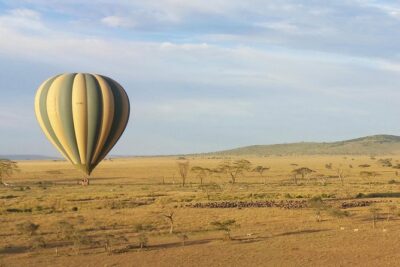
The Serengeti is Tanzania’s oldest national park and one of Africa’s best-known wildlife areas. It is also associated with the Great Wildebeest Migration and is home to the Big Five: lion, leopard, elephant, buffalo, and rhino. Seeing all five is never guaranteed, but the range of animals here is broad even on a shorter visit.
Ngorongoro is different in mood. The crater is an intact volcanic caldera, about 265 square kilometres across, with walls reaching roughly 600 metres high. Once you descend to the floor, the high sides create a contained viewing area. You may see zebra, wildebeest, gazelle, eland, lions, elephants, buffalo, hippos, and flamingos around Lake Magadi.
That variety is the reason this trip works so well for a first safari. You get the grandeur of the Serengeti and the dense wildlife viewing of the crater without adding another park to an already busy schedule.
More National Parks in Arusha
- 7 Days Tanganyika Wilderness Safari
★ 5.0 · 159 reviews - Arusha National Park Private Safari
★ 5.0 · 59 reviews - 4 Day Ngorongoro Crater Tarangire and Serengeti National Park
★ 5.0 · 44 reviews
Day 1: From Arusha through the Ngorongoro Highlands
The day begins with an early safety talk and briefing from your SafariHQ guide, although the published start time is shown as 12:00 am. Confirm the exact pickup time before you travel, since the stated time appears to refer to an early morning departure rather than a normal midday start.
From Arusha, the route passes through the rolling Ngorongoro Highlands. The drive is part of the experience, but it also takes time. You should expect a substantial day on the road before reaching the Serengeti for an afternoon game drive.
That first approach gives you a useful change of scenery. The highlands feel more elevated and cooler than the plains, while the Serengeti opens out into huge distances. Once inside the park, your guide begins looking for wildlife rather than simply driving straight to camp.
The afternoon is a good introduction to safari rhythm. You may spend long periods watching one animal, then suddenly stop for a lion sighting or a moving herd. Guides such as Daniel Lyimo, Emmanuel, Peter, James, and Manuel have been praised for spotting animals, identifying birds, answering questions, and positioning the vehicle for photographs. A strong guide matters here because many animals are easy to miss without trained eyes.
Camping at Seronera or another assigned site gives the first night a direct connection to the park. The package includes camping fees, accommodation as listed, dinner, and coffee and tea. It does not include alcohol, laundry, phone calls, or porterage, so keep your personal kit compact and manageable.
Day 2: Morning wildlife in the Serengeti
Day two gives you the best stretch of dedicated Serengeti game viewing. The morning drive is scheduled for about eight hours, including time in the park and the later route toward the Ngorongoro Conservation Area.
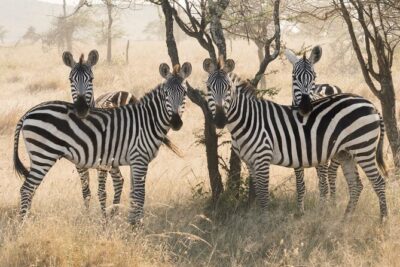
This is when you should be ready for a broad mix of wildlife. Possible sightings include cheetah, wildebeest, lion, giraffe, dik-dik, impala, gazelle, buffalo, hippo, zebra, elephant, and leopard. The guide’s role is not just to point out large animals. Several guides have also been praised for identifying birds and plants, which adds interest when the bigger animals are quiet.
The Serengeti rewards patience. A cheetah may be visible only briefly before disappearing into the grass. A leopard can remain difficult to spot even when your guide knows the likely area. Lions are more forgiving subjects, and you might encounter cubs or several separate prides during the drive.
A cooked lunch is prepared by the SafariHQ chefs at Seronera Campsite. Food is one of the stronger practical features of this trip. Breakfast, lunch, and dinner are included, with three lunches, two dinners, and two breakfasts listed in the package. Several accounts describe the food as tasty or excellent, and the chef and support team receive repeated praise.
After lunch, the drive continues through the Serengeti and Ngorongoro Conservation Area toward the crater rim. This is a scenic but demanding transfer. It means you are not spending a second full day in the Serengeti, yet it puts you in the right position for an early crater visit on day three.
The second night at the rim is worth preparing for. Conditions can be cold, and warm clothes are important. A fleece, long trousers, warm socks, and a light jacket will serve you better than extra beachwear. Camping facilities can vary, and one account specifically noted that ablutions at the first camp were not as clean as hoped. That is a fair warning: camping offers atmosphere and value, but it is not the same as a lodge with fixed private facilities.
Day 3: Descending into Ngorongoro Crater
The final day begins with the descent into Ngorongoro Crater for about six hours of game viewing. The drive down is scenic, and the crater walls make the setting unlike the open Serengeti.
Ngorongoro’s enclosed shape makes wildlife easier to find in some areas. The crater supports about 30,000 animals at a time, including large numbers of wildebeest, zebra, gazelle, and lions. Lake Magadi can attract flamingos, while wetlands and grasslands support hippos and other species.
Black rhino is the crater’s headline animal. Only a small number remain in East Africa, and this is one of the better places to look for them. Still, you should treat a sighting as a lucky result, not part of the guarantee. The same applies to leopard and cheetah, both of which may be seen here but can remain elusive.
The black-maned lion is another special possibility. The crater’s enclosed setting can produce close and memorable sightings, but your guide must still work within park rules and the movement of other vehicles. The aim is good viewing without treating wild animals like staged performers.
The six-hour crater visit is a sensible length for a short safari. It gives you time to search several habitats without turning the final day into an exhausting all-day drive. Afterward, the activity ends back at the meeting point. The exact final arrival time is not supplied, so do not schedule a tight onward connection unless SafariHQ confirms it directly.
More Safaris in Arusha
- Balloon Safari & Bush Breakfast in Serengeti – Miracle Experience
★ 5.0 · 1,646 reviews - 4 Days Group Camping Safari
★ 5.0 · 1,101 reviews - 5 Days Group Camping Safari
★ 5.0 · 730 reviews - 3 Days Serengeti & Ngorongoro Group Camping Safari
★ 5.0 · 574 reviews
The guides make the difference
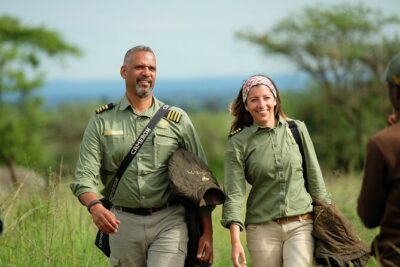
A safari vehicle and good park access are useful, but the guide shapes nearly every hour. Daniel Lyimo is praised for answering questions about many types of animals and for creating close photo opportunities when possible. Emmanuel is described as patient, attentive, a safe driver, and especially good at finding animals.
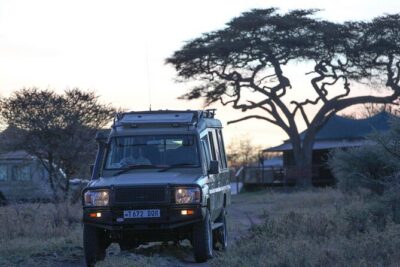
Peter receives strong praise for enthusiasm, mechanical ability, animal spotting, and helping people see particular species such as cheetah and black rhino. James is described as friendly and informative, while Manuel is noted for safe driving, local wildlife and plant knowledge, and an excellent Land Cruiser.
These details point to what you should value. A guide who reads the birds while the vehicle is stopped can keep the safari interesting between major sightings. A guide who knows the roads and handles the vehicle well makes long transfers less tiring. A guide who listens can also shape the day around your interests, within park rules and available time.
You can request a particular guide only if SafariHQ confirms availability. The important point is that the company’s guide team appears to be a major part of the product, not an afterthought.
Camping, meals, and what the $1,100 price covers
At $1,100 per person, this safari is not a bare-bones drive with meals left to you. The price includes all fees and taxes, park and camping charges, a 4×4 safari vehicle, a guide, daily mineral water, coffee and tea, accommodation as listed, all meals, airport transfers, and a Maasai boma visit.
That makes the cost easier to assess. Park fees alone can make northern Tanzania safaris expensive, and the package also absorbs food, camping support, and transport. A group of no more than six keeps the experience more personal than a large coach-style trip.
The value is strongest if you want wildlife first and comfort second. You are paying for access to two major protected areas, not for luxury rooms. Camping adds the sounds and feel of the bush, but standards can vary between sites. Keep expectations realistic about shared washrooms and simple camp conditions.
A daily tip of $20 for the driver is requested but not included. Guide tips and hotel gratuities are also excluded. Travel insurance, laundry, phone calls, porterage, and alcoholic drinks are extra. Add these costs to your budget before deciding that the advertised price is your final total.
How to prepare for the long days
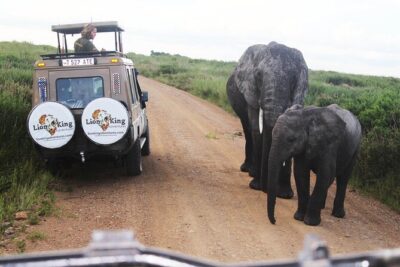
The vehicle is a 4×4 safari vehicle, and the group maximum is six. That is a comfortable group size for a shared safari, but you will still spend many hours seated in the vehicle and on connecting roads.
Bring a camera with spare batteries or charging equipment, binoculars if you have them, sunscreen, sunglasses, and a hat. The open plains offer little shade during some viewing periods. For the crater rim, pack warm layers. The supplied water reduces the need to carry large amounts yourself, but a small personal bottle remains useful.
Wear practical clothing that can handle dust and repeated use. Neutral colors are sensible for comfort, though the key issue is sun and temperature rather than fashion. Keep valuables and important documents secure, and carry travel insurance since it is not included.
The Maasai boma visit is included, though the supplied schedule does not state exactly when it takes place. Ask your guide or the operator for the planned timing so you understand how it fits around the park drives.
The safari accepts all ages, and most people can participate. Pickup is offered, airport transfers are included, and the meeting information says the activity ends back at the meeting point. Public transportation is nearby, though most people will use the provided pickup.
Who should choose this safari?
I would choose this trip if you want a short, wildlife-heavy introduction to northern Tanzania and do not need lodge luxury. It suits first-time safari visitors, photographers who want a small group, families looking for a compact route, and anyone who wants the Serengeti and Ngorongoro Crater without arranging each piece separately.
It is also a good fit if you care about guides. The strongest pattern across the experience is the value of skilled drivers who can spot small animals, identify birds, answer questions, and find good viewing positions.
I would hesitate if you dislike long road transfers, shared camping facilities, or cold nights. Three days leaves little spare time if weather, traffic, or park conditions slow the route. A longer safari would feel less rushed and give you more chances to wait for elusive animals.
Free cancellation is available if you cancel at least 24 hours before the local start time. Cancellations made later, along with late changes, are not accepted for a refund.
Should you book the three-day safari?
Book it if you want a focused route with Serengeti scale and Ngorongoro wildlife density in one trip. The included park fees, meals, water, camping, transfers, and small group size give the $1,100 price solid practical value.
Go in knowing that camping is simple, the rim can be cold, and two major parks in three days means plenty of driving. If that tradeoff suits you, SafariHQ’s guide team, especially drivers such as Daniel, Emmanuel, Peter, James, and Manuel, gives this trip the personal touch that can turn a good wildlife outing into a memorable one.
FAQ
How long is the safari?
The experience lasts approximately three days.
Where does the safari start?
The safari is based in Arusha, Tanzania, with pickup offered. The listed start time is 12:00 am, so confirm the exact pickup time with SafariHQ before departure.
What is the maximum group size?
The maximum is six travelers.
Which parks and protected areas are included?
The route includes Serengeti National Park, the Ngorongoro Conservation Area, and Ngorongoro Crater.
Are meals included?
Yes. The package includes three lunches, two dinners, and two breakfasts, along with coffee and tea each day.
Is camping included?
Yes. Park and camping fees, plus accommodation as listed, are included.
Is airport transportation included?
Yes. Airport transfers are included.
Are tips included in the price?
No. Guide tips and hotel gratuities are not included. The provided information asks you to tip drivers $20 per day.
Can I cancel for a full refund?
Yes, if you cancel at least 24 hours before the experience start time. Cancellations or changes made less than 24 hours before the start time are not accepted for a refund.
More camping safaris in Arusha
- 2 Days Tarangire and Ngorongoro Group Camping Safari
★ 5.0 · 146 reviews - 6 Days Tanzania Budget Camping Safari
★ 5.0 · 145 reviews - 3 Days Tarangire, Ngorongoro & Lake Manyara Group Camping Safari
★ 5.0 · 102 reviews - 5-Day private Camping Safari Tour in Tanzania
★ 5.0 · 86 reviews
More Serengeti and Ngorongoro itineraries
- 5-Day Highlights mid-Range Crater, Serengeti, Tarangire
★ 5.0 · 296 reviews - 3-Day Classic Serengeti Safari
★ 5.0 · 263 reviews - Private 6-Day Tarangire Manyara Crater and Serengeti with Mid-Range Lodges
★ 5.0 · 238 reviews - 5 Days Camping Tarangire, Serengeti & Ngorongoro crater & Visiting Maasai
★ 5.0 · 229 reviews
Newly listed around Arusha
- 5-Day Private Safari Tour in Tanzania’s Wildlife★ 5.0 · 3 reviews
- 3 Days private safari Tarangire ,Ngorongroro crater &Manyara★ 5.0 · 3 reviews
- 3 Day Sharing Safari – Manyara, Ngorongoro Crater and Tarangire National Parks★ 5.0 · 3 reviews
- Tarangire National Park Day Trip★ 5.0 · 3 reviews
- 2 Days Tarangire and Ngorongoro Crater Tour★ 5.0 · 3 reviews
- 6 -Day Tarangire, Manyara, Serengeti & Ngorongoro★ 5.0 · 3 reviews
- 5 Days Group Camping Safari★ 4.7 · 3 reviews
- 4 Days Tanzania Safari★ 4.5 · 3 reviews
Serengeti & Ngorongoro Safaris, compared.
Balloon Safari & Bush Breakfast in Serengeti – Miracle Experience
Read our review →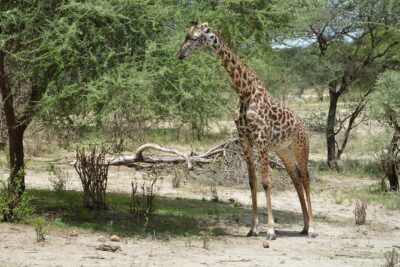
Private 6-Day Tarangire Manyara Crater and Serengeti with Mid-Range Lodges
Read our review →
5 Days Camping Tarangire, Serengeti & Ngorongoro crater & Visiting Maasai
Read our review →Browse the lists this tour appears in