
Reviewed · SERENGETI & NGORONGORO SAFARIS
3-Day Private Safari to Lake Manyara, Tarangire & Ngorongoro
Lake Manyara, Ngorongoro Crater, and Tarangire pack three very different wildlife settings into only three days. You’ll see a Rift Valley park, descend into a vast volcanic crater, and finish among baobabs and elephants, all with a private vehicle and pickup from Arusha.
I like the private format, which gives your group more say over stops and pacing. I also like the practical inclusions: park fees, camping equipment, breakfast, lunch, and dinner are covered, so the advertised $1,426.30 price per person is easier to assess.
The main caution is the pace. Day three lasts about 12 hours, and the trip uses a campsite at Mto wa Mbu rather than a lodge, so this suits you best if wildlife matters more than long lie-ins and polished accommodation.
Key points at a glance
- Three major parks in three days: Lake Manyara, Ngorongoro Crater, and Tarangire each offer a different setting and style of wildlife viewing.
- Private from Arusha: Only your group takes part, with pickup arranged and flexibility built into the safari.
- A 6:00 a.m. start: The first morning begins early, followed by a roughly two-hour drive to Lake Manyara.
- Crater wildlife in one concentrated setting: Ngorongoro offers a strong chance to see many East African species, with black rhino a rare prize.
- Camping at Migombani Campsite: Two nights are based in the Mto wa Mbu area, with a possible swimming and rest period after Ngorongoro.
- Personal service is a recurring strength: Past arrangements have involved Brenda and Robert, with guides including Suma, Sam, and Frankie.
Three parks, three very different safari moods
This route works because the parks do not simply repeat one another. Lake Manyara gives you forest and Rift Valley scenery, Ngorongoro brings a compact wildlife basin, and Tarangire closes the trip with baobabs and large elephant concentrations.
You should think of this as a fast sampler rather than a slow safari. You get a taste of three important northern Tanzania destinations, but you also spend a good share of each day on the road. The private setup helps, since you are not waiting for strangers to finish their plans or agree on every stop.
The price is listed at $1,426.30 per person. That is a serious sum for three days, but it includes admission to all three parks, taxes and fees, camping equipment, two breakfasts, three lunches, and two dinners. You are also paying for a private experience and organized transport from Arusha. The value improves for a small group that wants its own vehicle and guide, though you should compare the camping setup with other options before booking.
More Safaris in Arusha
- Balloon Safari & Bush Breakfast in Serengeti – Miracle Experience
★ 5.0 · 1,646 reviews - 4 Days Group Camping Safari
★ 5.0 · 1,101 reviews - 5 Days Group Camping Safari
★ 5.0 · 730 reviews
Lake Manyara after a 6:00 a.m. pickup
Your safari begins with pickup from your accommodation in Arusha at about 6:00 a.m., depending on where you are staying. After a briefing, the drive to Lake Manyara National Park takes roughly two hours.
That early start is not just a scheduling detail. It creates a long first day, listed at about 10 hours, but it also gives you a full park visit rather than a rushed afternoon stop. If you prefer quiet mornings, this will feel like a proper safari start. If you need a slow breakfast, it may feel abrupt.
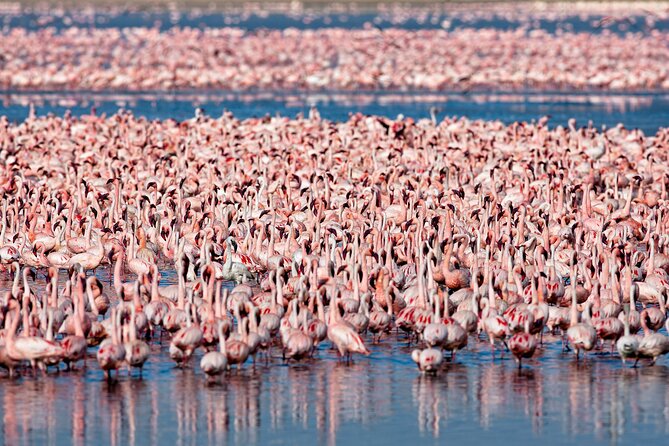
Lake Manyara sits below the Great Rift Valley escarpment. The park’s appeal comes from the change in scenery as much as from any single animal. You can expect forest, open areas, acacia, and the lake itself, with plenty to watch between the larger sightings.
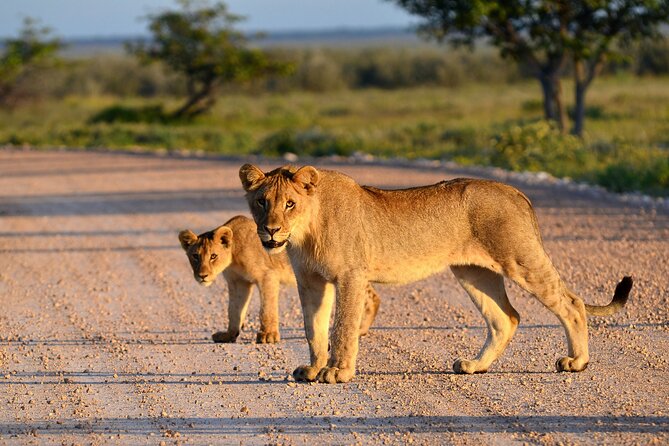
Tree-climbing lions are the park’s famous prize. They may rest in acacia branches above the ground, offering an unusual view of a predator that you normally expect to see walking through grass. Sightings are never promised, so it is best to treat the lions as a bonus rather than the whole reason for visiting.
The park also offers chances to see elephants, zebras, and possibly cheetahs. The description promises a broad look at flora and fauna, but exact animal sightings will depend on conditions and luck. A private vehicle can help you spend more time with an interesting scene, though the route still follows the day’s available hours.
A midday picnic lunch breaks up the game drive. After lunch, you return for an afternoon drive before heading to Migombani Campsite in Mto wa Mbu for dinner and the night. This arrangement keeps the journey efficient, but it is worth noting the difference between a safari marketed as a luxury journey and a stay at a campsite. The package includes camping equipment, not a named luxury lodge.
Migombani Campsite and the value of a private base
Mto wa Mbu is used as the base for the first two nights. This makes practical sense because it keeps you close to Lake Manyara and gives you a starting point for Ngorongoro the next morning.
Camping can be part of the fun if you want a closer connection to the safari setting and do not need hotel-style comforts. The package covers the equipment, which removes one major packing concern. Still, the information does not specify tent type, bathroom arrangements, bedding, or the exact standard of the campsite, so ask those questions before paying.
The private format is especially useful here. Your group can discuss the evening plan with the operator and guide instead of sharing every decision with a larger party. Past arrangements have involved Brenda and Robert in the organizing role, and named guides in earlier bookings include Suma, Sam, and Frankie. Those names are useful context, but you should confirm who will actually lead your departure.
Descending 600 meters into Ngorongoro Crater
Day two starts with breakfast and a drive from Migombani to the Ngorongoro Conservation Area. The key moment is the descent of about 600 meters into the crater.
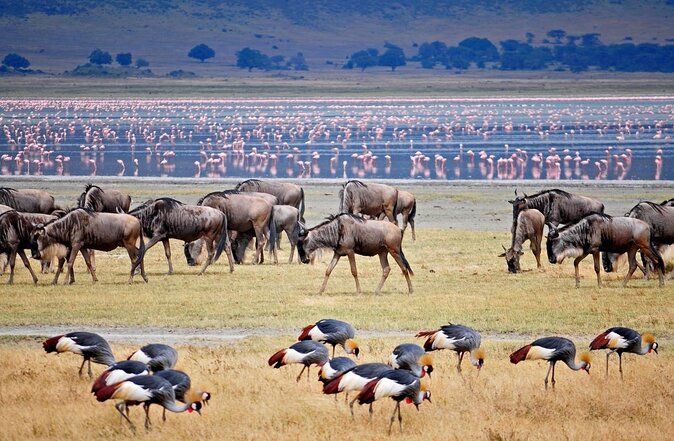
Ngorongoro is a striking place to visit even before an animal appears. The crater walls create a contained setting, and the broad floor can bring many species into one day of wildlife viewing. The route describes the chance to see almost every species native to East Africa, including the rare black rhino.
That last animal deserves realistic expectations. Black rhino sightings are special and never guaranteed. The trip gives you a chance, not a promise, so you should judge the day by the setting and the range of wildlife rather than one checklist entry.
You receive lunch at the crater base near a hippo lake. This is a memorable setting, but follow your guide’s instructions closely around the water and animals. The day lasts about eight hours, making it shorter than the first and third days, though the early start and crater roads still make it active.
After lunch, you have a choice. You can remain in the park for an evening game drive, or take final photographs and return to Migombani for swimming and relaxation. This is one of the trip’s most useful touches because it recognizes that not every group wants the same ending after a major wildlife day.
If you want every possible viewing hour, choose the evening drive. If you are tired from the early mornings, the campsite option gives you breathing room. The details do not state whether an extra charge applies to the evening option, so confirm the cost and exact timing before you decide.
More Serengeti and Ngorongoro itineraries:
- 3 Days Serengeti & Ngorongoro Group Camping Safari
★ 5.0 · 574 reviews - 5-Day Highlights mid-Range Crater, Serengeti, Tarangire
★ 5.0 · 296 reviews - 3-Day Classic Serengeti Safari
★ 5.0 · 263 reviews - Private 6-Day Tarangire Manyara Crater and Serengeti with Mid-Range Lodges
★ 5.0 · 238 reviews
Tarangire’s baobabs and elephant country
After breakfast on day three, you leave Migombani for Tarangire National Park. The drive is described as taking about 60 minutes, giving you a quick transition into the final park.
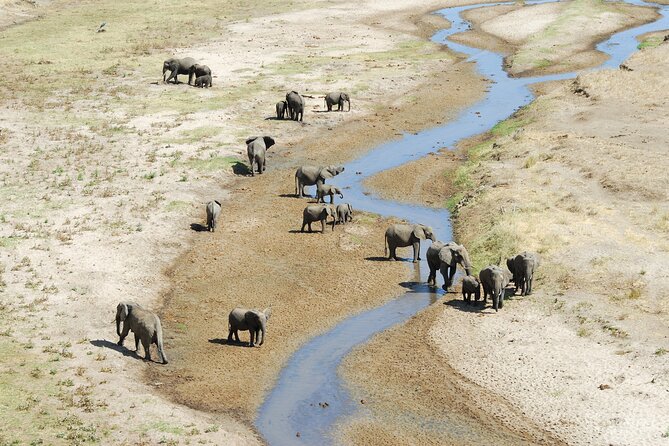
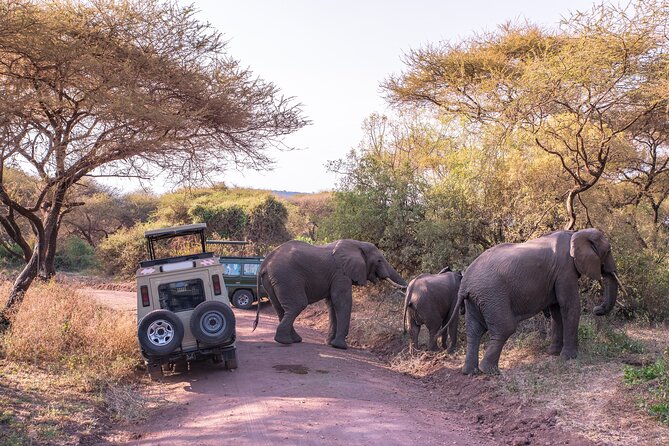
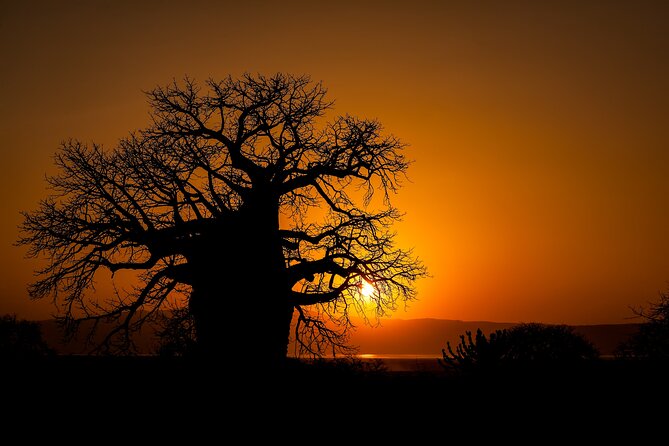
Tarangire has a different visual character from Manyara and Ngorongoro. Old baobab trees are among its main attractions, and the park is known for large concentrations of African elephants. Those trees and animals give the final day a strong sense of place rather than making it feel like another version of the crater.
You may also look for tree-climbing pythons, lions, leopards, cheetahs, and zebras. Again, these are possible sightings, not guaranteed appearances. A private vehicle may make it easier to pause when something catches your eye, but the guide still has to work within park rules and the available daylight.
A picnic lunch comes around midday, followed by an afternoon and late-afternoon game drive. Then you take your last photographs and return to Arusha. At about 12 hours, this is the longest day of the trip. You should plan for a full day in the vehicle and avoid scheduling an important evening departure from Arusha unless you have allowed plenty of extra time.
The final drive has a practical advantage: you finish in Arusha instead of needing another transfer after a separate overnight stay. It also means the trip ends with a long push home. For many people, the last animal sighting or baobab view will make the tiredness worthwhile. For others, the schedule may feel too compressed.
What the private setup changes
A private safari is not the same as a private luxury lodge experience. Here, the main benefit is control over the group, not necessarily a higher level of accommodation.
You and your companions are the only participants, and pickup is offered. The operator describes the trip as flexible, and past arrangements have included adjustments for people flying in from Zanzibar to Arusha. That makes the service useful if your Tanzania plans do not follow a standard route.
The strongest practical advantage is communication before departure. Brenda and Robert have handled planning in past trips, while guides such as Suma, Sam, and Frankie have led earlier safaris. You can use that information to ask who will manage your booking, who will drive, and what vehicle and camping arrangements are planned.
Private travel also matters when energy levels differ. One person may want the evening Ngorongoro drive, while another may prefer swimming at Migombani. The available choice lets you shape that evening around your group, something a fixed shared departure may not allow.
Meals, equipment, and what you still need to budget
The package includes breakfast on two mornings, lunch on all three days, and dinner on the first two nights. Park admission for Lake Manyara, Ngorongoro Crater, and Tarangire is also included, along with all listed fees and taxes.
That coverage makes the price easier to understand. Park charges can form a large part of a northern Tanzania safari, so having them included reduces the risk of small costs appearing during the trip. Picnic lunches also fit the schedule, since you remain in or near the parks for much of the day.
Tips are not included. Set aside money for gratuities and ask the operator for current guidance if you are unsure how much to give. The information does not list drinks, personal purchases, or any optional costs, so confirm those items before departure.
Camping equipment is supplied, but the exact contents are not listed. Ask about tents, sleeping gear, showers, toilets, and what clothing or personal items you should bring. Those answers will tell you whether the experience feels basic, comfortable, or closer to the luxury description used for the journey.
Who should book this three-day safari
I would recommend this trip to you if you have limited time in northern Tanzania and want to cover three well-known parks from an Arusha base. It also fits a small family or friend group that values privacy and wants some control over the pace.
It is a good match if you care most about wildlife variety. Lake Manyara offers tree-climbing lion potential and Rift Valley scenery, Ngorongoro concentrates animals in a dramatic crater, and Tarangire adds elephants, baobabs, and the chance to spot pythons and big cats.
I would be more cautious if you want slow mornings, upscale lodging, or long periods away from the vehicle. The 6:00 a.m. pickup, eight to 12-hour days, and campsite stay make this an active trip. You should also consider the weather, since the activity may be rescheduled or canceled if conditions are poor.
The operator accepts most participants and the meeting period is listed daily from 6:00 a.m. to 7:00 p.m. Confirmation is provided at booking, and the activity is near public transportation. Those details help with planning, but they do not replace asking about your exact pickup location.
Should you book it?
Book this safari if you want a private, tightly planned introduction to three northern Tanzania parks and can handle early starts, long drives, and camping. The mix of Ngorongoro’s crater, Manyara’s tree-climbing lion possibility, and Tarangire’s elephants and baobabs is strong for such a short trip.
Think twice if the word luxury means a lodge, generous downtime, and short driving days. Before booking, confirm the assigned guide, vehicle, campsite facilities, the price of the optional Ngorongoro evening drive, and what the camping equipment includes. If those answers suit you, the $1,426.30 rate can be fair for a private package with major park fees and meals already covered.
FAQ
Where does the safari start and finish?
The safari starts and ends in Arusha. Pickup is offered, with the first pickup described as taking place around 6:00 a.m., depending on where you are staying.
How long is the experience?
The safari lasts about three days. The listed day lengths are about 10 hours on day one, eight hours on day two, and 12 hours on day three.
Which national parks and protected areas are included?
The route includes Lake Manyara National Park, the Ngorongoro Conservation Area and Crater, and Tarangire National Park.
Is this a private tour?
Yes. Only your group participates in the activity, rather than joining a shared group.
What meals are included?
The package includes two breakfasts, three lunches, and two dinners.
Are park fees included?
Yes. Admission to Lake Manyara National Park, Ngorongoro Crater, and Tarangire National Park is included, along with all listed fees and taxes.
Is camping equipment provided?
Yes. Camping equipment is included. The available information does not specify the exact equipment or campsite facilities, so you should confirm those details before booking.
What is the cancellation policy?
You can receive a full refund if you cancel at least 24 hours before the experience begins. Cancellations or changes made within 24 hours are not accepted and are not refunded. If poor weather causes the activity to be canceled, you will be offered another date or a full refund.
More three day trips in Arusha
- 3 Day Serengeti National Park & Ngorongoro Crater Camping Safari
★ 5.0 · 142 reviews - 3 Days Tarangire, Ngorongoro & Lake Manyara Group Camping Safari
★ 5.0 · 102 reviews - 3 Days Private Safari – manyara, Ngorongoro & Tarangire
★ 5.0 · 94 reviews - 3 Days Small Group Safari to Serengeti NP and Ngorongoro Crater Tour in Tanzania
★ 5.0 · 77 reviews
Newly listed around Arusha
- 5-Day Private Safari Tour in Tanzania’s Wildlife★ 5.0 · 3 reviews
- 3 Days private safari Tarangire ,Ngorongroro crater &Manyara★ 5.0 · 3 reviews
- 3 Day Sharing Safari – Manyara, Ngorongoro Crater and Tarangire National Parks★ 5.0 · 3 reviews
- Tarangire National Park Day Trip★ 5.0 · 3 reviews
- 2 Days Tarangire and Ngorongoro Crater Tour★ 5.0 · 3 reviews
- 6 -Day Tarangire, Manyara, Serengeti & Ngorongoro★ 5.0 · 3 reviews
- 5 Days Group Camping Safari★ 4.7 · 3 reviews
- 7-Day Mt. Kilimanjaro Hiking: Machame Route★ 5.0 · 3 reviews
Serengeti & Ngorongoro Safaris, compared.


Balloon Safari & Bush Breakfast in Serengeti – Miracle Experience
Read our review →




Private 6-Day Tarangire Manyara Crater and Serengeti with Mid-Range Lodges
Read our review →
5 Days Camping Tarangire, Serengeti & Ngorongoro crater & Visiting Maasai
Read our review →Browse the lists this tour appears in