

Reviewed · STONE TOWN TOURS
Best of Zanzibar: Spice Tour & Stone Town Visit
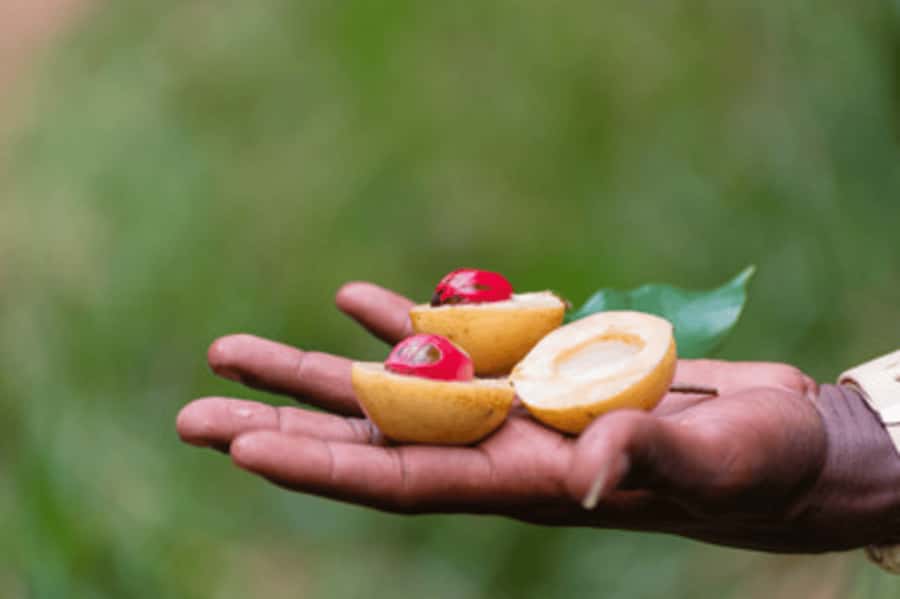
The most memorable part of this day is likely to be the spice farm, where cinnamon, cloves, vanilla, nutmeg, cardamom, and tropical fruit are presented as living plants rather than items in a shop. You can smell, touch, and taste the produce while a local guide explains how it is grown and used. I like that the experience connects Zanzibar’s famous spice trade with present-day farming, and I like the generous mix of food, history, and walking for $60 per person.
The Stone Town portion adds real depth, from the Old Fort and Darajani Market to Freddie Mercury’s birthplace and the Anglican Cathedral on the former slave market site. The main drawbacks are the heat, moderate walking over uneven ground, and the fact that the spice farm can feel quite commercial. Building work may also affect the House of Wonders and the Fort, and the pace of the Stone Town guide can vary.
Key points to know before booking

- Taste spices and tropical fruit at the source: The farm visit includes fresh samples, with cinnamon, cloves, vanilla, nutmeg, and cardamom among the main stars.
- See two sides of Zanzibar in one day: The farm explains rural life and trade, while Stone Town brings in architecture, religion, markets, and difficult history.
- Ask for a steady Stone Town pace: Ahmed Issa Ahmed has been singled out for clear explanations of Zanzibar’s doors, symbols, and architecture.
- Expect a hot, walking-heavy day: Light clothing, covered shoulders and knees, comfortable shoes, water, and sun protection all matter.
- Transfers make the $60 price more useful: Hotel pickup and drop-off are included in selected areas, though meals and some site entry fees are extra.
- Confirm your pickup time: The operator sends the final time the evening before by email, WhatsApp, or SMS.
Why the spice farm is the best first stop

Zanzibar is often called the Spice Island, but that nickname can sound vague until you walk among the plants. This visit gives the phrase some meaning. Instead of simply hearing that cloves or vanilla are important, you get to handle fresh ingredients and see how the farm presents them in their natural setting.
Your guide explains the uses and background of familiar spices such as cinnamon, cardamom, nutmeg, cloves, and vanilla. The point is not just to memorize names. You begin to understand how Zanzibar’s farming traditions shaped its trade and how the island’s food draws on these plants.
The tasting is a strong part of the morning. Fresh spices and tropical fruit are offered at the end of the visit, giving you a clear contrast with the dried and packaged products sold in markets. One account of the tour especially praises the range of tastings, while another notes that food at the farm was enjoyable. If you like food tours, this section is likely to be the high point.
The guides named in connection with the spice farm include Mimo, Salim, and Yassir. Salim is described as entertaining as well as well informed, while Mimo received particular thanks for making the farm visit interesting. Yassir is also mentioned as part of the Tangawizi Spice Farm team. Since guide assignments can change, treat those names as useful possibilities rather than a promise of who will lead your visit.
There is a catch. The farm is not presented as an untouched agricultural visit. You may find the experience quite geared toward visitors, with products and optional tastings available for purchase. That does not cancel out the value of the stop, but it helps set expectations. I would approach it as a well-organized introduction to Zanzibar’s spices, not as a quiet morning spent alone with farmers.
More Stone Town walks:
- Zanzibar: Stone Town, Spice Tour, Prison Island with Lunch
★ 4.4 · 1,219 reviews - Zanzibar: Prison Island, Stone Town, & Spice Farm Tour
★ 4.5 · 579 reviews - Zanzibar; Prison Island, Nakupenda, StoneTown Tour with BBQ
★ 4.3 · 457 reviews
Reading Zanzibar through its spices
The farm has value beyond the tasting table. Spices help explain why Zanzibar became so important to outside traders, and the guide’s explanations connect cultivation with local customs and everyday cooking.
You will probably get more from this section if you ask questions. Ask how a spice is used, which part of the plant is harvested, or how the fresh form differs from what you buy at home. The tour is designed around seeing, smelling, and tasting, so it rewards curiosity more than passive listening.
The tropical fruit adds variety. It also keeps the visit from becoming a list of plant names. The combination of fruit and spice tastings makes the farm easier to enjoy for families and for anyone who prefers a hands-on stop to a formal museum.
Bring a camera if you enjoy close-up plant photos, but do not let photography replace the sensory part. The useful memory here is often a scent or taste: the sharpness of a spice, the sweetness of fruit, or the difference between a fresh ingredient and a shop-bought packet.
Walking into Stone Town
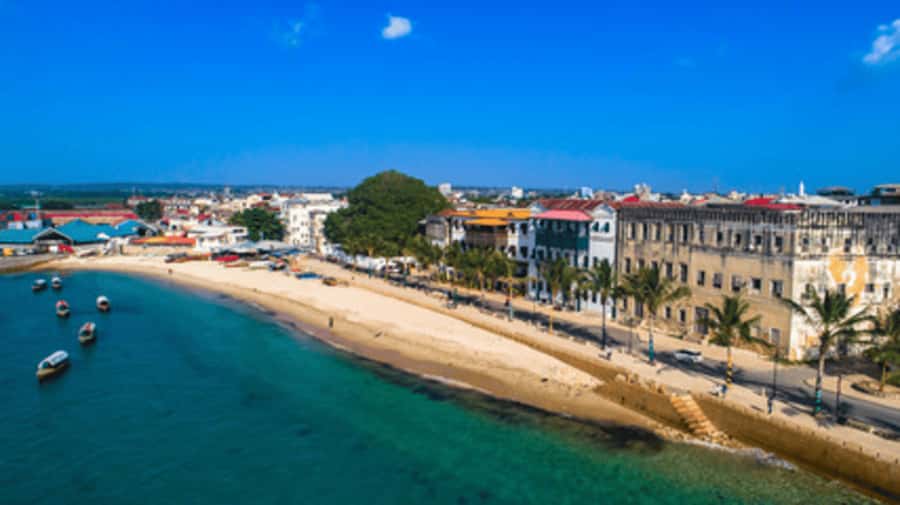
After the farm, the day moves into Stone Town, Zanzibar’s cultural and historical center. The change is striking. The open farm setting gives way to narrow lanes, old buildings, market stalls, and a city shaped by African, Arab, Indian, and European influences.
This is a walking tour, not a drive-by sightseeing circuit. You will move through winding alleys and busy market areas, so your guide matters. A good guide helps you understand what you are seeing instead of leaving you with a collection of old facades.
Ahmed Issa Ahmed is specifically praised for making the Stone Town walk informative and lively. His explanations of doors are especially useful. Zanzibar’s carved doors can show different architectural styles, symbols, and patterns, and learning how to read them gives the streets more meaning. Even if you are not normally interested in architecture, these details help you notice the city as you walk.
The walk also includes the Old Fort, the House of Wonders, Darajani Market, Freddie Mercury’s House, and the Anglican Cathedral. The exact amount of time at each place can depend on the guide and the day’s schedule. One account found the Stone Town guide too quick, so tell your guide early if you want more time for photographs or questions.
Old Fort, House of Wonders, and changing city views
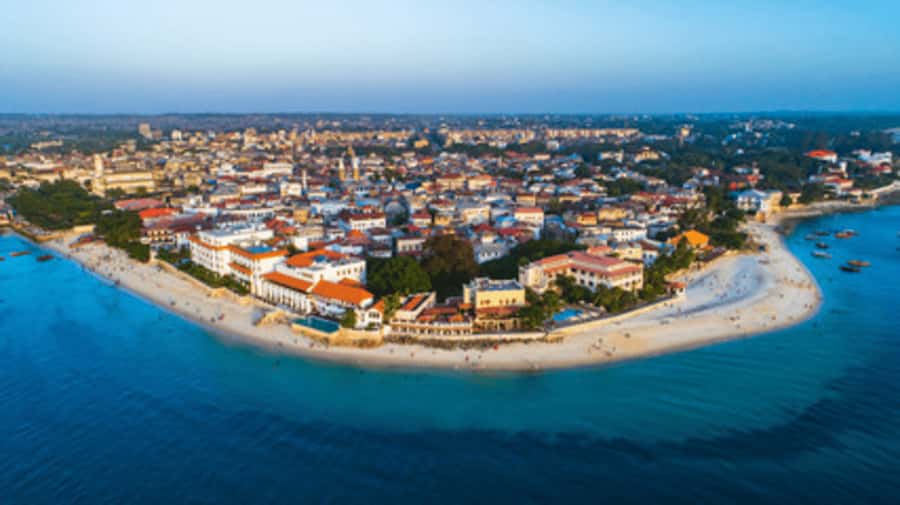
The Old Fort is one of Stone Town’s key landmarks and an easy anchor for the walking route. Its position near other major sights makes it practical for understanding the shape of the old city.
The House of Wonders is another major stop, though building work may affect what you can see. The same applies to parts of the Fort. This is not a reason to skip the tour, but it does mean the Stone Town experience may not match a postcard-perfect view of every building.
I like the fact that the route still gives you a sense of the city beyond individual monuments. The alleys, market activity, and old doors are part of the experience. If restoration work limits access or views, the guide’s explanation becomes more important.
Darajani Market adds a more everyday side of Stone Town. The market area can be busy and visually crowded, with food and local goods creating a different mood from the formal landmarks. Keep your pace flexible here. A market is best understood through small details, not rushed as a checklist stop.
More spice farm mornings:
- Zanzibar: Stone Town, Spice tour & Prison Island with Lunch
★ 4.6 · 453 reviews - Full-Day Private Stone Town +Spice Farm and Prison Island Tour
★ 4.5 · 216 reviews - Spice Tour + Stone Town Tour + Prison Island
★ 4.5 · 130 reviews - Zanzibar: Spice Tour & Stone Town Walking Tour
★ 4.8 · 115 reviews
Freddie Mercury and Zanzibar’s layered identity
The stop at Freddie Mercury’s birthplace offers a link between Zanzibar and a globally known musician. It is a short, recognizable point on the route, but it also shows how Stone Town’s identity reaches beyond forts, palaces, and religious buildings.
You may find this stop more meaningful if you already know something about his connection to Zanzibar. Even if you do not, it adds variety to the day and prevents the walking tour from becoming only a lesson in colonial and trading history.
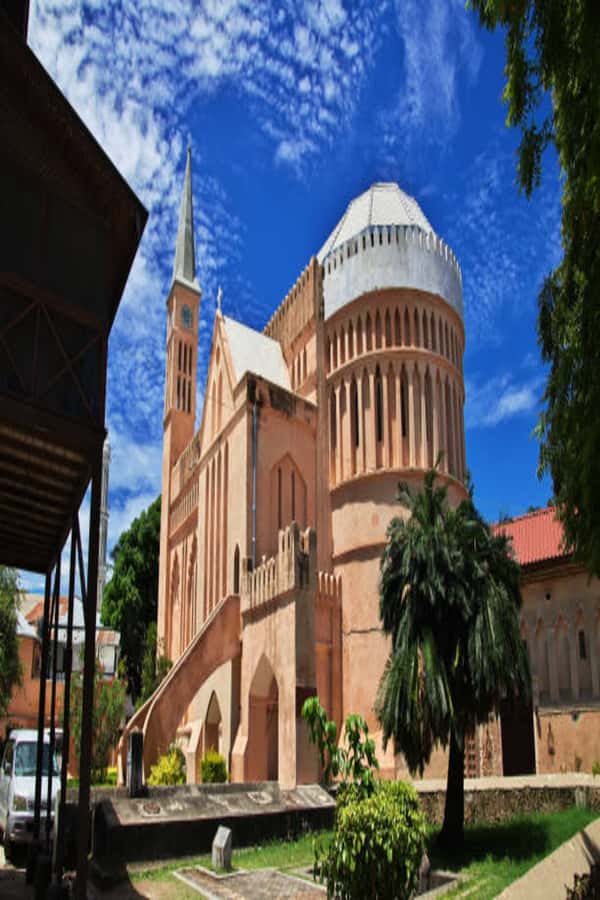
The Anglican Cathedral brings the most serious historical subject on the route. It was built over the site of the former slave market, so the visit provides an opportunity to learn about the human cost behind Zanzibar’s trading past.
This part deserves your attention and a respectful attitude. It is not simply another old building to photograph. The cathedral and former market site place Zanzibar’s economic story in a harder frame, showing that the island’s importance in regional trade involved exploitation as well as commerce.
The guides shape the quality of the day
The experience includes a local professional guide and a certified local guide is described as having expertise in Zanzibar’s spices, history, and culture. The feedback points to generally good guide interaction, but it also shows that the two halves of the tour can feel different.
At the farm, Salim is praised for being entertaining and well informed, while Mimo is remembered for making the tastings especially enjoyable. In Stone Town, Ahmed Issa Ahmed receives the strongest personal praise for explaining architecture and history clearly.
You may not receive these exact guides, so use the names as a sign of the strengths to look for. The best approach is to tell the guide what interests you. If you care about food, ask for more detail on farming and cooking. If you care about history, ask for context at the Cathedral, Old Fort, and House of Wonders.
Guide pace is worth raising early. One Stone Town walk felt too fast, with the guide seeming eager to finish. You can often improve the experience by saying that you would like time to stop, take photographs, or ask questions. The guides are reported to listen to personal preferences, so speak up rather than trying to keep quiet and keep up.
Transport, timing, and what the $60 covers

At $60 per person, this is a useful value if you want to combine two major Zanzibar outings without arranging separate transport and guides. Hotel pickup and drop-off are included in selected areas, and bottled water is provided.
The price also includes entry to the spice plantation and the guided Stone Town walking tour. It does not cover entrance fees for specific attractions or sites visited during the day, so ask what you will need to pay locally before entering any additional site.
Meals are not included. Food or refreshments outside the stated provision are your responsibility, as are souvenirs and products bought at the farm or along the route. Optional cultural performances or extra tasting activities can also cost more.
The schedule needs a little care. The exact pickup time is confirmed the evening before by email, WhatsApp, or SMS, and there have been cases where the time shown in an app differed from printed information. The operator tried to resolve one timing issue through WhatsApp, but the message was not seen until partway through the tour. Check your messages the night before and confirm the meeting point if anything looks unclear.
Staying comfortable in Stone Town’s heat

This is not a sit-down sightseeing day. You will walk over uneven surfaces, through narrow streets, and around market areas. Comfortable shoes are essential, and light clothing will help in the hotter months.
Stone Town sites require modest dress. Cover your shoulders and knees, especially when visiting religious and historical places. This is both a practical requirement and a simple way to show respect at the Anglican Cathedral and other important sites.
Carry sunscreen and insect repellent, since personal necessities are not included. A camera is useful, and bottled water is supplied, but you should still plan for a warm day. During the rainy season, bring a raincoat or umbrella because the tour runs in all weather.
Alcohol and drugs are not allowed. That is straightforward, but it is worth noting because the day includes religious and historical sites where respectful conduct matters.
Who will enjoy this combined tour
I would recommend this day to you if you have limited time in Zanzibar and want a broad introduction rather than a single-theme outing. The combination works because the two halves explain different parts of the island: the farm covers food, agriculture, and trade, while Stone Town covers buildings, markets, music, religion, and difficult history.
It also suits people who enjoy learning through conversation. The guides are a major part of the value, and the experience is better when you ask questions and tell them how much time you want at each stop.
Families may like the fruit and spice tasting, though the walking and heat could be tiring for younger children. Anyone with limited tolerance for uneven ground should plan carefully, since moderate walking is built into the day.
You may want a different plan if you dislike organized farm visits, shopping opportunities, or a set route through a busy historic center. The spice farm can feel quite commercial, and the Stone Town section may move too quickly for a visitor who wants long, quiet stops.
Should you book Best of Zanzibar?
Book it if you want an efficient day that combines Zanzibar’s flavors with its most important city sights. The spice farm is the stronger half for hands-on enjoyment, while Stone Town supplies the context and emotional weight.
The $60 price is fair when hotel transfer, a farm entry, bottled water, and two guided experiences are useful to you. Allow extra money for food, optional activities, souvenirs, and possible entry fees at particular sites.
Before you go, confirm your pickup time, wear light modest clothing, and tell the Stone Town guide that you prefer a slower pace if you do. If you accept that the farm may feel tourist-oriented and that building work may limit some views, this is a practical and rewarding introduction to Unguja.
FAQ
Where does the Best of Zanzibar tour take place?
The experience takes place in Zanzibar’s Unguja South Region, with visits to a traditional spice plantation and Stone Town.
How much does the tour cost?
The listed price is $60 per person.
What is included in the tour?
A local professional guide, entry to the spice plantation, a guided Stone Town walking tour, hotel pickup and drop-off in selected areas, and bottled water are included.
Are meals included?
No. Meals and refreshments not provided as part of the itinerary are not included.
Which Stone Town sights are visited?
The route includes the Old Fort, House of Wonders, Darajani Market, Freddie Mercury’s House, and the Anglican Cathedral built over the former slave market site.
What spices and foods can I expect to taste?
The farm visit covers spices such as cloves, nutmeg, cinnamon, vanilla, and cardamom. Fresh local spices and tropical fruits are available for tasting.
What should I wear and bring?
Wear comfortable clothes and shoes, and cover your shoulders and knees for religious and historical sites in Stone Town. Bring a camera, sunscreen, insect repellent, and a raincoat or umbrella during the rainy season.
How is the pickup time confirmed?
The exact pickup time is confirmed the evening before by email, WhatsApp, or SMS. Make sure your contact details are correct when booking and check your messages.
Newly listed around Zanzibar
- Zanzibar: Nungwi/Kendwa Beach Sunset Dhow Cruise with Fruits★ 3.4 · 3 reviews
- Prison Island, Sea Turtles, Rock Restaurant & Relax in Beach★ 4.6 · 3 reviews
- Starfish Beach; The Rock; Kuza Cave; Paje Beach; Salaam Cave Tour★ 4.5 · 3 reviews
- Zanzibar: Half-Day Spice Farm Tour,the flavours of Zanzibar★ 4.7 · 3 reviews
- Joazani forest & Spice farm with lunch★ 5.0 · 3 reviews
- Nakupenda Island Snorkeling Sea trip & Lunch W/Transfer -Zanzibar★ 4.0 · 3 reviews
- Mnemba Island Snorkeling and Dolphin tour★ 5.0 · 3 reviews
- Zanzibar:Jozani forest, Spice farm with Swahili Cuisine clas★ 4.2 · 3 reviews
Stone Town Tours, compared.






Full-Day Private Stone Town +Spice Farm and Prison Island Tour
Read our review →
Browse the lists this tour appears in