
Reviewed · STONE TOWN TOURS
Stone Town Private Guided Walking Tour
Stone Town’s story is best read at walking speed. In three hours, this private tour takes you from the seafront at Forodhani Gardens through old defensive walls, grand landmark buildings, music history, market lanes, and places connected to the slave trade. Guide Hassan begins with background on Zanzibar, then helps you connect the landmarks to present-day life.
I like the private format, since you can ask questions and spend more time at a stop that matters to you. I also like the mix of major sights and everyday places, especially Darajani Market and Jaws Corner. The main limitation is time: three hours gives you a strong introduction, but Stone Town has more museums, lanes, and historic buildings than one morning or afternoon can cover.
Key points to know before you book
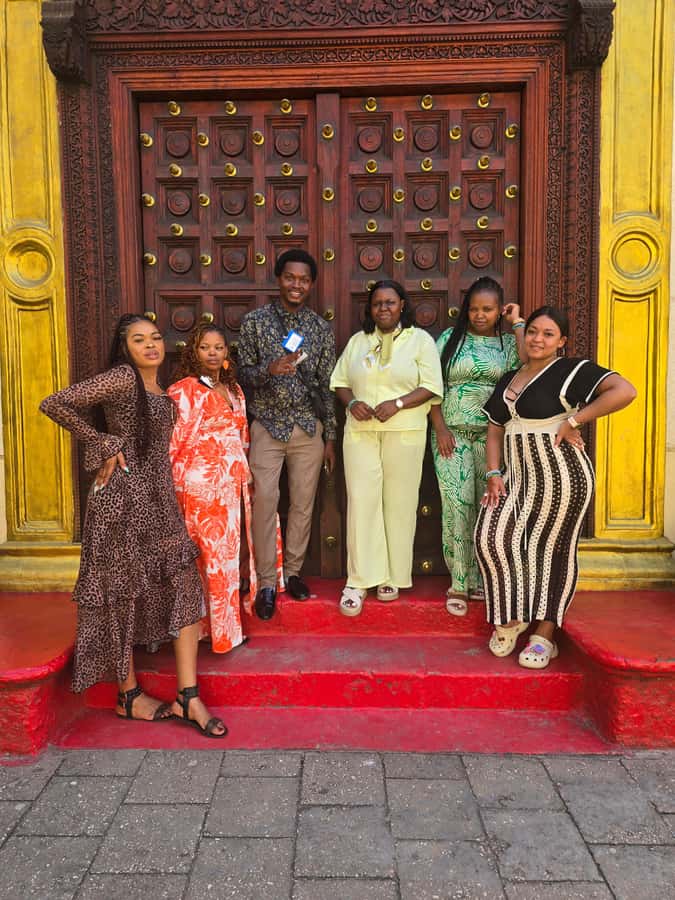
- Hassan is the named guide: He begins with a clear account of Zanzibar’s past and adds personal insight about local life.
- Forodhani Gardens is the meeting point: Look for the bandstand at the centre of the gardens.
- The route mixes famous and ordinary Stone Town: You visit the Old Fort and House of Wonders, then pass markets, churches, old buildings, and street corners.
- The Freddie Mercury Museum adds a modern note: It gives the walk a link to one of Zanzibar’s best-known cultural figures.
- Three hours is a useful first look: You can see key areas without committing to a full-day historical tour.
- Bring protection from the sun: Comfortable shoes, sunscreen, a hat, and water matter on a walking route.
Starting at Forodhani Gardens by the bandstand
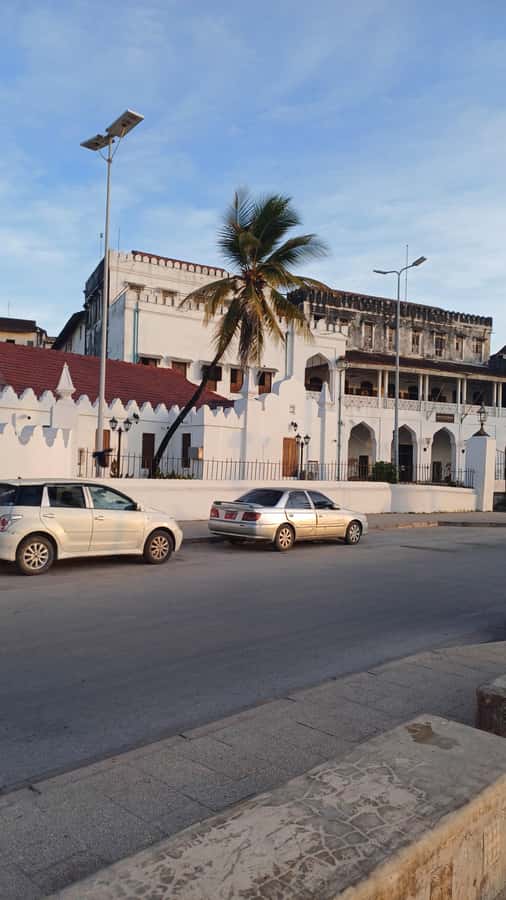
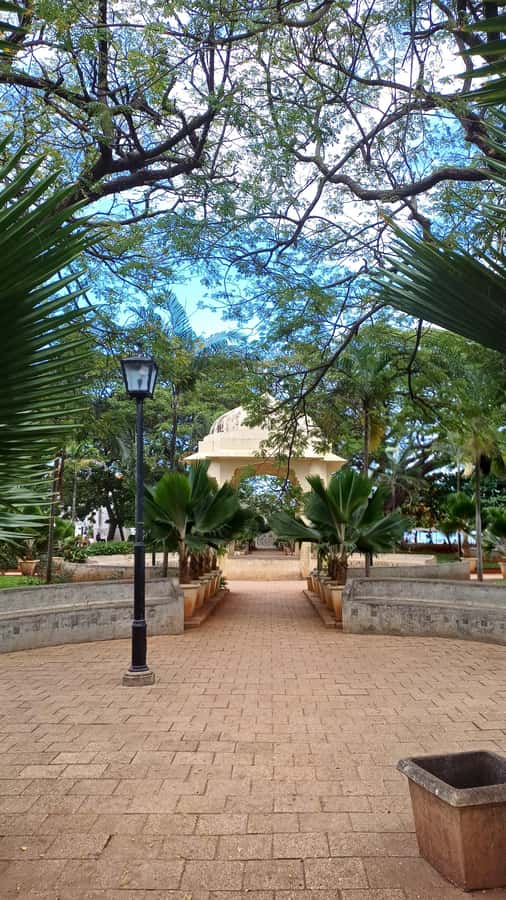
The tour begins in central Stone Town at Forodhani Gardens. Your meeting point is the bandstand, where the guide will be waiting. Hotel pickup and drop-off are not included, so plan to make your own way to the gardens unless your booking arrangements state otherwise.
This is a sensible place to start. Forodhani sits beside the waterfront and gives you an immediate sense of Stone Town’s setting. From here, the guide can introduce Zanzibar’s history before leading you into the older streets.
That opening talk matters. Stone Town is not just a collection of photogenic doors and weathered walls. Its story includes African, Arab, Indian, European, religious, commercial, and colonial influences, along with the painful history of the slave trade. Hassan’s approach, based on the tour details, begins with this wider context rather than rushing straight to photo stops.
The route is conducted in English and is private. That makes the experience more flexible than a large group walk. You can stop to ask about a building, request clarification, or spend longer at a museum without waiting for strangers.
More Walking Tours in Zanzibar
- Stone Town Private Walking Tour
★ 5.0 · 371 reviews - Zanzibar: 3 Hours Private Stone Town walking Tour with Guide
★ 4.6 · 301 reviews - Zanzibar: Stone Town Historical Cultural Walking Guided Tour
★ 4.5 · 179 reviews
The Old Fort and Stone Town’s defensive past
The Old Fort is one of the first major stops, with about 15 minutes set aside for walking and seeing the site. Its heavy walls and central position make it an easy landmark for understanding Stone Town as a port city that needed protection as well as commerce.
Your guide can help you read the fort as part of a larger story. Stone Town changed hands and character over the centuries, and the fort reflects the military side of that past. It is also a useful point for getting your bearings before the route turns toward the town’s civic and royal buildings.
Fifteen minutes is enough for an introduction and a look around, but not for a slow study of every corner. If you are interested in military architecture, ask Hassan to explain the details that are easiest to miss. Since this is a private walk, you have a better chance of shaping the conversation around your interests.
The Old Fort also helps balance the Freddie Mercury Museum later in the route. One stop points far back into Zanzibar’s political past, while another connects the city to modern global music.
The House of Wonders and the royal quarter
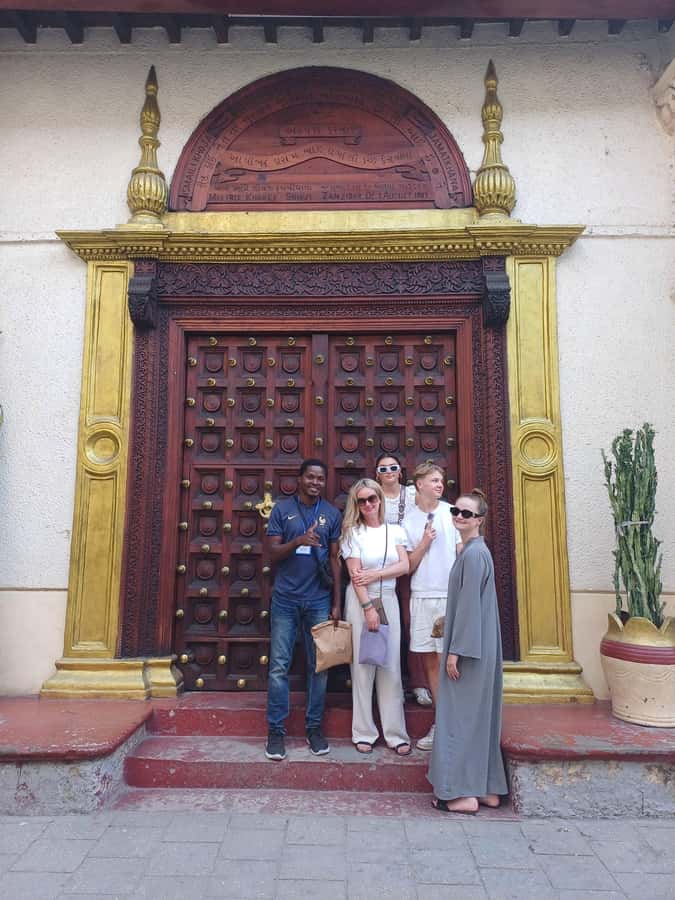
Next comes the House of Wonders, with roughly 20 minutes allocated for the walk. This is one of Stone Town’s best-known landmark buildings and an important part of the city’s royal and civic story.
The name alone hints at its original importance. Your guide’s role here is not simply to point out the facade, but to explain why this building mattered and how it fitted into Zanzibar’s changing society. The House of Wonders is listed among the main sights visited, though the exact amount of interior access can depend on current operating conditions.
Allow yourself some patience around major historic buildings. Restoration work, museum rules, or access restrictions can affect what you see on a particular day. The tour still gives you the useful setting and context, even if your time inside is limited.
The nearby Palace Museum adds another layer to the royal story. It is among the places you pass or visit during the walk, along with the Old Dispenser and the Old Customer, names included in the route information. Some of these stops may be brief exterior views, so ask the guide which sites are open for entry on your date.
Forodhani, the waterfront, and the city’s daily rhythm

Forodhani appears both as the meeting area and as a point on the walking route. Spending time here helps you see how Stone Town connects to the sea. It is not an isolated historic district. The waterfront remains part of the city’s daily movement and social life.
This is also where the tour can feel less like a checklist. You are walking between places that carry official importance and spaces where people simply meet, pass through, work, and shop. Hassan’s personal perspective was a strong part of the experience for several people who booked with him, and that kind of local explanation can make an ordinary street corner more meaningful.
The tour also passes Jaws Corner, a well-known meeting place in Stone Town. The route does not promise a long stop there, but it gives you a glimpse of the social network formed around tea, conversation, and familiar gathering points.
You will want to keep an eye on the heat. The tour provides bottled water, and Hassan has been attentive about making sure people have enough water and do not get too hot. Still, wear a hat and sunscreen, and choose light, comfortable clothing. Stone Town’s streets are made for walking, but the climate can make a three-hour route feel longer than the clock suggests.
More Stone Town walks:
- Zanzibar: Stone Town, Spice Tour, Prison Island with Lunch
★ 4.4 · 1,219 reviews - Zanzibar: Prison Island, Stone Town, & Spice Farm Tour
★ 4.5 · 579 reviews - Zanzibar; Prison Island, Nakupenda, StoneTown Tour with BBQ
★ 4.3 · 457 reviews - Zanzibar: Stone Town, Spice tour & Prison Island with Lunch
★ 4.6 · 453 reviews
The Freddie Mercury Museum and a modern Zanzibar connection

The Freddie Mercury Museum is one of the tour’s most distinctive stops. It shifts the focus from forts, palaces, and colonial-era buildings to the life and legacy of a famous singer with a Zanzibar connection.
The museum gives the walk a welcome change of pace. Even if your main interest is history, this stop shows how Stone Town’s identity reaches into the modern world. It also makes the tour appealing to people who might not choose a purely architectural or political history walk.
About 15 minutes is assigned to the stop. That is enough for a concise visit, but you should not expect an extended museum session. The museum has its own rules: flash photography is not allowed, and smoking, eating, and drinking are prohibited inside. Photography is otherwise allowed according to the activity information.
If Freddie Mercury is a major reason for your interest, ask at the start how much time the guide expects to spend there. The private structure gives you a better chance to make that preference clear, though the total tour still needs to stay within three hours.
Darajani Market and the practical side of Stone Town
Darajani Market is where the tour moves closest to everyday commerce. After grand historic buildings and museums, the market offers a more immediate look at how people shop and work in Stone Town.
A guided market visit is useful because you can focus on what you are seeing instead of wandering without context. The route information allows about 15 minutes here, so expect a compact look rather than a long food tour or shopping session. Meals and drinks are not included, and the tour does not promise tastings.
This is also a good place to ask questions about local products, routines, and the relationship between the market and the surrounding streets. The guide can help you understand the setting while you remain aware that this is an active place of business, not a staged attraction.
Keep personal expenses separate from the tour price. If you want to buy something, you pay for it yourself. A small amount of flexibility is useful, but do not expect shopping to be the main purpose of the walk.
The Slave Market Museum and difficult history

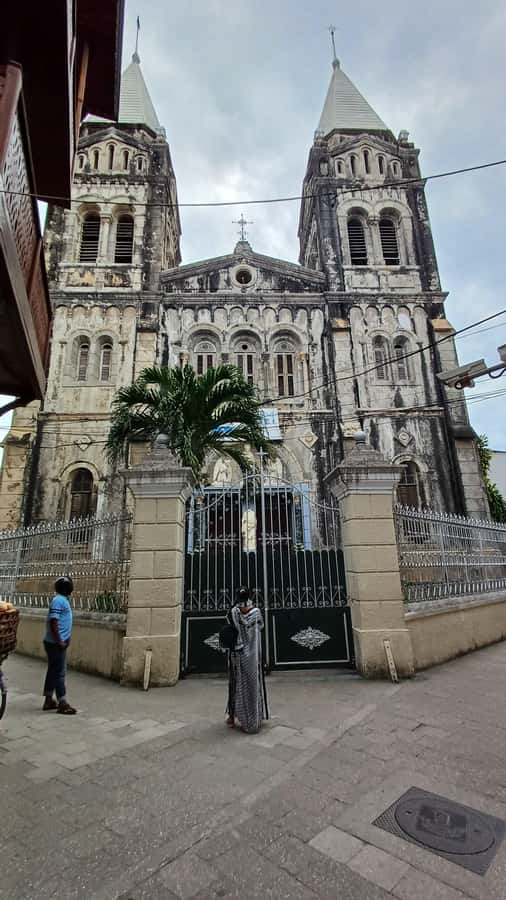
The route passes the Catholic Church and the Slave Market Museum, with the wider history of the slave trade included in the guide’s explanation. This is one of the most important parts of the tour, and also one of the most emotionally demanding.
Stone Town’s past cannot be understood through royal buildings and trade alone. The slave trade shaped Zanzibar, East Africa, and connections far beyond the island. A short tour cannot cover every detail, but it can give you a framework for understanding why certain sites matter and why the city’s history is not a simple success story.
One person who took the tour chose to spend extra time at the Slave Market Museum while Hassan waited. That is a useful example of the private format’s value. If this subject is important to you, you may be able to adjust the pace. Just remember that extra time at one stop means less time elsewhere.
The Catholic Church is another reminder of Stone Town’s religious variety. Along with mosques, royal sites, markets, and commercial buildings, it helps show how different communities shaped the city.
What the guide adds to a short tour
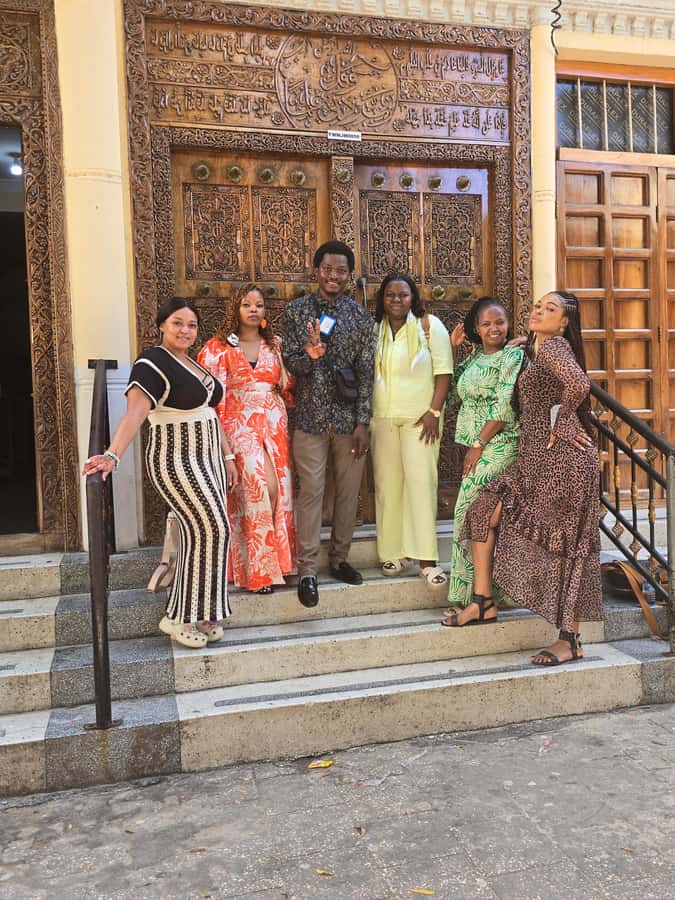
A three-hour route through Stone Town could easily become a blur of names and dates. Hassan appears to avoid that problem by starting with a broad account of Zanzibar, then linking the information to places you can see.
His strengths, as reflected in the supplied feedback, are clear communication, humor, energy, patience, and care with practical needs. He has also helped with small personal requests, including finding a particular souvenir, and has worked alongside a trainee named Nassir. These details suggest a guide who treats the walk as a personal introduction rather than a memorized speech.
That does not mean every minute will be tailored perfectly to your interests. The route has a set group of sights, and the English-language tour is designed as a general Stone Town introduction. If you want a specialist focus on architecture, genealogy, religion, or the slave trade, say so early.
The private group setting is especially useful for couples, families with older children, and small adult groups. Children under six are not suitable for this activity, and the route is not designed for wheelchair users or people with mobility impairments.
Is $27 per person good value?
At $27 per person, this tour offers solid value if you want a private introduction to Stone Town without paying for a full-day experience. The price includes a professional English-speaking guide, private touring, and bottled water. It does not include hotel transport, food, drinks beyond the provided water, museum-related personal expenses, or shopping.
The value comes from the combination of explanation and orientation. You are not only paying to reach the Old Fort, House of Wonders, Freddie Mercury Museum, and Darajani Market. You are paying for help connecting those places, plus the chance to ask questions as you walk.
The three-hour duration keeps the commitment manageable. It suits a first day in Stone Town, a port stop, or a short stay when you want historical context before exploring alone. If you want to enter every museum at length, browse the market slowly, and spend time photographing architectural details, the tour will feel rushed.
You can cancel up to 24 hours before the activity for a full refund, and reserve now while paying later. Those terms are useful if your Zanzibar schedule is still shifting.
Practical advice for a comfortable walk
Wear shoes you can walk in for three hours. The route includes several stops and passes through market and old-town areas, so comfort matters more than style.
Bring sunscreen, a hat, a camera, and extra water even though bottled water is provided. Photography is allowed, but flash photography is forbidden inside museums. Smoking, eating, and drinking are not allowed inside the museums.
Meet at the centre of Forodhani Gardens by the bandstand. Since hotel pickup and drop-off are not included, leave enough time to reach the meeting point. Confirm the precise starting time when you check availability.
If you have limited mobility, this is not the right choice. The activity is a walking tour, and it is specifically not suitable for wheelchair users or people with mobility impairments. Children under six are also excluded.
Should you book the Stone Town walk?
Book this tour if you want a private, reasonably priced introduction to Stone Town with a guide who can explain both the city’s major landmarks and its difficult past. Hassan’s friendly, careful approach is a real asset, especially if you want a walk that feels personal and conversational.
I would choose it for a couple, a small adult group, or anyone visiting Stone Town for the first time. It is also a good fit if Freddie Mercury, the Old Fort, the royal buildings, and local markets all appeal to you more than one narrow subject.
Skip it if you need wheelchair access, want a long museum visit, or prefer to explore at a very slow photographic pace. For most able walkers, though, $27 buys a useful three-hour orientation, thoughtful local guidance, and a practical introduction to one of East Africa’s most historically layered towns.
FAQ
Where does the Stone Town tour begin?
The meeting point is in central Stone Town at Forodhani Gardens. Look for the bandstand, where your guide will be waiting.
Is hotel pickup included?
No. Hotel pickup and drop-off are not included. You meet the guide at Forodhani Gardens in Stone Town.
How long does the walking tour last?
The tour lasts three hours.
What language does the guide speak?
The live tour guide speaks English.
Is the tour private?
Yes. It is offered as a private group experience.
Which major sights are included?
The route includes the Old Fort, House of Wonders, Forodhani, Freddie Mercury Museum, and Darajani Market. It also passes the Catholic Church, Jaws Corner, the Slave Market Museum, the Old Dispenser, the Old Customer, and the Palace Museum.
Is bottled water provided?
Yes. Bottled water is included for your convenience.
What should I bring?
Bring comfortable walking shoes, a hat, a camera, sunscreen, and water.
Can children or wheelchair users join?
Children under six are not suitable for the activity. The tour is also not suitable for people with mobility impairments or wheelchair users.
Newly listed around Zanzibar
- Zanzibar: Nungwi/Kendwa Beach Sunset Dhow Cruise with Fruits★ 3.4 · 3 reviews
- Prison Island, Sea Turtles, Rock Restaurant & Relax in Beach★ 4.6 · 3 reviews
- Starfish Beach; The Rock; Kuza Cave; Paje Beach; Salaam Cave Tour★ 4.5 · 3 reviews
- Joazani forest & Spice farm with lunch★ 5.0 · 3 reviews
- Zanzibar: Half-Day Spice Farm Tour,the flavours of Zanzibar★ 4.7 · 3 reviews
- Nakupenda Island Snorkeling Sea trip & Lunch W/Transfer -Zanzibar★ 4.0 · 3 reviews
- Mnemba Island Snorkeling and Dolphin tour★ 5.0 · 3 reviews
- Zanzibar:Jozani forest, Spice farm with Swahili Cuisine clas★ 4.2 · 3 reviews
Stone Town Tours, compared.






Full-Day Private Stone Town +Spice Farm and Prison Island Tour
Read our review →
Browse the lists this tour appears in