
Reviewed · STONE TOWN TOURS
Stone Town: Guided Walking Tour
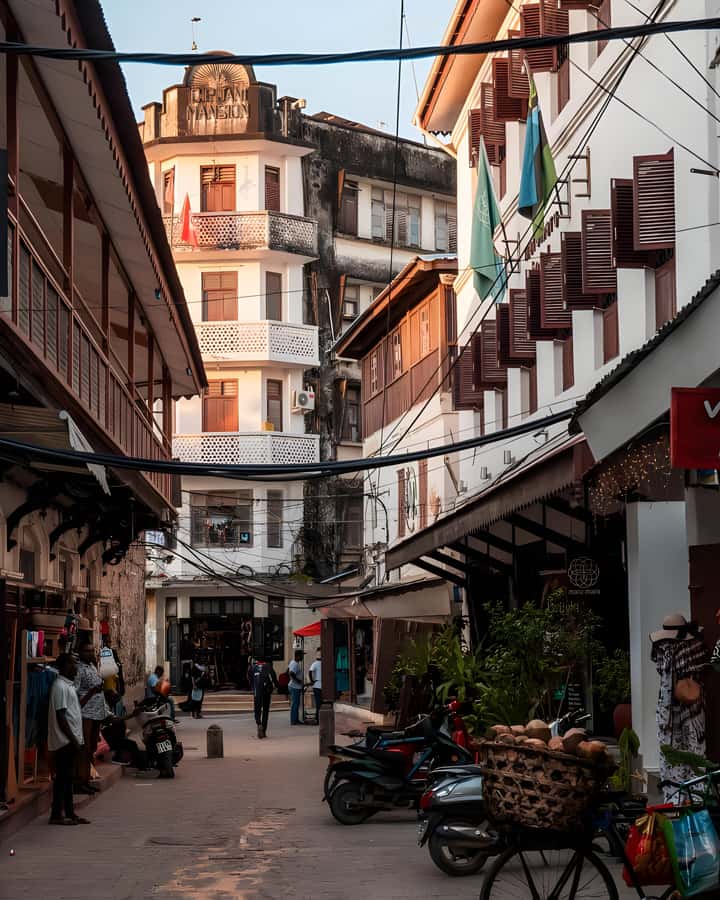
Stone Town is best understood on foot, where a tight lane can open onto an old fort, a carved door, or a market full of daily island life. This tour links the city’s African, Arab, Indian, Persian, and European influences with major sights such as the Anglican Cathedral and Old Fort.
I like the mix of famous landmarks and ordinary local scenes, especially Darajani Market and the colorful doors. I also like the choice of a private or small group, plus a guide in English, German, French, or Italian. The main caution is timing: some stops may be closed or under renovation, and a few visitors have found the walk rushed or the guide late.
Key points at a glance
- A compact tour of Stone Town: Cover churches, museums, forts, baths, markets, and narrow lanes in roughly three hours of walking.
- A strong cultural mix: See how African, Arab, Indian, Persian, and European influences shaped the old city.
- Darajani Market adds local life: Walk through fish, meat, spice, and textile areas where residents shop for everyday needs.
- The guide can make or break the visit: Samuel received praise for clear, careful explanations, but guide quality has not been completely consistent.
- Hotel pickup needs planning: Pickup is available from Stone Town hotels, while transport from other parts of Zanzibar costs extra.
- Expect changing access: The House of Wonders and other sights may be closed or undergoing repairs when you visit.
Why Stone Town works best with a guide
Stone Town is not a place you fully understand by ticking off buildings. Its narrow streets fold around one another, and the city’s story is written into religious buildings, market lanes, carved doors, and grand homes.
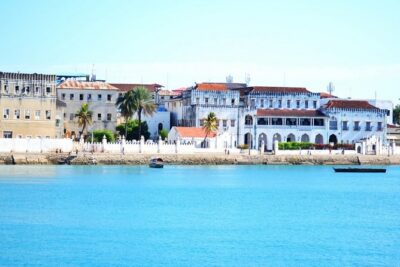
The old town covers about 50 hectares and contains more than 2,000 limestone buildings. Around 18,000 people live among them. That mix of homes, shops, monuments, and working markets gives Stone Town a sense of daily use rather than a museum-set atmosphere.
A guide helps you connect the pieces. You can learn why an Anglican cathedral was built at the site of the former slave market, how Zanzibar’s trading links brought Indian and Persian design touches, and why the city became a UNESCO World Heritage Site in 2000.
I would choose a guided walk for a first visit, especially if you have only one day in town. You can return later to the places that catch your eye, but the guide gives you a useful framework from the start.
More Walking Tours in Zanzibar
- Stone Town Private Walking Tour
★ 5.0 · 371 reviews - Zanzibar: 3 Hours Private Stone Town walking Tour with Guide
★ 4.6 · 301 reviews - Zanzibar: Stone Town Historical Cultural Walking Guided Tour
★ 4.5 · 179 reviews
The Anglican Cathedral and the former slave market
The Anglican Cathedral is one of the tour’s most important stops because it carries a difficult part of Zanzibar’s past. The church occupies the site of the former slave market, making the building more than an architectural sight.
Your guide should explain the connection between the cathedral and the market, as well as the wider history of the island. This is a place where the tour’s historical value depends heavily on the person leading it. A guide who explains the setting clearly can turn a short stop into one of the most meaningful parts of your morning.
Allow yourself a quiet moment here. The visit is not only about taking photographs. It is also a chance to understand how Stone Town’s religious and commercial buildings reflect major changes in Zanzibar’s past.
The House of Wonders and Palace Museum
The House of Wonders is presented as the national museum, and the Palace Museum adds another view of Zanzibar’s ruling families and public life. Together, these stops help show the difference between Stone Town’s grand ceremonial buildings and its working streets.
Access can change. Some sights have been closed or under renovation, so do not book this walk expecting every interior to be open exactly as described. Even if you see a building only from outside, the guide can still explain its place in the city.
The Palace Museum is worth keeping on your route if it is operating. It provides useful context for the island’s political past and the people who lived in these large residences. The House of Wonders, meanwhile, is an important landmark even when repairs affect the visit.
I would ask at the start which buildings are open that day. That simple question helps you set sensible expectations and gives the guide a chance to adjust the route.
Old Fort: Stone Town’s solid landmark
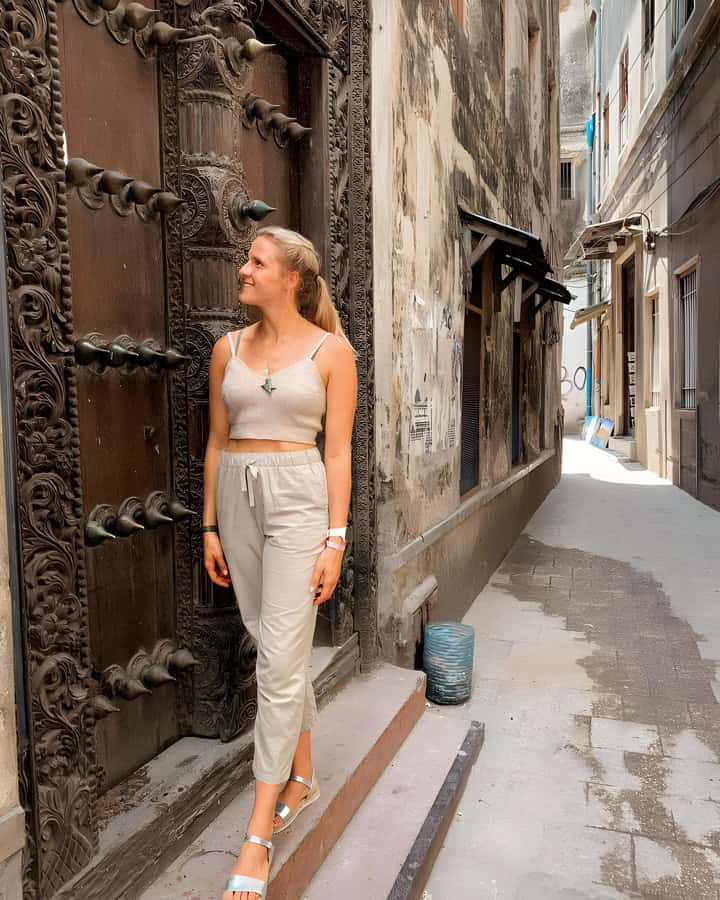
The Old Fort is one of the most recognizable places in Stone Town. Its heavy walls contrast with the delicate woodwork and narrow streets nearby, giving you a clear sense of the city’s defensive side.
The stop includes time for photographs and a guided visit. It is also a useful point for orientation, since the fort sits close to several other central sights. You may find shops or cultural activity around the area, but the main value here is the structure itself and the story your guide attaches to it.
Do not rush your photographs. Stone Town can feel visually crowded, with walls, doorways, signs, and people competing for your attention. The Old Fort gives you a simpler, more imposing subject before the route returns to the tighter lanes.
More Stone Town walks:
- Zanzibar: Stone Town, Spice Tour, Prison Island with Lunch
★ 4.4 · 1,219 reviews - Zanzibar: Prison Island, Stone Town, & Spice Farm Tour
★ 4.5 · 579 reviews - Zanzibar; Prison Island, Nakupenda, StoneTown Tour with BBQ
★ 4.3 · 457 reviews - Zanzibar: Stone Town, Spice tour & Prison Island with Lunch
★ 4.6 · 453 reviews
Freddie Mercury House and the city’s famous doors

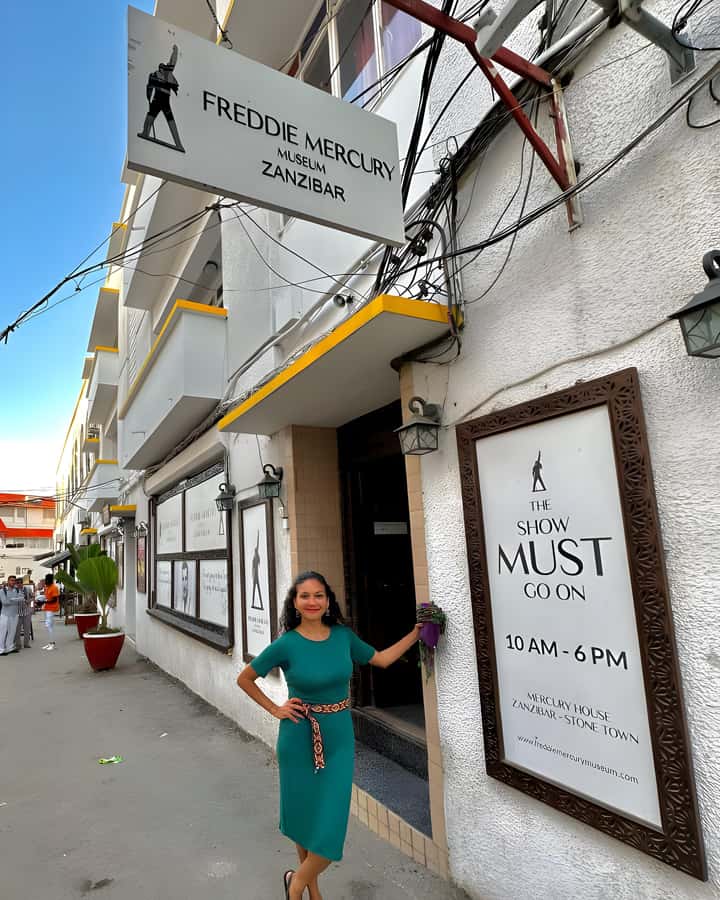
The Freddie Mercury House is included as a photo stop and guided visit. It connects Stone Town with one of the city’s best-known modern cultural figures and gives the walking tour a lighter, more contemporary point of interest.
The stop may be brief, so treat it as one piece of the larger route rather than a full museum visit unless your booking specifically confirms museum entry. The experience includes a visit to Freddie Mercury House, but the provided details do not state that an admission ticket is included.
The Zanzibar doors are another highlight. Look closely at the carving, metal studs, shapes, and decorative details. These doors are not just pretty backdrops. They point to the wealth, trade links, religion, and personal taste that shaped Stone Town’s homes.
This is one area where a good guide adds real value. You can photograph a door on your own, but you may not understand why it looks different from the next one. Ask your guide to point out the details rather than walking past each entrance as a quick photo opportunity.
Darajani Market, where Stone Town gets practical
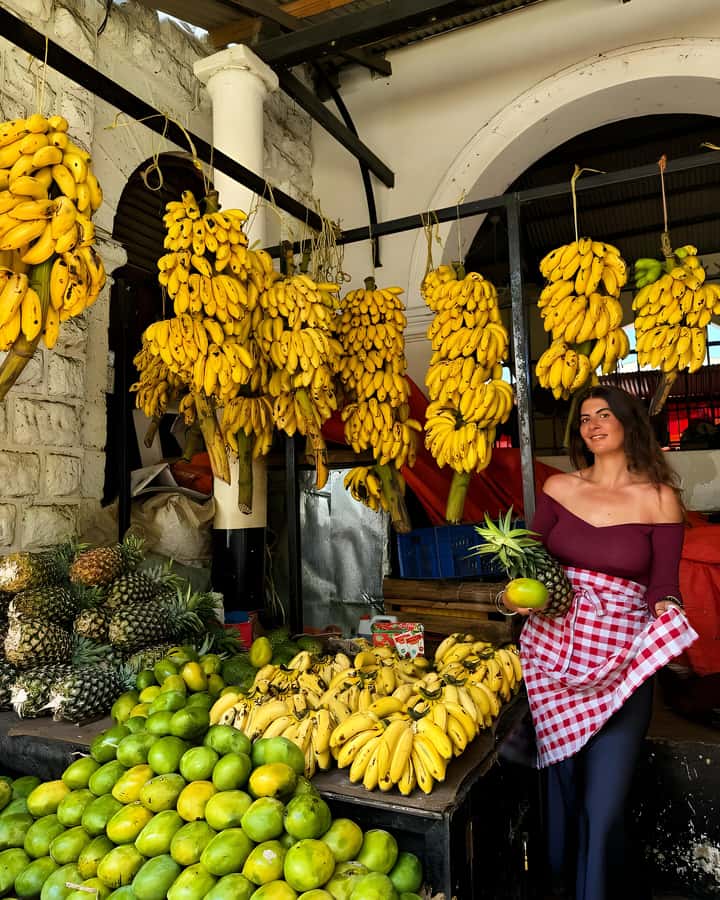
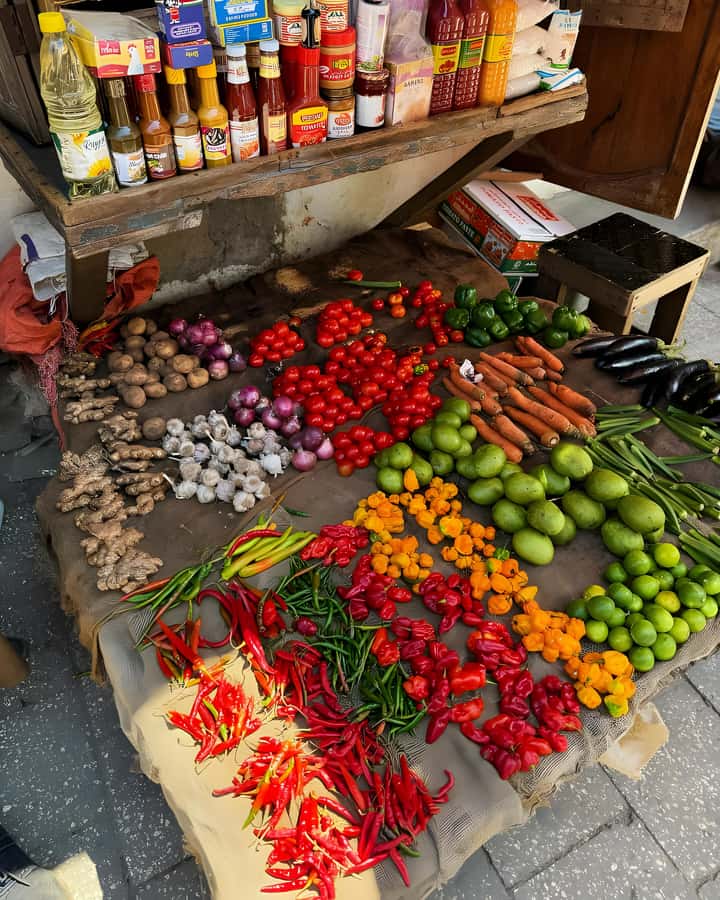
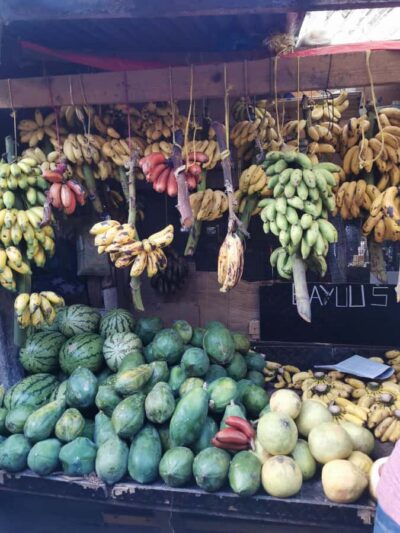
Darajani Market brings the tour down to everyday business. You pass through areas associated with fish, meat, spices, colorful textiles, and ordinary shopping. This is where Stone Town feels most connected to the people who live and work there now.
I especially like this part of the route because it moves beyond monuments. You see the city as a place where locals buy daily requirements, not just as an old quarter built for sightseeing.
Bring water and wear shoes that you can keep comfortable on uneven streets. The market is a working place, so stay aware of your surroundings, keep your belongings secure, and ask before photographing people or stalls.
The market can also feel hurried if the guide tries to cover too much. If you are interested in spices, textiles, or food, say so early. A private or small-group tour should give you more room to pause than a larger group.
Hamamni Baths and Stone Town’s layered architecture

The Hamamni Baths show another side of the old city. The site helps explain the role of public bathing in Stone Town and adds a quieter architectural stop between the busier market and major monuments.
Look at the building materials and the way the route moves through enclosed spaces. Stone Town’s architecture is not one single style. African, Arab, Indian, Persian, and European elements appear side by side, often within a short walk.
That mixture is the city’s main visual lesson. A grand doorway may sit near a modest shop. A church, mosque-related influence, palace building, and market can all appear within the same compact area. The tour works because it brings these contrasts together without requiring long drives between sights.
The Catholic Cathedral and religious contrasts
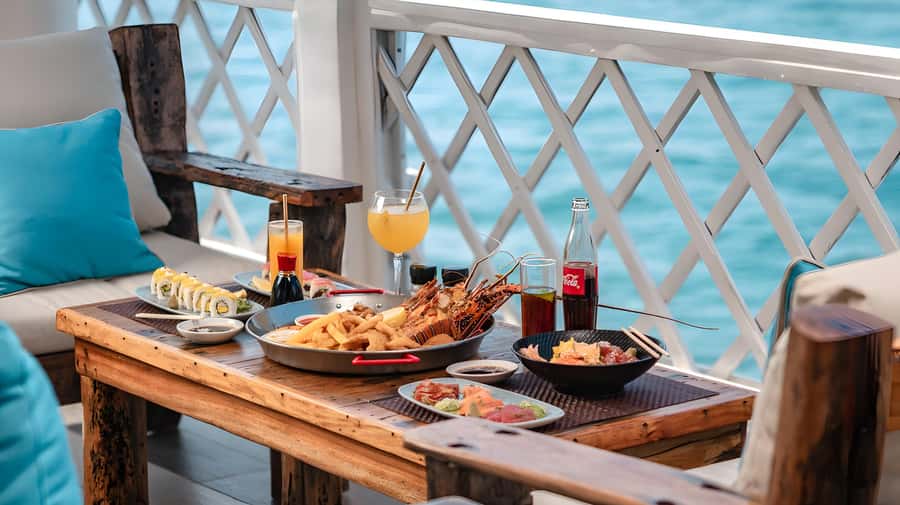
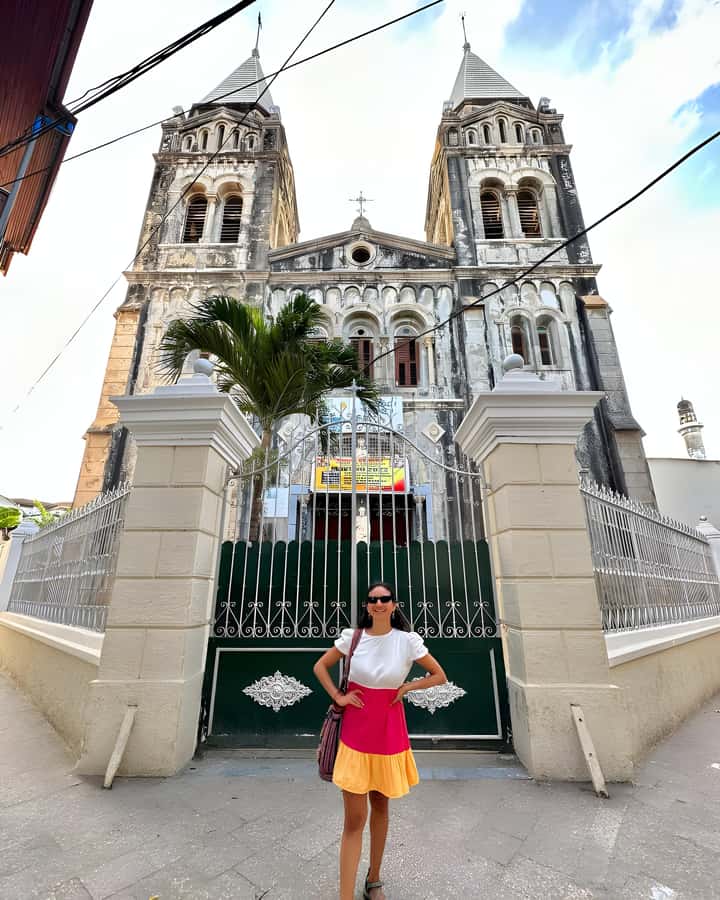
The Catholic Cathedral adds another religious landmark to the route. Along with the Anglican Cathedral, it shows how different Christian communities became part of Stone Town’s built environment.
The value here is comparison. You are not seeing isolated churches. You are looking at religious buildings within a city shaped by African traditions, Arab and Persian connections, Indian trade, and European involvement.
The tour description does not provide detailed information about the cathedral’s interior access, so expect the visit to depend on opening conditions. As with the other major buildings, ask your guide what you can enter and what you will see from the street.
What the three-hour walk feels like
The main Stone Town portion is listed at about three hours, though the overall activity can run from two to five hours depending on the selected option. That range matters. A fast walk may cover more landmarks, while a slower private outing may give you more time in the market and around the doors.
The route includes walking, sightseeing, photo stops, and shopping. It is not a sit-down historical lecture. You need to be comfortable moving through narrow streets for much of the experience.
Some people have felt that the sights were covered too quickly. I would tell the guide at the beginning if you prefer fewer stops with more explanation. If you want to see every listed location, accept that several visits may be short.
The route may also include a van transfer of about one hour each way, depending on your pickup and drop-off arrangement. That is important if you are staying far from Stone Town. Pickup is available from Stone Town hotels when requested in advance, but transfers from other parts of the island are not included in the base tour details.
Guide quality and the value of a small group
This tour is sold with a professional guide, and the language choices are useful for international visitors. You can request English, German, French, or Italian, with private and small-group formats available.
Guide quality deserves careful attention. Samuel was praised for being kind, clear, and careful in explaining the city. Another guide was described as passionate about Zanzibar’s past. Those are the kinds of qualities you want here, since the buildings alone do not explain the city.
At the same time, one German-language booking found the guide’s city knowledge or German explanations limited. Another person experienced a late guide and a change of guide after the original meeting failed. A separate report noted a 15-minute delay.
I would confirm the meeting place and pickup details before the day of the tour. If you have booked a specific language, confirm that as well. These small checks matter more on a walking tour because a late start can cut into the time at museums and markets.
A private or small group is worth considering if your budget allows. At $40 per person, the price is reasonable for a guided introduction that includes many central sights, especially if hotel pickup within Stone Town is arranged. The value drops if you mainly want long interior visits and several buildings are closed.
Who should book this Stone Town walk?
You should consider this tour if you want a broad first look at the old city without working out the route yourself. It suits you best if you enjoy history, architecture, markets, religious buildings, and short stops that build a larger picture.
It is also a good fit if you are staying in Stone Town and want a guide to help you get your bearings early in your stay. The route can introduce places you may want to revisit independently.
You may prefer a different plan if you want a slow photography walk, a specialist history tour, or guaranteed access to every museum interior. The advertised duration varies, and opening conditions can change.
This walk is not suitable for wheelchair users or people with mobility impairments. Comfortable shoes are essential, and you should carry water, sunscreen, and a camera. Meals and drinks are not included, so plan for those separately.
Booking, timing, and cancellation details
The activity offers free cancellation up to 24 hours before the scheduled start, with a full refund. You can also reserve now and pay later, which helps if your Zanzibar plans are still moving around.
Pickup is optional, not automatic from every part of the island. The tour starts in Stone Town, and pickup from Stone Town hotels must be requested in advance. The listed drop-off options include Stone Town and a wide range of island locations such as Paje, Nungwi, Kendwa, Jambiani, Matemwe, Kiwengwa, and Kizimkazi, but confirm your exact transport arrangement before booking.
Because the tour can last from two to five hours, check the available start times for your date. A morning walk may be more comfortable in the sun, but the supplied information does not promise a specific time or weather condition.
Should you book it?
At $40 per person, I would book this Stone Town walking tour for a first visit, especially if you want a compact route through the cathedral, museums, Old Fort, market, baths, Catholic Cathedral, Freddie Mercury House, and famous doors.
Go in with realistic expectations. The guide is central to the experience, some sights may be closed or under repair, and the pace may feel quick. Confirm your language, meeting point, pickup, and which interiors are open. Choose a private or small group if you want more time for questions and photographs.
Book it if you value an efficient introduction to Stone Town and local market scenes. Skip it if mobility is a concern or if your main goal is a slow, detailed visit inside every museum.
FAQ
How long does the Stone Town guided walking tour last?
The activity duration is listed as two to five hours. The main Stone Town walking portion is about three hours, while the total time can vary by the selected option and transport arrangements.
What sights are included?
The route includes the Anglican Cathedral, former slave market site, House of Wonders, Palace Museum, Old Fort, Darajani Market, Hamamni Baths, Catholic Cathedral, Freddie Mercury House, and Zanzibar’s decorated doors.
Is hotel pickup available?
Pickup is available from hotels in Stone Town if you request it and send a message in advance. Transfers from other parts of Zanzibar are not included in the tour price details.
Which languages are offered?
The live tour guide is available in English, German, French, and Italian.
Is this tour suitable for wheelchair users?
No. The activity is not suitable for wheelchair users or people with mobility impairments.
What should I bring?
Bring comfortable walking shoes, water, sunscreen, and a camera. Meals and drinks are not included.
Newly listed around Zanzibar
- Zanzibar: Nungwi/Kendwa Beach Sunset Dhow Cruise with Fruits★ 3.4 · 3 reviews
- Prison Island, Sea Turtles, Rock Restaurant & Relax in Beach★ 4.6 · 3 reviews
- Starfish Beach; The Rock; Kuza Cave; Paje Beach; Salaam Cave Tour★ 4.5 · 3 reviews
- Zanzibar: Half-Day Spice Farm Tour,the flavours of Zanzibar★ 4.7 · 3 reviews
- Joazani forest & Spice farm with lunch★ 5.0 · 3 reviews
- Nakupenda Island Snorkeling Sea trip & Lunch W/Transfer -Zanzibar★ 4.0 · 3 reviews
- Mnemba Island Snorkeling and Dolphin tour★ 5.0 · 3 reviews
- Zanzibar:Jozani forest, Spice farm with Swahili Cuisine clas★ 4.2 · 3 reviews
Stone Town Tours, compared.



Full-Day Private Stone Town +Spice Farm and Prison Island Tour
Read our review →
Browse the lists this tour appears in