
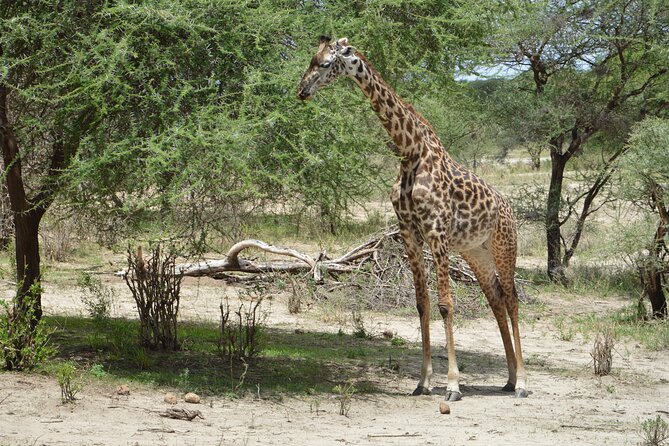
Reviewed · SERENGETI & NGORONGORO SAFARIS
3 Days Serengeti & Ngorongoro Group Camping Safari
The best part of this three-day safari is the contrast between two great wildlife areas: the wide-open Serengeti plains and the enclosed world of Ngorongoro Crater. You get afternoon and morning game drives, a night under Serengeti skies, and a final crater visit before returning to Arusha.
I like the small group of up to six because it gives you a better chance of seeing from both sides of the 4×4 and asking questions without shouting across a crowded vehicle. I also like the practical camping style, with meals cooked on the road and staff such as Adam, Gerald, and Tito helping with guiding, transport, and camp life.
The main consideration is time. Three days covers the highlights, but it also means long drives, early starts, basic camping, and little spare time. Serengeti camping can be cold and rustic, with no hot water at some camps, so this suits you best if wildlife matters more than comfort.
Key points to know before booking
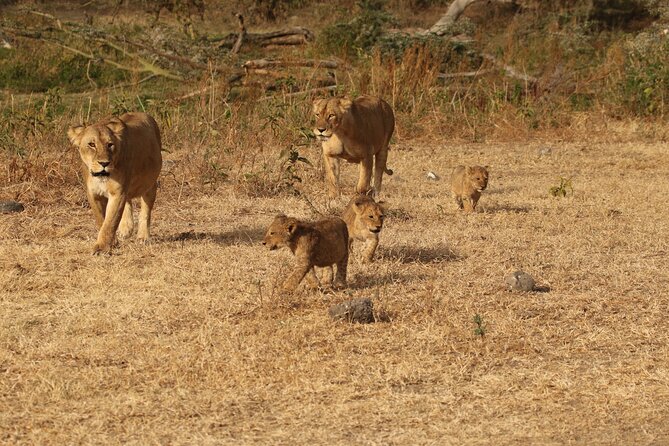
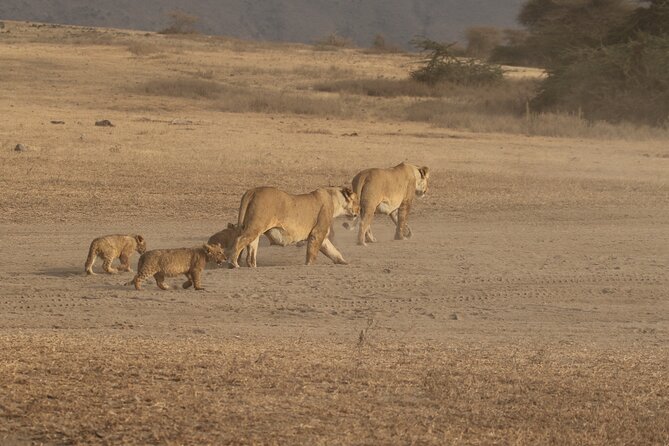
- Big Five possibility: The route gives you a realistic chance to look for lions, elephants, buffalo, leopards, and rhinoceros across two major wildlife areas.
- Small vehicle group: The safari is limited to six participants, a useful size for viewing animals and sharing the guide’s attention.
- Two different camping settings: Expect a wild Serengeti night and a camp near Ngorongoro, where views, hot showers, and even a zebra visit may be possible.
- Strong food service: The safari includes meals, and chef Tito and Puis received special praise for serving varied, enjoyable food in camp.
- Cold nights: Temperatures can fall to about 5°C, so a sweater, jacket, warm socks, and a sleeping setup suited to cool weather are important.
- Simple luggage rules: Pack no more than 10 kilograms per person in a duffel bag. Extra luggage can be left in hotel storage.
What $900 buys you on this Tanzania safari
At $900 per person, this is not a cheap weekend outing, but the price covers the costly parts of a safari: a 4×4 vehicle, a professional English-speaking guide, park entry fees, accommodation, meals, and mineral water.
That bundled price matters in Tanzania. Park access and vehicle time are central to the experience, and arranging them separately would make planning harder. You are also paying for a guide who can read animal behavior, choose useful viewing positions, and explain what you are seeing instead of simply pointing at a distant shape.
The value depends on your expectations. If you want a lodge, private bathroom, and a slow schedule, this is not the right product. If you want to spend your money on time in the parks and can accept basic camping, the package gives you a lot in three days.
The group size is another part of the value. Six people is small enough to keep the vehicle sociable without turning every sighting into a scramble for space. It is not a private safari, though, so you will share decisions and vehicle time with other participants.
More Serengeti and Ngorongoro itineraries:
- Serengeti Balloon Safari and authentic bush breakfast
★ 5.0 · 2,480 reviews - Balloon Safari & Bush Breakfast in Serengeti – Miracle Experience
★ 5.0 · 1,646 reviews - 3 Days Serengeti & Ngorongoro Group Camping Safari
★ 5.0 · 574 reviews
Leaving Arusha for the Serengeti
Day one begins with an early pickup in Arusha. A company representative meets you at your accommodation reception with a sign bearing your name, then provides a short introduction before the trip gets moving.
The drive toward the Serengeti is a major part of the day. You pass through changing Tanzanian scenery on the way to the park, then stop for lunch before the afternoon game drive. This is a long transfer, so do not book this safari expecting to reach the Serengeti quickly after breakfast.
That early departure is tiring, but it protects the most valuable hours of the itinerary. You arrive with enough time for an afternoon drive, when the open plains begin to feel like the real destination rather than a picture on a booking page.
Keep your camera and binoculars handy. The guide carries binoculars for people to share, but your own pair will make it easier to follow animals at a distance without waiting for someone else to finish.
The Serengeti afternoon drive
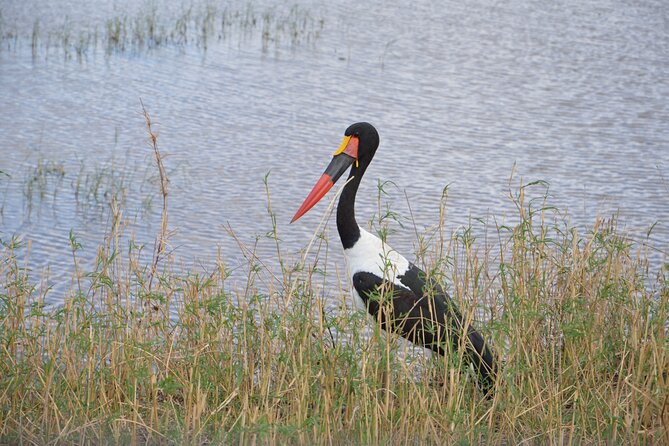
The Serengeti is the emotional center of the trip. Its open plains give you long views, changing light, and the feeling that wildlife is not separated from you by fences or artificial displays.
Your guide will look for the Big Five, but you should not treat the safari as a checklist. Lions, elephants, buffalo, leopards, and rhinoceros are all possible, yet sightings depend on location, timing, and animal behavior. You will also have opportunities to see many other species across the park.
The small group helps here. A guide can explain why a vehicle has stopped, what an animal is doing, and how close you can safely get without disturbing it. Adam was especially praised for taking care around animals and getting as close as possible without causing trouble.
By late afternoon, you return to camp for the first night. This is camping in the real sense, not a luxury tented lodge. You may have basic facilities, limited hot water, and the sounds of wildlife after dark. One person described roaring lions near the Serengeti camp, which gives you an honest idea of the atmosphere.
That can be thrilling, but it can also feel outside your comfort zone. Pack a warm layer and follow camp instructions. Do not feed animals, touch animals, or try to get closer on your own.
A sunrise start on day two
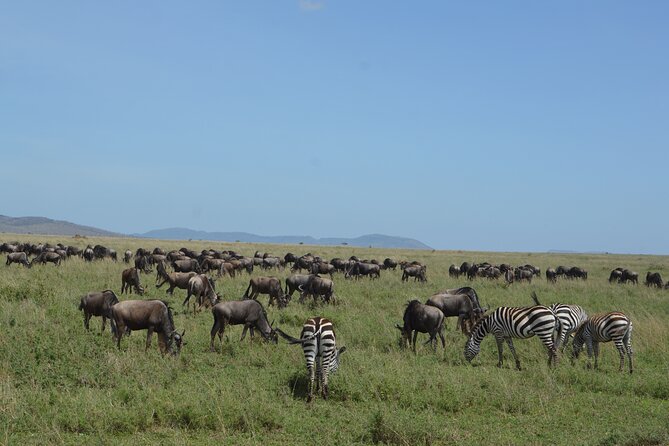
Day two begins with an early Serengeti game drive. Sunrise is one of the best reasons to accept the early hour. The cooler conditions can make the drive more comfortable, and the light across the plains changes quickly as the morning develops.
You will have another chance to look for predators and large herds before lunch. This second drive matters because wildlife sightings are never guaranteed in one afternoon. A leopard missed on day one may appear on day two, while a distant rhinoceros may become a clear sighting at a better location.
The guide’s role becomes more valuable when time is tight. Gerald was praised for combining driving with clear explanations about animals, and guides such as Adam and Izak were singled out for care and strong service. The staff names can vary by departure, so you should treat these as examples of the team rather than a promise about your assigned guide.
After lunch, you leave the Serengeti for the Ngorongoro Conservation Area. This is both a scenic change and a practical one. The day shifts from active wildlife viewing to a transfer toward your second camp.
More camping safaris in Tanzania:
- 4 Days Group Camping Safari
★ 5.0 · 1,101 reviews - 5 Days Group Camping Safari
★ 5.0 · 730 reviews - 2 Days Tarangire and Ngorongoro Group Camping Safari
★ 5.0 · 146 reviews - 6 Days Tanzania Budget Camping Safari
★ 5.0 · 145 reviews
Camping near Ngorongoro Crater
The second camp sits near Ngorongoro Crater, giving you a different night from the Serengeti stay. The setting is associated with cooler temperatures and views toward the crater area, so bring the jacket and socks recommended for the safari.
Camping conditions may be more comfortable here. One account describes hot showers and a zebra visiting near the Ngorongoro camp. You should not count on a zebra appearing on your own departure, but the detail captures the kind of close contact with nature that makes camping memorable.
The contrast between the two camps is useful. The Serengeti night offers raw wilderness and animal sounds. The Ngorongoro stay may feel easier, with better views and more comfortable washing facilities. Neither should be confused with a full-service hotel.
Meals are included throughout the safari. Food is more important than it may sound after long drives and early starts. Puis and Tito received particularly warm praise for cooking, with the food described as something to look forward to each day. You should still expect camp cooking rather than restaurant choice and formal dining.
Descending into Ngorongoro Crater
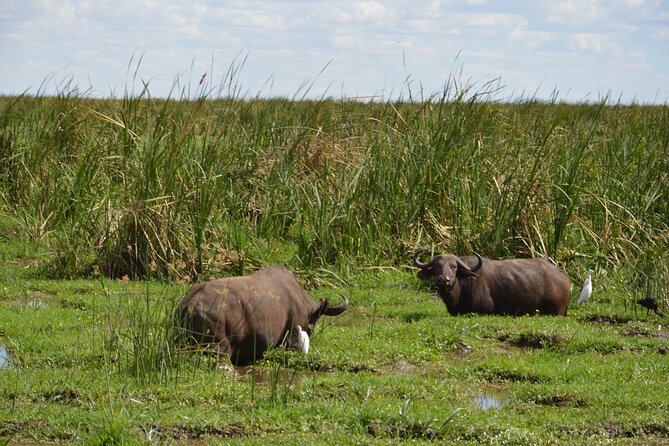
The final morning starts early with a descent into Ngorongoro Crater. This UNESCO World Heritage site has a setting unlike the open Serengeti. The crater walls create a contained wildlife area, and the morning drive gives you a final concentrated period of animal viewing.
The crater is home to elephants, lions, zebras, flamingos, and many other species. It can feel especially rewarding after the broad distances of the Serengeti because the viewing area is more enclosed. You may spend less time scanning empty horizons and more time moving between different animal sightings.
Still, the crater is not a guaranteed wildlife theater. Animals move as they choose, and your exact sightings depend on the day. The guide’s judgment remains important, especially when several vehicles are trying to observe the same animal.
After the morning drive, you begin the return to Arusha. The arrival is expected in the afternoon, closing a demanding but concentrated safari. You will have spent much of the trip in a vehicle, so this final transfer is worth considering when planning your next activity or flight.
What camping is really like
Camping is the defining choice here. It keeps the price below many lodge-based safaris and puts you closer to the natural setting, but it asks you to give up comfort.
You should be ready for:
- Cool nights, with temperatures possibly around 5°C
- Basic showers and toilets
- Toilet paper not always being supplied, so pack your own
- No hot water at some camps
- Limited luggage space
- Early mornings and long road transfers
A towel is specifically recommended, along with mosquito repellent with a high mint concentration. The luggage allowance is 10 kilograms per person, and a soft duffel bag is better than a hard suitcase. Extra belongings can be stored at the hotel.
Choose neutral clothing such as beige, green, or white. Bright colors are not allowed, and sensible clothing also makes it easier to stay comfortable in the sun and dust. A warm sweater, jacket, and socks are not optional extras for this route.
The camping style is best for you if you like simple outdoor travel and want your budget focused on wildlife. It is less suitable if you need a private bathroom every night or struggle with sleeping outdoors.
Wildlife rules that protect the experience
The restrictions are practical, not fussy. Drones are not allowed, and you must not feed or touch animals. Bright colors are also prohibited.
These rules protect both you and the wildlife. A safari works best when animals behave naturally and vehicles keep a respectful distance. Follow the guide’s instructions even when a close sighting tempts you to move, call out, or take a better photograph.
Bring binoculars if you have them. The guide has one pair to share, but a personal pair lets you keep watching while others use the guide’s equipment. You should also keep your voice low around animals and avoid treating the park like a theme park attraction.
Who will enjoy this three-day route
I would recommend this safari to a first-time Tanzania visitor who wants the Serengeti and Ngorongoro Crater in one compact trip. It also suits solo participants and couples who like meeting a small group rather than paying for a private vehicle.
The route is particularly good for people who value:
- Big Five viewing
- Time in two famous conservation areas
- A small group capped at six
- English-language guiding
- Included meals and park fees
- A genuine camping experience
- Flexible booking with reserve now and pay later
The pace is not ideal for anyone with serious back problems. The safari is also not suitable for wheelchair users, babies under one year, or people over 95 years old. Those limits reflect the long drives, rougher road conditions, and camp setup.
You should also think carefully about the three-day length. It is enough for an impressive first look, and one departure recorded Big Five sightings within the first two days. But the schedule is compact, with travel between parks taking up a large part of the available time.
Service, guiding, and the human side
The strongest part of the operation appears to be the staff. Adam was praised for looking after the group and handling camp and food arrangements. Gerald was noted for smooth transport and clear animal explanations, while Izak was praised for driving and even providing a playful Tanzanian massage after a long road day.
John handled meeting arrangements and helped with taxis before or after the safari, while Ayman managed reservations and John helped with planning. You may not meet every named staff member, but the structure suggests a team that covers more than the hours spent on game drives.
That matters because a safari has many moving parts. Pickup, park entry, meals, camp setup, transfers, and wildlife viewing all need to fit together. Good support is most valuable when roads are long, weather changes, or you are tired and need a simple answer.
The overall rating is 4.8 from seven reviews, with especially strong praise for the food, guides, organization, and the thrill of camping close to wildlife. That is a small review sample, so I would not treat it as a guarantee. It does, however, point to the parts of the trip that deserve the most attention when you compare options.
Practical booking advice
The tour includes free cancellation up to 24 hours before departure and lets you reserve now and pay later. Starting times are checked with availability, so confirm the pickup details before you settle your plans.
International and domestic flights, visas, insurance, and tips are not included. Set aside money for the driver or guide and chef, since tipping is listed as an extra part of the trip.
Pickup is included from your accommodation, with a representative meeting you at reception. Have your name and booking details ready, and keep essential items in your day bag rather than buried in the main duffel.
Because the safari begins and ends in Arusha, you need to arrange your own arrival and departure connections. Leave breathing room around the safari rather than scheduling a tight same-day flight.
Should you book Suricata Safaris?
Book this tour if you want the Serengeti and Ngorongoro Crater in three days, prefer a small group, and are happy to trade hotel comfort for more time and money spent inside the parks. The food, guiding, and staff support are strong reasons to consider it, and the chance of seeing the Big Five is a major draw.
Choose a longer or more comfortable safari if you dislike cold nights, basic washing facilities, long drives, or a tightly packed schedule. At $900, the trip offers solid value for a camping safari with park fees, transport, guiding, meals, and water included, but the value only works if you genuinely want an outdoor experience.
Pack light, bring warm clothes, carry binoculars and toilet paper, and accept that wildlife does not follow a timetable. If that sounds like your kind of Tanzania adventure, this three-day route gives you a memorable first taste of the country’s two great wildlife areas.
FAQ
How long is the Serengeti and Ngorongoro camping safari?
The safari lasts three days and starts and ends in Arusha.
How many people are in each group?
The group is limited to six participants.
Is transportation included?
Yes. The tour includes transportation in a 4×4 safari vehicle, with pickup included.
Are meals and accommodation included?
Yes. Accommodation and meals during the safari are included, along with mineral water.
What should I pack for the safari?
Pack no more than 10 kilograms in a duffel bag, plus neutral-colored clothing, a warm sweater, jacket, socks, mosquito repellent, binoculars if available, a towel, and toilet paper.
Can I cancel the booking?
Yes. You can cancel up to 24 hours in advance for a full refund. The tour also offers reserve now and pay later booking.
More three day trips in Tanzania
- 3-Day Classic Serengeti Safari
★ 5.0 · 263 reviews - 3 Day Serengeti National Park & Ngorongoro Crater Camping Safari
★ 5.0 · 142 reviews - 3 Days Tarangire, Ngorongoro & Lake Manyara Group Camping Safari
★ 5.0 · 102 reviews - 3 Days Private Safari – manyara, Ngorongoro & Tarangire
★ 5.0 · 94 reviews
More Safaris in Tanzania
- From Zanzibar: Mikumi Safari Day Trip with Flights and Meal
★ 4.7 · 1,470 reviews - From Zanzibar: Day Selous Game Reserve Safari with Flights
★ 4.7 · 1,025 reviews - 7-Day Premium Luxury Tanzania Safari All-Inclusive
★ 5.0 · 426 reviews - Zanzibar: Safari Blue Lagoon Trip with Snorkeling and Lunch
★ 4.5 · 336 reviews
Newly listed around Tanzania
- Prison Island, Sea Turtles, Rock Restaurant & Relax in Beach★ 4.6 · 3 reviews
- 5-Day Private Safari Tour in Tanzania’s Wildlife★ 5.0 · 3 reviews
- Zanzibar: Nungwi/Kendwa Beach Sunset Dhow Cruise with Fruits★ 3.4 · 3 reviews
- Climb Mount Kilimanjaro: 7 Days Machame Route★ 5.0 · 3 reviews
- Starfish Beach; The Rock; Kuza Cave; Paje Beach; Salaam Cave Tour★ 4.5 · 3 reviews
- 3 Days private safari Tarangire ,Ngorongroro crater &Manyara★ 5.0 · 3 reviews
- 3 Day Sharing Safari – Manyara, Ngorongoro Crater and Tarangire National Parks★ 5.0 · 3 reviews
- Mikumi Np Mid Range Tour 3 Days★ 5.0 · 3 reviews
Serengeti & Ngorongoro Safaris, compared.


Balloon Safari & Bush Breakfast in Serengeti – Miracle Experience
Read our review →




Private 6-Day Tarangire Manyara Crater and Serengeti with Mid-Range Lodges
Read our review →
5 Days Camping Tarangire, Serengeti & Ngorongoro crater & Visiting Maasai
Read our review →Browse the lists this tour appears in