

Reviewed · STONE TOWN TOURS
Zanzibar: Private walking tour in stone town
Stone Town reveals itself best on foot, where narrow lanes lead from the old fort to a food market, a Sultan’s palace, and the former slave market. This tour gives you a useful first look at Zanzibar’s history and architecture without wrestling with traffic or trying to read a map at every corner.
I like the small private format, which gives you room to ask questions and adjust the pace. I also like that the tour includes the Anglican Cathedral and slave-market entrance, rather than stopping only at the photogenic buildings. The main caution is consistency: some visitors had excellent, well-timed guides such as Mohammed, while others found the commentary thin or the tour shorter than three hours.
Key points to know
- Three hours on foot: The route covers Stone Town’s tight lanes, major historic buildings, market, and former slave-market site.
- Private group: You receive personal attention, with the advertised group limit set at 10 people.
- Several languages: Guides may lead the tour in English, French, German, or Italian.
- Mohammed has earned praise: He has been described as punctual, friendly, flexible, and strong in German and English.
- $44 includes one important admission: The entrance fee to the former slave market is covered, but food, drinks, and hotel transfers are extra.
- Meet at the old fort: Unless you select pickup, the guide waits in front of the Old Fort entrance.
Stone Town in three hours
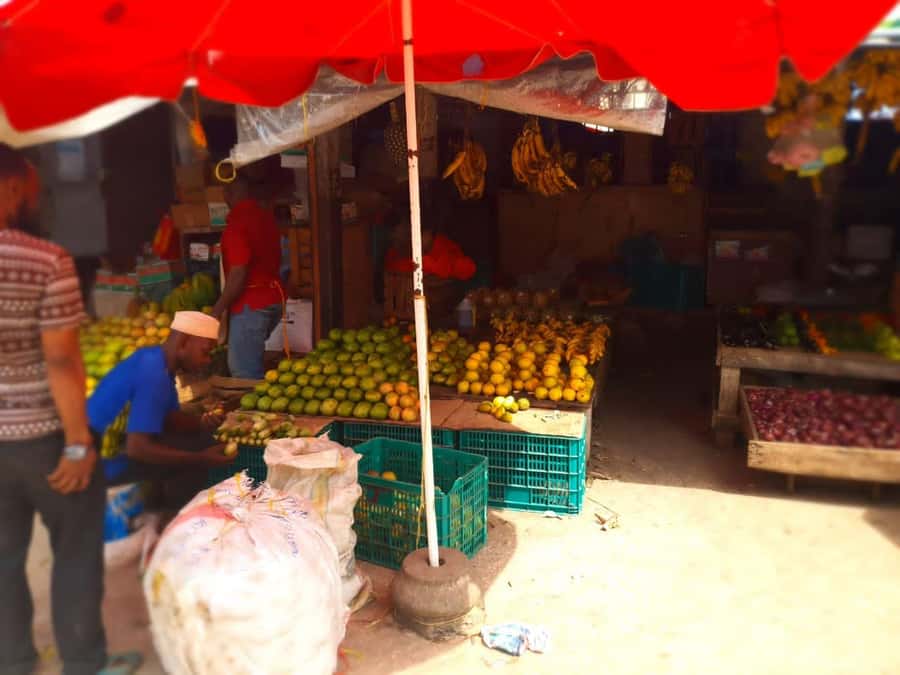
Stone Town is Zanzibar’s old urban core and a UNESCO-listed historic center. Its buildings and streets reflect centuries of contact between East Africa and the wider Indian Ocean world, with local, Arab, and other outside influences appearing in the town’s design and story.
The tour is built around walking, which is the right way to see this part of Zanzibar. Cars cannot make much sense of the narrow, winding streets, and on foot you can stop at doorways, courtyards, market stalls, and old facades that would pass in a vehicle.
The stated duration is three hours. That is enough for an introduction, not a complete study of every lane and landmark. I would use this as an orientation tour on your first day, then return later to the places that interest you most.
The experience is private, although the advertised maximum is 10 people. That distinction matters. A private booking should give you more freedom to ask questions and set the pace, but you should confirm exactly who will be in your group when booking.
More Walking Tours in Zanzibar
- Stone Town Private Walking Tour
★ 5.0 · 371 reviews - Zanzibar: 3 Hours Private Stone Town walking Tour with Guide
★ 4.6 · 301 reviews - Zanzibar: Stone Town Historical Cultural Walking Guided Tour
★ 4.5 · 179 reviews
Meeting the guide at the Old Fort
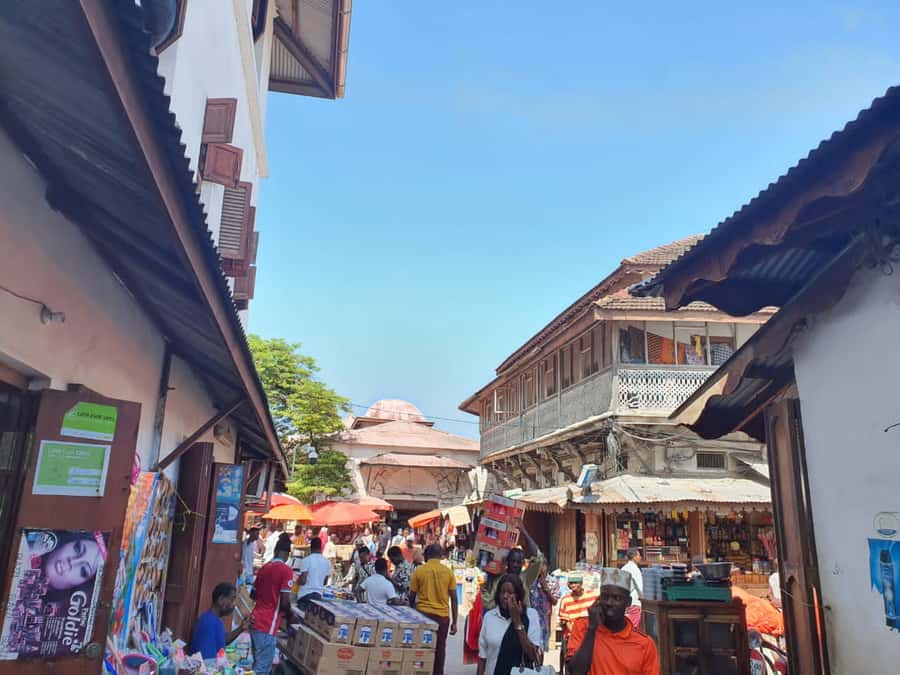
The standard meeting point is in front of the entrance gate to the Old Fort, also known as the Arab Fort. Your guide is expected to wait there.
This is a sensible starting point because the fort is one of Stone Town’s easiest landmarks to identify. It also puts you close to several central sights, so you avoid spending the first part of the tour on a long transfer.
Pickup can be added as an option. In that case, the driver meets you in your hotel lobby, and you are asked to wait there. Hotel pickup and drop-off are not included in the basic price, so check the selected option carefully before paying.
If you meet at the fort, allow time to find the entrance and arrive ready to walk. Stone Town is compact, but its lanes can be confusing, especially on a first visit. Having the guide meet you at a fixed landmark removes some of that early friction.
The old fort and Stone Town’s winding lanes
The route begins with Stone Town itself, rather than with a distant attraction. The guide leads you through the historic center, explaining the city’s culture, past, and architecture as you move between sites.
The old fort provides a clear starting point for understanding the town’s defensive past. From there, the route heads into the narrow streets, where the real character of Stone Town appears in the buildings and street plan.
One of the tour’s stated aims is to help you notice the architects and design of the old buildings. That is useful because Stone Town can first seem like a maze of weathered walls and carved doors. A good guide helps you see how the town’s buildings relate to Zanzibar’s past, rather than treating each stop as a separate photo opportunity.
The quality of this part depends heavily on the guide. Mohammed has been praised for arriving on time, answering questions, and adding time and effort when a request was reasonable. Another German-speaking tour with him was described as both informative and amusing. Those details matter more here than a long list of sights, since the walking commentary is the main product.
At the same time, expectations should stay realistic. One booking produced a route that felt random, with limited explanation. If your guide is not giving enough context, ask direct questions about the building, its former use, and the people connected to it. A private format makes that easier.
House of Wonders and palace museum

The House of Wonders and the Palace Museum are among the key buildings included in the sightseeing plan. Both help explain how Stone Town functioned as a center of power, trade, and royal life.
The Palace Museum is especially useful for putting Zanzibar’s sultans into a physical setting. It is a palace turned museum, so the visit connects rooms and objects with the people who once lived and worked there. You are not simply looking at an old exterior. You are getting a glimpse of the ruling world behind Stone Town’s public streets.
The House of Wonders is another major landmark on the route. The available tour information does not specify how much time is spent inside each building or whether every interior is open on the day of your visit. Treat these stops as guided visits within a walking route, and confirm the day’s access if seeing a particular interior is essential to you.
This is where a good guide can make a major difference. Buildings in Stone Town can look similar at first glance, and a short explanation about their purpose or design gives the walk a clearer shape. The tour promises attention to the architecture of the old buildings, so listen for details about how the structures reflect Zanzibar’s mixed cultural past.
More Stone Town walks:
- Zanzibar: Stone Town, Spice Tour, Prison Island with Lunch
★ 4.4 · 1,219 reviews - Zanzibar: Prison Island, Stone Town, & Spice Farm Tour
★ 4.5 · 579 reviews - Zanzibar; Prison Island, Nakupenda, StoneTown Tour with BBQ
★ 4.3 · 457 reviews - Zanzibar: Stone Town, Spice tour & Prison Island with Lunch
★ 4.6 · 453 reviews
The former slave market and Anglican Cathedral
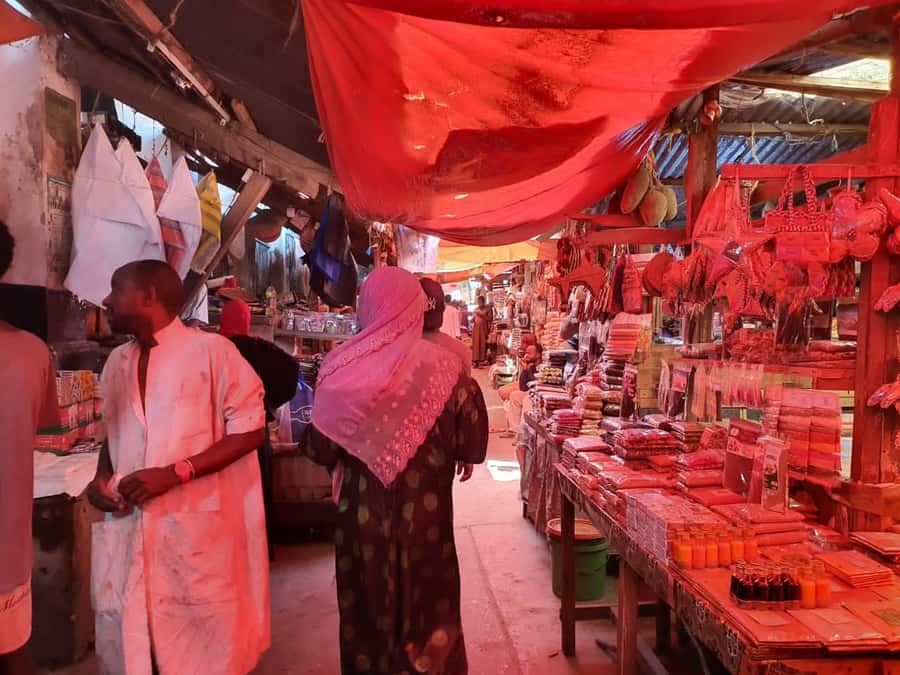
The visit to the former slave market at the Anglican Cathedral is the most serious part of the tour. The entrance fee is included, which is a useful feature in a $44 walking experience.
The site connects Stone Town to the history of the East African slave trade. The Anglican Cathedral was built on the former market site, making the visit a place of worship, memory, and historical interpretation at once.
This stop gives the tour weight. Stone Town is not only a collection of attractive doors, old forts, and palace buildings. Its wealth and importance were also tied to painful systems of trade and forced labor. A guide who explains that context can help you understand the city without reducing the subject to a quick mention.
You should expect this part to be more reflective than the market or fort. The information provided does not specify the exact format of the presentation inside the site, so the depth of the explanation will depend on your guide. Ask for the historical context you need, especially if this is your first time learning about Zanzibar’s role in the regional slave trade.
A half hour in the food market
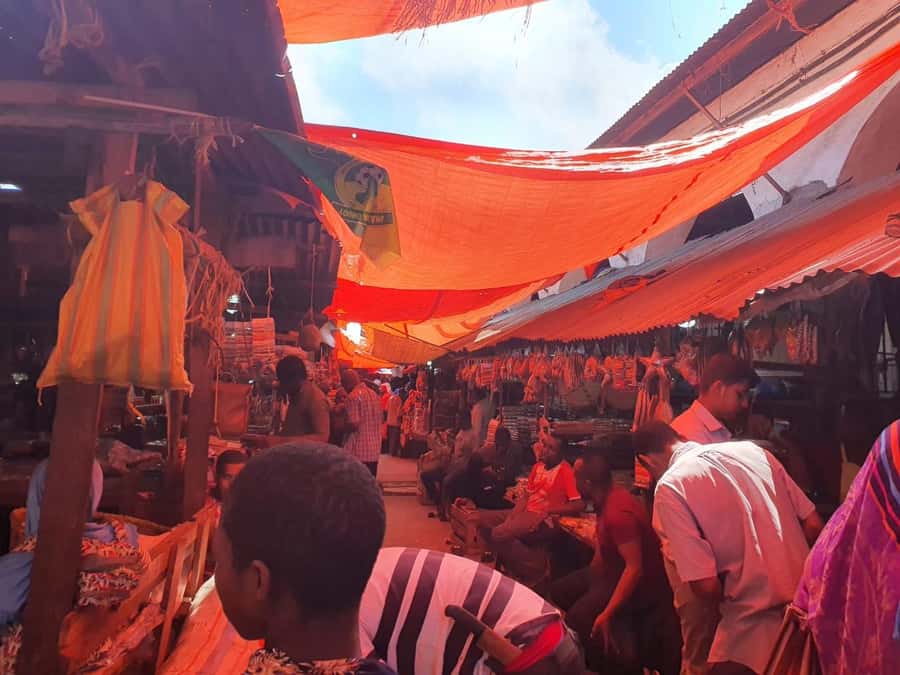
The tour also includes about 30 minutes at a food market. This is a welcome change of pace after the historic buildings and formal museums.
A market gives you a look at daily life rather than only the city’s grand past. You may see local produce, foods, and the ordinary activity that keeps Stone Town moving. The details can change by time of day, so I would treat this as a chance to observe and ask questions rather than expect a planned tasting session.
Food and drinks are not included. That keeps the base price clear, but it means you should bring money if you want to buy something. The tour description does not promise samples or a meal, so do not book it as a food tour.
The market stop is also a practical opportunity to pause during a three-hour walk. Stone Town’s lanes can be tiring in warm weather, and the change from museum-style sightseeing to a working market keeps the route from feeling too formal.
What $44 gets you
At $44 per person, the price is reasonable if you receive the full three hours, a capable guide, and the included slave-market admission. You are paying for a private walking service, not just entry to a set of buildings.
The strongest value comes from the explanation. Stone Town is easy to wander through on your own, but it is harder to understand without context. If your guide is like Mohammed, who has been praised for punctuality, flexibility, and clear answers, the tour can help you get oriented quickly on your first day.
The value falls if the walk is short or the commentary is weak. One person reported that an English-speaking guide was difficult to understand and that the tour lasted less than two hours. Another found the route ordinary and the information limited for the cost.
Those mixed results suggest a simple approach: confirm the language and starting time, and make sure the guide understands that you want historical explanation, not only directions from one building to the next. Since the tour is private, your questions should shape the experience.
The fee does not include hotel transfers, food, or drinks. If you choose hotel pickup, check the added cost. If you meet at the fort, the core price is easier to judge.
Language, pace, and guide quality

Tours are offered in English, French, German, and Italian. This is valuable in a city where architectural and historical terms can be hard to follow in a second language.
German-speaking visitors have had particularly strong experiences with Mohammed, who was described as speaking German well and giving an informative tour. He was also praised for being punctual and willing to accommodate requests. That does not guarantee that he will lead every departure, so request your preferred language and ask whether a named guide is available.
You can also use the private format to set the pace. If you want more time at the Palace Museum, ask for it. If the market matters less to you, ask how the route can be adjusted. The listed route is a plan, not a promise that every minute must be spent in the same way.
For the best result, arrive with two or three questions. You might ask how Zanzibar’s different cultural influences appear in the buildings, how the palace was used, or how the former slave market fits into the city’s wider history. These prompts help turn a basic walk into a more useful conversation.
Who should book this walk?

I would recommend this tour to a first-time visitor who wants a compact introduction to Stone Town. It suits you if you prefer walking to riding between sights, want a private guide, and value historical context along with architecture.
It is also a good match for couples, families, or small groups who want to ask questions without following a large crowd. The multilingual option makes it appealing if English is not your preferred tour language.
You may want a different experience if you want a specialist history tour, a food-focused outing, or guaranteed long visits inside every museum. The available details do not promise extensive museum time, tastings, or a fixed named guide for every departure.
The three-hour length works well as a first look. If you are short on time, it covers several of Stone Town’s central sights in one walk. If you have a full day in town, you can use the tour to learn the layout, then return independently to the buildings and market that caught your interest.
Should you book the Stone Town walking tour?

Book it if you want a practical first introduction to Zanzibar’s old center and can confirm a guide in your preferred language. The old fort meeting point is convenient, the slave-market admission is included, and the private format gives you a chance to ask for more detail.
I would be cautious if the exact guide and duration cannot be confirmed. The difference between an attentive guide such as Mohammed and a rushed or poorly matched guide appears to shape the value more than the route itself.
For $44, this is a fair choice when the full three hours are delivered with solid commentary. Go in expecting an orientation walk with major historic stops, not an exhaustive study of every corner of Stone Town.
FAQ
How long is the Stone Town walking tour?
The tour lasts three hours. The route includes Stone Town, the former slave market, and a food market visit of about 30 minutes.
Where does the tour meet?
The standard meeting point is in front of the entrance gate to the Old Fort in Stone Town.
Is hotel pickup available?
Yes. Pickup is optional, and the driver meets you in the hotel lobby when that option is selected. Hotel pickup and drop-off are not included in the basic tour.
What languages are available?
The tour can be offered in English, French, German, or Italian.
Is the tour private?
Yes. It is described as a private group experience, with the advertised group limit set at 10 people.
What sights are included?
The route includes Stone Town’s historic center, the old fort, the House of Wonders, the Palace Museum, the former slave market at the Anglican Cathedral, and a food market.
Is the slave-market entrance fee included?
Yes. The entrance fee to the former slave market is included. Food and drinks are not included.
How much does the tour cost?
The listed price is $44 per person. Hotel transfers, food, and drinks are additional or excluded from that price.
Newly listed around Zanzibar
- Zanzibar: Nungwi/Kendwa Beach Sunset Dhow Cruise with Fruits★ 3.4 · 3 reviews
- Prison Island, Sea Turtles, Rock Restaurant & Relax in Beach★ 4.6 · 3 reviews
- Starfish Beach; The Rock; Kuza Cave; Paje Beach; Salaam Cave Tour★ 4.5 · 3 reviews
- Zanzibar: Half-Day Spice Farm Tour,the flavours of Zanzibar★ 4.7 · 3 reviews
- Joazani forest & Spice farm with lunch★ 5.0 · 3 reviews
- Nakupenda Island Snorkeling Sea trip & Lunch W/Transfer -Zanzibar★ 4.0 · 3 reviews
- Mnemba Island Snorkeling and Dolphin tour★ 5.0 · 3 reviews
- Zanzibar:Jozani forest, Spice farm with Swahili Cuisine clas★ 4.2 · 3 reviews
Stone Town Tours, compared.





Full-Day Private Stone Town +Spice Farm and Prison Island Tour
Read our review →
Browse the lists this tour appears in