
Reviewed · JOZANI FOREST TOURS
Zanzibar:Jozani forest, Spice farm with Swahili Cuisine clas
The most memorable part of this five-hour outing is the chance to see Zanzibar’s red colobus monkeys in their natural forest home, then handle and taste the island’s famous spices a short time later. You get two very different sides of Unguja in one trip: wild forest and working farm.
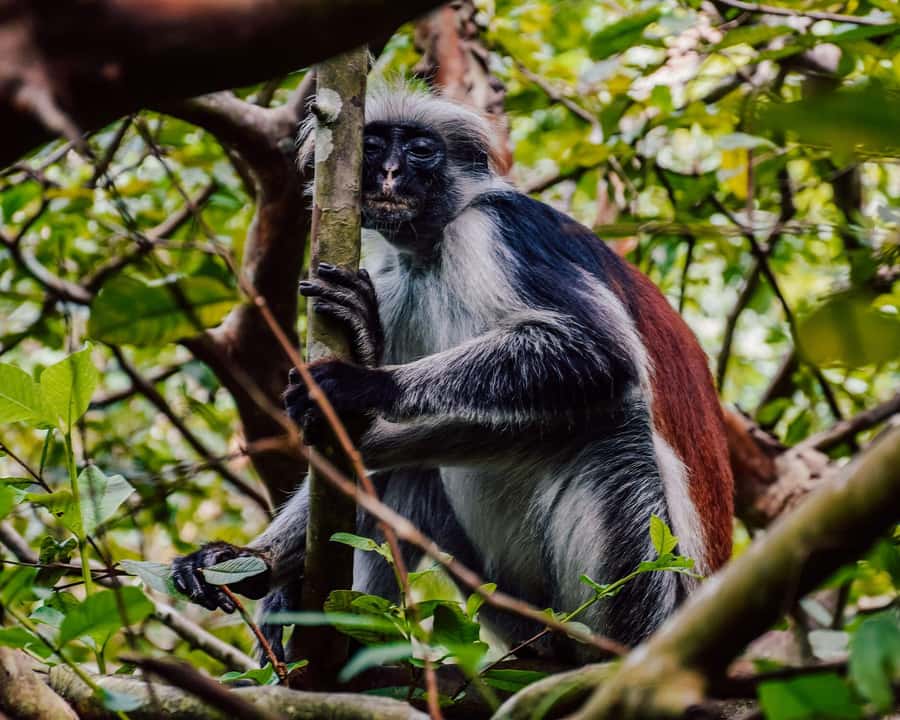
I like the red colobus encounter, with its unusual white chest, reddish back, and four-fingered hands without a thumb. I also like the chance to turn the spice visit into something practical through a Swahili Cuisine cooking class, rather than simply walking past rows of plants.
The main caution is the spice farm’s selling and tipping culture. One recent account describes heavy pressure to tip several people and buy goods, so bring cash only if you are comfortable spending it, and ask your guide clearly what is included before the farm visit begins.
Key points at a glance
- Red colobus monkeys: Look for Zanzibar’s special monkeys, known for their reddish backs, pale chests, and four-fingered hands.
- Mangrove lesson: Walk through the mangrove area and learn how these important coastal plants grow.
- Spice tasting: See, smell, and taste cinnamon, cardamom, black pepper, chili, ginger, vanilla, turmeric, cloves, and more.
- Swahili cooking: Take part in a cooking class that connects the plants on the farm with Zanzibar’s daily food culture.
- Coconut climber: Watch the famous human butterfly climb a coconut palm and sing Hakuna Matata.
- Simple five-hour plan: Hotel pickup, transport, entry fees, guide service, and bottled water are included.
From forest monkeys to a Swahili kitchen
This tour is built around contrast. At Jozani Chwaka Bay National Park, you walk under trees and search for native wildlife. At Shabuta Spice Farm, you shift to cultivated plants, tropical fruit, and food traditions. The two stops give you a better sense of Zanzibar than a spice tour or forest walk alone.
The planned visits take about 1.5 hours each, with the rest of the five-hour schedule used for driving, pickup, drop-off, and transitions. You can choose which stop comes first. That small choice matters if you prefer to start with a cooler forest walk or save the farm and cooking session for later.
A driver and professional guide collect you at your hotel reception or lobby. Pickup is offered from Stone Town, Zanzibar Island locations, Uroa, Pwani Mchangani, Nungwi, Kiwengwa, Paje, Michamvi, and Jambiani. The same broad area list applies for the return trip, though you should confirm your exact pickup time and location when booking.
More Jozani Forest trips:
- Zanzibar: Jozani Forest & Sea Tortoises Sanctuary Tour
★ 4.6 · 204 reviews - Dolphin tour, Jozani Forest, Jambiani Kuza Cave, Paje Beach &The Rock restaurent
★ 4.5 · 164 reviews - Zanzibar full day Jozani forest + Spice farm and stone town
★ 4.7 · 90 reviews
Walking through Jozani Chwaka Bay National Park
Jozani is the stronger nature portion of the day. The visit is on foot, with a guided walk through the forest and a chance to look for endemic, endangered, and exotic species associated with Zanzibar.
The star attraction is the Zanzibar red colobus monkey. These monkeys are described by their red backs, white chests, and distinctive hands with four fingers and no thumb. They are also known for eating young green fruit and vegetables. The guide’s job is important here, since the animals may be moving through the trees rather than waiting beside the path.
Keep your camera ready, but do not let photography turn the walk into a constant search through the branches. Your guide can point out movement and explain what you are seeing. The forest’s pleasant climate also makes this a manageable outdoor stop, though comfortable shoes are still a good idea.
The wildlife list includes the tiny suni antelope, elephant shrew, and chameleons. You might see some of them, but sightings are never guaranteed. That is part of the honest appeal of a forest walk: you are visiting a living habitat, not a collection of animals arranged for easy viewing.
The visit lasts around 90 minutes, long enough for a proper walk without taking up the whole day. If your main interest is wildlife, this is the part to protect with your attention. If you are mainly interested in food and spices, the forest may feel brief but still adds a useful natural counterpoint to the farm.
What the mangrove stop adds
The mangrove area gives the forest visit a second subject. Instead of looking upward for monkeys, you learn how mangrove plants grow in a coastal environment.
The information provided for the tour does not promise a long separate mangrove hike, so expect this to be a focused stop or section of the nature visit rather than a full-day wetland expedition. It is still worthwhile because mangroves are easy to pass without understanding. A guide can explain how their roots and growth patterns suit the shoreline.
This is also a good spot for photographs. Bring a camera, but keep your footwear practical. The tour calls for comfortable shoes, and that advice is more useful than fashionable sandals if the walking surface is uneven or damp.
Meeting Zanzibar’s spices at Shabuta Spice Farm
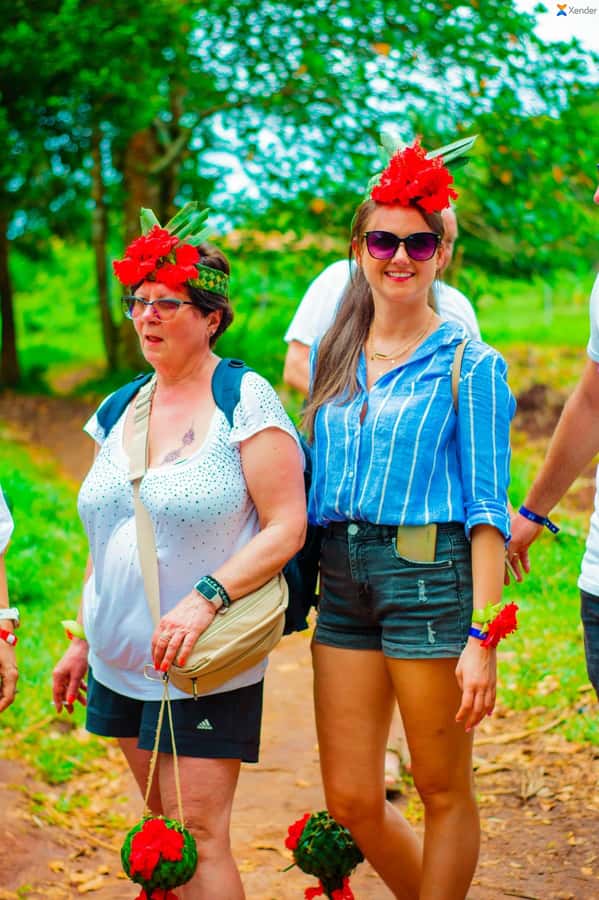
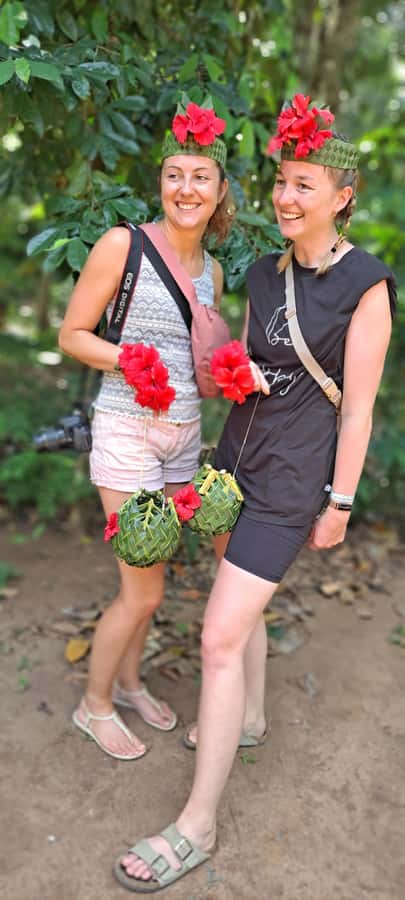
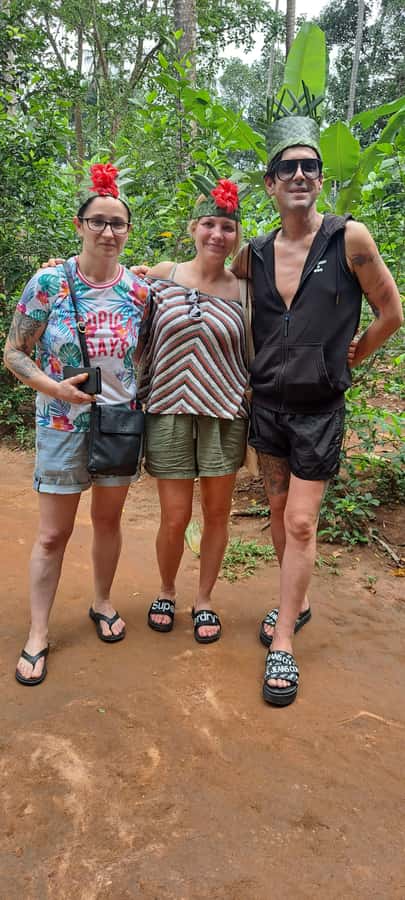
At Shabuta Spice Farm, the tour changes pace. You are shown tropical plants and invited to smell, taste, and identify them. This sensory approach is more useful than simply hearing a list of spice names.
You may encounter:
- Cinnamon
- Cardamom
- Black pepper
- Chili
- Ginger
- Vanilla
- Lemongrass
- Lemon mint
- Turmeric
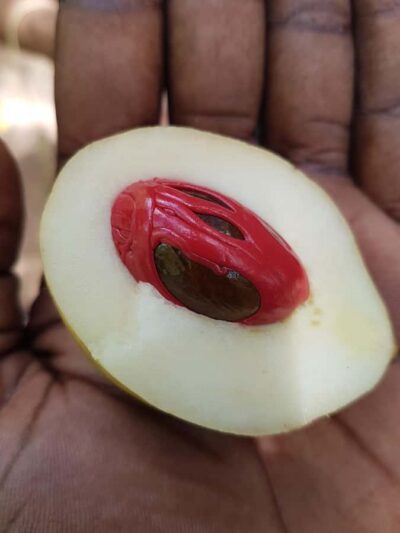
- Nutmeg
- Cloves
The value of this visit is seeing where familiar kitchen ingredients begin. Cinnamon, ginger, turmeric, vanilla, and cloves are much easier to remember after you have handled or smelled the plant material. The guide also explains how the spices grow in Zanzibar, which gives the cooking class a clear connection to the farm.
The farm includes tropical fruits as well as spices. The exact fruit selection is not specified, so you should treat tasting as part of the general farm experience rather than expect a particular menu.
The tour description also promises time for photographs and free time. Use that pause to look carefully at the plants and ask questions. A quick walk through a spice garden can become a sales presentation if you simply follow along without asking what you are seeing.
More spice farm mornings:
- Zanzibar: Stone Town, Spice Tour, Prison Island with Lunch
★ 4.4 · 1,219 reviews - Zanzibar: Prison Island, Stone Town, & Spice Farm Tour
★ 4.5 · 579 reviews - Zanzibar: Stone Town, Spice tour & Prison Island with Lunch
★ 4.6 · 453 reviews - Full-Day Private Stone Town +Spice Farm and Prison Island Tour
★ 4.5 · 216 reviews
The cooking class is more than a spice tasting
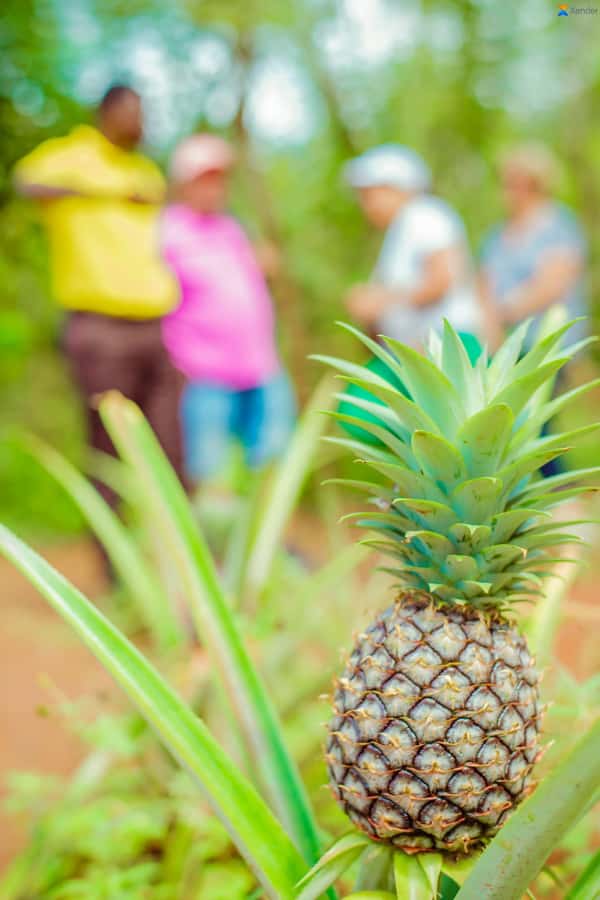
The Swahili Cuisine cooking class is one of the most useful features of the experience. It gives the spice visit a purpose. You do not just learn that cloves or turmeric grow in Zanzibar, you see how local ingredients connect with food.
The available details do not provide a fixed menu, class length, or list of dishes. Food and drinks are not included in the base price, though lunch can be requested. Ask in advance what the class includes, whether tasting is part of it, and what extra cost applies if you want lunch.
That last point matters because a cooking class can mean different things. It may be a hands-on lesson, a demonstration, or a combination of preparation and tasting. The tour clearly advertises a Swahili cooking experience, but you should confirm the exact format before setting expectations.
If food is your main reason for booking, make the cooking session your priority at the farm. If the guide starts with a plant explanation, listen for the practical link between the ingredient and the dish. That is where this stop becomes more than a standard spice tour.
The coconut climber and the farm’s awkward side
The coconut climber is presented as the human butterfly. You will see a person climb a coconut tree to the top while singing Hakuna Matata. It is a playful piece of Zanzibar tourism, and many people enjoy the spectacle.
It can also feel staged, so I would treat it as entertainment rather than a cultural lesson. Enjoy it for what it is, take a photo if you wish, and do not confuse it with the main value of the farm, which is the plants and cooking.
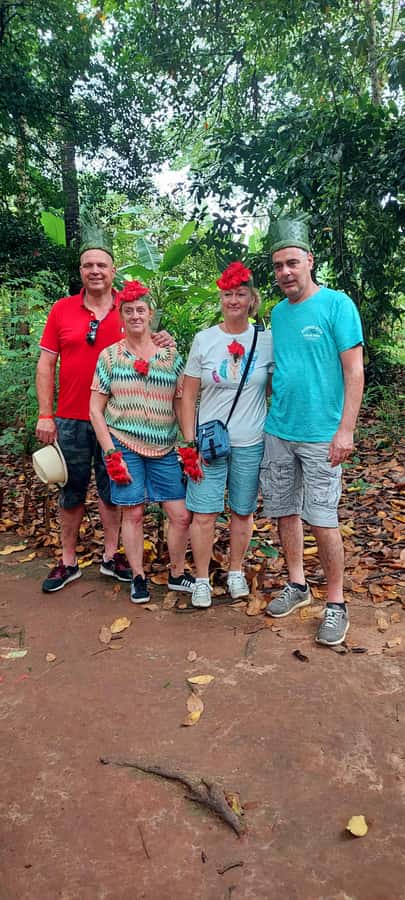
The bigger issue is tipping and sales pressure. A recent account describes about ten different people taking part in the farm presentation, each appearing to expect a tip, followed by strong pressure to buy something in several shops. The same account says access to the coconut climber was linked to payment.
That is a serious warning, even though it may not describe every departure. To protect yourself, carry only the cash you are willing to spend, ask your guide which tips are voluntary, and do not feel obliged to purchase from every stall. If a payment is presented as required, ask what it covers before handing over money.
The published price is $94 per person, and that includes transportation, entry fees, guide service, government tax, and bottled water. It does not include food or drinks. At that price, unexpected tipping or repeated shopping pressure can affect the value quickly, especially for two people or a family.
Is $94 good value for five hours?
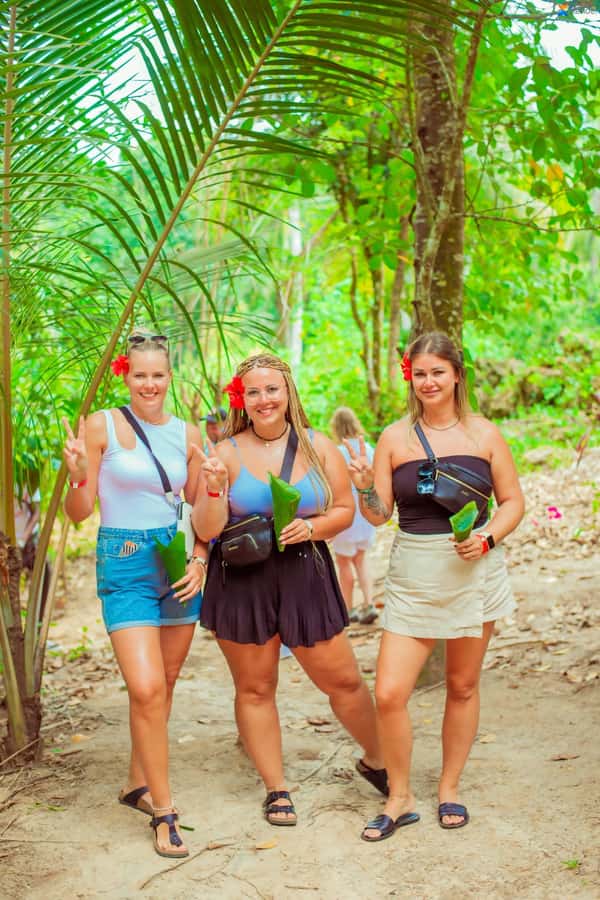
The price makes the most sense if you want a packaged day with transport and two organized stops. You do not need to arrange separate transfers to Jozani and the spice farm, and entrance fees are included. For visitors staying outside Stone Town, that convenience can be important.
The tour also combines three activities: a national park walk, a spice farm visit, and a Swahili cooking experience. Booking each separately may take more planning, even if you find a lower total price.
The value is weaker if you dislike organized presentations, shopping stops, or tipping customs. The farm may take on a different feel from the forest, with more people involved and more opportunities to buy products. Ask direct questions before departure so you know how much time is planned for the cooking class and whether lunch is extra.
Bottled water is included, but food and drinks are not. Bring cash for personal purchases or an optional meal, but set a spending limit first. The tour accepts free cancellation up to 24 hours before departure, and you can reserve now and pay later, which gives you some planning flexibility.
Guides, languages, and the personal touch
Guiding appears to be a strong part of this experience. Othman and his team are associated with one particularly positive account, while Hassan is praised for explaining Zanzibar, Tanzania, the rainforest, and spices in a clear and engaging way.
The tour operates with live guides in English, German, and French. That is useful at Jozani, where an explanation can make the difference between seeing a moving animal and understanding why it matters. It also helps at the farm, where the names and uses of spices can otherwise blur together.
The exact guide assigned to you is not guaranteed. If you have a language preference, state it when booking and confirm it with the operator. The provider is WINGS TOURS 52.
Who should book this outing?
I would recommend it to someone who wants a compact introduction to southern and central Zanzibar, especially if you have limited time. It suits people who enjoy wildlife, food, plants, and guided sightseeing in one half-day outing.
It is also a good fit for first-time visitors who want hotel pickup and a clear plan. The combination of Jozani and the spice farm gives you material for photographs, conversation, and a better understanding of the island beyond beaches.
The tour may not suit you if you want a quiet, private forest walk or a strictly no-shopping experience. It is also not suitable for people with diabetes, babies under one year, or people over 70 according to the stated restrictions. The operator does not provide more detail about those limits, so ask before booking if your circumstances are close to one of those categories.
The walking time is moderate, but you should still wear comfortable shoes. Bring a camera and some cash. Alcohol and drugs are not allowed, and littering is prohibited.
My booking advice
Book this tour if you want wildlife, spices, and local cooking in one five-hour plan, and you are comfortable with a lively farm visit that may include sales pitches. The strongest parts are Jozani’s red colobus monkeys, the guide explanations, and the chance to connect Zanzibar’s plants with Swahili food.
Before paying, ask three questions: Which stop comes first? What exactly does the cooking class include? Are tips or purchases expected at the spice farm? Those answers will help you judge the $94 price honestly.
I would choose it for convenience and variety, not for a slow, private nature experience. Keep your spending boundaries clear, enjoy the forest, and treat the coconut climber as a bit of fun on the way through.
FAQ
How long does the Jozani forest and spice farm tour last?
The tour lasts five hours. The guided visit at Jozani Chwaka Bay National Park takes about 1.5 hours, and the visit to Shabuta Spice Farm also takes about 1.5 hours.
What is included in the $94 price?
The price includes hotel pickup and return transfer, entrance fees, guide service, government tax, and bottled water.
Is food included?
No. Food and drinks are not included, but you can request lunch.
Can I choose which stop comes first?
Yes. You have the opportunity to choose whether to begin at Jozani forest or the spice farm.
Which languages are available?
Live tour guides are available in English, German, and French.
Where can pickup and drop-off be arranged?
Pickup and drop-off are available from Stone Town, Zanzibar Island locations, Uroa, Pwani Mchangani, Nungwi, Kiwengwa, Paje, Michamvi, and Jambiani. You should wait at your hotel reception or lobby at the selected pickup time.
What should I bring?
Bring comfortable shoes, a camera, and cash. Bottled water is provided.
Can I cancel the tour?
Yes. You can cancel up to 24 hours in advance for a full refund. You can also reserve now and pay later.
More farm visits in Zanzibar
- Zanzibar: Stone Town & Spice Farm Tour with Lunch
★ 4.5 · 97 reviews - Zanzibar:Stone Town & Spice Farm Private Tour Lunch Included
★ 4.2 · 94 reviews - Zanzibar: Spice Farm & Stone Town Tour with Lunch
★ 4.5 · 80 reviews - Zanzibar: Spice Farm Tour with Traditional Cooking Lesson
★ 4.8 · 77 reviews
Newly listed around Zanzibar
- Prison Island, Sea Turtles, Rock Restaurant & Relax in Beach★ 4.6 · 3 reviews
- Zanzibar: Nungwi/Kendwa Beach Sunset Dhow Cruise with Fruits★ 3.4 · 3 reviews
- Starfish Beach; The Rock; Kuza Cave; Paje Beach; Salaam Cave Tour★ 4.5 · 3 reviews
- Zanzibar: Half-Day Spice Farm Tour,the flavours of Zanzibar★ 4.7 · 3 reviews
- Joazani forest & Spice farm with lunch★ 5.0 · 3 reviews
- Nakupenda Island Snorkeling Sea trip & Lunch W/Transfer -Zanzibar★ 4.0 · 3 reviews
- Mnemba Island Snorkeling and Dolphin tour★ 5.0 · 3 reviews
- Full day trip (Spice tour, Prison island and Stone Town tour )★ 4.5 · 3 reviews
Jozani Forest Tours, compared.



Browse the lists this tour appears in