

Reviewed · STONE TOWN TOURS
Zanzibar: Stone Town Walking Tour with Guide
Stone Town is best understood on foot, one narrow lane at a time. Coral-stone buildings, carved doors, mosques, churches, markets, and old palaces crowd together in a town shaped by African, Arab, Indian, and European cultures. A guide helps you read this jumble instead of simply getting lost in it.
I like the three-hour length, which gives you a solid first look without turning a hot walk into an endurance test. I also like the guides’ personal touch. Abu, also called Abou in some bookings, is often praised for his stories, good humor, and ability to adjust the pace. The main consideration is that some stops may lead toward souvenir shopping, and lunch is not included in the $30 price.
Key points at a glance
- Three hours through Stone Town: Enough time for the major sights and a feel for daily life.
- Strong local guiding: Abu, Bobby, and Jack are among the guides specifically praised for clear history, friendly help, and flexible pacing.
- Major historic stops: Expect the old slave market and Anglican Cathedral, Sultan’s Palace, the Old Fort, House of Wonders area, and Darajani Market.
- A walk through four cultural influences: Arabic, African, Indian, and European traditions appear side by side in the old city.
- Hotel pickup and drop-off: Available when you choose the included pickup option.
- Practical booking terms: The tour costs $30 per person, runs in English, German, or French, and allows cancellation up to 24 hours before departure for a full refund.
Why Stone Town works best with a guide
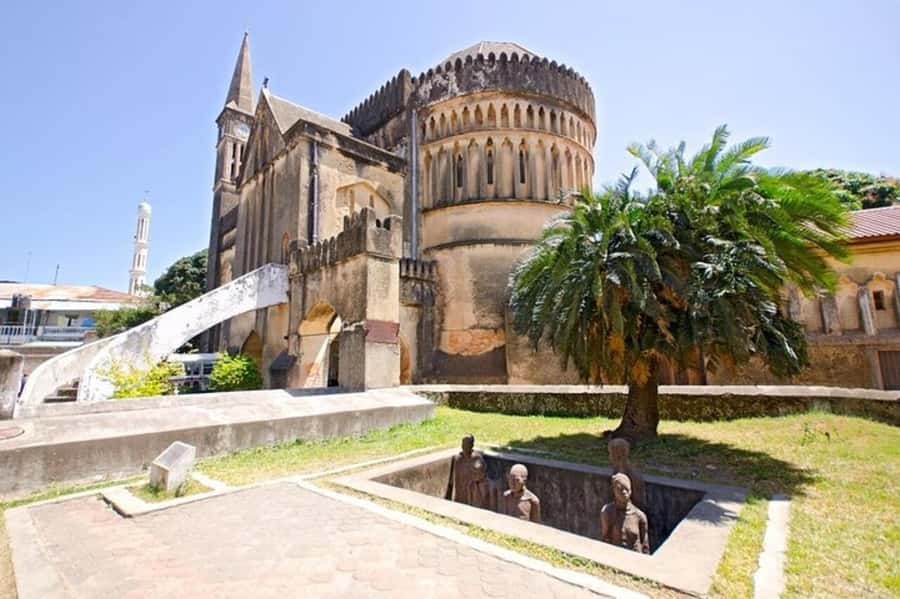
Stone Town can look simple on a map, but its lanes are another matter. Many are too narrow for cars, and the old city is full of turns, courtyards, doorways, and small passages that are easy to miss. A guide gives the walk a useful shape and adds the context that a solo stroll often lacks.
The value is not just finding the next building. It is understanding why a mosque, church, and temple can sit close together, or why the town’s architecture reflects so many outside influences. Your guide can connect Zanzibar’s trading past, the sultanate, religious life, slavery, and modern local culture as you move from stop to stop.
The strongest part of this experience is the human element. Abu is described as friendly, funny, and able to explain both old and modern Stone Town in clear English. He has also added small touches such as a short Swahili lesson, a taste of local bread, and even a song or two. Bobby has helped families move through the lanes with a young child and stroller, while Jack has been praised for a clear morning walk.
Guiding quality can vary from one departure to another, so you cannot assume you will receive the same person. Still, the repeated praise for the local guides is a good sign, especially if you want more than a list of dates and building names.
More Walking Tours in Zanzibar
- Stone Town Private Walking Tour
★ 5.0 · 371 reviews - Zanzibar: 3 Hours Private Stone Town walking Tour with Guide
★ 4.6 · 301 reviews - Zanzibar: Stone Town Historical Cultural Walking Guided Tour
★ 4.5 · 179 reviews
Beginning in Stone Town’s coral-stone lanes
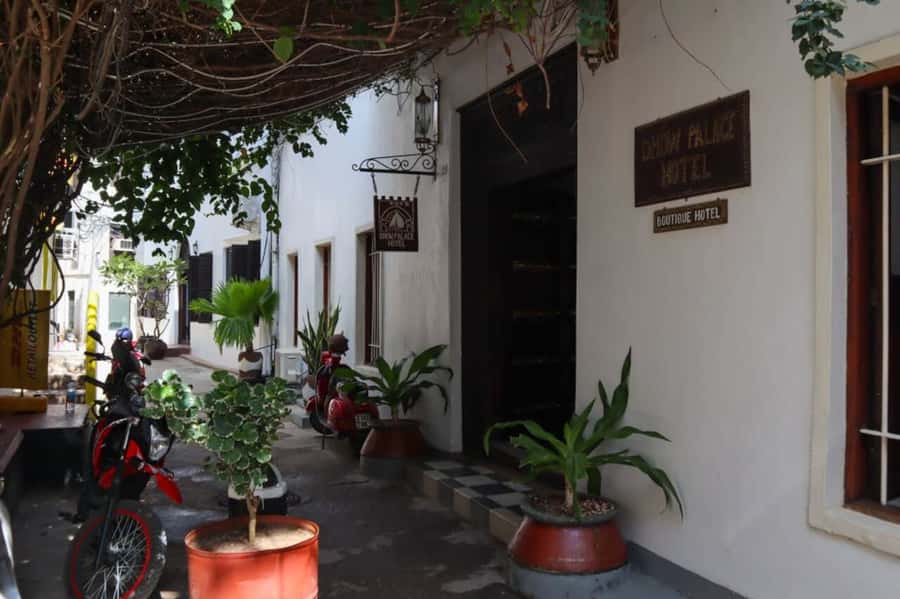
The tour starts with pickup in Zanzibar or Stone Town, depending on the option you select. If hotel pickup is included for your booking, wait in the lobby about 10 minutes before the scheduled time. The walk itself takes place in Stone Town, so the transfer is mainly useful if you are staying outside the old center.
Once on foot, expect a compact historic district built largely from coral stone during the 19th and 20th centuries. The material gives many buildings a pale, weathered appearance, though the town is not a polished open-air museum. You will see ordinary daily life alongside historic sites, with shops, people heading to market, places of worship, and busy lanes.
That mix is part of the appeal. Stone Town feels lived in, not arranged solely for sightseeing. At the same time, the old buildings can show their age, and the walk is not about spotless facades or grand boulevards. Comfortable shoes are essential, and a camera is worth bringing.
The tour includes time for sightseeing and shopping. That can be useful if you want a quick look at local goods, but keep your attention on the walking route. One fair criticism is that a few moments may feel more geared toward spending money than learning. If you want to browse, it is a chance to buy something. If not, tell your guide politely and keep moving.
The old slave market and Anglican Cathedral
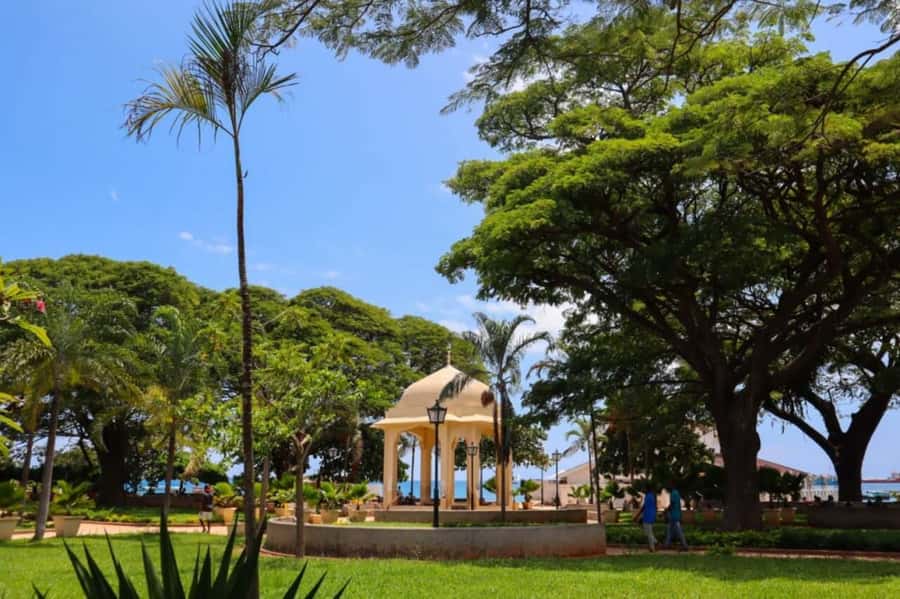
The former slave market is one of the most important and difficult stops on the route. The visit is paired with the Anglican Cathedral, creating a place where Zanzibar’s religious and commercial past meet in a concentrated space.
This part of the tour matters because it gives you a way to understand the human cost behind Zanzibar’s trading wealth. It is not simply another old building to photograph. Your guide’s explanation helps place the site within the wider story of Zanzibar and the Indian Ocean trade.
Expect the subject matter to be serious. The tour covers history and culture, but it does not turn the old market into light entertainment. That contrast is useful: after the lively streets and colorful market scenes, this stop asks you to slow down and think.
The cathedral adds another layer. Stone Town’s close mix of mosques, churches, and temples is one of the clearest signs of its varied past. You may find the transition from the slave market to the cathedral especially striking, since both are tied to the city’s changing religious and political life.
Freddie Mercury’s Zanzibar connection
The Freddie Mercury Museum is included as a visit and photo stop. It offers a modern, popular-culture counterpoint to the older parts of Stone Town.
The museum is relevant because Freddie Mercury was born in Zanzibar, and it gives the walk a personal connection to the island that many people do not expect before arriving. If you know his music, this will likely be one of the more memorable stops. If you do not, it still provides a break from the heavier historical material.
The stop is not presented as a long museum visit with an elaborate program. Treat it as a short visit within the walking route. Your guide can help explain why the site matters and how it fits into present-day Stone Town.
More Stone Town walks:
- Zanzibar: Stone Town, Spice Tour, Prison Island with Lunch
★ 4.4 · 1,219 reviews - Zanzibar: Prison Island, Stone Town, & Spice Farm Tour
★ 4.5 · 579 reviews - Zanzibar; Prison Island, Nakupenda, StoneTown Tour with BBQ
★ 4.3 · 457 reviews - Zanzibar: Stone Town, Spice tour & Prison Island with Lunch
★ 4.6 · 453 reviews
Old Fort and the Sultan’s Palace area
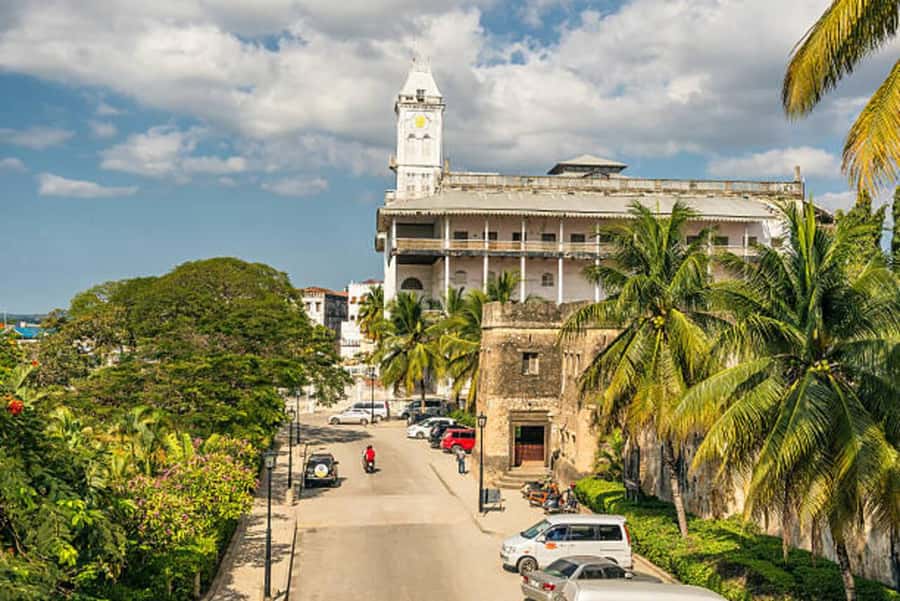
The Old Fort is another central landmark. Its thick walls and position in Stone Town make it a useful place to understand the city’s defensive and political importance. The tour includes a visit and photo stop, with your guide explaining the site as part of the wider old city.
The route also includes the Sultan’s Palace, listed among the major places you can see during the walk. Together, the fort and palace help show two sides of Zanzibar’s past: protection and royal power.
The House of Wonders is also part of the historical journey described for the tour. You should confirm the exact access arrangements on the day, since the information provided promises a visit to the area and a guided explanation, not a guaranteed extended interior visit to every building.
These sites are best appreciated as part of a sequence. The old fort alone may not occupy three hours, and the palace alone does not explain Stone Town. Their value grows when your guide links them to the streets, markets, religions, and trading networks around them.
Darajani Market and present-day Stone Town
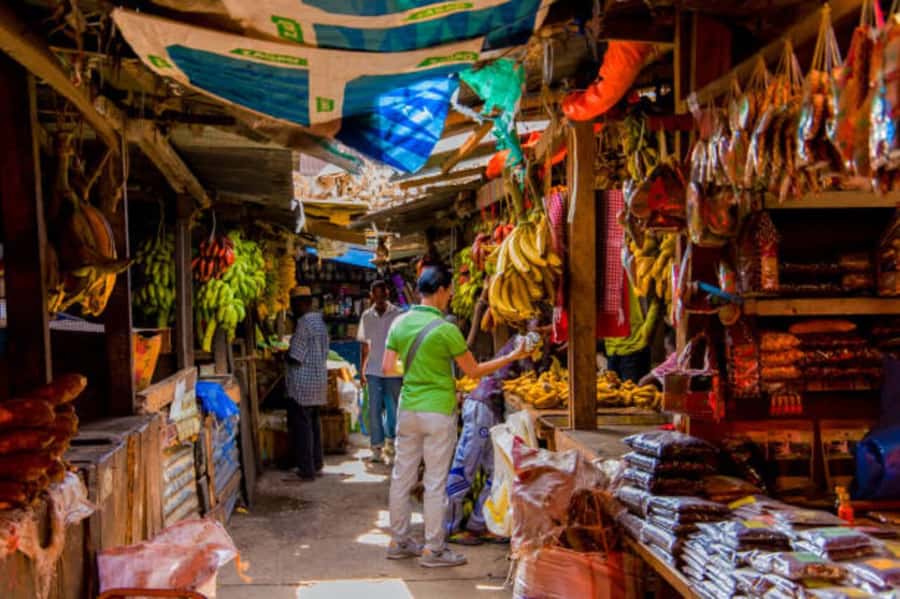
Darajani Market brings you back to everyday Zanzibar. This is the place to see the old city as a working center rather than only a historic quarter. Your guide can help you understand what you are seeing and steer you through the market area.
The market stop is listed as a visit and photo stop, so do not expect a formal cooking class or a long food tour. Instead, use it to watch the rhythm of local commerce and to notice how different the market feels from the quieter historic buildings.
Markets can be crowded and warm, and the narrow lanes may require patience. Keep your belongings close and follow your guide. Large bags and luggage are not allowed on the tour, which is sensible for a walking route through tight streets.
Darajani also helps balance the older sites. The slave market, fort, and palace tell you where Stone Town has been. The market shows you that the city is still used, traded in, and lived in today.
Lunch, local food, and the rooftop break
Lunch may be included at a restaurant or in a local house, but it must be agreed in advance. This is an important detail. The standard price is $30 per person, while meals and drinks are not included, so ask before booking if you want lunch to be part of the plan.
One guide has added a short Swahili lesson and a taste of typical bread, while another tour included a rooftop coffee stop. These details are not guaranteed on every departure, but they show how the experience can move beyond a strict list of monuments.
Do not assume the tour includes a full meal simply because lunch is mentioned in the description. Confirm the arrangement, what it costs, and whether drinks are included. If no lunch is planned, three hours on foot in Zanzibar’s heat can still leave you ready for food afterward.
Is $30 a fair price?
At $30 per person, this is good value if you want a guided introduction to Stone Town rather than a self-guided walk. The price includes a professional licensed guide, applicable taxes and service charges, and hotel pickup and drop-off when the selected option includes it.
You are paying mainly for interpretation and navigation. The historic buildings are part of Stone Town itself, but a guide helps you connect them and avoid wasting time in the maze of lanes. That is especially useful on your first day in the city.
The price does not include meals or drinks. Shopping may also tempt you to spend more, though buying souvenirs is optional. If you want a private tour, a long museum visit, or a dedicated food experience, this may feel limited. For a small-group overview of the old city, it is a sensible starting point.
The tour has a 4.7 rating from 76 reviews, with praise focused mainly on the guides’ explanations, friendliness, and ability to match the group’s pace. One recurring strength is that the walk covers enough ground to make the city understandable without trying to cram every corner into one morning or afternoon.
Timing, pace, and physical comfort
Three hours is a practical length. You get the main sights, some market time, and a proper walk through the old lanes without giving up an entire day. A morning departure may be more comfortable in hot weather, though starting times depend on availability.
The walk requires steady movement over three hours. People with back problems, pregnant women, babies under one year, and anyone over 95 are specifically listed as unsuitable for the activity. The information does not provide a detailed surface description, so bring comfortable shoes and be prepared for uneven or cramped walking conditions.
One family successfully managed the route with a four-year-old and stroller, but that does not mean the tour is designed for every young child. Babies under one are excluded, and the narrow lanes may make a stroller awkward. If you need a slower route, ask about pacing before you set out.
Guides have shown flexibility. Abu has been praised for going at the group’s pace, and Bobby helped a family with a young child. Still, mention your needs at the start rather than hoping the route will adapt automatically.
Languages, group size, and pickup details
Live guiding is available in English, German, and French. A small-group option is available, which is worth choosing if you want to ask questions or keep closer contact with the guide.
Pickup and drop-off are offered at two locations in Zanzibar or Stone Town, depending on your selected booking. The practical rule is simple: check the exact pickup option, wait in your hotel lobby 10 minutes early, and do not bring luggage or large bags.
Free cancellation is available up to 24 hours before the start for a full refund. You can also reserve now and pay later, which helps if your Zanzibar plans are still shifting.
Who should book this Stone Town walk?
I would choose this tour for a first visit to Zanzibar, especially if you are staying in or near Stone Town and want an introduction before exploring alone. It suits you if you like history explained in plain language, short stops at several major landmarks, and a guide who can answer questions along the way.
It also works well for a half-day schedule. You can use the rest of the day for another part of Zanzibar, a longer meal, or more independent shopping.
I would be more cautious if you dislike guided shopping stops, need extensive time inside museums, or want a quiet architectural walk without market activity. The tour gives you an overview, not a private scholarly examination of each building.
Should you book it?
Book this Stone Town walking tour if you want the city’s major sights tied together by a local guide, with hotel pickup and a manageable three-hour schedule. The best reason to choose it is the guiding: Abu or Abou, Bobby, and Jack have each brought warmth, clear explanations, and useful local help to the walk.
Ask in advance about lunch, the exact pickup point, and whether a small group is available. Wear comfortable shoes, carry a camera, leave large bags behind, and keep some flexibility for shopping or a rooftop coffee stop.
If you want to understand Stone Town before wandering on your own, $30 is a fair price. If you already know the old city well or want a specialized food, architecture, or photography tour, you may find the route too general.
FAQ
How long is the Stone Town walking tour?
The tour lasts three hours.
How much does the tour cost?
The price is $30 per person.
Is hotel pickup included?
Hotel pickup and drop-off are included when you select the applicable pickup option.
Which languages are available?
The live guide can conduct the tour in English, German, or French.
Are meals and drinks included?
No. Meals and drinks are not included. Lunch at a restaurant or local house can be arranged in advance, so confirm the details before booking.
Which places are visited?
The route includes Stone Town, the old slave market and Anglican Cathedral, Freddie Mercury Museum, Old Fort, Darajani Market, and sights connected with the House of Wonders and Sultan’s Palace.
Can I cancel for a refund?
Yes. You can cancel up to 24 hours before the tour for a full refund.
Newly listed around Zanzibar
- Zanzibar: Nungwi/Kendwa Beach Sunset Dhow Cruise with Fruits★ 3.4 · 3 reviews
- Prison Island, Sea Turtles, Rock Restaurant & Relax in Beach★ 4.6 · 3 reviews
- Starfish Beach; The Rock; Kuza Cave; Paje Beach; Salaam Cave Tour★ 4.5 · 3 reviews
- Zanzibar: Half-Day Spice Farm Tour,the flavours of Zanzibar★ 4.7 · 3 reviews
- Joazani forest & Spice farm with lunch★ 5.0 · 3 reviews
- Nakupenda Island Snorkeling Sea trip & Lunch W/Transfer -Zanzibar★ 4.0 · 3 reviews
- Mnemba Island Snorkeling and Dolphin tour★ 5.0 · 3 reviews
- Zanzibar:Jozani forest, Spice farm with Swahili Cuisine clas★ 4.2 · 3 reviews
Stone Town Tours, compared.





Full-Day Private Stone Town +Spice Farm and Prison Island Tour
Read our review →
Browse the lists this tour appears in