

Reviewed · STONE TOWN TOURS
Zanzibar stone town tour
Stone Town’s narrow lanes tell Zanzibar’s story in layers: Swahili homes, Arab sultanate buildings, Indian trading connections, and European colonial touches. I like the way this tour combines the old market and coral-stone streets with serious historic sites, especially the Anglican Cathedral built on the former slave market. I also like the relaxed pace, which gives you time for photos, shopping, and questions.
The main limitation is scope. Three hours is enough for a useful introduction, not a complete study of Stone Town, and entry to every historic building is not clearly included. The city can feel chaotic, so stay close to your guide and expect a walk through narrow, busy lanes.
Key points to know before booking
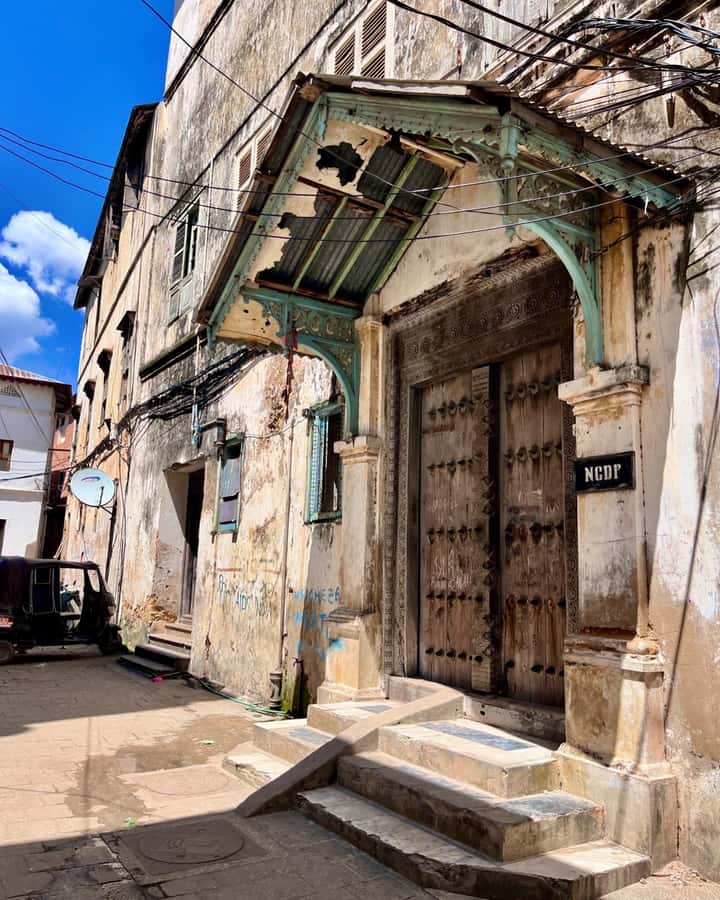
- The tour spends about 2.5 hours in Stone Town: Expect walking, sightseeing, photo stops, free time, and shopping.
- The former slave market is the most serious stop: Entrance fees to the slave market are included, with about 30 minutes set aside at the Anglican Cathedral.
- You visit major central sights: The route includes the market, Old Fort, Palace Museum, and other historic places in the old town.
- Several guide languages are available: English, German, Italian, Spanish, French, and Polish are offered.
- The $29 price is strongest for a first visit: A guide, water, and slave-market entry are included, while hotel pickup must be requested in advance.
- Adil and Mohammad received especially warm praise: Both were described as clear, helpful guides, with advice on shopping and Swahili food.
Stone Town in three hours: what this tour really covers
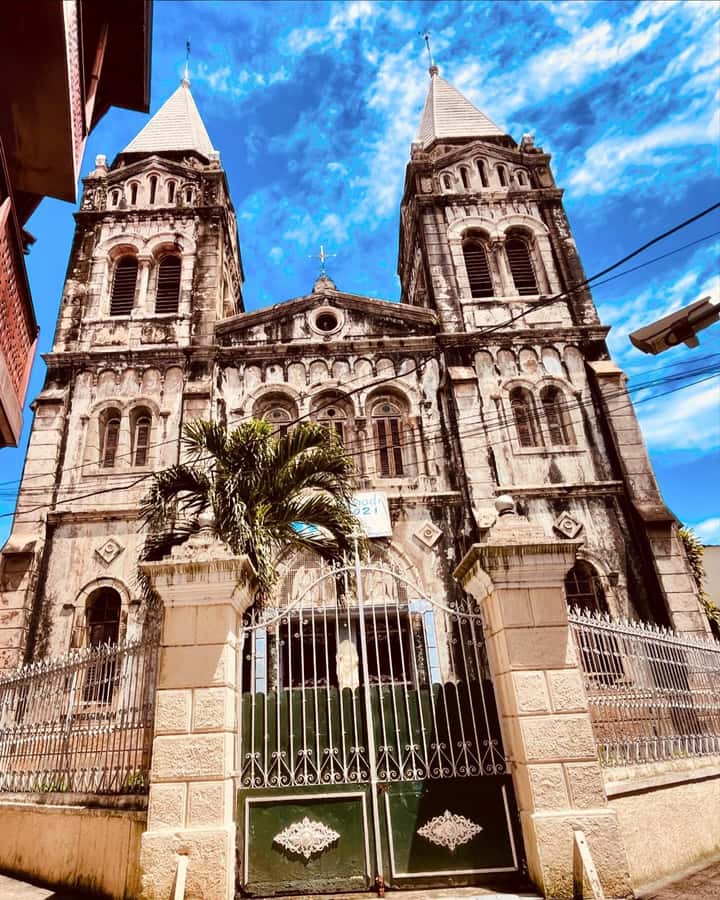
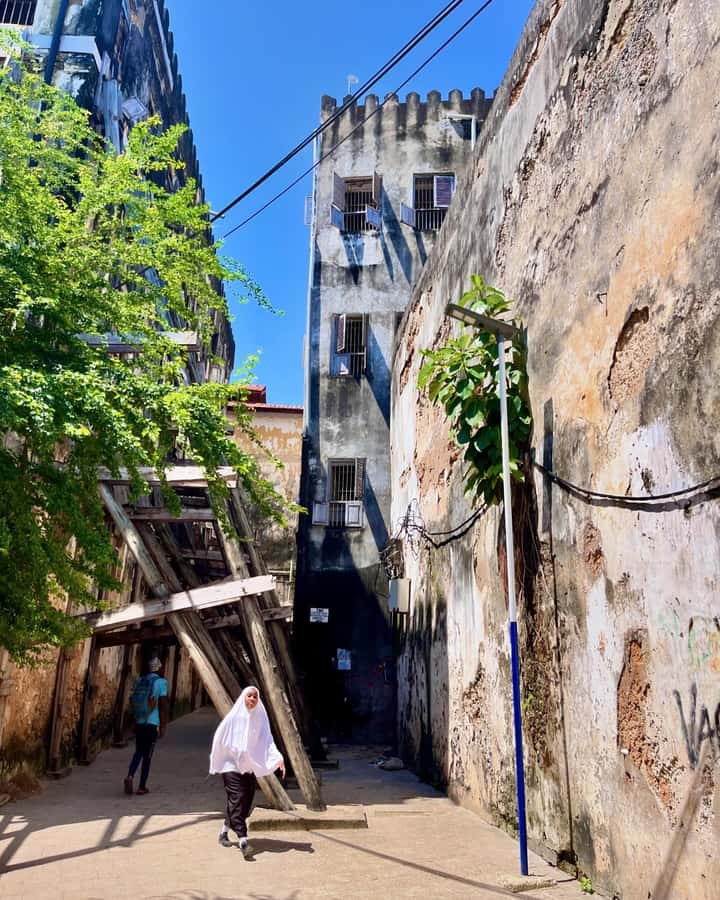
Stone Town is the old center of Zanzibar City, on Unguja Island. Its buildings are made largely from coral stone, and its streets twist into a tight maze of alleys, small squares, shops, and doorways.
That layout is part of the appeal, but it can also be confusing. I would choose a guided walk here even if you usually explore cities alone. The value is not only in reaching the main sights. A good guide helps you understand why the streets look the way they do and keeps the walk from becoming a hunt for landmarks.
The town grew as a major Indian Ocean trading center. Swahili, Arab, Persian, Indian, and European influences meet in its architecture and customs. Look for carved wooden doors, shaded balconies, and buildings that reflect the wealth and power once gathered here through spice, ivory, and slave trading.
You should not expect a polished museum district. Stone Town feels lived in. Some buildings are carefully maintained, while others show age. Motorbikes, pedestrians, vendors, and small shops share the same tight spaces. That untidy mix is part of the experience, but it may feel hectic if you prefer quiet streets and wide pavements.
More Stone Town walks:
- Zanzibar: Stone Town, Spice Tour, Prison Island with Lunch
★ 4.4 · 1,219 reviews - Zanzibar: Prison Island, Stone Town, & Spice Farm Tour
★ 4.5 · 579 reviews - Zanzibar; Prison Island, Nakupenda, StoneTown Tour with BBQ
★ 4.3 · 457 reviews
Beginning at your hotel or meeting point
The starting point depends on the option you select. Pickup is available from Stone Town hotels if you request it in advance, and the stated return point is Mizingani Seafront Hotel.
If you do not arrange pickup, you can meet at the agreed meeting point, usually at the reception or lobby. Confirm this before the day of the tour. The meeting instructions are flexible, but that also means you should not assume a vehicle will arrive at every hotel without prior notice.
The experience lasts three hours. That makes it easy to fit around a morning arrival, an afternoon departure, or a longer stay in Zanzibar City. It also means you should arrive ready to walk. The supplied details do not state the group size or transport method, and the main portion takes place on foot.
A bottle of water is included. Wear comfortable shoes and bring sun protection, even though parts of the route pass through shaded lanes. The city’s surfaces and narrow passages can make walking slower than the clock suggests.
Following the coral-stone lanes

Most of the tour, about two and a half hours, is spent in Stone Town. This is the portion where the guide can shape the experience around your pace.
You can expect a mix of guided sightseeing, photo stops, free time, and shopping. The route includes the market, Old Fort, Palace Museum, and other historic sites. The wording allows some flexibility, so the exact order may change depending on opening times, local activity, and the starting point.
I like this arrangement better than a rigid march from one building to the next. Stone Town rewards pauses. A carved door can tell you as much about the town’s past as a formal monument, and the market adds sounds and smells that a museum cannot provide.
The market is a useful counterpoint to the grander sites. You might find spices, local crafts, food, and everyday goods. This is also a good place to ask your guide how to shop sensibly. Adil was especially helpful with shopping advice and suggestions for Swahili food, while Mohammad was praised for explaining each stop and answering questions about its importance.
Keep your expectations realistic. This is a guided introduction, not a dedicated shopping tour. You may have time to browse and buy a few things, but the priority remains Stone Town’s history and streets.
Old Fort and the main historic sights
The Old Fort is one of the central landmarks included in the Stone Town visit. Its heavy walls offer a clear contrast to the town’s decorated doors and domestic buildings.
The tour also includes the Palace Museum, a place to connect Stone Town’s streets with Zanzibar’s former sultanate. The palace setting helps explain the political power behind the old town and the role of Zanzibar in regional trade.
The wider overview also points to other important buildings, including the House of Wonders. Since the precise entrance schedule is not specified, you should treat these as sightseeing stops unless your guide confirms that admission is included. The only clearly stated entrance fee is for the former slave market.
That distinction matters. Some city tours advertise many landmarks but only include entry to one site. At $29, this experience can still offer good value, but you should not book it expecting a full series of paid museum visits.
A few more Zanzibar days to compare
- From Zanzibar: Mikumi Safari Day Trip with Flights and Meal
★ 4.7 · 1,470 reviews - Zanzibar: Quad Bike Adventure departing from Kendwa or Nungwi
★ 4.9 · 1,233 reviews - From Kendwa: Mnemba Boat Trip and Dolphin Snorkel Adventure
★ 4.8 · 1,043 reviews - From Zanzibar: Day Selous Game Reserve Safari with Flights
★ 4.7 · 1,025 reviews
The former slave market and Anglican Cathedral
The most emotionally difficult part of the route is the former slave market at the Anglican Cathedral. About 30 minutes is set aside for sightseeing here, and the entrance fee is included.
Zanzibar’s position in the Indian Ocean trade brought wealth to the island, but it also tied Stone Town to the slave trade. The cathedral now occupies the former market site, making the visit a direct reminder of what once happened in the town’s center.
This stop gives the tour weight. The market streets and carved doors are interesting, but they can seem picturesque if you only see Stone Town as a backdrop for photographs. The cathedral site forces a fuller view of Zanzibar’s past, including the painful parts.
Set aside time to listen. The visit may feel sad and intense, and it deserves more attention than a quick photograph before moving on. Mohammad was praised for explaining the past clearly, and this is the point where a thoughtful guide adds real value.
A relaxed pace with room for questions
The tour is not described as a fast checklist. You have guided time, photo stops, free time, shopping, and walking, so the day can feel fairly relaxed within the three-hour limit.
Leanne’s experience with Mohammad is a useful guide to what you can ask for. He allowed the walk to follow her pace and left room for shopping along the way. That flexibility can make a big difference in Stone Town, where you may want to stop for a doorway, a market stall, or a view toward the sea.
Meghna’s guide, Adil, was praised for explaining each place and helping with practical choices, including food and shopping. These details are worth noting because a city tour is only as useful as the conversation around it. The buildings are easy to see. Understanding them takes questions.
One guide was described as young and still a student, but punctual, friendly, and correct. That suggests the standard may vary by guide, and it is sensible to judge the experience by its local guidance rather than expecting a formal academic lecture.
What the $29 price includes
At $29 per person, the tour is priced as a modest introduction to Stone Town. You receive a professional live guide, a bottle of water, and entrance to the slave-market site. Pickup from Stone Town hotels is possible, but you need to request it ahead of time.
The strongest value comes from the guide and the included entrance fee. If you tried to walk the old town alone, you could see many of the same streets for free, but you would lose the explanations that connect the market, palace, fort, cathedral, and architecture.
The price is less compelling if you want long interior visits at several museums. The tour lasts only three hours, and the historic sites are limited compared with a full-day cultural program. Sylvia’s assessment was fair: having a guide makes Stone Town easier to understand, but the number of historic sites covered is not huge.
I would call it good value for a first look, especially if you are staying near Stone Town and want a compact introduction. Returning visitors who already know the main monuments may prefer a narrower tour focused on food, doors, architecture, or the slave trade.
Who will enjoy this Stone Town walk
I would recommend this tour to you if you want a clear first orientation without giving up half a day. It suits people interested in history, architecture, markets, and local food, particularly if you appreciate having someone explain the setting as you walk.
It also works well for a short Zanzibar stay. Three hours leaves room for your own time at the waterfront, nearby restaurants, or other island activities.
Families and mixed-age groups may appreciate the flexible pace, though the narrow streets and city traffic require attention. The information describes the city as relatively safe but chaotic, so young children should remain close to an adult.
This is also a good fit if you want to shop but do not want shopping to take over the entire day. Your guide may help you choose places and explain local products, but the walk is not built around a long series of purchases.
You may want a different experience if you dislike crowded urban streets, want extensive museum time, or expect private transport throughout. The main attraction is the town itself, and that means walking through its busy, uneven, sometimes confusing center.
Languages, cancellation, and planning details
Live guiding is available in English, German, Italian, Spanish, French, and Polish. Select your preferred language when booking, and confirm that the choice is available for your selected time.
You can reserve now and pay later, which is useful if your Zanzibar plans are still shifting. Free cancellation is available up to 24 hours before the activity for a full refund.
Starting times depend on availability. Because the tour includes a market and historic buildings, check the available time before booking rather than assuming that every departure runs at the same hour.
For hotel pickup, request it in advance. Otherwise, arrange the meeting point clearly and plan to meet at the reception or lobby. The stated return point is Mizingani Seafront Hotel, which gives you a useful reference for planning the rest of your day.
Should you book the Zanzibar Stone Town tour?
I would book this tour if you are visiting Stone Town for the first time and want a compact, fairly priced introduction with a guide. The best parts are the coral-stone lanes, the market, the Old Fort and Palace Museum area, and the serious visit to the former slave market.
The main reason to book is context. Stone Town can look like a maze of attractive doors and old walls, but the guide helps you connect those details to Zanzibar’s trading past and sultanate history. Adil and Mohammad sound like particularly good guide matches if you can request them, though guide assignment is not guaranteed.
I would skip it only if you already know Stone Town well or want a tour built around extensive museum entry. For most first-time visitors, $29 buys a useful orientation, a bottle of water, and access to the former slave-market site, with enough free time to make the walk feel personal rather than rushed.
FAQ
Where does the Zanzibar Stone Town tour take place?
The tour takes place in Stone Town, the historic center of Zanzibar City in Tanzania’s Unguja South Region.
How long does the tour last?
The tour lasts three hours.
What places are included?
The Stone Town portion includes sightseeing around the market, Old Fort, Palace Museum, and other historic sites. The route also includes the former slave market at the Anglican Cathedral.
Is the former slave market entrance fee included?
Yes. Entrance fees at the former slave market are included.
Is hotel pickup available?
Pickup is available from Stone Town hotels if you request it in advance. You can also meet at the agreed meeting point, including at a reception or lobby.
Where does the tour return?
The stated return point is Mizingani Seafront Hotel.
Which languages are available?
Live guides are available in English, German, Italian, Spanish, French, and Polish.
Is a bottle of water included?
Yes. A bottle of water is included.
Can I cancel for a full refund?
Yes. You can cancel up to 24 hours in advance for a full refund.
Can I reserve now and pay later?
Yes. The activity allows you to reserve your place and pay later.
Newly listed around Zanzibar
- Zanzibar: Nungwi/Kendwa Beach Sunset Dhow Cruise with Fruits★ 3.4 · 3 reviews
- Prison Island, Sea Turtles, Rock Restaurant & Relax in Beach★ 4.6 · 3 reviews
- Starfish Beach; The Rock; Kuza Cave; Paje Beach; Salaam Cave Tour★ 4.5 · 3 reviews
- Zanzibar: Half-Day Spice Farm Tour,the flavours of Zanzibar★ 4.7 · 3 reviews
- Joazani forest & Spice farm with lunch★ 5.0 · 3 reviews
- Nakupenda Island Snorkeling Sea trip & Lunch W/Transfer -Zanzibar★ 4.0 · 3 reviews
- Mnemba Island Snorkeling and Dolphin tour★ 5.0 · 3 reviews
- Zanzibar:Jozani forest, Spice farm with Swahili Cuisine clas★ 4.2 · 3 reviews
Stone Town Tours, compared.






Full-Day Private Stone Town +Spice Farm and Prison Island Tour
Read our review →
Browse the lists this tour appears in