
Reviewed · STONE TOWN TOURS
Zanzibar: Spice Tour & Stone Town Walking Tour
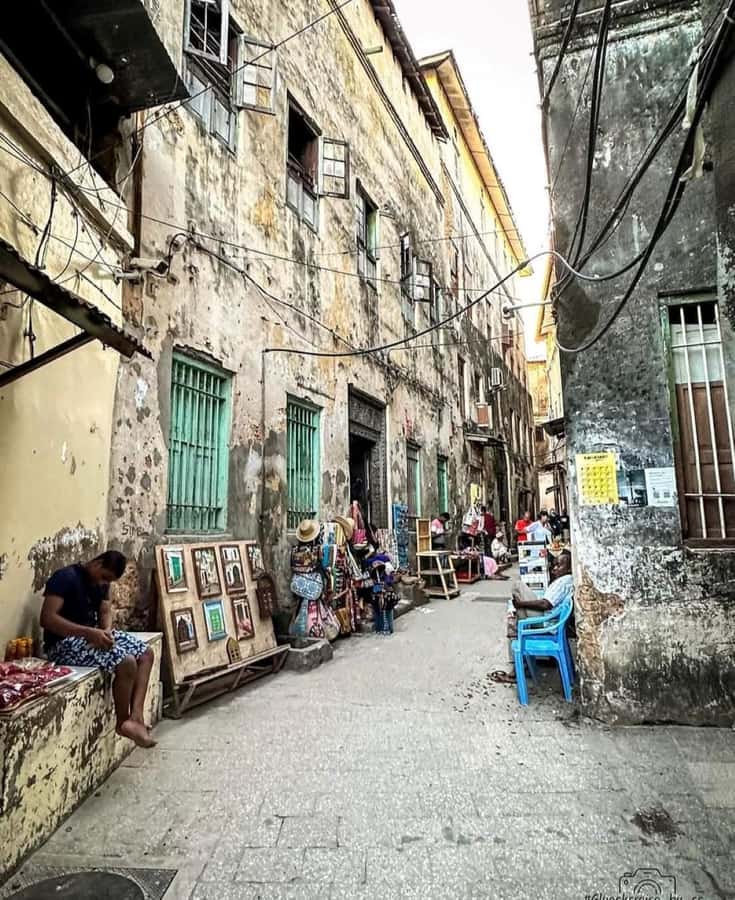
Zanzibar’s past and present meet neatly on this five-hour private tour. You begin among spice plants, tasting and smelling the island’s famous crops, then walk Stone Town’s narrow streets to understand how trade, slavery, religion, and music shaped Zanzibar.
I like the hands-on farm visit, especially seeing cinnamon, cloves, vanilla, turmeric, and black pepper growing rather than meeting them in a shop jar. I also like the private format, which gives you room to ask questions and slow down when Stone Town’s markets or historic sites demand attention.
The main caution is the pace. Five hours is enough for a useful introduction, not a full study of Stone Town. The spice farm can also include sales pressure, and one part of the market walk is very raw, with fish and meat on display.
Key points to know before booking
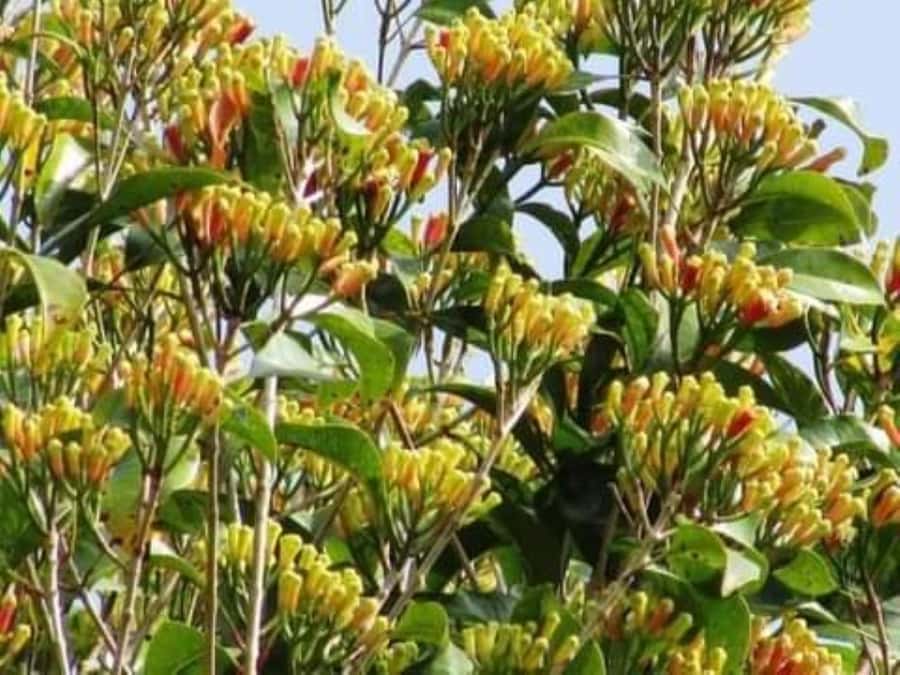
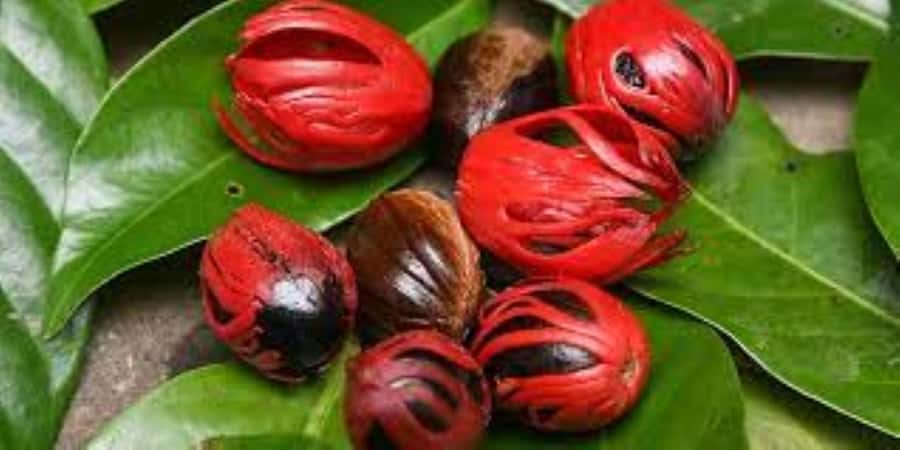
- See spices in their natural form: Touch, smell, and taste cinnamon, cardamom, black pepper, chili, ginger, vanilla, lemongrass, turmeric, nutmeg, cloves, and tropical fruit.
- Meet a coconut-tree climber: The famous human butterfly climbs high into a palm while singing Hakuna Matata.
- Connect Stone Town to the slave trade: Visit the former slave-market site and a Christian church linked to that difficult chapter.
- Cover major sights in a short time: The route includes Darajani Fish Market, Freddie Mercury’s former home, the House of Wonders, and the Old Fort.
- Travel privately with hotel pickup: Your guide or driver meets you in the hotel lobby, and the experience is reserved for your group.
- Expect strong guiding: Ali, Mu, Abdul, Sahim, Sirio, and other guides have been praised for clear explanations, patience, humor, and local insight.
From tropical plants to Stone Town streets
This tour works because it joins two very different sides of Zanzibar. At the spice plantation, you see the island as a growing place, where trees, vines, roots, leaves, and fruit produce ingredients used around the world.
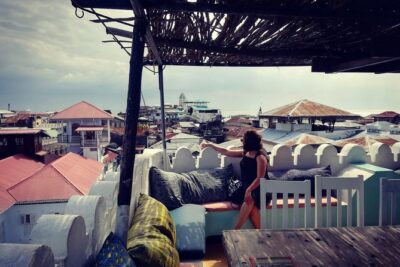
In Stone Town, you see Zanzibar as a trading center shaped by Arab, African, Indian, European, and religious influences. The shift from rural greenery to crowded lanes gives the day a useful rhythm.
Your hotel pickup is included in Zanzibar. The guide or driver meets you in the lobby with your name on a piece of paper, a simple detail that removes guesswork at the start. Guides speak English, French, Italian, Spanish, or German, depending on the person assigned to your group.
Because this is a private tour, you are not tied to the pace of a large group. That matters if you want to stop for photographs, ask more questions about slavery or religion, or take a slower walk through the market.
The price is $95 per person. That is not the cheapest way to see either attraction, but it covers transportation, both entrance fees, and a private guide in a five-hour package. If you are traveling with several people, the private arrangement can make better sense than booking separate transport and guides.
More Walking Tours in Zanzibar
- Stone Town Private Walking Tour
★ 5.0 · 371 reviews - Zanzibar: 3 Hours Private Stone Town walking Tour with Guide
★ 4.6 · 301 reviews - Zanzibar: Stone Town Historical Cultural Walking Guided Tour
★ 4.5 · 179 reviews
What you actually see at the spice plantation
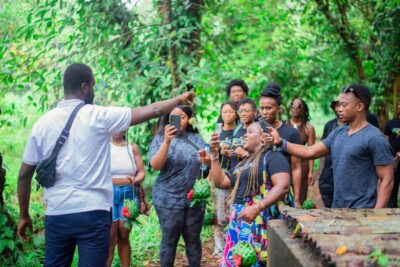
The farm visit is more than a quick stop at a shop. You get the chance to see how familiar kitchen ingredients grow, then touch, smell, and taste them.
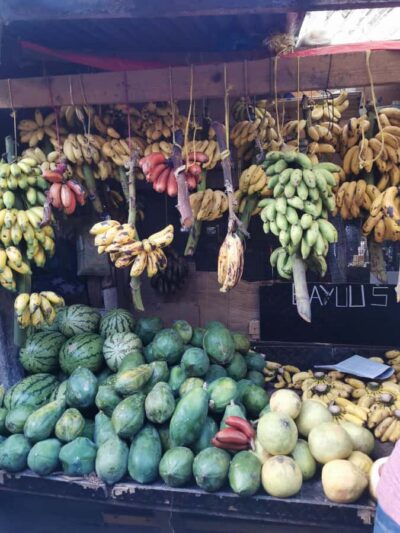
You might handle cinnamon bark, examine black pepper, smell lemongrass, and compare the scent of fresh ginger with the dried spice used at home. Vanilla sticks, turmeric, nutmeg, cloves, cardamom, chili, lemon mint, and tropical fruit are also part of the visit.
This is the strongest part of the tour for families and for anyone who likes food. Children can connect the contents of a spice rack with living plants, while adults get a clearer idea of how much processing separates a farm product from the final ingredient.
The farm staff explain how the plants grow in Zanzibar’s climate. The value here is not simply learning names. You begin to understand which parts of a plant are used, how spices differ in scent and texture, and why Zanzibar became associated with cloves and other valuable crops.
The visit is interactive, but the exact order and length of each demonstration can vary. Some people have particularly enjoyed palm-leaf crowns made during the visit. It is a small craft moment, but it adds a personal touch and gives you something to do rather than simply listen.
Then comes the coconut-tree demonstration. A climber, sometimes called a human butterfly, goes up a coconut palm and sings Hakuna Matata. It is playful and distinctly aimed at visitors, but it is also memorable and helps break up the more serious historical material later in the day.
The practical truth about buying spices
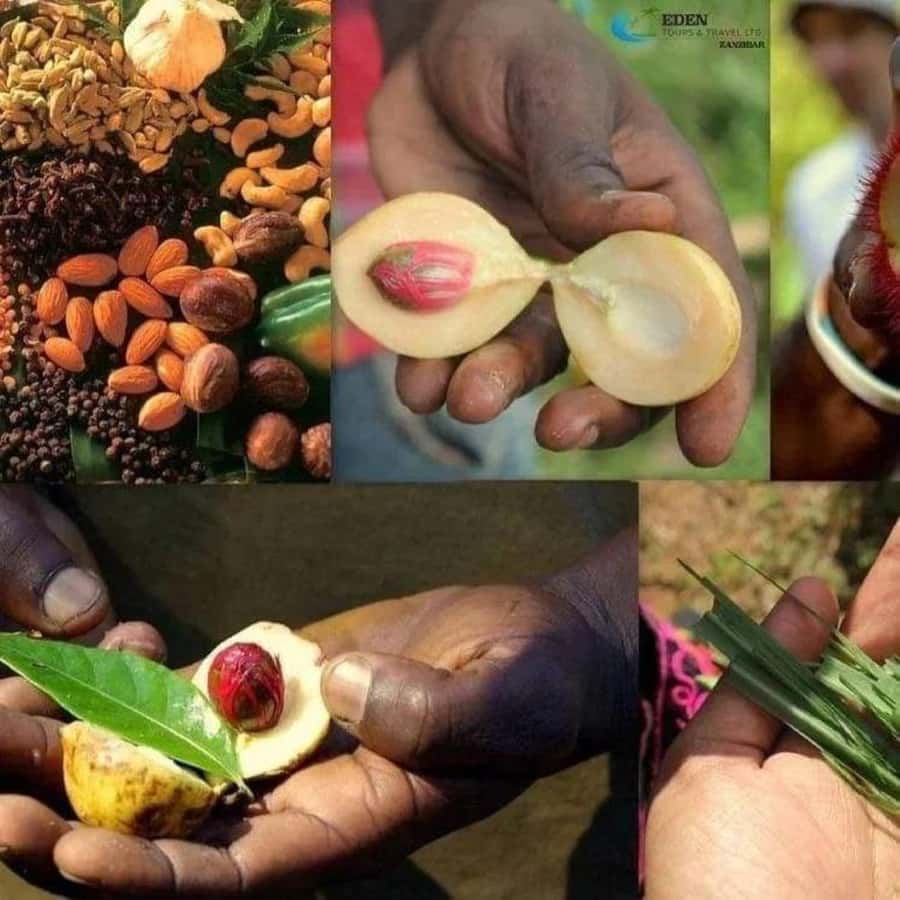
The plantation visit often leads toward a chance to buy spices, soaps, or related products. I suggest deciding in advance if you want to shop.
One useful point is that prices may not always be displayed. That can make it hard to compare costs or feel confident about a purchase. Ask the price clearly before buying, and do not feel obliged to take something home.
You may also encounter requests for tips during parts of the farm experience. This is worth knowing beforehand, since the sales and tipping element can change the mood if it catches you by surprise.
The farm is still worthwhile if you buy nothing. The plants, smells, fruit tasting, and explanations are the main experience. You can treat shopping as optional rather than as part of the price.
A fruit-tasting session is included in the flow of the visit, but it does not suit everyone. One account of the tour described an upset stomach afterward. If you have a sensitive stomach, ask what you are being offered and taste modestly.
Stone Town and the memory of slavery
After the plantation, the tour turns to Stone Town. This is where the day gains weight.
Zanzibar was a major center of the slave trade in the 17th and 18th centuries. The tour visits the old slave-market site and explains how enslaved people were bought, sold, and moved through the island’s trading networks.
The Christian church connected with the former market is an important stop. The setting makes the history less abstract, and a thoughtful guide can explain the relationship between the church, the market site, and the city’s later memory of slavery.
This part deserves time and attention. It is not a cheerful sightseeing stop, and that is precisely why it matters. Zanzibar’s beauty and its painful past exist side by side. A good explanation helps you avoid reducing Stone Town to carved doors, photo spots, and souvenir stalls.
There is one practical concern: confirm with your guide that the slave-market area is included in your route. One tour group missed it while spending time shopping and accommodating a slower walker. Since the tour covers several attractions in five hours, tell the guide early which historical sites matter most to you.
More Stone Town walks:
- Zanzibar: Stone Town, Spice Tour, Prison Island with Lunch
★ 4.4 · 1,219 reviews - Zanzibar: Prison Island, Stone Town, & Spice Farm Tour
★ 4.5 · 579 reviews - Zanzibar; Prison Island, Nakupenda, StoneTown Tour with BBQ
★ 4.3 · 457 reviews - Zanzibar: Stone Town, Spice tour & Prison Island with Lunch
★ 4.6 · 453 reviews
Darajani Fish Market and everyday Stone Town
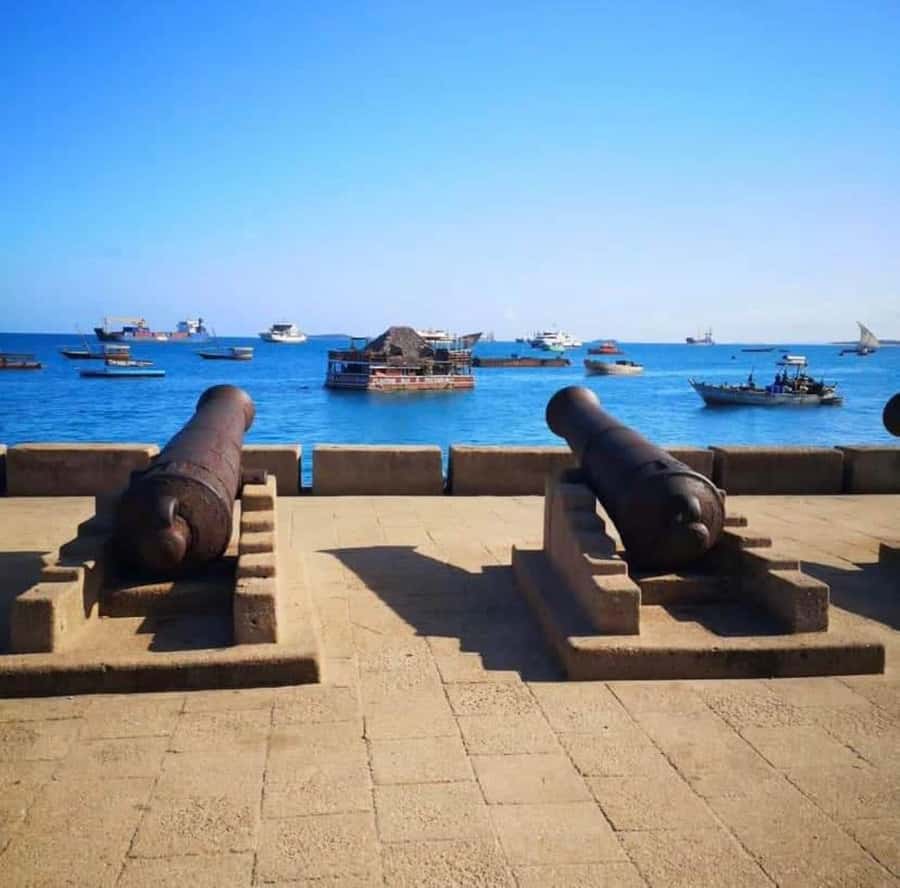
Darajani Fish Market gives you a direct look at daily commerce. It is not polished for sightseeing, and the fish and meat areas can be intense.
I see this as one of the tour’s most useful stops, provided you know what to expect. You are not looking at a staged version of Zanzibar. You are seeing a working market, with strong smells, close quarters, and ordinary buying and selling.
If that sounds uncomfortable, stay close to your guide and keep the visit focused. If you want a more direct sense of life in Stone Town, this may be more revealing than another row of souvenir shops.
The market also shows why a private guide helps. You can ask what you are seeing instead of wandering through without context. You can also request a shorter visit if the atmosphere is too much.
The walking itself is manageable for many people, but it is still a walking tour through old city streets. If someone in your group has difficulty walking, say so at the start. A guide can adjust the pace, though slower walking and shopping stops may mean leaving out one of the listed sights.
The Old Fort, House of Wonders, and Freddie Mercury
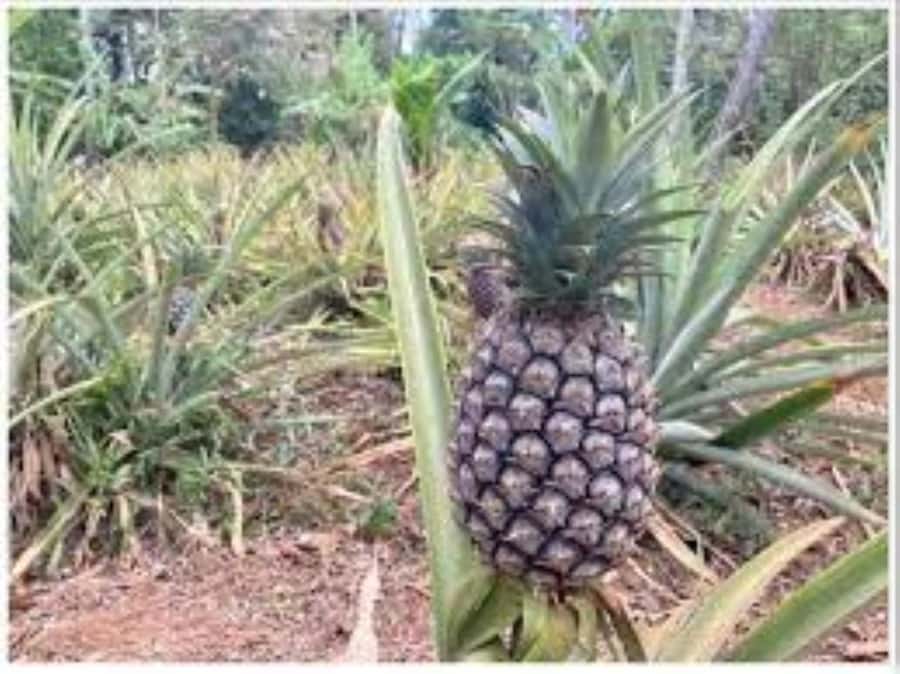
The Old Fort and House of Wonders help explain Stone Town’s changing political and cultural identity.
The Old Fort is one of the city’s best-known historic landmarks. It reflects the era when Zanzibar was shaped by Omani Arab power and defensive concerns. Your guide places it within the wider story of the island rather than treating it as a quick photo stop.
The House of Wonders points to the city’s royal and ceremonial past. Even when you spend only a short time there, it helps you read the large buildings around the waterfront as evidence of power, trade, and changing rule.
Freddie Mercury’s former home adds a very different note. The famous musician was born in Zanzibar, and his former residence connects the island to modern global culture. You should not expect a full museum visit from this tour. It is mainly a city stop tied to his Zanzibar story.
Together, these places prevent Stone Town from being reduced to one theme. You see military history, royal history, music, religion, markets, and the memory of slavery within a compact route.
Why a private guide makes a difference

The strongest praise for this experience has focused on the guides and drivers. Ali has been singled out for friendly conversation about culture and daily life, as well as clear explanations at the farm and in Stone Town.
Mu, also written as Moo in some accounts, is a name worth remembering if you are able to request a guide. He has been praised for making the day fun while explaining Zanzibar’s history and culture. Abdul has also handled driving and guiding duties with patience, while Sahim and Sirio have been appreciated for humor, courtesy, and broad knowledge of plants, spices, history, and major sights.
Guide assignments cannot be guaranteed from the information provided, so treat these names as examples rather than promises. What matters is the style of service this tour can provide: a driver who keeps the transfers on time and a guide who can explain why a place matters.
The private setup also gives you more control than a fixed large-group outing. You can ask for more time at the slave-market site, less time in the market, or a slower walk. Be direct. The guide cannot know your priorities unless you state them.
Timing, comfort, and who will enjoy it
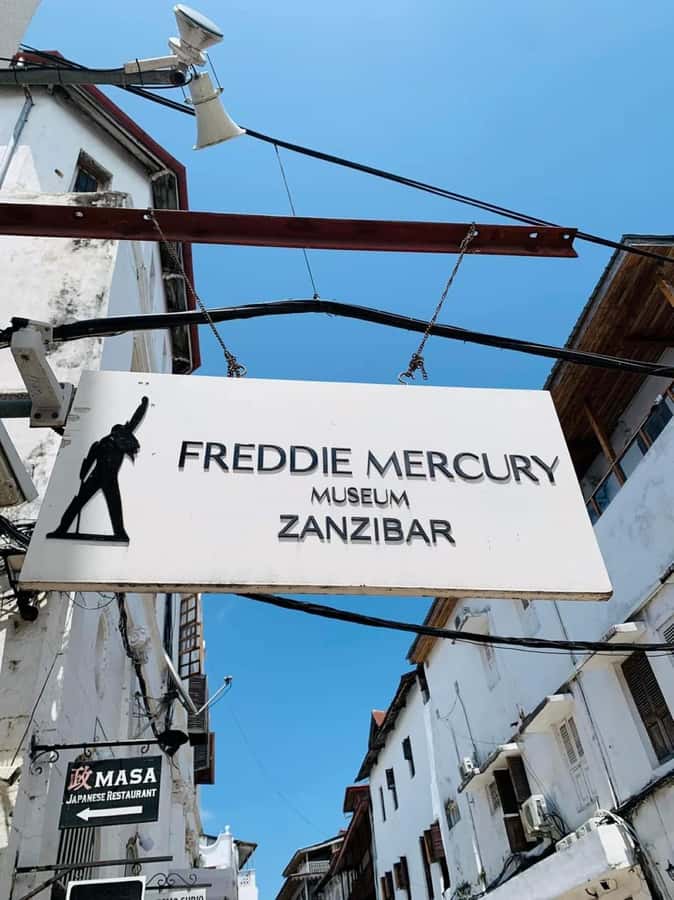
Five hours is a good length for a first look at both attractions. You get enough time to see and taste at the plantation, then cover several Stone Town landmarks without giving up an entire day.
It is also a fairly full half-day. The plantation visit is active and the city portion involves walking and standing. Comfortable shoes, water, and light clothing make sense, though food is not included.
The tour suits you best if you want history and culture rather than a beach-only day. It is especially useful early in a Zanzibar stay, since the explanations can give later visits to Stone Town, markets, and coastal communities more context.
Families may enjoy the sensory farm section and the coconut climber. Couples and small groups will value the private pace. It is less suitable if you want a slow, unstructured day, a formal culinary class, or a quiet historical visit without commercial activity.
The tour can work for someone who walks slowly, but tell the guide in advance. One group found that a slower pace and time for shopping limited what they could see. That is not a flaw in the guide so much as a reminder that the route has a real time limit.
Booking value and cancellation terms
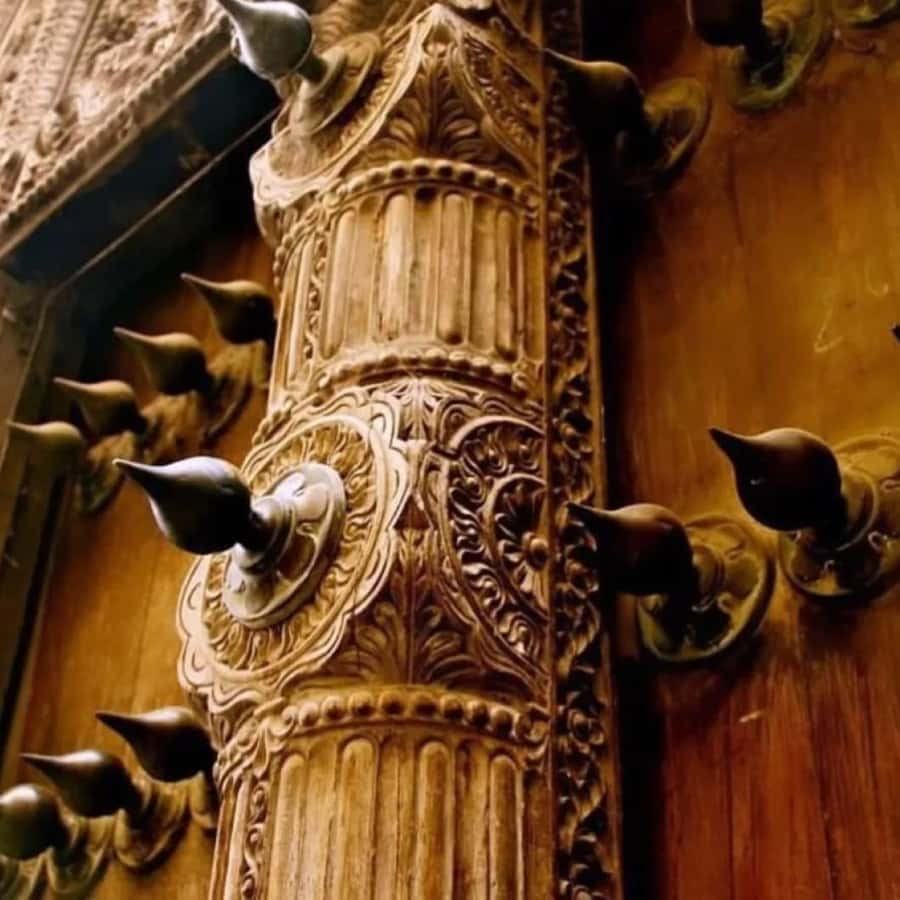
At $95 per person, the value depends on what you would otherwise arrange separately. Hotel pickup and drop-off, plantation entry, slave-market entry, and a private guide are included. Food and personal purchases are not.
For a solo visitor, the price may feel high compared with joining a shared outing. For a couple, family, or small group, the private format becomes more appealing, especially if you care about language choice, questions, or walking pace.
The experience has a 4.8 rating from 115 ratings, with particular praise for organization, punctual transfers, friendly guides, and clear explanations. The weaker points are also clear: sales pressure at the farm, fruit that may not suit every stomach, and the risk of missing a priority stop if you do not speak up.
You can cancel up to 24 hours before the tour for a full refund, and you can reserve now and pay later. Starting times depend on availability, so check the schedule before committing your Stone Town plans.
Should you book this Zanzibar tour?
Book it if you want one organized outing that connects spice farming with Stone Town’s difficult past. The plantation is hands-on and lighthearted, while the old slave-market site and church provide serious historical context. That contrast is the point.
I would book it for a first visit, especially with a private group of two or more people. Before setting out, tell the guide that the slave-market site is a priority, ask about the pace, and treat spice shopping as optional.
Skip it if you want a quiet day, dislike market smells, or prefer to explore Stone Town slowly on your own. For most visitors who want an efficient, personal introduction to Zanzibar’s culture, food plants, and history, this is a well-priced starting point.
FAQ
How long does the Zanzibar spice and Stone Town tour last?
The tour lasts five hours, including the plantation visit and Stone Town walking tour.
Is hotel pickup included?
Yes. Hotel pickup and drop-off in Zanzibar are included. The guide or driver meets you in the hotel lobby with your name on a piece of paper.
What spices and fruits can I see?
The experience includes cinnamon, cardamom, black pepper, chili, ginger, vanilla, lemongrass, lemon mint, turmeric, nutmeg, cloves, and tropical fruit.
Is the old slave-market site included?
Yes. Entrance to the slave-market site is included, and the tour covers Zanzibar’s role in the slave trade during the 17th and 18th centuries.
Is this a private tour?
Yes. The activity is arranged for a private group rather than a shared public group.
Which languages are available?
Live guiding is available in English, French, Italian, Spanish, and German.
More spice farm mornings
- Full-Day Private Stone Town +Spice Farm and Prison Island Tour
★ 4.5 · 216 reviews - Spice Tour + Stone Town Tour + Prison Island
★ 4.5 · 130 reviews - Zanzibar: Stone Town & Spice Farm Tour with Lunch
★ 4.5 · 97 reviews - Zanzibar: The Swahili Spice Experience – Spice Tour + Culinary Journey
★ 4.7 · 96 reviews
Newly listed around Zanzibar
- Prison Island, Sea Turtles, Rock Restaurant & Relax in Beach★ 4.6 · 3 reviews
- Zanzibar: Nungwi/Kendwa Beach Sunset Dhow Cruise with Fruits★ 3.4 · 3 reviews
- Starfish Beach; The Rock; Kuza Cave; Paje Beach; Salaam Cave Tour★ 4.5 · 3 reviews
- Zanzibar: Half-Day Spice Farm Tour,the flavours of Zanzibar★ 4.7 · 3 reviews
- Joazani forest & Spice farm with lunch★ 5.0 · 3 reviews
- Nakupenda Island Snorkeling Sea trip & Lunch W/Transfer -Zanzibar★ 4.0 · 3 reviews
- Zanzibar:Jozani forest, Spice farm with Swahili Cuisine clas★ 4.2 · 3 reviews
- Mnemba Island Snorkeling and Dolphin tour★ 5.0 · 3 reviews
Stone Town Tours, compared.

Full-Day Private Stone Town +Spice Farm and Prison Island Tour
Read our review →
Browse the lists this tour appears in