
Reviewed · JOZANI FOREST TOURS
Zanzibar: Jozani forest tour & Spice farm tour with lunch
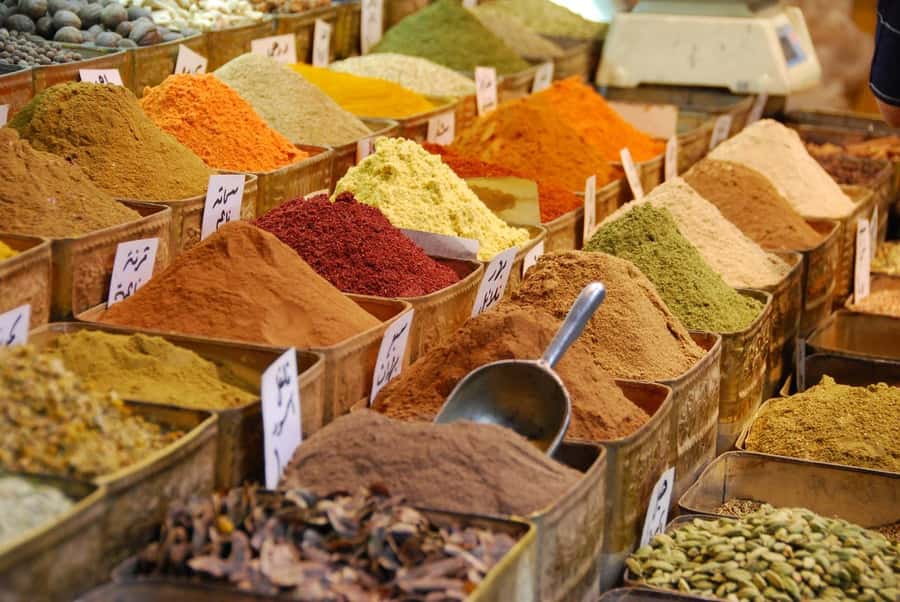
Zanzibar’s most rewarding day trips often begin with something you can smell. This spice-farm visit takes you through village paths and working farm plots, where cloves, herbs, fruit, and other plants are explained as food, medicine, and part of daily life. Later, Jozani Forest brings you close to red colobus monkeys, with a mangrove walk to finish.
I like the useful mix of nature and local life, and I like that lunch and hotel transport are included. Guides such as Ramadan, Iddi, Isaac, and Mohammed have been praised for clear explanations, friendly service, and good timing. The main drawback is that the spice farm can include several shopping stops, and the Jozani guide may feel rushed or overly rehearsed.
Key points at a glance
- Spice knowledge you can use: Learn how Zanzibar’s spices and herbs are grown, harvested, and used in cooking and traditional remedies.
- Red colobus monkeys up close: Jozani’s famous monkeys are often seen near the forest entrance, so you may not need a long search to find them.
- A proper local lunch: Spiced rice, or pilau, comes with tropical fruit such as bananas, mangoes, oranges, and papaya.
- Mangrove forest included: The final walk offers views of fish among the roots and crabs moving across the mud.
- Private transport from your hotel: Pickup and return are offered from 14 locations across Unguja.
- Good guide potential, uneven guiding: Ramadan, Iddi, Isaac, and Mohammed have received especially warm praise, but the quality can vary between the spice farm and forest guides.
Why this Zanzibar pairing works
The appeal here is simple: you get two very different sides of Zanzibar in one outing. At the spice farm, you meet the island through its crops, cooking, rural villages, and farming methods. At Jozani Forest, you switch from cultivated plants to native animals, forest paths, and mangroves.
That makes this a useful choice if you have limited time on Unguja. You are not spending six hours on one narrow subject. Instead, the day moves from farm to table, then from forest to wetland.
The advertised duration is six hours, with roughly one hour of driving at the start, 30 minutes between the two main stops, and another hour returning. In practice, that leaves about three hours at the spice farm and two and a half hours at Jozani. It is best viewed as a full excursion rather than a full calendar day.
I especially like the way lunch fits into the farm visit. You are not simply touring plants and then returning to your hotel hungry. The meal gives the spice lesson a practical finish, with pilau and local fruit showing how the ingredients appear in Zanzibar cooking.
More Jozani Forest trips:
- Zanzibar: Jozani Forest & Sea Tortoises Sanctuary Tour
★ 4.6 · 204 reviews - Dolphin tour, Jozani Forest, Jambiani Kuza Cave, Paje Beach &The Rock restaurent
★ 4.5 · 164 reviews - Zanzibar full day Jozani forest + Spice farm and stone town
★ 4.7 · 90 reviews
The hotel pickup and road time
Pickup is offered from hotels in Matemwe, Bwejuu, Uroa, Stone Town, Pwani Mchangani, Jambiani, Bububu, Nungwi, Kiwengwa, Chuini, Mangapwani, Paje, Kendwa, and Michamvi.
You meet the guide at your hotel reception or lobby about 10 minutes before departure. Transport is by van, and the booking is arranged as a private group. That matters if you want to ask questions freely or keep the pace comfortable for your own party.
The driving time can shape your day. From some beach areas, an hour in the van is expected before the first stop, and the return drive takes about the same time. A good driver can make this part useful rather than wasted. Isaac, in particular, has been praised for explaining local daily life during the drive and for answering questions along the way. Mohammed has also been singled out as a friendly, capable driver.
If you are staying in the north, such as Nungwi or Kendwa, you should expect a longer road day than someone based near Stone Town or the southern beaches. The broad pickup area is convenient, but it also means the route can cover a large part of the island.
Walking through Zanzibar’s spice farms
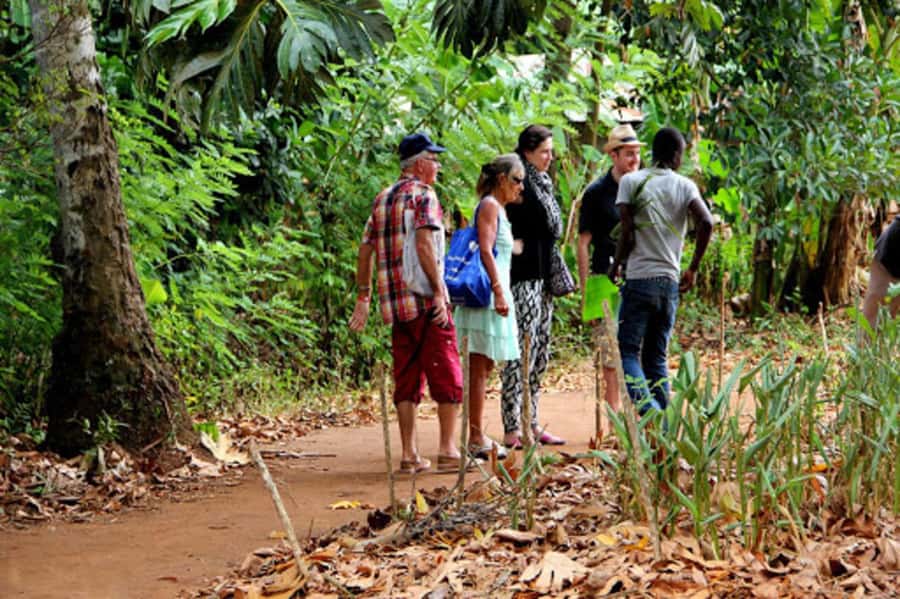
The spice farm is the heart of the outing for many people. You walk through village areas and farm plots with a guide who explains how spices and herbs are grown and gathered. The focus is not only on what each plant smells like. You also learn how ingredients are used in local dishes and how some plants are used as traditional medicine.
This is the kind of stop that becomes more interesting when you ask direct questions. Ask which ingredients are common in pilau, how a spice is harvested, or which plants are used for scent rather than cooking. The experience is designed around seeing, smelling, tasting, and touching plants, so it is more active than a simple talk beside a display.
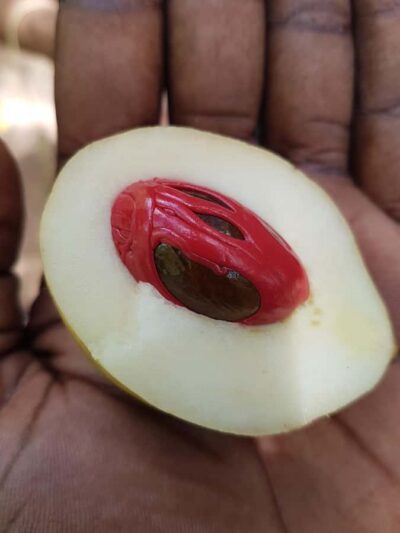
You can expect to encounter spices, herbs, fruit, and other useful plants. The precise selection can vary, but the visit includes information about Zanzibar-grown products and their uses. Guides may also introduce you to rural farming methods and local farmers.
Ramadan has been especially praised for explaining spices, plants, and fruit in a clear, easy-to-follow way. Iddi has also been noted for making the day both informative and fun. If Ramadan or Iddi is assigned to your group, you should make the most of the chance to ask about everyday cooking and farming.
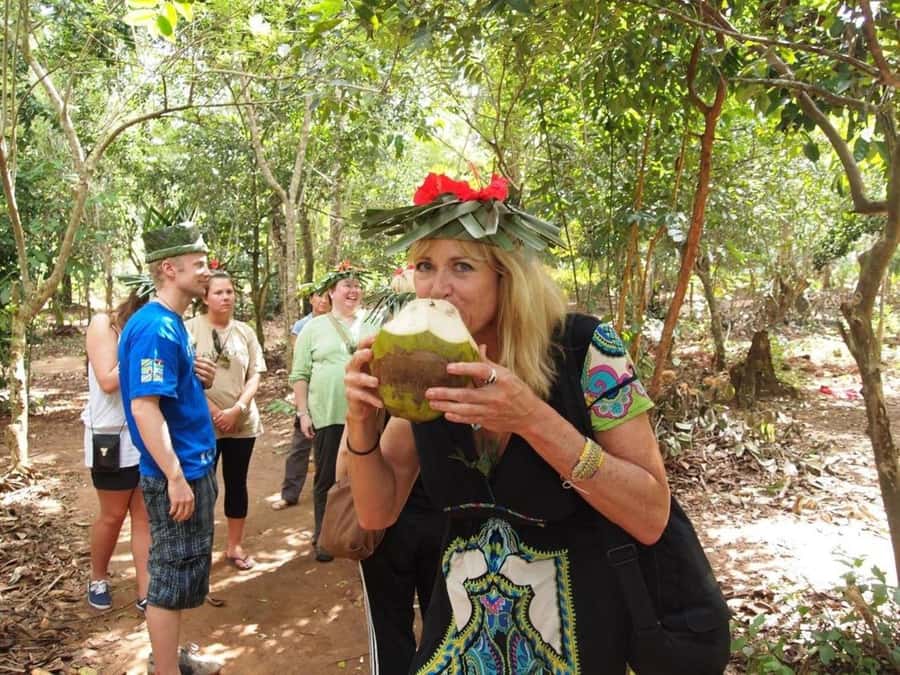
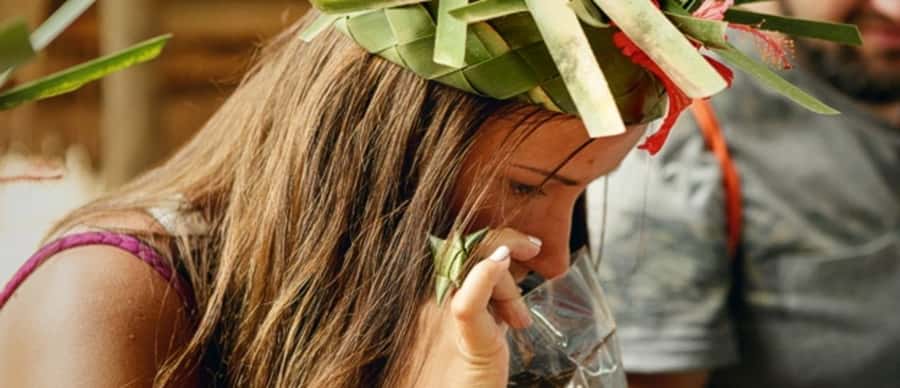
There is also a playful side to the farm stop. Mohammed, working as an assistant on one visit, made small creations from palm leaves, including crowns and necklaces. That sort of detail gives the stop a more personal feel than a standard sales presentation.
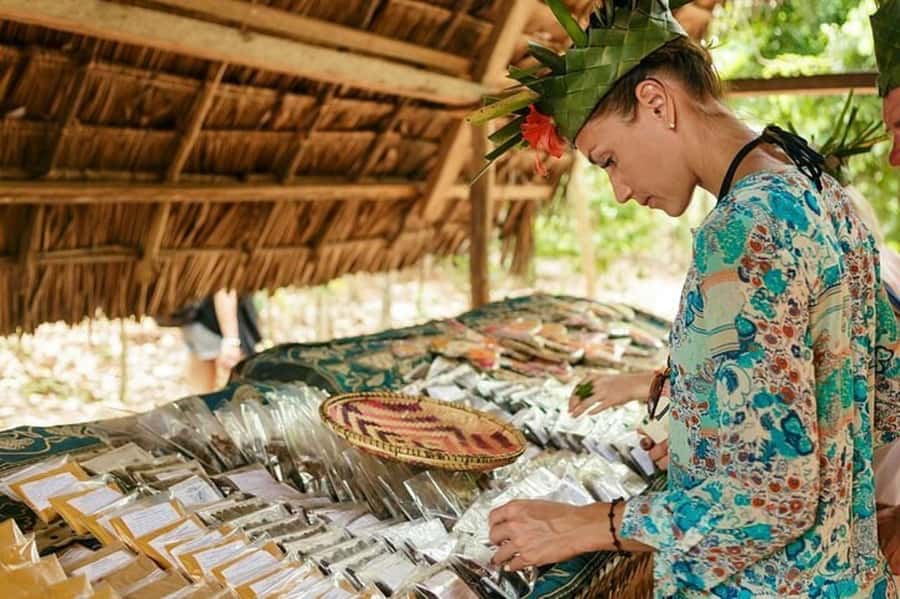
Still, you should keep your expectations realistic. The farm includes opportunities to buy spices, soaps, perfumes, and other products. Some sales stops may feel too long, and prices can be higher than you expect. If you are not interested in shopping, say so politely and keep your attention on the plants and farming explanations.
Pilau, fruit, and lunch on the farm
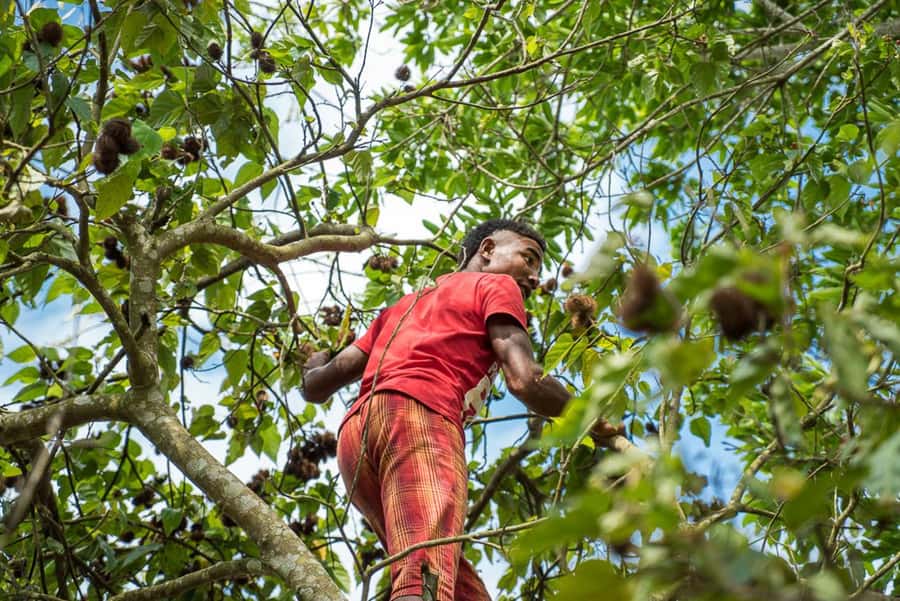
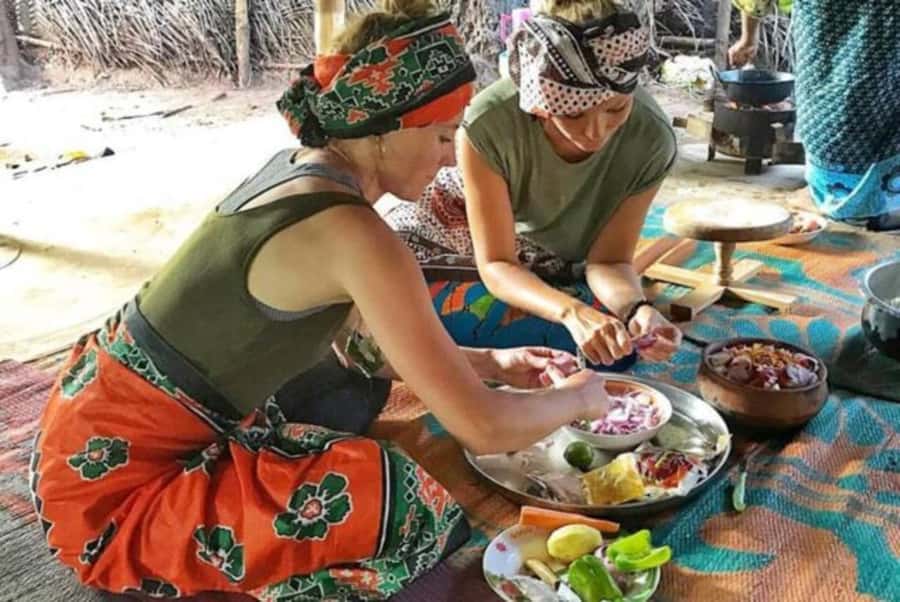
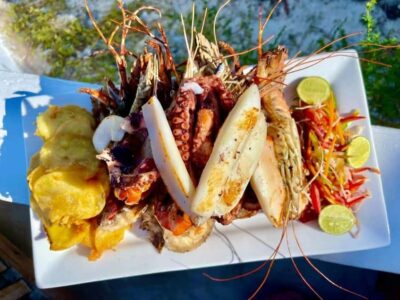
Lunch is included and centers on spiced rice, or pilau, along with tropical fruit. You may taste bananas, mangoes, oranges, papaya, and other seasonal fruit named as part of the experience.
The meal is more than a convenient break. Pilau is one of the clearest ways to connect the spice lesson with local food. After smelling and discussing spices, you get to taste how those flavors work in a familiar Zanzibar dish.
The meal may be served while seated on the floor, which some people find a memorable part of the local experience. If you prefer a standard table and chair, the format is worth keeping in mind. The food has received strong praise, with the pilau and welcoming farm staff often singled out as highlights.
The fruit also gives you a chance to try several familiar ingredients in a fresh setting. You will not be taking a cooking class, and the exact menu is not listed, but the combination of pilau and fruit makes the lunch feel tied to the farm rather than added as an afterthought.
More spice farm mornings:
- Zanzibar: Stone Town, Spice Tour, Prison Island with Lunch
★ 4.4 · 1,219 reviews - Zanzibar: Prison Island, Stone Town, & Spice Farm Tour
★ 4.5 · 579 reviews - Zanzibar: Stone Town, Spice tour & Prison Island with Lunch
★ 4.6 · 453 reviews - Full-Day Private Stone Town +Spice Farm and Prison Island Tour
★ 4.5 · 216 reviews
Finding red colobus monkeys at Jozani Forest
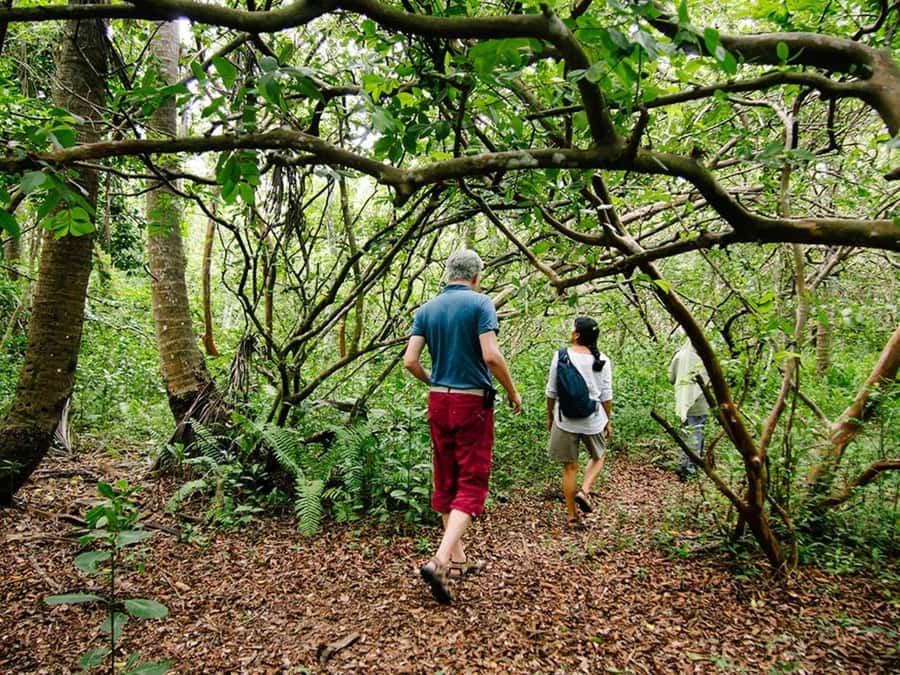
After the spice farm, the van continues for about 30 minutes to Jozani Forest National Park. The forest visit lasts around two and a half hours and includes a guided walk, plant information, animal watching, photographs, and the mangrove section.
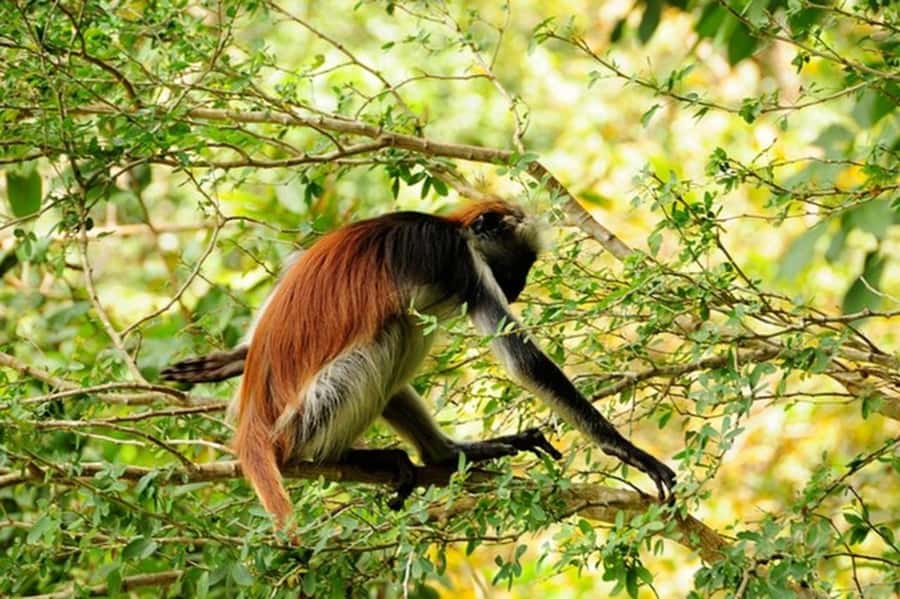
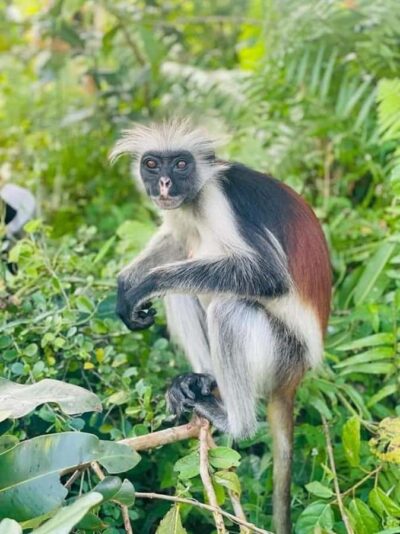
Jozani is best known for its red colobus monkeys. These animals are the star of the stop, and you should have a good chance to see them. In fact, they are often found near the parking area and forest entrance, so you may not need to trek far into the trees.
That is useful if you have children, older family members, or anyone who prefers a gentler walk. It also means the animal encounter can feel less wild than you might imagine. You are not necessarily tracking monkeys through a silent forest. You may find them close to the starting area, making photography easy but reducing the sense of discovery.
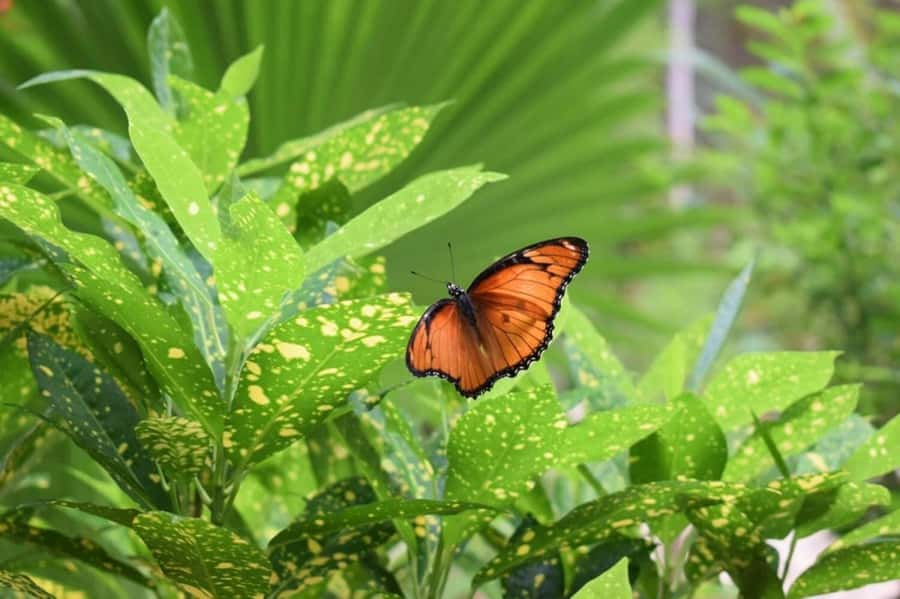
Blue monkeys have also been seen during the forest visit, along with birds, butterflies, bush babies, tiny frogs, and elephant shrews. Wildlife sightings are never fully predictable, so the experience should be judged by the range of forest life and not only by whether one particular animal appears.
You are allowed to take photographs and video. Keep your attention on the guide and your surroundings, though, rather than treating the stop as a quick photo session. The forest walk has more value when you notice how the animals use the trees and how the plants differ from the cultivated crops seen earlier.
The forest plants and mangrove walk
Jozani also introduces you to medicinal plants and the wider plant life of Zanzibar. This provides a useful contrast with the spice farm. At the farm, people select and grow plants for food, scent, and remedies. In the forest, you see a less controlled setting and learn how plants fit into the natural environment.
The mangrove forest is one of the strongest parts of the second half. Roots rise from muddy ground, creating shelter for small creatures. You may see tropical fish moving between the roots and crabs crossing the mud.
This section is visually different from the inland forest and gives you another set of photographs. If you come from Europe or another place without tropical mangroves, the sight can feel genuinely new. It is also a good reason to choose this combined trip instead of booking only a short monkey visit.
Guiding quality can vary at Jozani. One forest guide has been described as speaking very quickly and repeating a long list of facts about plants, which made the information harder to absorb. That is a fair warning for anyone who values detailed interpretation. If the pace is too fast, ask the guide to stop and explain one plant at a time.
The guides make a real difference
This is a private tour, but the experience still depends heavily on the people assigned to you. A good guide turns the drive into a conversation, links the farm to local food, and answers questions without rushing.
Ramadan has been praised for his friendly manner and clear teaching. Iddi has also received strong approval for making the day fun and informative. Isaac has been valued as a driver who explains local life, while Mohammed has been described as friendly and helpful behind the wheel.
You may not have the same person at every stop. The farm guide and Jozani guide can be different, so the tone may change during the day. That is normal for a multi-stop excursion, but it is worth knowing before you book.
The best approach is to arrive with a few questions ready. Ask about the spice in the pilau, the difference between medicinal and cooking plants, farming methods, or the monkeys’ behavior. Specific questions usually produce a more useful conversation than simply following the group from plant to plant.
Is $110 a fair price?
At $110 per person, this is not the cheapest way to visit a forest or spice farm independently. The price includes private hotel transport, entrance tickets, a local English-speaking guide, lunch, and fruit. Those inclusions make the cost easier to justify, especially if you are staying far from Stone Town or do not want to arrange separate taxis.
The value is strongest for couples, families, or small private groups that want one organized day. You avoid piecing together transport, park admission, lunch, and two separate guides. You also get a driver who can help connect the places along the route.
The price is less attractive if your only goal is to see monkeys, or if you already have reliable transport and prefer to arrange each stop yourself. The spice farm and Jozani are not equal in every way. Many people will find the farm more personal and engaging, while the forest is strongest for animal sightings and the mangrove walk.
Shopping can also affect your sense of value. If you feel pressured to buy spices, soaps, or perfumes, the day may seem less focused. Go in knowing that purchases are part of the farm setting, not a required part of the tour.
Who should book this excursion?
I would recommend it to you if you want a broad introduction to Zanzibar beyond the beach. It suits first-time visitors, families, couples, and anyone who enjoys food, plants, animals, and local conversation in one manageable outing.
It is also a good choice if you want a private group rather than a large coach. You can ask questions, take photos, and spend more time at a point that catches your attention.
You may want a different plan if you dislike driving, shopping stops, or guided walks with changing levels of detail. Wildlife is another consideration. Red colobus monkeys are a strong possibility, but no forest visit can promise every bird, butterfly, or small mammal.
For the best experience, wear comfortable walking shoes, bring water, and keep your schedule flexible around the road time. The tour is listed as six hours, but pickup and return times can be affected by your location and the route across the island.
Should you book the spice farm and Jozani tour?
Book this if you want two of Zanzibar’s most accessible nature and culture stops without arranging the details yourself. The combination is sensible: farm life and food first, then monkeys, forest plants, and mangroves.
The strongest reasons to choose it are the excellent lunch, the range of hotel pickup points, the private van, and the chance to work with guides such as Ramadan, Iddi, Isaac, or Mohammed. The main cautions are the possible shopping focus at the spice farm and uneven explanations at Jozani.
If you can accept those limits, $110 is a reasonable all-in price for a private six-hour outing with transport, entry fees, lunch, fruit, and guiding. I would choose it over a forest-only trip if this is your first visit to Unguja and you want more than a quick monkey sighting.
FAQ
How long does the Zanzibar spice farm and Jozani Forest tour last?
The activity lasts six hours. The planned route includes about one hour of driving to the first stop, three hours at the spice farm, 30 minutes to Jozani Forest, two and a half hours in the forest, and about one hour for the return journey.
What is included in the $110 price?
The price includes a local English-speaking guide, hotel pickup and drop-off, entrance tickets, lunch, and Zanzibar fruits.
Is the tour private?
Yes. The experience is arranged for a private group.
What language does the guide speak?
The listed tour language is English.
Where can pickup be arranged?
Pickup is available from Matemwe, Bwejuu, Uroa, Stone Town, Pwani Mchangani, Jambiani, Bububu, Nungwi, Kiwengwa, Chuini, Mangapwani, Paje, Kendwa, and Michamvi.
What food is served for lunch?
Lunch includes spiced rice, known as pilau, and tropical fruits. The fruits named for the experience include bananas, mangoes, oranges, and papaya.
Which animals can I see at Jozani Forest?
The forest is known for red colobus monkeys. Blue monkeys, birds, butterflies, bush babies, tiny frogs, and elephant shrews have also been seen. Wildlife sightings can vary.
Does the tour include a mangrove forest?
Yes. The Jozani visit includes a mangrove section where you may see tropical fish between the roots and crabs moving across the mud.
Can I buy spices and other products?
Yes. The spice farm may offer spices, soaps, perfumes, and related products for purchase.
Can I cancel the booking?
You can cancel up to 24 hours in advance for a full refund. You can also reserve now and pay later, according to the booking terms.
More farm visits in Zanzibar
- Zanzibar: Stone Town & Spice Farm Tour with Lunch
★ 4.5 · 97 reviews - Zanzibar:Stone Town & Spice Farm Private Tour Lunch Included
★ 4.2 · 94 reviews - Zanzibar: Spice Farm & Stone Town Tour with Lunch
★ 4.5 · 80 reviews - Zanzibar: Spice Farm Tour with Traditional Cooking Lesson
★ 4.8 · 77 reviews
More lunch stops in Zanzibar
- Zanzibar: Prison Island and Nakupenda Boat Trip with Lunch
★ 4.1 · 882 reviews - Mnemba Island: Dolphin Swim & Snorkeling with Optional Lunch
★ 4.3 · 591 reviews - Zanzibar: Prison Island & Nakupenda Boat Tour with BBQ Lunch
★ 4.4 · 554 reviews - Zanzibar: Safari Blue Lagoon Trip with Snorkeling and Lunch
★ 4.5 · 336 reviews
Newly listed around Zanzibar
- Zanzibar: Nungwi/Kendwa Beach Sunset Dhow Cruise with Fruits★ 3.4 · 3 reviews
- Prison Island, Sea Turtles, Rock Restaurant & Relax in Beach★ 4.6 · 3 reviews
- Starfish Beach; The Rock; Kuza Cave; Paje Beach; Salaam Cave Tour★ 4.5 · 3 reviews
- Zanzibar: Half-Day Spice Farm Tour,the flavours of Zanzibar★ 4.7 · 3 reviews
- Joazani forest & Spice farm with lunch★ 5.0 · 3 reviews
- Nakupenda Island Snorkeling Sea trip & Lunch W/Transfer -Zanzibar★ 4.0 · 3 reviews
- Mnemba Island Snorkeling and Dolphin tour★ 5.0 · 3 reviews
- Zanzibar:Jozani forest, Spice farm with Swahili Cuisine clas★ 4.2 · 3 reviews
Jozani Forest Tours, compared.

Browse the lists this tour appears in