
Reviewed · JOZANI FOREST TOURS
Spice Farm and Jozani Forest Private Tour
Zanzibar’s best-known flavors and wildlife fit neatly into this five to six-hour private tour. You’ll smell cloves, cinnamon, vanilla, and lemongrass at Jambo Spice Farm, then head into Jozani Forest to look for Zanzibar’s red colobus monkeys.
I like the hotel pickup in an air-conditioned vehicle, especially when you want a simple day without arranging taxis. I also like the fresh fruit stop, with coconut juice, pineapple, mango, bananas, and watermelon. The main catch is that the Jozani park fee is extra, and rain can affect the forest walk and outdoor tastings.
Key points to know before booking
- Two very different stops: Taste Zanzibar’s farm produce first, then search for monkeys and learn about mangroves.
- Private transport: Only your group takes part, with hotel pickup and drop-off included.
- Guide Casey has earned strong praise: One booking specifically highlights Casey’s help at Jozani Forest.
- Fruit is part of the experience: Expect coconut juice and a selection of fresh tropical fruit at the farm.
- Park admission costs extra: Nonresidents pay $12, while residents pay $7, or the equivalent in Tanzanian shillings.
- Allow for weather changes: A German-language booking noted that rain made the day less enjoyable, so a wet forecast matters.
Why this half-day tour works well in Zanzibar
Zanzibar’s spice farms and Jozani Forest give you two useful windows into the island. The farm explains the crops that helped give Zanzibar its Spice Island name. Jozani shifts the focus to native wildlife, medicinal plants, birds, butterflies, and coastal ecology.
I like this pairing because the stops are not variations on the same theme. You spend the first part touching and tasting things, then spend the second part looking and listening. That change of pace helps keep a five to six-hour outing interesting.
The private format also matters. You are not tied to the pace of a large group, and the vehicle goes directly from your hotel to the sites. This is a practical choice if you want a guided introduction to Zanzibar without spending a full day on the road.
The tour starts at about 8:30 a.m. The total length is listed as five to six hours, while the two main stops each take about two hours. The remaining time covers driving and the transition to the mangrove boardwalk. I would keep the rest of your day fairly open, since road conditions and the pace of the farm visit can affect the finish time.
More Jozani Forest trips:
- Zanzibar: Jozani Forest & Sea Tortoises Sanctuary Tour
★ 4.6 · 204 reviews - Dolphin tour, Jozani Forest, Jambiani Kuza Cave, Paje Beach &The Rock restaurent
★ 4.5 · 164 reviews - Zanzibar full day Jozani forest + Spice farm and stone town
★ 4.7 · 90 reviews
Jambo Spice Farm: Zanzibar through scent and taste
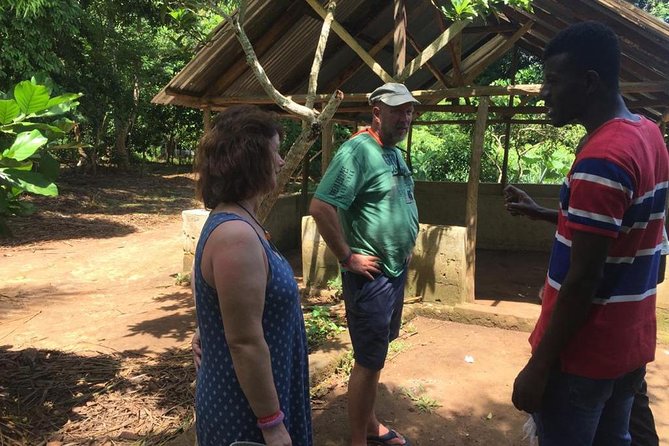
The spice farm is the liveliest part of the day. Instead of simply walking past plants with labels, you are shown how different spices, herbs, and fruits look, smell, and feel. That hands-on approach gives the stop more value than a quick photo visit.
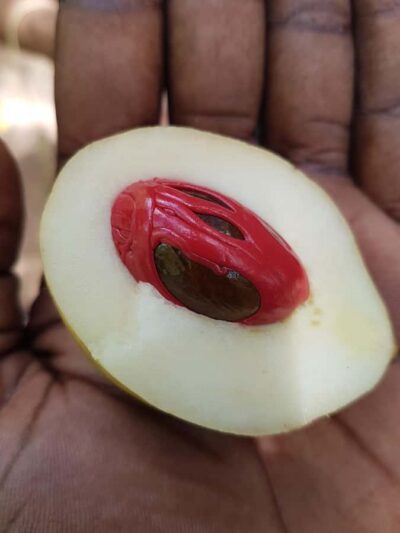
You can expect to encounter cloves, lemongrass, nutmeg, cinnamon, turmeric, vanilla, chili, black pepper, cardamom, cassava, and other crops. Tropical fruit includes coconuts, papaya, jackfruit, bananas, watermelon, pineapple, and mango.
Some of these foods are familiar from markets and restaurant menus, but seeing the plants gives you a clearer sense of where they come from. Cinnamon, turmeric, vanilla, and cloves are not just names in a spice rack here. They are part of the island’s agricultural identity.
The guide’s role is important at this stop. You will learn through touch and smell, so a good explanation adds much more than a self-guided walk. The tour description also says you will hear about the area from your guide, making this a useful stop for first-time visitors who want context without a long formal lecture.
One of the more memorable farm moments is a demonstration of someone climbing a coconut tree while singing the traditional song Jambo Bwana. It is a staged cultural touch within the visit, but it also shows a real skill connected with coconut farming. You then get coconut juice and assorted fresh fruit.
The snacks are included, which is a small but welcome detail. You will not need to plan a separate meal during this short tour, though fruit should not be mistaken for lunch. If you need a substantial meal in the middle of the day, plan to eat before or after the outing.
I would expect the farm to be more about participation than quiet agricultural study. You may smell several spices in quick succession, sample fruit, and watch the coconut demonstration. If you prefer a long, detailed botany lesson, two hours may feel brief. If you want an easy, sensory introduction to Zanzibar’s crops, the timing is about right.
Jozani Forest: look closely for the red colobus monkey
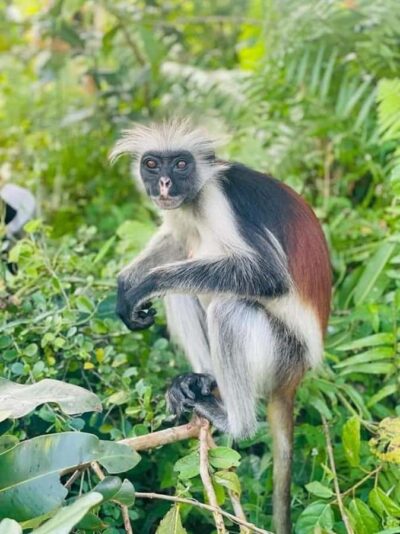
Jozani Chwaka Bay National Park is Zanzibar’s only national park. Its best-known residents are the red colobus monkeys, which are found only in Zanzibar. That makes this more than a general woodland walk. You are looking for an animal tied specifically to the island.
The forest is not a guaranteed wildlife show. You may spot red colobus monkeys, but the experience depends on where they are and how active they are during your visit. The useful approach is to slow down, look into the trees, and listen to the guide rather than expecting animals to appear on cue.
Other species listed for the forest include Sykes monkeys and bush babies. The area also supports more than 50 butterfly species and about 40 bird species. Butterflies and birds are most often seen early in the morning or in the evening, so the 8:30 a.m. start gives you a better chance than a late morning arrival.
The timing is not perfect for every type of wildlife. If birds and butterflies are your main goal, keep your expectations measured, since the tour continues later into the day. The red colobus monkeys are the central reason to visit, with the other species adding interest if conditions cooperate.
A guide can make this stop much better. One booking singled out guide Casey for excellent work at Jozani Forest. That is worth noting because wildlife walks benefit from someone who knows where to look and how to explain what you are seeing. The private setup also lets you spend more time on a sighting if your group wants to watch.
The forest visit includes more than animals. You will also learn about plant species used for medicine, construction, furniture, and other purposes. This gives the walk a practical side. The plants are not presented only as scenery, but as resources connected to daily life.
The mangrove boardwalk adds a coastal lesson
After Jozani Forest, the outing continues to a mangrove boardwalk. This part is useful because it shows a different kind of natural environment from the forest. You will learn how mangroves help reduce coastal erosion and why these plants matter along Zanzibar’s shoreline.
The boardwalk is also a welcome change after the forest walk. Instead of moving through trees in search of monkeys, you get a more direct look at a coastal plant system and its role in protecting the shore. The tour information does not promise wildlife sightings here, so treat it as an educational stop rather than another animal encounter.
I find this kind of addition worthwhile on a short tour. It connects the inland forest with Zanzibar’s coastal setting and explains an environmental issue in plain terms. You come away with a better idea of why mangroves matter, not just a few photographs of roots and water.
The mangrove visit does mean the tour has several walking components. Most people can participate, but you should be prepared for time outdoors at the farm, in the forest, and on the boardwalk. The experience is not described as a strenuous hike, though rain can make outdoor visits less pleasant.
More spice farm mornings:
- Zanzibar: Stone Town, Spice Tour, Prison Island with Lunch
★ 4.4 · 1,219 reviews - Zanzibar: Prison Island, Stone Town, & Spice Farm Tour
★ 4.5 · 579 reviews - Zanzibar: Stone Town, Spice tour & Prison Island with Lunch
★ 4.6 · 453 reviews - Full-Day Private Stone Town +Spice Farm and Prison Island Tour
★ 4.5 · 216 reviews
Private transport makes the day easier
Hotel pickup and drop-off are included, starting around 8:30 a.m. The vehicle is air-conditioned, and transportation is private for your group. That combination is one of the tour’s strongest practical features.
Zanzibar sightseeing can be easier when you do not have to negotiate separate transport between the farm and Jozani. You can leave the driving and route planning to the operator, while your guide handles the visit. For couples, families, or a small group of friends, the private arrangement also gives you more control over the pace.
A private tour does not mean every stop will be private in the sense of having a farm or national park entirely to yourself. It means your transport and booked activity are for your group only. At public sites, other people may still be present.
The private format is particularly useful for cruise passengers. One booking described severe confusion at the port after disembarking, while the tour company still managed the arrangements well. That suggests the operator can handle a difficult pickup situation, though you should provide clear arrival details when arranging a port pickup.
The tour also offers group discounts, but the exact discount is not specified. If you are booking for several people, check the final price rather than assuming a certain saving.
Is $89.99 a fair price?
At $89.99 per person, the price includes private transportation, hotel pickup and drop-off, bottled water, fruit snacks, and the spice farm visit. It does not include the Jozani park fee, which is $12 for nonresidents or $7 for residents, payable in the equivalent amount in Tanzanian shillings.
For a private half-day outing, that price can be reasonable if you value convenience. You are paying not only for admission and transport, but also for a guide, direct hotel service, and a vehicle reserved for your group. The cost becomes more attractive when divided among several people, especially if a group discount applies.
The extra park fee is easy to miss, so include it in your budget. A nonresident should think of the base cost as $101.99 per person before considering any other personal spending. Bottled water and fruit are included, but lunch is not listed.
The price is less compelling if you already have reliable private transport and only want to visit one location. In that case, a separate visit may give you more control. The value here comes from combining two major stops, adding the mangroves, and avoiding the work of arranging transport.
The tour is often booked well ahead, with an average booking lead time of 119 days. That does not mean you must reserve four months in advance, but it does suggest that popular dates can fill early. This matters most during busy travel periods or when you have limited time in Zanzibar.
Weather and timing deserve attention
Both the spice farm and the forest involve outdoor time. Rain can change the character of the day, and one booking noted that a rainy visit was acceptable but would have been better in dry weather.
The morning departure helps in several ways. It gives you an early start for birds and butterflies, leaves time for the forest before the day feels too long, and lets you return to your hotel with part of the afternoon still available. The tour is not designed as an evening wildlife outing, so do not book it mainly for late-day bird or butterfly viewing.
Bring practical outdoor clothing and be ready for wet conditions if rain is possible. The supplied information confirms water and fruit snacks, but it does not specify rain gear or other equipment. I would not assume those items are provided.
The free cancellation policy gives you some protection. You can cancel up to 24 hours before the start time for a full refund. Changes or cancellations within 24 hours are not accepted for a refund, and the cut-off follows local Zanzibar time.
Who should book this Zanzibar experience?
I would recommend this tour to you if you want a well-organized introduction to nature and agriculture without committing to a full-day excursion. It suits first-time visitors, couples, families, and small groups who prefer private transport.
It is also a good match if you enjoy learning through food and scent. The spice farm is not just a stop for photographs. You get to touch plants, smell spices, watch the coconut climbing performance, and taste fresh fruit.
You should book it if seeing Zanzibar’s red colobus monkeys is high on your list, but keep wildlife expectations realistic. The monkeys are the main draw, not a guaranteed performance. A guide such as Casey can improve your chances and help you notice more than you would alone.
I would think twice if you dislike outdoor activities, have no interest in plants or wildlife, or need a guaranteed dry-weather plan. The tour depends on the conditions at the farm, forest, and mangrove boardwalk. It also does not include a full meal, and the park fee is separate.
Should you book the Spice Farm and Jozani Forest Private Tour?
Book this tour if you want two of Zanzibar’s signature experiences in one manageable morning and afternoon outing. The mix of spice tasting, fresh fruit, red colobus monkey spotting, and mangrove education gives the day more range than a single-site visit.
The strongest reasons to choose it are the private air-conditioned transport, included hotel service, and guide-led access to places that are more meaningful with explanation. The extra park fee and weather exposure are minor drawbacks, but they should be part of your decision.
If your time in Zanzibar is limited, this is a sensible choice. If you already have transport, want a slower forest visit, or are focused only on wildlife, you may prefer a more specialized plan. For most visitors seeking a straightforward taste of the island’s farms, forest, and coast, the $89.99 price offers solid convenience.
FAQ
Where does the tour take place?
The tour operates from Zanzibar City and visits Jambo Spice Farm, Jozani Chwaka Bay National Park, and a mangrove boardwalk.
What time does the tour start?
The stated start time is 8:30 a.m.
How long does the tour last?
The experience lasts approximately five to six hours.
Is hotel pickup included?
Yes. Hotel pickup and drop-off are included in the tour.
Is transportation private?
Yes. The tour provides private transportation in an air-conditioned vehicle, and only your group participates.
What food and drinks are included?
You receive bottled water and fruit snacks, including items such as watermelon, pineapple, bananas, and mangoes. The spice farm visit also includes coconut juice and fresh fruit.
How much is the Jozani park fee?
The fee is $12, or the equivalent in Tanzanian shillings, for nonresidents. The stated resident fee is $7.
Can I cancel for a full refund?
Yes. You can cancel at least 24 hours before the experience start time for a full refund. Cancellations or changes made within 24 hours are not refunded or accepted.
More farm visits in Zanzibar
- Zanzibar: Stone Town & Spice Farm Tour with Lunch
★ 4.5 · 97 reviews - Zanzibar:Stone Town & Spice Farm Private Tour Lunch Included
★ 4.2 · 94 reviews - Zanzibar: Spice Farm & Stone Town Tour with Lunch
★ 4.5 · 80 reviews - Zanzibar: Spice Farm Tour with Traditional Cooking Lesson
★ 4.8 · 77 reviews
Newly listed around Zanzibar
- Zanzibar: Nungwi/Kendwa Beach Sunset Dhow Cruise with Fruits★ 3.4 · 3 reviews
- Prison Island, Sea Turtles, Rock Restaurant & Relax in Beach★ 4.6 · 3 reviews
- Starfish Beach; The Rock; Kuza Cave; Paje Beach; Salaam Cave Tour★ 4.5 · 3 reviews
- Zanzibar: Half-Day Spice Farm Tour,the flavours of Zanzibar★ 4.7 · 3 reviews
- Joazani forest & Spice farm with lunch★ 5.0 · 3 reviews
- Nakupenda Island Snorkeling Sea trip & Lunch W/Transfer -Zanzibar★ 4.0 · 3 reviews
- Mnemba Island Snorkeling and Dolphin tour★ 5.0 · 3 reviews
- Zanzibar:Jozani forest, Spice farm with Swahili Cuisine clas★ 4.2 · 3 reviews
Jozani Forest Tours, compared.

Browse the lists this tour appears in