
Reviewed · STONE TOWN TOURS
Prison Island and Stone Town Private Tour
Prison Island gives this Zanzibar outing its unusual hook: you can walk among Aldabra giant tortoises that may live for more than 200 years, then return to Stone Town for the sobering site of the former slave market. The contrast between wildlife, colonial ruins, and painful human history makes this more than a routine city tour.
I like the private format, which lets you ask questions and shape the Stone Town walk around your interests. I also like the convenience of hotel pickup, air-conditioned transport, and a boat trip to Changuu Private Island in one half-day. The main consideration is that entrance fees are extra, and the visit may feel rushed if you want to spend long periods in museums, markets, and historic buildings.
Key points to know before booking
- Two major Zanzibar sights in five to six hours: Combine Stone Town and Prison Island without arranging separate transport.
- The giant tortoises are the star of Changuu: The oldest tortoise there is said to be 197 years old, while the species can live beyond 200.
- A private guide gives you some control: You can ask for more history, more walking, or more time at particular sights.
- Stone Town carries difficult history: The former slave market and Anglican Cathedral are important, serious stops, not just photo opportunities.
- Budget for extra admission fees: Prison Island costs $12, or 30,000 TZS, and the former slave market site costs $5.
- Bring water, sunscreen, and a towel: Bottled water is supplied, but a full day around streets, boats, and open areas can still feel hot.
Why this pairing works so well

Zanzibar City is easiest to understand when you see its two sides together. Stone Town shows the island as a trading port shaped by African, Arab, Indian, and European influences. Prison Island adds a short sea journey and a look at the quarantine buildings once used to protect Zanzibar from epidemics.
I like this combination because it avoids spending the whole day on only one type of attraction. You get architecture and markets in the morning or afternoon, then open space and animals on an island. The tour also works well for a first visit, since you do not have to solve the transport between your hotel, the harbor, Stone Town, and the island.
The advertised duration is about five to six hours, with roughly two hours planned at each main stop. That gives you enough time to see the key places, but not enough for a slow museum day or an unhurried market shopping expedition. Think of it as a strong introduction rather than a complete study of Zanzibar City.
More Stone Town walks:
- Zanzibar: Stone Town, Spice Tour, Prison Island with Lunch
★ 4.4 · 1,219 reviews - Zanzibar: Prison Island, Stone Town, & Spice Farm Tour
★ 4.5 · 579 reviews - Zanzibar; Prison Island, Nakupenda, StoneTown Tour with BBQ
★ 4.3 · 457 reviews
Starting with Prison Island and its old quarantine ruins
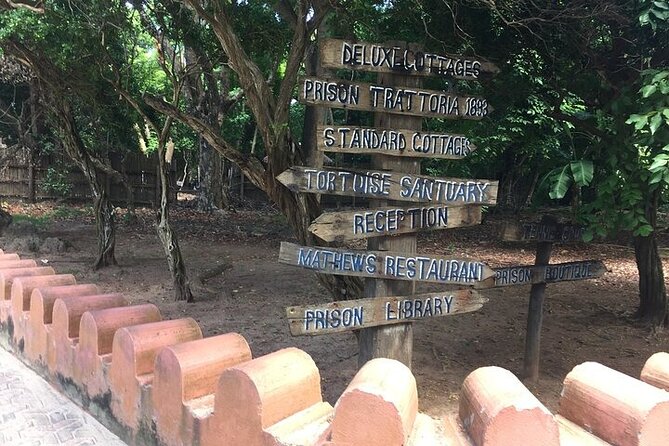
The first stop is Changuu Private Island, better known as Prison Island. You reach it by boat, and the short cruise gives the outing a welcome change of pace from the narrow streets of Stone Town.
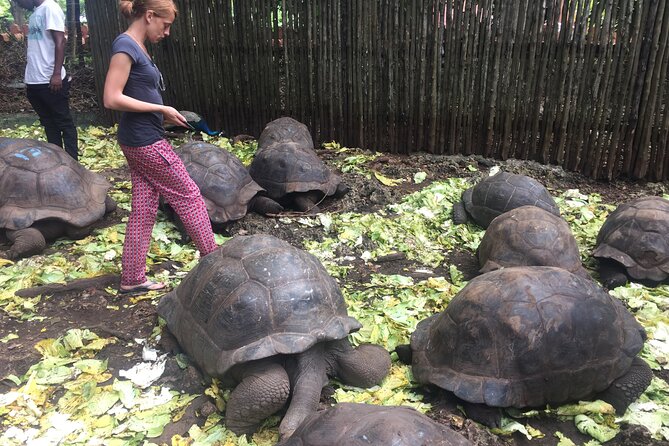
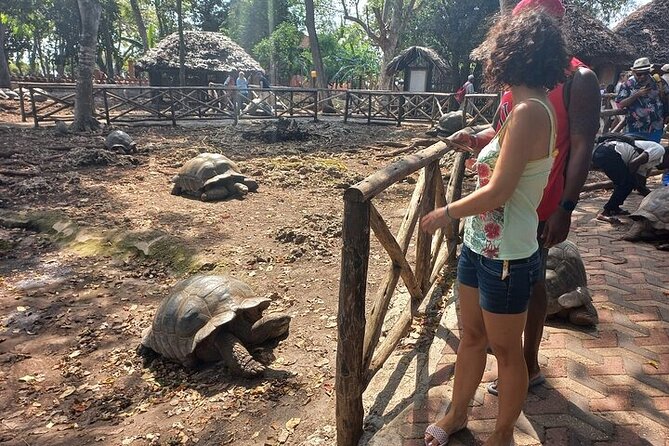
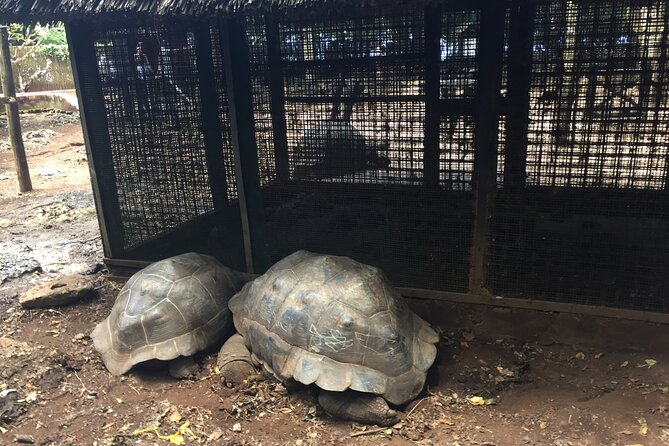
The island’s best-known residents are Aldabra giant tortoises. These enormous animals move slowly and calmly, and their age is part of the appeal. The species can live for more than 200 years, and the oldest tortoise on Prison Island is listed as 197 years old. That detail changes how you look at the animals. You are not simply seeing large tortoises in a pen. You are looking at creatures that may have been alive before several generations of your own family.
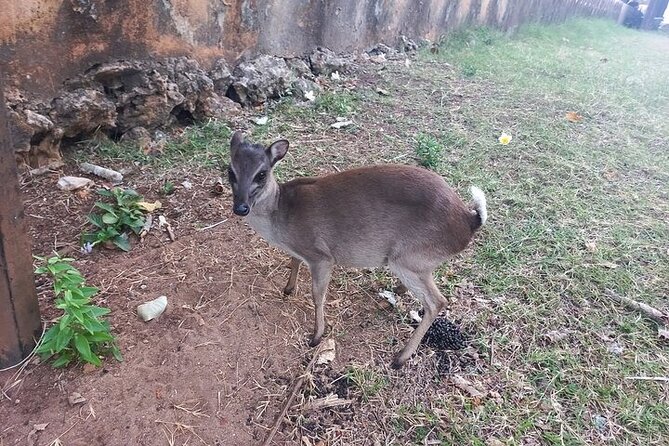
You can also see peacocks, dik-dik, and the island’s prison ruins. The dik-dik is a particularly small antelope, so keep your eyes open rather than expecting a large safari animal. The mix of species is compact and unusual, but the tortoises remain the clear reason to visit.
The prison building has a more complicated story than its name suggests. Construction began in 1893, when Zanzibar was an important East African port. Officials wanted a quarantine station ready for ships and passengers during outbreaks such as cholera and bubonic plague. The site was intended to control disease in the archipelago, even though it later became associated with the name Prison Island.
That context is worth hearing from a guide because the ruins can otherwise look like a simple colonial relic. You will see stone buildings and remnants of the former facility, while your guide explains how trade, shipping, disease, and colonial administration shaped the island.
There is one uncomfortable point to consider. Conditions for some of the younger tortoises have been criticized, with reports of young animals spending many years in a small cage. I would not treat the tortoise visit as a perfect wildlife experience. Enjoy the chance to see these remarkable animals, but pay attention to how they are kept and keep your expectations realistic.
The Prison Island admission fee is not included. Allow $12, or 30,000 Tanzanian shillings, per person. Towel and sunscreen are also not supplied, so you should bring your own if you plan to spend time near the water or in strong sun.
Walking Stone Town’s layered past
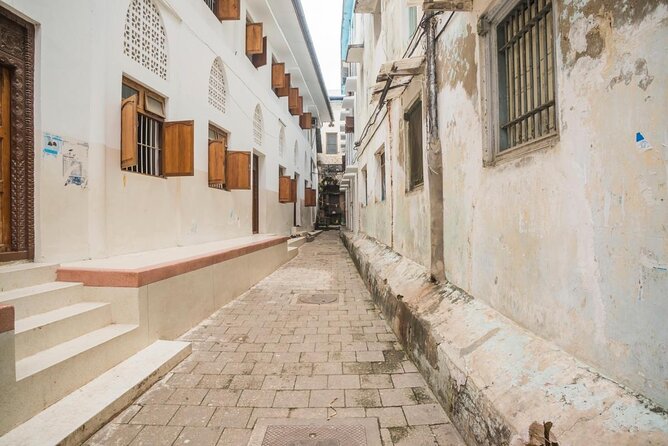
Stone Town is the more important stop for understanding Zanzibar. It is one of Africa’s oldest cities and was once a major East African trading center. Its appeal comes from the street plan and architecture as much as from individual landmarks.
You may visit or pass sites including the Anglican Cathedral, the House of Wonders, the Palace Museum, the Old Fort, Hamamni Baths, the Catholic Cathedral, Freddy Mercury’s house, and Darajani Market. The precise balance between walking, viewing, and entering depends on your guide and the time available.
The former slave market, now connected with the Anglican Cathedral, is the stop that demands the most attention. Zanzibar’s role in the slave trade is a painful part of its past, and the underground chambers and cathedral site help make that history concrete. I would give this section the time it deserves, even if it means taking fewer photographs elsewhere.
The $5 admission fee for the former slave market and Anglican Cathedral is separate. That is a small cost, but it matters when you are comparing the tour price with the final amount you will spend.
The House of Wonders is another major landmark. It is described as the National Museum in Zanzibar, and its position near the waterfront makes it an easy reference point during a city walk. The Palace Museum and Old Fort add more context about the island’s rulers, defenses, and links to overseas trade.
Hamamni Baths offer a different look at daily life and public architecture. The Catholic Cathedral shows yet another religious and cultural layer. Stone Town works best when you notice how these places sit close together, rather than treating each sight as an isolated stop.
Darajani Market brings you closer to ordinary city commerce. You may see food, household goods, and local trading activity, but do not expect a long shopping session within a two-hour guided visit. One practical weakness is that the standard route may not include the spice market or fish market. If those matter to you, ask your guide at the start whether they can be added or substituted.
That is where the private format helps. You can tell the guide that you care more about markets than museums, or more about religious buildings than souvenir shops. You may not be able to add everything, but you have a better chance of shaping the walk than you would on a large group outing.
What a private guide changes
A private tour is most useful in Stone Town, where streets, landmarks, and history can blur together without context. Your guide can explain what you are seeing, answer questions, and adjust the pace. If a particular building interests you, you can ask for more background instead of simply moving on with a crowd.
The guide also helps you handle the difficult history respectfully. The former slave market is not a light sightseeing stop, and a good explanation gives the place the weight it deserves without turning the visit into a lecture.
The experience can vary with the individual guide. Saidi is one guide associated with the tour and speaks English and German. His language skills may be especially useful for couples or families who want detailed explanations in either language. In general, be direct about what you want to see. One useful phrase is pole pole, meaning slowly, if you want a more measured pace.
The private setup also suits families, couples, and small groups with different interests. One person can ask about architecture while another asks about markets or island wildlife. Since only your group participates, you do not need to match the pace of strangers.
More Prison Island trips:
- Zanzibar: Prison Island and Nakupenda Boat Trip with Lunch
★ 4.1 · 882 reviews - Zanzibar: Prison Island & Nakupenda Boat Tour with BBQ Lunch
★ 4.4 · 554 reviews - Zanzibar: Stone Town, Spice tour & Prison Island with Lunch
★ 4.6 · 453 reviews - Zanzibar: Prison Island & Nakupenda Sandbank Tour with Lunch
★ 4.2 · 265 reviews
Transport, timing, and what the $81.99 covers
The price is $81.99 per person. That is not the lowest-cost way to see Stone Town and Prison Island, but the value depends on how much you would otherwise pay for separate transport, a boat trip, and guiding.
The package includes hotel pickup and drop-off in Zanzibar, private transportation, an air-conditioned vehicle, and bottled water. Those inclusions matter in Zanzibar’s heat. You avoid arranging a taxi to the meeting point and do not have to work out how to combine the city walk with the island transfer.
The tour offers multiple morning and afternoon departure times. A morning departure may leave more of your day open afterward, while an afternoon start can suit you if you prefer a slower hotel morning. The best choice depends on your plans, since the visit lasts five to six hours.
You should add the $12 Prison Island charge and the $5 former slave market admission to the advertised price. That brings the known added admissions to $17 per person, before any other optional costs. Group discounts may be available, so the value improves for a family or party traveling together.
Bottled water is included, but I would still carry extra water. One useful practical warning from the experience is to take water with you, especially if you are sensitive to heat. Bring sunscreen and a towel as well. Neither is included.
The tour is confirmed at booking, and most people can take part. It is a private activity, so the day is reserved for your group rather than mixed with other participants.
The strengths and limits of the island visit
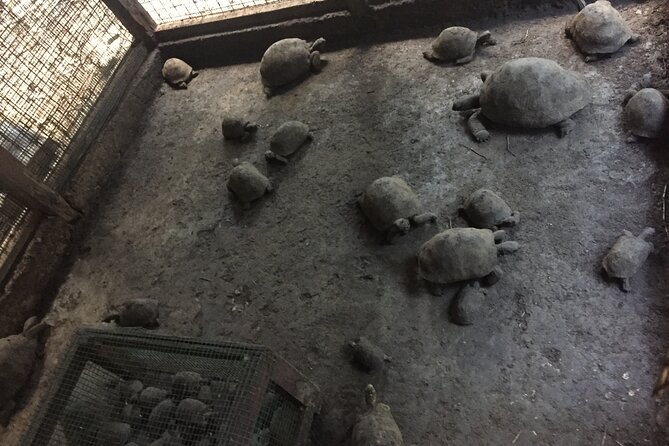
The strongest part of Prison Island is its character. You leave the city by boat, walk through a historic island site, and see animals that are unlike anything in Stone Town. For many people, the giant tortoises will be the most memorable sight of the day.
The limitation is that this is not a broad nature excursion. The island visit is focused on tortoises, peacocks, dik-dik, and the ruins. You should not book it expecting a large wildlife reserve or an extensive ecological tour.
The tortoise enclosure also deserves a thoughtful look. Seeing a 197-year-old animal is remarkable, but the treatment of younger tortoises may trouble you. I would recommend keeping the visit respectful and using the guide’s explanation to understand the island rather than treating the animals as props for photographs.
The ruins add real value because they prevent the stop from becoming only an animal encounter. The quarantine history links the island to Zanzibar’s role as a busy port, and it explains why this small island mattered beyond tourism.
The strengths and limits of the Stone Town walk
Stone Town is the stronger stop for history and culture. In a short time, you can see religious buildings, former royal sites, a fort, market streets, and the location of the former slave market. The variety is impressive.
The main weakness is time. Two hours can pass quickly, especially if you want to enter several buildings, shop at Darajani Market, and stop at the spice and fish markets. You will need to choose priorities.
I would tell the guide early that the former slave market is important to you. I would also ask specifically about Darajani Market and whether a spice or fish market visit can fit. Do not assume every named sight means a long interior visit. Some may be viewed from outside or covered briefly as part of the walking route.
The private arrangement gives you the best chance of making those choices. If your ideal Stone Town visit means architecture and museums, say so. If it means food, markets, and local trade, say that instead.
Who should book this half-day tour?
I would recommend this tour if you have limited time in Zanzibar and want a guided introduction to both city and island. It is especially suitable if you value hotel pickup, air-conditioned transport, and a private guide more than finding the absolute lowest price.
It also fits families and small groups. The private format allows you to adjust the pace and ask questions without holding up a large party. History-focused visitors will appreciate the former slave market and quarantine background, while animal lovers will likely remember the giant tortoises most.
I would be more cautious if you want a slow, detailed Stone Town study. You may need a separate visit for the museums and markets. I would also think twice if animal welfare is a central concern, since the younger tortoise enclosures may be uncomfortable to see.
Free cancellation is available if you cancel at least 24 hours before the local start time. A cancellation within 24 hours is not refunded, and late changes are not accepted.
Should you book Prison Island and Stone Town?
Book it if you want two very different Zanzibar experiences in one private half-day. The combination is efficient, the transport is handled, and the guide can add meaning to places that would otherwise be easy to skim past.
Go in with clear priorities. Pay the extra entrance fees, carry water and sun protection, and ask in advance for the markets or buildings that matter most to you. If you accept that the schedule is an introduction rather than a leisurely deep exploration, the $81.99 price can be fair value for a private city-and-island outing.
FAQ
How long does the Prison Island and Stone Town tour last?
The tour lasts approximately five to six hours. About two hours are planned for Prison Island and about two hours for Stone Town, with travel time included in the overall experience.
Is hotel pickup and drop-off included?
Yes. Hotel pickup and drop-off in Zanzibar are included, along with private transportation in an air-conditioned vehicle.
Is this a private tour?
Yes. Only your group participates in the activity, which allows for a more personal pace and the chance to ask your guide for changes to the Stone Town route.
Are the entrance fees included in the price?
No. Prison Island admission costs $12, or 30,000 TZS, and the former slave market and Anglican Cathedral admission costs $5. These fees are paid separately.
What can you see on Prison Island?
You can see Aldabra giant tortoises, peacocks, dik-dik, and the island’s prison or quarantine-station ruins. The oldest tortoise on the island is listed as 197 years old.
Can I cancel for a full refund?
Yes, if you cancel at least 24 hours before the experience start time. Cancellations made less than 24 hours before the start time are not refunded, and changes within that period are not accepted.
Newly listed around Zanzibar
- Zanzibar: Nungwi/Kendwa Beach Sunset Dhow Cruise with Fruits★ 3.4 · 3 reviews
- Prison Island, Sea Turtles, Rock Restaurant & Relax in Beach★ 4.6 · 3 reviews
- Starfish Beach; The Rock; Kuza Cave; Paje Beach; Salaam Cave Tour★ 4.5 · 3 reviews
- Zanzibar: Half-Day Spice Farm Tour,the flavours of Zanzibar★ 4.7 · 3 reviews
- Joazani forest & Spice farm with lunch★ 5.0 · 3 reviews
- Nakupenda Island Snorkeling Sea trip & Lunch W/Transfer -Zanzibar★ 4.0 · 3 reviews
- Mnemba Island Snorkeling and Dolphin tour★ 5.0 · 3 reviews
- Zanzibar:Jozani forest, Spice farm with Swahili Cuisine clas★ 4.2 · 3 reviews
Stone Town Tours, compared.






Full-Day Private Stone Town +Spice Farm and Prison Island Tour
Read our review →
Browse the lists this tour appears in