
Reviewed · SERENGETI & NGORONGORO SAFARIS
4 Day Mid-range Serengeti Safari
The best part of this four-day safari is the sharp change of scenery: baobab country in Tarangire, the wide Serengeti plains, and the enclosed wildlife world of Ngorongoro Crater. You get three of northern Tanzania’s headline sights without committing to a week on the road.
I like the variety of wildlife habitats and the practical mid-range setup, with a pop-up-roof 4×4, meals, water, park fees, and lodging bundled into the $1,800 price. I also like the planning support associated with team members such as Linah, Lucas, and Safina, plus guides including Godlisten, David, Praise, and Ombeni. The main consideration is pace: four days means long drives and little spare time, especially on the Serengeti transfer.
Key points to know before booking
- Three major parks in four days: Tarangire, Serengeti, and Ngorongoro Crater give you impressive variety in a short trip.
- Tarangire is the elephant day: Expect baobab trees, picnic lunch, and one of Tanzania’s best areas for large elephant groups.
- Seronera is the Serengeti focus: The central area’s river attracts a wide mix of animals and gives you a strong chance of varied sightings.
- Olduvai Gorge adds human history: The stop connects the safari with major discoveries in the story of human evolution.
- Mid-range means comfort without luxury pricing: Lodges and tented camps replace basic camping, while the vehicle and meals remain practical.
- The pace is active: You will cover long distances, rise early, and spend much of the day in the vehicle.
Three famous wildlife areas, one busy four-day route
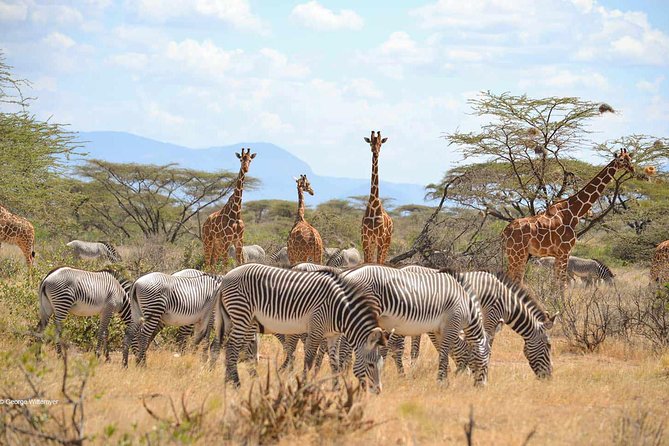
This is a compact northern Tanzania safari built around contrast. Tarangire brings elephants and giant baobabs. Serengeti supplies the grand open plains and the possibility of almost any major East African animal. Ngorongoro Crater offers a concentrated wildlife setting where many species live around permanent water and grassland.
That mix gives you more than a single park can. You are not simply repeating the same game drive for four days. At the same time, the route is ambitious. The Serengeti is far from the Moshi and Arusha area, and the journey between parks takes time. If you want long, unhurried mornings in one location, choose a longer safari. If you want a first look at northern Tanzania’s major parks, this route makes good use of four days.
The $1,800 per-person price includes transport in a 4×4 vehicle with a pop-up roof, an English-speaking guide, meals, mineral water, overnight stays, and national park fees. Those inclusions matter. Park fees alone can add a large amount to a Tanzania trip, and having food, water, and transport arranged keeps the daily routine simple.
The package does not include alcoholic drinks, soft drinks, visa fees, tips, souvenirs, or accommodation in Arusha. Arusha lodging can be arranged on request, but you should settle that before arrival if you need a night before or after the safari.
More Safaris in Moshi
- Safari Serengeti And Ngorongoro
★ 5.0 · 288 reviews - Big Five Safari In Tanzania
★ 5.0 · 99 reviews - Unforgettable Tanzania Safari And Zanzibar Beach
★ 5.0 · 97 reviews
Day 1: Tarangire’s elephants and baobab trees
The first day begins after breakfast, with a stop in Arusha for last-minute purchases. This is useful rather than glamorous. It gives you a final chance to buy personal items before entering the parks, though the schedule does not specify exactly what shopping time is available. Bring anything important with you, especially personal toiletries and any preferred drinks that are not included.
Tarangire National Park is the first proper wildlife stop. Its signature combination is easy to remember: large elephant populations beneath enormous baobab trees. The park forms part of an annual movement involving elephants, wildebeest, and zebras, so the scenery and animal numbers can change with the season.
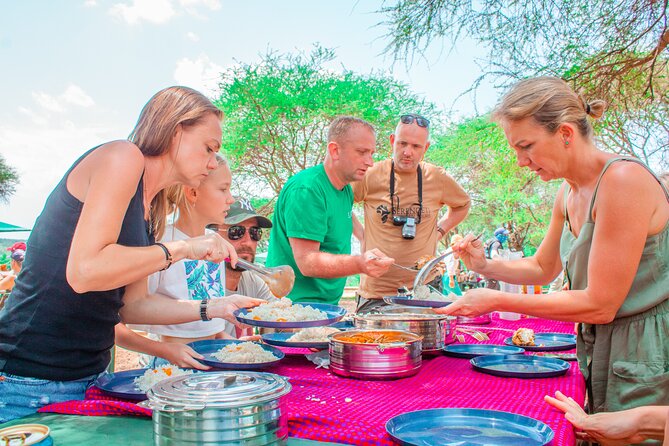
A picnic lunch is served in the park, followed by a game drive. Eating outdoors in a national park keeps the day moving and gives you more time in the field, but it is not the same as a leisurely lodge lunch. Expect a full safari day with dust, heat, and plenty of time seated in the vehicle.
Tarangire is a strong opening act because it offers an immediate sense of scale. The baobabs make the photographs distinctive, while elephants provide the most likely headline sight. You might also find other wildlife during the drive, but the exact sightings depend on season, water, and the guide’s tracking decisions.
Dinner and overnight accommodation are listed at Farm Dream Lodge. This begins the mid-range rhythm of the trip: a proper bed and evening meal after a long day, rather than a return to a basic campsite.
Day 2: The long road into central Serengeti
After breakfast, you travel through the high farmland around Karatu and across the Ngorongoro Conservation Area before reaching Serengeti National Park. This is one of the route’s longest and most scenic transfers. The road moves from cultivated highlands into a much more open world, and the change itself is part of the experience.
The destination is the Seronera area in central Serengeti. The Seronera River supplies water and draws animals, making this one of the park’s most productive zones. It is a sensible base for a short safari because the area supports many of the Serengeti’s major species rather than focusing on just one type of habitat.
You arrive in time for lunch, then take an afternoon game drive. The timing gives you a chance to begin exploring the central plains on the same day, but it also means the road journey and wildlife viewing are combined. You should not expect hours of uninterrupted game driving from the park gate to camp.
Serengeti scenery is at its most dramatic here. The plains stretch toward the horizon, and the absence of buildings gives the park its famous sense of space. That openness can make animals harder to spot, so the guide’s skill with tracks, radio information, and animal behavior matters greatly.
The operator has used guides named Godlisten, David, Praise, Ombeni, and Abbu on different trips. Their reported strengths include animal knowledge, calm driving, and the ability to explain sightings. You cannot assume a particular guide will be assigned to your booking, so ask when confirming your dates if a named guide matters to you.
Dinner and overnight accommodation are listed at Domel Wilderness Tented Camp. A tented camp can offer a closer-to-nature feel than a lodge, while still providing a bed and organized meals. Confirm the exact room and camp details before paying, since accommodation is described broadly as safari lodges or tented camps.
Day 3: A final Serengeti drive and Olduvai Gorge
Day three begins with an early morning game drive in the Serengeti before the route turns back toward the Ngorongoro Conservation Area. An early start is worth accepting here. Animals are often active in the cooler part of the day, and the morning light is better for viewing and photography.
The itinerary then includes Olduvai Gorge, a major archaeological site connected with the work of Louis and Mary Leakey. Their discoveries of early human remains, including Nutcracker Man and Handy Man, made this area important in the study of human evolution.
Olduvai changes the tone of the safari. After watching predators and grazing herds, you get a reminder that northern Tanzania is also important for understanding our own species. The stop is especially worthwhile if you want more than wildlife photographs. It may feel less exciting to children focused on lions and elephants, but it gives the route intellectual weight.
The day ends with a late-afternoon transfer to Ngorongoro Wildlife Lodge for dinner and overnight accommodation. The schedule is full, and the combination of early wildlife viewing, a long transfer, and a cultural or archaeological stop can leave you tired. Still, it avoids wasting a day on a simple move from one lodge to another.
One detail deserves clarification before departure: the itinerary places the crater descent on day four, while day three includes the transfer into the Ngorongoro area. That is clear enough in practice, but ask the operator to confirm the exact game-drive and lodging sequence, particularly if you have a flight or onward connection after the tour.
More Serengeti and Ngorongoro itineraries:
- Serengeti, Ngorongoro and Tarangire 4 Days Safari
★ 5.0 · 59 reviews - 5 Days Camping Tarangire, Serengeti & Ngorongoro crater & Visiting Maasai
★ 5.0 · 58 reviews - 4 Days Group Joining Camping Safari to Tarangire Serengeti Ngorongoro Crater
★ 5.0 · 50 reviews - 3-Day Ngorongoro Crater Manyara and Tarangire Safari from Arusha
★ 5.0 · 49 reviews
Day 4: Inside Ngorongoro Crater
After an early breakfast, you descend more than 600 meters into Ngorongoro Crater. The crater is a natural enclosure with water and grazing areas that support large numbers of animals throughout the year. That concentration is what makes it such an efficient final day for a short safari.
You might see wildebeest, zebra, buffalo, eland, warthog, hippopotamus, and African elephants. The crater is also known for predators, including lions, hyenas, jackals, cheetahs, and the elusive leopard. A sighting of the big five is possible, and several trips connected with this operator have reported seeing all five, but no safari can promise every animal.
The crater floor is easier for spotting wildlife than the vast Serengeti plains because the setting is enclosed and the animals are often gathered around water or open grass. That does not make sightings automatic. Leopards remain difficult to find, and animal behavior can change quickly.
The route includes Lake Magadi, a large shallow alkaline lake in the southwestern part of the crater. The lake is one of the area’s main features and may attract wildlife, particularly when conditions bring animals toward its water and shoreline. Expect a scenic stop as well as another chance to watch animal activity.
A crater game drive is a strong finale because it delivers a concentrated wildlife day after the wider, more open Serengeti. The tradeoff is that the crater can feel busier than the remote parts of the Serengeti, especially at well-known animal sightings. Your guide’s judgment matters here: a good guide should balance famous sightings with the wider setting rather than treating the day as a race from one vehicle crowd to another.
What the mid-range price really buys you
At $1,800 per person, this is not a budget camping trip, but it is not a luxury safari with high-end private lodges either. The value comes from having the costly basics handled in one package: park entry fees, a safari vehicle, an English-speaking guide, accommodation, and all listed meals.
The meal plan covers breakfast, lunch, and dinner across the four days, with four lunches and four breakfasts listed, plus three dinners. Mineral water is included. Alcoholic drinks and soft drinks are not, so budget for those separately or ask what is available at each lodge.
The 4×4 pop-up-roof vehicle is central to the experience. You will spend long stretches inside it, and the raised roof gives you a better standing or seated view during game drives. The supplied details do not specify whether the vehicle is private or shared, nor the exact number of seats. The maximum group size is listed as 50, which is a very large possible group for a safari. Ask directly about your expected vehicle group size before booking.
The strongest practical advantage is flexibility in organization. Communication has been handled by staff members such as Linah, Lucas, and Safina, with quick answers and help adjusting plans. That is useful when you are coordinating airport pickup, Arusha arrangements, dietary needs, or a connection after the crater.
Who will enjoy this safari most
I would recommend this route to a first-time visitor who wants the classic northern Tanzania trio in a manageable package. Families may like the clear focus on lions, elephants, and other major animals, while the included meals and lodges remove much of the daily planning.
It also suits people comparing mid-range safaris and wanting more comfort than tent camping without paying for luxury properties. The positive points repeatedly associated with the service are tasty meals, comfortable accommodation, a good vehicle, professional guides, and clear communication before departure.
You should think twice if you dislike long road transfers or want a slow photographic safari. The route covers a lot of ground in only four days, and the Serengeti portion is limited to an afternoon drive on day two and an early morning drive on day three. A longer itinerary would give you more time in the central Serengeti and more room for weather or animal movements.
The trip is described as suitable for most people, and it is near public transportation. Still, the actual safari involves early breakfasts, extended vehicle time, uneven roads, and a crater descent. If comfort or mobility is a concern, ask the operator for current vehicle and lodging details before reserving.
Booking details worth checking
Pickup is offered, and the listed starting point is Kilimanjaro Airport in Tanzania. The start time is shown as 12:00 a.m., so confirm the intended pickup time and date directly. That detail may reflect a midnight start, a system setting, or a flexible arrival arrangement.
Confirmation is provided at booking. The experience accepts mobile tickets, and cancellation is free if you cancel at least 24 hours before the local start time. Inside that 24-hour window, the payment is not refunded, and late changes are not accepted.
The stated rating is 5 from 22 ratings, with 100 percent recommending the experience. The most consistent strengths are not fancy extras. They are prompt planning help, guides who explain animals well, good food, comfortable stays, and a safari vehicle suited to game viewing.
Should you book the four-day Serengeti safari?
Book it if you want Tarangire, Serengeti, and Ngorongoro Crater in one organized trip, and you value having park fees, meals, water, transport, and lodging bundled together. It offers a strong first safari at a mid-range level, with enough variety to keep each day different.
Before you commit, confirm the pickup hour, group size, exact lodges, and guide assignment. If you can add a day, the Serengeti would benefit most from the extra time. If four days is your limit, this is a well-rounded route, provided you are comfortable with early mornings and long drives.
FAQ
Where does the safari start?
The listed meeting point is Kilimanjaro Airport in Tanzania, with pickup offered. The stated start time is 12:00 a.m., so confirm the exact pickup arrangement before the trip.
What parks and sites are included?
The route includes Tarangire National Park, Serengeti National Park, Ngorongoro Crater, the Ngorongoro Conservation Area, and a stop at Olduvai Gorge.
What accommodation is provided?
Overnight stays are provided in safari lodges or tented camps. The itinerary names Farm Dream Lodge, Domel Wilderness Tented Camp, and Ngorongoro Wildlife Lodge.
Are meals included?
Yes. Breakfast, lunch, and dinner are included according to the travel plan. Mineral water is also included, while alcoholic and soft drinks are not.
Is transport included?
Yes. Transportation is provided in a 4×4 safari vehicle with a pop-up roof, along with a professional English-speaking guide.
What is the cancellation policy?
You can cancel at least 24 hours before the experience start time for a full refund. Cancellations or changes made within 24 hours are not accepted and are not refunded.
More four day trips in Moshi & Kilimanjaro
- 4-day Tanzania Safari
★ 5.0 · 53 reviews - 4 days adventure camping safari
★ 5.0 · 44 reviews - 4 Day Private Tour Throughout Tarangire, Serengeti and Ngorongoro
★ 5.0 · 42 reviews - 4-Day Private Guided Tanzania Safari Tarangire, Serengeti, Manyara
★ 5.0 · 28 reviews
More Safaris in Moshi & Kilimanjaro
- 8-Day Essence of Tanzania Safari – Luxury
★ 5.0 · 72 reviews - Great Migration Safari In Tanzania
★ 5.0 · 71 reviews - 6 Days 5 Night Safari
★ 5.0 · 57 reviews - 7-Day Magical Tanzania Safari -Premium High End Package
★ 5.0 · 53 reviews
Newly listed around Moshi & Kilimanjaro
- Climb Mount Kilimanjaro: 7 Days Machame Route★ 5.0 · 3 reviews
- 6 Days Mount Kilimanjaro Climbing via Rongai Route★ 5.0 · 3 reviews
- Explore 1 day Ngorongoro Crater Budget Group Safari from Arusha★ 5.0 · 3 reviews
- Mt. Kilimanjaro Day Hiking★ 5.0 · 3 reviews
- Chemka (Kikuletwa) Hot Springs, Tanzania★ 5.0 · 3 reviews
- Guided City tour of Moshi★ 4.3 · 3 reviews
- 8 Day Tanzania Family Safari★ 5.0 · 3 reviews
- Serengeti Safari with Sirikwa Travel★ 5.0 · 3 reviews
Serengeti & Ngorongoro Safaris, compared.
Balloon Safari & Bush Breakfast in Serengeti – Miracle Experience
Read our review →

Private 6-Day Tarangire Manyara Crater and Serengeti with Mid-Range Lodges
Read our review →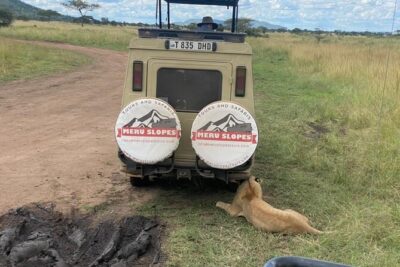
5 Days Camping Tarangire, Serengeti & Ngorongoro crater & Visiting Maasai
Read our review →Browse the lists this tour appears in