
Reviewed · ARUSHA TOURS
Coffee walk with stay in the village
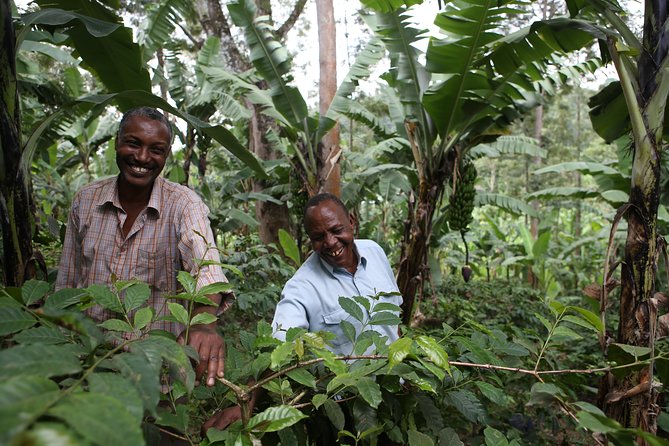
The best part of this three-day experience is that coffee is not treated as a quick photo stop. You sleep on the farm, walk through Nkoaranga Village, and follow the beans from plant to roaster. I like the fair-trade focus, with farmers paid three times the normal price, and I like the chance to meet the village through its church, schools, hospital, and orphanage.
The meals are another strong point, especially the home-style breakfast, dinner, and Tanzanian lunch served in the garden. The main drawback is the walking: you spend much of Day 2 on foot, including a 30 to 40 minute walk down to the roaster. If you want a polished, short coffee tasting with little effort, this is not the right fit.
Key points to know before booking
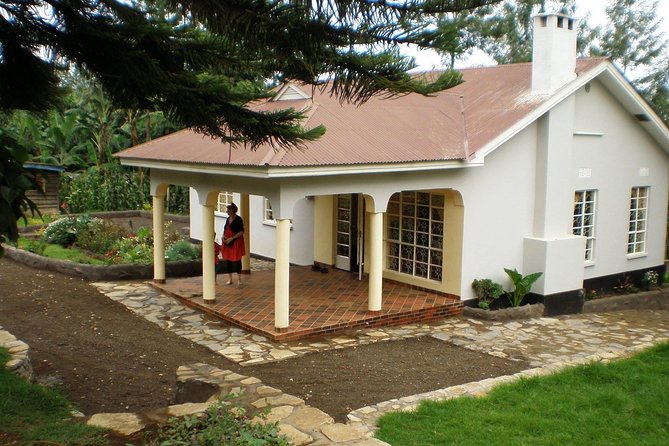
- You sleep on a working coffee farm: Two nights at the guesthouse make this a village stay, not just a daytime farm visit.
- The coffee walk follows the full process: You see coffee growing, compare traditional and organic methods, and finish at the roaster.
- Guide Samwel may lead the walk: He grew up in the area and brings local knowledge about plants, customs, and village life.
- The village itself is part of the tour: The route passes the hospital, primary and secondary schools, orphanage, and an old church on the mountain.
- Meals are part of the value: Breakfast and dinner are homemade, while lunch includes chapati, roasted banana, rice, ugali, goat sauce, spinach, salad, and fruit.
- It is private and flexible: Only your own group takes part, with pickup from Arusha town and airport pickup available.
Why this coffee stay feels different from a quick farm visit
Many coffee activities near Arusha fit into a few hours. This one gives the subject room to breathe. You arrive in the late afternoon, sleep beside the coffee-growing community, spend the next day walking through it, and leave after a slow breakfast.
That extra time matters. Coffee is not just a product here. It connects the farm, the village, family income, school costs, farming choices, and the work done after harvest. You get a better sense of that chain when you are not rushed from a vehicle to a demonstration and back again.
The farm uses organic methods and is part of a Fairtrade approach. The stated aim is to pay farmers three times the normal price. That gives the price of the tour a practical purpose beyond sightseeing. Your money supports a small operation that links lodging, guiding, meals, and coffee production.
I also like the scale of the experience. This is a private activity, so only your group participates. That gives you more room to ask questions and set the pace than you would have on a large coach outing. It also makes the stay a better choice for families, couples, or friends who want a shared rural experience.
Still, keep your expectations in check. You are not booking a luxury lodge or a formal coffee school. The appeal is the farm setting, local contact, and clear look at how coffee is produced. The guesthouse and food receive strong praise, but the experience is best approached as a simple village stay with a purpose.
More Walking Tours in Arusha
- Arusha Guided Walking City Tour, Culture, Lifestyle & History
★ 5.0 · 150 reviews - 7-Day Private Tanzania Safari with Sunset Walking on the Crater Rim and Maasai
★ 5.0 · 40 reviews - 4 Days lodge safari Tarangire , Ngorongoro crater & Walking
★ 5.0 · 39 reviews
Day 1: Leave Arusha at 5 p.m. for the coffee village
Pickup from Arusha town is scheduled for 5 p.m. You provide the pickup location when booking, and airport pickup is also possible. The drive to the village takes about 30 to 40 minutes, so this first evening is short and easy.
That timing works well if you are already in Arusha and want to begin your rural stay without giving up a full sightseeing day. You arrive, check into your room, and have time for a short walk around the village before dinner.
The evening walk is not presented as a formal guided activity, and that is part of its charm. You can get your bearings, notice the setting, and see a little of daily life before the coffee program begins the next morning. Since the tour starts late in the day, do not expect much time for a long exploration.
Dinner is prepared by the on-site chef. Meals are a meaningful part of the stay, since the package includes homemade breakfast and dinner rather than leaving you to arrange food after arrival. That makes the first night simple, especially after a flight or a morning spent in Arusha.
I would treat this as a gentle arrival rather than a packed tour day. Bring only what you need for the two nights, and use the evening to settle in. The short transfer is also useful if you are combining this experience with a safari, trekking plan, or time in Arusha.
Sleeping on the farm for two nights
The guesthouse is in the same village where the coffee is produced, and the accommodation is located on a coffee farm. That setting is the central reason to choose the two-night option instead of booking only a coffee walk.
You are not simply shown a field and sent away. You wake up near the crop, eat meals prepared by the team, and have time to notice the village at a slower pace. The garden is part of the setting, and lunch on Day 2 is served there.
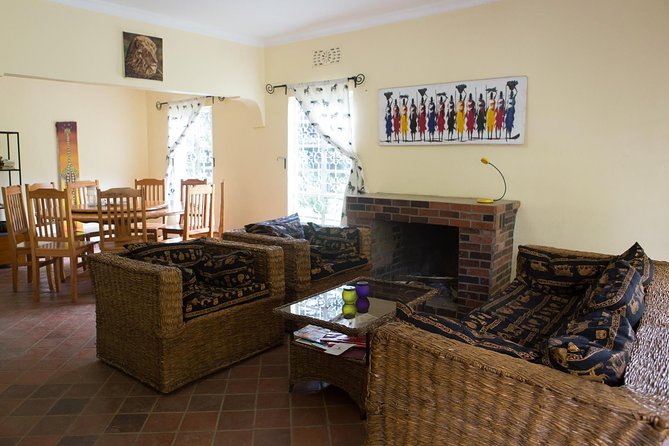
The accommodation is described as a guesthouse rather than a hotel. That suggests a more personal, home-style stay, with the benefit of being close to the people running the coffee project. The available information does not give room categories or detailed facilities, so I would confirm any specific lodging needs before booking.
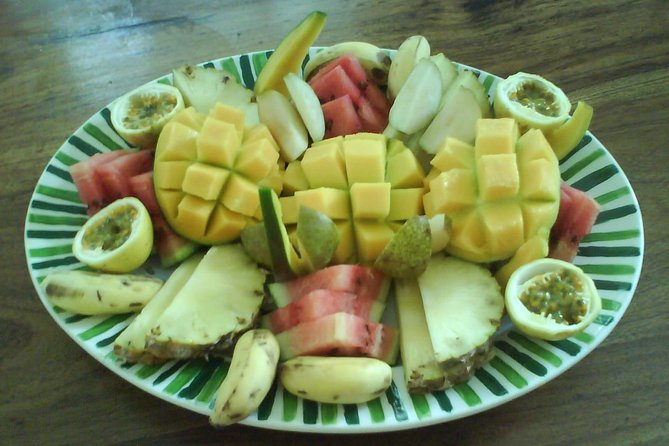
The food is one of the clearest strengths. Breakfast is homemade, dinner is prepared by the chef, and the midday meal includes a broad range of Tanzanian dishes. Chapati, roasted banana, rice, and ugali give you a useful taste of everyday staples, while goat sauce, spinach, salad, and fruit round out the plate.
This is a good fit if you enjoy meals as part of cultural exchange. It is less suitable if you need a highly controlled menu or prefer to eat independently. Ask about dietary requirements in advance, since the information provided does not list substitutions.
Day 2: Walk through Nkoaranga Village before reaching the coffee fields
The main activity begins at about 9:30 a.m., after breakfast. Your coffee guide meets you at the guesthouse, and the walk begins with the village rather than the farm.
You pass the hospital, primary school, secondary school, orphanage, and the oldest church in the mountain area. These places give the tour a wider frame. You see that coffee production sits within a working community with its own services, institutions, and traditions.
This section is valuable because it prevents the coffee story from becoming too narrow. The guide can explain local culture and customs as you walk, linking the crop to the people who grow and process it. Guide Samwel is especially worth requesting if he is available. He grew up in the area and is noted for his friendly manner and strong understanding of local plants and village life.
The walk is also where the private format helps. You can ask why certain crops are grown, how the village works, or what daily routines look like. The exact route and walking pace can vary, but the tour is clearly designed for people who want conversation, not just a set speech.
The activity information says most people can take part, but it does not give a specific fitness rating. You should be comfortable walking between the village, farm, and roaster. The route includes a later descent lasting around 30 to 40 minutes, so sturdy shoes and water are sensible choices.
More coffee stops in Arusha:
- Materuni Waterfalls, coffee tour & Kikuletwa Hot Springs
★ 5.0 · 643 reviews - Materuni waterfalls coffee tour & Chemka hot springs Day trip
★ 5.0 · 131 reviews - Maasai village visit, Materuni waterfalls & coffee experience
★ 4.5 · 95 reviews - Materuni Waterfalls & Coffee Tour from Moshi
★ 5.0 · 92 reviews
Comparing traditional and organic coffee production
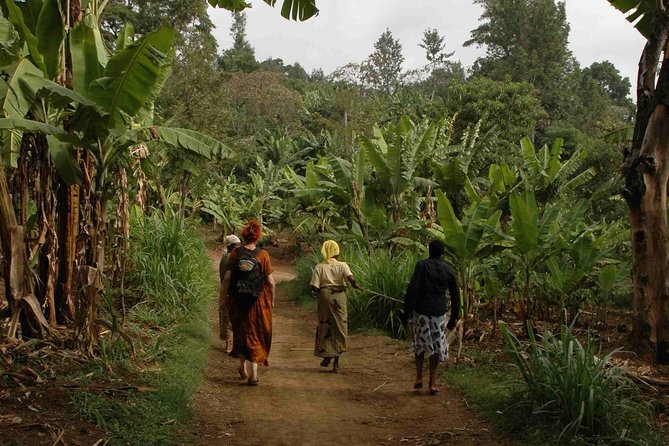
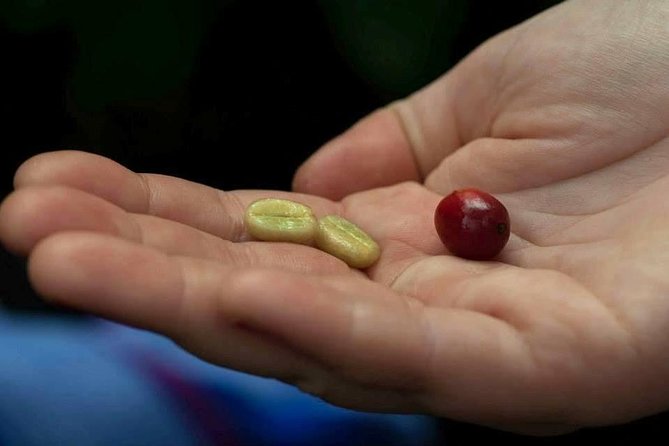
At the organic coffee farm, the guide explains the long route from seed to cup. You learn how coffee is grown and see the difference between traditional and organic production.
The organic approach matters for two reasons. First, the coffee trees are not sprayed with chemicals, which the operator presents as safer for farm workers and healthier for the final drink. Second, the Fairtrade model aims to improve the payment received by farmers.
The stated payment is three times the normal price. That is a useful detail to keep in mind when judging the $270 cost. You are paying for accommodation, transport, guiding, meals, and the coffee activity, but you are also supporting a business model that tries to return more money to the growers.
Do not expect this part to resemble a professional barista class unless that is confirmed separately. The focus is the farm and the people behind the crop. You follow the process in its local setting, rather than learning advanced brewing methods or tasting a long list of coffee varieties.
That practical focus is a strength. I would rather see how a crop is grown and handled than spend the whole morning listening to abstract talk about flavor notes. If you already know a great deal about coffee, you may find the farming and community side more useful than the basic production explanation.
The 30 to 40 minute walk down to the roaster
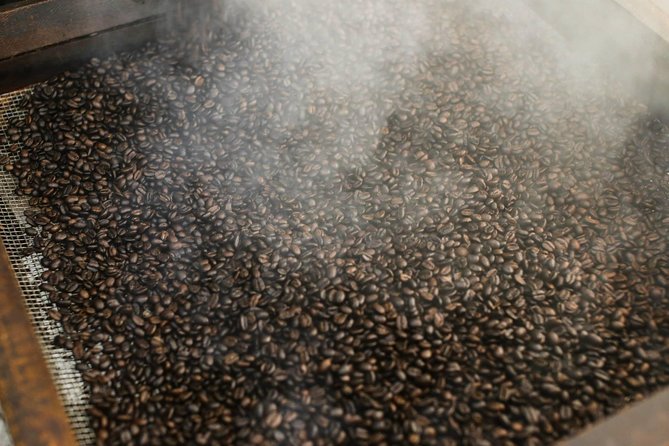
After the farm visit, the route continues downhill to the roaster. The walk takes about 30 to 40 minutes and helps connect the growing stage with the next part of the process.
This is an important detail when planning your day. The full activity lasts about six hours, and much of that time is spent moving on foot or talking at stops. You should not book it expecting a vehicle-based tour with short walks between attractions.
The downhill route may feel easy at first, but uneven rural paths can still require care. The available information does not describe the surface, so practical footwear is the safe choice. If anyone in your group has mobility concerns, ask the operator about the route before booking.
Arriving at the roaster gives the coffee story a clear finish. You have seen the crop in the field and learned about farming choices, then walked to the place where the beans are handled after harvest. That sequence makes the subject easier to understand.
The tour does not provide a detailed list of each processing step, so I would not promise that you will see every stage of washing, drying, sorting, roasting, and brewing. What you can expect is a guided look at the path from organic farm to roaster, with time to ask questions.
A Tanzanian lunch in the garden
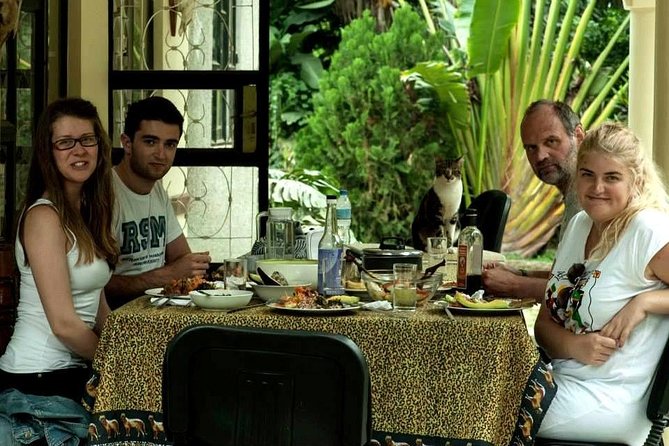
Lunch is served in the garden after the coffee walk. The menu includes chapati, roasted banana, rice, ugali, goat sauce, spinach, salad, and fruit.
This is more than a convenient meal break. It gives you a chance to try several familiar Tanzanian foods in one sitting, including ugali, a firm maize-based staple, and roasted banana, which is common in local cooking. The range of dishes also makes the meal feel generous and shared.
I like that lunch is placed in the middle of the experience instead of treating food as an afterthought. You have spent the morning walking and listening, so a substantial meal gives the day a natural pause. The garden setting also keeps the mood informal.
Food is a clear part of the value here. Two breakfasts, two dinners, and the Day 2 lunch are included in the stay, which reduces extra spending and planning. If you have allergies or follow a special diet, contact the provider before arrival because the listed menu includes goat and several grain-based foods.
The total Day 2 schedule is about six hours. With breakfast before the start, lunch after the walk, and the return to the guesthouse, you have a full day without the exhausting pace of a major city sightseeing program.
What the $270 price includes in practical terms
At $270 per person, this is not the cheapest way to spend a day near Arusha. But it is also not a simple day tour. The price covers roughly three days, two nights at the coffee-farm guesthouse, pickup from Arusha, the private coffee walk, guiding, and meals during the stay.
The value improves if you would otherwise pay separately for accommodation and food. You also get a private activity rather than a shared group tour, which can matter if you want the guide to respond to your interests.
The Fairtrade payment model is another reason to consider the cost carefully. The farm says it pays three times the normal price to support growers, including family needs such as school costs. That does not make the tour automatically right for every budget, but it gives you a clearer idea of where the money is intended to go.
I would compare this with the cost of a standard Arusha hotel, restaurant meals, and a separate coffee excursion. The package may be good value for someone who wants all three in one small-scale experience. It may feel expensive if you only want a brief tasting and do not care about staying in the village.
The private format also gives the package an advantage for couples or small groups. Group discounts are available, though the exact reduction is not specified. Ask for the current group price rather than assuming the advertised per-person amount will remain unchanged.
Who will enjoy this coffee walk most
I recommend this experience to you if you enjoy seeing how a product is made and want the people and place to matter as much as the activity. It suits anyone who prefers a quiet village stay to another night in town.
It is especially appealing for:
- Couples looking for a personal cultural experience near Arusha
- Coffee fans who want to understand farming and roasting
- Families interested in schools, village services, and local customs
- Small groups that can benefit from a private guide
- People combining the stay with safari or trekking plans
You should think twice if you want luxury accommodation, a short walk, or a tightly scripted schedule. The tour involves several hours outside, rural walking, and a simple guesthouse setting. It is also not the best choice if coffee tasting alone is your main goal.
The presence of Samwel can add a lot if he is assigned to your group. You can ask whether he is available when booking, but do not assume a particular guide is guaranteed.
Timing, pickup, and cancellation details
Pickup is offered from Arusha town at 5 p.m., with airport pickup also possible. You need to give the operator your preferred pickup point. The transfer to the village takes about 30 to 40 minutes.
The experience is listed as running Monday through Sunday, with operating hours from 8:30 a.m. to 11 p.m. The actual program begins with the 5 p.m. pickup on Day 1, starts around 9:30 a.m. on Day 2, and returns you to Arusha after a slow breakfast on Day 3.
Confirmation is provided at booking, and a mobile ticket is available. The experience is near public transportation, although the package itself includes pickup. Most people can participate, but the walking route deserves attention if you have mobility limitations.
Free cancellation is available up to 24 hours before the start time for a full refund. Cancellations or changes made less than 24 hours before the start time are not accepted for a refund, and the cut-off uses local time.
Should you book the two-night coffee stay?
Book it if you want more than a coffee sample. The farm setting, village walk, organic production, Fairtrade aim, local meals, and private guide create a useful picture of how coffee fits into life near Arusha.
I would choose the full stay over a short visit if your schedule allows. The first evening and second morning give the place time to feel real, while the included meals make the arrangement easy. Ask about Samwel, dietary needs, room details, and the walking route before confirming.
Skip it if your priority is luxury, a brief activity, or a technical coffee course. For everyone else, the $270 price is easier to justify because you receive accommodation, transport, food, guiding, and direct support for a small coffee-growing community in one package.
FAQ
How long does the coffee walk with village stay last?
The experience lasts approximately three days and includes two nights at the guesthouse on the coffee farm.
Where does pickup take place?
Pickup is offered from Arusha town at 5 p.m. You should tell the provider where to collect you. Airport pickup is also possible.
How long is the drive from Arusha to the village?
The drive from Arusha to the village takes about 30 to 40 minutes.
What happens on the main coffee day?
After breakfast, the coffee guide meets you at about 9:30 a.m. You walk through the village, visit the organic coffee farm, learn about traditional and organic production, walk to the roaster, and have lunch in the garden.
What food is included?
The stay includes homemade breakfast and dinner. Day 2 lunch includes chapati, roasted banana, rice, ugali, goat sauce, spinach, salad, and fruit.
Can I cancel for a full refund?
Yes. You can cancel at least 24 hours before the experience start time for a full refund. Changes or cancellations made less than 24 hours before the start time are not accepted for a refund.
Newly listed around Arusha
- 5-Day Private Safari Tour in Tanzania’s Wildlife★ 5.0 · 3 reviews
- 3 Days private safari Tarangire ,Ngorongroro crater &Manyara★ 5.0 · 3 reviews
- 3 Day Sharing Safari – Manyara, Ngorongoro Crater and Tarangire National Parks★ 5.0 · 3 reviews
- Tarangire National Park Day Trip★ 5.0 · 3 reviews
- 2 Days Tarangire and Ngorongoro Crater Tour★ 5.0 · 3 reviews
- 6 -Day Tarangire, Manyara, Serengeti & Ngorongoro★ 5.0 · 3 reviews
- 5 Days Group Camping Safari★ 4.7 · 3 reviews
- 4 Days Tanzania Safari★ 4.5 · 3 reviews
Arusha Tours, compared.

Balloon Safari & Bush Breakfast in Serengeti – Miracle Experience
Read our review →






Browse the lists this tour appears in