
Reviewed · ARUSHA TOURS
Best Of Six Days Safari Camping safari
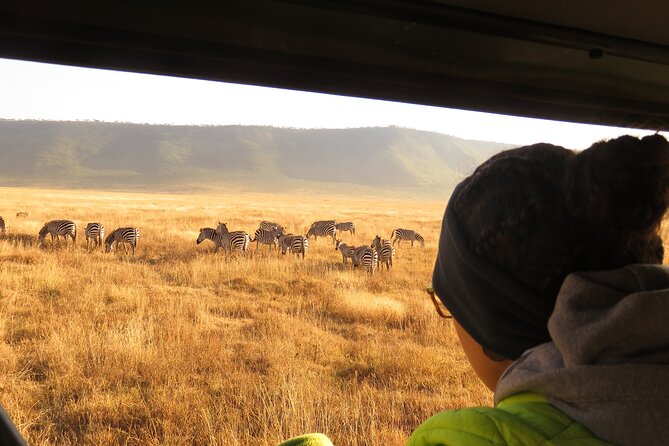
The main draw here is the wildebeest calving season in the southern Serengeti and Lake Ndutu area. At the right time of year, you can watch huge herds gather on open grassland, with zebra nearby and newborn calves appearing daily. The route also adds Tarangire, Ngorongoro Crater, and Lake Manyara, giving you four very different wildlife settings in six days.
I like the small maximum group of six, which matters when you are trying to share a good view from the safari vehicle. I also like the practical package: park fees, airport transfers, drinking water, and most meals are included. The main consideration is the budget camping. This is a long, road-heavy safari, and comfort is modest between the big wildlife moments.
Key things to know before you book
- Calving-season focus: The plan concentrates on Lake Ndutu, southern Serengeti, and central Serengeti, where wildebeest are commonly found during calving season.
- Four major wildlife areas: You visit Tarangire, Serengeti National Park, Ngorongoro Crater, and Lake Manyara.
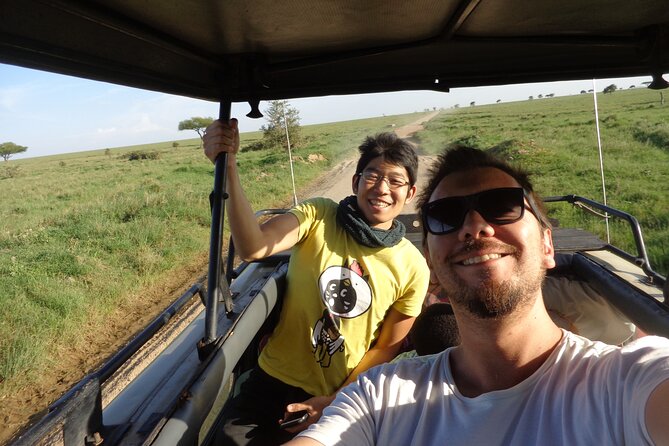
- Small group size: The vehicle can carry a maximum of six people, allowing more room for viewing and photography than a larger group.
- Camping keeps the price down: Two Serengeti nights are listed as budget camping, while the Tarangire night is at Jambo Lodge.
- Raymond is a useful contact: Raymond Ayo is praised for quick replies, help with trip planning, and even assistance with an invitation letter for a visa application.
- Strong organization is part of the appeal: Feedback highlights airport pickup, clear communication, helpful guides, and smooth arrangements from start to finish.
A migration safari built around the calving grounds
This six-day trip is not simply a general wildlife circuit with a quick Serengeti visit added on. Its purpose is to follow the Great Serengeti Wildebeest Migration during the calving period, with time in the southern and central parts of the park and the Lake Ndutu area.
That seasonal focus matters. The migration is always moving, so no operator can promise a particular herd, birth, predator sighting, or river crossing. The route is designed to place you in the areas where the herds are usually concentrated during calving season, but nature writes the daily schedule.
You should also understand the rhythm of a Tanzanian safari. Days can run for about seven or eight hours, often with a picnic lunch and game viewing along the way. The reward is access to some of East Africa’s finest wildlife country. The tradeoff is time in the vehicle, rough park roads, early starts, and simple accommodation.
The group limit of six is a real advantage. You are more likely to have a clear view from your side of the vehicle, and decisions about stopping for wildlife are easier in a small group. It also makes the safari more appealing for siblings, couples, or a small circle of friends who want to share the vehicle without paying for a fully private trip.
More Safaris in Arusha
- Balloon Safari & Bush Breakfast in Serengeti – Miracle Experience
★ 5.0 · 1,646 reviews - 4 Days Group Camping Safari
★ 5.0 · 1,101 reviews - 5 Days Group Camping Safari
★ 5.0 · 730 reviews
Day 1: Arusha gives you time to get organized
The first day is based in Arusha, where a staff member picks you up, brings you into town, and briefs you about the safari ahead. The listed duration is about eight hours, although the actual schedule will depend on your arrival and the arrangements made with the operator.
This overnight is useful. Instead of landing and immediately setting off for the national parks, you get a night to rest, sort your luggage, and adjust to the pace of the trip. Airport pickup and drop-off are included, which removes one common source of stress at the beginning and end of a safari.
Use the briefing to ask practical questions. Confirm the order of the parks, the camping arrangements, the expected departure time, and where the final night ends. The supplied plan has some long driving days and repeated references to game drives between Ngorongoro and Serengeti, so it is sensible to make sure the exact routing is clear before departure.
Raymond Ayo is the main name associated with planning and communication. He is praised for answering questions quickly and for helping with arrangements beyond the basic sightseeing, including an invitation letter needed by one customer for a visa application. That kind of responsive contact can be especially useful when you are arranging an international trip with several moving parts.
Day 2: Elephants and baobabs in Tarangire
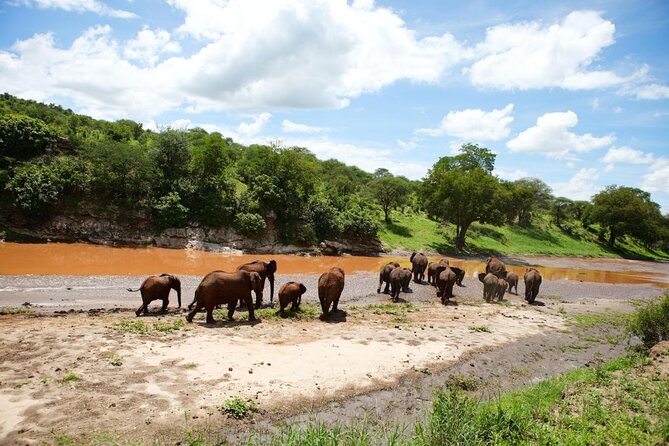
After breakfast, you drive to Tarangire National Park for a full day of game viewing. Tarangire is known for large elephant herds, baobab trees, and a year-round river that becomes especially important during the dry season.
The park gives the safari a different opening note from the Serengeti. Here, the appeal is not only open plains. You may see elephants moving through woodland, giraffes feeding near the distinctive baobabs, zebras, and other plains animals. Tree-climbing lions are also associated with Tarangire, although sightings are never guaranteed.
The itinerary also mentions the possibility of seeing the Big Five and many other animals. Keep that in perspective. Tarangire can offer excellent wildlife viewing, but a six-day safari should be judged by the range of habitats and the quality of the overall route, not by a promise of checking every animal off a list.
The night is at Jambo Lodge. This is the only specifically named lodge in the plan, while the Serengeti nights are listed as budget camping. That difference is worth noting if you care about having a more comfortable first night before the longer park roads begin.
Days 3 and 4: Two chances to search the Serengeti
The heart of the trip is two days in Serengeti National Park. You leave after breakfast with a picnic lunch and enjoy game viewing along the route. The plan describes a drive through the Ngorongoro area followed by a late game drive in the Serengeti, then another full day focused on the park.
The Serengeti is famous for the scale of its wildlife. More than 1.5 million wildebeest take part in the annual migration, along with large numbers of zebra. During calving season, the southern plains can become a nursery, with young animals drawing predators and creating some of the most dramatic sightings in the park.
This is where patience pays. You may spend time driving across open country before finding a herd, a lion, or a cheetah. Once something appears, the small group and experienced driver-guide become important. The strongest feedback about this company centers on organization and the guides’ effort to provide good wildlife views. Names attached to past trips include Mud and Rhinocent, although your assigned guide may be different.
The two Serengeti days are valuable because one day can be unlucky. Animals move, weather changes, and a long drive can limit the first afternoon. A second day gives you a better chance to reach the areas where the wildebeest are gathering and to spend more time watching behavior rather than simply passing through.
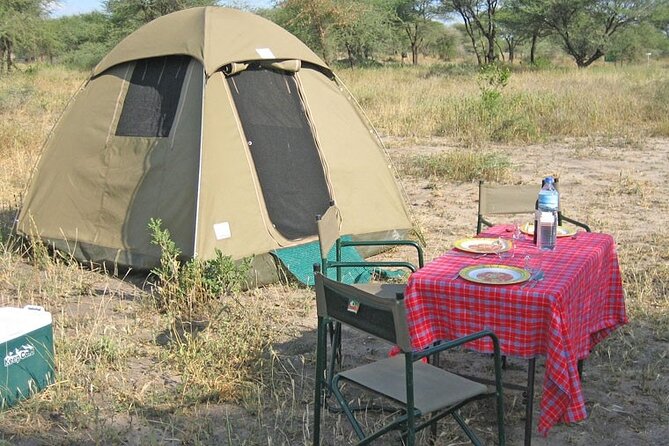
Still, the Serengeti portion is not luxurious. Both nights are listed as budget camping. You should expect a simple camp setup rather than a lodge-based safari, and you should be comfortable with basic conditions. Drinking water is included, which is helpful, but alcohol is not. Bring only what you need in a soft bag if the operator gives you packing guidance, and keep clothing practical for dusty roads and cool mornings.
More camping safaris in Arusha:
- 3 Days Serengeti & Ngorongoro Group Camping Safari
★ 5.0 · 574 reviews - 2 Days Tarangire and Ngorongoro Group Camping Safari
★ 5.0 · 146 reviews - 6 Days Tanzania Budget Camping Safari
★ 5.0 · 145 reviews - 3 Day Serengeti National Park & Ngorongoro Crater Camping Safari
★ 5.0 · 142 reviews
Day 5: Ngorongoro Crater packs wildlife into one view
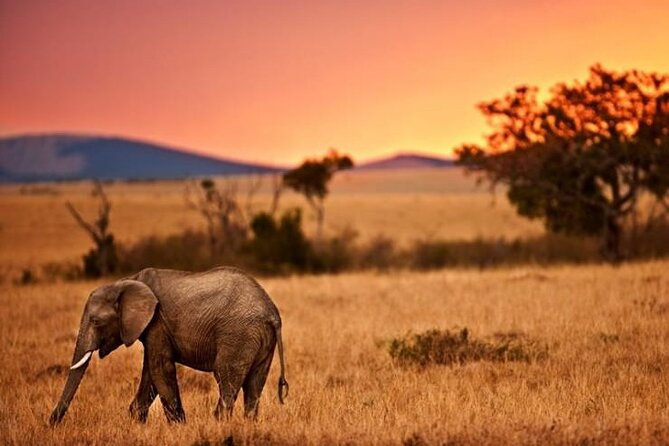
The fifth day takes you to Ngorongoro Crater for an early game drive. This is one of Tanzania’s most famous natural areas, a huge caldera with highland plains and a notable concentration of wildlife.
The crater offers a different kind of safari experience from the wide Serengeti. You descend into a contained setting where grassland, water, and open viewing areas can bring many species within sight. The plan says you may see all of the Big Five here. That is possible, but it remains wildlife, not a scheduled performance.
An early start is the right choice. Morning light is good for photographs, animals are often more active, and the crater floor can become busy later in the day. The listed game drive lasts about seven hours, so you will have substantial time in the area, but expect another demanding day on the road.
Ngorongoro also adds a strong sense of place. The crater highlands rise above the viewing areas, and the contrast between the steep walls and the open floor makes this stop memorable even when sightings are quiet. The entrance and park admission are included, an important part of the value because northern Tanzania’s conservation and entry charges can add up quickly.
Day 6: Lake Manyara finishes with birds and Rift Valley views
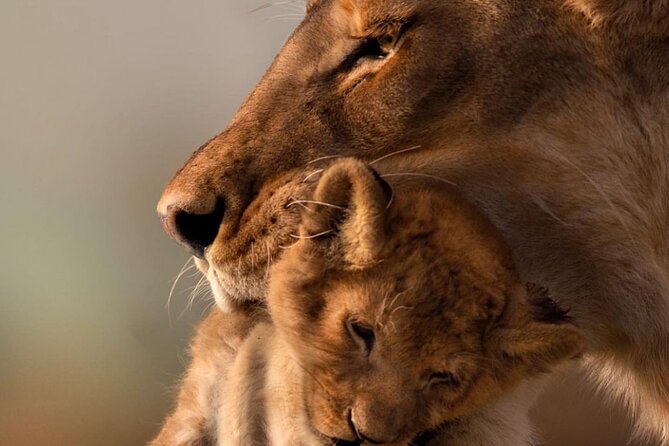
The final morning takes you to Lake Manyara National Park. The park is compact compared with the Serengeti, but it offers a pleasing change of pace after several long days.
Lake Manyara covers much of the park, with the wall of the Great Rift Valley rising behind it. The area is especially important for birdlife, with more than 400 species recorded, including pink-hued flamingos. You may also see mammals around the lake and forest edges, although the day’s strongest feature is the mix of scenery and bird habitats.
The compact game-viewing circuit can work well on the final day. You are not trying to cover an enormous park before a long return drive. Instead, you get a shorter wildlife outing before beginning the journey back to town in the evening.
The plan lists about seven hours for the day and includes park admission. Ask in advance where the return transfer ends, especially if you are continuing to the airport or spending another night in Arusha. Airport drop-off is included, but the timing should be matched carefully with your flight.
What the $1,190 price really covers
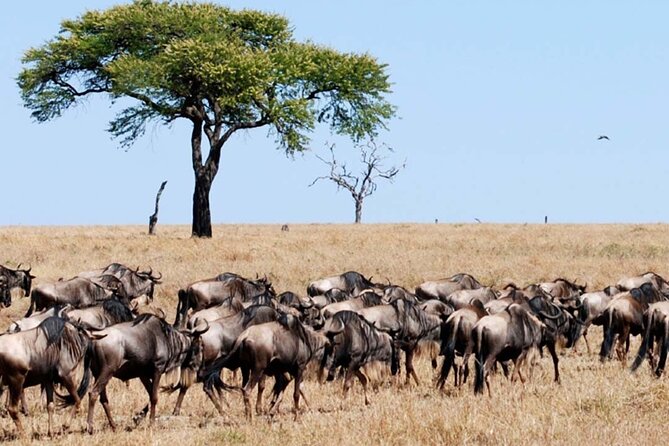
At $1,190 per person, this is priced as a budget-oriented northern Tanzania safari rather than a luxury lodge trip. The value comes from the number of major parks packed into six days, the included park fees, and the small group limit.
The package includes:
- Park and entry fees
- Airport pickup and drop-off
- Unlimited drinking water
- Five breakfasts
- Five lunches
- Four dinners
The meal count fits the route, but it also tells you that the safari is not designed around long lodge lunches or restaurant choices. Picnic lunches are part of the daily pattern, especially on the Serengeti days. That keeps the vehicle moving and gives you more time in the parks.
You still need to budget for tips, alcoholic drinks, and your visa. Tips are not a minor detail in safari culture, so ask the company for current guidance before you go. The total cost is also affected by the season. A calving-focused departure may be especially appealing, but you should confirm the expected migration location for your dates rather than assuming the herds will be exactly in one area.
For a six-person maximum, four major wildlife areas, park fees, and several included meals, the price can make sense for someone who values access over comfort. If you want private bathrooms, higher-end tented camps, or shorter driving days, this is probably not the right product.
The people and planning behind the trip
The strongest pattern in the available feedback is not a single animal sighting. It is the human side of the operation. Raymond is repeatedly praised for being friendly, quick to respond, and willing to adjust plans around complicated travel schedules.
That matters in Tanzania, where flights, visas, park fees, road conditions, and accommodation can all affect a route. One person received help with an invitation letter for a visa application. Others describe the arrangements as smooth from airport pickup through the end of the safari.
The driver-guide makes the biggest difference once you are in the parks. Past safari parties have specifically praised guides for professionalism, charm, and effort in finding good wildlife views. The names Mud and Rhinocent appear in the available trip feedback, but you should confirm your own guide before departure rather than assume one of them will lead your vehicle.
Communication is also a practical strength for families and small groups. Several people traveled with siblings and appreciated the accommodating approach. If you have a fixed flight, dietary need, or extra night in Arusha, raise it early and get the arrangement confirmed in writing.
Who will enjoy this safari most
I would recommend this trip to you if the following points sound right:
- You want the Serengeti and Ngorongoro without paying for luxury lodging.
- You are interested in the wildebeest calving season specifically.
- You can handle long days in a safari vehicle.
- You prefer a small shared group of no more than six.
- You are happy with budget camping for two Serengeti nights.
- You want airport transfers and most meals included.
- You value an accessible, responsive tour organizer.
I would think twice if comfort is central to your holiday. Budget camping can be rewarding because it keeps you close to the park experience, but it is not the same as sleeping in a high-end lodge. The route also covers a lot of ground in a short time, so you will not have a slow, leisurely schedule.
Most travelers can participate, and the activity is near public transportation, according to the supplied information. That does not remove the need to consider the physical demands of sitting in a vehicle for long stretches or handling basic camping conditions.
Practical details before you leave Arusha
Confirmation is provided at booking, and free cancellation is available if you cancel at least 24 hours before the local start time. Changes or cancellations inside that window are not accepted for a refund.
Pack for changing temperatures. The itinerary includes highland areas, open plains, dusty roads, and early starts. Neutral clothing, a warm layer, sun protection, and a camera with spare batteries are sensible choices. You should also keep your passport and visa arrangements in order, since the visa is not included in the price.
Ask three questions before paying:
- Which nights are camping, and what exactly is supplied?
- Where is Lake Ndutu in relation to the planned dates?
- What time will the final airport drop-off occur?
Those answers will tell you more about the trip’s fit than the animal list. The route is ambitious, and the quality of the experience depends on sensible timing as much as on luck.
Should you book this six-day safari?
Book it if you want a value-focused migration safari with the major northern circuit highlights and you are comfortable trading lodge luxury for more time and budget camping. The small group, included park fees, airport transfers, drinking water, and responsive planning make the price easier to justify.
I would choose it for a first safari when the priority is seeing a wide range of Tanzania in six days, especially during the calving season. I would not choose it for a relaxed luxury holiday or a trip built around one park only. Before booking, confirm the exact migration dates, camping setup, guide assignment, and final airport timing. If those details suit you, this is a practical and ambitious introduction to Tanzania’s wildlife parks.
FAQ
How long is the safari?
The experience lasts approximately six days, beginning in Arusha and ending with the return journey to town after the Lake Manyara visit.
What parks and wildlife areas are included?
The route includes Tarangire National Park, Serengeti National Park, the Lake Ndutu area, Ngorongoro Crater, and Lake Manyara National Park.
Is the safari focused on the wildebeest calving migration?
Yes. The route is designed to follow the migration during calving season, with attention on Lake Ndutu and the southern and central Serengeti areas.
How many people can join the tour?
The maximum group size is six people.
Is camping included?
Budget camping is listed for the two Serengeti nights. The Tarangire accommodation is listed as Jambo Lodge.
Are meals and park fees included?
Yes. The price includes park and entry fees, five breakfasts, five lunches, four dinners, and unlimited drinking water.
What is not included in the price?
Tips, alcoholic drinks, and the visa are not included.
More six day trips in Arusha
- Tanzania Wildlife Encounters – 6 Days
★ 5.0 · 277 reviews - Private 6-Day Tarangire Manyara Crater and Serengeti with Mid-Range Lodges
★ 5.0 · 238 reviews - 6 Days Private Budget Safari
★ 5.0 · 163 reviews - Tanzania Enticing Explorations – 6 Days
★ 5.0 · 106 reviews
Newly listed around Arusha
- 5-Day Private Safari Tour in Tanzania’s Wildlife★ 5.0 · 3 reviews
- 3 Days private safari Tarangire ,Ngorongroro crater &Manyara★ 5.0 · 3 reviews
- 3 Day Sharing Safari – Manyara, Ngorongoro Crater and Tarangire National Parks★ 5.0 · 3 reviews
- Tarangire National Park Day Trip★ 5.0 · 3 reviews
- 2 Days Tarangire and Ngorongoro Crater Tour★ 5.0 · 3 reviews
- 6 -Day Tarangire, Manyara, Serengeti & Ngorongoro★ 5.0 · 3 reviews
- 5 Days Group Camping Safari★ 4.7 · 3 reviews
- 4 Days Tanzania Safari★ 4.5 · 3 reviews
Arusha Tours, compared.

Balloon Safari & Bush Breakfast in Serengeti – Miracle Experience
Read our review →






Browse the lists this tour appears in