
Reviewed · DAR ES SALAAM TOURS
Dar es Salaam City Center: Walking Tour
The most memorable part of this Dar es Salaam walking tour may come at the fish market, where fresh catch, seafood sellers, fishermen, and street food bring the city’s waterfront to life. Guide Derick Lawrence can also adjust the route, which matters if you want more history, a different stop, or a break from the fish market.
I like the way the tour links grand old buildings with ordinary city life. I also like the flexible timing: one visitor moved a 2 PM booking to 5 PM, when the heat was easier to manage. The main drawback is pace. Two hours covers a lot, so you may need to choose between lingering for photos and seeing every planned stop.
Key points
- Kivukoni Fish Market: Finish among seafood sellers, fishermen, fresh catch, and local food near the harbor.
- Colonial-era architecture: Compare St. Joseph Cathedral, Azania Front Lutheran Church, and Old Boma.
- A calm green pause: The Botanical Garden offers a quieter stretch in the middle of the city.
- Strong local guiding: Derick explains Dar es Salaam’s past and present in clear English.
- Flexible route: You can request changes, including an alternative to the fish market.
- Good first look: The two-hour walk helps you get your bearings before exploring farther afield.
Why the Fish Market Gives This Walk Its Character
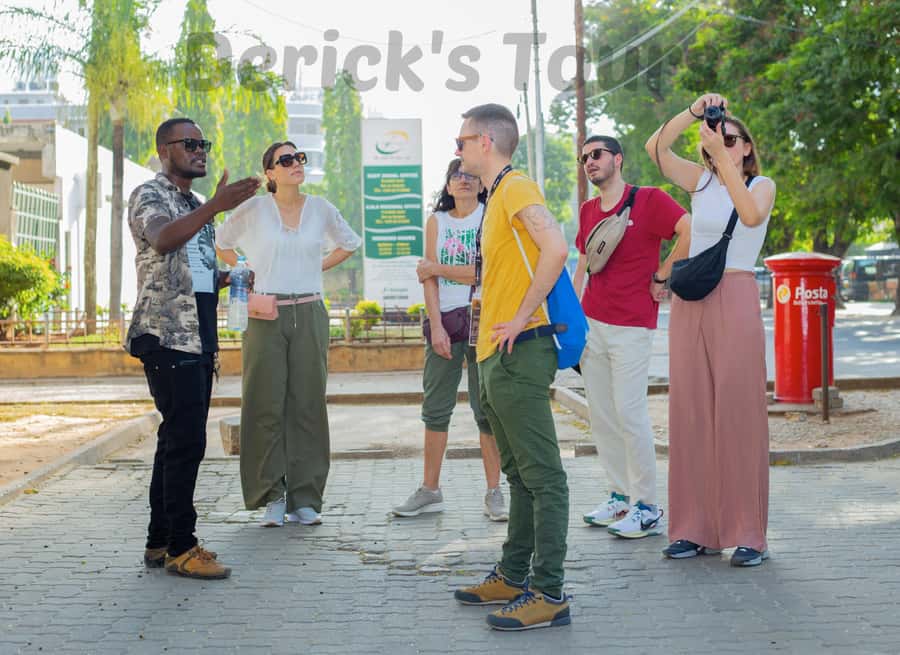
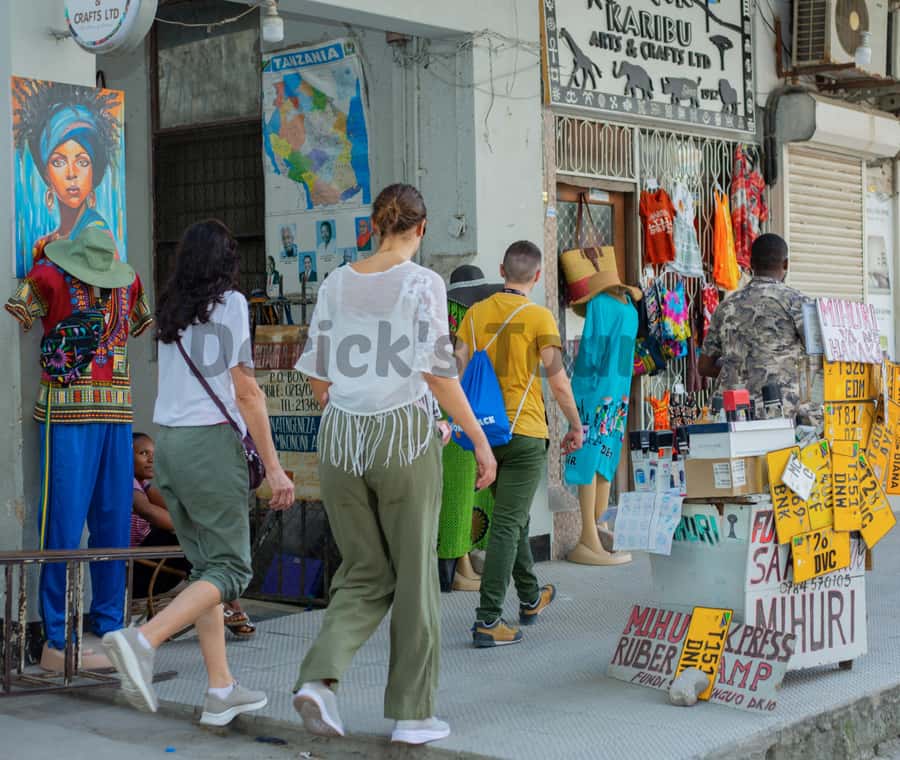
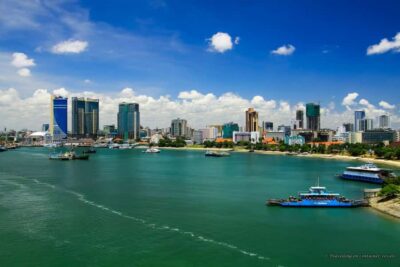
Dar es Salaam can be hard to grasp from a car window. The center mixes offices, old religious buildings, memorials, gardens, markets, and traffic, with the Indian Ocean close by. This tour puts those pieces together on foot.
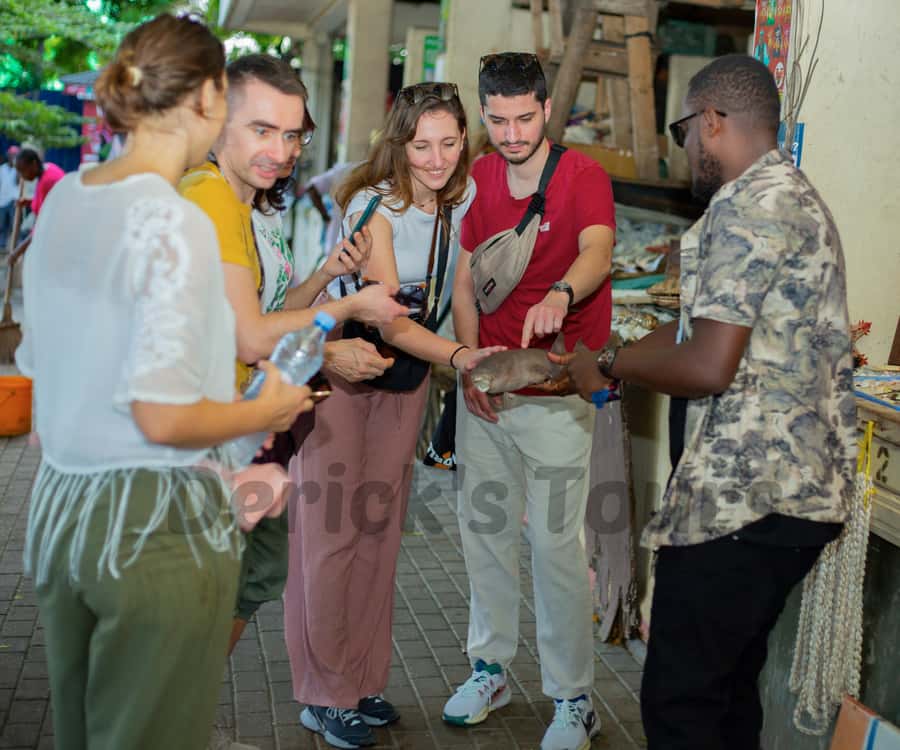
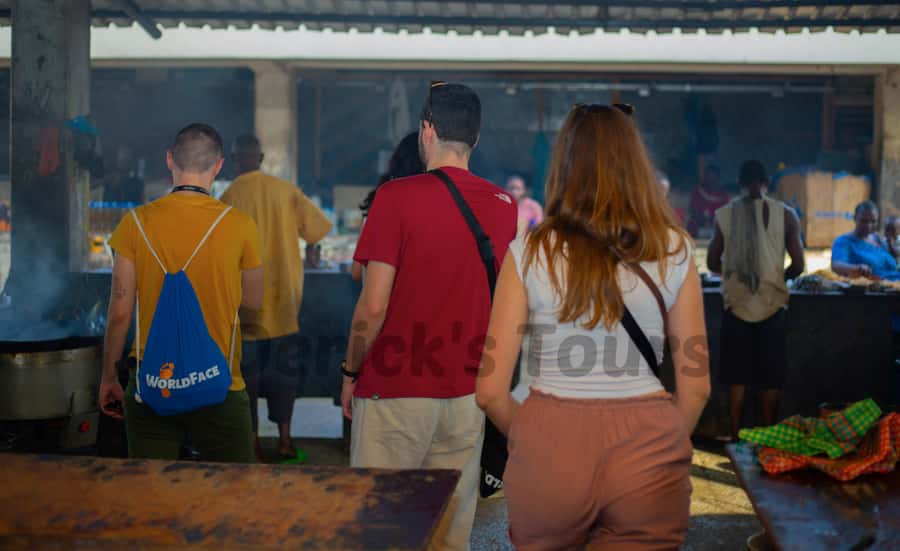
The Kivukoni Fish Market is the tour’s most vivid stop. You can watch seafood being sold, see fishermen working with their nets, and get a direct sense of the city’s connection to the water. It is not a polished attraction, and that is the point. The market shows Dar es Salaam as a working port city rather than a collection of monuments.
You may also have the chance to try street food with Derick at the end of the walk. The experience can be lively, crowded, and strongly scented, so it will not suit everyone. If fish smells are a problem, tell the guide ahead of time. One visitor requested an alternative and was taken to Coco Beach instead.
The market also affects timing. A later start, such as 5 PM, can be more comfortable than walking at midday. Starting times depend on availability, but it is worth asking for a cooler hour when you book.
More Walking Tours in Dar Es Salaam:
- 3 Days Nyerere NP [Selous GR] Game, Walking and Boat
★ 5.0 · 19 reviews - Dar es Salaam City Walking tour – Explore the Life of the Local People!
★ 4.5 · 17 reviews - 5 Days Selous/Nyerere & Mikumi NP Game drive, Maasai and Walking
★ 5.0 · 13 reviews
St. Joseph Cathedral and the German-Era City
The walk begins at St. Joseph Cathedral, a Gothic-style church and one of central Dar es Salaam’s best-known landmarks. Its form gives you an immediate clue to the city’s layered past, where local life has developed around buildings shaped by outside powers and different religious communities.
Derick’s role here is more than pointing out the facade. He explains the significance of the buildings and places them within the story of Dar es Salaam and Tanzania. Several visitors found his explanations of different periods, from the sultanate through German and British rule and into the modern era, especially useful.
From St. Joseph Cathedral, the route continues to Azania Front Lutheran Church. This church reflects the architectural influence of the German colonial period and gives you a useful comparison with the cathedral.
I like this pairing because you see two important religious buildings close together, yet they tell different parts of the city’s story. Rather than treating architecture as a backdrop for photographs, the tour uses it to explain how Dar es Salaam developed.
Allow time to look up and around. One minor complaint about the walk was that the guide moved quickly enough that taking photographs became difficult. If you want pictures at each church, tell Derick at the start so the pace can match your priorities.
The Askari Monument and a More Complicated Past
The Askari Monument honors African soldiers who served during World War I. It is a compact memorial, but it opens a much larger conversation about East Africa, military service, colonial rule, and the people whose lives were shaped by events beyond the city.
This is one of the places where a guide adds real value. Without context, you might see a statue, take a picture, and continue. With an explanation, the monument becomes part of Dar es Salaam’s political and social story.
The tour is not limited to one simple version of the past. Derick has been praised for presenting the development of Dar es Salaam and Tanzania in a balanced way. That is useful if you want an introduction that includes colonial history without reducing the city to colonial buildings alone.
The Askari Monument also helps break up the walk. After the churches, it gives you a public memorial and a different kind of historical marker. You are not simply moving from one old structure to the next.
A Green Pause in the Botanical Garden
The Botanical Garden provides a welcome change from paved streets and city noise. Tropical plants and trees create a quieter setting in the center, making this a sensible stop during a warm walking tour.
Do not expect a long garden visit. The entire experience lasts only two hours, and the garden is one part of a route that also includes several buildings, the market, an art gallery, and the Old Boma. Think of it as a brief green pause rather than a full botanical outing.
I like this part of the route because it gives your eyes and feet a break. It also shows that central Dar es Salaam is not only commercial streets and traffic. The contrast between the garden and the fish market helps you understand the city’s different rhythms.
Bring water, wear comfortable shoes, and use sun protection. The tour is not a strenuous trek, but you will be walking outdoors in a warm city. A later start may make the experience easier, though availability controls the exact schedule.
A few more Dar Es Salaam days to compare
- Dar es Salaam: City Tour
★ 4.7 · 159 reviews - Dar es Salaam City Tour – Everyday
★ 5.0 · 64 reviews - MIKUMI NATIONAL PARK – 3 Days
★ 4.5 · 63 reviews - 2 nights 3 days safari to mikumi national park
★ 5.0 · 62 reviews
Old Boma and the Shape of Old Dar
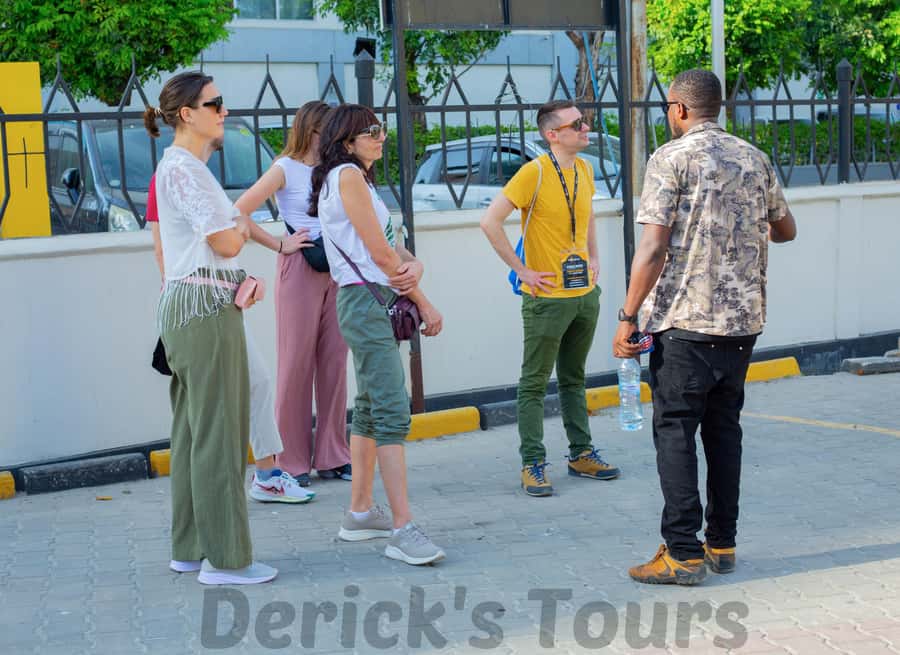
Old Boma is one of the oldest surviving buildings in Dar es Salaam. Its value is partly architectural, but it also helps anchor the city in time. After seeing active streets and working markets, you get a clearer sense of the older urban center that developed around them.
This stop works best when Derick explains what you are looking at and how it fits into Dar es Salaam’s past. The building is not isolated from the modern city. It sits within a place where old structures, current businesses, and everyday movement overlap.
The route may also include a local art gallery. The exact gallery is not specified, but the stop adds a cultural note beyond formal landmarks and colonial-era buildings. You get a chance to see how local artistic expression fits into the city you are walking through.
The appeal of this combination is variety. In two hours, you move from churches to a memorial, from a garden to a fish market, from an old building to local art. That range gives you a practical first impression rather than a narrow lesson in architecture.
What Derick Lawrence Adds to the Walk
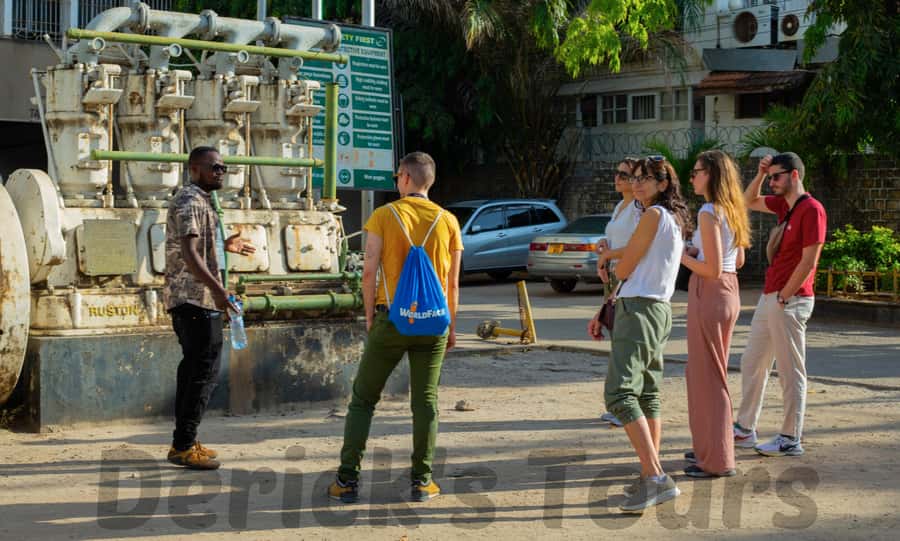
The guide is the heart of this experience. Derick Lawrence leads in English and explains both the city’s past and its present. Visitors have found him friendly, polite, flexible, and easy to talk with, which matters when you are asking questions as you walk.
His flexibility is especially useful for short stays. He has changed tour times when plans shifted, helped reschedule a missed booking, and adapted routes around personal preferences. One solo visitor received a private walk because no one else was booked for that time, while another group of three met at an agreed location. You should not assume a private tour, but the group can vary.
Derick has also taken visitors to places beyond the core route, including a view from one of Dar es Salaam’s twin buildings and Coco Beach when a fish market visit was unsuitable. These additions are not guaranteed, so treat them as examples of possible customization rather than promises.
The best approach is to message before the tour with your priorities. Say if you care most about history, photographs, food, markets, local art, or city views. You can also explain if you need to avoid the fish market or want a gentler pace.
How the Two Hours Work for Different Visitors
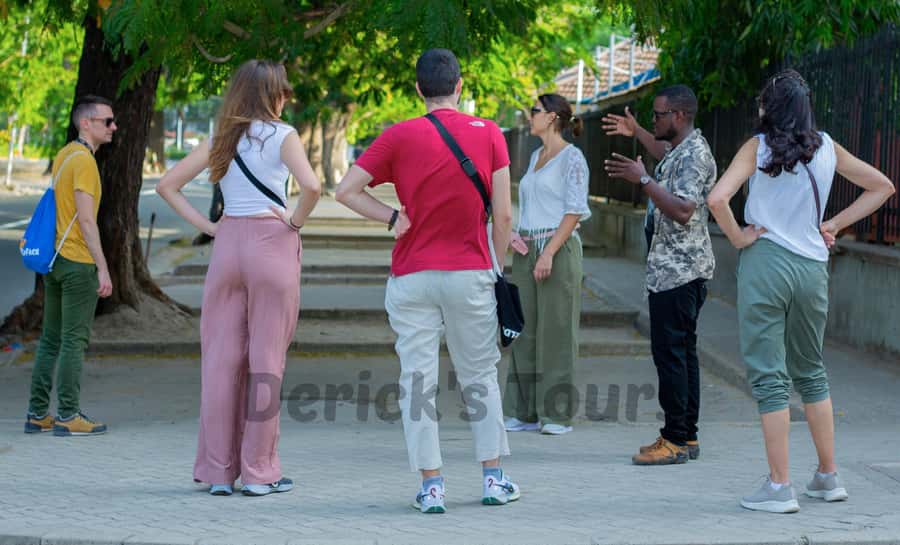
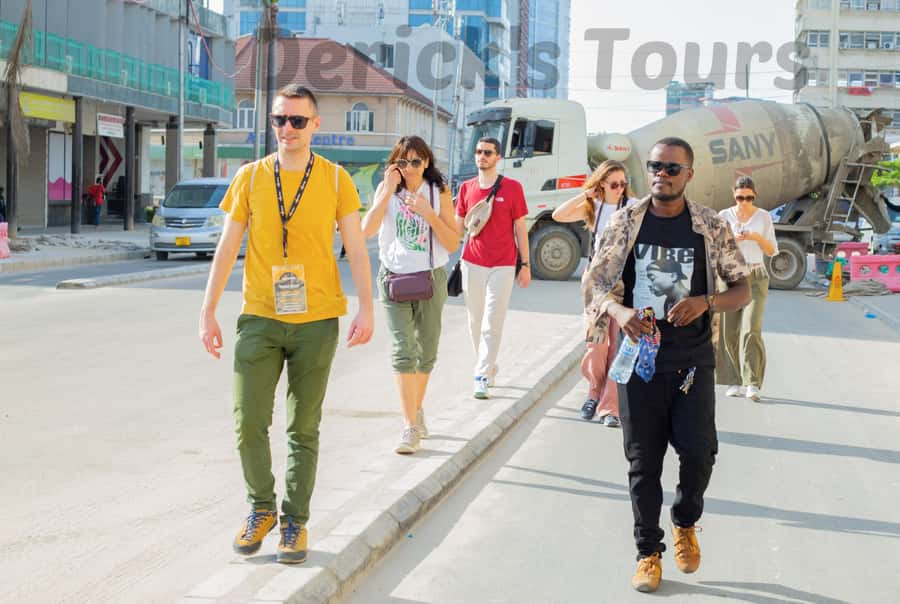
Two hours is enough for a useful introduction, not enough for a slow examination of every stop. The route is designed to cover many key sites on foot, so you will need to keep moving.
I would book this near the beginning of your time in Dar es Salaam. The walk helps you get your bearings, learn the layout of the center, and decide where you want to return later. It also gives you context for buildings and streets you might otherwise pass without understanding.
It suits solo visitors particularly well because the guide can respond to your questions and adjust the pace. It also works for couples, families, and small groups who want a shared overview rather than a large coach tour.
The tour may be less suitable if you want a slow photographic walk, a long museum visit, or a full-day look at the city. The four-star feedback points to the main limitation: the guide may cover the route quickly, leaving less time for pictures. If photography matters most, ask for fewer stops and more time at each one.
Price, Flexibility, and Practical Value
At $30 per person, this is a reasonable price for a two-hour guided introduction, especially if you are new to Dar es Salaam. You are paying for a local guide, explanations at the landmarks, and a route that connects places you might struggle to organize efficiently on your own.
The value is strongest if you use the guide actively. Ask questions. Request a change of emphasis. Tell Derick what you want to understand before the walk begins. A standard sightseeing loop is useful, but a conversation shaped around your interests can make the same two hours much more worthwhile.
The price includes the expert local guide, guided visits to the listed landmarks, and the option to customize the route. It does not state that food, drinks, or other personal purchases are included, so carry money if you want to buy street food or refreshments.
You can cancel up to 24 hours before the activity for a full refund, and the reserve-now, pay-later option lets you hold a place without paying today. Check available start times before booking, particularly if you want to avoid the hottest part of the day.
Comfort, Safety, and the Fish Market Question
A solo visitor described feeling comfortable on the walk, and another person completed the route alone with Derick. That offers useful reassurance, but normal city awareness still makes sense. Keep your belongings secure and follow the guide’s advice in crowded areas.
The fish market is a working place, not a staged cultural display. You might encounter strong smells, wet surfaces, crowds, and active seafood trading. That authenticity is a major reason to go, but it is also the part of the tour most likely to test your comfort.
If you have an allergy or dislike seafood smells, say so before setting out. The route can be adjusted, as shown by the alternative visit to Coco Beach. Ask about other preferences too, since the provider specifically offers customization.
Wear shoes suited to walking and bring water. The available information does not promise air-conditioned transport, so plan for an outdoor city walk. One visitor received a ride back to a homestay, but that was a personal courtesy rather than a listed inclusion.
Who Should Book This Dar es Salaam Walk?
Book it if you want a short, human introduction to the city and prefer stories, street scenes, and local questions to a fixed sightseeing script. It is particularly useful for a first day in Dar es Salaam, a short stop between other plans, or a return visit when you want a different look at the center.
I would also recommend it if you want to see the Kivukoni Fish Market with someone who can explain what is happening around you. The market gives the walk its strongest sense of place, while the churches, monument, garden, gallery, and Old Boma give it structure.
Think twice if you dislike markets, need lots of time for photos, or want a slow architectural study. You can ask for changes, but the standard two-hour route is ambitious. The smartest booking choice is to message Derick first, request a cooler time, and explain whether you prefer a broad overview or fewer stops at a slower pace.
FAQ
How much does the Dar es Salaam city walking tour cost?
The tour costs $30 per person.
How long does the walking tour last?
The activity lasts two hours.
Which landmarks are included?
The route includes St. Joseph Cathedral, Azania Front Lutheran Church, the Askari Monument, the Botanical Garden, Kivukoni Fish Market, and Old Boma. It also includes a local art gallery and other city-center spots.
Who leads the tour?
The experience provider and guide is Derick Lawrence.
What language is the tour offered in?
The live guided tour is offered in English.
Can the route be customized?
Yes. You can contact the guide in advance to request a route based on your interests.
Can the fish market be replaced?
Yes. The route can be adjusted, and a visitor who wanted to avoid fish-market smells was taken to Coco Beach instead.
Is the tour suitable for someone visiting Dar es Salaam for the first time?
Yes. The walk is designed as an introduction to the city’s history, culture, landmarks, and daily life.
Can I cancel for a full refund?
You can cancel up to 24 hours in advance for a full refund.
Do I have to pay when I reserve?
No. The reserve-now, pay-later option lets you book without paying immediately. Check availability for the available starting times.
Should You Book It?
Book this walk if you want to understand Dar es Salaam through both its landmarks and its working streets. Derick’s flexibility, clear English, and strong grasp of the city’s past make the tour more useful than a quick list of photo stops.
For the best experience, choose a cooler start time, mention any food or smell concerns, and ask for a little extra time at the places you most want to photograph. If you can accept a brisk pace and an unvarnished market visit, $30 buys a solid first look at the city.
Newly listed around Dar Es Salaam
- Mikumi Np Mid Range Tour 3 Days★ 5.0 · 3 reviews
- Private Mikumi Adventure★ 4.5 · 3 reviews
- Ruaha National Park And Mikumi National Park Budget Safari 6 Days 5 Nights★ 5.0 · 3 reviews
- 3 Days 2 Nights Private Safari Tour in Mikumi★ 5.0 · 3 reviews
- Day Trip To Bagamoyo From Dar Es Salaam ..historical town★ 4.5 · 3 reviews
- Dar es Salaam City tour and Beach Leisure – 9 hours★ 5.0 · 3 reviews
- Mikumi National Park Day Trip by Train From Dar Es Salaam★ 5.0 · 4 reviews
- 3-Day at Dar es Salaam To Selous GR (Nyerere NP) Game, Boat & Walking Safari★ 5.0 · 4 reviews
Dar es Salaam Tours, compared.


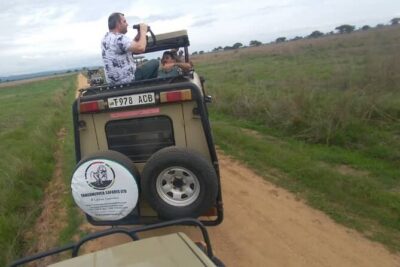
Private Full-Day Trip to Mikumi National Park from Dar es Salaam
Read our review →
Browse the lists this tour appears in