
Reviewed · DAR ES SALAAM TOURS
Dar es Salaam City Walking tour – Explore the Life of the Local People!
Dar es Salaam reveals itself best at street level, and this private tour puts you right into that daily rhythm. You walk through central neighborhoods, ride public transport, stop at markets, and see how ordinary city life unfolds beside major landmarks. Guide Aloys E Malekela leads the experience, sharing local background as you move between stops.
I like the way the tour joins major sights with everyday places such as the fish market and Kariakoo Bazaar. I also like the chance to use public transport, since that gives you a more direct feel for the city than staying inside a private vehicle. The main drawback is the heat, especially during a five to seven hour walking day, and the fish market can be strong-smelling.
Key points to know before you book
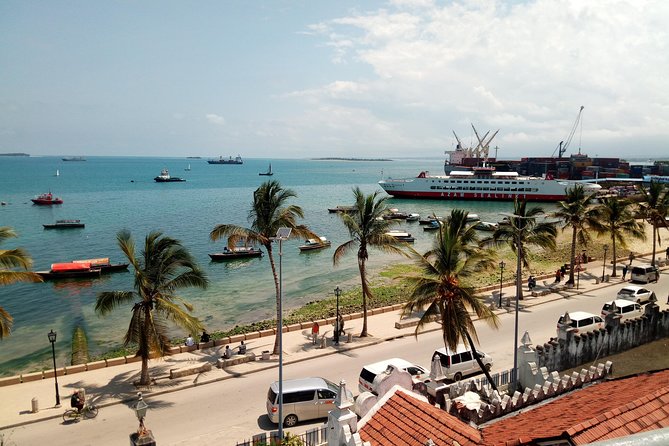
- A half-day city sampler: See major central sights in roughly five to seven hours.
- A private experience: Only your group takes part, so the pace and questions are more personal.
- Public transport included: The tour is not a sealed-off sightseeing ride. You move around as local residents do.
- Markets are central to the experience: Kariakoo Bazaar and the fish market bring noise, trade, smells, and daily business into the day.
- Several historic landmarks: The National Museum, Sultan Majjid Building, Missionaries House, and two churches add cultural context.
- Plan for hot conditions: One guest found the temperature difficult, so comfortable clothing and sensible timing matter.
Seeing Dar es Salaam through daily life

Dar es Salaam is not presented here as a string of isolated monuments. The point is to understand the city by walking through it, pausing often, and watching people go about their work. The route covers an area within roughly a three to five kilometer radius, with regular stops for explanations and sightseeing.
That compact range makes the tour useful on a first visit. You can build a mental map of central Dar es Salaam in one outing, then return later to the places that caught your attention. I would treat this as a city orientation with real cultural stops, not as a slow museum tour or a polished sightseeing circuit.
Aloys is described as friendly and informative, and his role matters here. Public markets, religious buildings, and older city structures can be easy to pass without understanding what you are seeing. A guide can connect the places to Dar es Salaam’s growth and to the people who use them every day.
The city’s founding story begins with Sultan Majjid in 1862. He lived in Zanzibar and used Dar es Salaam as a weekend retreat. That detail gives the early part of the tour a useful starting point: the city developed from a coastal settlement linked to the sultanate, then grew into Tanzania’s major commercial center.
More Walking Tours in Dar es Salaam:
- Dar es Salaam City Center: Walking Tour
★ 4.8 · 102 reviews - 3 Days Nyerere NP [Selous GR] Game, Walking and Boat
★ 5.0 · 19 reviews - 5 Days Selous/Nyerere & Mikumi NP Game drive, Maasai and Walking
★ 5.0 · 13 reviews
The National Museum sets the historical frame
The National Museum of Tanzania receives about an hour, making it the longest stop on the route. That is a good use of time. Before you head into markets and streets, the museum gives you background for the country and the city.
I would expect this portion to be the more structured part of the day. You have time to look at exhibits rather than simply stepping inside for a quick photograph. The museum helps place Dar es Salaam within Tanzania’s wider story, while the rest of the tour shows how that story continues in the city outside.
The museum is also a practical refuge during a hot day. After walking outdoors, an indoor stop gives you a chance to slow down before returning to the streets. Admission is listed as free, and the tour includes fees and taxes, so you do not need to budget for a separate museum charge.
If you prefer markets and street scenes to indoor displays, an hour may feel long. I would still keep this stop, especially if Dar es Salaam is your first Tanzanian city and you want more than surface-level sightseeing.
The fish market brings the city to your senses
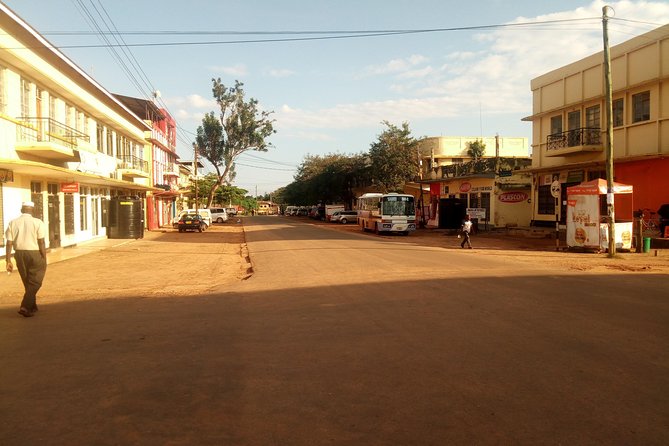
The fish market gets about 20 minutes. This is a short stop, but it may be one of the most memorable because it is practical and unpolished. You see a place where seafood is traded, rather than a display prepared for visitors.
Expect strong smells. That is part of the setting, and one Northern European guest specifically found the market interesting but smelly. I would not treat that as a flaw in the tour. It is a useful warning to set your expectations before you arrive.
The stop works best if you are comfortable with working markets and the ordinary sights and smells that come with them. You may find the scene more revealing than another formal building because it shows how food moves through the city and how local commerce operates.
Twenty minutes is enough for an introduction without letting the market dominate the day. If you are sensitive to heat or strong odors, this is a place where a brief visit and a little practical preparation will help.
Sultan Majjid Building and Missionaries House
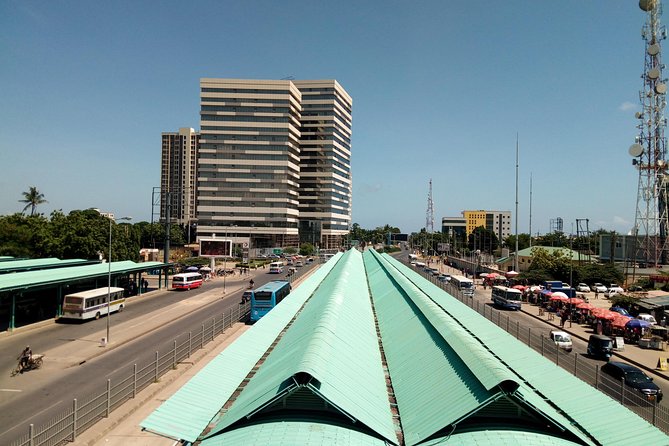
The Sultan Majjid Building receives about 40 minutes, which suggests that Aloys gives this landmark more than a quick exterior explanation. Its connection to Sultan Majjid makes it an important stop for understanding the early identity of Dar es Salaam.
This is where the opening history becomes concrete. Instead of hearing only that the city was founded in 1862, you see a place connected with the ruler who used the city as a retreat. The building helps link political history with the streets around you.
The Missionaries House follows for about 20 minutes. Together, these two stops add a different layer to the city than the markets do. You move from commercial life to buildings shaped by religion, administration, and the city’s earlier development.
The schedule gives you enough time to hear an explanation, look around, and ask questions. It does not promise a long architectural study, so I would focus on the setting and connections rather than expecting every detail of each building’s past.
A few more Dar es Salaam days to compare
- Dar es Salaam: City Tour
★ 4.7 · 159 reviews - Dar es Salaam City Tour – Everyday
★ 5.0 · 64 reviews - MIKUMI NATIONAL PARK – 3 Days
★ 4.5 · 63 reviews - 2 nights 3 days safari to mikumi national park
★ 5.0 · 62 reviews
Two churches, two different points of reference
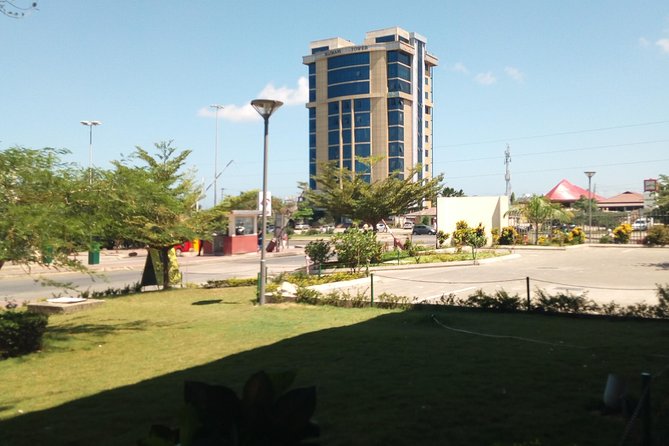
The route includes Saint Joseph Church for about 15 minutes and Azania Front Church for about 20 minutes. These are brief visits, but they show how religious buildings form part of Dar es Salaam’s central identity.
Short stops like these are useful on a walking tour because they break up the markets and museum. You are not spending the entire day in one type of place. Instead, you get a sequence of public, religious, commercial, and historical settings.
The time at Saint Joseph Church is enough for a concise explanation and a look inside or around the building, subject to local conditions. Azania Front Church receives a little longer, giving you more room to take in the site and its surroundings.
You should dress and behave respectfully at both churches. The tour description does not promise a service or extended religious program, so think of these as cultural and architectural visits within a larger city route.
Kariakoo Bazaar is the busiest part of the day
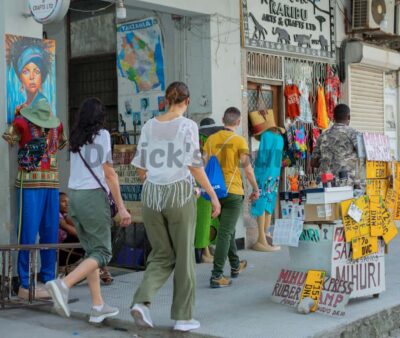
Kariakoo Bazaar gets about 30 minutes and is likely to be one of the most active stops. This is where the tour’s promise to show daily life becomes especially clear. You are not simply looking at a historic object. You are seeing buying, selling, movement, and city business happening around you.
A half-hour gives you a useful taste, though not enough time to explore every section. That is probably a good thing during a long walking day. Kariakoo can be demanding if you are already tired, and the schedule keeps the visit focused.
I would keep your belongings close in any crowded market and stay aware of where the group is moving. That is ordinary city advice, not a special warning about this activity. The value of the stop lies in observing how residents shop and trade, so look up from your camera and pay attention to the small details.
This is also a good point to ask Aloys practical questions about prices, goods, and how the market fits into city life. Since the tour is private, you can spend your questions where your curiosity is strongest.
Mwenge Curio Shops add a shopping stop
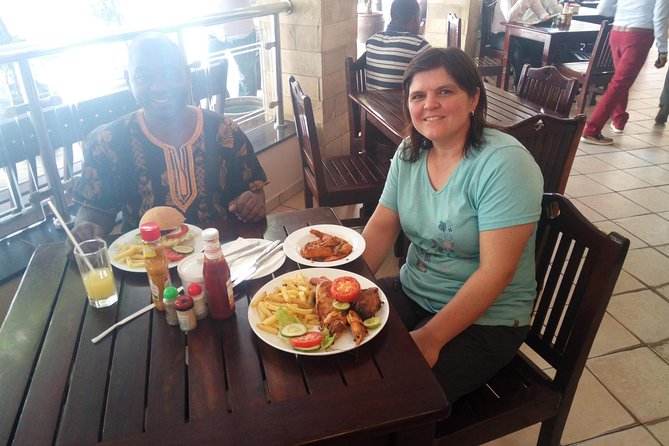
The itinerary also includes Mwenge Curio Shops, with the supplied schedule showing a longer visit of about three hours, though the published duration and stop details are not fully clear. I would confirm the exact timing with Aloys before booking if this stop is important to you.
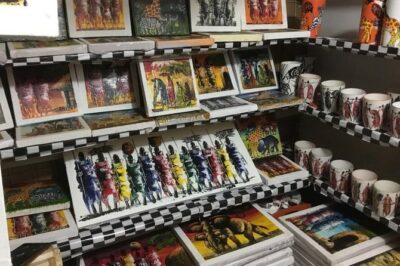
Mwenge is useful if you want time to look at local crafts rather than rush through a shop. The stop can provide room to browse and compare items, but it also changes the character of the day. After the museum, churches, and markets, you are moving into a more purchase-focused part of the experience.
If you plan to buy something, ask about prices and take your time before committing. The tour includes transport, but lunch and dinner are not included, so you should also clarify when you will have time to eat if the outing runs toward seven hours.
The unclear timing is the one itinerary detail I would check in advance. The tour is described as five to seven hours, while the listed visit to Mwenge includes an incomplete time entry. That does not make the experience a poor choice, but it does mean you should confirm the day’s exact shape.
Walking and public transport are part of the lesson
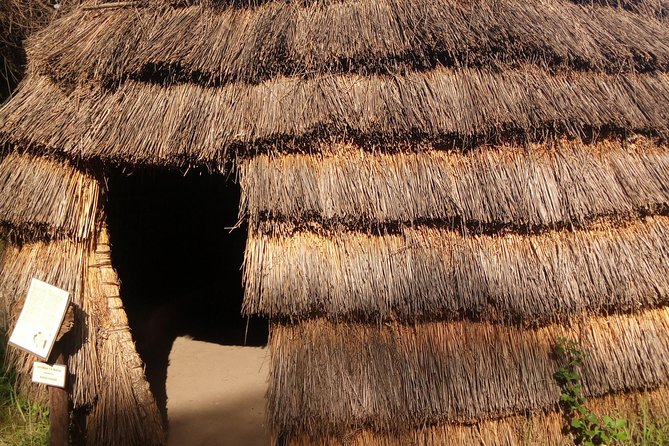
This is not a private car tour with brief exits at each sight. You explore on foot and use public buses, with public transport included in the price. That choice is important because transport becomes part of the cultural experience rather than dead time between attractions.
You get to see how the city connects its central sights and how people move through it. You also need to accept a little less control over the day. Public transport can be less predictable than a private vehicle, and walking in hot weather takes energy.
The tour’s private format helps balance that. Only your group participates, so you can ask Aloys to explain what you are seeing or discuss the pace with him. The activity ends back at the meeting point, which keeps the start and finish simple.
I would wear light, practical clothing and comfortable walking shoes. The information does not specify a dress code for the full tour, but respectful clothing is sensible for the church visits. Carrying water is also a practical choice for a day that may last seven hours, although the tour details do not state that water is provided.
Is $100 a fair price?
At $100 per person, this is not the cheapest way to take a short city walk. The price makes more sense when you consider what is bundled in: a private guide, public transport, several major stops, and a full five to seven hours of attention.
The private format is the biggest value point. You are not sharing the day with a large group, and you can ask for explanations rather than simply following a fixed commentary. That matters in a city where the most interesting details may come from connecting buildings, markets, and present-day routines.
The tour also covers a lot of ground. Paying separately for transport, finding the National Museum, locating the historic buildings, and navigating Kariakoo would take time and confidence. You are paying for a guide who brings those pieces together.
Still, the value depends on your interests. If you want a polished vehicle-based tour, air conditioning, or a short list of photo stops, this may feel too long and too exposed to the heat. If you want direct contact with city life and are happy to walk and ride public transport, the price is easier to justify.
The experience is recommended by 94 percent of participants and carries a 4.7 rating from 17 reviews. The strongest praise focuses on Aloys’s friendly manner, clear explanations, and care throughout the day. That personal guidance is the central reason to choose this tour.
Who will get the most from this city walk?
I would choose this tour if you have one day or part of a day in Dar es Salaam and want a useful first picture of the city. It suits people who enjoy markets, public spaces, religious buildings, local transport, and conversation with a guide.
It is also a good fit if you prefer a private outing. You are not locked into the interests of a large group, and the route includes enough variety to keep the day from becoming a string of similar monuments.
You may want to think twice if heat affects you strongly or if you dislike crowded, noisy, or strong-smelling places. One guest from Northern Europe found the weather difficult, and that is worth taking seriously. A cooler start time may help, so ask Aloys about the best time to begin.
This is less suited to someone who wants a relaxed meal-centered day. Lunch and dinner are not included, and the long schedule may require you to plan food around the route.
Booking, timing, and cancellation details
The tour is booked, on average, 55 days ahead, so I would not leave it until the last minute if your dates are fixed. Confirmation is provided at booking, and the experience uses a mobile ticket.
Most people can participate, and the activity is private for your group. The information does not give detailed accessibility notes, so you should ask before booking if you have mobility needs, especially because the day involves walking and public transport.
Free cancellation is available up to 24 hours before the local start time for a full refund. Cancellations or changes made inside that 24-hour period are not accepted for a refund.
Should you book the Dar es Salaam walking tour?
Book it if you want to see Dar es Salaam as a working city, not just a collection of landmarks. The National Museum gives you context, while the fish market, Kariakoo Bazaar, public buses, churches, and older buildings show how the city functions now.
I especially like the mix of formal and everyday places, plus the chance to spend the day with Aloys in a private group. The heat, long walking time, fish-market smells, and unclear timing around Mwenge Curio Shops are real considerations, but they are manageable if you prepare and confirm the schedule.
For a first look at Dar es Salaam, this is a useful and personal choice. For a cool, fast, vehicle-based sightseeing trip, choose something else.
FAQ
How long does the Dar es Salaam walking tour last?
The experience lasts approximately five to seven hours. The route includes regular sightseeing and explanation stops within a roughly three to five kilometer radius.
Who leads the tour?
The experience provider and guide is Aloys E Malekela. The tour is private, so only your group participates.
What attractions are included?
The route includes the National Museum of Tanzania, Dar es Salaam Fish Market, Sultan Majjid Building, Missionaries House, Saint Joseph Church, Azania Front Church, Kariakoo Bazaar, and Mwenge Curio Shops.
Is public transport included?
Yes. Public transport is included, and the tour combines walking with travel by public bus.
Are meals included?
No. Lunch and dinner are not included in the price.
Can I cancel for a full refund?
Yes, if you cancel at least 24 hours before the experience start time. Cancellations or changes made less than 24 hours before the local start time are not accepted for a refund.
Newly listed around Dar es Salaam
- Mikumi Np Mid Range Tour 3 Days★ 5.0 · 3 reviews
- Private Mikumi Adventure★ 4.5 · 3 reviews
- Ruaha National Park And Mikumi National Park Budget Safari 6 Days 5 Nights★ 5.0 · 3 reviews
- 3 Days 2 Nights Private Safari Tour in Mikumi★ 5.0 · 3 reviews
- Day Trip To Bagamoyo From Dar Es Salaam ..historical town★ 4.5 · 3 reviews
- Dar es Salaam City tour and Beach Leisure – 9 hours★ 5.0 · 3 reviews
- Mikumi National Park Day Trip by Train From Dar Es Salaam★ 5.0 · 4 reviews
- 3-Day at Dar es Salaam To Selous GR (Nyerere NP) Game, Boat & Walking Safari★ 5.0 · 4 reviews
Dar es Salaam Tours, compared.


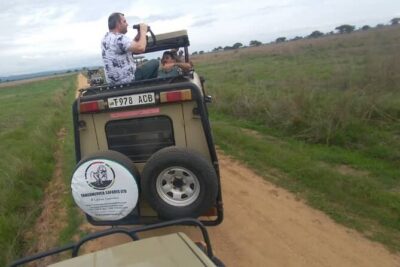
Private Full-Day Trip to Mikumi National Park from Dar es Salaam
Read our review →Browse the lists this tour appears in