
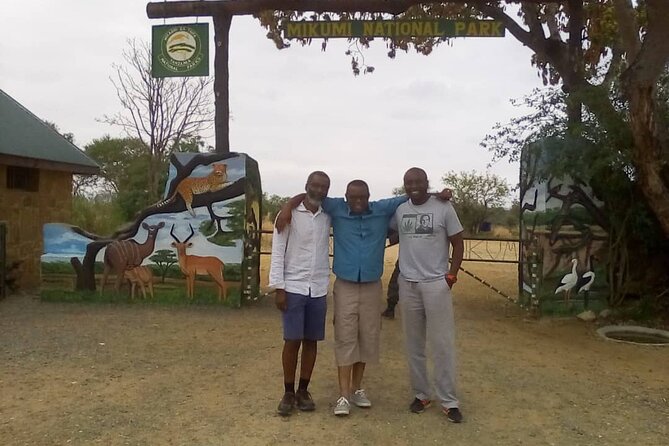
Reviewed · MIKUMI NATIONAL PARK SAFARIS
5 Days Selous/Nyerere & Mikumi NP Game drive, Maasai and Walking
Southern Tanzania gives you a different kind of safari: fewer famous-name crowds, long stretches of open country, and a mix of wildlife viewing and active outings. This five-day route links Mikumi National Park, Udzungwa Mountains, and the Selous/Nyerere area, ending in Dar es Salaam or with an onward boat connection to Zanzibar.
I like the variety here. You get a proper game drive, a hike to Sanje Waterfall, a boat safari on the Rufiji River, and a guided bush walk. I also like that the tour is private for your group of up to seven, so your guide can respond to your interests, including birds, as guide Kassim did for one group.
The main drawback is the amount of time spent on the road. Some transfers take six to eight hours, and the days begin early. The title mentions Maasai, but the supplied schedule does not include a Maasai village visit, so ask the operator to confirm that part before paying.
Key points to know before you book

- Four ways to experience the bush: You get vehicle game drives, a mountain hike, a Rufiji River boat safari, and a sunrise walking safari.
- Long southern-circuit transfers: The route is rewarding but includes drives of about six to eight hours, often with picnic lunches.
- Private group of up to seven: You share the vehicle only with your own party, which helps with pacing and wildlife interests.
- Sanje Falls adds real exercise: The Udzungwa outing includes a guided hike, views, monkeys, and the chance to swim in a natural pool.
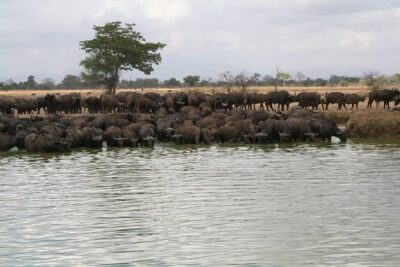
- Selous is strong for river wildlife and birds: The boat trip may show hippos, crocodiles, buffalo, and many of the area’s more than 350 bird species.
- The price works best for a full group: At $9,871.80 per group, seven people would pay about $1,410 per person before any separate arrangements.
Why this southern Tanzania route feels different
Most first safaris in Tanzania focus on the northern circuit, but this trip heads south from Dar es Salaam. That changes the rhythm. Instead of concentrating on one famous park, you move through three distinct settings and add activities that do not depend only on spotting large animals.
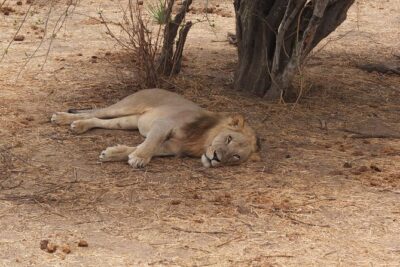
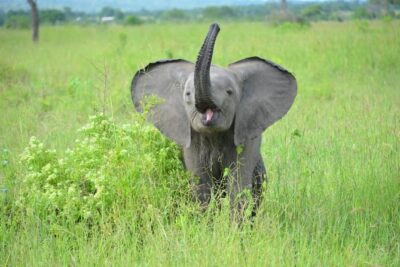
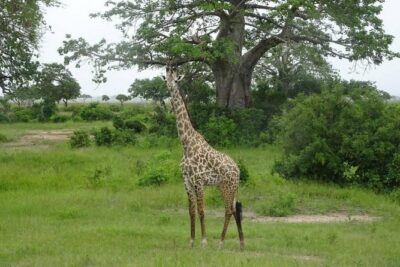
Mikumi is the easiest wildlife stop to reach by road on this route. Its broad flood plain and mountain ranges support elephant, giraffe, buffalo, zebra, wildebeest, eland, impala, waterbuck, reedbuck, warthog, baboon, lion, hyena, and other antelope.
Selous, now commonly associated with Nyerere National Park, brings a more remote feel. Here the Rufiji River becomes part of the safari, with hippos, crocodiles, birds, and the possibility of seeing animals along the banks. Udzungwa changes the pace again, replacing the open vehicle route with forest, slopes, and a waterfall trail.
That mix is the strongest reason to choose this trip. You are not simply repeating game drives for five days. You are walking, hiking, boating, and watching the scenery change between parks.
More Mikumi safaris:
- MIKUMI NATIONAL PARK – 3 Days
★ 4.5 · 63 reviews - 2 nights 3 days safari to mikumi national park
★ 5.0 · 62 reviews - 2 Days 1 Night Mikumi National Park from Dar es salaam
★ 5.0 · 60 reviews
Day 1: The long road to Mikumi
The experience begins with a 5:00 a.m. pickup from Dar es Salaam. The first day is mainly a road journey toward Mikumi, with a picnic lunch along the way. The stated driving time is about six hours, although the schedule repeats the same stop several times and gives slightly different figures elsewhere, so confirm the exact routing and arrival time with Smile With Us Tours in Africa.
Mikumi’s flood plain is the main attraction. It offers open viewing areas where giraffe, zebra, wildebeest, buffalo, elephant, and antelope can be easier to spot than in thick forest. Lions and hyenas are also listed among the animals found here, though no safari can promise a particular sighting.
The overnight stay is inside the park at a Mikumi park cottage. That location matters. Sleeping within the park gives you a better chance of seeing or hearing wildlife around the property and avoids adding another long transfer after a tiring drive.
Still, this is not a gentle first day. A dawn pickup followed by hours on the road can leave you worn out before the first full game drive. Pack water, snacks, sun protection, and something comfortable for the vehicle. A picnic lunch is included, but the supplied details do not describe the exact menu or whether dietary requests are available.
Day 2: Early Mikumi animals and Sanje Waterfall
The second day starts at about 6:00 a.m. with a morning game drive. The schedule points out that early hours are a productive time for wildlife activity, including predator action. In practice, the value of this start is not only the chance of seeing a hunt. Cooler air and active animals make the first hours of the day especially worthwhile.
You return for breakfast at about 8:40 a.m., then continue toward Udzungwa Mountains National Park. The schedule describes the journey to the Sanje Falls area as about 40 minutes from the Mikumi side, but exact timing depends on where you stay and road conditions.
At Udzungwa, a guide or ranger accompanies you on the hike. The trail leads toward Sanje Waterfall, described here as Tanzania’s highest waterfall, with views, forest walks, monkey sightings, and plunge pools where you can swim. Picnic lunch is taken during the outing.
This is the most active part of the trip. The walk takes you away from the safari vehicle and asks more from your legs, especially after an early game drive. Bring sturdy footwear, swimwear, a towel, and a dry bag if you have one. The route description does not state the exact distance or difficulty rating, so ask before departure if anyone in your group has mobility concerns.
After the hike, you return toward Mikumi and spend the night at Camp Bastian. The combination of game viewing and a waterfall hike makes this a full day. I like that it gives you a close look at plants, smaller creatures, and forest life instead of keeping every experience at a distance from a vehicle.
Day 3: Crossing toward Selous and Nyerere
After breakfast at about 8:30 a.m., the route turns toward Selous Game Reserve, now linked with the Nyerere National Park area. The drive is listed at seven to eight hours, with a picnic lunch on the way. This is the least active day, but it helps connect the two major wildlife areas.
You should view the road transfer as part of the price of choosing southern Tanzania. The parks are not arranged in a compact loop, and the route covers large distances. The reward is a quieter circuit with several different environments, but you need patience and a tolerance for sitting in a safari vehicle.
The overnight stay is at African Safari Camp, with lunch and dinner included. The supplied plan does not give the camp’s room style, bathroom arrangement, or exact location, so confirm those details if accommodation standards matter to you.
This is also a good day to talk with your guide about priorities for the next morning. Guides named in past bookings include Said, Sixmund, Kassim, Anthony, Allen, Salum, Tony, Joachim, and Matata. The most useful guide is not simply the person who drives well. You want someone who listens to whether you care most about predators, birds, photography, or the smaller details of the bush.
More Maasai village visits:
- 2 Day Wildlife Experience and Masai Culture Mikumi Park
★ 5.0 · 5 reviews - Maasai, Mikumi NP & Chizua Falls 3 Days From Dar es salaam
★ 5.0 · 4 reviews - 5 Days Camping Tarangire, Serengeti & Ngorongoro crater & Visiting Maasai
★ 5.0 · 229 reviews - Maasai village visit, Materuni waterfalls & coffee experience
★ 4.5 · 95 reviews
Day 4: Rufiji River by boat
Day four is the main Selous wildlife day. It combines game viewing with a two to three-hour boat safari in the evening. That is a smart pairing because the vehicle and river reveal different sides of the reserve.
The wildlife list is ambitious: wild dogs, sable antelope, black rhinoceros, Nile crocodile, hippopotamus, Cape buffalo, hartebeest, and eland. These are possible species in the area, not guaranteed sightings. Wild dogs and black rhinoceros are particularly uncertain on any single outing, so choose this day for the overall setting rather than a checklist.
The Rufiji River is the highlight. Hippos gather in the water, crocodiles rest along the banks, and birds collect in open areas where they are easier to see. The area is described as having more than 350 bird species, making this a strong route for anyone who enjoys birding.
You may also try fishing for tiger fish and catfish, though the schedule does not explain whether fishing equipment, permits, or time for fishing are included. Ask before assuming it is part of the standard boat trip.
A picnic lunch and drinks are provided before you return to camp for dinner and overnight accommodation at an African safari hotel. The wording gives two different accommodation names for the Selous nights, so confirm whether these refer to the same property or separate places.
The boat safari also brings practical concerns. Conditions depend on weather, and the whole experience requires you to be comfortable around open water. The operator says poor weather can lead to a changed date or a full refund, but it is wise to ask how weather decisions affect the rest of the itinerary.
Day 5: Walking quietly through the bush
The final morning begins with an early breakfast and a sunrise bush walk. Walks usually leave between 6:00 and 6:30 a.m., after tea and homemade biscuits or doughnuts, and last two to three hours.
A walking safari changes what you notice. From a vehicle, you focus on larger animals and distant movement. On foot, your guide can point out tracks, plants, insects, small animals, and the structure of the bush. The route description presents this as a close look at nature, but you should follow the guide’s safety instructions at all times and avoid expecting the same number of large-animal sightings as on a vehicle drive.
After the walk, you return to camp for breakfast and begin the journey back to Dar es Salaam. The schedule also allows for taking a boat to Zanzibar, which could make a beach stay a useful follow-up to five early mornings and long transfers.
This final walk is a strong ending for people who want more than photographs of big animals. It is less suitable if you need a late morning or prefer a relaxed departure day.
What the private format adds
This is a private tour for your own group, with a maximum of seven people. That is important in a vehicle. You do not have to negotiate every stop with strangers, and you can tell the guide if you want more time with birds, a particular animal, or a scenic view.
Past guide assignments included Sixmund, praised for driving and animal knowledge, Salum, who made a family with a six-year-old daughter feel safe, and Kassim, who adjusted the safari to suit a group interested in birds. Allen was also described as hardworking and experienced at finding good wildlife viewing spots.
Communication is another practical strength. The operator has used WhatsApp for quick contact, and payments have been arranged with a small deposit followed by the balance on hotel pickup. The supplied details do not state the exact payment schedule for this five-day package, so confirm it directly rather than relying on an earlier arrangement.
Private does not mean luxurious. It means your group controls the seats and conversation. You still face the same rough roads, early departures, weather, and long distances as anyone else on the southern circuit.
Price, meals, and what is included
The listed price is $9,871.80 per group of up to seven. If seven people share the booking, that works out to about $1,410.26 each. For two people, the effective cost is almost $4,936 per person, so this package makes far more financial sense for a larger family or friend group.
Included meals are listed as five lunches, five breakfasts, and four dinners. Picnic meals cover the long transfer days and the wilderness outings. Drinks are specifically mentioned for the day-four picnic, but other beverages are not clearly itemized.
The package includes admission tickets for the relevant park activities as stated in the schedule. It does not include an onboard restroom. That detail matters on six to eight-hour road days, so ask how often comfort stops are planned and bring tissues, hand sanitizer, and water.
The title includes Maasai and walking, but only the walking portion appears in the daily plan. No Maasai cultural visit is described. If meeting Maasai people is a key reason you are considering the tour, get written confirmation about where and when that visit happens, and whether any additional cost applies.
Who should choose this safari
I would recommend this trip to you if you want a private southern Tanzania itinerary with several activity types and do not mind long drives. It suits people who want to combine classic game viewing with hiking, river wildlife, birding, and a walking safari.
It is also a good match for families or friends who can fill most or all of the seven available places. A private vehicle gives you room to set the pace, and the guide can adapt stops to children, photographers, or birdwatchers.
I would hesitate if you want a short, relaxed safari with little time in transit. I would also hesitate if your main goal is a guaranteed sighting of a particular species. The route lists many impressive animals, including wild dogs and black rhinoceros, but sightings are never assured.
The early starts are another real consideration. You will leave around sunrise on several days, and day two combines an early game drive with a hike. Plan a beach stay or a quiet night after the tour if you can. Zanzibar is a logical next stop, and the schedule specifically mentions the option of continuing by boat.
Should you book the five-day route?
Book it if variety matters more to you than a compact itinerary. Mikumi supplies accessible game viewing, Udzungwa adds Sanje Falls and swimming, Selous/Nyerere brings the Rufiji River, and the final bush walk lets you slow down and notice the smaller details.
Before booking, confirm three things: the exact accommodation, the long-drive timetable, and the Maasai portion advertised in the title. Also ask which guide is assigned and whether fishing at Rufiji is included or optional.
Cancellation is flexible only up to three full days before the 5:00 a.m. start. Cancelling within three days means no refund, while poor weather may bring a new date or full refund. For a group of seven that can be good value, but for a smaller party the high total price deserves careful comparison.
FAQ
Where does the safari start and finish?
The tour starts in Dar es Salaam with pickup offered. It ends with transport toward Dar es Salaam, or you may take a boat onward to Zanzibar.
How long does the experience last?
The listed duration is five days, approximately.
How early does pickup begin?
The stated start time is 5:00 a.m.
How many people can join the private tour?
The private activity is for your group only and can include up to seven people.
Which parks and natural areas are included?
The route includes Mikumi National Park, Udzungwa Mountains National Park, and Selous Game Reserve, also associated with the Nyerere National Park area.
Is hiking included?
Yes. The Udzungwa portion includes a guided hike to Sanje Waterfall, with the chance to swim in a natural pool.
Is a boat safari included?
Yes. Day four includes an evening boat safari lasting about two to three hours on the Rufiji River area.
Are meals included?
Yes. The package lists five breakfasts, five lunches, and four dinners.
What happens if I cancel?
You can receive a full refund if you cancel at least three full days before the local start time. Cancellations within three days are not refunded. If poor weather causes the operator to cancel, you are offered another date or a full refund.
More five day trips in Dar es Salaam
- 5 Days Safari to Selous & Mikumi
★ 5.0 · 15 reviews - 5-Day Mikumi & Ruaha Tanzania Wildlife Lodge Safari
★ 5.0 · 10 reviews - 5 Days Safari to Nyerere NP (Selous GR) and Mikumi NP
★ 5.0 · 7 reviews - 5 Days safari Selous GR and Mikumi NP
★ 5.0 · 5 reviews
More Walking Tours in Dar es Salaam
- Dar es Salaam City Center: Walking Tour
★ 4.8 · 102 reviews - 3 Days Nyerere NP [Selous GR] Game, Walking and Boat
★ 5.0 · 19 reviews - Dar es Salaam City Walking tour – Explore the Life of the Local People!
★ 4.5 · 17 reviews - 3 Days Explore Selous Game Reserve + Boat safari + bushman walking
★ 5.0 · 5 reviews
Newly listed around Dar es Salaam
- Mikumi Np Mid Range Tour 3 Days★ 5.0 · 3 reviews
- Private Mikumi Adventure★ 4.5 · 3 reviews
- Ruaha National Park And Mikumi National Park Budget Safari 6 Days 5 Nights★ 5.0 · 3 reviews
- 3 Days 2 Nights Private Safari Tour in Mikumi★ 5.0 · 3 reviews
- Day Trip To Bagamoyo From Dar Es Salaam ..historical town★ 4.5 · 3 reviews
- Dar es Salaam City tour and Beach Leisure – 9 hours★ 5.0 · 3 reviews
- Mikumi National Park Day Trip by Train From Dar Es Salaam★ 5.0 · 4 reviews
- 3-Day at Dar es Salaam To Selous GR (Nyerere NP) Game, Boat & Walking Safari★ 5.0 · 4 reviews
Mikumi National Park Safaris, compared.
2 Day Safari To Mikumi National Park + transfers from Dar Es Salam
Read our review →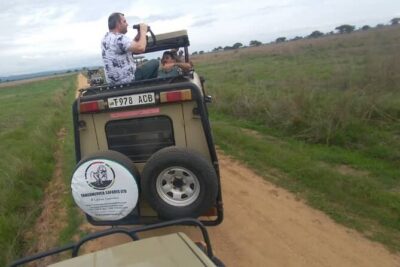
Private Full-Day Trip to Mikumi National Park from Dar es Salaam
Read our review →Browse the lists this tour appears in