Reviewed · SERENGETI & NGORONGORO SAFARIS
8 Days Safari (Lake Manyara /Tarangire/Serengeti/Ngorongoro)
The great strength of this eight-day safari is its range. You move from the monkey-filled forest of Arusha National Park to elephant country in Tarangire, the open plains of Serengeti, the wildlife-packed Ngorongoro Crater, and Lake Manyara’s famous tree-climbing lions. If the timing is right, northern Serengeti adds the drama of the wildebeest migration.
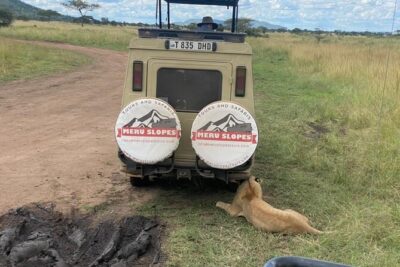
I like the excellent park variety and the generous time in Serengeti, where four days give you a better chance of seeing animals behaving naturally rather than simply checking off species. I also like the practical setup: an extended 4×4 with a pop-up roof, airport transfers, three meals a day, drinking water, and a safari guide and cook included.
The main consideration is the pace. Several days begin before sunrise, and the route includes long drives, basic camping, and a full-day crater visit. Also, the information describes both a private trip and a joining group camping safari, so confirm the group arrangement before paying.
Key details that shape the safari
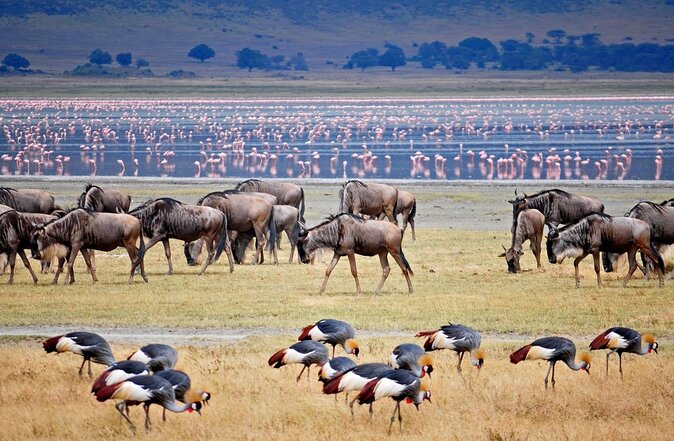
- Five distinct parks: Arusha, Tarangire, Serengeti, Ngorongoro, and Lake Manyara each offer a different setting and wildlife focus.
- Four Serengeti days: This is the heart of the trip, with time allocated for central and northern areas and possible migration viewing.
- Season matters: July through October offers the best chance for northern Serengeti river crossings, while January through March is the calving period.
- Camping keeps costs down: You sleep at Seronera and Simba campsites, with Jambo Lodge used on several nights.
- A pop-up roof helps: You can stand for game viewing and photography instead of looking through a fixed window.
- Local encounters are included: The route adds a Mto wa Mbu village walk and a visit to a Maasai boma.
What this eight-day route does well
This is a classic northern Tanzania circuit, but it is not a rushed sampler. Arusha National Park opens the trip with forest, crater scenery, and smaller primates. Tarangire brings elephants and baobabs. Serengeti takes up the largest share of the schedule, as it should. Ngorongoro then concentrates wildlife into a remarkable volcanic bowl, and Lake Manyara provides a final change of scenery before the return to Arusha.
That variety matters. A safari is not just about the number of animals you see. It is also about seeing how wildlife uses different habitats. In Tarangire, animals gather around the river and shade trees. In Serengeti, the open plains make movement and predator-prey encounters easier to follow. In Ngorongoro, the crater walls hold an unusually high concentration of animals in a relatively compact area.
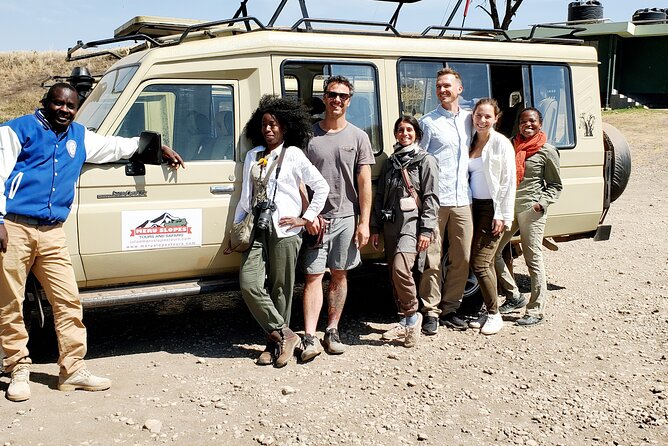
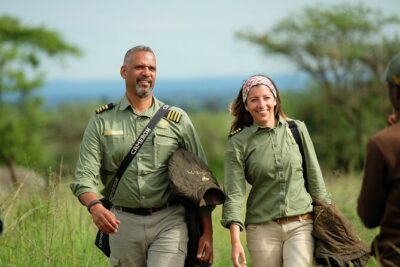
The trip is operated by Meru Slopes Tours and Safaris. The supplied information names guides and cooks praised in past bookings, including guides Jacob, Nuru, Samwel, Benson, Douglas, Mohamed, Iddy, and Jerome Hotti, as well as cooks Dula and Eric. You cannot assume that one of these people will lead your departure, but you can ask for the assigned guide before the trip. That is worth doing. On safari, the guide affects your experience as much as the park itself.
More Safaris in Arusha
- Balloon Safari & Bush Breakfast in Serengeti – Miracle Experience
★ 5.0 · 1,646 reviews - 4 Days Group Camping Safari
★ 5.0 · 1,101 reviews - 5 Days Group Camping Safari
★ 5.0 · 730 reviews
Day 1: Arusha National Park and Ngurdoto Crater
The first morning begins around 8:00 a.m., with a roughly 40-minute drive from Arusha to Arusha National Park. This is a gentle introduction compared with the long road days that follow.
The entrance road passes through montane forest, where blue monkeys are common and colorful turacos and trogons may appear among the trees. Arusha National Park is also one of the better places on Tanzania’s northern circuit to look for black-and-white colobus monkeys. Their long fur and deliberate movement make them especially rewarding to watch in the forest canopy.
The park’s major scenic feature is Ngurdoto Crater. Its steep sides enclose a marshy floor where buffalo and warthogs can be seen. You are not descending into this crater on Day 1. Instead, the viewpoint and surrounding forest provide a useful contrast to the savanna parks later in the week.
An eight-hour park visit gives you time to take the day slowly. That is helpful after an international flight, especially if you have spent the previous night in Arusha. The day is less about finding every major predator and more about getting used to the vehicle, the guide’s style, and the rhythm of wildlife watching.
Day 2: Elephants and baobabs in Tarangire
You leave your Arusha hotel at about 8:00 a.m. and drive for roughly three hours toward Tarangire National Park. The park is about 115 kilometers from Arusha and covers approximately 2,800 square kilometers.
Tarangire is known for its large elephant population, baobab trees, and the Tarangire River, which gives the park its name. The river is a key water source, and animal concentrations can change with the season. Along with elephants, you may see lions, leopards, pythons, and other savanna species. The provided plan also highlights pythons associated with trees, an unusual sight compared with the more familiar big-cat viewing.
You spend the day on game drives before continuing to Jambo Lodge for dinner and overnight accommodation. The route works well because Tarangire has a clear visual identity. The giant baobabs and dry woodland feel very different from the open Serengeti plains, so this is not simply another stop on a wildlife checklist.
The schedule says a full day in the park, though one duration entry is shown as eight minutes, which is plainly inconsistent with the rest of the plan. Treat the written route as the useful guide, and ask the operator to confirm the exact departure, park time, and accommodation before booking.
Days 3 to 6: Making the Serengeti the main event
Day 3 takes you from the Ngorongoro area toward Serengeti. After breakfast, you load your luggage into the safari vehicle and travel with lunch inside the jeep. The route includes views toward the Rift Valley and Ngorongoro Crater, then reaches Serengeti at about 3:00 p.m.
An evening game drive in central Serengeti leads to sunset viewing and an overnight stay at Seronera campsite. This timing gives you a first look at the park before settling into camp, though the drive from Tarangire and the crater area means you should expect a long road day.
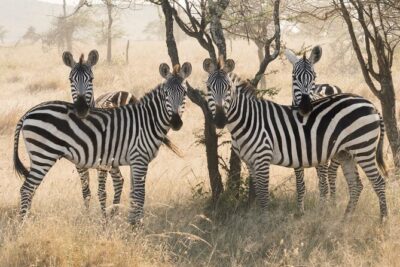
Serengeti means endless plains, and the scale is the point. You may see large herds spread across open grassland, with predators following the same food supply. The migration involves roughly 1.5 million wildebeest and other herbivores, along with the predators that track them.
Day 4 moves toward northern Serengeti. This is the trip’s most migration-focused day, with the guide taking you toward key areas and the Mara River. The possible reward is a river crossing, when wildebeest gather at the bank, hesitate, and then push through the water in a noisy, chaotic mass.
You should keep expectations realistic. Crossings are seasonal and unpredictable, even when you are in the right region. The supplied timing identifies July through October as the best period, with crossings at Kogatende beginning around July as herds settle into the north. Animals may cross back and forth, so the guide may need patience and flexibility.
Day 5 gives you another full day in Serengeti. This is one of the smartest parts of the route. A single game drive can produce wonderful sightings, but wildlife does not follow a timetable. More time lets your guide search different areas and gives you a better chance of seeing feeding, hunting, resting, courtship, or young animals rather than only distant herds.
The migration calendar matters more than the title of the tour. From June through September, your best chance of seeing major herd movement is generally in that broad period, with July through September offering the strongest reason to head north for the Mara River. From January through March, the calving season becomes the focus, and the southern plains around Ndutu are important.
Day 6 starts around 5:45 a.m. with breakfast and sunrise inside Serengeti. You then take an early game drive until about 11:30 a.m., return to camp for a hot lunch, pack your luggage, and continue with an afternoon drive toward Ngorongoro. Dinner and overnight accommodation are at Simba campsite.
These early hours can be tiring, but they are valuable. Morning is often the most comfortable period for a game drive, and sunrise gives the plains a different character from the bright midday hours. The tradeoff is clear: this safari is active, not leisurely. Bring a warm layer for early departures and expect dust, road bumps, and long periods in the vehicle.
More Serengeti and Ngorongoro itineraries:
- 3 Days Serengeti & Ngorongoro Group Camping Safari
★ 5.0 · 574 reviews - 5-Day Highlights mid-Range Crater, Serengeti, Tarangire
★ 5.0 · 296 reviews - 3-Day Classic Serengeti Safari
★ 5.0 · 263 reviews - Private 6-Day Tarangire Manyara Crater and Serengeti with Mid-Range Lodges
★ 5.0 · 238 reviews
Camping, food, and the safari vehicle
The experience uses camping rather than a lodge-only format. Nights are planned at Seronera campsite inside Serengeti and Simba campsite near Ngorongoro, with Jambo Lodge used after Tarangire and after the crater and village day. The material also refers to two nights of accommodation in Arusha, one before and one after the safari.
Camping is a major part of the value. It keeps the price of a northern Tanzania safari lower than a lodge-heavy plan and places you closer to the parks. It also means you should be comfortable with early mornings and simpler facilities. The exact camping setup is not fully specified, so ask about tent type, bedding, showers, toilets, and whether the cook prepares meals at camp.
The package includes breakfast, lunch, and dinner, plus unlimited drinking water. Past bookings specifically praise the cooks, with Dula and Eric named among the staff. That is a useful detail for anyone worried about eating well on a camping safari. Still, ask whether dietary requirements can be handled before departure.
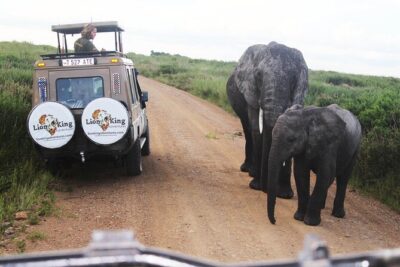
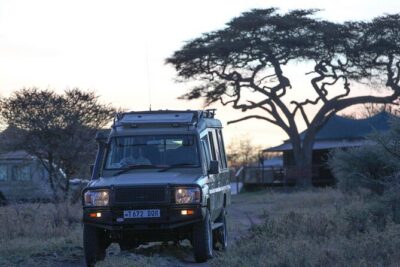
Transport is by an extended 4×4 safari jeep with a pop-up roof. This design gives you a better viewing angle and makes it easier to photograph animals above the grass. An extended vehicle also matters if more than two people share the ride, though the actual number of passengers is not provided.
There is a contradiction in the supplied details: the summary describes a joining group camping safari, while the additional information calls it a private activity for your group alone. Get this clarified in writing. The difference affects space in the vehicle, social atmosphere, flexibility, and value.
Day 7: Ngorongoro Crater and Mto wa Mbu
Day 7 begins around 5:30 a.m. After breakfast, you descend into Ngorongoro Crater for six to seven hours of game viewing. The crater is often called the Garden of Eden because its enclosed floor supports a high concentration of wildlife.
This is the strongest day for a concentrated big-game experience. The plan specifically lists all of the Big Five, black rhino, many bird species, and flamingos. You eat lunch inside the crater while watching the natural surroundings, then ascend and return to camp to collect your luggage.
The crater floor is not the place to rush. The walls create a dramatic setting, but the attraction is also practical: animals are easier to seek in a contained area than across the huge Serengeti. That does not guarantee every species, especially the black rhino, but the chance is part of the appeal.
After the crater visit, the route adds a walking tour in Mto wa Mbu village. You may see banana plantations, learn how local people live, and taste local food. This gives the safari a human dimension that a string of vehicle-based game drives cannot provide.
The day is long, with an early breakfast, crater descent, six to seven hours of driving on the floor, the climb out, luggage packing, and the village walk. If you prefer a slower trip, this is one day to discuss adjusting.
Day 8: Lake Manyara and the return to Arusha
The final park day begins after breakfast with a full-day game drive in Lake Manyara National Park. The park is known for tree-climbing lions and large numbers of flamingos attracted by algae in the lake.
Tree-climbing lions are never something you can schedule, but the possibility gives Manyara a distinct identity. The lake also brings birdlife and a different setting from the dry woodland of Tarangire and the open plains of Serengeti. A hot spring is included as another stop.
The day also includes a visit to a Maasai boma, where you can see how people live and learn about culture and traditions. This is a meaningful addition, but ask how the visit is organized and what is included. A respectful cultural visit should allow genuine exchange rather than feel like a hurried performance.
After Manyara and the Maasai visit, you drive back to Arusha for dinner and overnight accommodation. Airport transfers in both directions are included, but the timing of the final airport transfer is not specified. If you fly out that night, confirm the road time and whether the included Arusha night is required or optional.
Value, price, and who should book
The listed price is $0 per person, which is almost certainly a placeholder rather than a usable safari fare. Do not treat this as a free tour. Request a written quote that states the total cost, number of people, camping arrangements, park fees, airport transfers, and any required deposits.
The included elements suggest good potential value. Park fees and taxes are covered, as are the 4×4, guide, water, and all listed meals. Two Arusha hotel nights and airport transfers can also reduce the number of separate arrangements you need to make.
You still pay separately for a Tanzania visa, personal expenses such as laundry, telephone use, and beverages, plus tips for the guide and cook. Set aside money for those items. Since tipping is excluded, ask the operator for current guidance rather than guessing.
I would recommend this safari to you if you want a broad first look at northern Tanzania, care more about wildlife time than luxury rooms, and are willing to start early. It is also a strong choice if migration viewing is a priority and your dates can be matched to the route.
I would hesitate if you want a relaxed holiday with short transfers, guaranteed river crossings, or high-end lodging every night. The trip covers a lot of ground, and camping is part of the deal. You should also confirm whether the vehicle is private or shared, since that point changes the experience.
The cancellation terms are straightforward: you can cancel at least 24 hours before the local start time for a full refund. Cancellations or changes made later are not accepted for a refund, and poor weather may lead to another date or a full refund.
Should you book this Tanzania safari?
Book it if you want the major northern parks in one well-filled route, especially with four Serengeti days and a chance to follow the migration north. The mix of wildlife, camping, village contact, and Maasai culture gives you more than a parade of game drives.
Before committing, get three things confirmed: the real price, the private or group format, and the exact camping and hotel arrangements. Then match your dates to your priority. Choose July through October for the best shot at Mara River action, or January through March if calving interests you more. With those details settled, this is a strong, practical safari for an active first visit to Tanzania.
FAQ
Where does the safari begin?
The safari begins in Arusha, Tanzania. Pickup is offered, and the stated meeting time is 7:30 a.m.
How long does the safari last?
The experience lasts approximately eight days, with activities scheduled from Day 1 through Day 8.
Which national parks are included?
The route includes Arusha National Park, Tarangire National Park, Serengeti National Park, Ngorongoro Crater, and Lake Manyara National Park.
Is airport transportation included?
Yes. Transfers in both directions between the international airport and Arusha are included.
Where do you stay before and after the safari?
Two nights of accommodation in Arusha town are included, one on the night before the tour and one after the tour.
What type of vehicle is used?
The safari uses an extended 4×4 luxury safari jeep with a pop-up roof for game viewing.
Are meals and drinking water included?
Yes. Breakfast, lunch, dinner, and unlimited drinking water are included. Personal beverages are not included.
When is the best time to see the wildebeest migration?
The best chance of seeing the main migration movement is generally from June through September. July through October offers the strongest chance of northern Serengeti Mara River crossings, while January through March is the calving period.
Can I cancel for a full refund?
Yes, if you cancel at least 24 hours before the experience start time. Cancellations or changes made less than 24 hours before the start are not refunded.
Newly listed around Arusha
- 5-Day Private Safari Tour in Tanzania’s Wildlife★ 5.0 · 3 reviews
- 3 Day Sharing Safari – Manyara, Ngorongoro Crater and Tarangire National Parks★ 5.0 · 3 reviews
- 3 Days private safari Tarangire ,Ngorongroro crater &Manyara★ 5.0 · 3 reviews
- Tarangire National Park Day Trip★ 5.0 · 3 reviews
- 6 -Day Tarangire, Manyara, Serengeti & Ngorongoro★ 5.0 · 3 reviews
- 2 Days Tarangire and Ngorongoro Crater Tour★ 5.0 · 3 reviews
- 5 Days Group Camping Safari★ 4.7 · 3 reviews
- 7-Day Mt. Kilimanjaro Hiking: Machame Route★ 5.0 · 3 reviews
Serengeti & Ngorongoro Safaris, compared.
Balloon Safari & Bush Breakfast in Serengeti – Miracle Experience
Read our review →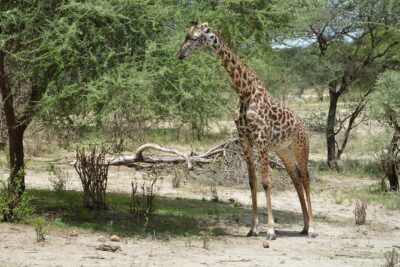
Private 6-Day Tarangire Manyara Crater and Serengeti with Mid-Range Lodges
Read our review →