
Reviewed · ARUSHA TOURS
6 Days Budget Tanzania Camping Safari
The best part of this six-day safari is the basic tent camping. You sleep close to the bush, with only canvas or nylon between you and the sounds of the night. A cook prepares your meals, a driver-guide handles the long park roads, and the small group size keeps the experience personal.
I like the route because it covers Tarangire, Lake Manyara, Serengeti, and Ngorongoro Crater without wasting days on transfers. I also like the practical value: tents, sleeping bags, cots, meals, water, airport pickup, and a safari vehicle are included. The trade-off is comfort. Long driving days, early starts, shared camp facilities, and simple tents are part of the bargain.
- Four major wildlife areas: Tarangire, Lake Manyara, Serengeti, and Ngorongoro Crater all appear in one six-day route.
- Small-group format: The vehicle is limited to a maximum of six people.
- Real camp routine: A personal cook prepares breakfast, lunch, and dinner while you sleep in supplied tents.
- Helpful crew: Saadi is praised for wildlife spotting and friendly driving, while Modi is remembered for especially good meals.
- Useful inclusions: Airport pickup, safari transport, mineral water, camping gear, and park admissions on most days are covered.
- A practical budget choice: At $1,780 per person, the price makes the most sense if you value time in the parks over lodge comforts.
Four parks in six days, with a tent between you and the bush
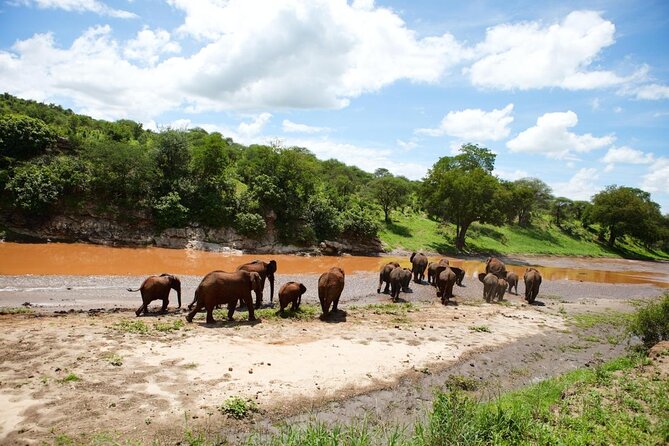
This is a classic northern Tanzania circuit, beginning in Arusha and moving through four famous protected areas before returning to town. You get one day in Tarangire, one in Lake Manyara, three sections of the Serengeti, and a final morning in Ngorongoro Crater.
The route gives you a good sense of how different each park can feel. Tarangire opens the trip with a game drive after leaving Arusha. Lake Manyara follows with a full day. Then the road leads toward the Serengeti, where the schedule allows an afternoon and sunset drive, a full day, and a final half-day before Ngorongoro.
The pace is active. Some days are listed at 10 or 12 hours, and the road between parks takes time. I would choose this trip for the chance to see several major areas, not for a slow holiday with late breakfasts and long afternoons at camp.
Your group can have up to six people, which is a useful limit in a safari vehicle. It gives you a better chance of seeing from the roof opening than you would in a large coach, though you still share the vehicle and daily decisions with the rest of the group.
What basic camping really means here
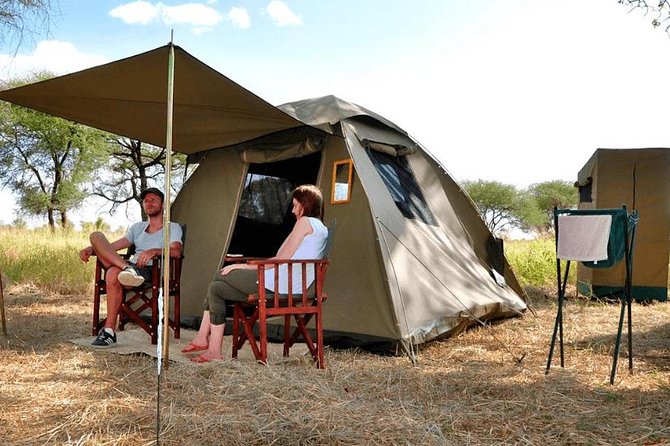
The phrase basic camping matters. You are not booking a lodge with a private bathroom, polished floors, or a full restaurant. You are sleeping in supplied tents, using cots and sleeping bags, and sharing the camp setting with the sounds and movement of the bush.
That simplicity is also the point. Campsites have surrounding bush views, solar-heated showers, eco-friendly toilets, and guards at night. You are not abandoned in the wilderness, but you should be comfortable with a plain setup and a little dust.
The tour supplies the main camping equipment, so you only need a backpack and personal clothing. Mineral water is included. Five breakfasts, six lunches, and five dinners are listed, matching the six-day schedule and making meals one less thing to arrange on the road.
The cook is an important part of the experience. The crew praised in the supplied feedback includes Modi, whose food was singled out as a highlight. That detail matters on a safari, because you spend many hours away from shops and restaurants. A dependable hot meal at camp can make a long day feel much easier.
More Safaris in Arusha
- Balloon Safari & Bush Breakfast in Serengeti – Miracle Experience
★ 5.0 · 1,646 reviews - 4 Days Group Camping Safari
★ 5.0 · 1,101 reviews - 5 Days Group Camping Safari
★ 5.0 · 730 reviews
Day 1: Tarangire begins the wildlife circuit
You leave Arusha at about 8:30 a.m. and drive to Tarangire National Park. The day takes roughly seven hours, including the game drive and the move to camp, with a picnic lunch box provided.
Tarangire is a strong first stop because it gets you into a park quickly without using the entire first day for a transfer. You can settle into the safari rhythm: watch from the open roof, stop for wildlife, eat a packed lunch, and reach camp later for dinner.
The schedule says the park admission is not included on this first stop, while admissions are included on later park days. That is worth confirming with Simba Adventures before you pay, since the main package description says park-related costs are covered in several places but the day-by-day details are not perfectly uniform.
After the game drive, you head to the campsite for dinner and the first night under canvas. This is when you find out if basic camping suits you. If the idea of a guarded campsite, a solar shower, and night sounds excites you, the trip starts well. If you need quiet rooms and private facilities, the first night may feel like a shock.
Day 2: A full day around Lake Manyara
After breakfast, you enter Lake Manyara National Park for a full-day game drive. The day is listed at about 10 hours, so expect a full schedule rather than a quick park visit.
Lake Manyara gives the route a different setting from the larger Serengeti plains. The park is known here simply as a full-day wildlife stop, and the value is the time available to search rather than rush through. You have a full day to look for animals and enjoy the park before returning to camp.
The long day is both a strength and a warning. More hours in the park can improve your chances of finding wildlife, but it also means more time on uneven roads and in the vehicle. Bring a light layer, sun protection, and only what you need for the day, since the tour already provides lunch and water.
You spend the night at the campsite. Because the trip uses camps rather than hotels, your routine is fairly direct: breakfast, game drive, camp dinner, and sleep. That rhythm leaves little room for independent sightseeing, but it keeps the trip focused.
Day 3: The road to Serengeti and a sunset drive
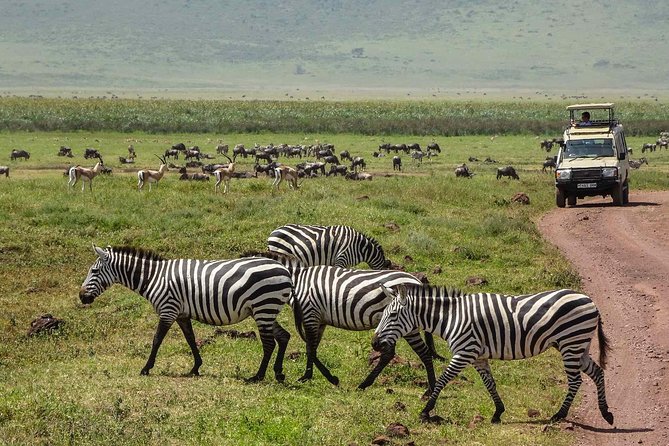
After breakfast, you leave camp for Serengeti National Park. The listed activity lasts about five hours and includes an afternoon and sunset game drive.
This is a key transition day. The Serengeti is the main reason many people choose a northern Tanzania safari, and arriving early enough for an afternoon drive gives you more than a brief look at the park. You begin searching for herds and other wildlife before watching the light change toward sunset.
The Serengeti section receives the most time in this itinerary. That is a sensible choice. Rather than spending only one rushed day there, you have an afternoon, a full day, and a half-day. Your driver-guide has several chances to work out where animals are and to adjust the search over more than one day.
Saadi is one guide name associated with this safari, and the feedback describes him as helpful and skilled at finding animals. I would still treat wildlife sightings as unpredictable. A good guide can improve your chances, but no schedule can promise a particular animal or migration sighting.
More camping safaris in Arusha:
- 3 Days Serengeti & Ngorongoro Group Camping Safari
★ 5.0 · 574 reviews - 2 Days Tarangire and Ngorongoro Group Camping Safari
★ 5.0 · 146 reviews - 6 Days Tanzania Budget Camping Safari
★ 5.0 · 145 reviews - 3 Day Serengeti National Park & Ngorongoro Crater Camping Safari
★ 5.0 · 142 reviews
Day 4: Twelve hours searching the Serengeti
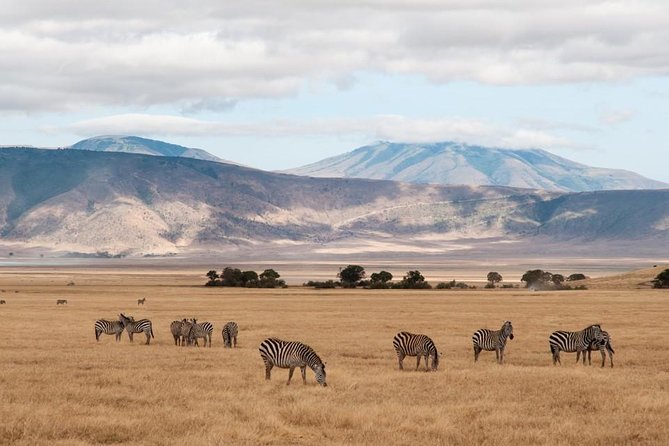
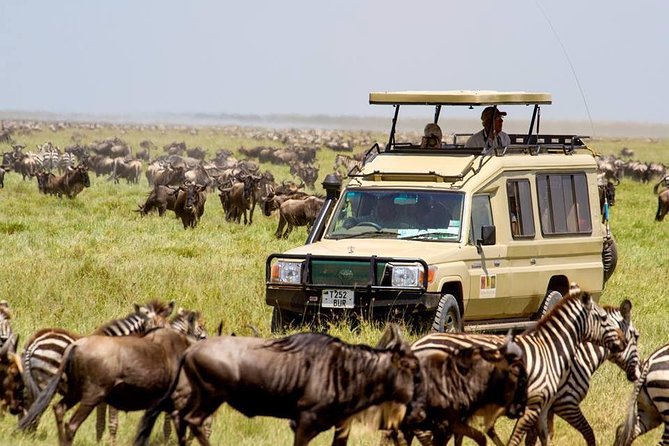
Day 4 is the longest wildlife day, with a full-day Serengeti game drive listed at about 12 hours. The aim is to search for both migratory and non-migratory herds.
This is the day for patience. The Serengeti is not a quick attraction where you stop at one viewpoint and move on. You spend much of the day watching, driving, stopping, and waiting. The open roof of the 4×4 gives you a better way to look around than a sealed vehicle, especially when something appears away from the road.
A 12-hour day can be tiring, so I would keep your expectations practical. You may spend long stretches in the vehicle, and the condition of park roads can make the journey bumpy. The reward is time: more hours to search, more room for the guide to respond to sightings, and a better chance of seeing the park in changing light.
The small group helps here. With no more than six people, the vehicle should be easier to manage than a large group, though you still need to share window and roof-opening views. Agreeing on a reasonable pace with your guide and fellow passengers can make this long day more enjoyable.
Day 5: One last Serengeti drive before Ngorongoro
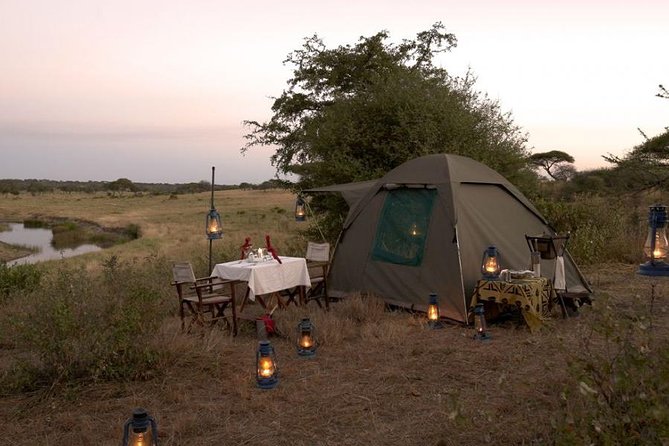
You have a half-day game drive in the Serengeti before moving to the Ngorongoro Conservation Area. The total activity is listed at about six hours, with an overnight stay in the conservation area.
This shorter drive gives you one final chance to look for wildlife in the Serengeti. It also prevents the trip from ending with an immediate rush to the crater. After several days of camping and game drives, the move toward Ngorongoro changes the focus for the final morning.
The day-by-day information lists the admission ticket as free for this stop, so I would ask for a clear explanation of which fees are covered before departure. The main package includes admissions for several park visits, but the details for Day 1 and Day 5 deserve a quick check.
You sleep at a campsite in or near the Ngorongoro Conservation Area. The itinerary calls this an overnight, but it does not name the camp or describe private facilities. Expect the same basic camping style unless Simba Adventures confirms something different.
Day 6: Ngorongoro Crater and the return to Arusha
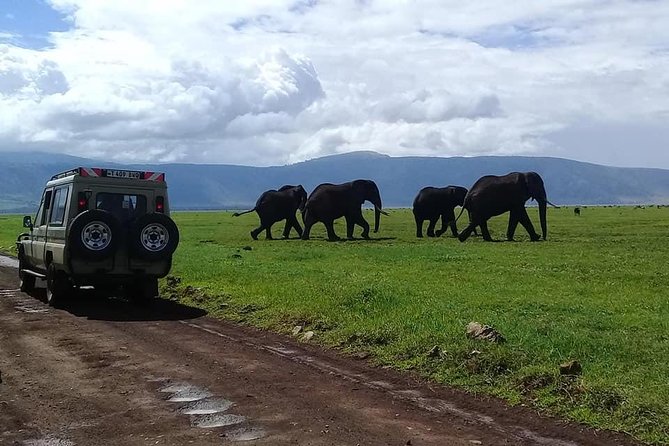
After an early breakfast, you enter Ngorongoro Crater for a half-day game drive. After lunch, you drive back to Arusha, with the day listed at about six hours.
The early start is useful because the crater visit is short compared with the size of the area. You need to get down to the crater floor, spend time on the drive, and then begin the return journey. This is not a leisurely final morning, but it gives you a strong closing stop.
Ngorongoro is a fitting end to the route because it offers a concentrated wildlife experience after the wide open distances of the Serengeti. You will have less time here than in Serengeti, so the guide’s judgment and the timing of the visit matter.
Lunch is included, and the vehicle returns you to the Arusha meeting point. Airport pickup is included at the start, but the supplied details do not promise an airport drop-off at the end. If you are flying out that day, confirm the timing and transfer plan before booking.
The crew can make or break a camping safari
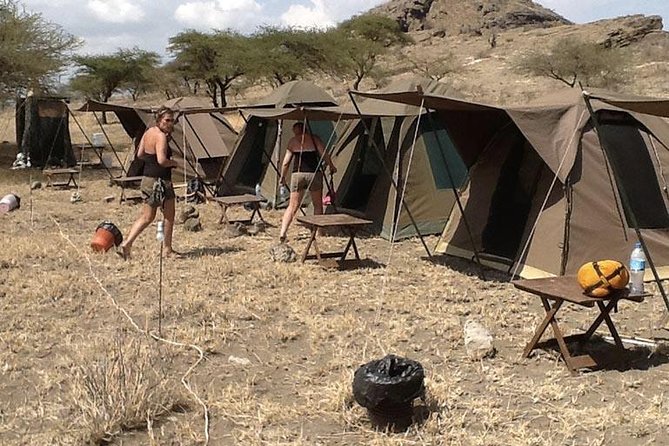
The driver-guide and cook are not minor extras on this trip. You spend nearly every day with them, and their work affects both comfort and wildlife viewing.
Saadi is praised for being helpful and for knowing where to look for animals. Modi is remembered for preparing delicious meals. Another guide name, Sadi, appears in the feedback, and Ally Simba is also associated with hosting a camping trip. Since names and spellings vary, ask Simba Adventures who will lead your departure.
The crew has also helped with disrupted flight plans, according to the supplied information. That is useful if your arrival does not go exactly to plan, though you should still carry travel insurance because it is not included in the price.
A good working relationship with the crew matters. Tell the guide if you need a break, ask about the next day’s timing, and make sure you understand the camping arrangements before leaving Arusha.
Is $1,780 a fair price?
At $1,780 per person, this is not the cheapest possible way to see Tanzania, but it includes a great deal for six days. The price covers safari transport in a 4×4 with an open roof, a driver-guide, a cook, camping facilities, accommodation on the safari route, mineral water, airport pickup, and the listed meals.
You are also paying for access to four major park areas and for the staff needed to cook, drive, set up camp, and support the group. Compared with arranging separate park transport, meals, camping equipment, and transfers, the package is easier to manage.
The value depends on what you want to avoid. If you want a private bathroom, a comfortable bed, and short drives, this is not the right comparison. If you want more time in the parks and can accept basic facilities, the included gear and meals make the price more appealing.
Budget for drinks, tips, travel insurance, and hotel nights in Arusha before or after the safari. Beverages are not included, and neither are pre- or post-safari hotels. Those costs can affect your final budget more than you might expect.
Who should book this safari?
I would choose this trip if you want a high-value wildlife route and do not mind simple camping. It suits active couples, friends, and small groups who would rather spend money on park time than on rooms.
It is also a good match if you are new to safari planning. The company handles the vehicle, meals, camping equipment, airport pickup, and park schedule, so you do not have to arrange each piece yourself.
You should think twice if you dislike early breakfasts, long drives, shared facilities, or changing weather. The longest days reach 10 and 12 hours, and the camping style is practical rather than luxurious.
The maximum group size is six, which makes this more personal than a large bus tour. Still, it is a shared experience. If you want complete control over every stop, ask if a private departure is available before booking.
Free cancellation is available when you cancel at least 24 hours before the start time. Changes or cancellations made inside that period are not accepted for a refund.
Should you book the six-day camping route?
Book it if your priority is seeing a broad slice of northern Tanzania while keeping the trip organized and fairly practical. The combination of four major wildlife areas, a small group, supplied camping gear, a cook, and several days in the Serengeti gives you a strong six-day route.
I would book with two checks first: confirm the exact park fees included on Days 1 and 5, and confirm your airport return plan after the safari. If you are happy with basic tents and long vehicle days, Simba Adventures offers the kind of direct, camp-based safari that puts the parks ahead of comfort.
FAQ
Where does the safari start and end?
The safari starts in Arusha, Tanzania, at about 8:30 a.m., and ends back at the meeting point in Arusha.
Is airport pickup included?
Yes. Airport pickup is included in the package.
How many people can join the safari?
The maximum group size is six people.
What camping equipment is provided?
Tents, sleeping bags, cots, and the other listed camping facilities are provided. Campsites also have solar-heated showers, eco-friendly toilets, and guards at night.
Which meals are included?
The package includes six lunches, five breakfasts, and five dinners. Mineral water is also included.
What is not included in the price?
Tips, beverage drinks, travel insurance, and hotel accommodation in Arusha before or after the safari are not included.
More six day trips in Arusha
- Tanzania Wildlife Encounters – 6 Days
★ 5.0 · 277 reviews - Private 6-Day Tarangire Manyara Crater and Serengeti with Mid-Range Lodges
★ 5.0 · 238 reviews - 6 Days Private Budget Safari
★ 5.0 · 163 reviews - Tanzania Enticing Explorations – 6 Days
★ 5.0 · 106 reviews
Newly listed around Arusha
- 5-Day Private Safari Tour in Tanzania’s Wildlife★ 5.0 · 3 reviews
- 3 Days private safari Tarangire ,Ngorongroro crater &Manyara★ 5.0 · 3 reviews
- 3 Day Sharing Safari – Manyara, Ngorongoro Crater and Tarangire National Parks★ 5.0 · 3 reviews
- Tarangire National Park Day Trip★ 5.0 · 3 reviews
- 2 Days Tarangire and Ngorongoro Crater Tour★ 5.0 · 3 reviews
- 6 -Day Tarangire, Manyara, Serengeti & Ngorongoro★ 5.0 · 3 reviews
- 5 Days Group Camping Safari★ 4.7 · 3 reviews
- Private 4×4 Vitara Safari in Arusha National Park★ 5.0 · 3 reviews
Arusha Tours, compared.

Balloon Safari & Bush Breakfast in Serengeti – Miracle Experience
Read our review →






Browse the lists this tour appears in