
Reviewed · SERENGETI & NGORONGORO SAFARIS
4-Day Tarangire, Serengeti, Ngorongoro Crater
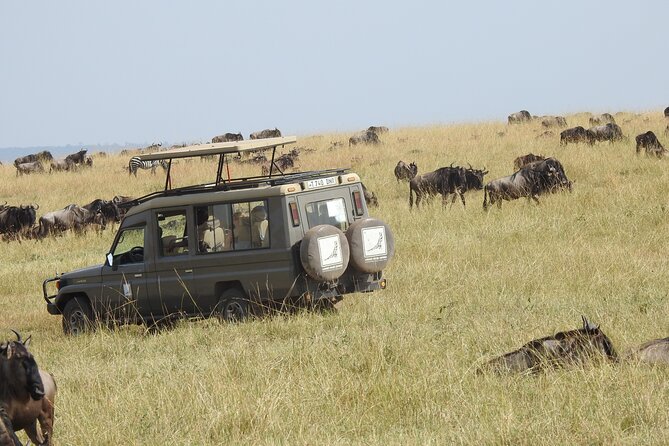
The thrill here is the variety packed into four days: Tarangire’s baobabs and elephant herds, the wide grasslands of Serengeti, then the wildlife-filled bowl of Ngorongoro Crater. I like the private format, which lets your guide adjust the pace and position the vehicle for better animal viewing. I also like that meals, accommodation, park drives, and pickup are included, so you can focus on the scenery rather than arranging each piece yourself.
There are two things to check before paying. The description calls this both a four-day and five-day safari, and the overview names Lake Manyara even though the day-by-day plan visits Tarangire instead. Confirm the final route, lodging, and meal count with Lappet Faced Safaris before departure.
Key points to know before booking
- Tarangire starts the safari with baobabs and large elephant herds, plus a good mix of lions, leopards, giraffes, zebra, buffalo, and antelope.
- Serengeti receives an afternoon drive and a second morning drive, giving you two useful chances to search the plains for predators and grazing herds.
- Ngorongoro Crater is the grand finale, with a five-hour crater-floor drive and a picnic lunch near the Hippo Pool.
- A private vehicle and guide make the trip personal, with only your own group taking part.
- All four breakfasts, lunches, and dinners are included, along with accommodation and park admissions where specified.
- The schedule is full and road time matters, so this suits you best if wildlife viewing is more important than a relaxed hotel-based holiday.
What this four-day safari actually covers
This is a compact northern Tanzania safari from Arusha. You leave town at about 8:30 a.m. on the first day, although the meeting information also gives an 8:00 a.m. start time. That small mismatch is worth settling in advance.
The route moves through three major wildlife areas: Tarangire National Park, Serengeti National Park, and the Ngorongoro Conservation Area. The schedule gives you several game drives rather than one quick park visit, and the private setup means your group does not share the activity with other customers.
The stated price is $2,656 per person. That is a serious outlay, but it covers the main working parts of a safari: pickup, private guiding, accommodation, four breakfasts, four lunches, four dinners, and the listed park visits. International flights, visas, insurance, and tips are extra. The suggested tip is $20 to $25 per vehicle, not per person.
The value depends heavily on the accommodation category and vehicle arrangements, neither of which are specified in the details provided. Ask exactly which camps or lodges are included. Also ask why four breakfasts and four dinners are listed on a four-day plan. The itinerary appears to involve three nights, so the final food and lodging schedule should be clear before you commit.
More Serengeti and Ngorongoro itineraries:
- Balloon Safari & Bush Breakfast in Serengeti – Miracle Experience
★ 5.0 · 1,646 reviews - 3 Days Serengeti & Ngorongoro Group Camping Safari
★ 5.0 · 574 reviews - 5-Day Highlights mid-Range Crater, Serengeti, Tarangire
★ 5.0 · 296 reviews
Day 1: Tarangire’s baobabs and elephant country
Your safari begins with pickup in Arusha and a drive toward Tarangire National Park. A picnic lunch is carried for the day, allowing you to stay out on the game drive rather than return to a lodge at midday.
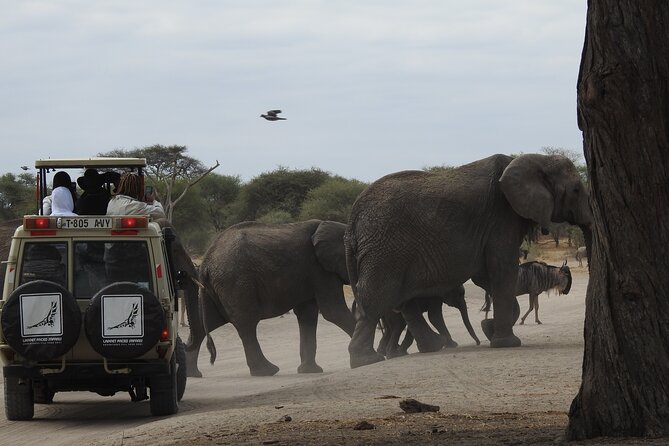
Tarangire is known for its large elephant herds, and its famous baobab trees give the park a look unlike the open plains farther west. These thick-trunked trees rise above the grass and make a memorable frame for animals feeding below them. The Tarangire River is the park’s central feature and helps explain why wildlife gathers here.
The possible sightings are broad. You may see lion, leopard, cheetah, buffalo, giraffe, zebra, eland, oryx, and lesser kudu. No safari can promise a particular animal, but this first day gives your guide a strong range of species to look for.
The listed game drive lasts about six hours. That is long enough to feel like a proper park day, though you should expect time in the vehicle and uneven roads. After the drive, you return to your camp or lodge for dinner.
I like the order of this day. Tarangire offers a clear change from Arusha, and the baobabs and elephants provide an immediate sense of place. The drawback is that you do not reach the Serengeti until the next day, so people with only a short safari window should understand that the route builds toward its biggest names rather than delivering everything at once.
Day 2: The long run toward Serengeti
After breakfast, you head toward Serengeti National Park across broad grasslands. The journey itself is part of the day. You are not simply being transferred from one hotel to another, since the route opens into the setting that makes Serengeti famous.
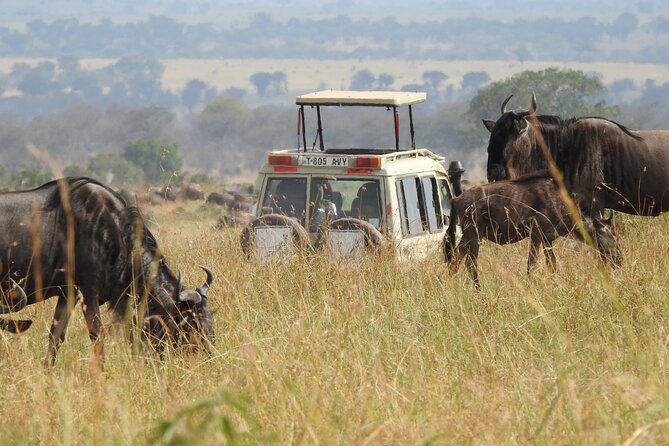
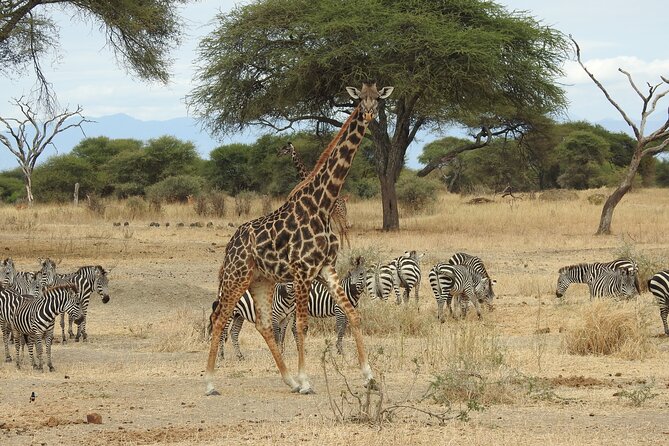
The plan calls for an afternoon game drive. This is your first chance to search for wildebeest, zebra, gazelles, and lions. You might find a pride resting in the shade, or you might spend time scanning the open plains for movement. Serengeti wildlife can be spread out, so a good guide and patient searching matter.
The schedule again lists about six hours. That appears to include the day’s travel and park activity, so ask how much actual game-drive time is expected after the transfer. The description does not state the exact camp, lodge, or location of your overnight stay, and that affects how much time you have in the park the next morning.
The private arrangement is especially useful here. Your guide can explain animal behavior and the connection between grazing herds and predators. The supplied information also describes opportunities to see how Maasai communities live alongside wildlife, adding a human side to a route otherwise centered on animals and scenery.
A practical point: do not judge the Serengeti only by the number of animals you see in the first hour. The attraction is the scale of the place. The plain can feel almost empty, then a distant group of wildebeest or a lone giraffe gives the whole scene focus. You need some patience.
Day 3: A morning drive, then the Ngorongoro highlands
Day three begins with another morning game drive in Serengeti. This is a smart use of time. Early hours can give you a second chance at animals missed the day before, and the morning drive breaks up the long move toward Ngorongoro.
Later, you depart for the Ngorongoro Conservation Area with a picnic lunch. The crater is a collapsed volcanic basin surrounded by a ring of extinct volcanoes. Its floor covers about 14 kilometers and contains watering holes that support a large concentration of animals.
The description gives the crater’s animal population as roughly 30,000. Within the conservation area, the setting changes from Serengeti’s open sweep to a more contained bowl with steep sides. That contrast is one of the best reasons to include both areas on a short safari.
Dinner and overnight accommodation follow the day’s drive. The schedule describes this as another six-hour day, but the combination of a morning Serengeti drive, lunch, and transfer can make it feel busy. You should be prepared for another substantial amount of time on the road.
The Maasai connection is also important here. The Ngorongoro Conservation Area is not presented as wildlife land alone. The itinerary specifically includes the chance to see how Maasai communities cohabitate with animals, which gives you a wider view of the region than a park-to-park route would provide.
More four day trips in Arusha:
- 4 Days Group Camping Safari
★ 5.0 · 1,101 reviews - 4 Days Join Group tour Tarangire Serengeti and Ngorongoro crater
★ 5.0 · 219 reviews - 4-Day Safari from Arusha: Tarangire, Serengeti and Ngorongoro
★ 5.0 · 173 reviews - 4 Days safari Tour Tanzania
★ 5.0 · 159 reviews
Day 4: Down into Ngorongoro Crater
The final morning starts early. After breakfast, you descend to the crater floor for a game drive listed at about five hours.
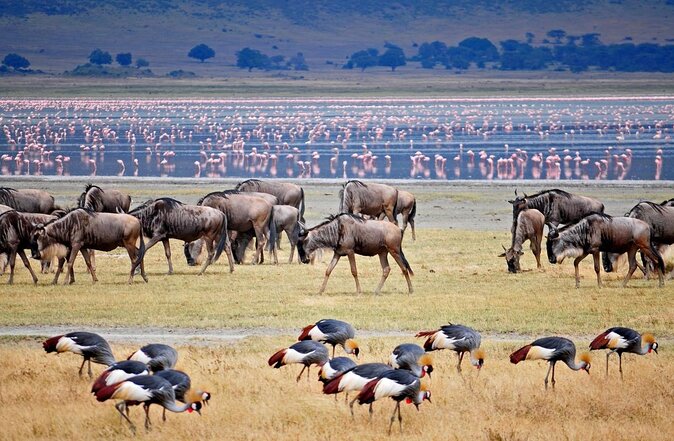
This is the day with the strongest concentration of possible sightings. You might see lions, elephants, zebra, hippos, flamingos, jackals, rhinos, antelopes, and many bird species. The crater lake may hold flamingos, while the wider area can produce eagles, vultures, storks, giant vultures, sacred ibis, kori bustards, blacksmith plovers, long-necked herons, and cattle eagles.
A picnic lunch is planned at the Hippo Pool. That is a scenic place to pause, but you should follow the guide’s instructions closely around wildlife and water. After lunch, the vehicle makes the steep climb out of the crater.
The day is not finished at the crater rim. The schedule allows about two more hours of driving to accommodation in Karatu, followed by dinner. That final transfer is easy to underestimate. If you are hoping for a leisurely last afternoon, this route may feel tight. If you want to finish with one of Tanzania’s best-known wildlife settings, the long day is a fair trade.
The end point is back at the meeting point, but the exact timing is not given. Do not schedule a flight or a tightly timed onward connection without confirming the arrival time directly.
Why the private guide matters
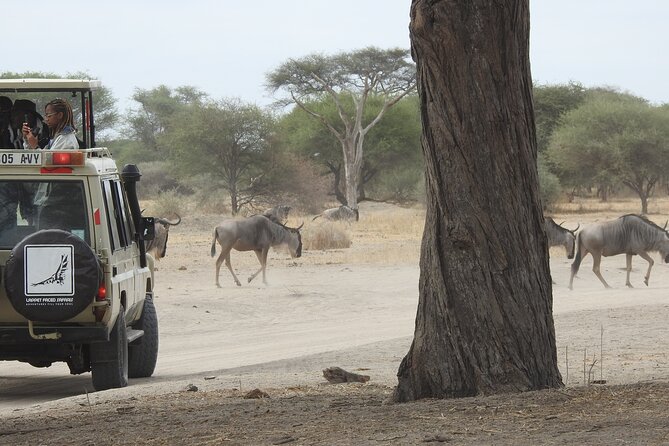
A private safari is not the same as a fixed coach tour. Only your group participates, and that gives you more control over stops, questions, and the pace of animal viewing.
The company has been associated with guides and coordinators named Francisco, Martin, Joseph, and Jose in the supplied material. Francisco is described as responsive during planning, while Martin is identified as a strong French-speaking guide. Joseph is also praised for helping organize a four-day, three-night safari. These names do not confirm who will lead your specific departure, so ask for your guide’s name and language before you travel.
The most useful guide is not simply someone who points at animals. You want someone who explains what you are seeing, respects the animals, and listens when you need a pause. One account specifically describes a guide who helped position the vehicle for photography while remaining considerate toward wildlife and the environment. That is the sort of conduct worth confirming when you book.
Language can matter on long driving days. The activity may be operated by a multilingual guide, but the exact language is not guaranteed in the details provided. Request your preferred language in writing.
Meals, lodging, and the real comfort level
Breakfast, lunch, and dinner are included for four days. Picnic lunches are specifically mentioned on the Tarangire, Ngorongoro transfer, and crater days, while breakfast and dinner are taken at the accommodation.
The overnight properties are described only as your chosen camp or lodge and accommodation in Karatu. That leaves an important gap. Safari lodging ranges widely, and the quality of bedding, bathrooms, power, location, and meals can affect how good the trip feels after six hours on the road.
Before booking, ask for the names of the properties or at least their category. Also confirm whether the quoted price includes all park fees and whether any conservation-area charges are separate. The provided details show admission included for Tarangire and Ngorongoro Crater, while Serengeti and the Ngorongoro Conservation Area are marked as having no separate admission ticket in the schedule. The wording is not perfectly clear, so written confirmation is sensible.
Who will get the most from this route
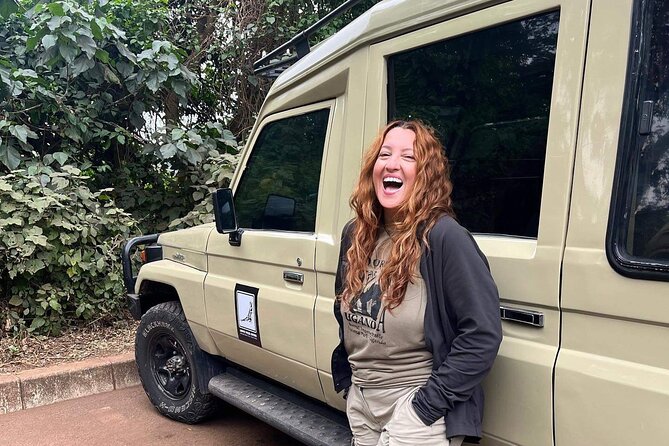
This safari suits you if you want Tanzania’s major northern highlights in a short period. It is especially practical for a first visit, a family group, or anyone who values a private guide over the lowest possible price.
The stated minimum age is two, and children must be accompanied by an adult. Most people can participate, according to the activity details, but the long drives and repeated game-drive days still call for patience. A private vehicle helps families manage breaks and attention spans better than a shared group outing.
Photographers will appreciate the variety of subjects: elephant herds below baobabs, large grazing groups, predators in open country, crater birds, and the chance of rhinos. The private format may also make it easier to stop when conditions are good, though no special photography equipment or guaranteed animal sightings are included.
This is less suitable if you want slow mornings, luxury lodging guaranteed by name, or a trip built around one park. It is a packed circuit, and the road between parks is part of the price.
The missing details to settle first
The itinerary contains several inconsistencies. The overview mentions Lake Manyara, but the daily schedule begins with Tarangire and never includes Manyara. It also describes the trip as taking five days in one place and four days in another.
The start time is listed as both 8:00 and 8:30 a.m. Pickup is offered in Arusha, but the exact hotel coverage and pickup window are not stated. Confirm those details, along with the final drop-off time.
You also need the accommodation names, guide language, vehicle details, and exact number of nights. Those are not minor points at this price. They tell you what kind of comfort and flexibility you are actually buying.
A current passport is required on the day of travel, and passport name, number, expiry date, and country are needed for every participant at booking. Visas, international flights, travel insurance, and tips are not included.
Cancellation is free if you cancel at least 24 hours before the local start time. Inside that window, there is no refund, and poor weather may lead to a different date or a full refund.
Should you book this Tanzania safari?
I would consider booking it if your priority is maximum wildlife variety in a short private trip. Tarangire, Serengeti, and Ngorongoro each offer a different setting, and the sequence gives you elephants and baobabs, open plains, then a concentrated crater finale.
I would not pay until Lappet Faced Safaris confirms the route in writing. Ask whether Lake Manyara is included, why the trip is described as both four and five days, which lodges you will use, who your guide will be, and how many nights and meals are covered.
If those details match your expectations, the price can make sense because the package includes the main safari services and private guiding. If the answers remain vague, compare another operator with a clearer day-by-day plan. The wildlife is the reason to come, but clear arrangements are what keep a bucket-list safari from becoming a guessing game.
FAQ
Where does the safari start and end?
The safari starts in Arusha, Tanzania, with pickup offered. The activity ends back at the meeting point.
What parks and conservation areas are included?
The daily schedule includes Tarangire National Park, Serengeti National Park, the Ngorongoro Conservation Area, and Ngorongoro Crater. The overview also mentions Lake Manyara, so confirm whether it is part of your final route.
Is this a private tour?
Yes. Only your group participates in the private tour or activity.
Are meals and accommodation included?
Accommodation is included, along with breakfast, lunch, and dinner listed for four days. Picnic lunches are specified on several game-drive and transfer days. Confirm the exact lodging and meal schedule because the itinerary is described inconsistently as four and five days.
What is not included in the price?
Visas, international flights, travel insurance, and tips are not included. The suggested tip is $20 to $25 per vehicle.
What is the cancellation policy?
You can cancel at least 24 hours before the experience start time for a full refund. Cancellations or changes made within 24 hours are not accepted for a refund. If poor weather causes cancellation, you will be offered another date or a full refund.
Newly listed around Arusha
- 5-Day Private Safari Tour in Tanzania’s Wildlife★ 5.0 · 3 reviews
- 3 Days private safari Tarangire ,Ngorongroro crater &Manyara★ 5.0 · 3 reviews
- 3 Day Sharing Safari – Manyara, Ngorongoro Crater and Tarangire National Parks★ 5.0 · 3 reviews
- Tarangire National Park Day Trip★ 5.0 · 3 reviews
- 6 -Day Tarangire, Manyara, Serengeti & Ngorongoro★ 5.0 · 3 reviews
- 2 Days Tarangire and Ngorongoro Crater Tour★ 5.0 · 3 reviews
- 5 Days Group Camping Safari★ 4.7 · 3 reviews
- 7-Day Mt. Kilimanjaro Hiking: Machame Route★ 5.0 · 3 reviews
Serengeti & Ngorongoro Safaris, compared.


Balloon Safari & Bush Breakfast in Serengeti – Miracle Experience
Read our review →




Private 6-Day Tarangire Manyara Crater and Serengeti with Mid-Range Lodges
Read our review →
5 Days Camping Tarangire, Serengeti & Ngorongoro crater & Visiting Maasai
Read our review →Browse the lists this tour appears in