Reviewed · SERENGETI & NGORONGORO SAFARIS
9-Day Serengeti Migration Footsteps Tanzania Safari
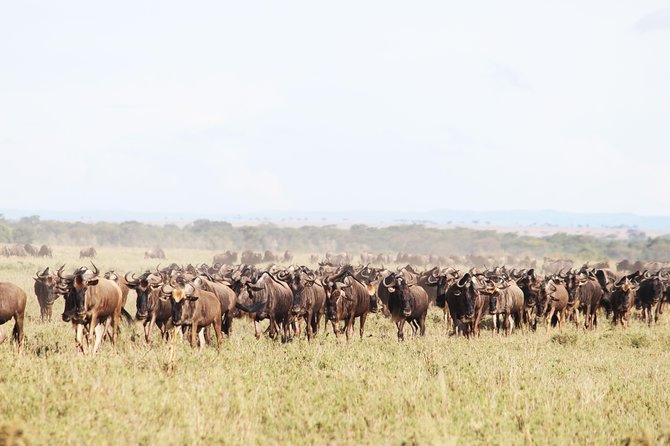
The main attraction is simple: this nine-day safari gives you several days in the Serengeti, not just a quick pass through it. Depending on the month, you’ll follow the wildebeest near Ndutu from December to March or head north toward the Mara River from July to November, with the best crossing chances usually around August.
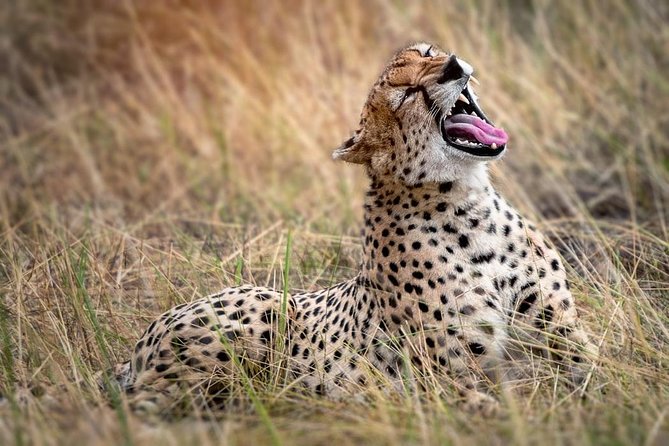
I like the four Serengeti nights, which give you time to look for both moving herds and resident lions, leopards, and cheetahs. I also like the private format, since guides such as Enock, Mwita, Gilbert, and Yusuph can shape the day around wildlife sightings rather than a fixed bus schedule.
The main consideration is the long amount of time spent on rough safari roads. You also need to match your travel dates carefully to the migration’s location. A nine-day safari is a fine length for first-time visitors, but it is not a relaxed lodge holiday.
Key points to know before booking
- Four nights in the Serengeti: You get several chances to find predators, resident herds, and the seasonal migration.
- Migration timing matters: Ndutu is the focus from December to March, while the Northern Serengeti is the target from July to November.
- Private transport: Only your own group takes part, with pickup in Arusha and a return there at the end.
- Excellent guide track record: Enock, Mwita, Gilbert, Yusuph, Amani, Simon, and others are praised for spotting animals, driving safely, and taking care of families and older relatives.
- Three major parks beyond the Serengeti: Tarangire, Ngorongoro Crater, and Lake Manyara each offer a different setting and wildlife mix.
- Price includes the basics: At $4,539 per person, the package includes private transport, park-related fees, and most meals, but not international flights or gratuities.
Why four Serengeti nights make a difference
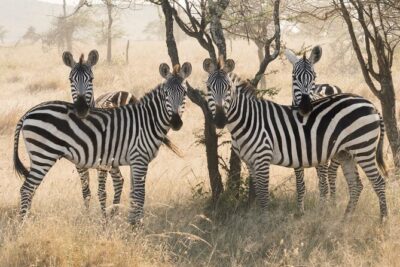
Many safaris give you one or two nights in the Serengeti, then hurry on to the next park. This plan gives you four nights, which is its strongest feature. The Serengeti is enormous, and wildlife is not arranged for your convenience. Extra time means more chances to find a pride of lions, a leopard in a tree, or a large group of wildebeest moving across the grass.
The schedule also lets you see two sides of the park. You spend time in the migration zone, then return toward Seronera, a central area with year-round wildlife. That mix is useful because the migration is seasonal and never guaranteed on a particular morning.
The trip is designed around the Great Migration, but you should keep your expectations sensible. No company can promise a river crossing. Wildebeest may gather at the bank for hours, then turn away. A crossing depends on weather, herd movement, water levels, and plain luck.
That uncertainty is part of the experience, though it can test your patience. If you want a safari with action every hour, this may feel slow at times. If you can enjoy watching animals behave on their own schedule, the waiting becomes part of the story.
More Safaris in Arusha
- Balloon Safari & Bush Breakfast in Serengeti – Miracle Experience
★ 5.0 · 1,646 reviews - 4 Days Group Camping Safari
★ 5.0 · 1,101 reviews - 5 Days Group Camping Safari
★ 5.0 · 730 reviews
Day 1: A soft landing in Arusha
Your Lion King Adventures representative collects you from the airport and takes you to your Arusha accommodation. The first day is intentionally easy, giving you time to rest and prepare for early starts and long drives.
This overnight is useful after an international flight. Arusha is the practical starting point for northern Tanzania safaris, and beginning here avoids rushing directly from the airport into a full game drive.
The start time listed for the activity is 8:30 a.m., though your airport pickup and accommodation arrangements should be confirmed when you book. Since the package begins and ends in Arusha, it works well if you are already staying in the city or planning to use it as your Tanzania base.
Day 2: Baobabs and elephants in Tarangire
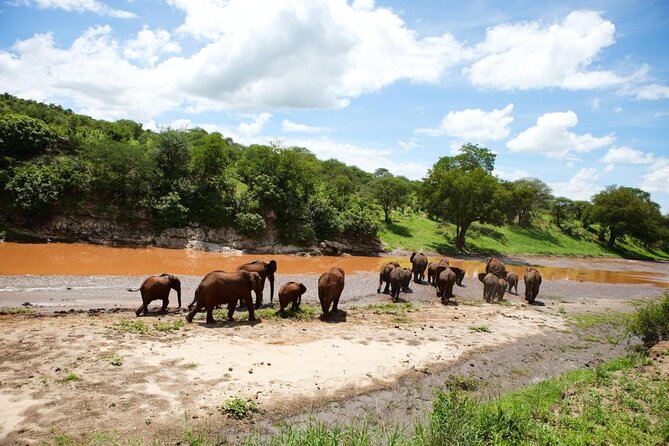
After breakfast, you head to Tarangire National Park for a full day of wildlife viewing. This park gives the safari an early change of mood. Instead of the broad open grasslands associated with the Serengeti, you’ll see ancient baobabs, woodland, open areas, and the Tarangire River.
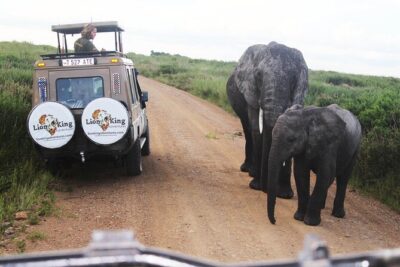
The river draws animals, including elephants, lions, leopards, buffalo, zebra, giraffes, antelope, and many birds. Tarangire is especially known for its large elephant population, so this is one of the best days for watching family groups interact at close range from the vehicle.
The park is described as having nine vegetation zones, which helps explain its variety. One moment you may be under the shadow of a huge baobab, and later you may be crossing a more open stretch where giraffes and zebra are easier to spot.
A full day here is worthwhile, but it adds to the driving. You should expect a busy opening stretch rather than a slow introduction. The payoff is that Tarangire is not simply a warm-up park. It has its own character and gives you a good chance to see elephants before reaching the Serengeti.
Day 3: Through Ngorongoro country to the Serengeti
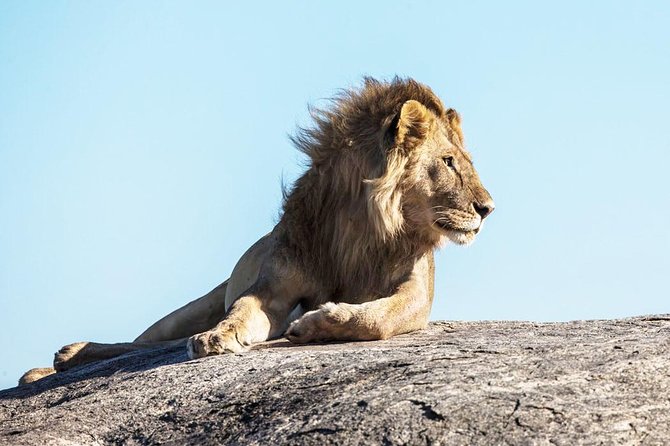
The road to the Serengeti passes through fertile highland farms associated with the Iraqw people. You then travel through the misty forests of the Ngorongoro Conservation Area, where baboons and, with luck, elephants or leopards may appear among the trees.
You also get a first view of Ngorongoro Crater before continuing west. That glimpse is a useful preview, since you return to the crater later for a full day on the floor.
The Serengeti is reached around midday, followed by your first game drive. The park contains open plains, swamps, lakes, and other habitats, so the scenery changes often. The trip description calls it Tanzania’s largest park, and its scale is clear once you are inside it. Roads between sightings can be long, but the sense of space is one of the reasons this park feels different from smaller reserves.
This is also the day when your guide becomes especially important. A skilled guide can turn a long road into a search for tracks, birds, distant movement, or a well-hidden cat. Guides named in the feedback, including Mwita, Gilbert, Enock, and Yusuph, receive particular praise for sharp eyesight and their ability to locate animals.
More Serengeti and Ngorongoro itineraries:
- 3 Days Serengeti & Ngorongoro Group Camping Safari
★ 5.0 · 574 reviews - 5-Day Highlights mid-Range Crater, Serengeti, Tarangire
★ 5.0 · 296 reviews - 3-Day Classic Serengeti Safari
★ 5.0 · 263 reviews - Private 6-Day Tarangire Manyara Crater and Serengeti with Mid-Range Lodges
★ 5.0 · 238 reviews
Days 4 and 5: Searching for the Mara River crossing
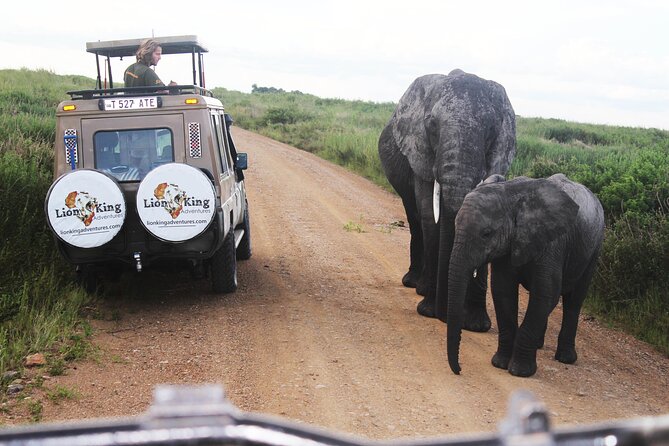
The fourth day takes you north from Seronera through rolling country cut by small rivers and occasional hills. The Northern Serengeti receives fewer visitors than the southern entry areas, and the quieter setting is a major advantage.
Lobo Kopje is one of the striking rock formations in this area. These rocky outcrops, called kopjes, break up the open country and can provide useful vantage points for wildlife. The Northern Serengeti also supports a permanent animal population, so you are not relying only on the migration to make the day worthwhile.
During the migration season, the focus is the Mara River. Huge herds may collect on the bank, facing moving water and crocodiles on the far side. The crossing itself can be sudden and chaotic, with one animal triggering a rush by the rest of the herd.
The schedule gives you two days in the area, which is much better than making a quick visit and leaving. Still, the dates matter. The supplied plan specifically describes the Northern Serengeti migration in August, while the broader seasonal pattern given for the trip places the northern herds there from July to November. Ask the operator where the herd is expected to be for your exact dates, since the animals do not follow a calendar with perfect precision.
An early breakfast on Day 5 helps you make the most of the morning. You may spend part of the day near a crossing point and part of it looking for other wildlife. That flexibility is important. A river crossing is a bonus, not the only reason to be in the park.
Day 6: Returning to Seronera for predators
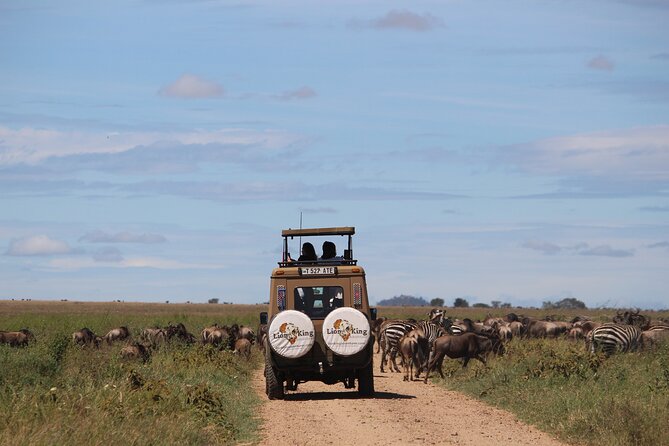
After breakfast, you travel back toward Seronera, with further game drives along the way. This return route gives you another chance to look for the resident wildlife that may be overlooked while everyone is focused on wildebeest.
The central Serengeti is a good place to search for lions, leopards, and cheetahs. These predators follow their own patterns, and the guide’s ability to read the area matters more than simply spending time in a famous park.
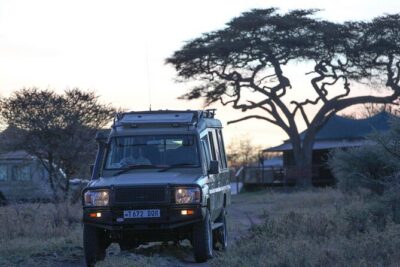
The day ends with dinner and another night in the Serengeti. The plan describes evenings by a fire and time to talk about the day beneath a bright African sky. Accommodation styles can vary, but the feedback refers to clean, comfortable tented lodges, with Nyota Luxury Camp receiving especially warm praise.
Do not expect a city-hotel routine. Safari accommodation is part of the setting, and the appeal is being close to the open country. At the same time, you should confirm the exact camps and room arrangements before paying, especially if you have firm expectations about comfort.
Day 7: One last Serengeti drive, then the crater rim
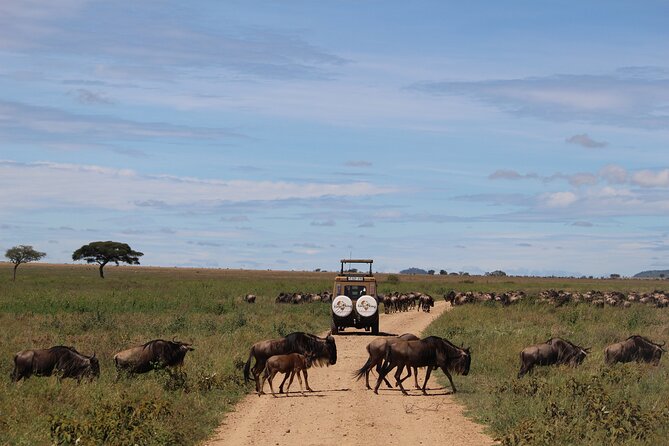
The morning begins with another Serengeti game drive before you travel back toward Ngorongoro. Arriving at the crater rim in the afternoon gives you a dramatic first look into the caldera: streams, grassland, and animals spread far below.
This is a clever transition day. Rather than visiting the crater immediately after a long drive, you sleep near the rim and start the next morning close to the descent road.
The transfer still makes for a long day. You are moving from the remote northern part of the Serengeti toward Ngorongoro, so anyone who dislikes extended vehicle travel should take note. The reward is a full crater visit the next day, without needing to make the entire approach before dawn.
Day 8: A full day inside Ngorongoro Crater
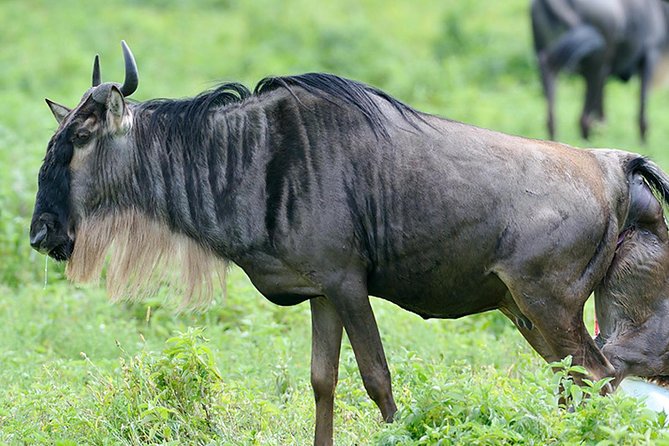
You leave very early after breakfast and descend to the crater floor. Ngorongoro is a huge volcanic caldera, about 610 meters deep and roughly 260 square kilometers across. Its enclosed setting brings many animals into one concentrated area, making it one of the stronger places in Tanzania for seeing several major species in a single day.
The crater is known for chances to see the Big Five, as well as wildebeest, zebra, buffalo, elephants, lions, and other animals. The unfenced reserve allows wildlife to move freely through the crater, while the surrounding walls create a setting unlike the open Serengeti.
An early start matters. It gives you more time for wildlife viewing and helps you reach the crater floor before the day becomes too hot and busy. The roads can be demanding, and the schedule is another early one, but this is one of the days when the effort pays off.
The crater is also a strong contrast to the migration portion of the safari. Here, you are not looking for one moving super-herd across hundreds of kilometers. You are exploring a compact ecosystem with streams, open grassland, and a high concentration of animals.
Day 9: Birdlife and forest at Lake Manyara
The final park is Lake Manyara, about 120 kilometers west of Arusha. The shallow salt lake covers around 70 percent of the park’s surface area, changing with the seasons and attracting flamingos along with about 500 other bird species.
The scenery shifts again. You may pass through grassy plains, primate-filled woodland, and cliffs marked by baobabs. Mammals can include monkeys, giraffes, zebra, wildebeest, buffalo, and elephants. With good fortune, you may see lions resting in trees, a sight for which the park is known.
Lake Manyara is smaller than the Serengeti and Ngorongoro, but its variety makes it a sensible final stop. It breaks up the journey back to Arusha and gives birdwatchers something fresh after several days focused on large mammals.
After lunch, you return to Arusha in the late afternoon. Keep your onward plans flexible. The exact return time can be affected by road conditions, wildlife stops, and the length of the game drive.
What $4,539 per person buys you
At $4,539 per person, this is a serious investment. Its value rests in the private vehicle, park access costs, nine breakfasts, eight lunches, and seven dinners, plus the number of nights in the Serengeti. You are paying for a broad northern Tanzania route rather than a short park sampler.
The private setup matters most. Only your group takes part, so you are not sharing the schedule with strangers. That gives you more control over stops and makes the trip a better fit for families, couples, and small groups of friends.
The price does not include international flights or gratuities. The information provided also does not give a full accommodation list, so ask for the exact properties before booking. The names and standards of the camps can affect how you judge the overall value.
For a private nine-day safari with several major parks, the price can make sense if you want a managed trip and do not want to arrange vehicle hire, park access, meals, and lodging yourself. It is less appealing if you mainly want luxury accommodation or a short, easy holiday.
Guides, comfort, and the human side of the trip
The strongest personal praise goes to the guides. Enock is singled out for careful planning, animal spotting, good driving, and thoughtful attention, including on honeymoon and family trips. Mwita is described as a man from the bush who grew up in the Serengeti, while Gilbert is praised for sharp eyesight, quick responses, and care toward the group.
Yusuph is another strong name to request if available. He receives praise for being friendly, safe, and attentive, while Amani, Simon, Richard, Immanuel, Leonard, Shafino, Ozzy, and others are also associated with strong guiding and support.
You cannot assume you will receive a particular guide, but you can ask. That is worthwhile because guide quality shapes nearly every part of a safari, from finding a leopard to handling a rough road or helping an older family member.
The included picnic lunches also have practical value. They keep you in the park instead of sending you back to a lodge in the middle of the day, and they create a natural pause during long game drives.
Who should book this safari?
I would recommend it to first-time safari visitors who want the classic northern Tanzania circuit and are especially interested in the Great Migration. It also suits families and small private groups, since the vehicle and schedule belong only to your party.
The trip can work for older relatives too, but the long road days should be discussed in advance. One guide received special praise for taking extra care of senior family members, yet the terrain and early mornings remain real parts of the experience.
Photographers should like the four Serengeti nights and the chance to spend two days in the Northern Serengeti. Birdwatchers get good opportunities at Tarangire and Lake Manyara, while anyone seeking the Big Five has several strong parks rather than a single attempt.
You may want a different plan if you dislike early breakfasts, bumpy roads, changing camps, or uncertainty. You should also reconsider it if your dates fall outside the stated migration windows and your sole aim is to see a river crossing.
Final decision: match the season, then book
I would book this safari if you want a private, wildlife-heavy trip with enough Serengeti time to wait for something special. Its best features are the four nights in the park, two days aimed at the northern migration area, and guides with a strong record of finding animals and caring for their groups.
Before committing, confirm the migration region for your dates, the precise camps, and which guide may lead your vehicle. If those details line up, this is a well-rounded Tanzania route with real variety: baobabs and elephants in Tarangire, open Serengeti plains, the Mara River, Ngorongoro’s enclosed wildlife country, and Lake Manyara’s birds and woodland.
Cancellation is free if you cancel at least 24 hours before the local start time. A minimum group size is required, and if that is not met, you are offered another date or a full refund.
FAQ
Where does the safari start and finish?
The safari starts in Arusha, Tanzania, and ends back at the meeting point in Arusha.
How long does the experience last?
The experience lasts approximately nine days.
Is pickup available?
Yes. An airport pickup is provided on Day 1 by a Lion King Adventures representative, followed by transport to your Arusha accommodation.
Is this a private safari?
Yes. This is a private activity, and only your group takes part.
When can I see the migration near Ndutu?
The migration is described as being in the Ndutu region from December to March.
When is the Northern Serengeti migration season?
The Northern Serengeti is identified as the migration area from July to November, with August specifically highlighted for possible Mara River crossings.
What is included in the price?
The package includes parking fees, private transportation, nine breakfasts, eight lunches, and seven dinners. International flights and gratuities are not included.
Newly listed around Arusha
- 5-Day Private Safari Tour in Tanzania’s Wildlife★ 5.0 · 3 reviews
- 3 Days private safari Tarangire ,Ngorongroro crater &Manyara★ 5.0 · 3 reviews
- 3 Day Sharing Safari – Manyara, Ngorongoro Crater and Tarangire National Parks★ 5.0 · 3 reviews
- Tarangire National Park Day Trip★ 5.0 · 3 reviews
- 6 -Day Tarangire, Manyara, Serengeti & Ngorongoro★ 5.0 · 3 reviews
- 2 Days Tarangire and Ngorongoro Crater Tour★ 5.0 · 3 reviews
- 5 Days Group Camping Safari★ 4.7 · 3 reviews
- 7-Day Mt. Kilimanjaro Hiking: Machame Route★ 5.0 · 3 reviews
Serengeti & Ngorongoro Safaris, compared.
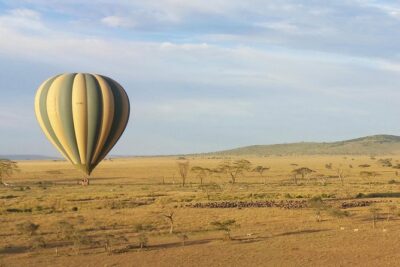
Balloon Safari & Bush Breakfast in Serengeti – Miracle Experience
Read our review →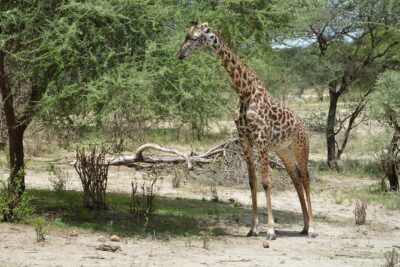

Private 6-Day Tarangire Manyara Crater and Serengeti with Mid-Range Lodges
Read our review →