
Reviewed · SERENGETI & NGORONGORO SAFARIS
6 Days lodge &camping tour Serengeti ,Tarangire ,Ngorongoro Crater and Manyara
The big draw here is variety. In six days, you move from Tarangire’s baobabs and elephants to the Serengeti’s open plains, then down into Ngorongoro Crater and on to Lake Manyara’s forests and flamingos. It is a proper northern Tanzania safari, not a quick park sampler.
I like the small group cap of six, which should make the long drives easier and give you more room for questions and wildlife viewing. I also like the mix of camping and lodge accommodation, since you get a closer-to-nature safari night without giving up every comfort. Guides associated with this operator include Elias, Hassan and Sam, though your assigned guide is not named in the tour details.
The main drawback is the pace. You cover a lot of ground, and several days involve roughly six hours of driving, with the Serengeti game-drive day stretching to about ten hours. At $1,600 per person, the value depends heavily on the exact lodging, vehicle arrangements and what is included, so confirm those details before booking.
Key points at a glance
- Four major parks in six days: Tarangire, Serengeti, Ngorongoro Crater and Lake Manyara all fit into one northern circuit.
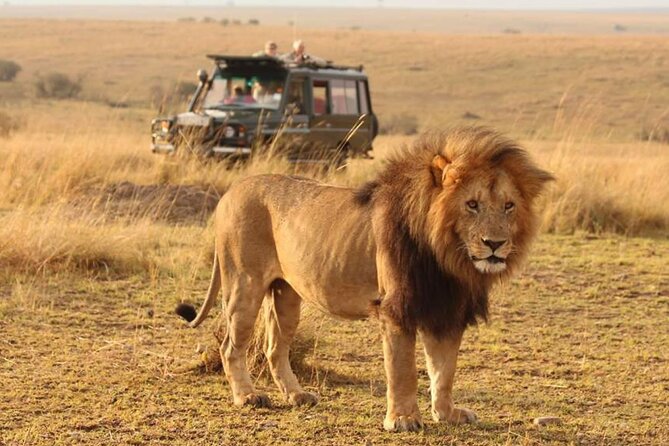
- A full Serengeti day: Day three begins around 6:30 a.m. and is built around long game drives, packed meals and possible predator sightings.
- A strong elephant and baobab stop: Tarangire is the opening safari day, with large elephant groups and more than 400 recorded bird species.
- A small group of up to six: The limited capacity matters on long drives and at wildlife sightings.
- Camping plus lodge accommodation: The tour combines simple campsite nights with lodge stays, though the exact night-by-night breakdown should be confirmed.
- Flexible cancellation: You can cancel at least 24 hours before departure for a full refund, but late cancellations are not refunded.
What this six-day route gets right
This route follows one of Tanzania’s classic northern safari loops. You start in Arusha, head toward Tarangire, continue through the Ngorongoro Conservation Area to the Serengeti, return toward Ngorongoro, and finish at Lake Manyara.
That order makes sense geographically, but it does not make the trip light. The parks are spread out, and the safari is built around road travel as much as game viewing. You need to be comfortable sitting in a vehicle for long stretches, with early starts and dusty roads likely to be part of the experience.
The payoff is a broad look at northern Tanzania in a single trip. Tarangire gives you elephants and giant baobabs. The Serengeti gives you the best chance of seeing large predators and, depending on the season, the Great Wildebeest Migration. Ngorongoro offers concentrated wildlife on a compact crater floor, while Manyara brings a different mix of forest, lake and birdlife.
The group limit of six is one of the more useful details here. A smaller vehicle group can make it easier to ask your guide about animal behavior, stop for photographs and settle into a comfortable viewing position. The experience is still shared, but it should not feel like a large coach excursion.
More Serengeti and Ngorongoro itineraries:
- Balloon Safari & Bush Breakfast in Serengeti – Miracle Experience
★ 5.0 · 1,646 reviews - 3 Days Serengeti & Ngorongoro Group Camping Safari
★ 5.0 · 574 reviews - 5-Day Highlights mid-Range Crater, Serengeti, Tarangire
★ 5.0 · 296 reviews
Day one: Tarangire’s elephants and baobab country
After breakfast, you leave Arusha for Tarangire National Park. The first stop is a supermarket in Arusha for last-minute purchases, which is a practical touch. If you need snacks or other personal supplies, this is the point to think ahead rather than wait for a remote park stop.
The drive follows the Great Northern Highway across Maasai steppe and past villages. That road journey gives you a look at daily life beyond the parks, though it also means the safari begins with a fair amount of driving before the game viewing starts.
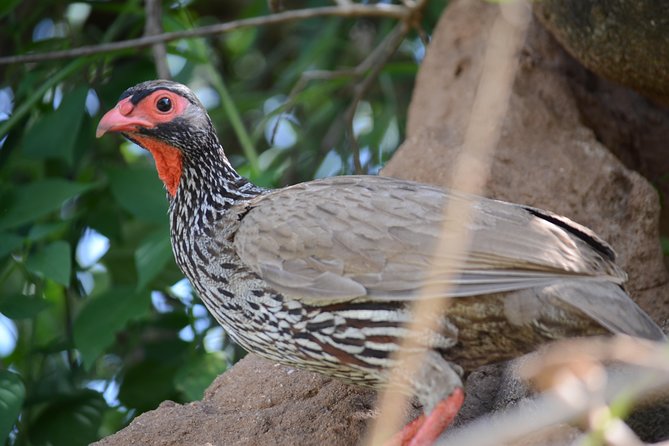
Tarangire is famous for its huge baobab trees and large elephant population. You might also see wildebeest, buffalo, zebra, giraffe, hippos, baboons and various antelope species. The park has more than 400 recorded bird species, so this is a particularly good opening day if you enjoy birdwatching as much as big mammals.
I would give your guide clear instructions about your priorities early on. If elephants are your main goal, say so. If you want birds, trees or smaller animals explained, say that too. A good safari is not only about finding the biggest animal. It is also about learning to notice what is easy to miss.
The listed game-drive time is about six hours. That is enough for a useful first look, but the day also includes the transfer from Arusha. Expect a full day rather than a relaxed park visit.
Day two: Crossing Ngorongoro to the Serengeti
The second day takes you from the campsite toward Serengeti National Park. The route passes through the high farmland around Karatu and across the Ngorongoro Conservation Area.
A memorable part of this transfer is the stop at the Ngorongoro gate and crater viewpoint. From the rim, you can look down over the crater floor before continuing along the crater rim, across the Malanja depression and toward the Serengeti. It is a fine introduction to the scale of the area, even though the main crater game drive comes later.
You then reach Naabi Hills Gate, where you may eat your packed lunch before entering the central Serengeti. The Seronera area is the main destination for the day. It is known for strong wildlife viewing, and the route gives you a first taste of the Serengeti’s open plains and rocky kopjes.
The day is listed at about six hours, but the actual feel may be longer because park roads, gate formalities and photo stops all take time. Keep water, sun protection and anything you need during the drive close at hand.
This is also the point where the trip changes character. Tarangire feels shaped by trees and seasonal water. The Serengeti opens out, and sightings can be spread across a much larger area. Your guide’s ability to read animal behavior and choose where to spend time will matter greatly here.
Day three: An early start in the central Serengeti
Day three is the safari’s longest game-viewing day. You leave as early as 6:30 a.m. with packed breakfast and lunch boxes for an extended drive through the Serengeti plains.
The early departure is sensible. Morning can be a useful time to look for cats, as well as nocturnal predators returning from a night of hunting. You might see lions organizing an ambush, feeding beside the road or resting after activity in the cooler hours.
Breakfast in the bush adds a simple sense of adventure, but this is not a leisurely picnic day. The schedule is built around maximizing time in the park. The listed duration is about ten hours, so you should be ready for a long stretch in the vehicle.
The Serengeti is also the setting for the Great Wildebeest Migration. Your chances of seeing the main herds depend on the time of year and their movement. No responsible operator can promise a migration sighting on every departure, but the park remains valuable outside the peak migration periods because of its resident wildlife and predator population.
This is the day to manage your expectations. You may see several remarkable animals in quick succession, or you may spend time searching before finding anything. That uncertainty is part of a safari, and a patient guide can make the slower stretches worthwhile by explaining tracks, birds, habitats and animal behavior.
More six day trips in Arusha:
- Tanzania Wildlife Encounters – 6 Days
★ 5.0 · 277 reviews - Private 6-Day Tarangire Manyara Crater and Serengeti with Mid-Range Lodges
★ 5.0 · 238 reviews - 6 Days Private Budget Safari
★ 5.0 · 163 reviews - 6 Days Tanzania Budget Camping Safari
★ 5.0 · 145 reviews
Day four: Leaving the Serengeti for the crater rim
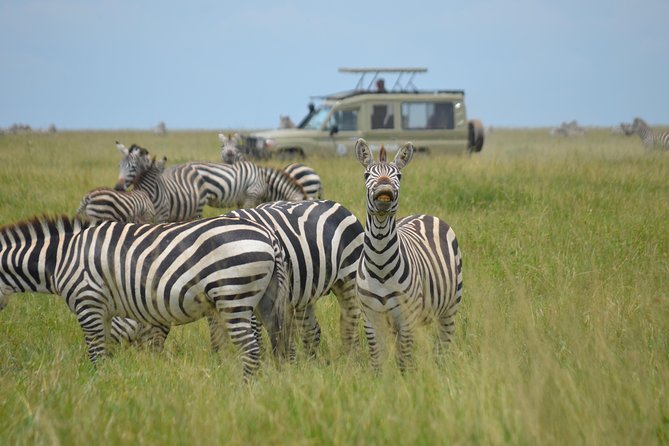
After an early breakfast, you continue with game viewing through the morning and into the afternoon. Later, you return toward camp, have lunch, pack up and continue on a game drive as you exit the Serengeti.
The transfer to Simba Campsite near the Ngorongoro rim takes about two hours. This is a useful positioning day. You are not spending another full day in the Serengeti, but you are moving into place for the early crater descent that follows.
The tradeoff is clear. You get another chance to see animals on the way out, but you also spend time packing and driving. If you prefer a slower safari with more time in one park, this itinerary may feel hurried. If your goal is to sample the main parks of northern Tanzania in one trip, the route is efficient.
The campsite location near the crater rim also sets up the next morning. That matters because the crater descent begins early, and starting nearby avoids returning all the way from Arusha or another distant base.
Day five: Down into Ngorongoro Crater
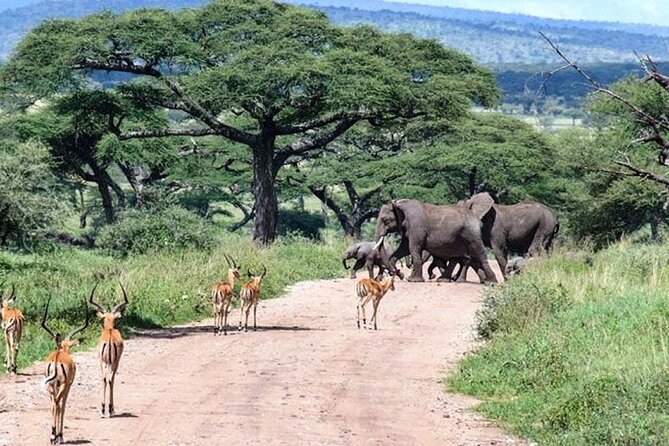
At about 6:30 a.m., you descend more than 600 meters into Ngorongoro Crater for a game drive. The crater was formed about three million years ago through major geological forces, and its enclosed floor now supports a large range of wildlife.
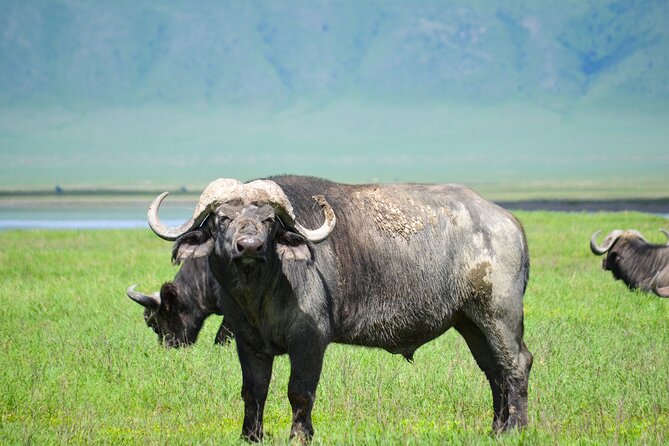
The crater’s appeal is concentration. The floor includes water and grazing areas that support buffalo, zebra, wildebeest, eland, topi, warthog, hippo and other animals. It is also known for a dense population of predators, giving you another strong opportunity to look for lions and other big cats.
The descent and ascent are part of the experience. You are not simply driving across a flat park. You enter a huge natural basin with steep walls, and the views from the rim help explain why this place feels so different from the Serengeti.
The listed crater visit lasts about six hours and admission is included for this stop. You should still confirm all inclusions with the operator, especially if you want a precise breakdown of park fees, meals, camping equipment and accommodation.
Ngorongoro can be one of the most rewarding days for a first safari because many species are found in a relatively compact area. It can also feel busy compared with more open park settings. Your guide’s timing and willingness to wait at worthwhile sightings will shape the day.
Day six: Lake Manyara’s forest, birds and flamingos
The final day takes you to Lake Manyara National Park after breakfast. Following park formalities, you begin the game drive through a park with several habitats packed into a small area.
You might pass through groundwater forest, acacia woodland and swamps, with baobab-covered cliffs and algae-streaked hot springs adding visual variety. Lake Manyara itself occupies a large part of the park and supports considerable birdlife.
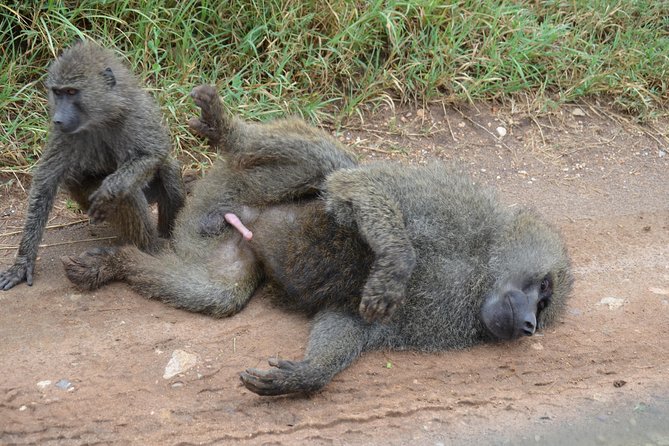
The park is especially known for its large baboon population, flocks of flamingos and the possibility of seeing tree-climbing lions. The wording here is important: these are highlights to look for, not guaranteed sightings. Wildlife is free to move, and conditions change with season and water levels.
Manyara works well as a final stop because it feels different from the Serengeti and Ngorongoro. You get forest shade, wetland habitat and birds after several days of open plains. The game drive is listed at about six hours, after which the safari portion ends.
Camping, lodges and comfort on the road
This is described as a camping tour with lodge accommodation for two nights. The available details do not specify which nights are in lodges or the standard of each property, so ask for the exact accommodation plan before you commit.
That question matters because accommodation can change the value of a $1,600 safari. A simple campsite and a comfortable lodge are very different experiences, even when the park visits are identical. Ask what camping equipment is supplied, what facilities are available and how meals are handled.
Camping can bring you closer to the setting and keep the cost below a lodge-only safari. It also requires more tolerance for basic conditions. The lodge nights provide a useful break, particularly after the ten-hour Serengeti day, but you should not assume the whole trip offers hotel-style comfort.
How much value do you get for $1,600?
At $1,600 per person, this tour sits in the range where the details behind the price matter. You are paying for six days, four major parks, a safari vehicle, a guide, park access arrangements and a mix of camping and lodge stays, but the supplied information does not give a full list of inclusions.
The small group limit improves the value. A maximum of six people is more personal than a large group, and the cost is easier to justify if the vehicle, meals, accommodation and park fees are clearly covered.
The route also gives you a lot of access for one price. You do not have to arrange separate visits to Tarangire, Serengeti, Ngorongoro and Manyara, and the operator handles the movement between them.
Before booking, ask for a written list of what is included. Pay special attention to accommodation, meals, camping gear, transfers and park fees. Also confirm the pickup point in Arusha, since pickup is offered but the precise location is not stated.
The guide can shape the whole safari
The operator has staff associated with past safari planning and guiding, including Elias, Hassan and Sam. David and Faith are also connected with itinerary planning on some trips. Your guide for this six-day departure is not specified, so you should request the name and ask about language ability and guiding experience.
That is not a minor detail. On a safari, your guide chooses routes, interprets animal behavior, manages the day’s pace and helps turn empty stretches of road into useful time. The most favorable comments about this operator have repeatedly centered on organization, personal attention and guides who were friendly, patient and highly prepared.
You should tell the company what matters most to you before departure. Families may want a patient pace. Photographers may want longer stops. First-time safari visitors may want more explanation of animal behavior and habitat. The smaller group makes those requests more realistic.
Who should book this safari?
I would recommend this trip to you if you want the main northern Tanzania parks in one compact package and do not mind long road days. It is also a good fit if you want a small shared group rather than a private, high-end safari.
Families can consider it too. The operator has handled trips with children and teenagers, but the early mornings, long drives and camping element still require flexibility. Make sure everyone in your group is comfortable with that rhythm.
You may want a longer or slower safari if you prefer unhurried mornings, more time in one park or a higher level of accommodation. Six days is enough for an impressive first look, but it leaves little spare time when roads, wildlife sightings and park formalities take longer than planned.
Book at least several months ahead if possible. This experience is booked an average of 168 days in advance, which suggests that popular dates may fill early.
Should you book it?
Book this safari if your priority is maximum park variety in six days, especially elephants in Tarangire, predators in the Serengeti, concentrated wildlife in Ngorongoro and birdlife around Manyara.
Pause before booking if you dislike long drives, early starts or basic camping. The best next step is to ask for the exact accommodation schedule, inclusions and assigned guide. If those answers match your comfort level, the route offers a strong first safari at a relatively contained price.
Cancellation is flexible up to 24 hours before the start time for a full refund. Within 24 hours, cancellations and changes are not accepted, and poor weather may lead to a different date or a full refund.
FAQ
Where does the safari start?
The tour is based in Arusha, Tanzania, and pickup is offered.
How long does the tour last?
The experience lasts six days.
Which national parks and protected areas are included?
The route includes Tarangire National Park, Serengeti National Park, Ngorongoro Conservation Area and Lake Manyara National Park.
How much does the safari cost?
The listed price is $1,600 per person.
How many people can join the tour?
The group has a maximum of six participants.
Is the tour suitable for most people?
Yes. The supplied information says most people can participate.
Is this a camping or lodge safari?
It is described as a camping tour that includes lodge accommodation for two nights. The exact accommodation allocation is not specified.
How long is the Serengeti game-drive day?
Day three is listed at approximately ten hours and begins around 6:30 a.m. with packed breakfast and lunch.
Is Ngorongoro Crater admission included?
Admission is listed as included for the Ngorongoro Crater stop.
What is the cancellation policy?
You can cancel at least 24 hours before the experience begins for a full refund. Cancellations or changes made less than 24 hours before the start time are not accepted, and the amount paid is not refunded.
Newly listed around Arusha
- 5-Day Private Safari Tour in Tanzania’s Wildlife★ 5.0 · 3 reviews
- 3 Days private safari Tarangire ,Ngorongroro crater &Manyara★ 5.0 · 3 reviews
- 3 Day Sharing Safari – Manyara, Ngorongoro Crater and Tarangire National Parks★ 5.0 · 3 reviews
- Tarangire National Park Day Trip★ 5.0 · 3 reviews
- 2 Days Tarangire and Ngorongoro Crater Tour★ 5.0 · 3 reviews
- 6 -Day Tarangire, Manyara, Serengeti & Ngorongoro★ 5.0 · 3 reviews
- 5 Days Group Camping Safari★ 4.7 · 3 reviews
- 4 Days Tanzania Safari★ 4.5 · 3 reviews
Serengeti & Ngorongoro Safaris, compared.


Balloon Safari & Bush Breakfast in Serengeti – Miracle Experience
Read our review →




Private 6-Day Tarangire Manyara Crater and Serengeti with Mid-Range Lodges
Read our review →
5 Days Camping Tarangire, Serengeti & Ngorongoro crater & Visiting Maasai
Read our review →Browse the lists this tour appears in