
Reviewed · SERENGETI & NGORONGORO SAFARIS
5days Tanzania Safari lodge and camping Serengeti, Tarangire & Ngorongoro Crater
The best part of this five-day safari is how much northern Tanzania it packs into a short route. You move from Tarangire’s baobabs and elephant country to Lake Manyara, the open Serengeti, and finally the wildlife-filled Ngorongoro Crater, all from Arusha. The crater-edge camp gives you one of the trip’s finest moments: sunset over the immense caldera.
I like the small maximum group of six, which gives you a better chance of asking questions and getting a clear view from the safari jeep. I also like that park fees, meals, water, camping, airport transfers, and a professional guide are included, so the headline price of $1,254 covers much of the costly part of a Tanzanian safari.
The tradeoff is a busy schedule. Lake Manyara, the Serengeti, and Ngorongoro all deserve more time than this route gives them, and some days involve long drives. Camping is part of the appeal, but you should choose this trip for access to the parks, not for polished lodge comfort every night.
Key points before you book
- Four major wildlife areas in five days: Tarangire, Lake Manyara, Serengeti, and Ngorongoro Crater all appear on the route.
- A maximum of six people: The small group keeps the safari more personal and makes shared game-drive decisions easier.
- A real camping component: Fig Tree Lodge and Campsite and Simba Campsite are named, with other Serengeti accommodation depending on the option selected.
- Daily game drives: You spend time looking for elephants, lions, zebras, buffalo, hippos, monkeys, birds, and possibly rhino and leopard.
- Meals and park costs are built in: Breakfast, lunch, dinner, drinking water, and park fees are included.
- Guide quality matters here: Grayson, Michael, Proches, Owen, Yaya, Julyus, Ali, and Denis have all been praised for guiding, care, cooking, or trip support, though your assigned team may differ.
Why this five-day route works
Northern Tanzania is ideal for a short safari because several major parks sit within the same broad circuit. This trip uses that advantage well. You begin in Arusha, travel west through the Rift Valley area, reach the Serengeti, then return through Ngorongoro before finishing back in Arusha.
You are not simply visiting one park and turning around. Each stop offers a different setting and a different chance of seeing wildlife. Tarangire is especially strong for elephants and baobab scenery. Lake Manyara adds forest, monkeys, baboons, and the possibility of tree-climbing lions. The Serengeti gives you huge open plains and central Seronera wildlife country. Ngorongoro brings many animals into one enclosed volcanic basin.
That variety is the main reason to consider this trip. You can see a lot in five days without arranging several separate transfers or paying for each park visit on your own.
The $1,254 price needs to be judged as a package, not as a simple daily rate. It includes a safari jeep with a pop-up roof, guide services, park fees, airport transfer, food, water, and accommodation. Flights, tips, and personal items are extra, but the major expenses inside the parks are already covered.
A small group also improves the value. A six-person maximum does not guarantee a private safari, but it is more manageable than a large vehicle full of people. You should have a better chance of seeing out of the vehicle and asking the guide to explain animal behavior, local culture, and the places you pass.
More Safaris in Arusha
- Balloon Safari & Bush Breakfast in Serengeti – Miracle Experience
★ 5.0 · 1,646 reviews - 4 Days Group Camping Safari
★ 5.0 · 1,101 reviews - 5 Days Group Camping Safari
★ 5.0 · 730 reviews
Day 1: Tarangire’s elephants and baobab country
Pickup is scheduled from your Arusha hotel at 8 a.m. You then drive to Tarangire National Park for game viewing. The park follows the Tarangire River, with low hills, acacia woodland, huge baobabs, and wetland areas farther south.
The river and swamps draw animals during Tanzania’s dry season. That seasonal pattern matters. Wildlife tends to gather around dependable water, so Tarangire can deliver strong sightings even though it is often treated as the opening stop before the Serengeti.
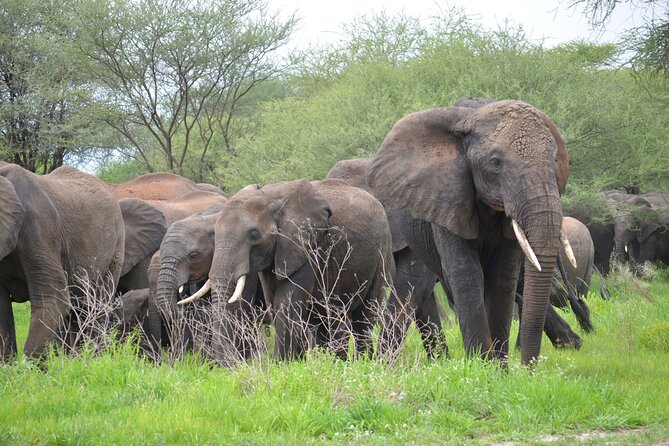
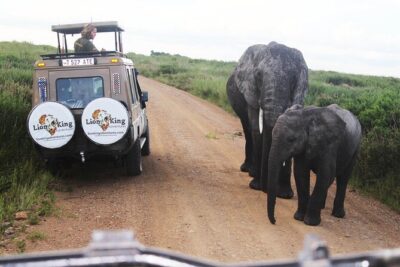
Elephants are the park’s signature sight. You might see large herds moving among the trees, and the mix of giant trunks, dry ground, and gray animals makes for excellent photographs. Greater kudu, fringe-eared oryx, and Ashy starlings are also associated with the park, though no sighting is guaranteed.
The day is a useful introduction to safari viewing. Instead of rushing directly to the famous Serengeti, you begin with a park that has its own character. I would keep your first afternoon flexible and listen closely to the guide. A good guide can help you notice smaller animals and birds rather than turning every drive into a search for lions.
Dinner and overnight accommodation are listed at Fig Tree Lodge and Campsite. The combination of lodge and campsite wording suggests a practical, budget-minded setup rather than a luxury lodge stay. Confirm the exact room or tent arrangement before booking, especially if you are comparing this trip with a lodge-only safari.
Day 2: Lake Manyara’s forest and alkaline lake
After breakfast, you drive about 15 minutes to Lake Manyara National Park. The park changes the mood of the safari. Instead of Tarangire’s open woodland and dry-country feel, you explore varied vegetation near an alkaline lake.
Baboons and other monkeys are a key part of the day. They may be easier to spot in the forest than large cats, and their behavior gives you something to watch between bigger sightings. The park is also known for the possibility of lions resting in trees, though the wording of the schedule is important: you will search for them, but this is a rare sight and should not be treated as a promise.
You spend the full day on a game drive, stopping for lunch before returning to the accommodation. This is a long wildlife day, but it makes good use of your position near the park. You do not need to pack up and make a major transfer immediately after arriving.
The practical drawback is that the itinerary can feel compressed. After Tarangire, a full day at Manyara, then an early departure toward the Serengeti, gives you plenty of park time but little rest. I would bring a small day bag with sun protection, a warm layer, and anything you need during the drive so you are not constantly opening your main luggage.
Fig Tree Lodge and Campsite is again listed for the night. Meals planned for the day are breakfast, lunch, and dinner, and drinking water is included during the safari.
Day 3: The long road to the Serengeti
After breakfast, you head toward the Serengeti through the high farmland around Karatu and the Ngorongoro Conservation Area. This is one of the most scenic transitions of the trip. Cultivated highland areas give way to the wider, wilder country around the conservation area before the Serengeti opens ahead.
The drive is part of the safari, but it is also one of the tiring sections. You are covering substantial ground to reach central Serengeti, so this is not a relaxed transfer day. The payoff is Seronera, a central area known for its wildlife and the Seronera River.
Water draws animals, and the river helps explain why central Serengeti is a practical base. The area can offer a broad mix of species, including the possibility of predators and grazing animals. You arrive in time for lunch, followed by an afternoon game drive.
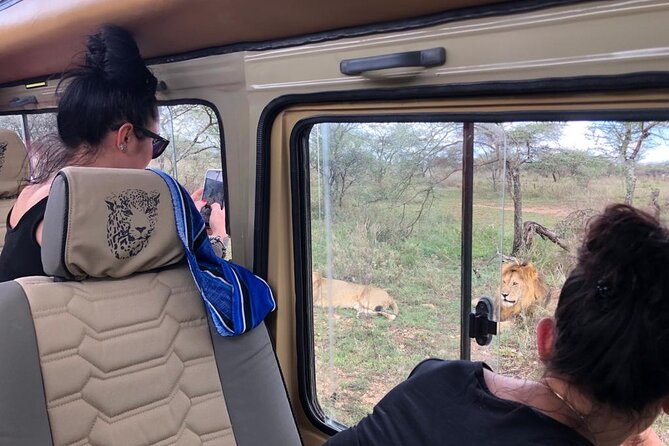
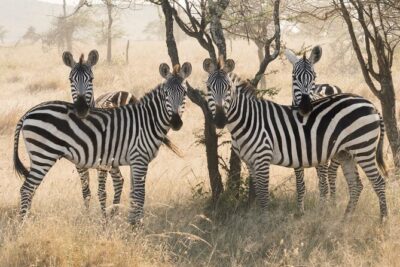
This is your first proper taste of the Serengeti’s enormous scale. The plains seem to continue far beyond the vehicle, and the sense of space is very different from the tighter forest setting at Manyara. You might see zebras, elephants, lions, ostriches, and other animals during this part of the route. Sightings depend on season, weather, and the guide’s decisions.
Accommodation in the Seronera area depends on the standard and type of option requested. That detail deserves attention when you book. Ask exactly where you will sleep, whether it is a tented camp or lodge-style accommodation, and what facilities are included. The phrase lodge and camping covers more than one level of comfort.
Several guides connected with this safari have been praised for explaining wildlife and Tanzania beyond the animals. Grayson, for example, has been singled out for patience and for discussing the country’s history and culture. Michael and Proches have also been praised for explaining animal behavior and choosing useful viewing positions. Guide assignments can change, but these names give you an idea of the service the company aims to provide.
More Serengeti and Ngorongoro itineraries:
- 3 Days Serengeti & Ngorongoro Group Camping Safari
★ 5.0 · 574 reviews - 5-Day Highlights mid-Range Crater, Serengeti, Tarangire
★ 5.0 · 296 reviews - 3-Day Classic Serengeti Safari
★ 5.0 · 263 reviews - Private 6-Day Tarangire Manyara Crater and Serengeti with Mid-Range Lodges
★ 5.0 · 238 reviews
Day 4: Serengeti morning, Ngorongoro sunset
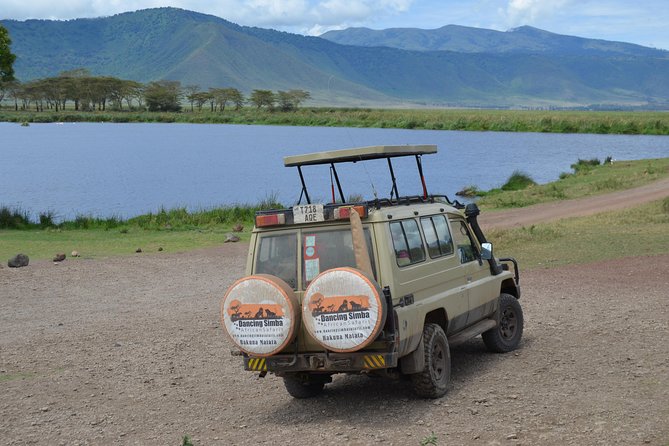
You begin early with another Serengeti game drive. Early starts are worthwhile because they give you more time in the park and may offer active wildlife before the heat of the day. This is also your last major Serengeti viewing period before the route turns toward Ngorongoro.
The drive to Ngorongoro brings a dramatic change. The crater is an unbroken caldera about 600 meters deep, formed by the collapse of a volcano. You first see it from above, where the scale is easier to grasp than from the crater floor.
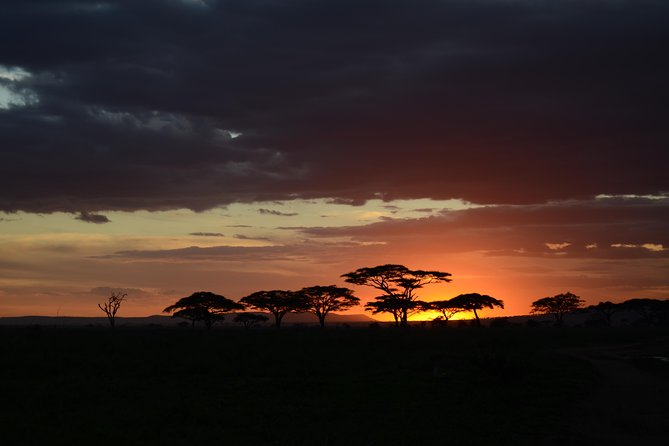
Your campsite is at the crater edge, at Simba Campsite. This is one of the strongest features of the schedule. You can watch the sun set over the caldera, and the setting gives camping a clear purpose beyond saving money. It places you close to the next morning’s descent and offers a memorable view at the end of a long day.
Do not expect the crater-edge night to feel like a resort stay. Camping can mean basic facilities and cool evening conditions, and the trip is designed around wildlife access rather than luxury. Still, the location is special, and the chance to wake near the crater is a fair exchange for simpler comfort.
The safari includes dinner that evening. Since four dinners, five lunches, and five breakfasts are listed as included, the package is built to cover the full food schedule. One practical point is worth confirming: ask how meals are served on game-drive days and how picnic lunches are handled, since the final day specifically includes lunch in the crater.
Day 5: Into Ngorongoro Crater and back to Arusha
The final day starts early. You descend through forested slopes on a steep, narrow road into the crater. The route is part of the drama, but it may not suit anyone who dislikes winding mountain roads.
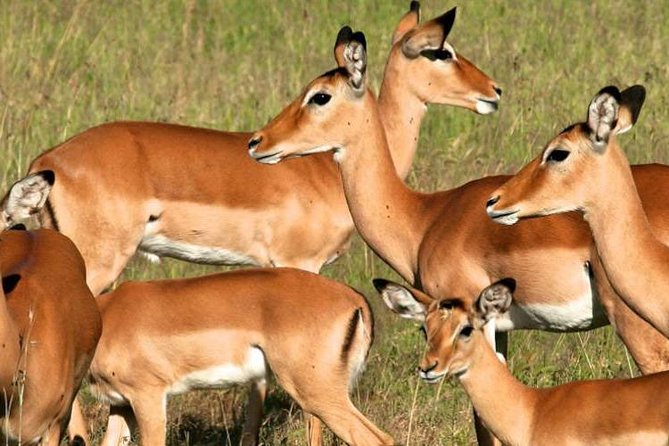
At the bottom, open grassland spreads around scattered acacia trees, with two wooded areas. The crater’s enclosed setting means you can often see many animals in a relatively compact area. That makes it one of the best places on this itinerary for a concentrated morning of wildlife viewing.
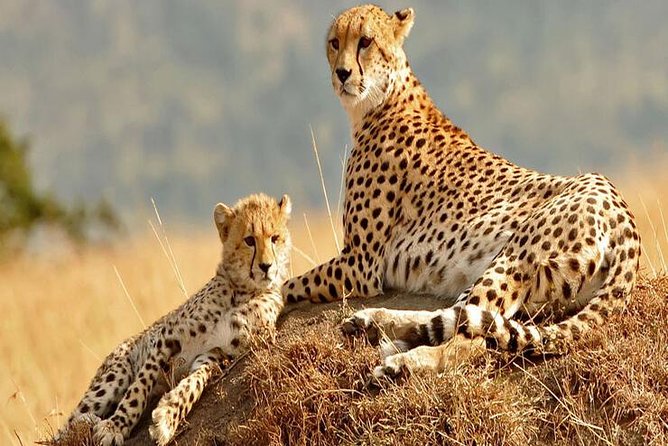
You may have a chance to see the Big Five: lion, elephant, buffalo, rhino, and leopard. The important word is chance. No ethical safari can guarantee all five, and leopard sightings in particular are never certain. The schedule does specifically highlight the possibility of black rhino, which would be a memorable sight, but you should judge the trip by the overall range of wildlife rather than one checklist.
You spend the morning exploring, eat a picnic lunch in the crater, then return to Arusha for an early evening arrival. That return makes the tour useful if you have a flight or another activity soon afterward, but you should not schedule anything tight. Road conditions, wildlife stops, and park timing can affect the arrival hour.
The day gives you a strong finish. You get one of Tanzania’s most famous wildlife areas, a picnic in the crater, and a direct return to Arusha rather than another overnight.
Camping, food, and daily comfort
This is a budget safari with a mix of camping and lodge-style accommodation. Fig Tree Lodge and Campsite is listed for the first two nights, Simba Campsite for the crater night, and the Serengeti stay depends on the accommodation option you request.
That means the exact sleeping arrangement is important. If you want a private room every night, ask before paying. If you are happy with a tent and see camping as part of the African safari atmosphere, the setup should make sense, especially at the crater edge.
All meals and drinking water on safari are included. That is useful because park days are long and food options inside national parks can be limited or expensive. A chef named Denis has received particularly warm praise for preparing good meals, though the cook assigned to your departure may be different.
Bring personal items that are not included, along with money for tips. Flights are also excluded. The package does include airport transfer, but the stated start and end point is Arusha, so confirm how the transfer connects with your arrival and departure plans.
The guide can shape the whole safari
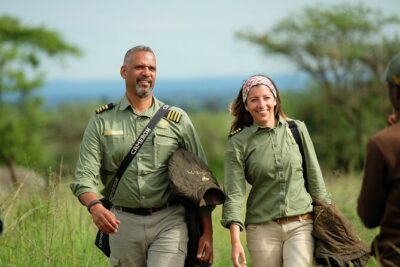
On a safari, the vehicle and parks matter, but the guide controls much of the daily rhythm. Your guide chooses routes, explains animal behavior, handles park logistics, and helps decide how long to remain at a sighting.
Names associated with strong service include Grayson, Michael, Proches, Owen, Yaya, Julyus, Ali, and Denis. Grayson is noted for patience and for discussing Tanzanian culture and history. Michael and Proches are praised for wildlife explanations and for locating animals. Owen has been recognized for airport pickup and personal care, while David, Jackson, and Lucy have been involved in planning and communication.
You should not assume one of these people will lead your departure. Staff assignments vary. The useful point is to ask who your guide will be, how many people will share the vehicle, and what type of accommodation is confirmed.
Who should book this safari
I would choose this route if you have only five days and want the greatest range of northern Tanzania highlights in one organized trip. It suits first-time safari visitors, families who want park fees and food handled together, and budget-minded couples who are comfortable trading luxury for more time in the parks.
It can also work for a family trip. One family with three children praised the airport pickup, planning help, and service. Still, parents should remember that some drives are long and game drives can require patience. The itinerary is active, not a gentle resort holiday.
I would hesitate if you want a slow Serengeti trip with several full days in one area. You will spend part of Day 3 reaching central Serengeti, and the whole route asks you to change scenery often. You should also think twice if camping is not appealing or if you need guaranteed arrival times in Arusha.
The cancellation terms are fairly clear: cancel at least 24 hours before the start for a full refund. Less than 24 hours leaves no refund, and poor weather may lead to a different date or a full refund.
Should you book the $1,254 safari?
I think this is a strong choice for a short, active introduction to northern Tanzania. The price covers the costly essentials, the group is capped at six, and the route includes four major wildlife areas rather than concentrating on one park.
Book it if you value variety, daily game drives, a crater-edge campsite, and practical all-inclusive planning. Before you commit, confirm the exact accommodation level, the Serengeti sleeping location, your guide, pickup details, and how much time each day will be spent driving.
Skip it if your priority is luxury, private travel, or a relaxed pace. For everyone else, this safari offers a sensible way to reach Tarangire, Lake Manyara, Serengeti, and Ngorongoro in five demanding but rewarding days.
FAQ
Where does the safari start and finish?
The safari starts in Arusha, Tanzania, and ends back at the meeting point in Arusha.
How long does the experience last?
The safari lasts approximately five days.
Which parks and areas are included?
The route includes Tarangire National Park, Lake Manyara National Park, Serengeti National Park, and Ngorongoro Crater.
How many people can join the group?
The maximum group size is six people.
Are meals included?
Yes. Breakfast, lunch, dinner, and drinking water on safari are included. The listed package includes five breakfasts, five lunches, and four dinners.
Is camping included?
Yes. Camping accommodation is included. Fig Tree Lodge and Campsite and Simba Campsite are named, while the Serengeti accommodation depends on the standard and accommodation option requested.
What is not included in the price?
Flights, tipping, and personal items are not included.
What is the cancellation policy?
You can cancel at least 24 hours before the experience starts for a full refund. Cancellations made less than 24 hours before the start time are not refunded. Changes within 24 hours are not accepted.
More five day trips in Arusha
- 5 Days Camping Tarangire, Serengeti & Ngorongoro crater & Visiting Maasai
★ 5.0 · 229 reviews - Tanzania Simba Safari – 5 Days
★ 5.0 · 217 reviews - 5 Days Budget Private Safari, Tanzania
★ 5.0 · 191 reviews - 5-Day Private Northern Tanzania Safari from Arusha
★ 5.0 · 182 reviews
Newly listed around Arusha
- 5-Day Private Safari Tour in Tanzania’s Wildlife★ 5.0 · 3 reviews
- 3 Days private safari Tarangire ,Ngorongroro crater &Manyara★ 5.0 · 3 reviews
- 3 Day Sharing Safari – Manyara, Ngorongoro Crater and Tarangire National Parks★ 5.0 · 3 reviews
- Tarangire National Park Day Trip★ 5.0 · 3 reviews
- 6 -Day Tarangire, Manyara, Serengeti & Ngorongoro★ 5.0 · 3 reviews
- 2 Days Tarangire and Ngorongoro Crater Tour★ 5.0 · 3 reviews
- 5 Days Group Camping Safari★ 4.7 · 3 reviews
- 7-Day Mt. Kilimanjaro Hiking: Machame Route★ 5.0 · 3 reviews
Serengeti & Ngorongoro Safaris, compared.
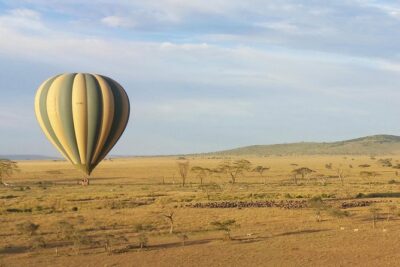
Balloon Safari & Bush Breakfast in Serengeti – Miracle Experience
Read our review →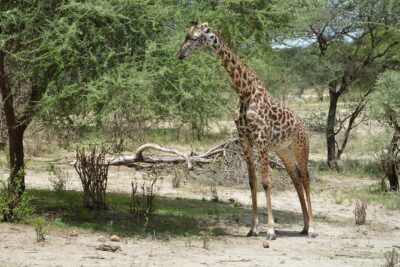
Private 6-Day Tarangire Manyara Crater and Serengeti with Mid-Range Lodges
Read our review →
5 Days Camping Tarangire, Serengeti & Ngorongoro crater & Visiting Maasai
Read our review →Browse the lists this tour appears in