
Reviewed · SERENGETI & NGORONGORO SAFARIS
4 Days Tarangire, Serengeti, Ngorongoro Mid-range Safari
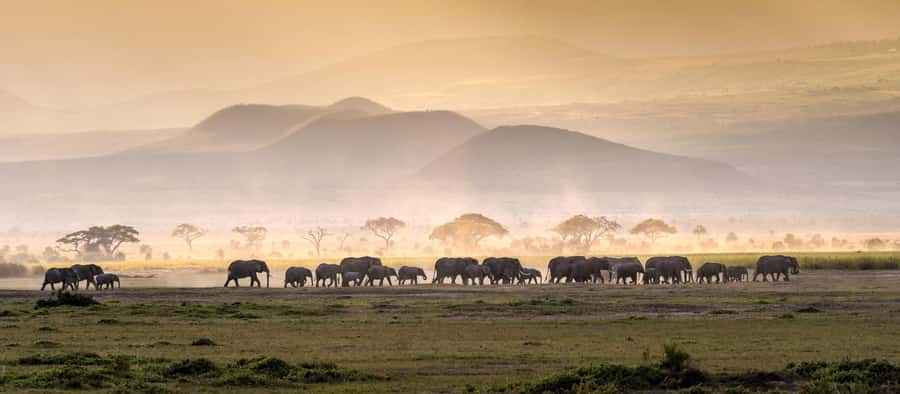
Tarangire’s elephant herds, the Serengeti’s open plains, and Ngorongoro Crater’s packed wildlife all fit into four busy days. That is the appeal here: you get three of Tanzania’s headline sights without arranging separate hotels, park permits, meals, and transport yourself.
I like the small group of up to six and the lodge-based setup. I also like the practical route, which moves from Tarangire to Serengeti and then to Ngorongoro without wasting time on a return to Arusha between parks. The trade-off is clear: this is a fast safari, with long road transfers and early starts. You see a lot, but you will spend plenty of time in the vehicle.
Key points at a glance
- Tarangire opens the trip with elephants and baobab trees, a strong first look at northern Tanzania’s wildlife.
- The Serengeti gets an afternoon drive and a sunrise drive, giving you two different chances to see the plains come alive.
- Ngorongoro Crater provides a concentrated final game drive, with Big Five habitat inside a volcanic caldera.
- Lodge accommodation replaces basic camping, giving you a proper bed and a quieter place to rest after dusty drives.
- A maximum of six people keeps the vehicle more personal, while still sharing the cost of a private-style safari.
- The $1,800 price includes major safari costs, including park fees, meals, accommodation, transport, and an English-speaking guide.
What $1,800 covers on this safari
At $1,800 per person, this trip sits in the mid-range safari bracket. The number sounds large until you separate the included costs. You receive four-wheel-drive safari transport, an English-speaking professional guide, park entrance fees, mineral water, accommodation, and meals during the safari.
Those park fees matter. Tarangire, Serengeti, and Ngorongoro are not low-cost stops, and paying them separately would make a self-arranged trip harder to compare. You are also paying for the vehicle, fuel, route planning, permits, lodge bookings, and someone to manage the timing.
I would judge the value by your priorities. If you want three major parks in four days, a lodge bed each night, and a small group rather than a large bus, the price is reasonable. If you want a slow safari with long stays in one area, it is less convincing. This route is designed for range, not leisure.
Flights, visas, and travel insurance are not included. You also need to plan for the 10-kilogram luggage limit. A soft duffel is the sensible choice, and extra luggage can be left in the hotel storage room.
More Safaris in Arusha
- Balloon Safari & Bush Breakfast in Serengeti – Miracle Experience
★ 5.0 · 1,646 reviews - 4 Days Group Camping Safari
★ 5.0 · 1,101 reviews - 5 Days Group Camping Safari
★ 5.0 · 730 reviews
Day 1: Tarangire brings elephants and baobabs first
Your pickup begins in Arusha in the early morning. A company representative meets you at your accommodation reception with a sign bearing your name, then gives you a short introduction before departure. That small handoff is useful when you are tired, carrying bags, and trying to understand the day’s plan.
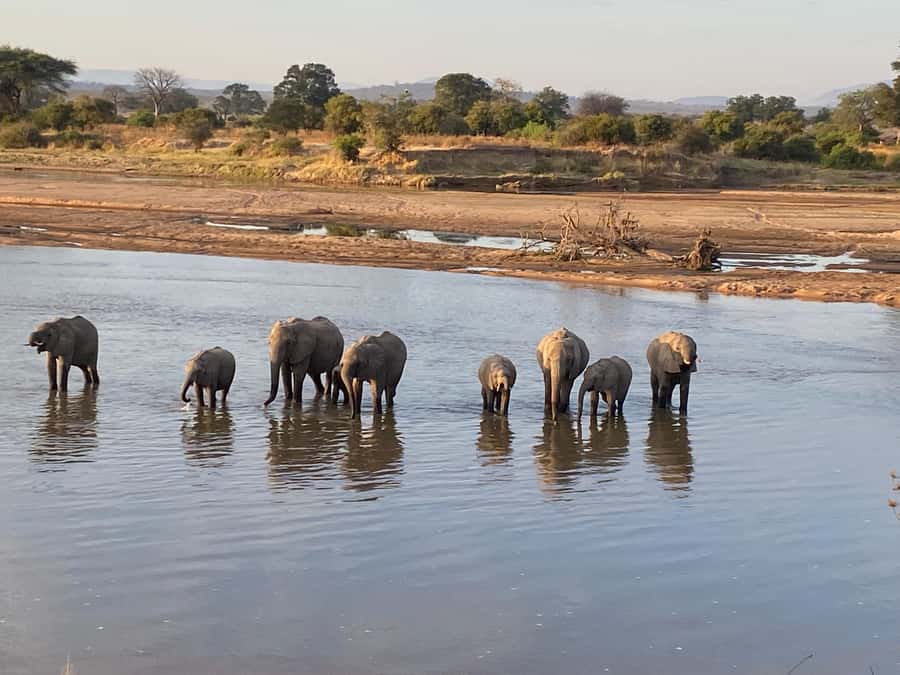
Tarangire is a fine first park because it gives you a clear visual change from town to open bush. The park is known for large elephant herds and its broad baobab trees, which give the first game drive a strong sense of place even before you spot much wildlife.
The schedule allows for a morning game drive, lunch in the park, and a second drive in the afternoon. That split gives you more than a quick pass through Tarangire. You get time to look for animals at different points in the day, though the exact sightings will always depend on weather, animal movement, and your guide’s choices.
After the afternoon drive, you go to a lodge for the night. This is where the mid-range format earns its keep. You can wash off the road dust, eat a proper meal, and sleep indoors instead of packing and unpacking a tent.
The limitation is time. One day gives you a useful taste of Tarangire, but not a full exploration of every section. You should see this stop as the opening chapter, not the main event.
Day 2: A long transfer leads into the Serengeti
After breakfast, you travel toward Serengeti National Park. This is one of the longer road days, and the distance is part of the price of covering three major areas in only four days. Bring patience, water, and something warm for the changing temperatures.
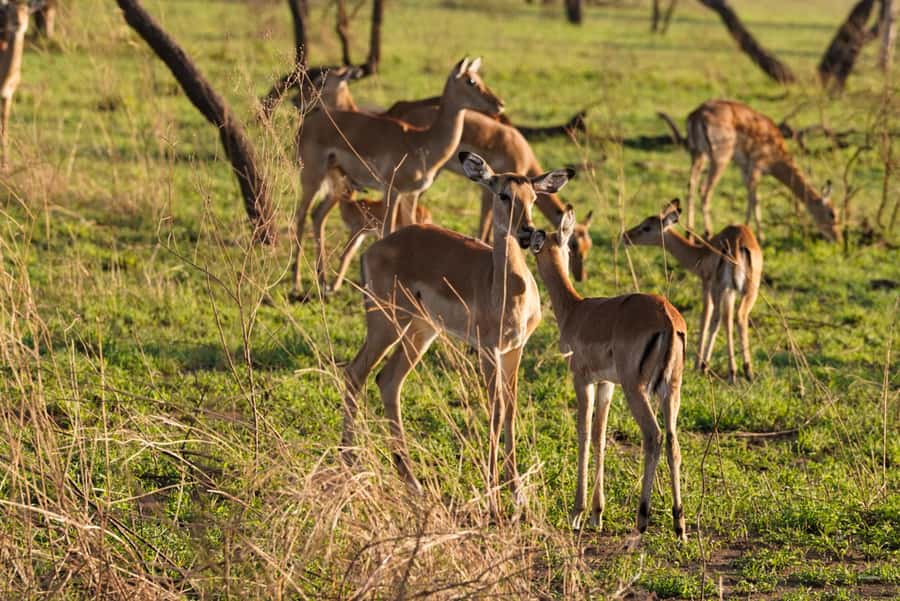
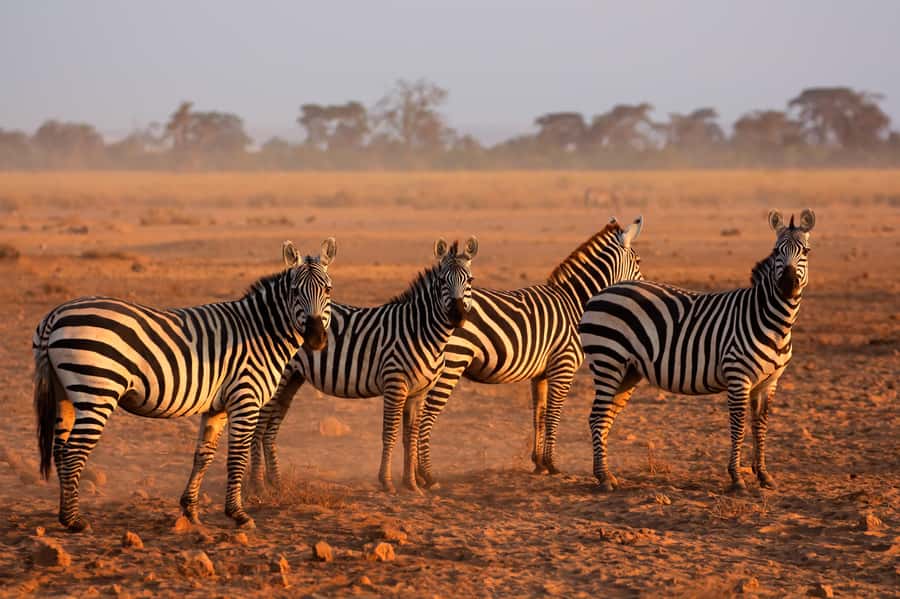
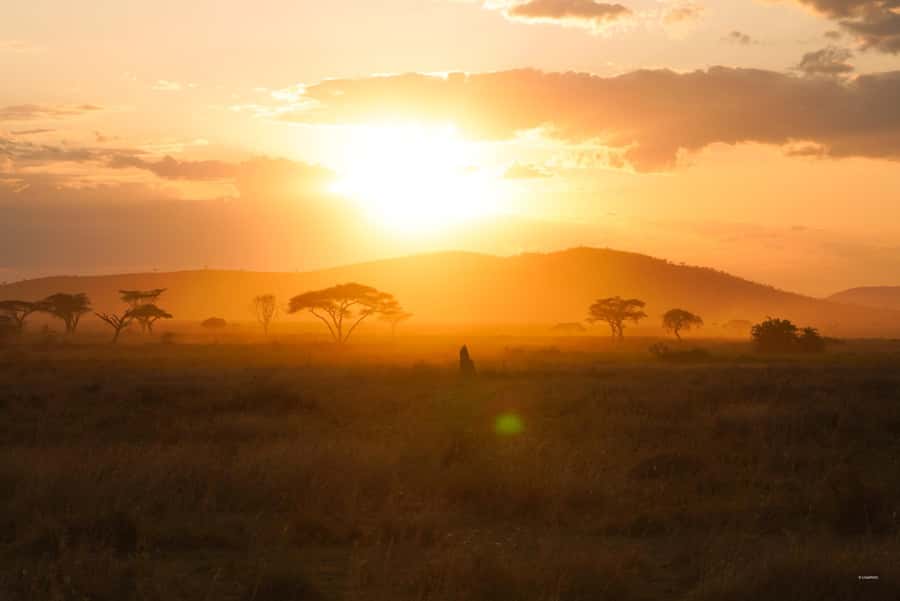
The reward comes with the scale of the Serengeti. The park is known for wide plains and major predator country, with lions, cheetahs, zebras, and many other animals. An afternoon game drive gives you your first look after the transfer, when the day is still active and you have time to begin learning the area.
The Serengeti is not a single viewing point. It is a huge park, so wildlife sightings can vary widely. Your guide’s judgment matters here, especially in choosing where to spend the remaining daylight. A guide such as Damian, named in connection with this safari, is also expected to handle the practical side of the day, from road timing to your comfort in the vehicle.
You spend the night at a lodge in or around the park, depending on the exact property used. The description promises accommodation in the heart of the park, which places you close to the sounds and atmosphere of the bush. Do not expect city-style quiet. The point is to sleep near the setting you came to see.
This day asks the most from your energy. You travel a long distance, then go on a game drive. I would avoid booking another demanding activity for the evening and use the lodge as a chance to rest.
Day 3: Sunrise in the Serengeti, then the Ngorongoro Highlands
Day three begins early with a sunrise game drive. This is one of the strongest parts of the plan because the Serengeti feels different at first light. Predators may still be active, and the morning gives you a chance to watch the plains wake before the heat builds.
A sunrise drive also means an early alarm. Pack your jacket where you can reach it, rather than burying it in your luggage. Nighttime temperatures can fall to about 5°C, and an open safari vehicle can feel colder before the sun rises.
After lunch, you travel toward the Ngorongoro Highlands and the Karatu area. The road offers changing views of northern Tanzania, but this is another transfer rather than another major game drive. If you measure every hour by animal sightings, the day may feel slow. If you enjoy watching the country change between parks, the drive gives useful context.
Karatu is used as the overnight base before the crater visit. That staging makes sense. You rest closer to Ngorongoro, then begin the final game drive without returning to Arusha first. It also breaks up the route and avoids trying to combine a crater visit with the full drive back to town.
The drawback is that the Serengeti portion ends quickly. You receive an afternoon drive on day two and a sunrise drive on day three, but you do not get several full days in the park. That is the cost of fitting three major destinations into four days.
More Serengeti and Ngorongoro itineraries:
- 3 Days Serengeti & Ngorongoro Group Camping Safari
★ 5.0 · 574 reviews - 5-Day Highlights mid-Range Crater, Serengeti, Tarangire
★ 5.0 · 296 reviews - 3-Day Classic Serengeti Safari
★ 5.0 · 263 reviews - Private 6-Day Tarangire Manyara Crater and Serengeti with Mid-Range Lodges
★ 5.0 · 238 reviews
Day 4: Ngorongoro Crater packs a lot into one morning
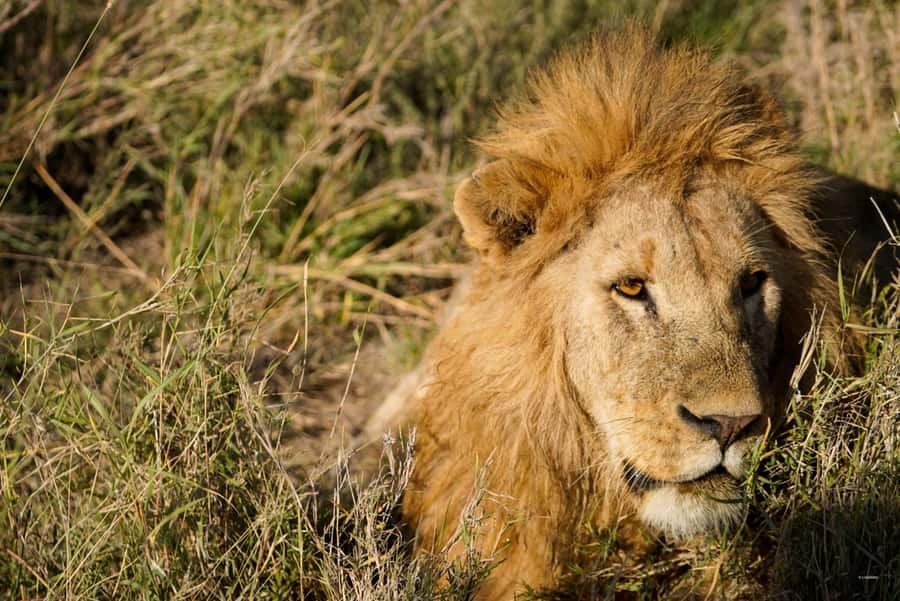
The final game drive takes place inside Ngorongoro Crater, a UNESCO World Heritage site and one of Tanzania’s most famous wildlife settings. You descend from the crater rim into the volcanic caldera, where the enclosed terrain can make animal viewing feel concentrated.
The crater is known for Big Five habitat and a wide range of wildlife. Its appeal is different from Tarangire and Serengeti. Tarangire gives you elephants and baobabs. Serengeti gives you open distance and predator country. Ngorongoro gives you a compact natural bowl with many animals within one broad area.
You have a morning game drive before returning to the crater rim and continuing to Arusha. This is a smart final stop for a short itinerary because it offers a strong wildlife finish without requiring another overnight inside the park.
Still, you should not assume every Big Five sighting is guaranteed. The safari promises the chance to see them, not a fixed checklist. Wildlife remains wild, and your guide cannot control animal movement or visibility.
The return to Arusha is scheduled for the afternoon. I would keep your evening free rather than booking a flight or an important onward connection. The tour data does not give an exact arrival time, and road conditions, park traffic, and the morning drive can affect the schedule.
Why the small group matters
The vehicle carries no more than six participants. That number gives you a better chance of seeing out of the sides of the vehicle and makes it easier to ask the guide questions without competing with a large crowd.
A small group also helps with the rhythm of game drives. If you need a short pause, want to adjust your viewing position, or have a question about an animal, the conversation can stay personal. You are still sharing the vehicle, so this is not the same as a fully private safari. It is best described as a compact shared trip.
The guide is central to the experience. You receive an English-speaking guide who also drives the 4×4. That arrangement keeps communication simple, but it means the quality of the trip depends heavily on the individual guide’s driving, wildlife knowledge, patience, and sense of timing.
Damian is specifically associated with the safari and is described as attentive and careful with the schedule. If he is assigned to your departure, you can expect the guide to play a large role in everything from sightings to daily comfort. Assignment should be confirmed before booking if having a particular guide matters to you.
Lodge comfort, meals, and what to pack
The accommodation plan is more comfortable than a basic camping trip. You receive lodge accommodation and meals during the safari, with the route using a mix of lodges and tented camps in the accommodation arrangement described for the trip. One property is described as a particularly impressive lodge, while two nights use tented camps.
That mix can work well. A lodge gives you a more solid base, while a tented camp keeps you closer to the outdoor setting. Comfort levels may vary between properties, so ask for the exact accommodation names if room style and facilities are important to you.
Meals are included, and the food arrangement is reported as a strong point of the trip. You will still want small snacks for the road, since driving days can be long and meal timing follows the route rather than your usual schedule.
Pack light and use a duffel. The limit is 10 kilograms per person, with extra luggage stored at the hotel. Bring neutral colors such as beige, green, or white, along with:
- A warm sweater, jacket, and socks
- Closed shoes suitable for dusty roads
- Mosquito repellent with a high mint concentration
- A personal pair of binoculars if possible
- Sun protection and any medicines you need
Bright colors are not allowed, and you must not feed or touch animals. Drones are also prohibited. A guide will have binoculars available to share, but your own pair makes distant animals much easier to follow.
The practical drawbacks to consider
This is a tight program. Four days sounds generous until you account for three parks, two major transfers, an early start, and the drive back to Arusha. You will see a broad sample of northern Tanzania, but you will not have much spare time.
The route also favors road travel. The 4×4 is included, and the vehicle is described as clean, but road hours remain road hours. If you dislike bumpy drives or want slow mornings, consider a longer itinerary instead.
The early starts are part of good safari timing, especially for the Serengeti sunrise drive. They can also leave you tired by the third day. Lodge accommodation helps, but it does not remove the need to rest when you can.
This experience is not suitable for wheelchair users, babies under one year, or people over 95. The listing gives no further mobility information, so anyone with specific physical needs should confirm details before paying.
Free cancellation is available up to 24 hours in advance for a full refund, and you can reserve now and pay later. Those terms make the booking less rigid, but you still need travel insurance because it is not included.
Who should book this safari
I would recommend this trip to you if this is your first northern Tanzania safari and you want the classic route in a short window. It suits people who value included park fees, a small group, lodge beds, and a guide who handles the complicated parts.
It is also a good fit if you want a balanced first look rather than one specialist trip. Tarangire offers elephants and baobabs, Serengeti offers broad predator country, and Ngorongoro gives you a concentrated final wildlife drive.
I would hesitate if you have only four days but expect a relaxed pace. I would also hesitate if your main goal is a specific migration sighting or several full days in the Serengeti. The itinerary gives you a taste of each area, not the time needed to study one park closely.
Should you book the 4-day route?
Book it if you want maximum variety in a short, organized trip. The $1,800 cost covers the expensive essentials, the group is limited to six, and the lodge format gives you useful comfort after long drives. The inclusion of Tarangire, Serengeti, and Ngorongoro makes the route easy to understand and strong for a first safari.
Skip it, or ask about a longer version, if you want slow mornings, extra time in the Serengeti, or a private vehicle. Before confirming, ask for the exact lodge names, the expected pickup time, and whether Damian will guide your departure. Pack light, bring warm layers, and leave room in your schedule after the return to Arusha.
FAQ
Where does the safari start and finish?
The safari starts in Arusha and returns to Arusha on the afternoon of day four.
How long is the safari?
The experience lasts four days.
Which parks and wildlife areas are included?
The route includes Tarangire National Park, Serengeti National Park, and Ngorongoro Crater.
How many people can join the group?
The group is limited to six participants.
Is pickup included?
Yes. A company representative meets you at your accommodation reception with a sign or board showing your name and provides a brief introduction.
What language does the guide speak?
The live guide speaks English.
What is included in the price?
The price includes 4×4 safari transport, an English-speaking professional guide, park entrance fees, mineral water, accommodation, and meals during the safari.
What is not included?
Visas, international and domestic flights, and travel insurance are not included.
More four day trips in Arusha
- 4 Days Join Group tour Tarangire Serengeti and Ngorongoro crater
★ 5.0 · 219 reviews - 4-Day Safari from Arusha: Tarangire, Serengeti and Ngorongoro
★ 5.0 · 173 reviews - 4 Days safari Tour Tanzania
★ 5.0 · 159 reviews - 4 Days Tarangire Serengeti Ngorongoro Crater
★ 5.0 · 117 reviews
Newly listed around Arusha
- 5-Day Private Safari Tour in Tanzania’s Wildlife★ 5.0 · 3 reviews
- 3 Days private safari Tarangire ,Ngorongroro crater &Manyara★ 5.0 · 3 reviews
- 3 Day Sharing Safari – Manyara, Ngorongoro Crater and Tarangire National Parks★ 5.0 · 3 reviews
- Tarangire National Park Day Trip★ 5.0 · 3 reviews
- 2 Days Tarangire and Ngorongoro Crater Tour★ 5.0 · 3 reviews
- 6 -Day Tarangire, Manyara, Serengeti & Ngorongoro★ 5.0 · 3 reviews
- 5 Days Group Camping Safari★ 4.7 · 3 reviews
- 4 Days Tanzania Safari★ 4.5 · 3 reviews
Serengeti & Ngorongoro Safaris, compared.


Balloon Safari & Bush Breakfast in Serengeti – Miracle Experience
Read our review →




Private 6-Day Tarangire Manyara Crater and Serengeti with Mid-Range Lodges
Read our review →
5 Days Camping Tarangire, Serengeti & Ngorongoro crater & Visiting Maasai
Read our review →Browse the lists this tour appears in