
Reviewed · ARUSHA TOURS
4 Days Tanzania Safari Tour
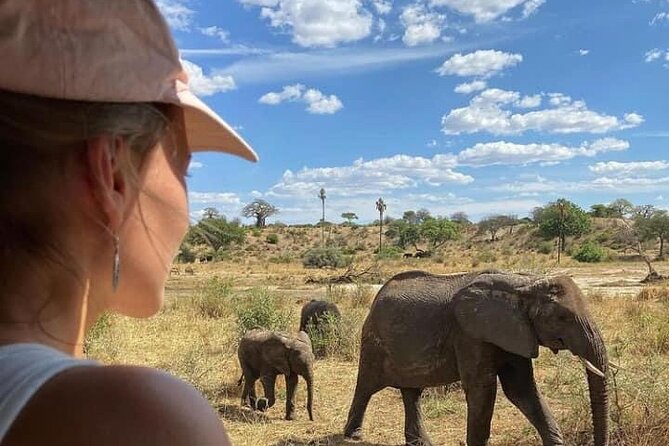
The great hook here is the wildlife-packed northern circuit: elephant herds and baobabs in Tarangire, big cats across the Serengeti, then Ngorongoro Crater’s dense animal life. In only four days, you see three of Tanzania’s headline parks without adding flights between them.
I like the private format, since your group can focus on its own pace and questions. I also like that park fees, transport, and all listed meals are included, which makes the $2,395 price easier to assess. The tradeoff is clear: this is a fast trip with long road days, especially between Tarangire, Serengeti, Ngorongoro, and Arusha.
Key points at a glance
- Tarangire begins with elephants and baobabs: The park is especially known for large elephant herds, zebras, wildebeests, and striking old baobab trees.
- Two Serengeti days give you a real chance at big cats: Day 2 includes the approach and first game drive, while Day 3 gives you a full day in central Serengeti.
- Early starts are worth it: Sunrise in the Serengeti and an early departure for Ngorongoro put you out during useful wildlife-viewing hours.
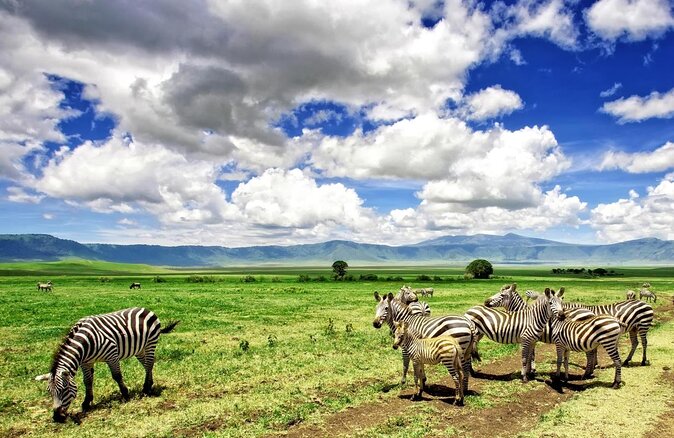
- Ngorongoro packs variety into one crater: Water, swamps, a soda lake, and year-round food help support a high concentration of animals.
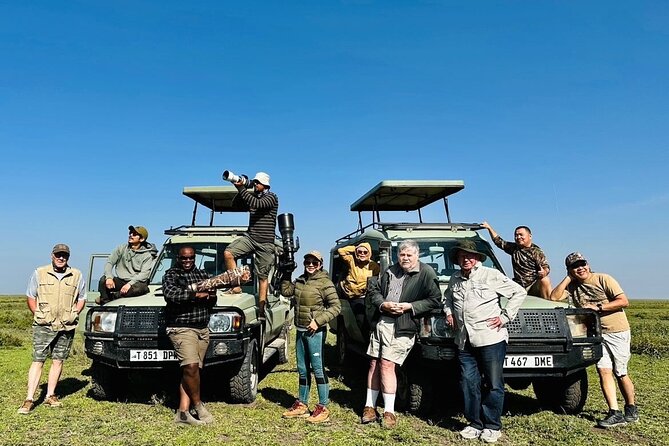
- Private touring adds flexibility: Only your group takes part, with private transportation and a guide assigned by the operator.
- The vehicle may be practical rather than polished: One account praised the equipment and space but noted that a vehicle was dated, so ask about the current safari jeep if this matters to you.
What this four-day Tanzania safari is really like
This is a compact safari designed to show you the main attractions of Tanzania’s northern circuit in a short window. You start in Arusha, travel by road, sleep at a lodge or tented camp, and spend most daylight hours looking for animals from a safari vehicle.
The route has a sensible rhythm. Tarangire gives you an opening day close to Arusha, the Serengeti receives two separate days, and Ngorongoro provides a dramatic final wildlife stop before the return to Arusha.
You should think of this as a high-value introduction, not a slow, specialized expedition. You get famous parks and broad wildlife variety, but you also spend substantial time driving. That is the price of linking these places by road in four days.
The tour is private, so your group is not combined with strangers. That matters when you want to stop for a particular animal, ask your guide to explain a bird or tree, or adjust the pace slightly. It does not mean the itinerary becomes leisurely. The distances still shape each day.
More Safaris in Arusha
- Balloon Safari & Bush Breakfast in Serengeti – Miracle Experience
★ 5.0 · 1,646 reviews - 4 Days Group Camping Safari
★ 5.0 · 1,101 reviews - 5 Days Group Camping Safari
★ 5.0 · 730 reviews
Day 1: Tarangire’s elephants and baobab country
Pickup is scheduled from your Arusha hotel at 8:00 a.m. From there, you travel alongside the Great Rift Valley toward Tarangire National Park for a full-day game drive.
Tarangire is a strong first stop because it offers a visual change from what many people expect of an East African safari. The park is marked by large baobab trees, open areas, and herds of elephants. The combination gives the day a distinct sense of place, rather than making it feel like a warm-up for the Serengeti.
The park is also home to wildebeests and zebras, along with many other animals and birds. The large elephant herds are the main draw, and this can be one of the most rewarding places on the route for seeing elephants in numbers.
I like the timing of this day. An 8:00 a.m. pickup gives you a useful start without demanding a pre-dawn departure on the first morning. You still get a full game drive, then end at a lodge or tented camp for the night.
The limitation is that the day includes both the drive from Arusha and a full park visit. You may arrive tired by evening, especially if you have recently flown into Tanzania. Keep your first day simple, and do not plan a demanding evening activity after the safari.
Day 2: The long road into the Serengeti
After breakfast, you head toward Serengeti National Park through the Great Rift Valley. This is a travel-heavy day, but the approach is part of the experience. As the Serengeti comes into view, the scenery opens into broad plains and the feeling of the trip changes.
The Serengeti is famous for its big-cat sightings and for the annual movement of wildebeests and zebras. The exact location of the migration changes with the season, so the presence of the migration should not be treated as a guarantee at every point on the route. The park remains worthwhile outside the peak movement periods because lions, cheetahs, leopards, hyenas, buffalo, antelopes, and many birds live there year-round.
The itinerary lists impalas, gazelles, hartebeests, elands, zebras, wildebeests, buffalo, and occasional giraffes among the animals you may encounter. Predators can sometimes be seen hunting, though nature does not follow a schedule. Your guide’s skill in reading animal behavior and choosing where to spend time matters greatly.
A useful detail is the birdlife. The Serengeti is home to about 480 bird species, so this is not only a big-mammal trip. Even when animals are quiet or distant, the open plains can keep you occupied with raptors, scavengers, and smaller species.
Expect this day to feel less settled than Day 3. You are covering ground and beginning your first serious Serengeti game viewing. If your main goal is wildlife, resist the temptation to judge the park by the first few hours. The second day gives you a much better chance to settle into the area.
Day 3: A full day in central Serengeti
This is the safari’s best day for unhurried game viewing. The suggested plan begins with an early wake-up so you can watch the sunrise, followed by a full-day drive with lunch before returning to your lodge.
Early morning is a smart choice. The cool, quiet hours can be useful for seeing animals before the heat of the day, and the sunrise over the plains adds a memorable visual moment even when wildlife is not immediately nearby.
Central Serengeti is a practical base for a short safari because it puts you in the park for a complete day rather than asking you to spend every hour in transit. You can look for big cats, grazing herds, hyenas, vultures, buffalo, and the smaller antelopes that help support the food chain.
The guide makes a major difference here. The company’s past safari arrangements have included guides named Hassan, Hussein, Kombo, Abduli, and Mr. Ally. Their work has been praised for animal knowledge, storytelling, safe driving, and friendly service, but your booking should confirm who will actually lead your group.
A good guide does more than point toward a lion. You want someone who can explain animal behavior, identify trees and birds, read the road and terrain, and help you understand why one sighting is worth waiting for. Several accounts also describe the team as responsive during planning and helpful with custom requests.
Lunch is included, but the exact setting and meal style are not specified. The listed package includes four lunches, four dinners, and three breakfasts. Since the tour is described as four days while some past safari experiences are described as four nights, ask the operator to confirm the number of nights, accommodation names, and meal schedule before paying.
A change of scene while you are in Arusha:
- Tanzania Classic – 7 Days
★ 5.0 · 1,151 reviews - Materuni Waterfalls, coffee tour & Kikuletwa Hot Springs
★ 5.0 · 643 reviews - 3 Days Serengeti & Ngorongoro Group Camping Safari
★ 5.0 · 574 reviews - 7-Day Premium Luxury Tanzania Safari All-Inclusive
★ 5.0 · 426 reviews
Day 4: Inside Ngorongoro Crater
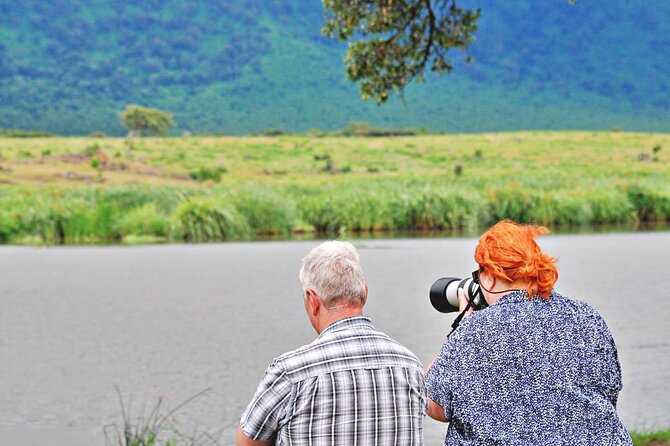
Day 4 begins early with breakfast and departure for the Ngorongoro Conservation Area. The plan includes a short game drive until midday, a hot lunch at the Ngoitoktok public picnic site, more game viewing after lunch, and then the drive back to Arusha.
Ngorongoro Crater is the grand finale because wildlife is concentrated within a dramatic natural bowl. The caldera is listed as 19 kilometers across and about 260 kilometers around. Water and food are available for much of the year, helping support a large range of animals in a relatively contained area.
Inside the crater, you may see lions, elephants, buffalo, antelopes, and many bird species. The area also includes a river, several swamps, and a soda lake known for large numbers of flamingos. These different habitats help make the crater more varied than a single open plain.
The Ngoitoktok picnic stop gives the day a fixed midday pause, but public picnic sites require sensible caution around wildlife. Follow your guide’s instructions, keep food secure, and do not wander off. The tour description specifically places lunch there, so you should not expect a private lodge meal at that point.
The final drive to Arusha is long. The itinerary describes the day as about 12 hours, so do not schedule a tight international departure immediately afterward without confirming the timing with the operator. If you are flying home that night, build in a generous buffer. Road conditions, park exits, animal sightings, and traffic can all affect the arrival time.
Wildlife: what you can reasonably hope to see
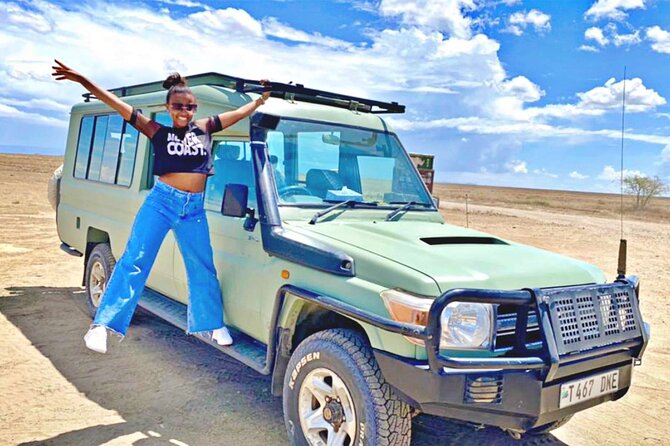
This route gives you strong variety, but no safari can promise a complete checklist. Lions, elephants, giraffes, antelopes, zebras, wildebeests, buffalo, hyenas, vultures, and birds are all part of the expected range. Rhino sightings are possible in Ngorongoro, but they remain special rather than routine.
The Big Five are lion, leopard, elephant, buffalo, and rhinoceros. The company’s safari guides have helped groups see all five, but that result depends on season, patience, animal movement, and luck. A good trip is not measured only by a checklist.
The Serengeti is the best part of this route for predator viewing, while Tarangire is especially strong for elephants and baobabs. Ngorongoro is valuable for concentration and habitat variety. These parks complement each other, which is why the route works well despite the short schedule.
Birdwatchers should tell the guide early. The itinerary specifically highlights about 480 Serengeti bird species, and a private vehicle gives you a better chance to pause for an interesting bird instead of treating every stop as a race toward large mammals.
Transport, comfort, and the pace of the road
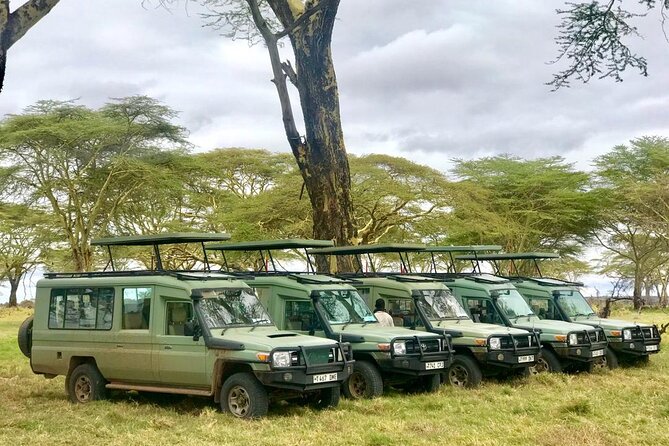
Private transportation is included, and only your group participates. That is one of the clearest benefits of this package. You avoid negotiating space with a larger shared group, and you have a direct line to your own guide throughout the trip.
Safari vehicles are working tools, not luxury cars. One account praised a jeep’s water supply, power plugs, room for six people plus luggage, and overall usefulness, while also noting that another vehicle was outdated. This is a fair warning to ask about the current vehicle’s condition, seating arrangement, charging points, and luggage limits.
The roads and distances are part of the northern circuit experience. Tarangire is the easiest opening stop from Arusha, while Serengeti requires a major overland transfer. The final journey from Ngorongoro back to Arusha can also take most of the day.
Pack for long hours seated in a vehicle. Bring a refillable water bottle, sun protection, a light layer for early starts, and a camera with spare battery capacity. The tour includes meals, but it does not list drinks, snacks, or personal items, so clarify what is supplied beyond the included meals.
Lodges, meals, and what the price covers
The itinerary says you stay at a lodge or tented camp, but it does not name the properties. That means you should request the accommodation list before booking if room style, location, or comfort level is important to you.
The package includes breakfast, lunch, and dinner as listed, along with conservation fees and private transportation. Those inclusions cover major safari costs and make the price easier to compare with cheaper-looking tours that add park fees or meals later.
At $2,395 per person, this is not a bargain-basement safari. It is also not simply a park entry product. You are paying for a private four-day route, several major conservation areas, road transport, guiding, accommodation arrangements, and meals.
The value is strongest for a small group that wants one organized package and does not want to handle park fees, vehicles, and lodge bookings independently. If you are traveling alone, ask whether the stated price assumes a minimum group size, since the supplied information gives a per-person price but does not explain the pricing structure.
Past bookings have received praise for comfortable accommodation, good food, smooth planning, and help arranging extras such as flights, taxis, guides, lodging, and park visits. Those additional arrangements may not be part of this listed price, so confirm them separately.
Guide quality and the human side of the trip
The strongest human element is the guide. Names connected with past safaris include Hassan, Hussein, Kombo, Abduli, and Mr. Ally. The most useful praise centers on wildlife explanations, engaging stories, safe driving, politeness, and a friendly manner.
That combination matters. A guide who drives safely protects the quality of the trip as well as your comfort. A guide who explains animal behavior and local ecology turns a string of sightings into a better understanding of Tanzania.
The planning team has also received credit for being responsive and for accommodating requests. Ben is named in several arrangements, with Olena also involved in one family trip. Again, ask who will manage your booking and who will be in the vehicle, since staff assignments can change.
The tour is private, and most people can participate according to the supplied information. No special accessibility details are provided, so you should discuss mobility needs, vehicle access, and lodge facilities directly before booking.
Who should book this safari
I would recommend this itinerary to a first-time safari visitor with four days available and a strong wish to see the northern circuit’s famous parks. It suits couples, families, and small private groups that value organization and want meals, park charges, and transport handled together.
It also suits people who care about guides and wildlife education, not just photographs. The past guide feedback points to a team that can make the trip safer, more informative, and more personal.
I would be more cautious if you dislike long drives or need a relaxed pace. You should also reconsider this route if your top priority is following the wildebeest migration at a precise location. The Serengeti is included, but migration timing and animal positions change.
For a short trip, the itinerary is ambitious. You see Tarangire, spend two days in the Serengeti, and finish at Ngorongoro. That is a lot of Tanzania in four days, so arrive ready for early mornings and long stretches on the road.
Booking details worth checking first
Confirmation is provided at booking, pickup is offered, and the operating hours shown are Monday through Sunday from 7:00 a.m. to 6:00 p.m. The tour is offered during the stated period from April 13, 2023, through June 18, 2026.
International flights and visa costs are not included. The cancellation terms allow a full refund if you cancel at least six full days before the start time, a 50 percent refund for cancellations two to six full days before departure, and no refund for cancellations less than two full days before departure.
Before booking, I would confirm four practical points: the exact lodge or tented camp, the number of nights, the assigned guide, and the vehicle condition. I would also ask about the final-day arrival time in Arusha if you have a flight to catch.
Should you book it?
Book this safari if you want a short, private, well-organized route through Tarangire, Serengeti, and Ngorongoro, and you accept that the road is part of the adventure. The strongest reasons are the two Serengeti days, the included conservation fees and meals, and the guide-led format.
Skip it if you need slow travel, named luxury lodges, or a fixed migration sighting. For everyone else, this is a practical first safari with excellent wildlife potential and a sensible range of parks packed into four demanding but rewarding days.
FAQ
Where does the safari start?
The safari starts in Arusha, Tanzania, with pickup offered from your hotel.
How long does the tour last?
The tour lasts approximately four days. The itinerary describes four days, while some associated safari details refer to four nights, so confirm the exact overnight schedule before booking.
Which national parks and conservation areas are included?
The route includes Tarangire National Park, Serengeti National Park, and the Ngorongoro Conservation Area.
Is transportation private?
Yes. Private transportation is included, and only your group participates in the activity.
What meals are included?
The package lists four lunches, four dinners, and three breakfasts.
Are park and conservation fees included?
Yes. Conservation fees are included in the tour price.
Are international flights and visas included?
No. International flights and visa costs are not included.
Can most people participate?
The supplied information says most travelers can participate. Specific accessibility details are not provided, so discuss mobility needs and vehicle access with the operator before booking.
What is the cancellation policy?
You can receive a full refund if you cancel at least six full days before the start time. Cancellations made two to six full days before the start time receive a 50 percent refund, while cancellations made less than two full days before the start time are not refunded.
More four day trips in Arusha
- 4 Days Join Group tour Tarangire Serengeti and Ngorongoro crater
★ 5.0 · 219 reviews - 4-Day Safari from Arusha: Tarangire, Serengeti and Ngorongoro
★ 5.0 · 173 reviews - 4 Days safari Tour Tanzania
★ 5.0 · 159 reviews - 4 Days Tarangire Serengeti Ngorongoro Crater
★ 5.0 · 117 reviews
Newly listed around Arusha
- 5-Day Private Safari Tour in Tanzania’s Wildlife★ 5.0 · 3 reviews
- 3 Days private safari Tarangire ,Ngorongroro crater &Manyara★ 5.0 · 3 reviews
- 3 Day Sharing Safari – Manyara, Ngorongoro Crater and Tarangire National Parks★ 5.0 · 3 reviews
- Tarangire National Park Day Trip★ 5.0 · 3 reviews
- 6 -Day Tarangire, Manyara, Serengeti & Ngorongoro★ 5.0 · 3 reviews
- 2 Days Tarangire and Ngorongoro Crater Tour★ 5.0 · 3 reviews
- 5 Days Group Camping Safari★ 4.7 · 3 reviews
- 7-Day Mt. Kilimanjaro Hiking: Machame Route★ 5.0 · 3 reviews
Arusha Tours, compared.

Balloon Safari & Bush Breakfast in Serengeti – Miracle Experience
Read our review →






Browse the lists this tour appears in