
Reviewed · SERENGETI & NGORONGORO SAFARIS
4 Days Tanzania Safari – Tarangire, Serengeti And Ngorongoro
The real draw here is the sheer variety packed into four days: elephant country in Tarangire, the open plains of Serengeti, and a six-hour wildlife drive inside Ngorongoro Crater. You have a fair chance at the Big Five, though no safari can promise every sighting.
I like the practical setup. Hotel pickup, transport, meals, camping gear, and the return to Arusha are included, which removes much of the planning work. I also like the small advertised group size of up to two people, a useful feature when you want more say over stops and viewing time.
The tradeoff is the pace. This is a road-heavy safari with several 10- to 11-hour days, and the move from one park to another leaves little room for rest. Camping is part of the experience, so this suits you best if you value access to wildlife over polished lodge comfort.
Key Points Before You Book
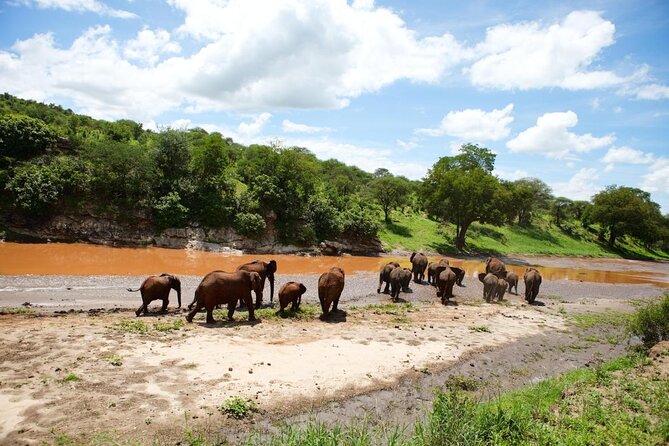
- Three famous wildlife areas in four days: Tarangire, Serengeti, and Ngorongoro Crater each offer a different setting and animal mix.
- A strong Big Five itinerary: Lions, elephants, buffalo, leopards, and black rhino are all possible, though sightings depend on season and luck.
- Long driving days: Plan for roughly 10 hours on Days 1, 2, and 4, and about 11 hours on Day 3.
- Camping is central to the trip: Nights are scheduled at Kizumba Camp, Pimbi Campsite, and Simba Campsite.
- Meals are built in: The package includes four breakfasts, four lunches, and three dinners.
- Small-group appeal: The advertised maximum is two participants, but confirm the arrangement if you are booking as a shared party.
Why This Four-Day Route Works
Tanzania has no shortage of safari choices, but this route makes a sensible first pass through the northern circuit. Tarangire gives you a strong opening day, Serengeti supplies the grand scale and migration possibility, and Ngorongoro provides a concentrated final wildlife drive.
I like the route because the parks do not feel interchangeable. Tarangire is known for large elephant herds and distinctive trees. Serengeti spreads out into seemingly endless grassland, where animal movement matters more than a fixed checklist. Ngorongoro is different again: a crater floor with water and grazing areas that draw animals into a compact zone.
At $890.95 per person, the price has real value if you want transport, park visits, meals, accommodation, and guiding handled in one package. It is not a luxury safari. The value lies in seeing three major areas in a short period without arranging the route yourself.
Still, four days means compromises. You spend substantial time on the road, and the Serengeti portion is brief. If your main goal is the wildebeest migration, a longer stay in Serengeti gives you better odds of reaching the right area at the right time.
More Safaris in Arusha
- Balloon Safari & Bush Breakfast in Serengeti – Miracle Experience
★ 5.0 · 1,646 reviews - 4 Days Group Camping Safari
★ 5.0 · 1,101 reviews - 5 Days Group Camping Safari
★ 5.0 · 730 reviews
Day One: Elephants and Baobabs in Tarangire
After breakfast, pickup from your Arusha hotel begins the first full day. The drive to Tarangire National Park is followed by a picnic lunch and a game drive that continues into the late afternoon.
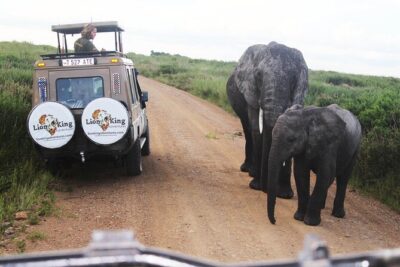
Tarangire is an excellent place to begin because elephants are often the main event. Herds of 10 to 20 are expected on the route, with larger groups sometimes reaching 30. You may see them feeding, crossing the road, or gathering near water.
Keep your eyes above ground. The itinerary specifically points out the chance of spotting a leopard in the trees, an easy detail to miss when everyone is watching the road. You may also encounter buffalo, impala, zebra, warthog, and giraffe.
The first day runs close to 10 hours, so you should expect a full schedule rather than a gentle introduction. A picnic lunch keeps the drive moving, but it also means you will not have a long restaurant-style break.
By evening, you head to Kizumba Camp for dinner and the first night. This is a straightforward camping start. Pack with that in mind: you will appreciate simple, easy-to-reach luggage more than a large suitcase filled with clothes you never wear.
Day Two: The Long Road to Serengeti
Day Two begins with an early breakfast and packing the camping gear into the safari vehicle. You then travel toward Serengeti through the Manyara area and along the Rift Valley escarpments.
This is the most transfer-focused day of the trip. The route offers changing scenery and a sense of moving from the northern highlands toward the broad Serengeti plains, but you should not expect a full day of animal watching.
There is an optional Maasai village visit on the way. Since the details of that visit, including any extra charge or exact length, are not provided, ask before departure if it matters to you. You should also decide in advance if you want to use part of a long transfer day for a cultural stop.
The plan reaches Serengeti by evening, followed by an evening game drive toward Pimbi Campsite. That timing can be rewarding because the park begins to feel different as the day cools, but the exact wildlife opportunities depend on the route and arrival time.
Day Two is listed at around 10 hours. For me, this is the day that makes the trip feel adventurous rather than restful. You cover important ground, but you will want water, sun protection, and patience.
Day Three: Following Wildlife in Serengeti
Day Three is the safari’s main Serengeti day. After breakfast, you set out with a packed lunch and spend the day on game drives, following animal movement in the northern Serengeti where the migration may be located.
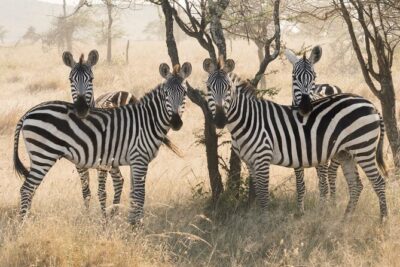
The phrase where the migration will be matters. The wildebeest migration moves according to rainfall and grazing conditions, so the route cannot guarantee a particular sighting. When the herds are nearby, you may also see zebra, topi, hartebeest, eland, other antelope, and hyena.
This is also a good day for birdwatching. The itinerary calls attention to birds in the trees, and Serengeti’s open country can produce a pleasing mix of large mammals and smaller sightings. Your guide’s skill matters here. A strong guide can explain behavior, identify distant animals, and help you notice activity beyond the most obvious herd.
The day lasts about 11 hours and includes game viewing through the Serengeti gate area before continuing toward Ngorongoro. After the drive, you spend the night at Simba Campsite near the crater.
This is a demanding schedule. You are not simply driving to a hotel after Serengeti. You are combining a full game drive with a transfer toward the next park. The benefit is that you wake near Ngorongoro instead of losing another morning to a long approach.
More Serengeti and Ngorongoro itineraries:
- 3 Days Serengeti & Ngorongoro Group Camping Safari
★ 5.0 · 574 reviews - 5-Day Highlights mid-Range Crater, Serengeti, Tarangire
★ 5.0 · 296 reviews - 3-Day Classic Serengeti Safari
★ 5.0 · 263 reviews - Private 6-Day Tarangire Manyara Crater and Serengeti with Mid-Range Lodges
★ 5.0 · 238 reviews
Day Four: Six Hours Inside Ngorongoro Crater
After breakfast, you descend into Ngorongoro Crater with a packed lunch for more than six hours of game viewing. This is a fitting final day because the crater concentrates a wide range of wildlife in a smaller area.
The crater floor has a year-round water supply and grazing areas, which support wildebeest, zebra, buffalo, eland, warthog, hippo, and African elephants. It also offers some of the trip’s best predator possibilities, including lions, hyenas, jackals, cheetahs, and the elusive leopard.
The rare black rhino is one of the major reasons people hope to visit Ngorongoro. The crater is home to some of Tanzania’s remaining black rhinos, but you should treat a sighting as a fortunate bonus, not a promise.
Six hours inside the crater is a useful amount of time. You get more than a quick descent, photo stop, and exit. At the same time, this final game drive comes after three active days, so fatigue may affect how much you enjoy the last stretch.
Late in the afternoon, you drive back to Arusha for dinner and an overnight stay at a hotel in Arusha Town. Day Four is listed at about 10 hours. If you have a flight soon after the safari, confirm the exact return time before booking, since road conditions and park timing can change the end of the day.
What the Camping Arrangement Means
The accommodation plan moves from Kizumba Camp to Pimbi Campsite and then Simba Campsite, followed by a hotel in Arusha. The trip description and feedback indicate a camping safari with the basic camping equipment provided.
You should choose this trip for the access and price, not for resort-style downtime. Three nights in tents can be a memorable part of the experience, especially if you like being close to the setting rather than returning to a formal lodge each evening.
Food is included: four breakfasts, four lunches, and three dinners. Several guide and crew accounts connected with this operator also highlight the cooking, with cooks such as George and Rodrigue named in past trip arrangements. Exact staff assignments can change, so do not book on the assumption that a particular person will lead your departure.
The same applies to accommodation. Some arrangements have used more comfortable camp or lodge options, including Serengeti Heritage Luxury Camp, but this specific four-day plan lists campsites. Ask for the exact accommodation category before paying if comfort is important to you.
Guides, Vehicles, and Group Size
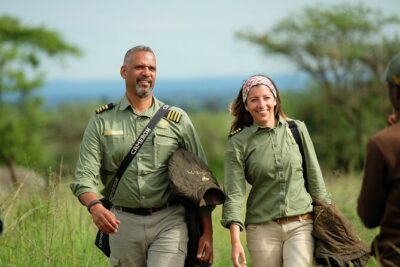
A safari guide can shape the whole experience. The people associated with this operator include guides named Amani, Safiri, Erick, Malaki, Msifari, and Sulley. Sulley has been used as a Spanish-speaking guide on some departures, while other guides have been praised for animal knowledge, driving, and explaining small details about behavior.
That range is encouraging, but assignments are not guaranteed by the tour description. If you need Spanish guiding or have a strong preference about language, request confirmation in writing.
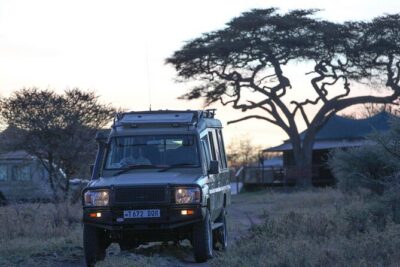
The vehicle is used for long stretches every day, so its condition matters. Past arrangements have included safari vehicles described as being in good condition and stocked with essentials. Even so, you should be ready for dust, bumps, and limited personal space.
The advertised maximum is two people. That could make a major difference, giving you more room and less competition at viewing points. Some past safari arrangements involved larger parties, so confirm whether your booking is private, shared, or capped at two people. Do not assume the maximum applies in precisely the way you want without checking.
The Big Five Question
This route gives you a good shot at the Big Five: lion, leopard, elephant, buffalo, and rhino. Tarangire is especially promising for elephants, Serengeti offers broad predator and prey habitat, and Ngorongoro is one of the better places on this route to hope for rhino.
But wildlife is not a zoo display. A guide can improve your chances through route choice and local knowledge, yet no operator can control animal movement. A promise to see all five should make you cautious.
The itinerary’s animal list is broad enough to keep the days interesting even when a headline sighting does not appear. Zebra, wildebeest, giraffe, warthog, impala, eland, topi, hartebeest, hyena, hippo, and many bird species all add variety.
Who Will Get the Most From This Safari
I would recommend this trip to a first-time safari visitor with limited time in Tanzania. It gives you three major destinations and a clear sense of how different northern Tanzania’s wildlife areas can be.
It also suits you if you are connecting a safari with time in Zanzibar or another part of Tanzania. The four-day length leaves room for a beach stay, though the driving pace means you should plan a little recovery time afterward.
This is less suitable if you want luxury, slow mornings, or a deep focus on one park. Serengeti deserves more than a single main game-viewing day if migration timing is your central goal.
It may also be tiring for anyone uncomfortable with long drives or tent camping. Most people can participate, according to the tour information, but the schedule remains physically demanding because of early starts, road time, and extended game drives.
Price, Meals, and Overall Value
The $890.95 price is strongest when you count the pieces together: hotel pickup, transport, three national park areas, camping, four breakfasts, four lunches, three dinners, game drives, and the return to Arusha.
The package also reduces the risk of having to coordinate several separate transfers and park visits. That convenience has practical value, especially if this is your first visit to Tanzania.
I would still ask several direct questions before booking. Confirm the exact accommodation, the size of your group, the guide language, and the pickup time. The stated start time of 12:00 am is unusually early and may be a system entry rather than the actual hotel pickup hour.
Cancellation is flexible only up to a point. You receive a full refund if you cancel at least three full days before the local start time. Inside that window, the amount paid is not refunded. Poor weather or failure to meet the minimum number of participants can lead to a new date, a different experience, or a full refund.
Should You Book It?
Book this safari if you want a compact, active introduction to Tarangire, Serengeti, and Ngorongoro without arranging each transfer yourself. The mix of elephants, open plains, crater wildlife, camping, included meals, and a potentially tiny group gives the package strong practical value.
Choose a longer or more comfortable safari if you want more time in Serengeti, a better chance of matching the migration, or lodge-based nights. Before paying, confirm the actual pickup hour, accommodation level, group size, and guide language. If those details match your needs, this is a well-focused four-day route for seeing a great deal of northern Tanzania in limited time.
FAQ
Where does the safari begin?
The safari begins in Arusha, Tanzania, with pickup offered from your hotel.
How long does the safari last?
The experience lasts approximately four days.
Which parks and reserves are included?
The route includes Tarangire National Park, Serengeti National Park, and Ngorongoro Crater.
Is transport included?
Yes. Transport is provided, including pickup from your hotel and the return to Arusha at the end of the trip.
Are meals included?
Yes. The package includes four breakfasts, four lunches, and three dinners.
Where do you stay during the safari?
The scheduled overnight stops are Kizumba Camp, Pimbi Campsite, and Simba Campsite. The final night is at a hotel in Arusha Town.
Is camping part of the experience?
Yes. The itinerary includes camping nights and states that camping gear is provided.
Can you see the Big Five?
The safari offers a good chance of seeing the Big Five, but animal sightings cannot be guaranteed.
Is a Maasai village visit included?
A visit to a Maasai village is listed as an optional stop on the way to Serengeti. The available information does not state its cost or exact duration.
What is the cancellation policy?
You can receive a full refund if you cancel at least three full days before the local start time. Cancellations within three days are not refundable.
More four day trips in Arusha
- 4 Days Join Group tour Tarangire Serengeti and Ngorongoro crater
★ 5.0 · 219 reviews - 4-Day Safari from Arusha: Tarangire, Serengeti and Ngorongoro
★ 5.0 · 173 reviews - 4 Days safari Tour Tanzania
★ 5.0 · 159 reviews - 4 Days Tarangire Serengeti Ngorongoro Crater
★ 5.0 · 117 reviews
Newly listed around Arusha
- 5-Day Private Safari Tour in Tanzania’s Wildlife★ 5.0 · 3 reviews
- 3 Day Sharing Safari – Manyara, Ngorongoro Crater and Tarangire National Parks★ 5.0 · 3 reviews
- 3 Days private safari Tarangire ,Ngorongroro crater &Manyara★ 5.0 · 3 reviews
- Tarangire National Park Day Trip★ 5.0 · 3 reviews
- 2 Days Tarangire and Ngorongoro Crater Tour★ 5.0 · 3 reviews
- 6 -Day Tarangire, Manyara, Serengeti & Ngorongoro★ 5.0 · 3 reviews
- 5 Days Group Camping Safari★ 4.7 · 3 reviews
- Private 4×4 Vitara Safari in Arusha National Park★ 5.0 · 3 reviews
Serengeti & Ngorongoro Safaris, compared.
Balloon Safari & Bush Breakfast in Serengeti – Miracle Experience
Read our review →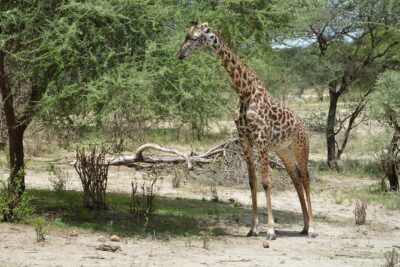

Private 6-Day Tarangire Manyara Crater and Serengeti with Mid-Range Lodges
Read our review →
5 Days Camping Tarangire, Serengeti & Ngorongoro crater & Visiting Maasai
Read our review →Browse the lists this tour appears in