
Reviewed · SERENGETI & NGORONGORO SAFARIS
4 Days Joined Group Safari Serengeti,Ngorongoro and Tarangire National Parks
The best part of this safari is the variety packed into four days. You move from baobab-filled Tarangire to the open grasslands of the Serengeti, then finish inside Ngorongoro Crater, where animals gather in a contained volcanic basin.
I like the small group limit of six, which gives you a better chance of seeing from both sides of the pop-up 4WD Jeep. I also like the practical price of $974.36 per person, with camping, meals, water, park fees, sleeping bags, and airport transfers included.
The trade-off is time on the road. This is a busy route, with long drives between parks and early starts, including a 5:30 a.m. breakfast on Day 3. You gain three famous parks, but you will need to accept a firm schedule and basic camping conditions.
Key points to know before booking
- Three famous parks in four days: Tarangire, Serengeti, and Ngorongoro each offer a different setting and wildlife experience.
- A maximum of six people: The shared 4WD Jeep keeps the price down without creating a large vehicle crowd.
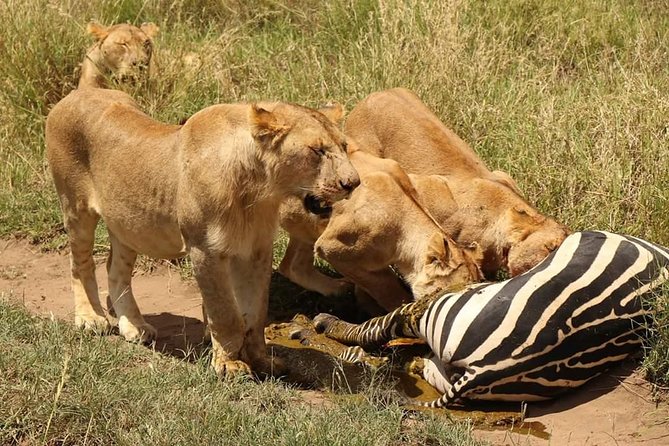
- A strong big-five itinerary: Lions, elephants, buffalo, leopards, and rhinoceros are all possible, but sightings are never guaranteed.
- Central Serengeti is the leopard focus: The Seronera Valley’s rocky kopjes give predators high points for watching prey.
- Camping keeps the price reasonable: Three nights of accommodation and camping equipment are included, but comfort is simpler than on a lodge safari.
- Airport transfers and meals are included: This removes several common safari costs, though tips, visas, insurance, and flights remain your responsibility.
What the $974.36 price really covers
At $974.36 per person, this is priced as a budget camping safari rather than a private lodge trip. That distinction matters. You are paying for access to some of Tanzania’s most famous wildlife areas, not for a polished resort-style holiday.
The package includes three nights of accommodation, camping equipment, sleeping bags, bath towels, breakfast, lunch, and dinner. Drinking water and wine are also listed, along with park entry fees and game drives. Airport pickup and drop-off are included, and a free day tour can be requested.
That is a useful bundle. Park fees alone can make a Tanzania safari expensive, and the route includes three major protected areas. The group format spreads the cost of the Jeep, guide, fuel, and logistics across several people.
Still, read the camping details carefully before you pay. One related four-day arrangement used one lodge night and two camping nights, while this schedule names Fig Big Tree campsite and Simba campsite. Accommodation standards may therefore vary by departure. Ask for the exact sleeping arrangements, washroom setup, and campsite plan before booking.
Tips for the driver-guide and safari cook are not included. International flights, travel insurance, and visas are also extra. Build those costs into your budget rather than treating the advertised price as the total cost of an African holiday.
More National Parks in Arusha
- 7 Days Tanganyika Wilderness Safari
★ 5.0 · 159 reviews - 3 Day Serengeti National Park & Ngorongoro Crater Camping Safari
★ 5.0 · 142 reviews - Arusha National Park Private Safari
★ 5.0 · 59 reviews
Day 1: Baobabs and elephants in Tarangire
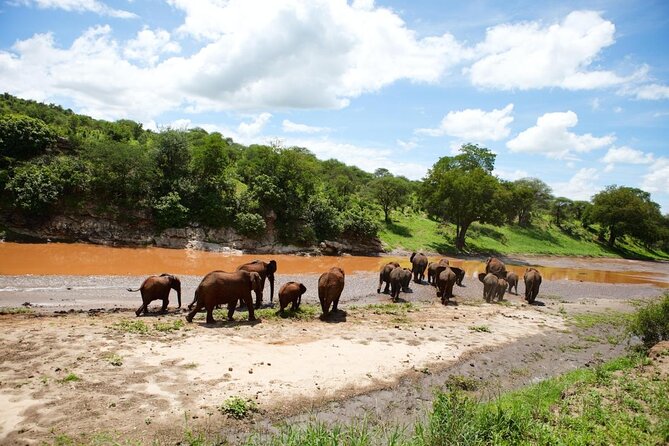
The day begins with breakfast at Tourist Inn Hotel at 7 a.m. Pickup is scheduled for 8 a.m., followed by a roughly two-hour drive to Tarangire National Park gate. The park lies about 118 kilometers southwest of Arusha and covers 2,850 square kilometers.
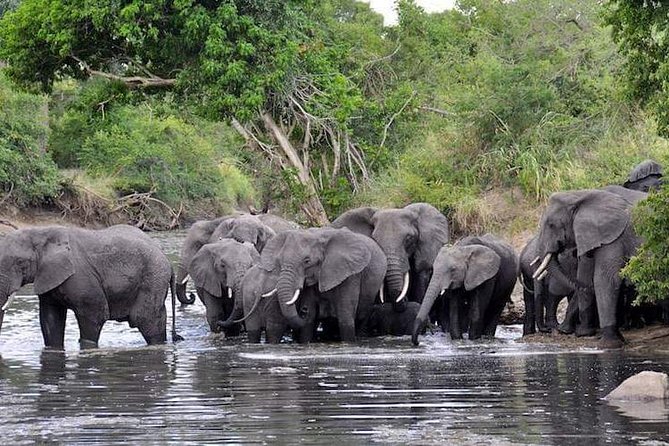
Tarangire gives you a strong opening day because it looks different from the Serengeti. Baobab and acacia trees break up the dry grass, and the park is known for a high concentration of wildlife outside the Serengeti ecosystem. You might find elephants, giraffes, zebras, lions, and other animals during the six-hour game drive.
You ride in a pop-up four-wheel-drive safari Jeep. That roof opening is important. It lets you look up at large animals and gives you a wider view when the vehicle stops, though a shared vehicle means you will need to be considerate about space and camera angles.
Lunch is planned at a picnic site at about 1 p.m. Picnic lunches are useful because they keep the safari moving, but do not expect a restaurant meal in the middle of the park. The itinerary also lists dinner and overnight at Fig Big Tree at around 6 p.m.
The main weakness of Day 1 is the amount of time spent driving before and after the game drive. The main reward is that Tarangire is not simply a warm-up for the Serengeti. Its trees, baobabs, and animal concentration give it a character of its own.
Day 2: The long road into the Serengeti
After an early breakfast at Fig Big Tree, you leave at 8 a.m. for a roughly four-hour drive toward the southern Serengeti. You then have a three-to-four-hour half-day game drive before lunch at a picnic site and an evening arrival at Seronera campsite.
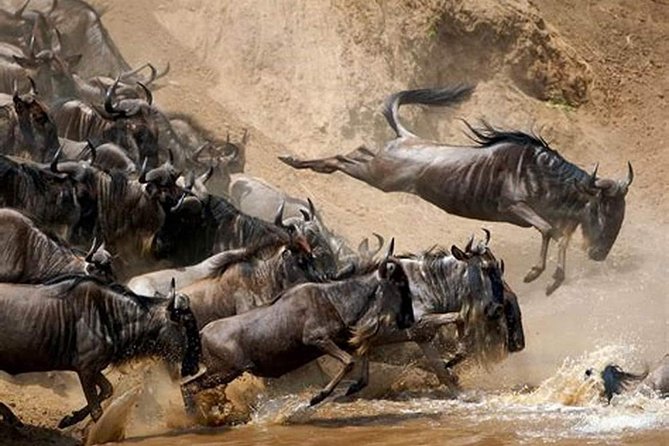
This is the day when the safari begins to feel expansive. The name Serengeti comes from a Maasai term meaning the land of endless plains, and the southern zone is known for open savannah grassland. Wildebeest, zebra, Coke’s hartebeest, waterbuck, Grant’s gazelle, and Thomson’s gazelle are among the animals associated with this area.
The itinerary refers to migration from the Serengeti toward Kenya’s Masai Mara and highlights the Mara and Grumeti Rivers. These waterways matter because moving herds depend on water, while crocodiles help control animal numbers. Your guide can explain how the migration works, but the exact location of herds changes with rainfall and season.
This is also the day to manage expectations. A four-hour transfer followed by a half-day game drive gives you access to the Serengeti, but it is not the same as spending several full days in one section of the park. If your priority is the migration, ask when the departure is expected to run through the areas named in the itinerary.
Dinner and overnight are scheduled at Seronera campsite. Camping in the Serengeti puts you close to the setting you came to see, but it also means you should be ready for simple facilities, changing temperatures, and a night that starts early.
Day 3: Early wildlife viewing in the Seronera Valley
Day 3 starts with a light breakfast at 5:30 a.m. and an early game drive from 6 a.m. toward central Serengeti. The early departure is not a minor detail. It gives you more daylight for wildlife viewing and avoids wasting the coolest part of the morning.
A heavier breakfast is planned at the campsite at 10 a.m., followed by lunch at a picnic site around 1 p.m. The schedule then allows at least six hours of game driving before you leave for Simba campsite near Ngorongoro at about 6 p.m.
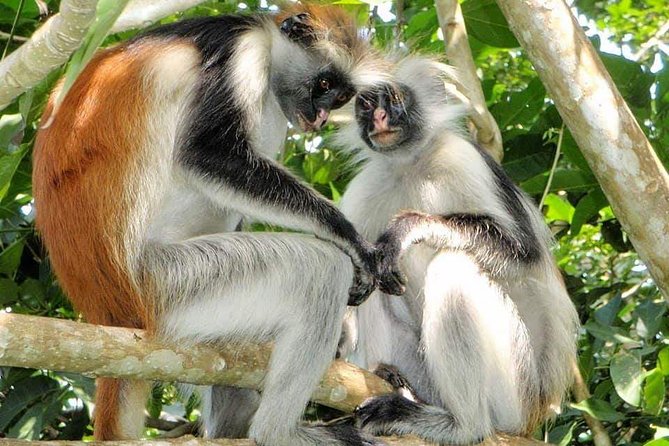
Central Serengeti, especially the Seronera Valley, is the strongest section of this trip for leopard potential. Acacia trees and rocky outcrops called kopjes create high lookout points for predators. The rocks also provide shelter for hyrax, pythons, lizards, and other small creatures.
Leopards are difficult to spot anywhere, so this part of the route improves your chances without promising a sighting. The same applies to the rest of the big five. You may see lions, elephants, buffalo, leopards, and rhinoceros, but wildlife remains wild and seasonal.
The day is long, and the evening transfer to Simba campsite adds more road time. I would pack light, keep a camera battery ready, and bring a warm layer for the early morning. The open Jeep is excellent for views, but the air can feel cold before sunrise.
More Safaris in Arusha
- Balloon Safari & Bush Breakfast in Serengeti – Miracle Experience
★ 5.0 · 1,646 reviews - 4 Days Group Camping Safari
★ 5.0 · 1,101 reviews - 5 Days Group Camping Safari
★ 5.0 · 730 reviews - 3 Days Serengeti & Ngorongoro Group Camping Safari
★ 5.0 · 574 reviews
Day 4: Inside Ngorongoro Crater
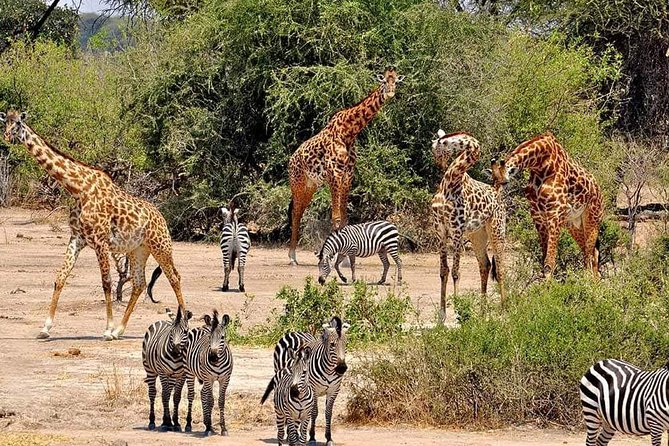
Breakfast at Simba campsite is scheduled for 7 a.m., with a crater descent at 8:30 a.m. The drive into Ngorongoro Crater is one of the trip’s big visual moments, but the real value comes after you reach the floor.
Ngorongoro is a volcanic basin with fertile soil and several habitats packed into a relatively small area. Lake Makat, a soda lake whose name means salt in the Maasai language, supports birdlife. The crater is also one of the better places on this route for seeing several major animals during a single day.
The game drive lasts at least six hours, with a picnic lunch planned around 1 p.m. You may see lions, hippos, zebras, and other animals, and rhinoceros are possible. The crater’s contained setting can make sightings feel more concentrated than in the wide Serengeti, though this is still not a guaranteed big-five day.
At 4 p.m., you begin the climb out and drive back toward Arusha Town. Dinner and overnight are scheduled at Tourist Inn. That final overnight is useful if you need a hotel after several nights of camping, but it also means the safari does not finish with a direct airport transfer at the crater.
The itinerary includes admission to Ngorongoro National Park and refers to early human evolution in the area. If that subject interests you, ask your guide how much interpretation is planned, since the listed schedule focuses mainly on the crater game drive rather than a separate archaeological visit.
The shared Jeep and group size
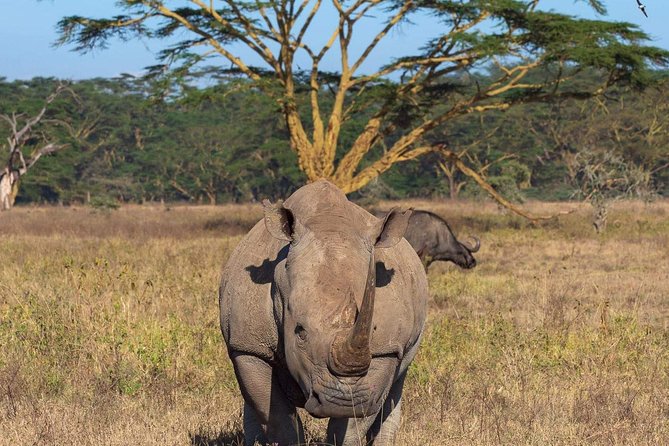
The vehicle is a pop-up 4WD Jeep, the standard practical choice for a wildlife trip. You can stand or sit under the raised roof for better views, and the high seating position helps when animals are near the road.
The maximum group size is six. That is a meaningful advantage over a large coach or crowded vehicle. You have fewer people competing for a window or camera position, and group conversation can be easier.
The shared format still requires patience. You may not choose every stop, and your guide must balance different interests, such as photography, birdwatching, and simply watching an animal quietly. This arrangement suits solo visitors, couples on a budget, and people who enjoy meeting others.
The guide language options are English, French, and Spanish. Names associated with this operator include Bernard, David Simba, Cheddy, Adrey, and Max, but your assigned guide can vary. Bernard is also described as handling airport transfers and helping with itinerary changes, so it is worth confirming who will lead your departure and how to contact them.
Meals, camping, and what to pack
Meals are listed as four breakfasts, four lunches, and four dinners. Picnic lunches are planned inside the parks, while breakfast and dinner are tied to the campsites or hotel. Other dietary requirements can be requested, but make that request before departure.
Camping equipment and sleeping bags are included. Bath towels and drinking water are also provided. Even so, I would bring a small daypack, a refillable bottle, sunscreen, insect repellent, a hat, sturdy shoes, and warm clothing for early starts.
The schedule includes long periods in the vehicle. A scarf or light cloth can help with dust, and a power bank is useful for cameras and phones. These are practical comforts, not luxury extras.
The inclusion of wine is unusual for a budget safari, but do not let that distract from the basics. Confirm the exact campsite facilities and whether any lodge night is included in your specific departure. The supplied information is not fully consistent on this point.
How the route compares with a longer safari
Four days gives you a fast look at three major parks. Tarangire offers baobabs and a strong elephant setting, Serengeti provides open plains and predator country, and Ngorongoro gives you a compact final game drive. For a first safari, that range is a major strength.
The cost is the compromise. You spend time traveling between parks, and Day 2 in particular has a long drive followed by only a half-day game drive. A longer safari would give you more flexibility to stay with animals and respond to seasonal wildlife movements.
This trip is best for someone who wants a clear route and a controlled budget. It is less suited to someone who wants a private vehicle, a slow photographic safari, or high-end accommodation every night.
What the service appears to do well
The operational side is a strong reason to consider this trip. Airport pickup and drop-off are included, and the operator can arrange a free day tour on request. Several guides and staff members are described as prompt, friendly, and helpful with changing plans.
The safari service is also associated with guides who make the long drives more pleasant. David Simba and Cheddy are noted for their good humor, while Bernard is described as responsive with airport transfers and trip planning. Those personal touches matter when you are spending many hours in the same vehicle.
Communication is offered in three languages, which helps if English is not your first language. Still, confirm the language of your own guide, pickup time, hotel, and campsite before setting off.
Free cancellation is available until 24 hours before the experience begins. Changes or cancellations inside that window are not accepted, so keep your plans settled once the deadline passes.
Who should book this safari
You should consider this safari if you want the main northern Tanzania parks in one compact trip, prefer a shared price over a private vehicle, and are comfortable with camping. It also suits people combining a safari with a Kilimanjaro trip, as the operator has arranged airport and hotel transfers for such itineraries.
Solo visitors can benefit from the small shared group, while couples should be ready to give up some privacy in exchange for the lower price. Families and older visitors should ask about the exact camping arrangements and the amount of time spent on rough park roads before booking.
You should think twice if you need guaranteed luxury, short driving days, or a fully private schedule. This is an active safari with early breakfasts, picnic lunches, long transfers, and basic accommodation.
Should you book the four-day route?
I would book it if your priority is maximum park variety for a controlled price. The route covers Tarangire, Serengeti, and Ngorongoro, while the six-person limit keeps the shared Jeep from becoming too crowded. Included meals, camping gear, park entries, water, and airport transfers add real value to the headline price.
Before paying, confirm the precise accommodation plan, assigned guide, pickup details, and how the migration-focused sections will match your travel dates. If you accept the long drives and simple camping, this is a practical first safari with a very strong national-park lineup.
FAQ
Where does the safari start and end?
The activity starts in Arusha, Tanzania, and ends back at the meeting point in Arusha.
How many people can join the group?
The activity has a maximum of six participants.
Which parks are included?
The route includes Tarangire National Park, Serengeti National Park, and Ngorongoro National Park.
Is airport pickup and drop-off included?
Yes. Airport pickup and drop-off are included in the package.
Are meals included?
Yes. The package lists four breakfasts, four lunches, and four dinners.
What languages are available?
The guide service is offered in English, French, and Spanish.
What is not included in the price?
Tips for the driver-guide and safari cook, international flights, travel insurance, and visas are not included.
More four day trips in Arusha
- 4 Days Join Group tour Tarangire Serengeti and Ngorongoro crater
★ 5.0 · 219 reviews - 4-Day Safari from Arusha: Tarangire, Serengeti and Ngorongoro
★ 5.0 · 173 reviews - 4 Days safari Tour Tanzania
★ 5.0 · 159 reviews - 4 Days Tarangire Serengeti Ngorongoro Crater
★ 5.0 · 117 reviews
More Serengeti and Ngorongoro itineraries
- 5-Day Highlights mid-Range Crater, Serengeti, Tarangire
★ 5.0 · 296 reviews - 3-Day Classic Serengeti Safari
★ 5.0 · 263 reviews - Private 6-Day Tarangire Manyara Crater and Serengeti with Mid-Range Lodges
★ 5.0 · 238 reviews - 5 Days Camping Tarangire, Serengeti & Ngorongoro crater & Visiting Maasai
★ 5.0 · 229 reviews
Newly listed around Arusha
- 5-Day Private Safari Tour in Tanzania’s Wildlife★ 5.0 · 3 reviews
- 3 Days private safari Tarangire ,Ngorongroro crater &Manyara★ 5.0 · 3 reviews
- 3 Day Sharing Safari – Manyara, Ngorongoro Crater and Tarangire National Parks★ 5.0 · 3 reviews
- Tarangire National Park Day Trip★ 5.0 · 3 reviews
- 2 Days Tarangire and Ngorongoro Crater Tour★ 5.0 · 3 reviews
- 6 -Day Tarangire, Manyara, Serengeti & Ngorongoro★ 5.0 · 3 reviews
- 5 Days Group Camping Safari★ 4.7 · 3 reviews
- Private 4×4 Vitara Safari in Arusha National Park★ 5.0 · 3 reviews
Serengeti & Ngorongoro Safaris, compared.


Balloon Safari & Bush Breakfast in Serengeti – Miracle Experience
Read our review →




Private 6-Day Tarangire Manyara Crater and Serengeti with Mid-Range Lodges
Read our review →
5 Days Camping Tarangire, Serengeti & Ngorongoro crater & Visiting Maasai
Read our review →Browse the lists this tour appears in