
Reviewed · SERENGETI & NGORONGORO SAFARIS
3 Days Safari to Serengeti National Park & Ngorongoro Crater in Tanzania
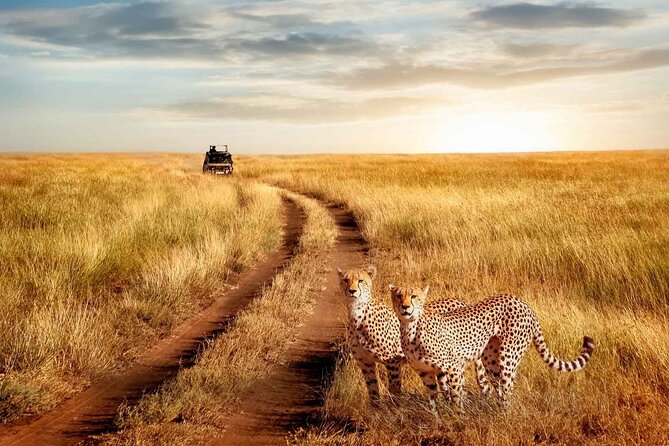
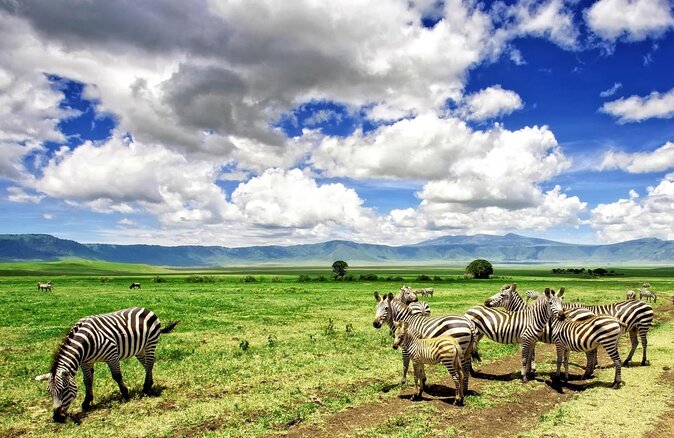
Serengeti and Ngorongoro Crater give you two very different views of northern Tanzania in just three days. The Serengeti is wide and open, with long game drives and the chance to see lions, cheetahs, zebras, wildebeest, elephants, and more. Ngorongoro feels enclosed and concentrated, a great place to look for rhinos and other big animals around a soda lake and fresh springs.
I like the private custom-built 4×4, which gives your group better viewing angles than a standard vehicle and keeps the trip small, with a maximum of seven people. I also like the combination of wildlife and human history: Olduvai Gorge and its museum add meaning to the animals and scenery around you.
The main drawback is time. Three days means long drives, early starts, and little slack if roads or animal sightings slow you down. This is a strong sampler, but not a leisurely safari.
Key points to know before you book
- Two famous protected areas in three days: Spend the first two days around Serengeti National Park, then descend into Ngorongoro Crater on the final morning.
- Private vehicle, small group: A custom 4×4, driver-guide, fuel, and a maximum of seven participants are included.
- Camping is part of the price: Tents, sleeping mats, camping furniture, breakfasts, lunches, and dinners are supplied.
- Olduvai Gorge adds human history: A museum explains important archaeological work connected with Louis and Mary Leakey.
- Early starts shape the trip: Pickup is scheduled for 7:00 a.m. on day one, with a 6:00 a.m. start for the second day’s game drive.
- Strong value at $1,200 per person: Park fees, transport, guide service, camping equipment, and five main meals are included, but flights, visas, insurance, tips, and personal costs are not.
From Arusha to the open Serengeti
The safari begins in Arusha, with hotel pickup offered. You are due to eat breakfast around 6:00 a.m. and leave at about 7:00 a.m. with a picnic lunch. That early start matters because the first day includes the drive toward Serengeti National Park and a game drive lasting about nine hours.
Serengeti covers about 14,763 square kilometers, or roughly 5,700 square miles. You are not entering a small wildlife reserve where every animal appears around the next bend. This is a huge area, and the sense of distance is part of the appeal. You may spend time simply crossing open country before your guide spots movement far away.
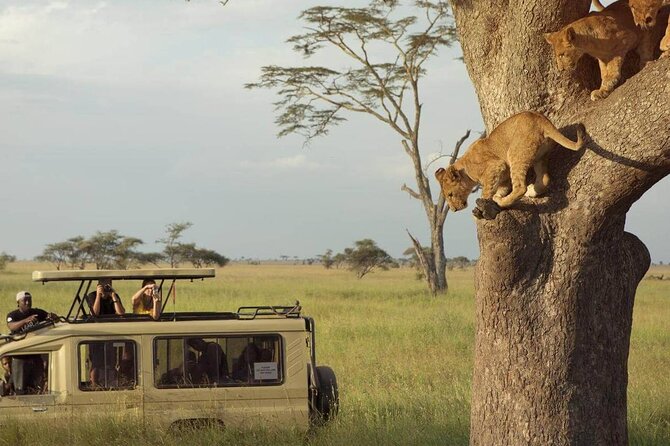
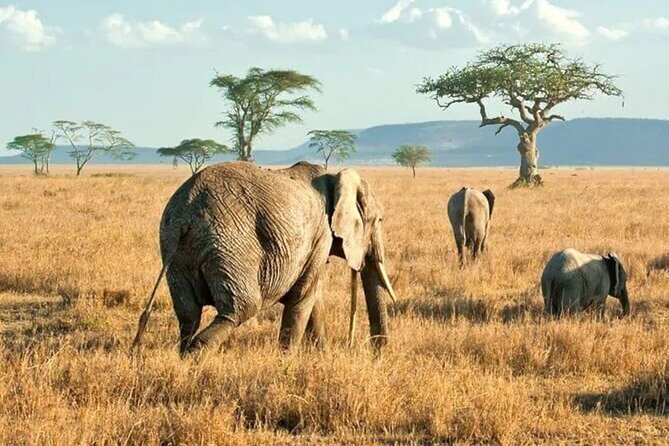
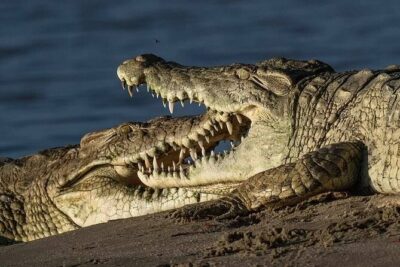
The animal list is impressive: lions, leopards, elephants, cheetahs, buffalo, zebras, wildebeest, eland, wild dogs, gazelles, crocodiles, and many other species. Sightings are never guaranteed, but a private vehicle gives your guide more room to shape the day around what is happening nearby.
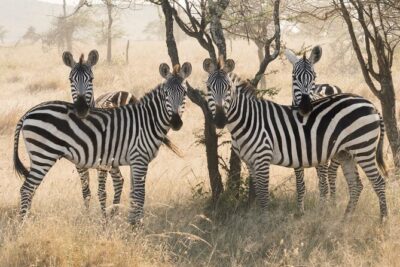
I especially like the chance to watch predator and prey in the same setting. Zebras and wildebeest may graze near lions, while cheetahs and leopards require more patient searching. Several visitors on past departures described hunting scenes and close views of lions, but you should treat those as fortunate moments rather than promised features.
The long first day can be tiring. You will have a picnic lunch rather than a relaxed restaurant stop, and much of the day is spent on rough safari roads or traveling between Arusha and the park. Still, the payoff is an immediate introduction to the Serengeti rather than waiting until the final day to reach it.
More National Parks in Arusha
- 7 Days Tanganyika Wilderness Safari
★ 5.0 · 159 reviews - 3 Day Serengeti National Park & Ngorongoro Crater Camping Safari
★ 5.0 · 142 reviews - Arusha National Park Private Safari
★ 5.0 · 59 reviews
A 6:00 a.m. game drive and a night near Ngorongoro
Day two begins early. The schedule calls for a 6:00 a.m. wake-up and a morning game drive, followed by breakfast at camp around 9:00 a.m. This is one of the best practical features of the plan. Animals are often easier to spot during the cooler early hours, and the soft morning light makes the viewing more pleasant.
After breakfast, the route continues through the Serengeti. You may see wildebeest and zebras close to lions, or spend time looking for leopards and cheetahs. The guide’s skill matters here. Past guides named on this trip include Frankie, Albert, Ismael, Bryson, Joel, and Jordan. The operation also uses separate cooks on some departures, including John and Mtumishi.
A good guide does more than point at animals. You want clear explanations of behavior, patience when an animal is hidden, and safe driving near wildlife. The supplied feedback gives particular credit to guides for answering questions, finding animals, and helping families understand what they were seeing. Families with children should appreciate that educational side of the trip.
The itinerary also includes a stop near Olduvai Gorge, where Louis and Mary Leakey carried out pioneering excavation work. A small museum explains archaeological discoveries tied to human evolution. This is not just a break from the vehicle. It gives you a useful reminder that the area matters for human origins as well as wildlife.
The schedule then sends you onward with lunch and game viewing along the route to the Ngorongoro Crater rim. This is another full day, listed at about eight hours. You should expect a moving camp-style safari rather than two nights in one fixed base.
One curious detail is that the itinerary highlights learning about the life stages of elephants. That suggests your guide may use elephant sightings to explain family groups, age, and behavior. The tour information does not promise a separate elephant-focused activity, so think of this as part of the guiding rather than a scheduled workshop.
Ngorongoro Crater and the search for rhino
On day three, breakfast comes early again, followed by a 7:00 a.m. drive to Ngorongoro Crater. You descend to the crater floor for about six hours of game viewing. The crater measures about 19.2 kilometers across, reaches roughly 610 meters in depth, and covers about 304 square kilometers.
The setting changes quickly from the broad Serengeti to a contained volcanic caldera. The crater walls frame the animal-filled floor, creating a compact viewing area where you may find lions, buffalo, elephants, leopards, rhinos, and other mammals. The rare black rhinoceros is one of the principal reasons to visit, though no safari can promise a sighting.
The crater is also good for birdlife. The soda lake can attract flamingos, while geese, storks, vultures, and other birds add variety to the drive. A picnic stop is planned at the Ngoitoktok spring site, where fresh water and the surrounding vegetation create a welcome pause during the morning.
I like this final day because it offers a different rhythm from the Serengeti. In the Serengeti, you may cover large distances to find a particular animal. In Ngorongoro, the crater walls and floor make the setting feel more concentrated, with many possible sightings within a smaller area.
The trade-off is that the crater can feel busier than the open park, especially around well-known animal sightings. The provided information does not give a vehicle count or a detailed crowd policy, so you should not book this expecting complete solitude. The private vehicle still gives your own group a better position and makes it easier to ask the guide to explain what you are seeing.
What the private 4×4 changes
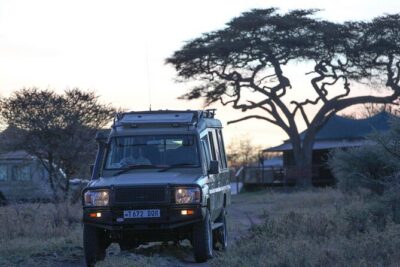
A custom-built private safari vehicle is more than a comfortable way to get from one park road to another. It gives you a dedicated driver-guide and better control over where you pause. The maximum group size is seven, which is small enough for everyone to have a reasonable view and hear the guide.
The exact vehicle layout is not specified, so ask the operator about seating if that matters to you. The tour does confirm a private 4×4, fuel, and a driver-guide. That is a useful inclusion, since fuel and park access can add considerably to the cost of a safari.
The guide is central to the quality of the trip. Past departures have praised guides for animal knowledge, safe driving, route choices, and a willingness to answer repeated questions. One guide was credited with more than ten years of experience, while others were singled out for finding lions, elephants, giraffes, rhinos, and hunting activity.
You should also remember that guides work with nature, not a fixed script. A guide can improve your odds and explain behavior, but cannot order a leopard into view. The best approach is to value the whole day, including birds, tracks, plants, changing light, and the large spaces between major sightings.
More Safaris in Arusha
- Balloon Safari & Bush Breakfast in Serengeti – Miracle Experience
★ 5.0 · 1,646 reviews - 4 Days Group Camping Safari
★ 5.0 · 1,101 reviews - 5 Days Group Camping Safari
★ 5.0 · 730 reviews - 3 Days Serengeti & Ngorongoro Group Camping Safari
★ 5.0 · 574 reviews
Camping, food, and what $1,200 covers
The $1,200 price includes camping equipment such as tents, sleeping mats, and camping furniture. Breakfast, two lunches, and two dinners are included, along with national park fees. A picnic lunch is specifically planned for the first day, and lunch is also carried during the transfer toward Ngorongoro.
Food received unusually strong praise in the supplied comments. Cooks named John and Mtumishi were credited with keeping groups well fed and preparing meals that exceeded expectations. That matters on a safari, since early starts and long drives make reliable meals part of the day’s comfort, not a minor extra.
The exact campsite locations, tent specifications, bathroom arrangements, and meal menus are not stated. I would ask about those details before paying if comfort is important to you. This is a camping safari, not a lodge-to-lodge package, and the price should be judged on that basis.
At $1,200 per person, the package offers solid value for someone who wants a private vehicle and a short route through two major protected areas. Park fees, fuel, guiding, equipment, and meals are already included. You still need to budget for international flights, a Tanzanian visa, travel insurance, tips, laundry, communication, and other personal expenses.
The value is strongest for a small group that can share the vehicle and wants a practical safari without arranging each part independently. If you prefer fixed lodge rooms, a slower schedule, or more time in one park, a longer or more comfortable package may suit you better.
The pace, timing, and practical trade-offs
This itinerary is built around early mornings and long road days. Breakfast is scheduled around 6:00 a.m. on the first day, pickup follows at 7:00 a.m., and day two begins with a 6:00 a.m. game drive. Day three starts early before the crater descent.
That schedule is sensible for wildlife viewing, but you should be ready for tired mornings and dusty roads. The first day is especially demanding because it combines the transfer from Arusha with a long Serengeti game drive. The second day adds another major drive before reaching the crater rim.
The activity is listed as suitable for most participants and is near public transportation, though the supplied information does not describe the physical demands in detail. If you have mobility concerns, ask the operator for more information about vehicle access, campsite facilities, and the descent into the crater.
Pickup and return are based in Arusha, and the activity ends back at the meeting point. A mobile ticket is offered, and confirmation is sent at booking. Free cancellation is available up to 24 hours before the start time. Changes or cancellations inside that 24-hour window are not accepted for a refund.
The listed opening-hours information is unusually narrow, showing a Monday time window from midnight to 1:30 a.m. Since the actual safari schedule begins in the morning, confirm your pickup time directly after booking rather than relying on that display.
Who will get the most from this safari?
This trip suits first-time safari visitors who want the two headline destinations without committing to a week on the road. It also works well for families. Children on past departures were excited by lions and zebras, and guides made a point of explaining what the animals were doing.
It is a good match for people who care about wildlife but also want a short cultural and archaeological stop. Olduvai Gorge gives the itinerary more depth than a sequence of game drives alone.
Small groups of friends and couples will likely appreciate the private vehicle, flexible viewing, and included cook. The safari also suits budget-conscious visitors who would rather camp and put more of their money toward park access and time in the field.
I would think twice if you dislike camping, long drives, early wake-ups, or uncertain animal sightings. The trip is not designed for sleeping late or spending a full day at one comfortable lodge. You are paying for access to two remarkable places and a capable safari team, not for a slow resort holiday.
Should you book the Serengeti and Ngorongoro trip?
Book it if you want a compact, wildlife-heavy introduction to northern Tanzania with a private 4×4, included park fees, camping equipment, meals, and a maximum of seven people. The strongest parts are the Serengeti game drives, the chance to search for black rhino in Ngorongoro, and the quality of guiding and cooking associated with named team members such as Frankie, Albert, Ismael, Bryson, Joel, Jordan, John, and Mtumishi.
Before booking, confirm the exact guide, campsite arrangements, pickup time, and vehicle seating. Choose this tour for value, access, and a brisk schedule. Skip it in favor of a longer lodge safari if comfort, private rooms, or more time in each park matters more than covering both destinations quickly.
FAQ
Where does the safari begin and end?
The activity starts in Arusha, Tanzania, with pickup offered. It ends back at the meeting point in Arusha.
How long is the safari?
The safari lasts approximately three days. The listed activities run for about nine hours on day one, eight hours on day two, and six hours on day three.
What animals might I see?
The parks are home to lions, leopards, elephants, cheetahs, buffalo, zebras, wildebeest, eland, wild dogs, gazelles, crocodiles, and other wildlife. Ngorongoro Crater is also home to black rhinoceros.
Is the safari private?
The tour uses a private 4×4 custom-built safari vehicle. The maximum group size is seven travelers.
Are meals and camping equipment included?
Yes. Camping equipment includes tents, sleeping mats, and camping furniture. Breakfast, two lunches, and two dinners are included.
Is Olduvai Gorge part of the trip?
The day two route can pass by Olduvai Gorge, where a small museum documents archaeological discoveries connected with human evolution and the work of Louis and Mary Leakey.
What is not included in the price?
International flights, a Tanzanian visa, travel insurance, tips, laundry, communication, and personal expenses are not included.
More three day trips in Arusha
- 3 Days Tarangire, Ngorongoro & Lake Manyara Group Camping Safari
★ 5.0 · 102 reviews - 3 Days Private Safari – manyara, Ngorongoro & Tarangire
★ 5.0 · 94 reviews - 3 Days Small Group Safari to Serengeti NP and Ngorongoro Crater Tour in Tanzania
★ 5.0 · 77 reviews - 3 Days Safari to Tarangire, Ngorongoro & Lake Manyara parks
★ 5.0 · 70 reviews
More Serengeti and Ngorongoro itineraries
- 5-Day Highlights mid-Range Crater, Serengeti, Tarangire
★ 5.0 · 296 reviews - 3-Day Classic Serengeti Safari
★ 5.0 · 263 reviews - Private 6-Day Tarangire Manyara Crater and Serengeti with Mid-Range Lodges
★ 5.0 · 238 reviews - 5 Days Camping Tarangire, Serengeti & Ngorongoro crater & Visiting Maasai
★ 5.0 · 229 reviews
Newly listed around Arusha
- 5-Day Private Safari Tour in Tanzania’s Wildlife★ 5.0 · 3 reviews
- 3 Days private safari Tarangire ,Ngorongroro crater &Manyara★ 5.0 · 3 reviews
- 3 Day Sharing Safari – Manyara, Ngorongoro Crater and Tarangire National Parks★ 5.0 · 3 reviews
- Tarangire National Park Day Trip★ 5.0 · 3 reviews
- 2 Days Tarangire and Ngorongoro Crater Tour★ 5.0 · 3 reviews
- 6 -Day Tarangire, Manyara, Serengeti & Ngorongoro★ 5.0 · 3 reviews
- 5 Days Group Camping Safari★ 4.7 · 3 reviews
- 7-Day Mt. Kilimanjaro Hiking: Machame Route★ 5.0 · 3 reviews
Serengeti & Ngorongoro Safaris, compared.
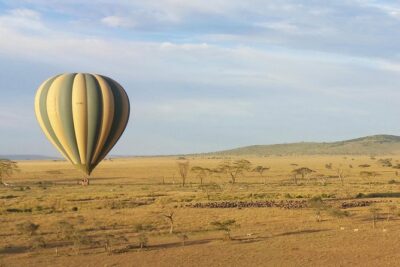
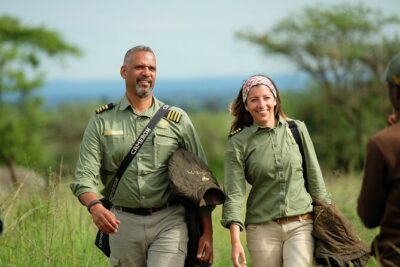
Balloon Safari & Bush Breakfast in Serengeti – Miracle Experience
Read our review →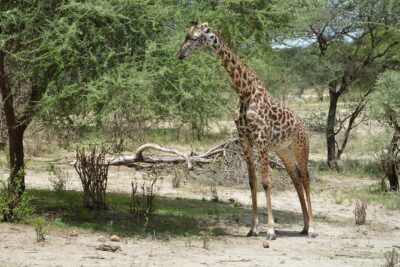
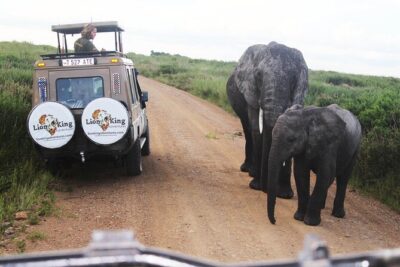
Private 6-Day Tarangire Manyara Crater and Serengeti with Mid-Range Lodges
Read our review →
5 Days Camping Tarangire, Serengeti & Ngorongoro crater & Visiting Maasai
Read our review →Browse the lists this tour appears in