Reviewed · SERENGETI & NGORONGORO SAFARIS
10-Day Serengeti Wildebeest Migration Safari from Arusha
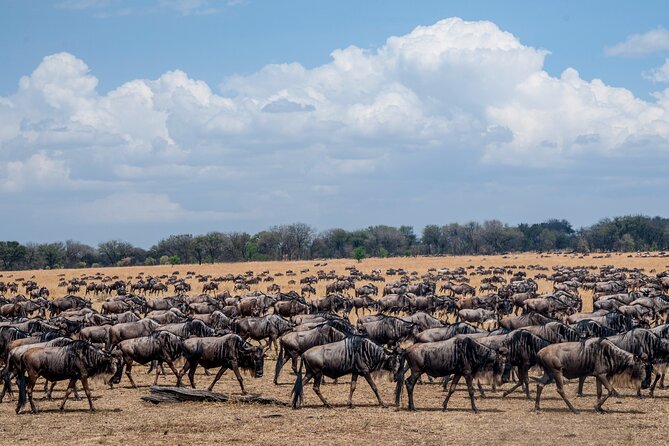
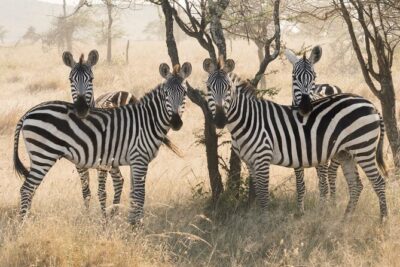
The main event here is the Serengeti wildebeest migration, a moving mass of roughly 1.5 million wildebeest, joined by zebras and antelope. Three nights in northern Serengeti give you a real chance to follow the herds near Kogatende, while three nights around Seronera add classic big-cat country to the trip.
I like the small group limit of seven and the comfortable mix of upscale tented camps and lodges. I also like the route itself: migration country first, then Ngorongoro Crater and quieter Tarangire, so you get more than one famous park.
The main catch is cost. At $5,512.83 per person, this is a serious investment, and the flight from Kilimanjaro International Airport area to northern Serengeti is not included. Migration sightings are never fully predictable, even when conditions are favorable.
Key points at a glance
- Three nights in northern Serengeti: Your best chance for migration action around Kogatende, especially from August through October.
- Three nights in central Serengeti: Seronera offers strong year-round wildlife viewing and a better chance of varied animal sightings.
- Ngorongoro and Tarangire included: The trip adds a crater safari and an elephant-and-bird-focused park.
- Upscale tented accommodation: You sleep in safari camps rather than basic public camping.
- Private vehicle and a maximum of seven people: The format allows more room for questions, photography, and flexible game viewing.
- Highly praised guiding: Guides including Calvin, William, George, Arnold, Laban, Rahim, Cleopa, and Inno are singled out for wildlife knowledge, driving, and personal care.
Why this migration safari works
A migration safari is not a simple wildlife parade that arrives at a fixed viewing point. The herds follow rain and fresh grass, moving north and south across a huge area. That uncertainty is part of the appeal, but it also makes the route and timing important.
This 10-day plan puts you in northern Serengeti for three days, then moves you to central Serengeti for another three. That is a smart structure for a migration-focused trip. You are not betting everything on one location.
The northern section is aimed at the dramatic river-crossing period. From August through October, the herds often gather around the Mara River and Kogatende. The plan notes that crossings can happen repeatedly, with animals sometimes crossing and then returning as rain changes the availability of grass.
That is useful context before you book. You may see a crossing, but nobody can honestly promise the exact moment. You could also spend time watching herds gather, hesitate, scatter, and regroup. Those scenes can be just as revealing as the final rush into the water.
The central Serengeti section adds balance. Seronera is the park’s best-known central area, and it is associated with open plains, varied wildlife, and classic safari viewing. The schedule gives you three nights, rather than treating central Serengeti as a rushed stop between other parks.
More Safaris in Arusha
- Balloon Safari & Bush Breakfast in Serengeti – Miracle Experience
★ 5.0 · 1,646 reviews - 4 Days Group Camping Safari
★ 5.0 · 1,101 reviews - 5 Days Group Camping Safari
★ 5.0 · 730 reviews
Day 1: A soft landing in Arusha
Your safari begins with pickup at Kilimanjaro International Airport. A guide meets you, takes you to your Arusha hotel, and briefs you on the days ahead.
That first night matters more than it may seem. International flights, airport transfers, and the change in pace can leave you tired. Having the transfer and hotel arranged means you do not need to solve local transport immediately after landing.
The accommodation on this night is mid-range, while later nights move up to luxury tented camps and lodges. Dinner is included. The listed start time is 8:00 am, but the first-day airport transfer depends on your arrival details, so confirm the timing when booking.
Days 2 to 4: Northern Serengeti and Kogatende
After breakfast, you transfer to the Arusha airstrip for a flight to northern Serengeti. The flight is at your own expense, an important extra cost to place in your budget from the start.
Flying north saves a long overland transfer and gives you more time in the park. It also puts you close to the part of Serengeti linked with the migration’s late dry-season river crossings.
You spend three nights at a luxury tented camp. This is a good length of stay for a wildlife trip. One game drive may produce a memorable sighting, while another may be devoted to tracking the herds or waiting for movement near a river.
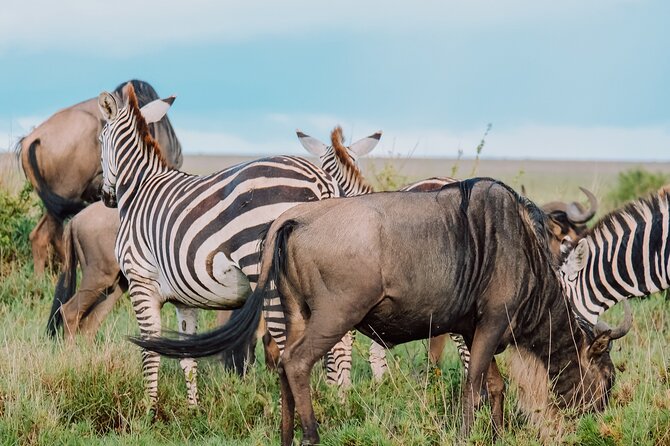
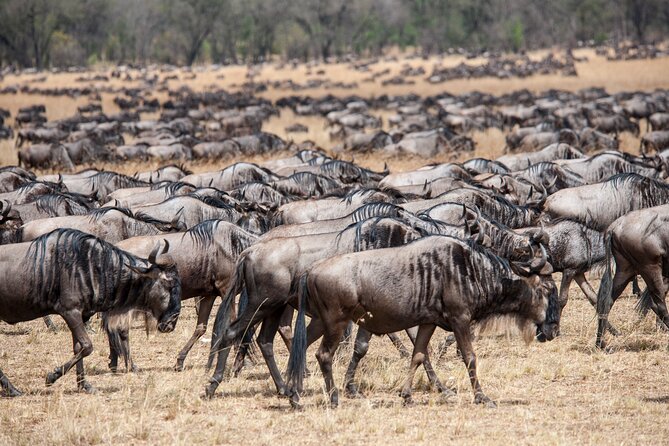
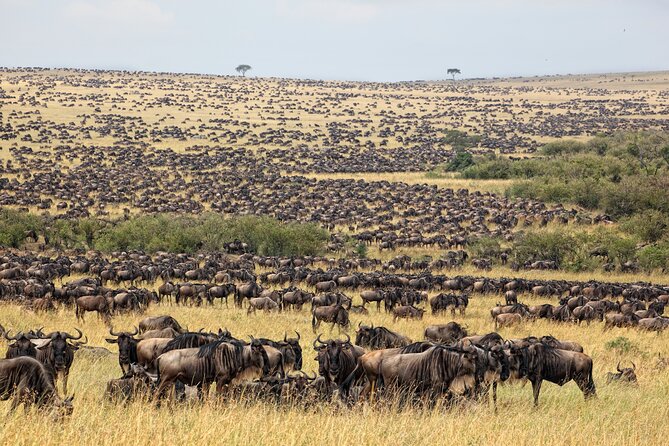
The migration herd is enormous, but it is not always viewed as one solid wall of animals. You might see long lines stretching across the plains, scattered groups grazing, or zebras and antelope mixed among the wildebeest.
The area is also about more than migration. The Serengeti’s open country supports predators, and the guides associated with this operator are repeatedly praised for finding lions, leopards, cheetahs, and the Big Five. George is described as especially strong at locating wildlife and explaining plants and animals, while Rahim is praised for persistent leopard searches and careful attention to individual interests.
The camp setting should appeal to you if you want comfort without losing the feeling of sleeping in the bush. Still, tented accommodation is not a city hotel. Ask for the exact camp name, room facilities, and power arrangements before paying, since the itinerary gives the category but not the property.
Days 5 to 7: Seronera and central Serengeti
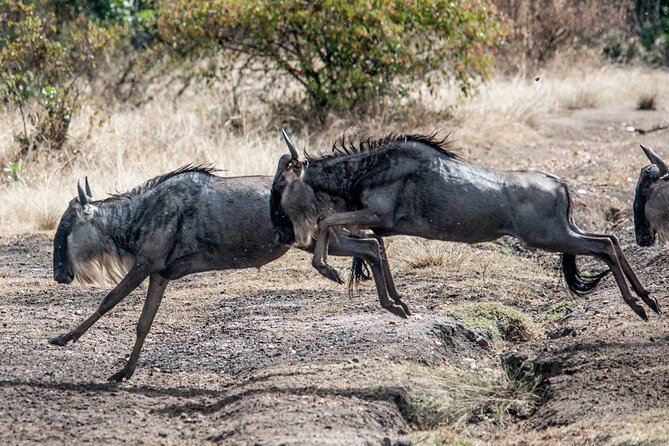
After breakfast, you drive south toward central Serengeti. This transfer changes the rhythm of the trip. Northern Serengeti is the migration target, while Seronera gives you a broader safari experience in one of Tanzania’s best-known wildlife areas.
The central park is a World Heritage site and Tanzania’s oldest national park. The itinerary describes the seasonal movement of more than six million hooves, including over 200,000 zebra and 300,000 Thomson’s gazelle alongside the wildebeest. Those figures help explain why the Serengeti feels much larger than a single animal-viewing stop.
You have three nights in another luxury tented camp. That gives you time for repeated game drives rather than a quick pass through. The precise daily schedule is not spelled out, so you should ask whether game drives are planned as full-day outings, morning and afternoon drives, or a mix.
This section is especially valuable if you want more than a migration photograph. The guides can focus on predators, grazing animals, birdlife, and the smaller details of the savanna. Laban is praised for pointing out less common species, while Calvin receives strong praise for finding good positions for photographs.
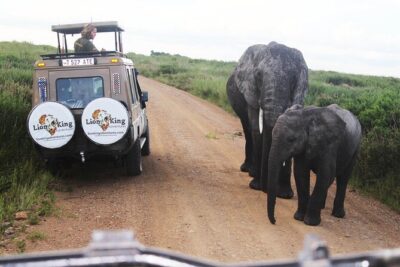
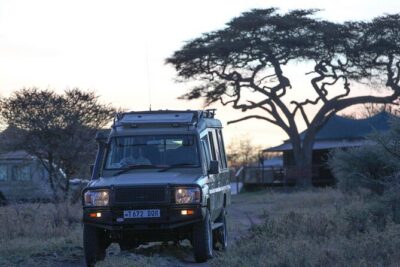
The vehicle also matters. The package includes private-vehicle transport, and several comments refer to private air-conditioned safari jeeps. A maximum of seven people is a comfortable group size for a long safari, though you should confirm the exact vehicle arrangement and number of passengers in your booking.
A practical point: drives can be long, roads can be rough, and the best wildlife sightings may require patience. This is not a good fit if you need a tightly timed schedule every day. It suits you better if you enjoy slow observation and can accept that one quiet hour may lead to an extraordinary sighting.
More Serengeti and Ngorongoro itineraries:
- 3 Days Serengeti & Ngorongoro Group Camping Safari
★ 5.0 · 574 reviews - 5-Day Highlights mid-Range Crater, Serengeti, Tarangire
★ 5.0 · 296 reviews - 3-Day Classic Serengeti Safari
★ 5.0 · 263 reviews - Private 6-Day Tarangire Manyara Crater and Serengeti with Mid-Range Lodges
★ 5.0 · 238 reviews
Day 8: Ngorongoro Crater from the highlands
Day eight begins with an early morning game drive inside Ngorongoro Crater. The crater is the focal point of the Ngorongoro Conservation Area, a large highland zone along the eastern arm of the Rift Valley.
The crater offers a very different setting from Serengeti’s open plains. Its enclosed geography concentrates wildlife in a relatively compact area, making it a strong place for a varied game drive. The conservation area also has a wider purpose: protecting wildlife and natural resources while recognizing the interests of Indigenous people and supporting tourism.
The early start is sensible. It gives you more time on the crater floor and makes the most of the day before the transfer onward. You spend the night at a luxury lodge.
This stop is one of the trip’s strongest additions because it breaks up the open-plains experience. You get a new setting, a change in elevation, and a chance to see how conservation, wildlife, and human communities overlap in northern Tanzania.
The tradeoff is pace. After six nights across northern and central Serengeti, this is still a demanding itinerary. If you prefer a slower holiday, you may want to ask if an extra night can be added around Ngorongoro.
Day 9: Tarangire’s elephants and quieter roads
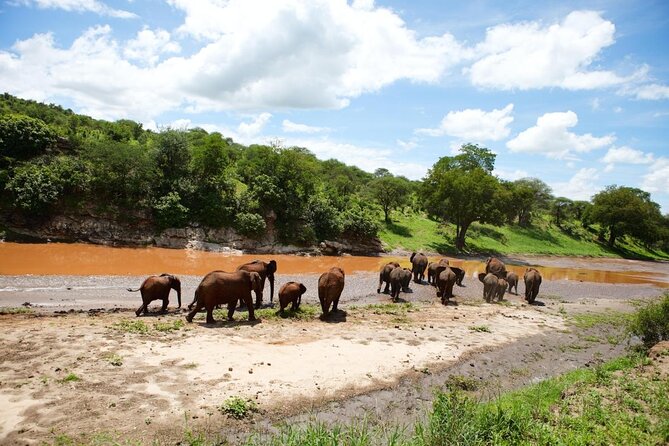
The next day is devoted to Tarangire National Park, slightly away from the main northern safari route. It is known for elephant migration and birding, with a quieter atmosphere than the headline parks.
That makes Tarangire a welcome change after the busy focus of the migration. You may find fewer vehicles and a calmer feel, although exact conditions vary by season and location.
The itinerary calls for a full-day game drive, followed by a night at a luxury lodge. The park is especially useful for you if elephants and birds are high on your list. It also gives the safari a broader shape: Serengeti for the migration, Ngorongoro for concentrated wildlife and conservation, and Tarangire for elephants, birds, and a less hurried mood.
There is a downside to placing Tarangire so late. You may be tired by day nine, and the full-day drive adds another long stretch before the final return to Arusha. Even so, it is a better ending than simply leaving Serengeti after the migration portion.
Day 10: Returning to Arusha
After breakfast, you return to Arusha and stop at a shopping market on the way. The operator then arranges your transfer to Kilimanjaro International Airport.
Lunch is included, but accommodation on the final day is not. Be careful with your flight time, since the itinerary does not state a precise arrival time in Arusha. If your international departure is fixed, ask how much transfer time the operator recommends.
The market stop may suit you if you want a final chance to shop. If you prefer a direct airport transfer, ask whether the stop can be shortened or skipped.
What the $5,512.83 price really covers
This is not a low-cost safari. The price includes accommodation on all nights except the last day, meals listed in the itinerary, airport pickup and drop-off, private-vehicle transport, bottled water, and a driver-guide.
It also includes nine breakfasts, nine lunches, and nine dinners. Alcohol costs extra, and the flight to northern Serengeti is excluded. That flight can make a noticeable difference to the final price, so ask for the current fare before you commit.
I see the price as reasonable only if you value comfort, a small group, and a carefully arranged route through several major wildlife areas. Six nights are placed in Serengeti migration country, and the trip also includes Ngorongoro and Tarangire. That is a substantial amount of park time.
The value is less clear if your priority is simply seeing wildebeest at the lowest possible price. You are paying for upscale camps, private transport, airport handling, meals, and a specialist route. Compare the full package cost, including the flight, rather than comparing the headline price alone.
The guide can shape the whole safari
On a safari, the guide is not just the person behind the wheel. Your guide controls the pace, explains animal behavior, helps with sightings, and often determines how comfortable you feel during long days.
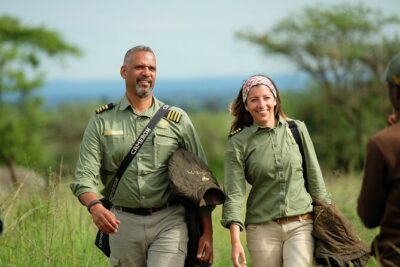
The strongest praise centers on guides who combine driving skill with patience and warmth. Calvin is repeatedly described as friendly, informative, and good at positioning the vehicle for photographs. William is praised for attentive care from airport arrival onward.
George is noted for explaining wildlife and plants while seeking out lions, leopards, and cheetahs. Arnold is praised for looking after everyone in the vehicle, including children. Cleopa receives similar praise for professional, attentive service, while Inno is singled out for knowledge, driving, and personal service.
You cannot necessarily request a specific guide, but you can ask. If a certain guide is available, that may be worth discussing before departure. At minimum, share your priorities clearly: river crossings, predators, photography, birds, elephants, or family-friendly pacing.
Food, comfort, and physical demands
Meals are included while you travel, with breakfast, lunch, and dinner provided on nine days. Specific menus are not supplied, so tell the operator about dietary requirements when booking.
The camps and lodges are described as upscale. That should make the trip more comfortable than basic camping, but you are still spending much of the day in a safari vehicle. Roads may be uneven, and the itinerary requires a moderate level of physical fitness.
Children must be accompanied by an adult. The small group size can work well for families, especially with a guide who pays close attention to everyone in the vehicle, but the early starts and long drives still need to suit your children.
Mobile tickets and airport transfers simplify the practical side. Confirmation arrives within 48 hours, subject to availability. The package offers free cancellation up to 24 hours before the start time, but late cancellations and late changes are not accepted.
Who should book this 10-day route?
I would choose this safari if you want the migration to be the main event but do not want to skip Tanzania’s other major wildlife settings. The six Serengeti nights give the trip enough time to feel like a real expedition rather than a quick check-in.
It is also a good fit for photographers, first-time safari visitors, families with older children, and anyone who prefers an upscale camp over basic accommodation. The guides’ reported strengths in wildlife spotting and vehicle positioning add real value for anyone hoping to see predators or take strong photographs.
I would hesitate if your budget is tight, if you dislike long road transfers, or if you expect a river crossing on a guaranteed schedule. The migration is a natural event, not a stage show. Good timing improves your odds, but patience is still part of the deal.
Should you book it?
Book this tour if you want a polished, small-group safari built around northern Serengeti migration country, with central Serengeti, Ngorongoro, and Tarangire added for variety. The route is thoughtfully balanced, the accommodation is comfortable, and the guide service appears to be one of the strongest parts of the experience.
Before booking, ask for the exact camp and lodge names, the current cost of the Serengeti flight, the expected vehicle setup, and how the daily game drives are arranged. If those details suit your budget and pace, this is a strong choice for a first major Tanzania safari.
FAQ
Where does the safari begin?
The safari begins in Arusha, in Tanzania’s Arusha Region. Pickup is offered from Kilimanjaro International Airport on the arrival day.
How long does the safari last?
The experience lasts approximately 10 days, ending back at the meeting point in Arusha.
What time does the activity start?
The listed start time is 8:00 am.
Is the flight to northern Serengeti included?
No. The flight from the Arusha area to northern Serengeti is at your own expense.
How many people can join the safari?
The maximum group size is seven travelers.
Are meals included?
Yes. Breakfast, lunch, and dinner are included according to the itinerary, with nine breakfasts, nine lunches, and nine dinners provided.
What accommodation is included?
The package includes a mid-range hotel in Arusha, luxury tented camps in northern and central Serengeti, and luxury lodges around Ngorongoro and Tarangire. Accommodation is not included on the final day.
Is airport transportation included?
Yes. Airport pickup and drop-off are included.
Can I cancel for a full refund?
Yes, if you cancel at least 24 hours before the experience start time. Cancellations or changes made less than 24 hours beforehand are not accepted for a refund.
Newly listed around Arusha
- 5-Day Private Safari Tour in Tanzania’s Wildlife★ 5.0 · 3 reviews
- 3 Days private safari Tarangire ,Ngorongroro crater &Manyara★ 5.0 · 3 reviews
- 3 Day Sharing Safari – Manyara, Ngorongoro Crater and Tarangire National Parks★ 5.0 · 3 reviews
- Tarangire National Park Day Trip★ 5.0 · 3 reviews
- 2 Days Tarangire and Ngorongoro Crater Tour★ 5.0 · 3 reviews
- 6 -Day Tarangire, Manyara, Serengeti & Ngorongoro★ 5.0 · 3 reviews
- 5 Days Group Camping Safari★ 4.7 · 3 reviews
- 7-Day Mt. Kilimanjaro Hiking: Machame Route★ 5.0 · 3 reviews
Serengeti & Ngorongoro Safaris, compared.
Balloon Safari & Bush Breakfast in Serengeti – Miracle Experience
Read our review →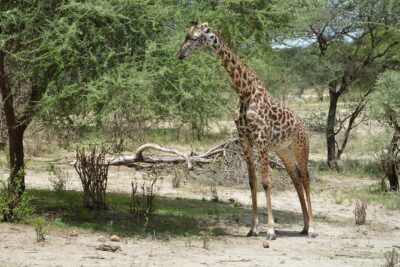

Private 6-Day Tarangire Manyara Crater and Serengeti with Mid-Range Lodges
Read our review →