Reviewed · SERENGETI & NGORONGORO SAFARIS
05 Days Tarangire, Serengeti, Ngorongoro and Lake Manyara
Tarangire elephants, Serengeti predators, the Ngorongoro Crater and Lake Manyara all fit into five busy days on this northern Tanzania safari. The route gives you a strong first taste of the country’s wildlife, with long game drives and picnic lunches rather than a slow, lodge-based holiday.
I like the four-park coverage and the fact that meals, private transport and airport pickup are built into the $1,180 price. I also like the human side of the operation: communication is handled by Emmanuel, and guides such as Charles, Samuel, David, Jackson and Tuma have led recent departures.
The main drawback is the pace. You spend many hours on rough park roads and change camps several times, while some nights are more than 30 minutes outside the park. Confirm the exact accommodation style before paying, since the plan describes campsites while some bookings use lodges.
Key points to know before booking
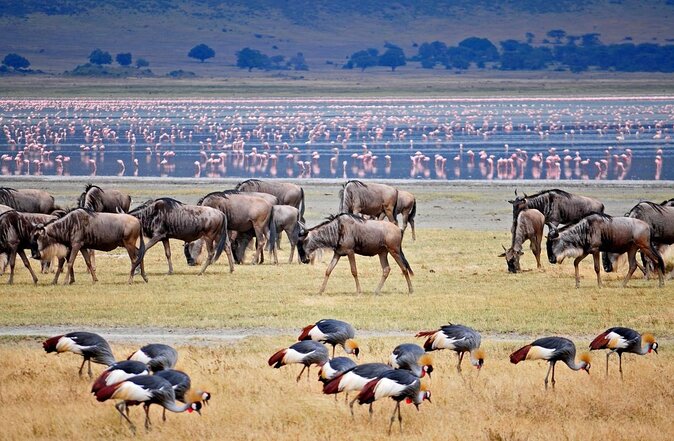
- Four major wildlife areas in five days: Tarangire, Serengeti, Ngorongoro and Lake Manyara give you variety without requiring a longer northern circuit.
- Serengeti includes an overnight near Seronera: This puts you inside the park after a long transfer via the Ngorongoro Conservation Area.
- The Ngorongoro Crater gets a dedicated six-hour drive: That is enough time for a focused look at one of Tanzania’s most famous wildlife areas.
- Meals are included throughout: You receive five breakfasts and five lunches, plus four dinners, normally with picnic lunches during game drives.
- The price includes private transportation and parking fees: That makes the package easy to compare with other safari offers.
- The schedule is physically demanding: Early breakfasts, full-day drives and several nights outside park boundaries are part of the deal.
Four parks, one tightly packed safari
This five-day route covers the main wildlife circuit north of Arusha. You move from Tarangire’s baobabs and elephant country to the open grasslands of Serengeti, then to Ngorongoro and Lake Manyara.
That range is the central reason to consider the trip. Each park has a different feel, and you are not spending all five days looking at the same type of scenery. The tradeoff is simple: you see more places, but you get less free time in each one.
The tour begins with pickup at 8:00 am from Kilimanjaro Airport. The published starting point is Kilimanjaro National Park in Tanzania, so confirm the exact pickup arrangement if you are staying in Arusha or arriving at a different airport.
This is advertised as a private activity, with only your group participating. The supplied booking information also shows that some departures have been arranged as shared or group safaris, so I would confirm the vehicle and group setup in writing. That one question can make a large difference to comfort and flexibility.
More Serengeti and Ngorongoro itineraries:
- Balloon Safari & Bush Breakfast in Serengeti – Miracle Experience
★ 5.0 · 1,646 reviews - 3 Days Serengeti & Ngorongoro Group Camping Safari
★ 5.0 · 574 reviews - 5-Day Highlights mid-Range Crater, Serengeti, Tarangire
★ 5.0 · 296 reviews
Day 1: Tarangire brings elephants and baobabs first
After an early breakfast, you drive to Tarangire National Park for a full game drive. The park is a good opening act because it offers a clear change from town life almost as soon as you reach the bush.
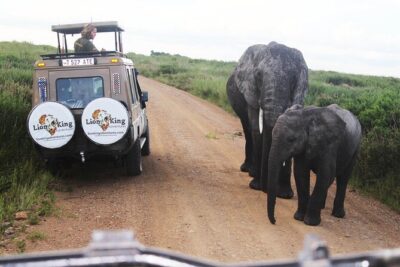
Tarangire is especially associated with elephants and its large baobab trees. The supplied plan does not promise particular animal sightings, but a full day gives your guide time to search rather than simply make a short park stop.
Lunch comes as a packed meal at a picnic site. This is practical and keeps the day moving, though you should expect a basic outdoor meal rather than a long restaurant break.
After the drive, you leave the park for a campsite more than 30 minutes away. Dinner and overnight accommodation follow there. This extra road time is worth noting: your first day is listed at about seven hours, but actual timing can change with traffic, road conditions, animal sightings and the distance to camp.
I like starting with Tarangire because it lets you settle into the rhythm of a safari before the longer Serengeti transfer. The weak point is the overnight location outside the park. You lose some time returning to the gate, but this may help keep the tour price down.
Day 2: The long road to Serengeti
Day two begins after breakfast with a drive to Serengeti National Park through the Ngorongoro Conservation Area. This is the longest-feeling transfer of the trip, although the day is described as roughly seven hours and includes game viewing along the way.
The route matters. Instead of treating the drive as dead time, the plan turns it into a game drive, with wildlife viewing on the road toward Serengeti. You stop at Naabi Hill Gate for lunch, then continue into the park.
The schedule calls for game viewing until late afternoon, followed by more driving around sunset and then a night at the Seronera campsite. That location is useful because Seronera sits in the central Serengeti, a major area for game drives. Still, this is a full day in a vehicle, and you should not expect a relaxed arrival.
Sunset driving can be memorable, but the exact timing will depend on park rules and the distance still left to camp. The plan says you continue until sundown, so ask your operator how the final transfer is handled and what time you are expected to reach camp.
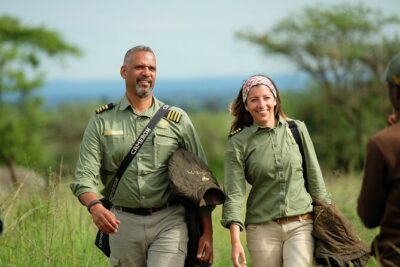
This is also the night when the quality of your guide matters most. Guides named in the supplied feedback include Charles, Samuel, David, Jackson and Tuma, but the assigned person can vary. I would ask for the guide’s name and experience before departure, then share your main interests, such as predators, elephants, birds or photography.
Day 3: A second Serengeti look before the return route
Day three starts early with a sunrise game drive. That early departure is not just a scheduling trick. The cooler morning hours are when you have a good chance of seeing active animals, including predators, although no sightings can be guaranteed.
You return to camp for lunch, then continue game viewing while taking the route back toward the Ngorongoro area. The overnight stop is at Simba campsite, outside the crater area.
This day gives you a second chance at Serengeti rather than limiting the park to one passing drive. It also breaks up the return journey. Still, the plan is not a full second day based at one central Serengeti camp. You are gradually working back toward Ngorongoro, so the experience combines wildlife viewing with a necessary transfer.
The wording around day three refers to the Ngorongoro Conservation Area, while day four is specifically the Ngorongoro Crater. Those are related but different experiences. The conservation area is much broader, while the crater is the concentrated wildlife visit that follows.
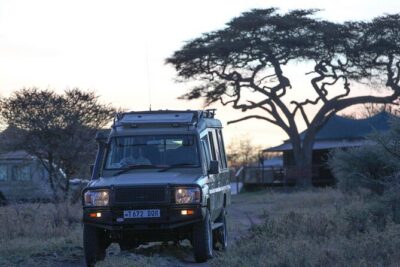
You should also pay attention to the accommodation description at this stage. The itinerary names campsites, while several bookings have used lodges and some have described a mid-range lodge safari. Ask for a night-by-night accommodation list, including whether tents, campsites or lodges are used and whether any upgrade costs apply.
A few more Arusha days to compare
- Tanzania Classic – 7 Days
★ 5.0 · 1,151 reviews - 4 Days Group Camping Safari
★ 5.0 · 1,101 reviews - 5 Days Group Camping Safari
★ 5.0 · 730 reviews - Materuni Waterfalls, coffee tour & Kikuletwa Hot Springs
★ 5.0 · 643 reviews
Day 4: Six hours inside Ngorongoro Crater
After an early breakfast, you descend into the Ngorongoro Crater for a six-hour game drive with picnic lunch. This is one of the strongest parts of the schedule because the crater receives a dedicated visit rather than being treated as a quick photo stop.
The crater is a compact wildlife area compared with the wide Serengeti. From the vehicle, you can expect dramatic views down into the bowl and a concentrated search for animals. The plan specifically highlights an early start and predator viewing, which gives the day a clear purpose.
Six hours is a useful amount of time, but it is still a fixed window. You may need to leave an interesting sighting sooner than you would on a private, slower itinerary, especially if the park exit and the overnight campsite are a fair distance away.
After the crater drive, you leave the park and spend the night at a campsite more than 30 minutes outside it. Again, this lowers the convenience of the route, but it helps explain the comparatively modest price.
If you prefer comfort over cost, this is the day to ask about a lodge option. Some people who book this style of safari stay in lodges with good service and attractive locations, while the published itinerary itself refers to campsites. The accommodation choice can change the feel of the entire trip.
Day 5: Lake Manyara and the return to Arusha
The final morning begins with an early breakfast. You collect picnic lunches from the cook and drive to Lake Manyara National Park for a full day of game viewing.
Lake Manyara works well as the final park because it offers a different setting from the Serengeti and crater. The day is scheduled for about six hours, followed by the drive back to Arusha, where arrival is expected around 5:00 pm.
That return time is useful if you have an evening plan, but I would not schedule a tight onward connection. Safari roads and park exits can be unpredictable, and the listed time is an estimate rather than a guarantee.
Lake Manyara is not given as much time as Serengeti or Ngorongoro, so think of it as a final wildlife stop, not a complete exploration of every corner of the park. You will still get a full game-viewing day, but the route needs to keep moving toward Arusha.
What the $1,180 price really covers
At $1,180 per person, the value depends heavily on the accommodation and the private vehicle arrangement. The price includes private transportation, parking fees, five breakfasts, five lunches and four dinners. Those inclusions remove several expenses that can quickly add up on a Tanzania safari.
The food plan is also practical. Picnic lunches are included for the long park days, and an on-site cook may prepare meals when the trip uses camping arrangements. The cooking has been singled out as a strong part of the experience, with Emmanuel associated with fresh, tasty meals on some departures.
The price does not include international flights, visas or personal expenses. Those are normal exclusions, but you should also ask about anything not stated, such as drinks, tips, optional activities and accommodation upgrades.
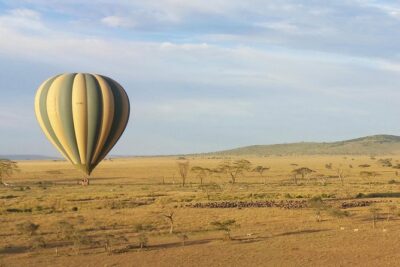
There is mention of an optional Serengeti balloon ride on one five-day departure. Do not assume it is included in this package. Treat it as a separate extra and ask for the current price and departure details if that interests you.
The best way to compare this safari is to request three details:
- The exact number of people in your vehicle
- The name and category of each overnight property
- A full list of included and excluded fees
A low headline price can be good value if the inclusions are clear. It can be less attractive if you later discover that the campsite, lodge and private vehicle arrangements differ from what you expected.
Guides, cooks and the human side of the trip
The operator is Crater Explorer Tours and Safaris, with Emmanuel handling much of the planning and communication. Fast replies and help arranging schedules are repeated themes in the supplied feedback, which matters when you are organizing a complex safari from abroad.
Guide assignments vary. Names connected with recent departures include Charles, Samuel, David, Jackson and Tuma. The important point is not to expect one specific guide unless the company confirms him for your date.
The strongest practical advantage of a good guide is not simply spotting animals. It is knowing when to pause, how to position the vehicle and how to explain what you are seeing without turning the day into a rushed checklist. A calm guide can also make long hours on rough roads much easier.
Food is another recurring strength. Five breakfasts and five lunches are included, along with four dinners, and some trips use a dedicated chef. If you have dietary needs, tell Emmanuel before arrival rather than waiting until the first campsite.
The safari is described as private, and most people can participate. No special accessibility details are provided, so if you have mobility concerns, ask about vehicle access, campsite arrangements and the amount of time spent getting in and out of the vehicle.
The pace, comfort and practical compromises
This is an active safari, not a gentle sightseeing tour. Four of the five days involve substantial driving, and the plan includes early breakfasts, sunrise viewing, picnic lunches and overnight stops outside park boundaries.
I would choose it if you want a broad introduction to northern Tanzania and have only five days. You see the major names, and the route makes good use of each day.
I would hesitate if you want long stays at one lodge, late mornings or a relaxed photography schedule. The Serengeti section is especially demanding because you travel into the park, spend a short period there, and then begin the return route the next day.
Camping can make the trip feel closer to the setting and keep the cost reasonable. Lodge accommodation offers more comfort at the end of long drives. Since both styles appear in the available descriptions, confirm the sleeping arrangements in writing before you book.
The same applies to group size. A private safari lets you set the pace within park rules, while a shared vehicle may offer a lower cost but less control over stops. The published details identify this as a private activity, so that is what you should expect unless the company tells you otherwise.
Who should book this five-day route
This safari suits you if you want:
- A first safari covering four famous parks
- A price that includes transport and most meals
- Airport pickup and a planned return to Arusha
- A mix of camping or lodge arrangements, depending on the confirmed package
- Full game-drive days rather than short park visits
- Help from an operator who responds before the trip
It may not suit you if you need a slow schedule, luxury accommodation at every stop or guaranteed private guiding by a named person. It also requires patience with long road transfers and changing overnight locations.
The tour has a free-cancellation policy up to 24 hours before the start time for a full refund. Changes or cancellations inside that window are not accepted for a refund, and the cut-off follows local time.
Should you book it?
I would book this safari if your priority is maximum park variety in five days and you are comfortable with early starts, long drives and confirming the fine print yourself. The route is ambitious but sensible, and the included meals, transport and park access make the price attractive.
Before paying, get the accommodation list, vehicle arrangement, group size and guide assignment in writing. If those details match your expectations, Crater Explorer Tours and Safaris offers a practical way to see Tarangire, Serengeti, Ngorongoro and Lake Manyara without building the whole trip yourself.
FAQ
How long is the safari?
The safari lasts approximately five days.
Where does the safari start?
The stated meeting point is Kilimanjaro Airport, with an 8:00 am start time. The location is listed as Kilimanjaro National Park, Tanzania.
Is airport pickup available?
Yes. Pickup is offered, and the listed starting point is Kilimanjaro Airport.
Which parks and areas are included?
The route includes Tarangire National Park, Serengeti National Park, the Ngorongoro Conservation Area, Ngorongoro Crater and Lake Manyara National Park.
Is this a private safari?
The activity is described as private, with only your group participating. Confirm the arrangement directly if your booking uses a shared departure.
What meals are included?
The package includes five breakfasts, five lunches and four dinners. Picnic lunches are used on several game-drive days.
Is accommodation included?
Overnight stays are included in the itinerary, with campsites named outside Tarangire, near Seronera and near Ngorongoro. Some departures use lodges, so confirm the exact accommodation before booking.
What is not included in the price?
International flights, visas and personal expenses are not included.
When does the safari return to Arusha?
On day five, the planned arrival in Arusha is around 5:00 pm after the Lake Manyara game drive.
Can I cancel for a full refund?
Yes, if you cancel at least 24 hours before the experience start time. Cancellations or changes made less than 24 hours in advance are not accepted for a refund.
Newly listed around Arusha
- 5-Day Private Safari Tour in Tanzania’s Wildlife★ 5.0 · 3 reviews
- 3 Day Sharing Safari – Manyara, Ngorongoro Crater and Tarangire National Parks★ 5.0 · 3 reviews
- 3 Days private safari Tarangire ,Ngorongroro crater &Manyara★ 5.0 · 3 reviews
- Tarangire National Park Day Trip★ 5.0 · 3 reviews
- 6 -Day Tarangire, Manyara, Serengeti & Ngorongoro★ 5.0 · 3 reviews
- 2 Days Tarangire and Ngorongoro Crater Tour★ 5.0 · 3 reviews
- 5 Days Group Camping Safari★ 4.7 · 3 reviews
- 7-Day Mt. Kilimanjaro Hiking: Machame Route★ 5.0 · 3 reviews
Serengeti & Ngorongoro Safaris, compared.
Balloon Safari & Bush Breakfast in Serengeti – Miracle Experience
Read our review →

Private 6-Day Tarangire Manyara Crater and Serengeti with Mid-Range Lodges
Read our review →