
Reviewed · SPICE FARM TOURS
Zanzibar: Spice Farm Tour with Lunch & Tropical Fruits
Zanzibar’s famous spices are not just jars on a market shelf. On this small plantation tour, you see cloves, cinnamon, vanilla, pepper, ginger, and nutmeg growing among tropical fruit trees, then taste some of what the farm produces. It is a useful, hands-on way to understand the island’s spice trade and everyday cooking.
I like the mix of plant knowledge and food: you learn what the plants look like, then sample fruits such as mango, papaya, and jackfruit with a traditional lunch. I also like the friendly, easygoing feel, with guides who explain local uses and staff who make the visit comfortable. The main consideration is that the tour stays at one plantation, so it is best for a focused introduction rather than a broad tour of Zanzibar.
Key points at a glance
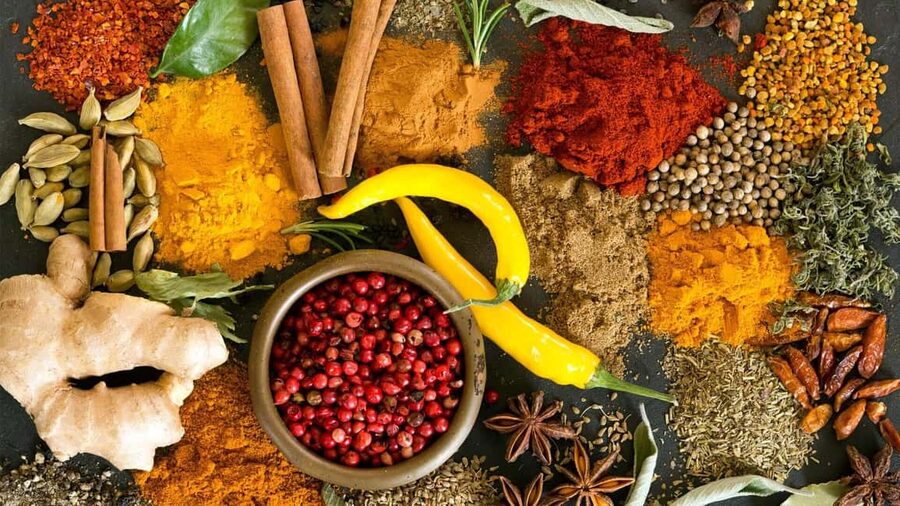
- See familiar kitchen spices growing naturally: Cloves, cinnamon, vanilla, pepper, ginger, nutmeg, cardamom, turmeric, and curry plants are part of the walk.
- Taste tropical fruit at its source: Papaya, mango, jackfruit, tamarind, and other produce add a welcome food stop to the plant tour.
- Learn traditional plant uses: Neem leaves are associated with malaria and indigestion treatments, while the iodine tree is known locally for wound care.
- Eat a traditional lunch: The meal and drinking water are included, making the $27 price easier to justify.
- Shop for more than spices: The farm shop sells spices along with soaps and oils, useful for gifts or cooking at home.
- Plan around a fixed meeting point: You start and finish at the entrance to Jambo Spice Farm in Dole village, with no transport listed as part of the activity.
Why Zanzibar is called the Spice Island
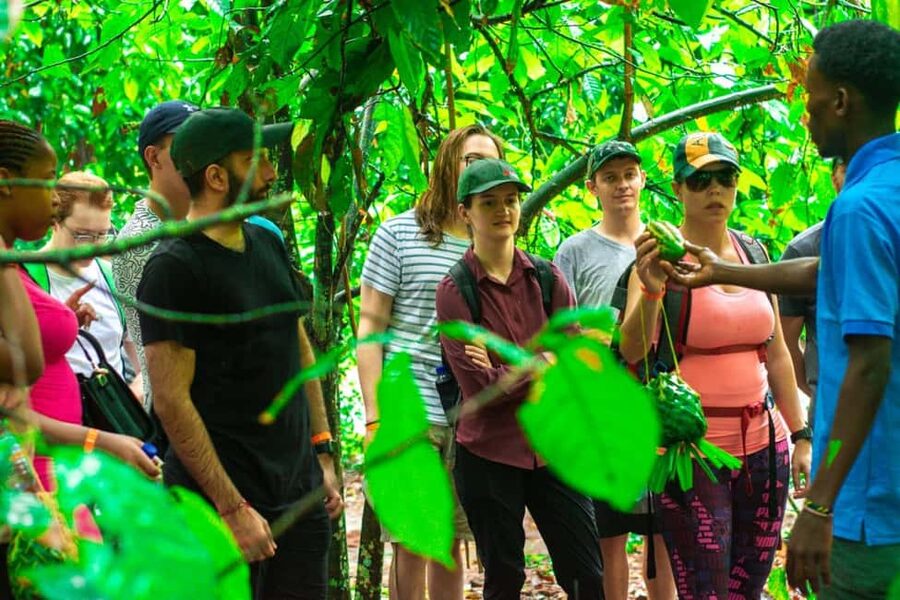
Zanzibar’s spice reputation comes alive when you see how ordinary pantry ingredients begin. A jar of ground cinnamon can feel abstract at home. Here, you encounter the tree, bark, leaf, pod, or seed behind it.
The tour covers cloves, cinnamon, nutmeg, vanilla, cardamom, curry, menthol, pepper, tamarind, and ginger. Turmeric is also highlighted, along with coffee beans and lemongrass. The precise order can vary, but the basic pattern is a guided walk through the plantation, with explanations of how each plant is used.
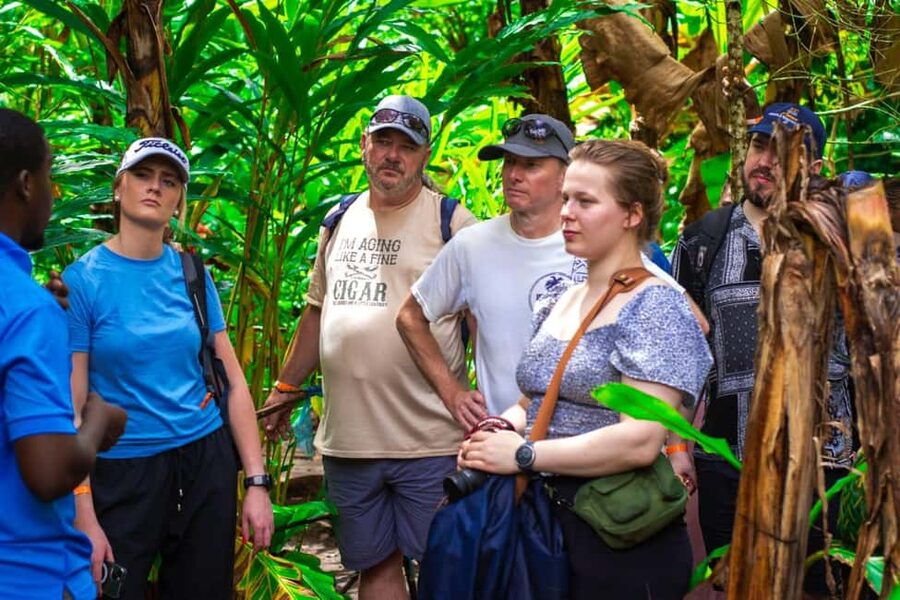
I find this more useful than a simple spice tasting. You are not only asked to smell or taste something. You learn how the plant fits into cooking, home remedies, and local custom. A good guide can turn a patch of leaves into a story about food, trade, and daily life.
The plantation is described as small, which matters. You should not expect a huge agricultural estate or a formal museum with long displays. Instead, the experience has the feel of a working garden, where the plants are close enough to inspect and the guide can pause for questions.
More spice farm mornings:
- Zanzibar: Stone Town, Spice Tour, Prison Island with Lunch
★ 4.4 · 1,219 reviews - Zanzibar: Prison Island, Stone Town, & Spice Farm Tour
★ 4.5 · 579 reviews - Zanzibar: Stone Town, Spice tour & Prison Island with Lunch
★ 4.6 · 453 reviews
A walk from cloves to vanilla
Cloves are one of the key plants to look for. Zanzibar is strongly associated with clove production, and seeing the plant in the ground gives the island’s nickname some real meaning. The tour also helps you connect the spice’s scent with its source rather than treating it as just a cooking ingredient.
Cinnamon offers another useful lesson. You get a chance to see that cinnamon comes from tree bark, not from a powdered plant that somehow appears in a supermarket container. Nutmeg and vanilla add different shapes and textures to the walk, while cardamom, pepper, and ginger show how varied spice plants can be.
The guide also points out turmeric, curry, menthol, and tamarind. This broad list makes the tour worthwhile for anyone who enjoys cooking or wants to bring home ingredients with a clear sense of place. You can ask about flavor, preparation, and local culinary uses as you go.
There is plenty to smell and touch, though you should follow the guide’s instructions before handling or tasting any plant. The tour’s appeal comes from direct contact with the plants, but not every item will look dramatic. Some are leafy, modest, and easy to miss without an explanation.
Tropical fruit makes the tour more than a plant lesson
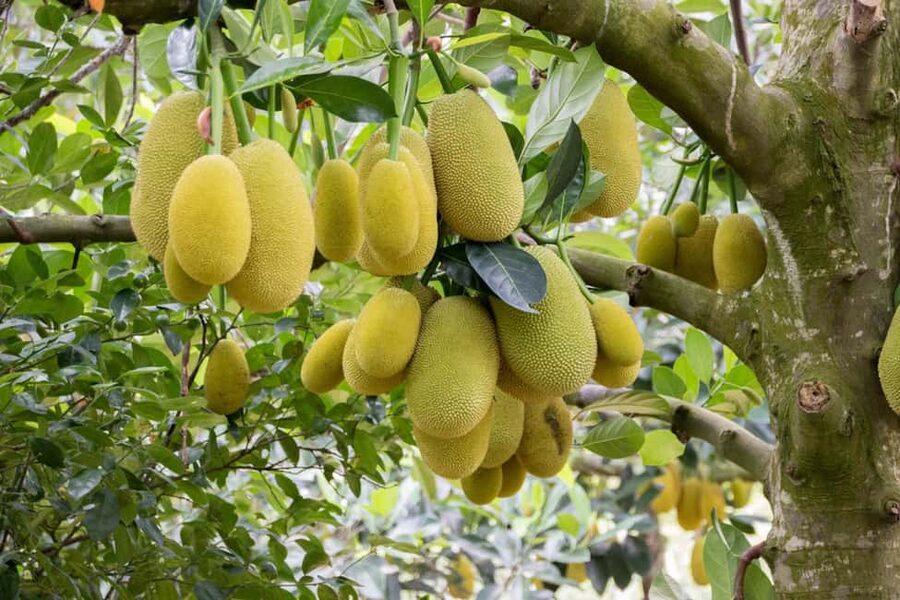
The fruit portion breaks up the spice walk nicely. Papayas, mangoes, and jackfruit are among the tropical produce you can encounter, and fresh fruit gives you a different way to understand the farm’s setting.
Jackfruit is particularly memorable because of its size and unusual texture. Mango and papaya are more familiar, but they taste different when served fresh in a warm tropical setting. Tamarind may also appear in the food or plant discussion, linking the farm walk to sweet, sour, and savory uses.
A fruit tasting can sound like a small extra, but it helps the tour feel grounded in food rather than botany alone. You can connect the plants to breakfast, snacks, sauces, drinks, and home cooking. The tasting also gives you a welcome pause during the 2.5-hour visit.
The information provided does not promise every fruit at every departure, so think of the list as a guide to what may be available. Seasonal supply can affect what you see or taste. The included tropical fruits are still a strong part of the experience, especially if you want more than a lecture about spices.
Local remedies and plant traditions
One of the more unusual parts of the visit is the discussion of plants used in traditional health practices. Neem leaves are described as being used traditionally for malaria and indigestion. The iodine tree is associated with wound healing.
These details give the plantation walk a cultural angle. You learn that plants have roles beyond seasoning food, and that local knowledge often covers medicine, hygiene, and household care. This is the kind of information that can make a short tour stick in your mind.
You should treat these explanations as traditional uses, not medical advice. The tour is not presented as a medical consultation, and the information supplied does not claim to diagnose or treat visitors. Still, the subject adds depth to what could otherwise be a straightforward spice tasting.
The guide’s role is important here. English is the listed tour language, and an English-speaking guide leads the activity. One particularly useful point from the experience is that the guide may know many plant terms in German as well, which could help some multilingual visitors, though English remains the confirmed language.
More lunch stops in Zanzibar:
- Zanzibar: Prison Island and Nakupenda Boat Trip with Lunch
★ 4.1 · 882 reviews - Mnemba Island: Dolphin Swim & Snorkeling with Optional Lunch
★ 4.3 · 591 reviews - Zanzibar: Prison Island & Nakupenda Boat Tour with BBQ Lunch
★ 4.4 · 554 reviews - Zanzibar: Safari Blue Lagoon Trip with Snorkeling and Lunch
★ 4.5 · 336 reviews
Lunch turns the walk into a full outing
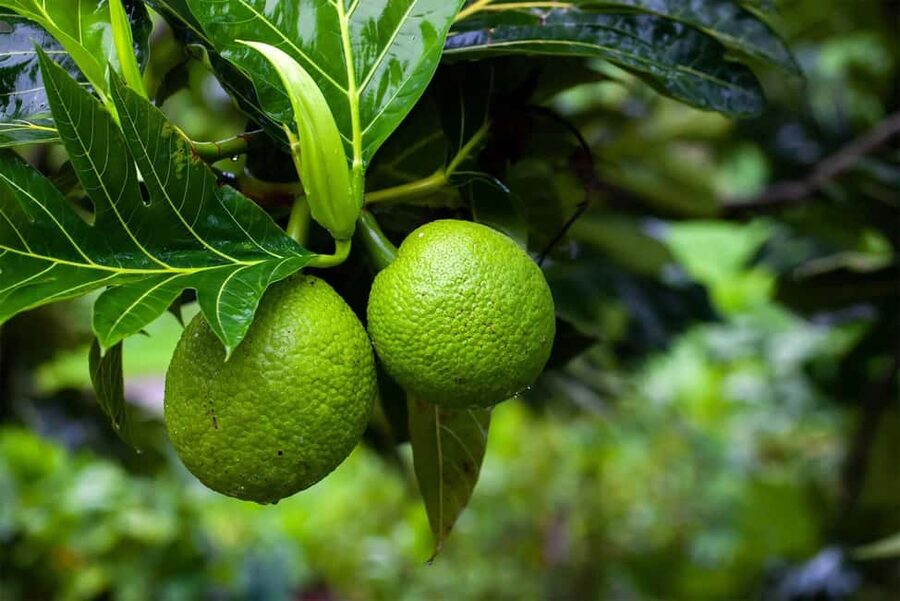
A traditional lunch is included, along with tropical fruit and drinking water. That changes the value calculation. You are not paying only for a short guided walk and a shop stop, then having to arrange food immediately afterward.
The meal also gives you a chance to taste how Zanzibar’s spices work in cooking. The exact menu is not specified, so do not book this expecting a particular dish. Instead, think of lunch as a local food component that supports the plant lessons.
I like this structure because food is the natural conclusion to a spice tour. You have just seen ingredients in the ground, heard how they are used, and then eaten a meal shaped by local cooking traditions. It makes the information practical.
The tour lasts about 2.5 hours in its stated format, though one account describes the outing as roughly two hours. Allow around half a day once you include getting to Dole village and any time spent shopping. The plantation visit itself is not a quick 30-minute stop.
The farm shop and what to buy
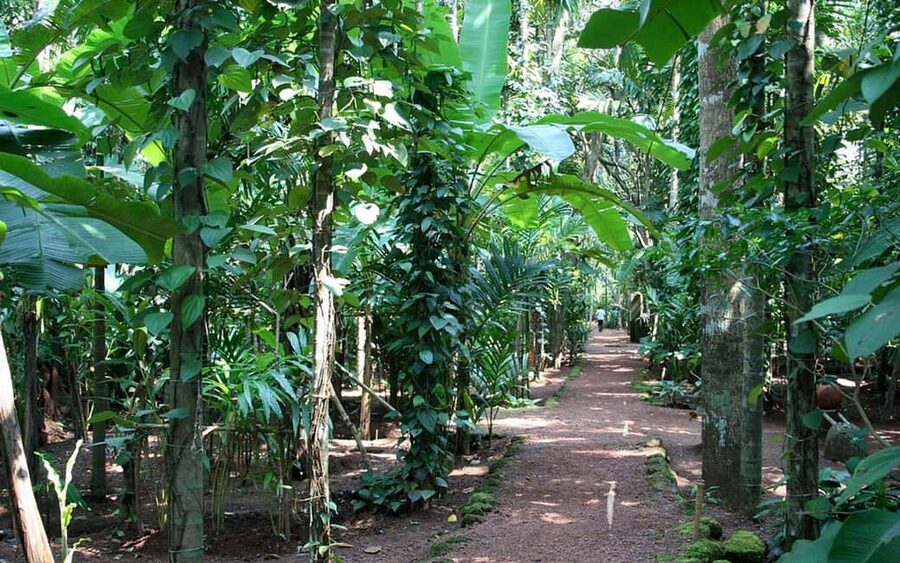
The final stop is the plantation’s spice shop. You can buy freshly harvested spices to use at home, and soaps and oils are also available.
This is a useful ending if you want a souvenir that takes up little space and has a clear connection to Zanzibar. Whole spices or well-packed seasonings can remind you how the plants looked before they reached your kitchen cupboard. Soaps and oils offer another option if you prefer a non-food gift.
Take a moment to compare what you actually want before buying. A spice tour can tempt you into purchasing several colorful packets, but the best choice is usually something you will cook with or use. Ask the staff how to store the product and how it is commonly used if that information is available.
A tip for the guide or staff is appreciated, according to the practical notes from the experience. It is not listed as part of the $27 cost, so carry a little extra if you want to show thanks. Keep that separate from your shopping budget.
What the $27 price includes
At $27 per person, this is a reasonably priced half-day activity, especially because the package includes the guide, entrance fees, traditional lunch, tropical fruits, drinking water, and government fees.
That list removes several common small costs. You do not need to pay an extra entrance charge on arrival, buy water during the walk, or arrange a separate meal immediately afterward. For a visitor interested in food and local agriculture, those inclusions make the price feel fair.
The value depends partly on your location. The meeting point is at the entrance to Jambo Spice Farm in Dole village, and the activity ends there. No hotel pickup or return transport is listed, so you must arrange your own way to the farm. If you are already nearby, the price is more attractive. If you need a separate taxi, add that to the total before comparing it with other tours.
The tour has a rating of 4.9 from 10 ratings, with repeated praise for the guides, friendly staff, beautiful plant setting, clear English, and tasty fruit and lunch. That small number of ratings is worth remembering. It points to a strong early record, but it is not the same as a long-running body of feedback.
Meeting at Jambo Spice Farm in Dole village
You should arrive in front of the entrance to Jambo Spice Farm in Dole village, in Zanzibar’s Unguja South Region. The instructions identify the entrance as the meeting point, which keeps the start simple, but you should allow time to find the exact gate if you are unfamiliar with the area.
The activity returns to the same meeting point. That is convenient if you have arranged a taxi to wait or plan to continue from Dole on your own. It also means you are not left at a different part of the island at the end.
Transportation is not included in the stated package. The included items cover the guide, entrance, lunch, fruit, water, and government fees. Plan your route before booking, especially if you have another timed activity later in the day.
Who will enjoy this plantation visit
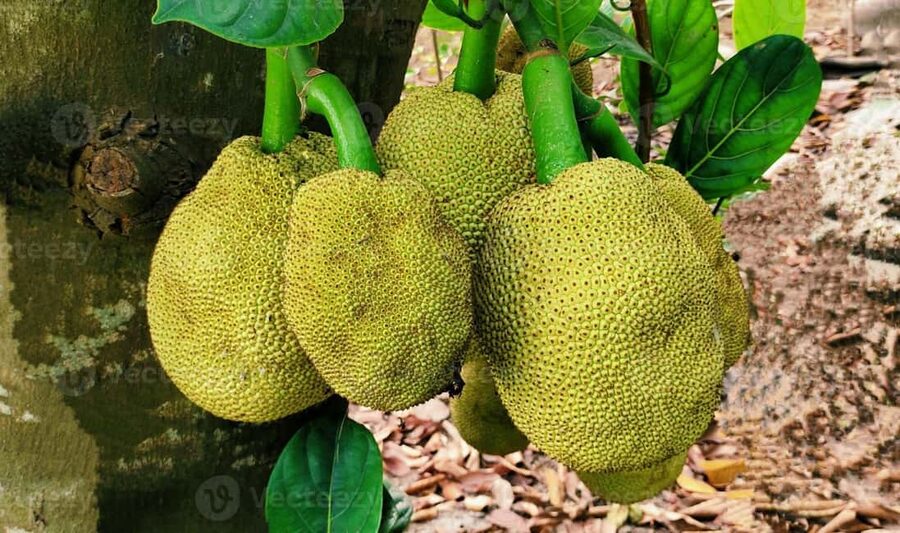
I would choose this tour for anyone who wants a relaxed introduction to Zanzibar’s food culture. It suits curious cooks, families interested in plants, and visitors who prefer a small-scale farm visit to a formal attraction.
It is also a good fit if you want several experiences in one outing: a guided walk, plant education, fruit tasting, lunch, and shopping. The pace should appeal to you if you like stopping often to smell, taste, and ask questions.
The tour may be less satisfying if you expect a large estate, a long historical lecture, or a detailed farming demonstration. The available information does not promise transport, a private group, a specific menu, or a named guide. You should book it for the close-up plant experience, not for elaborate production facilities.
Children may enjoy the fruit and the novelty of seeing familiar spices outdoors, though the activity is still a guided walk rather than a dedicated children’s program. Anyone with food allergies or dietary restrictions should ask about the lunch and tastings before booking, since no menu or dietary details are provided.
Small details that improve the experience
Wear something comfortable for walking around a plantation and keep your schedule loose enough for the full visit. The tour includes drinking water, but you may still prefer to arrive prepared for a warm outdoor setting.
Bring room in your bag for spices, soaps, or oils. The shop is part of the experience, and you may find that seeing the plants first makes the purchases more meaningful than buying anonymous packets in town.
Pay attention to the guide’s plant names and traditional uses. Cloves, cinnamon, vanilla, and pepper are easy to remember, but the less familiar subjects, such as neem, the iodine tree, menthol, and tamarind, are where the tour gains its local character.
The coconut picker known as Mr. Butterfly is another memorable detail associated with the visit. This adds a bit of human personality to the plantation rather than making the whole outing about plants alone.
Should you book the Zanzibar spice farm tour?
Book it if you want an affordable, food-focused introduction to Zanzibar’s spice culture, and if you can get yourself to Jambo Spice Farm in Dole village. The combination of guided plant walk, tropical fruit, lunch, water, and farm shop gives you a lot for $27.
I would be especially keen to book it early in a Zanzibar stay. The explanations about local spices can make later meals and market visits more interesting, and the small shop gives you a chance to take home ingredients with a story.
Skip it if you need hotel transportation, a guaranteed menu, or a large plantation with a formal presentation. For everyone else, the friendly English-speaking guidance, hands-on tasting, and clear link between farm and kitchen make this a practical choice.
FAQ
Where does the spice farm tour start?
The tour starts in front of the entrance to Jambo Spice Farm in Dole village, Zanzibar, in the Unguja South Region.
Where does the activity end?
The activity ends back at the same meeting point at Jambo Spice Farm.
How long does the tour last?
The stated tour duration is 2.5 hours. One account describes the experience as lasting roughly two hours, so allow about 2 to 2.5 hours for the plantation visit.
How much does the tour cost?
The price is $27 per person.
What is included in the price?
The price includes a tour guide, entrance, traditional lunch, tropical fruits, drinking water, and all government fees.
What language is the tour offered in?
English is the listed tour language.
Can I cancel or pay later?
You can reserve and pay later, with nothing due today. Cancellation up to 24 hours in advance qualifies for a full refund.
More farm visits in Zanzibar
- Full-Day Private Stone Town +Spice Farm and Prison Island Tour
★ 4.5 · 216 reviews - Zanzibar: Stone Town & Spice Farm Tour with Lunch
★ 4.5 · 97 reviews - Zanzibar:Stone Town & Spice Farm Private Tour Lunch Included
★ 4.2 · 94 reviews - Zanzibar full day Jozani forest + Spice farm and stone town
★ 4.7 · 90 reviews
Newly listed around Zanzibar
- Zanzibar: Nungwi/Kendwa Beach Sunset Dhow Cruise with Fruits★ 3.4 · 3 reviews
- Prison Island, Sea Turtles, Rock Restaurant & Relax in Beach★ 4.6 · 3 reviews
- Starfish Beach; The Rock; Kuza Cave; Paje Beach; Salaam Cave Tour★ 4.5 · 3 reviews
- Zanzibar: Half-Day Spice Farm Tour,the flavours of Zanzibar★ 4.7 · 3 reviews
- Joazani forest & Spice farm with lunch★ 5.0 · 3 reviews
- Nakupenda Island Snorkeling Sea trip & Lunch W/Transfer -Zanzibar★ 4.0 · 3 reviews
- Mnemba Island Snorkeling and Dolphin tour★ 5.0 · 3 reviews
- Zanzibar:Jozani forest, Spice farm with Swahili Cuisine clas★ 4.2 · 3 reviews
Spice Farm Tours, compared.



Full-Day Private Stone Town +Spice Farm and Prison Island Tour
Read our review →
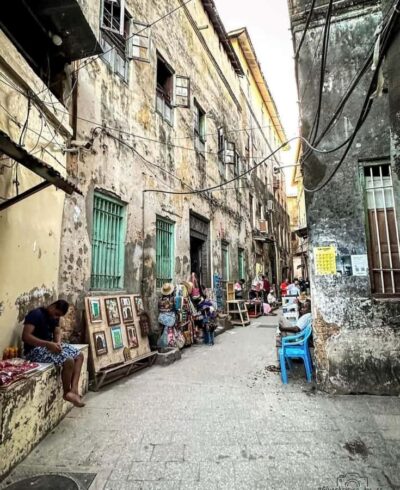
The Swahili Spice Experience – Spice Tour + Culinary Journey
Read our review →Browse the lists this tour appears in