
Reviewed · ARUSHA TOURS
Tanzania Wildlife Safari Budget Camping
Tarangire’s elephant families and giant baobabs set the tone for this five-day safari, but the real prize is the sweep of habitats: dry woodland, lake shore, open grassland, and the enclosed world of Ngorongoro Crater. You move fast, yet you see four of Tanzania’s best-known parks in one trip.
I like the budget camping format, which keeps the price at $1,155 per person while putting more of your time into the parks. I also like the strong guide record, with James praised for spotting a leopard and rhino, and Emmanuel, known as Manu, for finding a wide range of animals. The trade-off is a packed schedule with long driving days and simple camp living.
Key points to know before booking
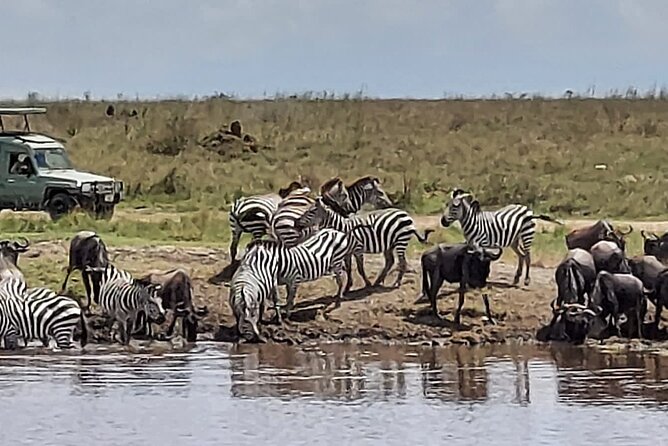
- Tarangire begins the safari with elephants, baobabs, and a wildlife-filled river.
- Lake Manyara offers a sharp change of scenery and more than 400 recorded bird species.
- Serengeti gets two game drives, including an early morning outing when hunting activity may be possible.
- Ngorongoro Crater packs dense wildlife into one dramatic volcanic caldera.
- Camping keeps the cost down, with tents set up and taken down for you, plus a thicker mat and blanket noted in the tour details.
- The group limit is 15 people, and pickup is offered, with the listed start at Arusha Airport at 7:00 a.m.
Four parks in five days, with little wasted time
This is a classic Northern Circuit route, but it is not a slow safari. In five days and four nights, you cover Tarangire National Park, Lake Manyara National Park, Serengeti National Park, and Ngorongoro Crater, with Oldupai Gorge added on the road to the Serengeti.
That range is the main reason to choose this trip. Tarangire gives you elephants and baobabs. Manyara brings birds, water, forest, and open plains. Serengeti offers the broadest game-viewing stage, while Ngorongoro gives you a concentrated final morning.
You should also understand the pace. Several days are listed at about seven hours, and the parks are spread across a large area. This is a good fit if you want a first taste of Tanzania’s northern parks and accept that some time will be spent on the road.
The package includes breakfast for five days, lunch for five days, dinner for four days, and all fees and taxes. Personal items, tips, and a visa are extra. At $1,155, the value depends on how you view camping: you are paying for access to an ambitious route and included meals, not for lodge comfort or a leisurely schedule.
More Safaris in Arusha
- Balloon Safari & Bush Breakfast in Serengeti – Miracle Experience
★ 5.0 · 1,646 reviews - 4 Days Group Camping Safari
★ 5.0 · 1,101 reviews - 5 Days Group Camping Safari
★ 5.0 · 730 reviews
Day 1: Tarangire’s elephants beneath the baobabs
Your driver-guide collects you in Arusha and takes you toward Tarangire National Park. The park is especially known for elephants, and the setting makes the sightings memorable. Large baobabs rise above the animals, giving you the sort of distinctly African scene that feels different from the open plains farther west.
The Tarangire River is the park’s key draw during dry conditions. Even when the river has shrunk, wildlife gathers around its remaining water. Elephants, along with other animals, may have traveled a long way to reach it, so the river becomes a natural meeting point.
You get a picnic lunch and a game drive before spending the night at a campsite. The day is listed at about seven hours, though actual timing can depend on the drive from Arusha, park entry, animal sightings, and road conditions.
I like this opening because it starts with a strong visual identity rather than easing you in with a generic transfer. Tarangire is not simply a warm-up park. It has its own character, and the combination of elephants, dry country, and baobabs gives you an early sense of why Tanzania is worth the effort.
Day 2: Lake Manyara changes the view
After breakfast, you drive to Lake Manyara National Park. This is a useful contrast with Tarangire. The park is particularly good for birdlife, with more than 400 species recorded, including flamingos, pelicans, cormorants, and storks.
The lake itself can be a striking part of the day. Pink-hued flamingos may gather along the water, while large birds work the shallows and shore. Away from the lake, the park includes forest and grassy floodplain, with views toward volcanic peaks and the Maasai Steppe.
Large buffalo, wildebeest, zebra, and giraffes use the grassy areas. The giraffes can look unusually dark from a distance, an interesting detail that makes this park feel different from the better-known Serengeti scenes.
The day is listed at about six hours. That shorter schedule may give you a little breathing room after Tarangire, but the full overnight plan for this date is not specified in the supplied details. I would confirm the exact campsite and evening arrangement before paying, especially if you want to know how much time is spent inside the park compared with driving between stops.
Lake Manyara is a smart inclusion for anyone who cares about birds or wants more than a series of big-mammal sightings. If your only goal is lions and cheetahs, it may feel less dramatic than Serengeti. If you enjoy changing habitats, it earns its place.
Day 3: Oldupai Gorge and the first Serengeti drive
After breakfast, the route heads toward Serengeti through Oldupai Gorge, often called the Cradle of Mankind. You visit the museum and receive interpretation at the site before continuing into the national park.
Oldupai adds a human story to a trip otherwise centered on wildlife. It also breaks up the long transfer and gives you a reason to look beyond the animals. The supplied schedule allows about seven hours for the day, so this is still a substantial travel day rather than a relaxed museum visit followed by an easy drive.
You reach Serengeti for an afternoon game drive. This is the park many people picture when they imagine Tanzania: broad open country, large herds, and predators sharing the same hunting ground. The park is described as home to one of the world’s greatest concentrations of large mammals, but sightings remain wild and unpredictable.
You spend the night at Seronera Public Campsite. Public camping is the practical side of this safari. It can place you close to the park experience, but you should expect a simpler stay than you would get at a lodge. The camping equipment is handled for you according to the supplied details, with a thicker mat and blanket mentioned, but the package does not promise hotel-style rooms or private facilities.
The afternoon drive is a good first look at Serengeti, yet the next morning is likely to be the more important game-viewing period. That is one reason this itinerary gives you two Serengeti days instead of treating the park as a quick drive-through.
More Wildlife Tours in Arusha
- Tanzania Wildlife Encounters – 6 Days
★ 5.0 · 277 reviews - 6 Day Tanzania Wildlife Mid range Safari
★ 5.0 · 54 reviews - 5 Days 4 Nights Tarangire, Serengeti , Ngorongoro & Manyara Wildlife Safari
★ 5.0 · 40 reviews - 4 Days Wildlife Safari and Cultural Experience in Tanzania
★ 5.0 · 23 reviews
Day 4: An early Serengeti drive, then the crater rim
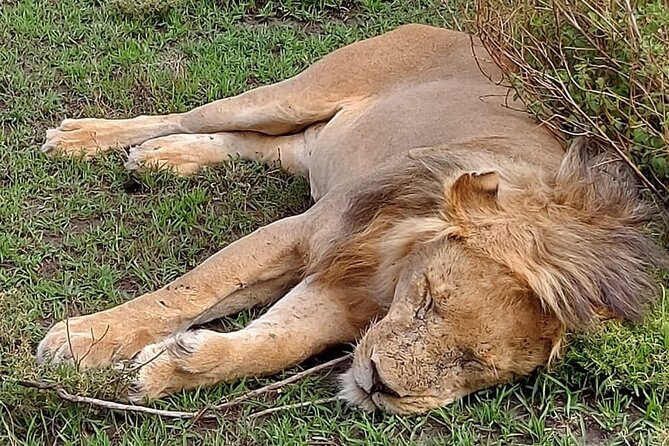
You leave with a picnic breakfast for an early morning game drive. Early hours can be valuable because animals may be active before the day becomes hot. The plan specifically notes the chance of seeing a hunt or kill, though no safari can promise that kind of event.
This is also where a strong guide matters. James is praised for finding a leopard and a rhino, while Emmanuel, or Manu, is described as having an eagle eye for animal sightings, including Big Five encounters. Those are useful signs of good field awareness, but you should treat them as evidence of past success, not a guarantee for your dates.
After the morning drive, you return for lunch or choose a picnic lunch in the park. Then you head toward the Ngorongoro Crater rim, with the night at Simba Campsite.
This day combines one of the safari’s best wildlife windows with a long repositioning drive. You will not spend the entire day watching animals. The payoff comes later, when the rim road brings a dramatic change in elevation and the crater begins to appear below.
Camping on the rim may also mean cooler conditions than the lower parks, though the supplied details do not specify temperatures or facilities. Pack with changing conditions in mind, and ask what bedding and washing arrangements are provided.
Day 5: Ngorongoro Crater’s concentrated wildlife
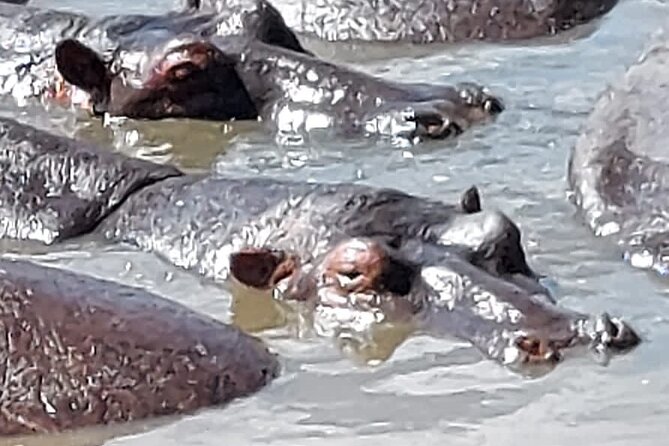
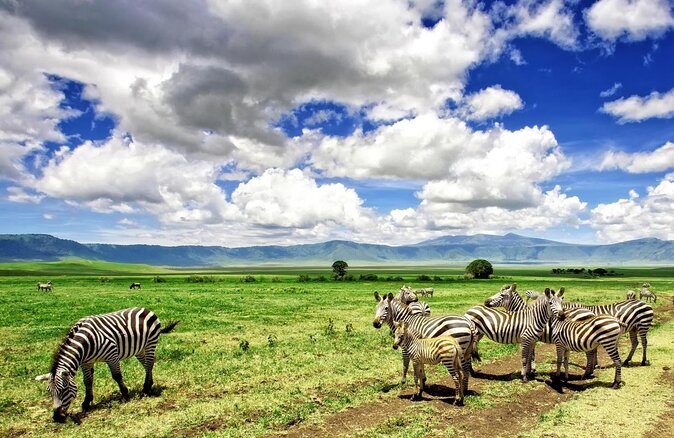
After breakfast, you descend to the crater floor for a game drive. Ngorongoro is a huge caldera formed when an ancient volcanic crater collapsed. Its fertile floor and permanent water support a high concentration of wildlife in a relatively contained area.
The scenery is part of the appeal. You crest the rim, look into the caldera, then descend into a place that feels physically separate from the country around it. On the floor, the planned sightings include rhino, black-maned lion, giant tusked elephants, and many other animals.
The crater can be especially rewarding at the end of a multi-park trip because it gives you a final concentrated chance to see wildlife. It is not only about the number of animals. The volcanic walls make the setting instantly recognizable, and the drive from rim to floor adds a sense of occasion.
After the game drive, you climb back to the rim and leave Ngorongoro for Arusha Town. The final day is listed at about seven hours, so do not expect to reach Arusha early enough for a tightly timed flight unless you have confirmed the schedule directly.
What the budget camping setup means
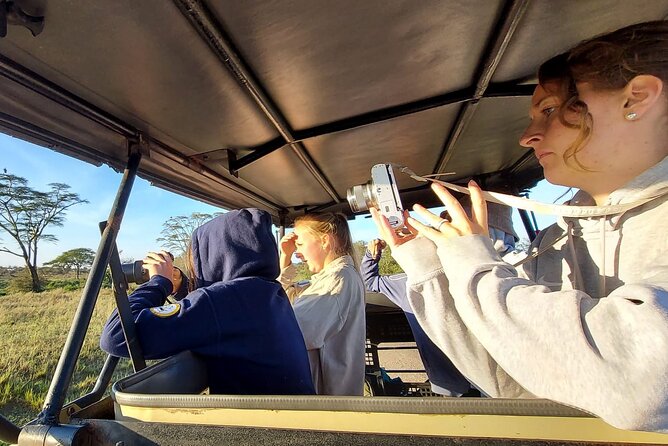
The word budget matters here. Your included meals and park fees help control the total cost, and camping avoids the higher rates charged by lodges in the Northern Circuit. That makes $1,155 a reasonable figure for someone who values park coverage over soft beds and long evenings.
The tents are set up and dismantled for you, and the supplied information mentions a thicker mat and blanket. That is helpful because you are not being asked to build camp after a full day on the road. Still, camping remains more basic than lodge accommodation, and the exact amenities are not described.
You should ask before booking:
- What type of tent and sleeping arrangement is provided?
- Are bathrooms and showers shared at the campsites?
- Which campsite is used on the Lake Manyara night?
- Is drinking water provided, or should you buy it separately?
- How are special dietary needs handled?
Those questions are not signs that the trip is poor. They simply help you match the safari to your comfort level. If you enjoy simple nights and want your money focused on park time, the setup makes sense. If you need reliable private facilities, a lodge-based trip may suit you better.
The guide can shape the whole safari
On a wildlife trip, the vehicle gets you there, but the guide often determines what you notice. You want someone who can scan the trees, read animal behavior, explain the habitat, and keep the day moving.
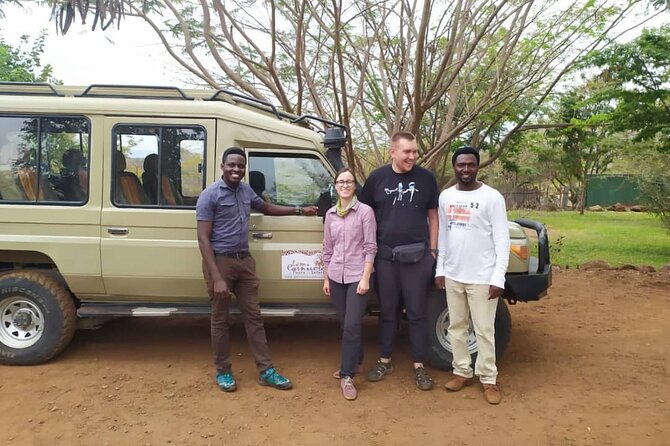
The named guides connected with this experience include James and Emmanuel, also called Manu. James is praised for a strong depth of knowledge and for helping find a leopard and rhino. Manu is credited with sharp spotting skills and a wide range of animal sightings, including the Big Five.
Vincent is also highlighted for quick communication and practical help around Arusha. One useful detail is that support continued through WhatsApp during a trip, with regular checks that everything was going well. That kind of contact can matter when a transfer changes or you need help before or after the safari.
Guide assignments can change, so I would ask who is scheduled for your departure. The important point is not simply a name. It is whether the company can explain who will guide you, how many people will share the vehicle, and how communication works if plans shift.
Price, group size, and the real value
The listed cost is $1,155 per person for approximately five days and four nights. The group can reach 15 people, which is large enough to keep the price down but small enough to remain more personal than a big coach tour.
A group of 15 can affect game viewing. You may need to share the best viewing angles, and decisions about stopping can take longer. On the other hand, a larger group often makes a budget safari possible, especially when park fees, meals, transport, and camping support are included.
The package includes:
- All fees and taxes
- Five breakfasts
- Five lunches
- Four dinners
A visa, tips, and personal expenses are not included. Pickup is offered, while the listed meeting point is Arusha Airport at 7:00 a.m. Since the description also refers to collection from your hotel in Arusha, confirm the exact pickup point and time before departure.
The free cancellation rule is simple: cancel at least 24 hours before the local start time for a full refund. Cancellations or changes inside that window are not accepted for a refund.
Who should book this safari?
I would point this trip toward a first-time safari visitor who wants the major Northern Circuit parks in one compact route. It also suits couples and solo visitors who are comfortable sharing a vehicle and sleeping in basic camps.
You are a good match if you:
- Want elephants, big cats, birds, and crater wildlife in one trip
- Prefer to spend money on national parks rather than lodge rooms
- Can handle several long days and early starts
- Like having meals included
- Are comfortable with a group of up to 15 people
I would hesitate if you want a slow pace, a private vehicle, guaranteed animal sightings, or detailed accommodation standards before booking. The schedule is full, and the camping information leaves some practical points to confirm.
Should you book it?
Book this safari if your priority is range and value. In five days, you get Tarangire’s elephants, Manyara’s birds, Serengeti’s open country, Oldupai Gorge, and Ngorongoro’s crater floor. That is a lot of Tanzania for the price.
Before you commit, confirm the Lake Manyara overnight arrangement, the guide assigned to your group, the camping facilities, and the Arusha pickup details. If those answers suit you, this is a strong budget route for seeing the Northern Circuit without paying lodge rates.
FAQ
How long is the safari?
The safari lasts approximately five days and includes four nights of camping.
Where does the safari start?
The listed meeting point is Arusha Airport in Arusha, Tanzania, with a start time of 7:00 a.m. Hotel collection in Arusha is also described, so confirm your pickup point before departure.
Which national parks and sites are included?
The route includes Tarangire National Park, Lake Manyara National Park, Serengeti National Park, Ngorongoro Crater, and Oldupai Gorge.
Are meals included?
Yes. The package includes five breakfasts, five lunches, and four dinners.
Are park fees and taxes included?
Yes. All fees and taxes are included in the listed package.
What is the cancellation policy?
You can cancel at least 24 hours before the experience start time for a full refund. Cancellations or changes made less than 24 hours before the start time are not accepted for a refund.
Newly listed around Arusha
- 5-Day Private Safari Tour in Tanzania’s Wildlife★ 5.0 · 3 reviews
- 3 Days private safari Tarangire ,Ngorongroro crater &Manyara★ 5.0 · 3 reviews
- 3 Day Sharing Safari – Manyara, Ngorongoro Crater and Tarangire National Parks★ 5.0 · 3 reviews
- Tarangire National Park Day Trip★ 5.0 · 3 reviews
- 6 -Day Tarangire, Manyara, Serengeti & Ngorongoro★ 5.0 · 3 reviews
- 2 Days Tarangire and Ngorongoro Crater Tour★ 5.0 · 3 reviews
- 5 Days Group Camping Safari★ 4.7 · 3 reviews
- 7-Day Mt. Kilimanjaro Hiking: Machame Route★ 5.0 · 3 reviews
Arusha Tours, compared.

Balloon Safari & Bush Breakfast in Serengeti – Miracle Experience
Read our review →






Browse the lists this tour appears in