Reviewed · SERENGETI & NGORONGORO SAFARIS
Tanzania safari with guide in Italian, the great Migration of the Serengeti
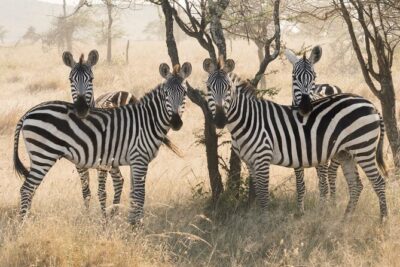
The spectacle here is the Great Migration, with roughly 1.5 million wildebeest and hundreds of thousands of zebras moving across the Serengeti in search of water and grass. I like the smart north Tanzania route, which combines the Serengeti and Ngorongoro with less-visited Lake Natron. I also like the small maximum of six people and the option of an Italian-speaking guide, with guides such as Jo, Naftal, Mussa, Kahim, and Michael having led past departures.
The main caution is timing. The migration is never parked in one spot, and the northern Serengeti river crossings are most associated with July through October. You may see vast herds, but no safari can promise a crossing on a particular day. At $4,100 per person, this is a serious purchase, though the price covers many major costs.
Key points at a glance
- The route covers five very different areas: Lake Manyara, Ngorongoro Crater, Serengeti, Lake Natron, and Tarangire.
- The safari group is limited to six people, a useful size for a shared 4×4 and for getting a clear view during wildlife stops.
- An Italian-speaking guide is included, with past guides including Jo, Naftal, Mussa, Kahim, Michael, Omari, and Martini.
- The Mara River is the migration focus, especially from July to October, when wildebeest and zebras move through the northern Serengeti.
- Lake Natron adds a wilder change of pace, with flamingos, alkaline water, volcanic scenery, and a walking excursion.
- The $4,100 price includes full board, park fees, transfers, water, insurance, and safari transport, but not flights, visas, drinks, or personal extras.
Why this safari route works so well
Many northern Tanzania safaris follow the familiar circuit of Manyara, Ngorongoro, Serengeti, and Tarangire. This one adds Lake Natron and the northern Serengeti, making the trip especially interesting for anyone focused on the migration.
You begin with varied habitats, move into the wildlife-packed Ngorongoro Crater, spend several days in the Serengeti, then leave the main safari road for Natron before finishing in Tarangire. That gives you more than repeated game drives across similar grassland. You get forest, crater floor, open savanna, volcanic desert, alkaline lake, and baobab country.
The schedule is active. Most days involve several hours in the vehicle, and some drives connect distant areas. That is the trade-off for covering so much ground in eight days. I would choose this route for scenery and variety, not for a slow stay at one lodge.
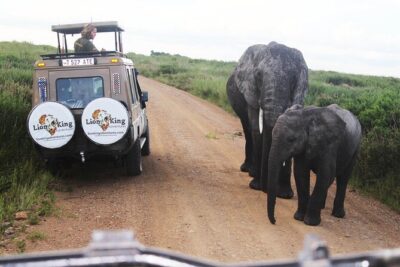
The small group matters. Six people or fewer means less crowding in the 4×4 and a better chance that everyone can see through an open window or from the roof area, depending on the vehicle setup. It also makes an Italian-speaking guide more useful, since questions about animals, local culture, and daily plans can be handled without a language gap.
More Safaris in Arusha
- Balloon Safari & Bush Breakfast in Serengeti – Miracle Experience
★ 5.0 · 1,646 reviews - 4 Days Group Camping Safari
★ 5.0 · 1,101 reviews - 5 Days Group Camping Safari
★ 5.0 · 730 reviews
Day 1: A simple arrival in Arusha
The first day is mainly a transfer day. You are met at Kilimanjaro International Airport or Arusha Airport, complete entry formalities, meet the guide, and continue to Arusha.
The stated transfer takes about an hour. That is helpful after a long international flight, but you should still avoid booking a tight onward connection on the same day. Your arrival flight details are needed in advance, along with passport information and a mobile phone number.
Arusha is the practical starting point for northern Tanzania safaris. This first night is less about sightseeing and more about getting settled before the early wildlife days begin.
Day 2: Lake Manyara’s forest, lake, and birdlife
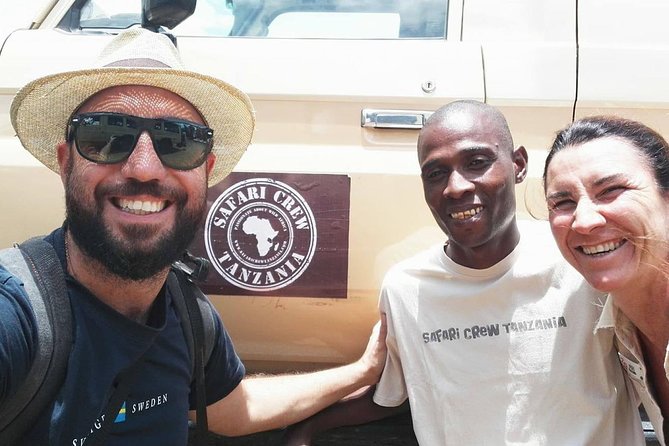
Lake Manyara National Park is compact, but its habitats change quickly. The park lies below the Rift Valley escarpment and includes groundwater forest, open grassland, marsh, and the lake itself.
That variety gives you a strong first game drive. Baboons and other monkeys are common sights in the forested areas, while elephants, giraffes, and other mammals use the open ground. The park also has about 380 bird species, so it is a good place to pay attention to smaller life, not only the large animals.
Flamingos are seasonal here. Large pink flocks are associated with the period from December through March, while many move toward Lake Natron between June and October. If flamingos are high on your list, the month of your visit matters.
The park day lasts about eight hours, including the game drive. Lake Manyara works well as an introduction because you see several types of scenery in a relatively small area. The drawback is that it can feel short if your main goal is big-cat viewing. The park is best treated as a varied opening chapter, not the centerpiece of the trip.
Day 3: Ngorongoro Crater and one remarkable wildlife bowl
Ngorongoro Crater is one of the most memorable stops on the route. It is the collapsed interior of an ancient volcanic cone, with steep walls rising around a broad grassland floor. The crater measures roughly 16 to 20 kilometers across, and its rim reaches about 2,300 meters above sea level.
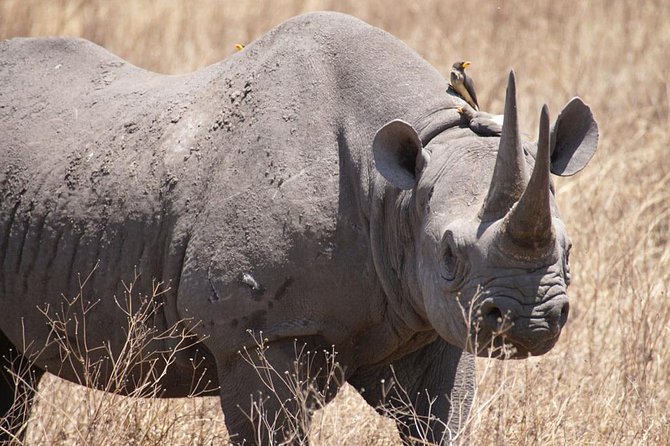
Once inside, you have a compact setting where many species live close together. More than 25,000 large animals are found in the crater, including the main species associated with northern Tanzania. Giraffes are the notable exception, since the crater floor does not offer them the food and access they need.
This is a very efficient wildlife day. You do not need to cover the huge distances found in the Serengeti to find open plains, water, and animals. The high crater rim also gives you dramatic views before the descent.
The limitations are just as real. The crater can feel busy, and the route is not a quiet wilderness drive. You are also at altitude, so the cooler air and higher elevation may be tiring for some people. Still, I would not cut Ngorongoro from a first northern Tanzania safari. It provides a different kind of wildlife experience from the Serengeti.
More Serengeti and Ngorongoro itineraries:
- 3 Days Serengeti & Ngorongoro Group Camping Safari
★ 5.0 · 574 reviews - 5-Day Highlights mid-Range Crater, Serengeti, Tarangire
★ 5.0 · 296 reviews - 3-Day Classic Serengeti Safari
★ 5.0 · 263 reviews - Private 6-Day Tarangire Manyara Crater and Serengeti with Mid-Range Lodges
★ 5.0 · 238 reviews
Days 4 and 5: Entering the Serengeti and following the migration
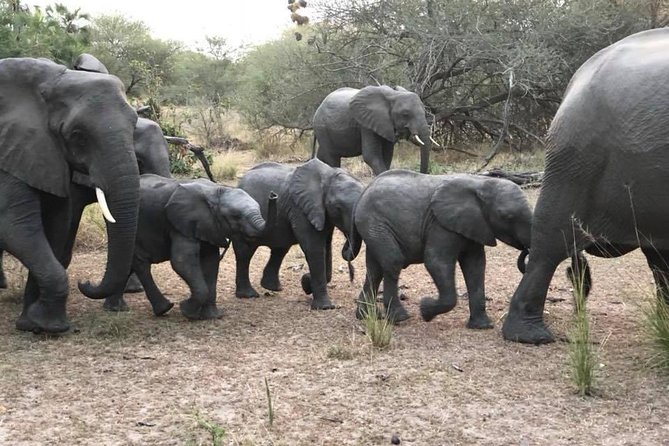
Day 4 takes you to Seronera, in the central Serengeti. The national park covers about 15,000 square kilometers, but it is only part of the larger Serengeti ecosystem, which also reaches toward the Ngorongoro plains and other adjoining areas.
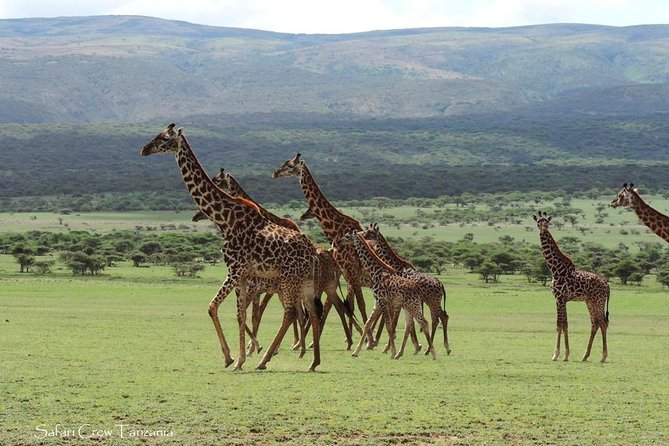
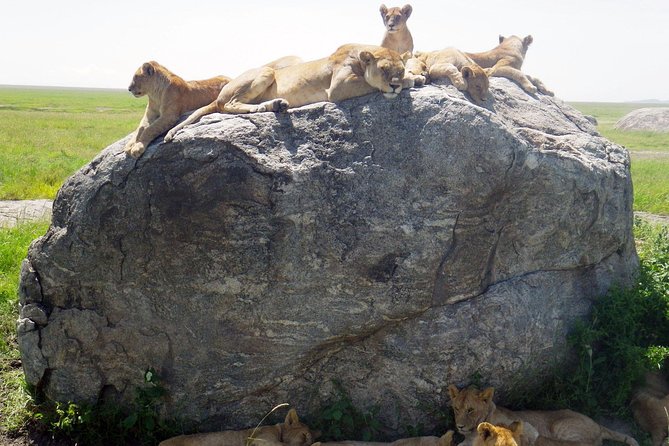
The scale changes at once. Instead of a contained crater, you have broad open country and the possibility of long animal movements. The ecosystem supports huge numbers of wildebeest, zebras, gazelles, lions, leopards, cheetahs, elephants, giraffes, hippos, crocodiles, and more than 400 bird species.
Seronera is a strong base for wildlife viewing because it sits in a central part of the park. You may find predators as well as large grazing herds, though sightings are never guaranteed. A good guide makes a real difference here by reading tracks, watching animal behavior, and choosing where to spend limited daylight.
Day 5 centers on the Mara River in the northern sector. This is the part of the route designed around the migration. Between July and October, wildebeest and zebras move through northern Serengeti country in search of fresh pasture and water.
The phrase Great Migration can create the wrong picture. It is not one single procession that arrives on schedule. Herds are spread across a vast ecosystem, and river crossings depend on rain, grass, animal movement, and chance. You might see a huge herd near the river, a crossing, animals gathering on the bank, or no crossing at all.
That uncertainty is part of the experience, but it is also the biggest practical consideration. If your priority is specifically a Mara River crossing, choose your dates carefully and accept that nature keeps the timetable. Even without a crossing, the northern Serengeti is valuable for its open space and large herds.
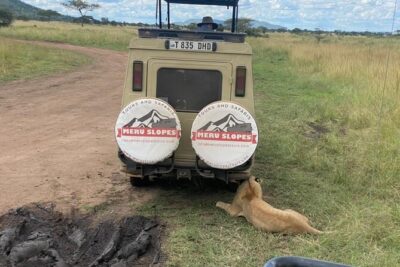
The two Serengeti days are long, roughly eight hours each. Bring patience. Wildlife viewing involves stretches of quiet driving, sudden stops, and time spent waiting for an animal to move into view. The Italian guide can make those pauses more rewarding by explaining what you are seeing and helping you understand why the vehicle has stopped.
Day 6: Leaving the Serengeti for Lake Natron
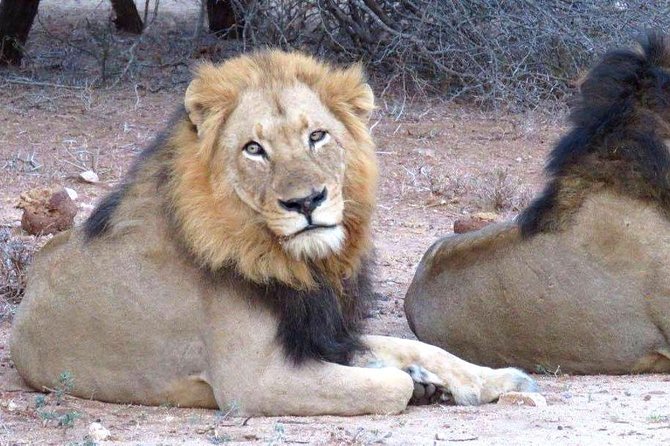
Day 6 begins with one last game drive in the northeastern Serengeti. The route then leaves the park on a rough track toward Lake Natron, with broad views along the way.
Lake Natron is a sharp contrast to the Serengeti. It is an alkaline lake in a Rift Valley depression, surrounded by rugged volcanic country. The lake is about 50 kilometers long and 25 kilometers wide, and its waters support cyanobacteria that attract large numbers of pink flamingos, especially during the dry season from June through October.
This is not a polished resort stop. The setting is arid, stark, and striking. The rough road is part of the price of reaching a less-developed area, so expect the day to feel more demanding than a standard park transfer.
Ol Doinyo Lengai, the sacred volcano of the Maasai people, dominates the area. At nearly 3,000 meters, it is the only volcano in the world known for natro-carbonatitic lava. The ascent is no longer organized because the 2007 and 2008 eruption made the route much harder and removed the former resting areas.
You do, however, have a walking excursion along the Engare Sero area. The information provided does not give the exact length or difficulty, so ask for those details before setting out. This part of the itinerary is valuable because it gets you out of the vehicle and closer to the volcanic setting, but it may not suit anyone looking for an easy or highly comfortable day.
Day 7: A volcanic morning and Tarangire elephants
The morning continues around Lake Natron with a walk to the lake shore through rough, almost lunar scenery. The route crosses a valley flanked by volcanic peaks formed through Rift Valley earthquakes before continuing toward Mto wa Mbu and Tarangire National Park.
Tarangire feels different from every earlier park on this trip. At about 2,600 square kilometers, it is known for enormous baobabs, elephants, dry-country scenery, and a high number of bird species, with about 500 recorded.
The Tarangire River is the park’s central water source. During the dry season, it and the Silale Marsh can be among the few dependable water sources available, drawing elephants, buffaloes, lions, leopards, antelopes, gazelles, wildebeest, and zebras.
An afternoon game drive gives you a useful final change of scenery. The large elephant herds and baobab trees create a strong visual finish, though the afternoon drive is only listed at about four hours. After the open Serengeti, Tarangire feels more enclosed and textured, with trees shaping the views.
Day 8: One last game drive and the return to Arusha
The final morning starts with an early game drive in Tarangire. Early hours are usually the right time to be out in a wildlife park, and this gives you one last chance to see animals before the return drive.
You then head back to Arusha for lunch and an airport transfer. The day is listed at about four hours, but your flight time matters. Give yourself a generous buffer, since safari roads and park exits do not operate like an urban airport transfer.
The itinerary ends in Arusha rather than extending to Zanzibar or another beach destination. That makes it easy to add a separate trip afterward, but no flights or beach stay are included in this price.
What $4,100 includes, and what it does not
The price is $4,100 per person. That is not a budget safari figure, but the included services cover the expensive core of the trip:
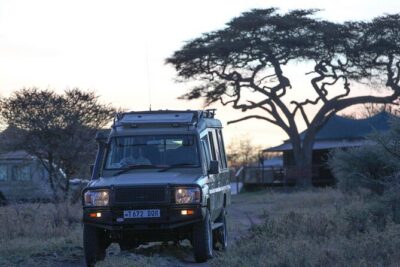
- 4×4 safari transport
- A small group of no more than six people
- An Italian-speaking guide
- Park fees
- Airport and other transfers
- Full board
- Breakfast on all eight days
- Seven lunches and seven dinners
- Water in the vehicle
- AMREF insurance
- All listed fees and taxes
You still pay for international and domestic flights, the Tanzania entry visa, drinks at the lodges, and personal spending. Those exclusions can add up, especially if you want drinks beyond the supplied vehicle water or have several flights in your wider holiday plan.
The value is strongest if you want one organized package with major park fees, meals, transport, and a guide already arranged. It is less compelling if you prefer independent planning, a private vehicle, or more nights in one place.
Accommodation details should be confirmed before payment. The experience includes full board, and the available information refers to lodges and tented camps, but the exact properties are not specified here. Ask for the accommodation list and check whether the room style suits you.
The Italian guide and the human side of the trip
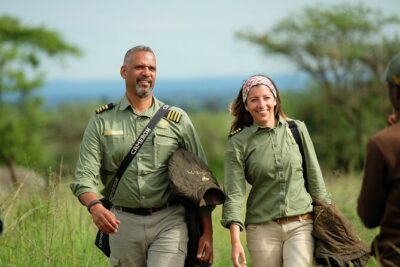
A safari guide does more than drive. The guide controls the daily rhythm, explains animal behavior, helps with park rules, and often shapes how much you notice.
Past Italian-speaking guides connected with this safari include Jo, Naftal, Mussa, Kahim, Michael, Omari, and Martini. Their names are useful when you request a departure, but they do not guarantee who will lead your group. Ask which guide is assigned and how fluent the Italian will be.
The strongest human element is the combination of local guiding and Italian communication. That can be especially useful for families, couples, and anyone who wants to ask frequent questions about wildlife or Tanzania’s culture without translating every thought.
The group limit of six is another major plus. You are still sharing the vehicle, so this is not the same as a private safari. But it is a manageable size, and it should make daily decisions less cumbersome than a large coach group.
Who should book this safari
I would recommend it to you if you want:
- The Great Migration as the main reason for visiting Tanzania
- A full northern circuit in eight days
- An Italian-speaking guide
- A small shared group
- Full board and park fees handled in one package
- A mix of famous parks and less usual stops
- A trip with both game drives and a walking excursion
I would think twice if you want a slow holiday with little road time. The route covers large distances, includes rough tracks near Natron, and has several long game-drive days.
I would also avoid choosing it based only on the promise of a river crossing. The northern Serengeti is the right region for that goal in the right season, but wildlife does not follow a tour schedule.
Cancellation terms are strict close to departure. A full refund requires cancellation at least six full days before the start time, while cancellations two to six days ahead receive 50 percent. Less than two full days brings no refund, and the local time cutoff applies.
FAQ
How long is the safari?
The safari lasts approximately eight days, beginning with arrival and transfer to Arusha and ending with a return to Arusha and transfer to the airport.
Which parks and areas are included?
The route includes Lake Manyara, Ngorongoro Crater, Serengeti National Park, the Mara River area, Lake Natron, Ol Doinyo Lengai, and Tarangire National Park.
Is an Italian-speaking guide included?
Yes. The safari includes an Italian-speaking guide. Past departures have included guides named Jo, Naftal, Mussa, Kahim, Michael, Omari, and Martini, though the assigned guide is not specified in advance here.
How large is the safari group?
The maximum group size is six people.
Is the Great Migration guaranteed?
No. The route reaches the northern Serengeti and Mara River area, where the migration commonly occurs from July through October, but herd movements and river crossings cannot be guaranteed.
Are meals included?
Yes. Full board is included, with breakfast on all eight days, seven lunches, and seven dinners.
Are flights and the visa included?
No. International and local flights, the Tanzania entry visa, lodge drinks, and personal extras are not included.
Should you book it?
Book this safari if you want a carefully planned, Italian-supported route through the best-known parks of northern Tanzania, with the migration as the central goal. The combination of Serengeti, Ngorongoro, and Tarangire is strong, while Lake Natron adds volcanic scenery and a more remote feel.
Before committing, confirm your travel dates, the exact accommodation, the assigned guide, and the expected group makeup. If those details fit your needs, the $4,100 price buys a great deal of logistical support and wildlife time. Just bring patience, accept long drives, and remember that the most exciting sight in the Serengeti is never guaranteed to arrive on cue.
Newly listed around Arusha
- 5-Day Private Safari Tour in Tanzania’s Wildlife★ 5.0 · 3 reviews
- 3 Days private safari Tarangire ,Ngorongroro crater &Manyara★ 5.0 · 3 reviews
- 3 Day Sharing Safari – Manyara, Ngorongoro Crater and Tarangire National Parks★ 5.0 · 3 reviews
- Tarangire National Park Day Trip★ 5.0 · 3 reviews
- 2 Days Tarangire and Ngorongoro Crater Tour★ 5.0 · 3 reviews
- 6 -Day Tarangire, Manyara, Serengeti & Ngorongoro★ 5.0 · 3 reviews
- 5 Days Group Camping Safari★ 4.7 · 3 reviews
- 4 Days Tanzania Safari★ 4.5 · 3 reviews
Serengeti & Ngorongoro Safaris, compared.
Balloon Safari & Bush Breakfast in Serengeti – Miracle Experience
Read our review →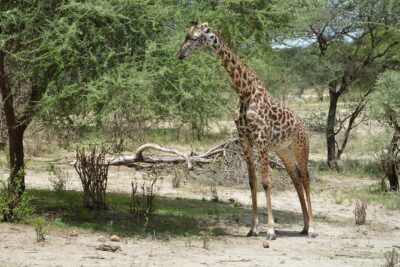

Private 6-Day Tarangire Manyara Crater and Serengeti with Mid-Range Lodges
Read our review →