

Reviewed · SPICE FARM TOURS
Spice Farm – spice up your life in Zanzibar
Zanzibar’s spice farms turn a familiar sightseeing trip into a hands-on lesson in food, trade, and daily life. You smell fresh cinnamon bark, handle cloves, taste tropical fruit, and see how the island’s warm climate helped make it famous across the world.
I like the way this tour connects plantation life with Zanzibar’s trade history, rather than treating spices as items on a shop shelf. I also like the generous food side: fresh fruit tasting leads into a local lunch cooked with the same herbs and spices you have just seen.
The main caution is practical. One booking received no hotel pickup or working contact, so confirm your reservation and pickup details before the day. Most of the available feedback is very positive, but that serious service failure is worth keeping in mind.
Key points
- Cloves, vanilla, and cinnamon in their natural setting: See, smell, and taste the plants instead of only hearing their names.
- A food-focused finish: Sample mangoes, papaya, pineapple, bananas, passion fruit, and other local fruit before a traditional Zanzibar meal.
- A rural side of Unguja: Leave the main resort areas and visit villages and farms in Zanzibar’s South Region.
- Useful cultural context: Learn how spices arrived from Asia and Latin America and became central to Zanzibar’s economy.
- Flexible booking terms: Reserve now and pay later, with a full refund available if you cancel at least 24 hours ahead.
- Hotel transport included: Pickup, return, taxes, fuel surcharges, service fees, and bottled water are covered in the $60 price.
Why Zanzibar’s spice farms matter
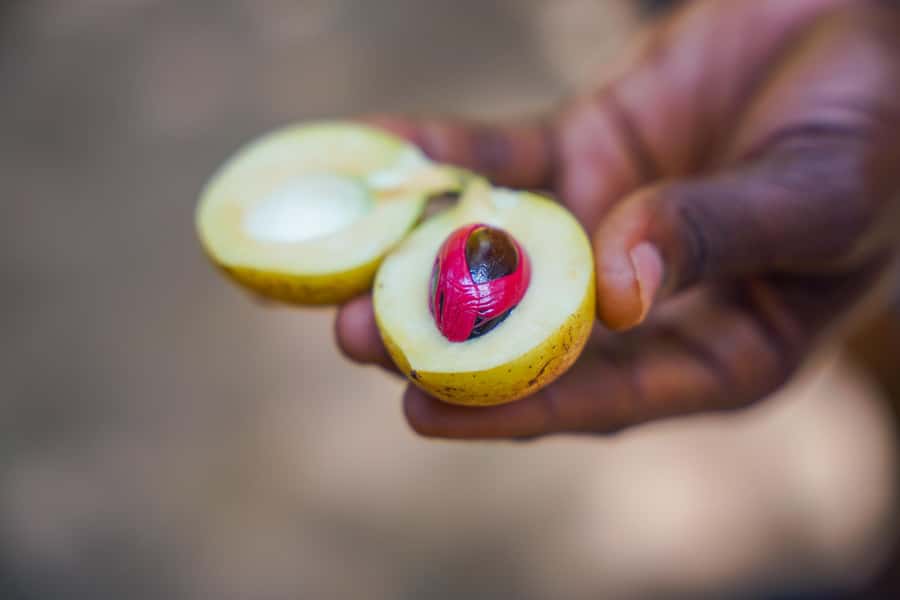
Zanzibar is often called the Spice Island for good reason. Cloves, nutmeg, cinnamon, and other products helped make the islands an important center of the spice trade.
The tour explains that spices were brought from Asia and Latin America in the 16th century. Zanzibar’s hot, wet tropical climate gave them a place to grow, and plantations became a lasting part of the island’s identity.
I find this background useful because it gives the farm visit a clear purpose. You are not simply walking past plants and trying to remember their names. You are seeing the crops that shaped trade, cooking, medicine, and local work.
The setting also gives you a look at rural Unguja, the main island of the Zanzibar archipelago. The experience takes you away from the beach and into villages and agricultural areas, where the pace and scenery are different from the coastal hotel zones.
More spice farm mornings:
- Zanzibar: Stone Town, Spice Tour, Prison Island with Lunch
★ 4.4 · 1,219 reviews - Zanzibar: Prison Island, Stone Town, & Spice Farm Tour
★ 4.5 · 579 reviews - Zanzibar: Stone Town, Spice tour & Prison Island with Lunch
★ 4.6 · 453 reviews
Following the scent of cinnamon and cloves
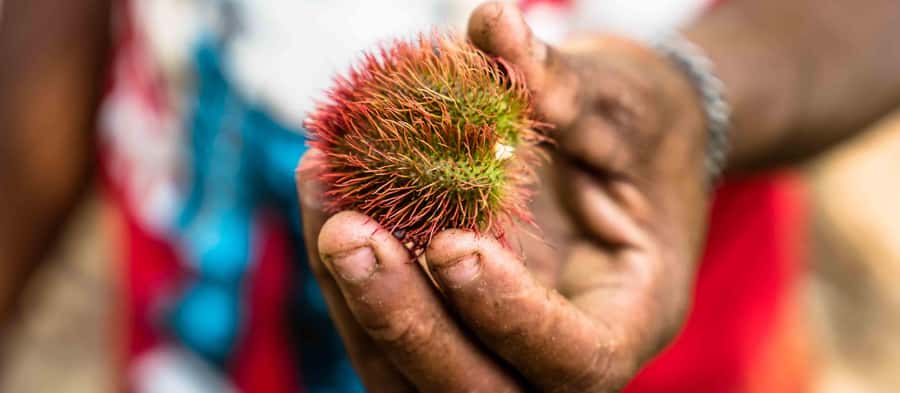
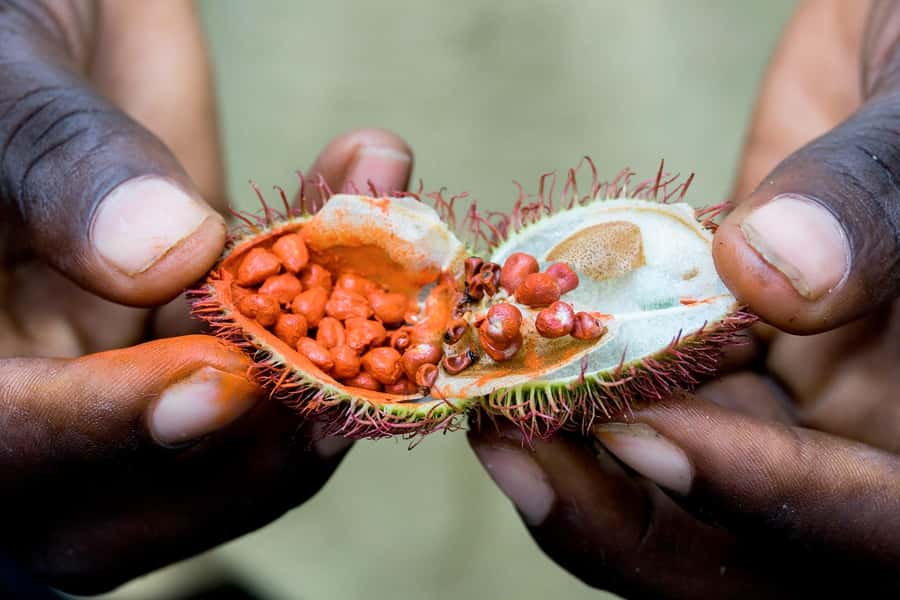
The main part of the excursion is a guided walk through spice plantations and village areas. Your guide points out the plants, explains their uses, and invites you to smell or taste them where appropriate.
Cinnamon is especially easy to understand when you see the bark itself. The familiar sweet smell comes from the inner bark, not from a mysterious powder prepared somewhere else. Cloves offer another useful lesson, since the spice begins as flower buds before drying.
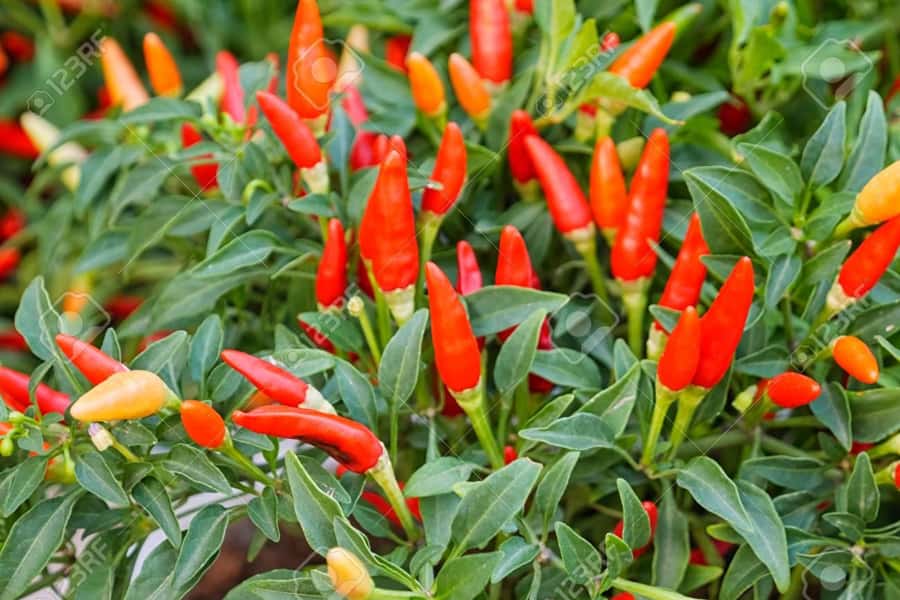
You can also encounter vanilla, nutmeg, lemongrass, ylang-ylang, cumin, ginger, pepper, tamarind, chili, and other crops. The variety is one of the strongest reasons to book this trip. Even if you cook with several of these at home, it is different to meet them as living plants.
The guide also covers culinary and medicinal uses. That makes the walk more practical. You learn not only what a plant is called, but why it matters in food and traditional remedies.
The guides are described as friendly, informative, and sometimes funny. That tone matters on a walking tour. A dry list of plant names can become tiring, while a guide who encourages you to use your senses keeps the visit moving.
You should expect an active, outdoor experience rather than a formal museum tour. The supplied information does not give a fixed duration, walking distance, group size, or detailed route, so ask about those points if they affect your planning.
Tropical fruit tasting with a local twist
Spices are only half of the food story. During the visit, you can taste freshly picked tropical fruit such as mangoes, passion fruit, avocado, papaya, local grapefruit, bananas, and pineapple.
This part adds welcome variety. After the sharp scent of cloves or the warmth of chili, fruit gives you a sweeter and cooler taste of Zanzibar’s farming culture.
The fruit selection may vary with the season. The experience description lists many possibilities rather than promising every item on every visit, so think of it as a broad tasting rather than a fixed fruit plate.
I like this part because it helps you connect the farm with ordinary meals. You are not only learning about export crops. You are also seeing the produce that can appear in local kitchens and markets.
If you have a favorite fruit, ask your guide about it. The multilingual service is offered in English, Italian, German, French, and Russian, which can make it easier to ask questions about names, uses, and preparation.
A Swahili lunch cooked at the farm
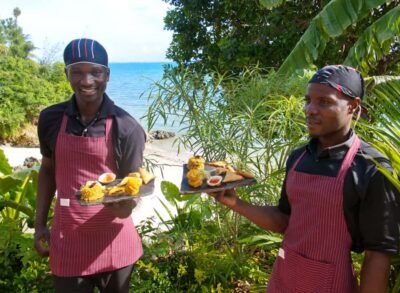
The visit ends with traditional Zanzibar food prepared in a local kitchen at the farm. Local herbs and spices are part of the cooking, so lunch acts as a practical follow-up to the morning’s lessons.
This is where the tour earns much of its food value. You have already smelled and tasted raw ingredients, then you get to experience how they work in a finished meal.
The meal is described as a traditional Swahili lunch, but no fixed menu is provided. You should not book this expecting a particular dish unless the operator confirms it in advance.
A useful detail is that lunch is included in the $60 price, along with bottled water. The food is not an optional add-on, and there are no separate taxes, fuel surcharges, or service fees listed on top of the advertised cost.
The meal also gives the visit a social quality. Sitting down to eat after the farm walk makes the experience feel less like a quick photo stop and more like a connection between crops, cooking, and local life.
More farm visits in Kendwa:
- Full-Day Private Stone Town +Spice Farm and Prison Island Tour
★ 4.5 · 216 reviews - Zanzibar: Stone Town & Spice Farm Tour with Lunch
★ 4.5 · 97 reviews - Zanzibar:Stone Town & Spice Farm Private Tour Lunch Included
★ 4.2 · 94 reviews - Zanzibar full day Jozani forest + Spice farm and stone town
★ 4.7 · 90 reviews
What the $60 price covers
At $60 per person, the tour is not the cheapest way to spend a day in Zanzibar, but the inclusions make the price easier to judge.
You receive hotel pickup and return, a guided plantation visit, fruit tasting, lunch, bottled water, and the listed taxes and service charges. Transport alone can add real value on an island where rural farms may not be close to your hotel.
I would compare this price with the cost and effort of arranging separate transport, a local guide, and a meal. The tour combines all three parts in one booking, which suits you if you want a simple plan rather than negotiating each piece yourself.
The value is strongest for anyone interested in food, agriculture, or local culture. If you only want a short beach excursion, the farm visit may feel less important. If you enjoy understanding where ingredients come from, the hands-on format justifies more of the cost.
There is no duration listed, so I would ask before booking if you have another paid activity scheduled the same day. Pickup times, drive time, and the length of the plantation walk can affect how tightly you can plan the rest of your day.
Hotel pickup and the one serious warning
Hotel pickup and return are included, which is a major convenience. You do not need to arrange a taxi to a meeting point, and a return transfer removes some of the uncertainty after lunch.
Still, I would treat the reservation details carefully. One customer reported that the promoter failed to appear at the hotel, did not answer emails, and supplied a phone number that was not assigned. Another contact reached through the activity provider did not recognize the reservation.
That is a serious problem, even though other accounts describe pickup and return as working perfectly. Before your date, confirm the hotel name, pickup time, provider contact, and reservation reference in writing.
This is especially important if you are staying outside the main hotel areas. The supplied information does not list a surcharge for remote hotels, but you should confirm the pickup zone directly.
The booking terms offer some flexibility. You can reserve and pay later, and cancellation at least 24 hours before the start time qualifies for a full refund. That helps if your Zanzibar plans are still changing.
What the experience does especially well
The strongest part of the tour is its mix of senses and explanation. You smell plants, taste fruit, hear stories about trade, and eat a meal that uses local seasoning.
The food component earns particular attention. The combination of fruit tasting and a farm-cooked Swahili lunch gives the excursion a clear beginning, middle, and end. It is not just a walk followed by a generic restaurant meal.
The guides also seem to make a difference. The experience is available in several languages, and the feedback describes the explanations as both competent and entertaining. That is useful for families and mixed-language groups, since the guide can adjust the presentation.
The rural setting is another strength. You get beyond the resort strip and see a part of Zanzibar tied to farming and village life. The visit remains tourist-friendly, but it has more local texture than a simple spice shop stop.
Limits you should know before booking
The tour does not provide enough detail to promise a precise route, set menu, tour length, or group size. If you need an exact schedule, contact AMAYA TOURS COMPANY LIMITED before paying.
The experience can also be less appealing if you dislike outdoor walking, plant scents, or food tastings. Some spices have strong smells, and the tour asks you to pay attention to ingredients rather than offering constant sightseeing variety.
The farm visit is educational, but it is not described as a historic building tour or a formal plantation museum. You should book it for living plants, local food, village surroundings, and guide-led explanation.
The booking problem described above is the clearest risk. It does not erase the many positive accounts of good organization, but it means you should not rely on an unconfirmed phone number. Keep written confirmation until the pickup is complete.
Who will enjoy this spice tour most
I would recommend this experience to you if you like food with a story behind it. It works well for curious cooks, families, first-time visitors to Zanzibar, and anyone who wants a break from the coast.
It is also a good choice if you want a guided cultural outing without giving up lunch or hotel transport. The multilingual options help if English is not your first language.
You may want to skip it if your schedule is very tight and the missing duration details make planning difficult. You may also prefer another excursion if your main goal is wildlife, beaches, or major historical sites.
For families, the tasting format can help keep younger participants interested, though the available information does not specify child pricing or age limits. Ask the operator before booking if you need those details.
How to prepare for the farm visit
Wear clothing suited to a warm outdoor setting and shoes that are comfortable for walking around farms and village paths. The supplied details do not give a dress code or terrain description, so practical clothing is the safest choice.
Bring an appetite for lunch and an interest in trying unfamiliar fruit. Bottled water is included, but you may still want to check what personal items are useful for your hotel pickup and outdoor time.
If you have food allergies or dietary needs, ask about the lunch before booking. The meal is described as traditional Zanzibar cuisine, but no ingredients or alternative menu are listed.
I would also keep room in your luggage for spices. Buying cinnamon, cloves, vanilla, or another local product can be a useful gift, and the excursion specifically includes the chance to purchase spices for friends at home. Check any airline or customs rules before packing them.
Should you book the Zanzibar Spice Farm tour?
Yes, if you want an easy-to-arrange excursion built around food, farming, and local culture. The $60 price includes transport, lunch, water, and fees, and the farm walk gives you more than a standard souvenir stop.
I especially like the progression from living plants to tropical fruit to a Swahili meal. It helps you understand Zanzibar through your senses, not just through a guide’s speech.
Book with one simple safeguard: confirm the pickup and provider contact in writing before the day. If that detail is secure, this is a well-rounded choice for a taste of rural Unguja and the island’s long connection with spices.
FAQ
Where does the spice tour take place?
The experience is located in Zanzibar’s Unguja South Region in Tanzania. It visits rural areas, villages, and spice plantations.
How much does the Zanzibar Spice Farm tour cost?
The listed price is $60 per person.
Is hotel transportation included?
Yes. Pickup from your hotel and return to your hotel are included.
Is lunch included?
Yes. A local lunch at the farm is included, along with bottled water.
Which languages are available?
The tour is offered in English, Italian, German, French, and Russian.
Can I cancel for a full refund?
Yes. You can cancel up to 24 hours in advance for a full refund. You can also reserve your place and pay later.
Newly listed around Kendwa
- Zanzibar: Nungwi/Kendwa Beach Sunset Dhow Cruise with Fruits★ 3.4 · 3 reviews
- Nungwi and Kendwa: Sunset Cruise Dhow★ 3.7 · 3 reviews
- Zanzibar: African Sunset Boat Party in Zanzibar Music, Views★ 4.3 · 3 reviews
- FROM KENDWA; Mnemba snorkelling and Dolphin tour★ 4.6 · 4 reviews
- From Kendwa/Nungwi: Mnemba Dolphins with Snorkel Tour★ 5.0 · 6 reviews
- Zanzibar jetski Adventure Tour★ 4.9 · 6 reviews
- Nungwi: Mnemba Atoll Dolphins Tour with Snacks | Half-day★ 4.0 · 7 reviews
- Jet Ski Adventure Zanzibar :Fun at Kendwa/Nungwi Beach★ 4.6 · 11 reviews
Spice Farm Tours, compared.



Full-Day Private Stone Town +Spice Farm and Prison Island Tour
Read our review →
The Swahili Spice Experience – Spice Tour + Culinary Journey
Read our review →Browse the lists this tour appears in