
Reviewed · ARUSHA TOURS
Private 7-Day Tanzania Camping Safari
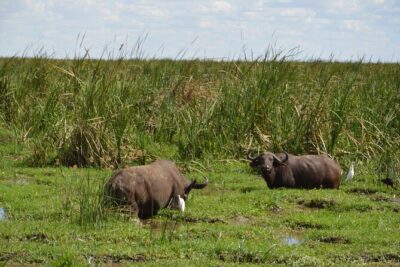
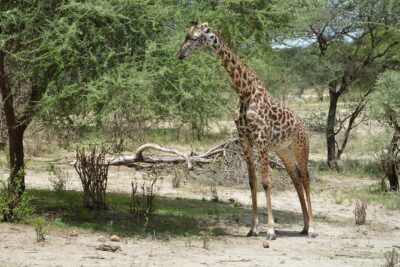
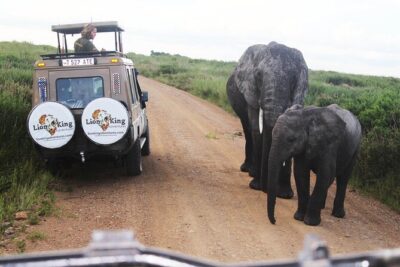
The heart of this safari is time in the Serengeti, where you get several game-drive days instead of a quick pass through the park. That matters. Wildlife sightings are never promised, but extra hours give your guide more chances to find lions, cheetahs, elephants, buffalo, and perhaps a black rhinoceros.
I like the private format, since your group can spend more time watching an animal instead of following someone else’s schedule. I also like the camping setup with a dedicated chef, fresh meals, and breakfast, lunch, and dinner included. The main caution is the pace: this is a serious road trip with long drives, early starts, basic campsites, and several days in a safari vehicle.
Key points to know before booking
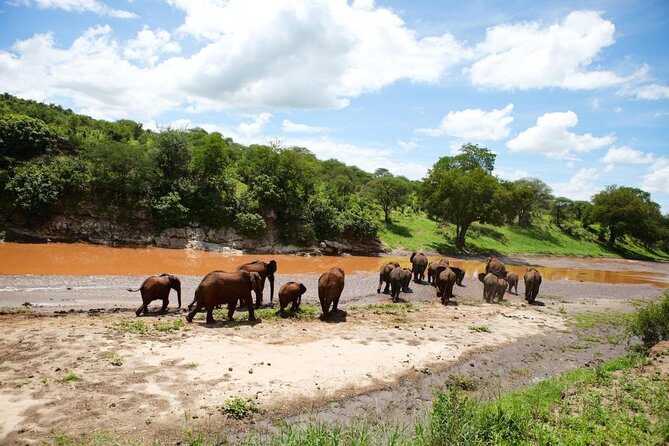
- Four major wildlife areas: The route includes Tarangire, Lake Manyara, Serengeti, and Ngorongoro Crater.
- Three nights around Seronera: The central Serengeti gets the most attention, with river circuits, kopjes, and early game drives.
- Private vehicle and group: Only your party takes part, giving you more control over stops and viewing time.
- Camping with a chef: Breakfast, lunch, and dinner are included, including picnic lunches on full-day drives.
- Guides make a major difference: Past bookings specifically praise guides including Max, James, Ezekiel, Josen, Frederick, Damien, and Freddy.
- Allow for schedule checking: The supplied day-by-day description contains some route and day-label mix-ups, so confirm the final order before paying.
A seven-day route built around the Serengeti
This is not a gentle lodge-hopping holiday. You spend much of the week moving through northern Tanzania by road, sleeping at campsites, and heading out early when animals are most active.
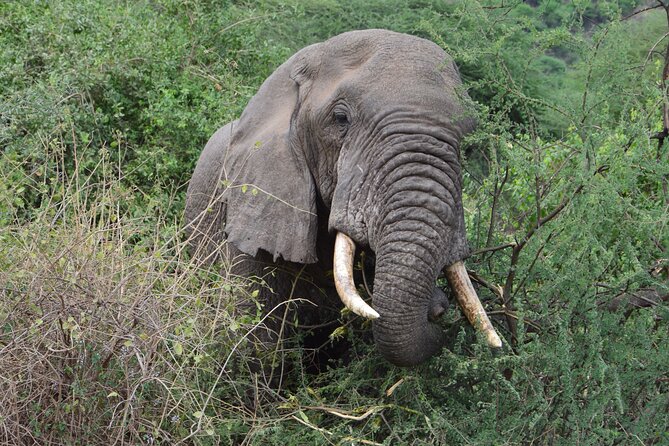
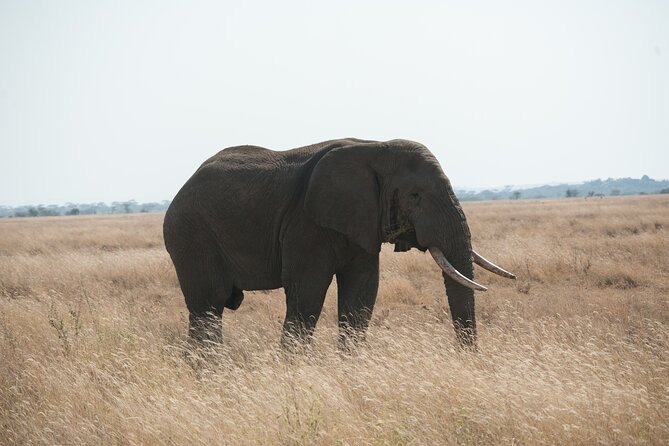
The reward is variety. Tarangire brings elephants and baobab country. Lake Manyara offers forest, lake, and Rift Valley scenery. The Serengeti supplies the wide-open plains and repeated game drives. Ngorongoro adds a compact crater setting where many species can be seen in a relatively small area.
The published itinerary has a few inconsistencies. One day heading says Tarangire but describes the drive toward the Serengeti. Another lists Serengeti while describing departure for Lake Manyara. The overall route clearly intends to include all four parks, but I would ask Suricata Safaris for the exact camping sequence, park-entry timing, and overnight locations before you travel.
More Safaris in Arusha
- Balloon Safari & Bush Breakfast in Serengeti – Miracle Experience
★ 5.0 · 1,646 reviews - 4 Days Group Camping Safari
★ 5.0 · 1,101 reviews - 5 Days Group Camping Safari
★ 5.0 · 730 reviews
Day 1: Tarangire and the road toward the Serengeti
The program begins after breakfast from Jevas Hotel EncoreTZ in Arusha. Tarangire is known for open woodland, seasonal water, and large elephant sightings, though the supplied schedule gives only a brief description of the stop before moving toward the Serengeti.
The drive takes you through Karatu’s high farmland and the Ngorongoro Conservation Area. This change in scenery is part of the experience. Cultivated highlands give way to wilder country, and then the famous open plains appear as you enter the Serengeti.
The central Seronera area is the intended focus. The Seronera River attracts animals because it provides a dependable water source, making it a useful place to search for a broad mix of species. You arrive around lunchtime, then continue with afternoon viewing according to the day’s timing.
The drawback is distance. Northern Tanzania looks close on a map, but the roads and park tracks make transfers slow. If you prefer a holiday with little time in a vehicle, this safari may feel demanding. If you see the drives as part of the story, the changing countryside makes them worthwhile.
Days 2 to 5: Four ways to experience the Serengeti
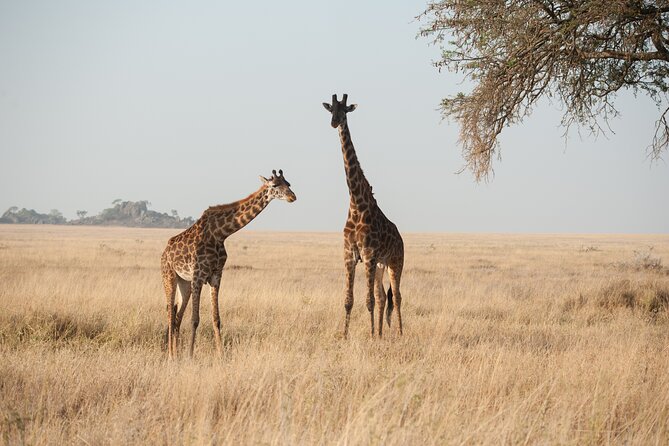
The itinerary gives the Serengeti several days, which is its strongest feature. You are not limited to one rushed afternoon. The schedule includes early morning drives, full-day outings, picnic lunches, and late-evening viewing.
Seronera River and the central plains
Seronera is one of the most useful bases in the park because its river and surrounding habitats support many kinds of wildlife. Your guide’s skill matters here. A guide such as Max, James, Ezekiel, Josen, or Frederick is expected to do more than drive, since the strongest feedback repeatedly highlights patient explanations, wildlife knowledge, and careful animal spotting.
Past bookings also single out guides named Damien and Freddy, along with chefs including Salim, Tito, and Ben. You are not guaranteed a particular person unless the operator confirms it, so ask when booking if a named guide is important to you.
More camping safaris in Arusha:
- 3 Days Serengeti & Ngorongoro Group Camping Safari
★ 5.0 · 574 reviews - 2 Days Tarangire and Ngorongoro Group Camping Safari
★ 5.0 · 146 reviews - 6 Days Tanzania Budget Camping Safari
★ 5.0 · 145 reviews - 3 Day Serengeti National Park & Ngorongoro Crater Camping Safari
★ 5.0 · 142 reviews
Early starts and late drives
One morning begins with departure from camp at about 8:30, while other days call for early game drives. The exact time may change with park rules and the final route, but the pattern is clear: you will rise early for cooler hours and better chances of seeing active animals.
The itinerary also includes a late-evening game drive on one Serengeti day. That adds variety, but it can make the day tiring. Bring patience as well as a camera. A safari is not a parade of constant sightings. Quiet stretches are normal, and your guide may spend time reading tracks, checking likely water sources, or waiting near a promising area.
Sogore River circuit
The Sogore River circuit loops into the plains south of the Seronera River. It is listed as a good area for lion, gazelle, topi, ostrich, and cheetah.
This is the kind of route that rewards a flexible schedule. You may spend a few minutes with a single species or stop longer when a predator appears. The private format helps here, since your group can discuss whether to remain with an animal or continue searching.
After the morning drive, the Seronera Visitor Center offers a change of pace. It has wildlife displays, a gift shop, maps, and information leaflets. It is a practical stop, especially if you want more context than you can get from the vehicle alone.
Maasai Kopjes and the open plains
The afternoon Kopjes circuit goes around the Maasai Kopjes. These rocky outcrops interrupt the flat grasslands and create useful lookout points for lions. The itinerary also warns of the possibility of seeing large cobras, a reminder that the safari includes smaller and less predictable wildlife, not only the famous mammals.
The Serengeti’s appeal is its sense of space. Sunburnt grasslands can turn green and flower-speckled after rain. Fig trees line some waterways, termite mounds rise from the soil, and acacia woodland brings shade and texture to the open country.
You should expect dusty roads and long periods seated in the vehicle. Comfortable clothing, sun protection, and a camera with spare batteries are sensible choices, although the exact equipment provided is not specified.
Lake Manyara: forest, lake, and Rift Valley views
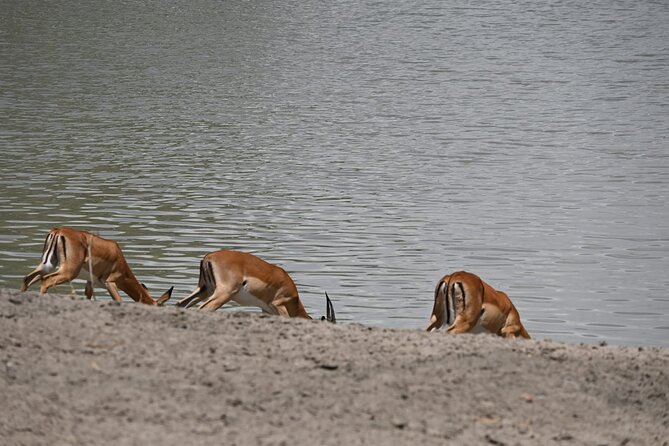
The Lake Manyara portion is shorter than the Serengeti section but adds a completely different setting. The park stretches along the base of a 600-meter Rift Valley escarpment and includes a compact game-viewing circuit.
Near the gate, the road passes through groundwater forest. This is a welcome change after the Serengeti’s broad grasslands. You might find monkeys and forest birds here, while the lake margins can bring larger mammals and water birds. The available information describes Lake Manyara as a small-scale version of the wider Tanzanian safari, with several habitats packed into a relatively limited area.
You carry a picnic lunch and spend about six hours on the day’s activity before heading to Twiga campsite for dinner and the night. That timing means you should not expect a slow hotel-style afternoon. The park is designed for active viewing, followed by a practical camp routine.
One caution concerns the route order. The written schedule places Lake Manyara between Serengeti references, even though many versions of this northern circuit visit Manyara earlier. Confirm the final sequence. The important point is that Lake Manyara is included, but the exact day may depend on the operator’s operating plan.
Olduvai Gorge and Ngorongoro Conservation Area
After the Serengeti, the journey continues toward Ngorongoro Conservation Area. The planned stop at Olduvai Gorge adds a human-evolution story to a trip otherwise focused on wildlife.
Louis and Mary Leakey made major discoveries here, including the remains known as Nutcracker Man and Handy Man. The stop gives you a reason to look beyond the animals and understand why this part of Tanzania matters to human history.
You then arrive in time for lunch before descending more than 600 meters into Ngorongoro Crater for a half-day safari. The crater is unlike the open Serengeti. Its enclosed setting brings wildlife into a smaller area, while the crater walls give the drive a dramatic sense of arrival.
The overnight is at Ngorongoro Simba Campsite. Camping near the crater can be chilly, particularly in the early morning, but the location supports an early start. The supplied details do not specify tent size, mattresses, showers, or toilet arrangements, so ask about these before booking if comfort is a concern.
Day 7: Six hours on the crater floor
The final full wildlife session begins with an early breakfast and a direct drive to the crater floor. You spend about six hours watching animals, with a picnic lunch at Ngoitoktok Spring.
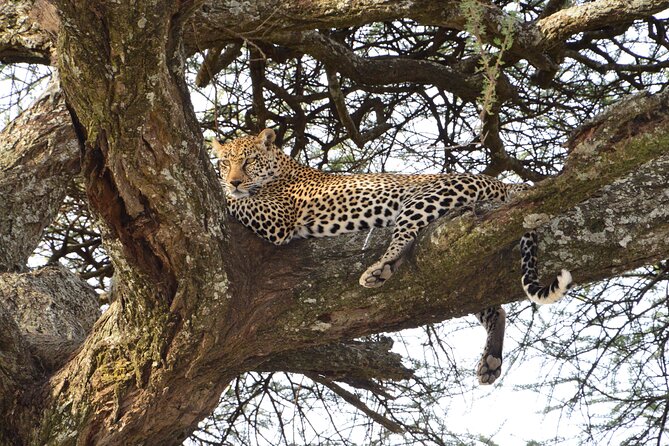
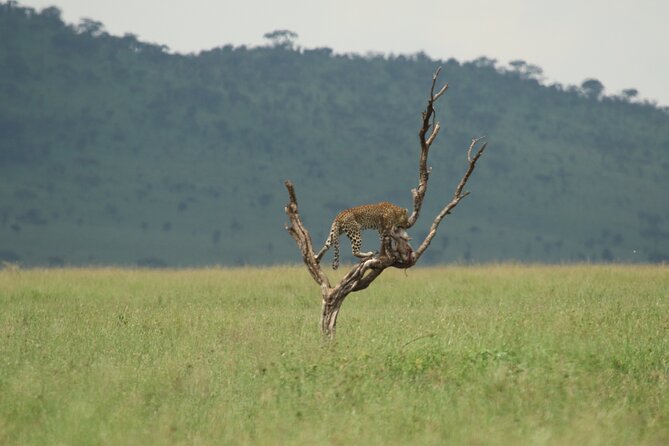
The crater is one of the better places on this route to search for several large species in one day. The planned list includes lions, leopards, elephants, buffalo, and possibly black rhinoceros. You might also see hippos, giraffes, warthogs, baboons, and many birds.
The wording about the Big Five should be read as an opportunity, not a guarantee. Wildlife moves freely, and leopards and black rhinos can be especially difficult to find. Still, the compact crater setting gives your guide a strong area in which to search.
After the game drive, you ascend the crater rim and continue toward Arusha, with a possible stop or drive through Mto wa Mbu village. The tour ends back at the meeting point and includes airport drop-off. Confirm your flight time carefully, since a six-hour crater drive followed by a road transfer can make the final day long.
What camping is really like on this safari
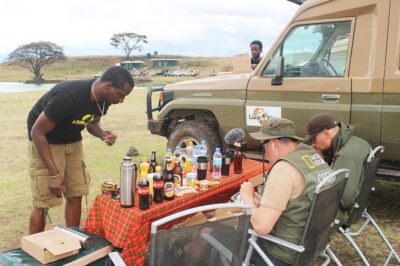
Camping changes the mood of the trip. You are not returning to the same city hotel every night. You sleep at campsites in or near the parks, eat meals prepared by a safari chef, and wake close to the areas where the next drive begins.
That can save valuable road time. It also puts you closer to the basic rhythm of the parks, with early breakfasts, packed lunches, and evenings organized around dinner and sleep.
The food is one of the most praised parts of the experience. Salim, Tito, and Ben are named in past bookings for tasty, fresh, plentiful meals, and some people describe the cooking as a highlight equal to the wildlife. The package includes seven breakfasts, seven lunches, and six dinners. The missing seventh dinner is not necessarily a problem because the final day may finish in Arusha, but confirm where that meal falls.
Camping is not the right choice for everyone. If you need lodge rooms, private bathrooms, or a quiet place to recover from long drives, ask about an upgraded version. If you enjoy simple camp living and want to put more of your budget into park time, this arrangement offers a sensible trade.
Guide quality matters more than the vehicle
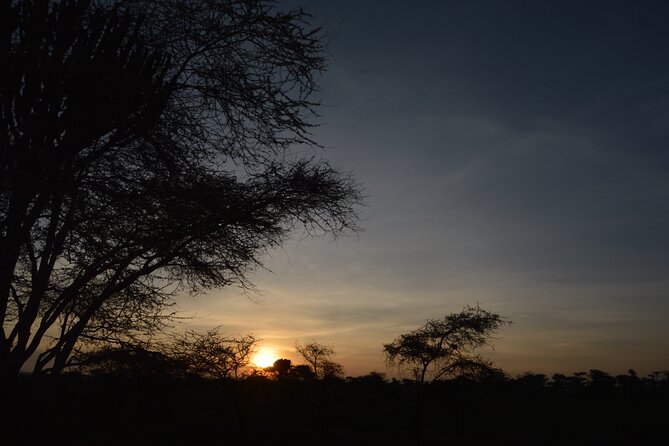
On safari, the guide shapes the day. The strongest praise attached to this experience goes to patient, careful guides who answer questions, explain animal behavior, drive steadily, and search hard without rushing from sighting to sighting.
Max is singled out for patience and steady driving. Ezekiel is praised for answering questions and making a strong effort to find animals. James is described as both a guide and a thoughtful companion, while Josen is noted for keeping a good distance from animals and driving at a comfortable speed.
Those details matter. A guide who explains why an animal behaves a certain way gives you a better understanding than a simple checklist of species. A careful driver also helps keep the viewing respectful. Ask Suricata Safaris which guide is assigned to your departure and whether a particular guide can be requested.
The private arrangement is another advantage. Your group alone takes part, so the day can be more personal than a shared vehicle tour. Private does not mean the roads will be quiet or that you will avoid other vehicles around a popular sighting, but it does give your own group more say in how long to stay.
Is $2,600 a fair price?
At $2,600 per person, this is a substantial trip, but the price covers seven days of transport, park access arrangements, camping, a private group, a guide, a chef, and all listed breakfasts, lunches, and dinners. The value improves if you want several full Serengeti game drives rather than a shorter highlights tour.
The price is easier to justify for a small private group that values control and personal attention. It may feel less attractive if you are comparing it with a basic shared safari or a short lodge package.
Before booking, ask for a written list of what is included beyond the meals. The supplied details do not spell out park fees, camping equipment, drinks, tips, Olduvai Gorge admission, or accommodation standards. Do not assume those items are included simply because the overall price is high.
Who should book this safari?
I would recommend it to you if your main goal is wildlife, especially if the Serengeti is the centerpiece of your Tanzania trip. It suits people who can handle early mornings, long road transfers, simple camping, and changing daily conditions.
It is also a good match for photographers and first-time safari visitors who want time to learn. Several consecutive Serengeti days give you room to understand the park rather than treating it as a quick stop.
I would be more cautious if you have limited mobility, strongly dislike camping, or need a fixed timetable. The itinerary is full, and the final crater-to-Arusha transfer could be tiring. Most people can participate according to the supplied information, but the operator should discuss any personal requirements before departure.
Cancellation is free up to 24 hours before the start time for a full refund. Changes or cancellations within 24 hours are not accepted for a refund under the stated terms.
Final recommendation
I like this safari because it puts the Serengeti at the center while still giving you Tarangire, Lake Manyara, and Ngorongoro Crater. The most convincing strengths are the private vehicle, repeated game drives, included meals, and the care associated with guides such as Max, James, Ezekiel, Josen, and Frederick.
Book it if you want a full, active camping safari and are comfortable trading hotel luxury for more time in the parks. Before you commit, get the corrected day-by-day route, confirm your guide and chef, and ask exactly what camping equipment and park fees are covered. Those checks will tell you whether the $2,600 price fits your expectations.
FAQ
How long is the private Tanzania camping safari?
The experience lasts approximately seven days.
Where does the safari start?
It starts at Jevas Hotel EncoreTZ in Makao Mapya, Arusha, Tanzania.
Where does the safari end?
The activity ends back at the meeting point in Arusha, with airport drop-off included at the end of the tour.
Which parks and wildlife areas are included?
The route includes Tarangire National Park, Lake Manyara National Park, Serengeti National Park, Ngorongoro Conservation Area, and Ngorongoro Crater.
Is this a private tour?
Yes. Only your group takes part in the private activity.
Are meals included?
Yes. The package includes seven breakfasts, seven lunches, and six dinners. Picnic lunches are included on specified full-day game drives.
Can I cancel for a full refund?
Yes, if you cancel at least 24 hours before the experience start time. Cancellations made less than 24 hours before the start time are not refunded.
Is a particular guide guaranteed?
The provided information names guides including Max, James, Ezekiel, Josen, Frederick, Damien, and Freddy in connection with past bookings, but it does not guarantee a specific guide. Ask Suricata Safaris who will lead your departure.
More week long trips in Arusha
- Tanzania Classic – 7 Days
★ 5.0 · 1,151 reviews - 7-Day Premium Luxury Tanzania Safari All-Inclusive
★ 5.0 · 426 reviews - Group Safari 7 Days in Tanzania’s Main Parks
★ 5.0 · 240 reviews - 7 Days Tanganyika Wilderness Safari
★ 5.0 · 159 reviews
Newly listed around Arusha
- 5-Day Private Safari Tour in Tanzania’s Wildlife★ 5.0 · 3 reviews
- 3 Days private safari Tarangire ,Ngorongroro crater &Manyara★ 5.0 · 3 reviews
- 3 Day Sharing Safari – Manyara, Ngorongoro Crater and Tarangire National Parks★ 5.0 · 3 reviews
- Tarangire National Park Day Trip★ 5.0 · 3 reviews
- 2 Days Tarangire and Ngorongoro Crater Tour★ 5.0 · 3 reviews
- 6 -Day Tarangire, Manyara, Serengeti & Ngorongoro★ 5.0 · 3 reviews
- 5 Days Group Camping Safari★ 4.7 · 3 reviews
- 4 Days Tanzania Safari★ 4.5 · 3 reviews
Arusha Tours, compared.
Balloon Safari & Bush Breakfast in Serengeti – Miracle Experience
Read our review →
Browse the lists this tour appears in