
Reviewed · SERENGETI & NGORONGORO SAFARIS
Latest Updates On The Top Best 3 day Serengeti Migration Safari
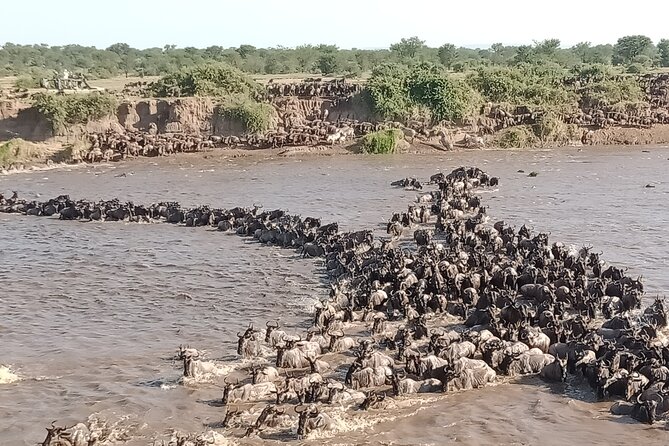
The main draw here is simple: in only three days, you reach the Serengeti and Ngorongoro Crater, two of Tanzania’s biggest wildlife names. If you time it well, you may see columns of wildebeest, zebra, and Thomson’s gazelle moving across the plains, along with predators following the herds.
I like the open-roof 4×4 Land Cruiser, which gives you a clear view for photographs, and I like the sensible route: a Serengeti night followed by a crater game drive. The $770 price includes park fees, transport, meals, camping, and a professional English-speaking guide, which gives this trip solid value for a short safari.
The catch is the schedule. The trip is tightly packed, the first road journey is long, and the published details are not fully consistent about Moshi or Arusha departure and the Ndutu stop. Confirm those points before paying.
Key points before you book
- Three major safari areas in three days: The plan covers the Serengeti, the Ngorongoro Crater, and is advertised as including Ndutu.
- Migration timing matters: June through October is best for moving herds, while late January and February is the key calving period.
- Open-roof 4×4 transport: You get better viewing and photography than in a closed vehicle, though road travel can be tiring.
- Camping keeps the price down: Budget Nyani Campsite and full-board meals are included, but drinks beyond water are not.
- A short trip with a long first day: You trade leisurely travel for a fast route into some of Tanzania’s most famous wildlife country.
- Book ahead: The experience is booked about 27 days in advance on average, so last-minute availability may be limited.
Three days, three famous wildlife areas
This safari is built for you if your Tanzania schedule is tight but you still want a proper taste of the northern circuit. It combines long road transfers with game drives in places that each offer something different.
The Serengeti is the main event for migration watching. It is a huge open plain where wildebeest, zebra, and Thomson’s gazelle move in search of grass and water. The herds can stretch into a column up to 40 kilometers long, though wildlife never follows a timetable set for visitors.
The Ndutu area is named in the trip overview as one of the three main destinations, with one night planned there. Ndutu is especially relevant during the calving season, usually late January and February, when wildebeest give birth to their young. However, the detailed day-by-day plan describes a night in the Serengeti and then travel toward Ngorongoro, without clearly showing where the Ndutu night fits.
That matters. Ask the operator to confirm whether Ndutu is actually included on your departure date, and where you will sleep on each night. You do not want to assume that a destination mentioned in the headline is part of the final route.
More Safaris in Moshi
- Safari Serengeti And Ngorongoro
★ 5.0 · 288 reviews - Big Five Safari In Tanzania
★ 5.0 · 99 reviews - Unforgettable Tanzania Safari And Zanzibar Beach
★ 5.0 · 97 reviews
Day 1: Arusha to the Serengeti
The stated itinerary begins with an early departure from Arusha, while the main tour information gives Moshi as the location. Pickup is offered, but the exact pickup point and transfer arrangement should be confirmed if you are staying in Moshi.
The road heads toward the Serengeti near the rim of Ngorongoro Crater. This is not a quick hop. Much of your first day is spent traveling, but the route itself is part of the northern Tanzania experience, with changing views of golden grassland and open country.
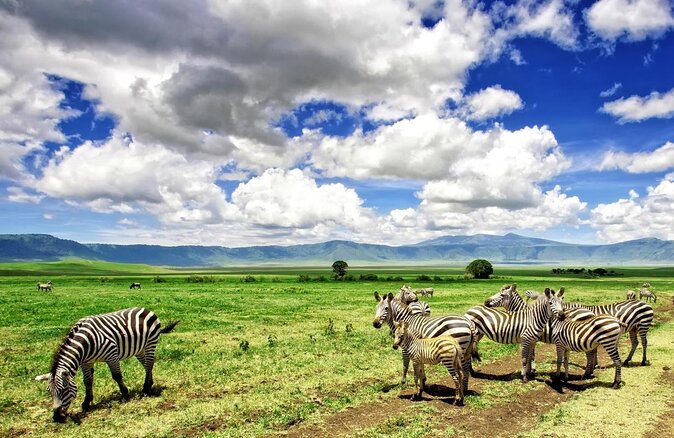
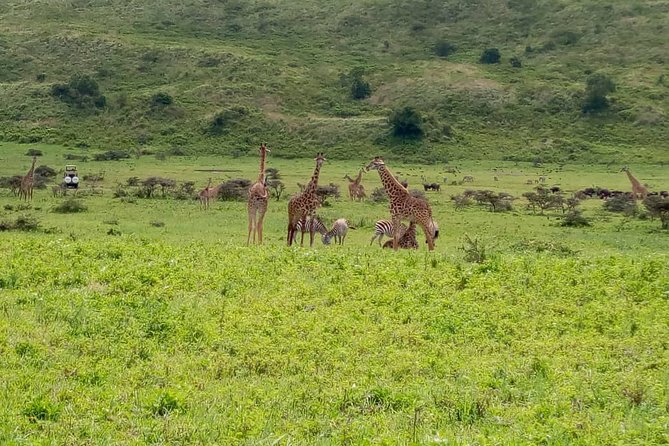
You may spot zebra, wildebeest, and giraffes along the way. The trip description also points out the crater rim, giving you an early look at one of the region’s major natural features before you continue toward the Serengeti.
After lunch, the plan calls for a game drive farther into the plains. This is your first real chance to watch the Serengeti work as a living system rather than as a collection of isolated animals. The same open spaces that make the herds easy to imagine can also make sightings feel spread out, so your guide’s judgment matters.
Your overnight stay is listed as Budget Nyani Campsite. This is a practical choice for keeping a three-day safari near the $770 mark. Do not expect a luxury lodge or a private retreat. You are choosing a basic camp so more of your money goes toward transport, park access, and time in the wildlife areas.
Water is included with meals. Other drinks are not, and alcoholic beverages are specifically excluded. Pack or purchase any extra drinks you want before heading deep into the route, but check with the operator about what is available along the way.
Day 2: Early Serengeti wildlife and the road to Ngorongoro
Day two starts with an early-morning game drive. This is one of the strongest parts of the schedule because the first hours after sunrise are set aside for wildlife searching, not just road travel.
The guide will look for tracks and footprints while checking the plains for predators. That detail adds value to the safari. You are not simply being driven around hoping an animal appears. You get some explanation of how guides read signs on the ground and work out where animals may have passed.
The Serengeti changes with the light. At sunrise, bird calls fill the air, and the moving herds can look very different from the previous afternoon. If migration viewing is your main goal, this morning drive is important because it gives you another chance to find the animals before the route turns toward Ngorongoro.
After the game drive, you travel toward Ngorongoro Crater, with dinner and overnight accommodation provided. The itinerary text is abbreviated at this point, so you should ask how much game-drive time is planned before leaving the Serengeti and where the second night will be spent.
This is the part of the trip where you need realistic expectations. A three-day safari cannot give you the same time in the parks as a five or seven-day route. You get a taste of each major area, but long driving sections reduce the hours available for searching, watching, and waiting.
Day 3: Ngorongoro Crater and the Big Five
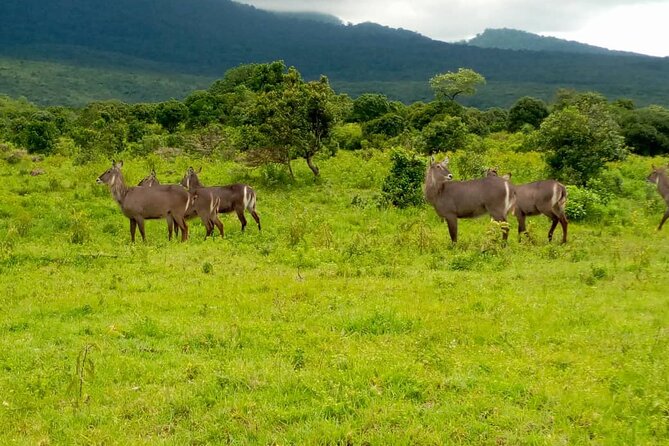
The final day begins with an early breakfast and a quick move into Ngorongoro Crater. Early timing is useful because the crater floor is a concentrated wildlife area, and the schedule aims to reach it while animal activity is still strong.
The crater is an unusual setting for a safari. Its enclosed floor creates a natural wildlife area with grassland, water, and woodland. The trip plan includes a game drive around the crater and a picnic lunch beside a small lake.
That lake is associated with hippos and migratory birds, giving you a change from the wide Serengeti plains. It is also a pleasant place to pause during a busy day, although a picnic stop is still part of an active safari schedule rather than a long rest.
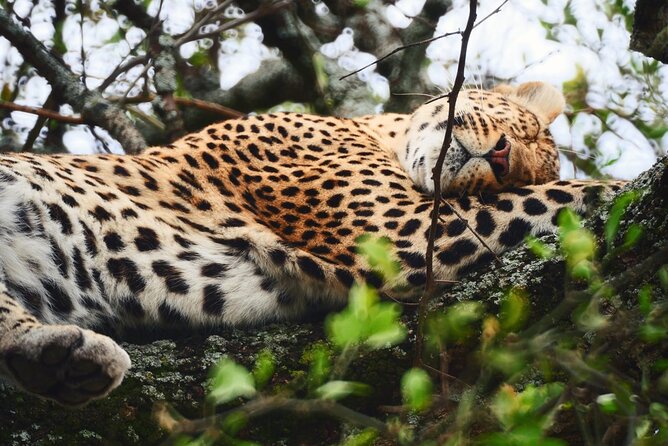
The crater offers a good chance of seeing the Big Five: lion, elephant, leopard, rhinoceros, and buffalo. No responsible safari can guarantee every animal, especially the leopard and rhinoceros, but the crater’s compact setting gives you a strong final opportunity to search for them.
For me, the crater is a smart choice on a short itinerary. The Serengeti gives you scale and migration, while Ngorongoro gives you a concentrated wildlife setting. You leave with two different safari experiences instead of spending all three days in one area.
More Serengeti and Ngorongoro itineraries:
- Serengeti, Ngorongoro and Tarangire 4 Days Safari
★ 5.0 · 59 reviews - 5 Days Camping Tarangire, Serengeti & Ngorongoro crater & Visiting Maasai
★ 5.0 · 58 reviews - 4 Days Group Joining Camping Safari to Tarangire Serengeti Ngorongoro Crater
★ 5.0 · 50 reviews - 3-Day Ngorongoro Crater Manyara and Tarangire Safari from Arusha
★ 5.0 · 49 reviews
Why migration timing can make or break the trip
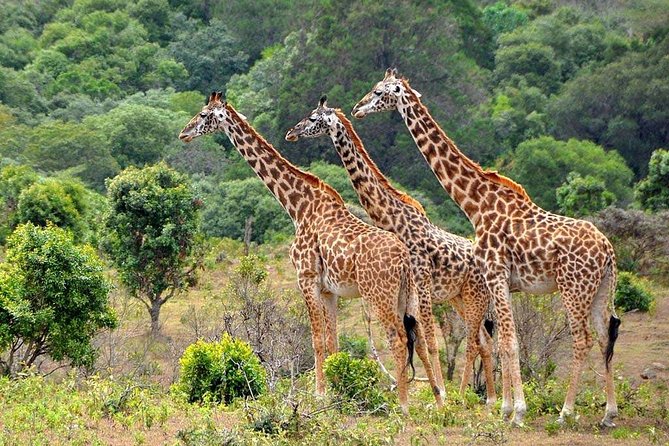
The advertised best period for the main migration is the dry season, from late June through October. During these months, wildlife viewing is generally strong, and the large herds are easier to follow across the plains.
Still, the migration is not a single event that arrives at one fixed place every year. Rainfall, grass, and water influence where the herds move. You may see a large group, a few scattered animals, or no dramatic crossing during your particular drive.
If your priority is newborn wildebeest, late January and February are the dates to consider. This is the calving period, when many young animals arrive and predator activity may increase. The Ndutu reference is especially important here, since that area is closely linked with calving-season routes in the published plan.
Ask for a route based on your actual travel dates rather than relying only on the phrase Serengeti migration safari. The same three-day structure can feel very different in the dry season, calving season, or another part of the year.
What the $770 price really covers
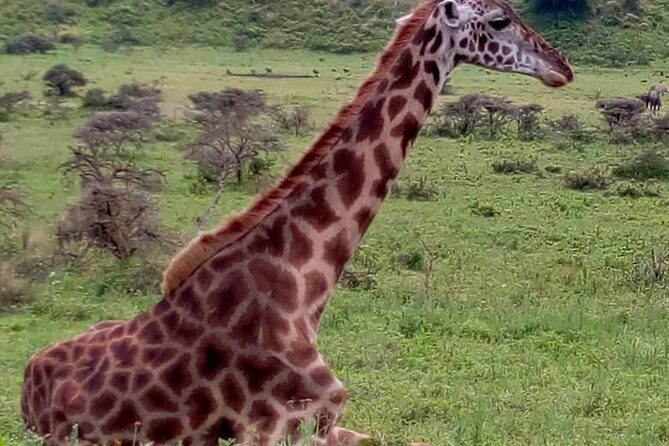
At $770 per person, this is not a bare-bones drive-by safari. The cost includes park fees and taxes, budget accommodation during the safari on a full-board basis, transport in a 4×4 Land Cruiser with an open roof, and a professional English-speaking guide.
Those inclusions matter. Park fees alone can make northern Tanzania expensive, and a suitable safari vehicle is essential for comfort, viewing, and access on rough park roads. Meals also keep the daily cost more predictable.
The price does not include alcoholic drinks, flights, travel or medical insurance, visa fees, guide and chef tips, personal items, or extra activities. A Serengeti balloon flight and a Maasai village visit are optional additions rather than part of the basic package.
The visa fee is listed as $50, except for Canadian and United States passport holders, who pay $100. Check current entry rules before departure, since visa requirements and fees can change.
You should also budget for tips. They are not included, but they are a normal part of safari planning. The final amount depends on your group and the quality of service, so ask the operator for current guidance before you leave.
The open-roof vehicle and group size
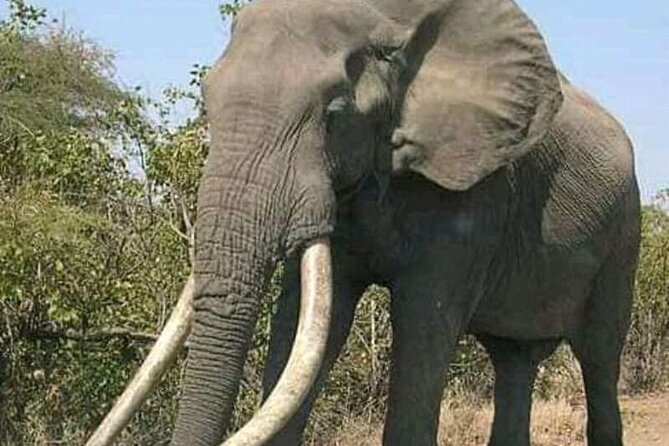
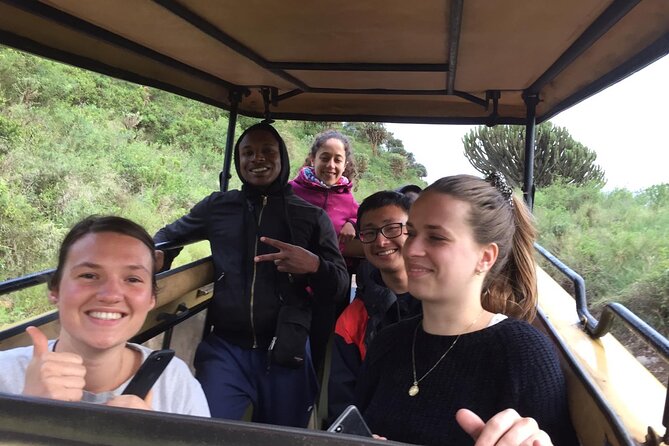
The open-roof Land Cruiser is a major practical advantage. You get a broad view of the plains and a better angle for photographs than you would from a standard closed car. It also helps you follow birdsong, distant movement, and animal sounds around the vehicle.
The tradeoff is comfort. Long road transfers in a safari vehicle can be dusty, bumpy, and tiring. If you dislike rough roads or need frequent breaks, ask how the daily driving is arranged.
The maximum group size is listed as 90 people. That number may refer to the wider activity rather than one vehicle, but the published information does not make the distinction clear. Ask how many people will share your Land Cruiser, since vehicle size affects personal space, photography, and how easily you can see around other passengers.
Most people can participate, and the meeting point is near public transportation. Pickup is offered, and the activity ends back at the meeting point. Confirmation is provided when you book, and a mobile ticket is available.
Guide service and the human side of the safari
The trip includes a professional English-speaking guide. That is important on a migration safari because the quality of the experience depends on more than reaching the park. You want someone who can explain seasonal movement, read tracks, identify birds, and make sensible decisions about where to search.
Past safari feedback connected with the company has specifically praised a driver named Elisha for being knowledgeable and humble. Another account praised the organization, guide, cook, and porter on a separate trip. I would not assume Elisha will lead your departure, but you can ask whether he is available and who your actual guide will be.
The operator is listed as Africa Natural Safaris, while the meeting point information names Tanzania Natural Tours Ltd. That may simply reflect the booking and operating arrangements, but it is another detail worth confirming. Ask who will collect you, which company name will appear on the vehicle, and who to contact if pickup details change.
Who will get the most from this safari
This trip suits you if you have only three days, want the classic northern Tanzania parks, and prefer a budget camp to a more expensive lodge. It also suits first-time safari visitors who want a clear introduction to the Serengeti and Ngorongoro Crater.
It is a good match for photographers who value an open roof and want the chance to see large herds, giraffes, predators, and crater wildlife. The early starts and long drives will be worth it if your priority is seeing as much as possible in a short visit.
I would hesitate to recommend it to you if you want slow mornings, luxury accommodation, or a strong guarantee of seeing the migration at a river crossing. Three days gives you access, not certainty. If you can add more nights, you will have more flexibility when animals are not close to the planned route.
What to confirm before paying
The published plan has a few details that need clarification:
- Is pickup from Moshi included, or does the safari begin in Arusha?
- Is Ndutu included on your dates, and is the overnight stay actually there?
- Where exactly are nights one and two spent?
- How many people share the 4×4 vehicle?
- What is the current meal plan, and where can you get drinks?
- Who is the assigned guide and driver?
- Does the $770 price apply to your departure date and group size?
The free-cancellation rule gives you some protection if you change your mind. You can cancel for a full refund up to 24 hours before the start time. Changes or cancellations made less than 24 hours before departure are not accepted for a refund.
Should you book the three-day Serengeti safari?
Book it if you want a fast, budget-minded safari that reaches the Serengeti and Ngorongoro Crater without committing to a week on the road. The combination of park fees, meals, camping, an open-roof 4×4, and a guide makes $770 a reasonable package price.
Before booking, get the Ndutu and pickup details in writing. If your dates fall in late January or February, ask for a route focused on calving areas. If you travel from June through October, ask where the operator expects to find the herds.
I would choose this trip for access, value, and variety, not for a relaxed pace. If you accept long drives and basic camping, it can give you a memorable snapshot of Tanzania’s great wildlife country. If you want more time to follow the migration properly, add days rather than expecting three days to deliver every famous safari scene.
FAQ
Where does the safari start?
The main location is listed as Moshi, Tanzania, while the day-by-day plan says the first departure is from Arusha. Pickup is offered, so confirm your exact pickup location before booking.
How long is the safari?
The experience is described as a three-day Serengeti migration safari. The listing also shows an unclear duration field, so rely on the three-day itinerary and confirm the schedule with the operator.
Which parks and areas are included?
The plan includes Serengeti National Park and Ngorongoro Crater. The overview also names Ndutu as a destination with one night, but the detailed daily schedule does not clearly show where that stop occurs, so ask for confirmation.
What is the best time to see the wildebeest migration?
The stated best period is the dry season from late June through October. Late January and February are described as the best period for seeing wildebeest calving.
Is accommodation included?
Yes. Budget accommodation is included on a full-board basis, with Budget Nyani Campsite listed for the Serengeti night. Confirm the second-night accommodation and the Ndutu arrangement before departure.
Are meals and drinks included?
Meals are included, and water is included with all meals. Other drinks, including alcoholic beverages, are not included.
What transport is provided?
Transport is provided in a 4×4 Land Cruiser with an open roof. Pickup is offered, and the activity ends back at the meeting point.
What is not included in the price?
Flights, travel and medical insurance, visa fees, tips for the guide and chef, personal items, alcoholic drinks, and extra activities such as a Serengeti balloon flight or Maasai village visit are not included.
More three day trips in Moshi & Kilimanjaro
- 3 days Luxury Safari Tour in Tanzania
★ 5.0 · 13 reviews - Tanzania Classic Safari 3 Days / 2 Nights
★ 4.5 · 9 reviews - Serengeti national Park, ngorongoro conservation area 3 days two nights
★ 4.0 · 7 reviews - 3 Days Lodge Safari
★ 5.0 · 7 reviews
More Safaris in Moshi & Kilimanjaro
- 8-Day Essence of Tanzania Safari – Luxury
★ 5.0 · 72 reviews - Great Migration Safari In Tanzania
★ 5.0 · 71 reviews - 6 Days 5 Night Safari
★ 5.0 · 57 reviews - 7-Day Magical Tanzania Safari -Premium High End Package
★ 5.0 · 53 reviews
Newly listed around Moshi & Kilimanjaro
- Climb Mount Kilimanjaro: 7 Days Machame Route★ 5.0 · 3 reviews
- 6 Days Mount Kilimanjaro Climbing via Rongai Route★ 5.0 · 3 reviews
- Explore 1 day Ngorongoro Crater Budget Group Safari from Arusha★ 5.0 · 3 reviews
- Mt. Kilimanjaro Day Hiking★ 5.0 · 3 reviews
- Chemka (Kikuletwa) Hot Springs, Tanzania★ 5.0 · 3 reviews
- Guided City tour of Moshi★ 4.3 · 3 reviews
- 8 Day Tanzania Family Safari★ 5.0 · 3 reviews
- Rongai Route 7 Days★ 5.0 · 3 reviews
Serengeti & Ngorongoro Safaris, compared.


Balloon Safari & Bush Breakfast in Serengeti – Miracle Experience
Read our review →




Private 6-Day Tarangire Manyara Crater and Serengeti with Mid-Range Lodges
Read our review →
5 Days Camping Tarangire, Serengeti & Ngorongoro crater & Visiting Maasai
Read our review →Browse the lists this tour appears in