
Reviewed · SERENGETI & NGORONGORO SAFARIS
Arusha: Tarangire National Park Full-Day Wildlife Safari
Tarangire is the kind of park that rewards patience. Its huge elephant herds move through open savannah beneath sculptural baobab trees, while lions, giraffes, buffaloes, zebras, antelopes, and birds fill out the day. In the dry months, the Tarangire River draws animals from a wide area, making July through October a particularly strong time to go.
I like two things right away: this is a private safari, so you are not locked into a large group, and the price includes the vehicle, guide, park fees, meals, and drinking water. I also like the chance to stop when you want, a detail praised in a review of a guide named Peeta. The drawback is the long road day. With roughly four hours of driving listed in each direction, this is a serious outing, not a relaxed local tour.
Key points at a glance
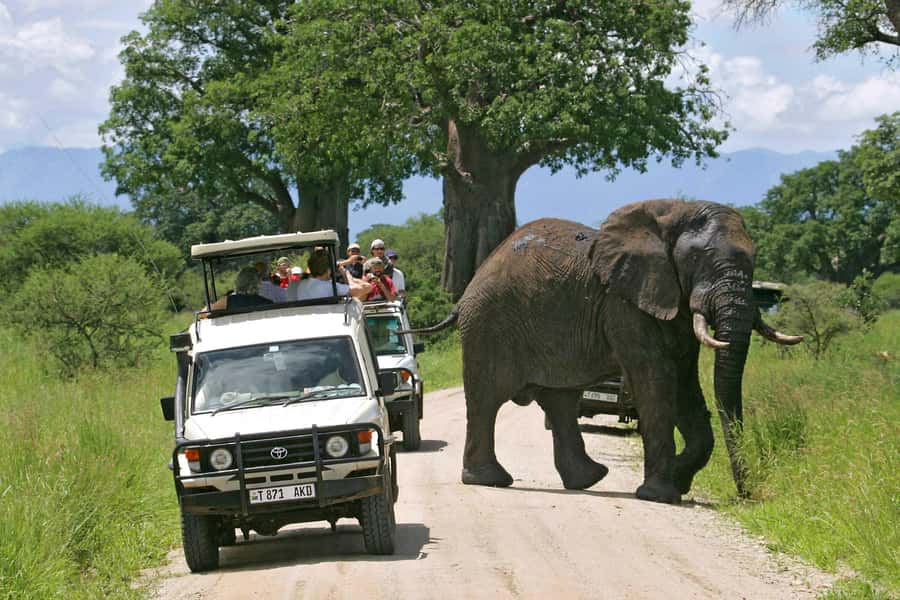
- Elephant country: Tarangire is known for large elephant families, with herds sometimes reaching about 300 animals.
- Baobab scenery: The park’s tall, swollen-trunked baobabs give the safari a look unlike many other northern Tanzania outings.
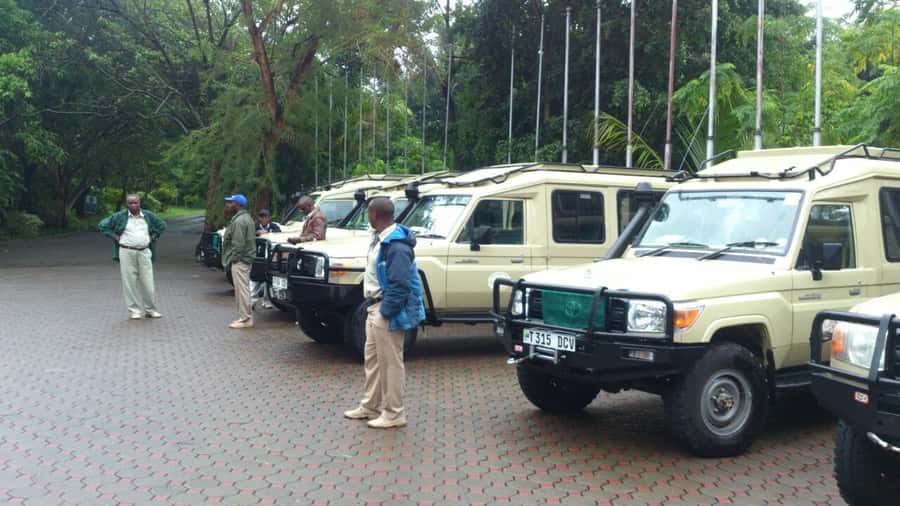
- Private 4×4 travel: You ride in a custom-built vehicle with your own English-speaking driver-guide.
- Best dry-season wildlife: From July through October, animals gather near the Tarangire River.
- More than big mammals: The park lists more than 550 bird species, including the large Masai ostrich.
- Flexible wildlife watching: A private setup can make it easier to pause when an animal appears or spend longer at a good viewing place.
Why Tarangire makes a strong one-day safari
Tarangire offers a different mood from a safari built around endless open plains. The scenery here is shaped by seasonal marshes, dry grassland, the permanent Tarangire River, and scattered baobabs. Those trees alone make the park worth considering. Their thick trunks and bare, spreading branches give your photographs a bold frame, especially beside elephants or giraffes.
The wildlife is the main reason to come. Tarangire has the highest density of elephants in northern Tanzania, and you can see them throughout the year. During the dry season, the river becomes the park’s main meeting point. Animals from nearby areas come to drink, so your chances of seeing several species in one outing improve.
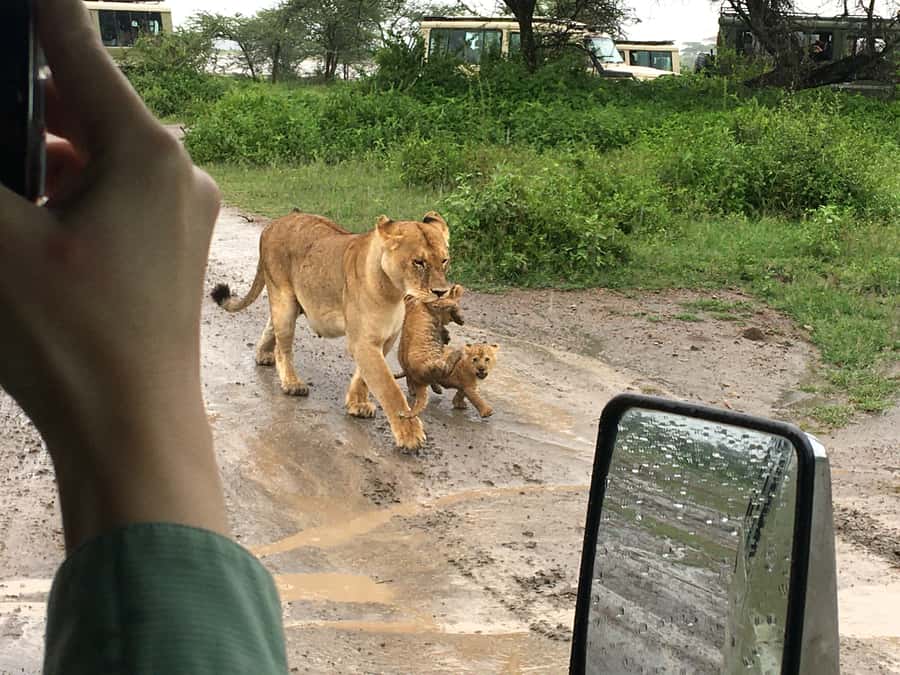
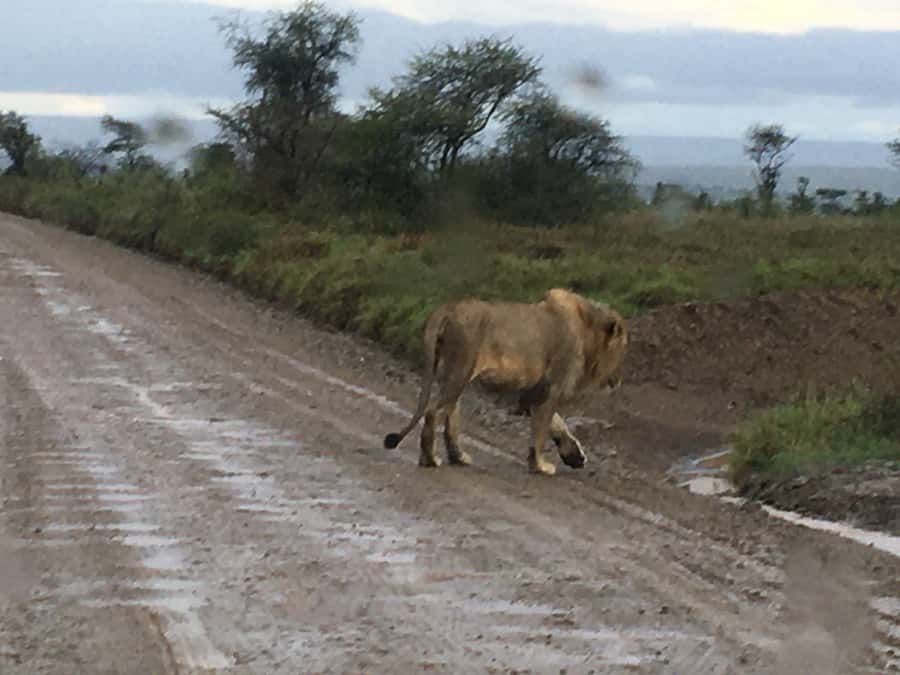
The park is also known for less predictable sightings. Tree-climbing lions and rock pythons are local specialties. You should not book this trip expecting either one to appear on cue, but they add an appealing element of surprise. The more reliable list includes lions, giraffes, buffaloes, wildebeests, zebras, antelopes, and gazelles.
This is a good choice if you have only one free safari day from Arusha. It gives you a full national-park visit without requiring an overnight stay. The tradeoff is time on the road. You exchange convenience and a private return to your hotel for a long day that begins and ends in a vehicle.
More National Parks in Arusha
- 7 Days Tanganyika Wilderness Safari
★ 5.0 · 159 reviews - 3 Day Serengeti National Park & Ngorongoro Crater Camping Safari
★ 5.0 · 142 reviews - Arusha National Park Private Safari
★ 5.0 · 59 reviews
The road from Arusha to Tarangire
Pickup is provided at your hotel in Arusha, and the journey to the park takes about two to three hours according to the tour description. The itinerary also allows about four hours for the outward drive and four hours for the return, so you should prepare for a substantial transport day. The exact timing may depend on the pickup point, road conditions, and the day’s schedule.
You travel in a private 4×4 custom-built vehicle. That matters more than it may sound. A safari vehicle is your viewing platform for much of the day, and a private group gives you more control than a shared bus. If you want to stop for an animal, take photographs, or spend extra time watching a herd, you can ask your guide rather than follow a fixed group schedule.
The English-speaking driver-guide is central to the quality of the outing. One guide named Peeta received especially strong praise for his storytelling, wildlife-finding skills, and willingness to stop when requested. You cannot assume Peeta will lead your trip, but his performance gives you a useful picture of what to seek: clear explanations, good knowledge of likely animal areas, and a relaxed approach to viewing.
Five hours inside Tarangire National Park
The park portion is listed at about five hours. That is enough time for a proper game drive, though it will feel short compared with a multi-day safari. You will enter with your guide, watch for movement along the tracks, and spend the morning and afternoon looking for animals in different parts of the park.
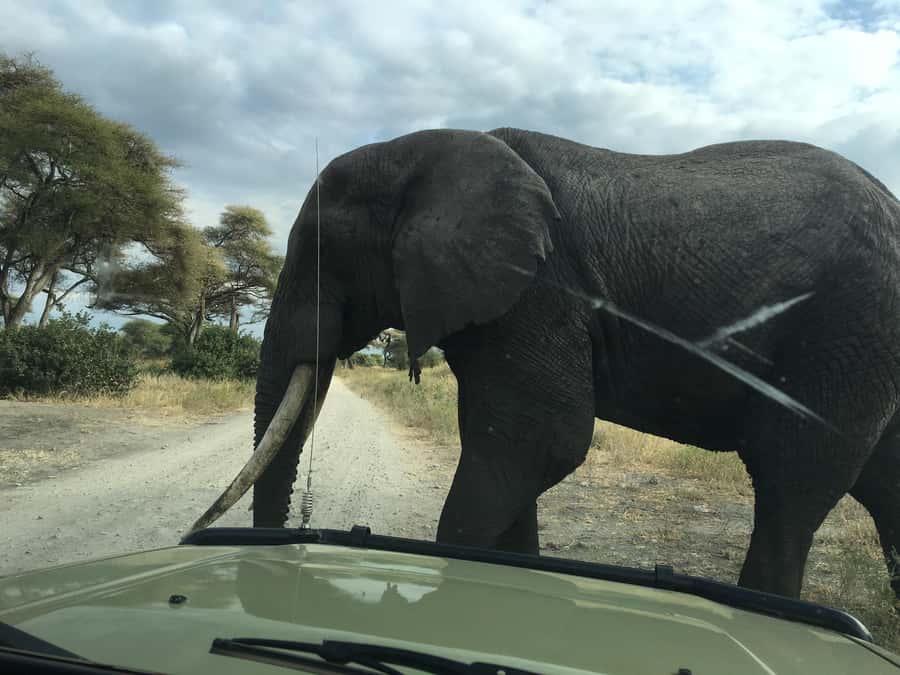
The most memorable encounters may come from scale rather than rarity. A family of elephants crossing near the vehicle can make the whole day. Large herds may include adults and young animals, and the combination of elephants, baobabs, and dry grass creates the classic Tarangire scene.
Your guide also helps turn a quiet stretch of bush into something worth watching. A distant shape may become a giraffe. A low form near rocks might be an antelope or, with luck, a python. The quality of the day depends partly on this searching and interpreting, so a guide who knows where animals tend to appear is a real benefit.
The park includes more than large mammals. Bird watching is part of the trip, and the area has more than 550 recorded species. The Masai ostrich, described as the world’s largest bird, is one of the notable possibilities. If birds matter to you, tell your guide early so the day includes time for careful observation rather than only quick stops for large animals.
The dry-season river and changing wildlife patterns
July through October is presented as the prime dry period for river-based wildlife viewing. As water becomes harder to find in surrounding areas, the Tarangire River remains available throughout the year. That draws animals toward it and can make the park feel more concentrated with life.
You will still see wildlife outside these months. Elephants can be found year-round, and the park’s baobabs and distinctive scenery do not disappear with the seasons. The important difference is animal movement. In the dry season, the river gives your guide a strong place to search, while other periods may offer a more spread-out day.
A private safari works especially well here because animal watching is not a timed stage show. You may spend a few minutes near one group, then move on when the scene quiets. If a lion appears in the shade or an elephant family begins moving, your guide can adjust the pace. The private format does not guarantee better sightings, but it gives you more say in how you use the limited park time.
More Safaris in Arusha
- Balloon Safari & Bush Breakfast in Serengeti – Miracle Experience
★ 5.0 · 1,646 reviews - 4 Days Group Camping Safari
★ 5.0 · 1,101 reviews - 5 Days Group Camping Safari
★ 5.0 · 730 reviews - 3 Days Serengeti & Ngorongoro Group Camping Safari
★ 5.0 · 574 reviews
Lunch, meals, and the practical rhythm of the day
A picnic stop is planned around lunchtime at a suitable place in the park. Breakfast, lunch, and dinner are included, along with drinking water. One review specifically praised the food and called the lunch good, which is useful on a day when you have little access to other meal options.
The meal arrangement keeps the safari moving, but do not expect a restaurant-style lunch break. This is a national-park day, so the meal is part of the outing rather than a separate culinary stop. You will want to use the pause to eat, rest briefly, and get ready for more wildlife watching in the afternoon.
The return drive comes before sunset, with drop-off in Arusha or Moshi stated in the trip details. Since the listed route includes long driving blocks, wear comfortable clothes and bring only what you need. Your passport or ID card is required, so keep it accessible.
What the $350 price really covers
At $350 per person, this is not a cheap day trip. The value depends heavily on how you use the private arrangement. The fee covers hotel pickup and drop-off, a private 4×4, all meals, drinking water, a driver-guide, and national-park entrance fees. Those inclusions remove several costs that can otherwise add up on a safari.
A private vehicle is the biggest value point for a couple, family, or small group. You are paying for a dedicated vehicle rather than only a seat, and that can make the day more comfortable and flexible. The value is less obvious for a solo visitor, since the per-person cost is high, but the inclusions still make the comparison fairer than looking only at the headline price.
You should also factor in the one-day format. There is no lodge night, extra evening meal, or second park day included because the trip returns to town. If you want a short introduction to safari country and have limited time, the arrangement is efficient. If you are already planning several days in Tanzania’s parks, you may prefer to place Tarangire inside a longer route rather than make a separate return journey from Arusha.
Who will enjoy this safari most
I would point this trip toward you if elephants are high on your wish list, you want baobab scenery, and you prefer a private day rather than a large shared group. It also fits first-time safari visitors who want a substantial wildlife outing without committing to a multi-night program.
Bird watchers have a good reason to consider it, thanks to the park’s stated total of more than 550 species. Families may appreciate the private format, since it allows more flexibility than a fixed group, though the long driving time could be tiring for young children.
This is less suitable if you dislike early starts, long vehicle journeys, or a schedule built around animal sightings that cannot be guaranteed. It is also not the best match if you want a slow, lodge-based safari with several short drives. Tarangire in one day is active and full.
The tour is listed as wheelchair accessible, but the supplied details do not explain the vehicle setup or boarding arrangements. If access needs are important to you, confirm the practical details before booking.
Small details that can improve the day
Bring your passport or ID card, as required. Drinking water is included, but you may still want sun protection and a camera that is easy to reach. The strongest reason to keep your camera ready is not only a rare animal. Tarangire’s baobabs, elephants, and open grassland can produce memorable scenes even when wildlife is quietly feeding.
Ask your guide to balance large mammals with birds and smaller animals. The park’s appeal is broader than checking off lions and giraffes. A python, an ostrich, or a group of gazelles may become one of the day’s best sightings.
Use the private format well. Tell the guide what interests you, ask questions during the drive, and speak up if you want a longer stop. The positive account of Peeta points to the benefit of a guide who explains what you are seeing and looks in places where animals commonly gather.
The tour offers free cancellation up to 24 hours in advance and a reserve-now, pay-later option. Those terms are useful if your Arusha plans may shift, but they do not change the main decision: you are choosing a long road day for a concentrated look at one distinctive park.
Should you book the Tarangire day trip?
Book it if you want a private, all-inclusive safari day focused on elephants, baobabs, and classic northern Tanzania wildlife. The 4×4, park fees, meals, water, and guide are meaningful inclusions at $350, and the private setup gives you more control over stops.
Think twice if the drive sounds exhausting or if you have time for a longer safari with overnight stays. For the best chance of river-centered wildlife activity, aim for July through October. If your schedule allows only one day, though, Tarangire is a sensible choice, with a strong chance of memorable scenery and excellent elephant viewing.
FAQ
Where does the Tarangire safari begin?
Pickup is provided from your hotel in Arusha. The tour also states that you can be returned to Arusha or Moshi before sunset.
How long is the tour?
It is a full-day, one-day safari. The park visit is listed at about five hours, with the drive taking roughly two to three hours each way in the general description. The itinerary allows about four hours for each vehicle transfer.
Is the vehicle private?
Yes. The tour includes a private 4×4 custom-built vehicle, and the group type is private.
What animals can I see in Tarangire?
Possible sightings include elephants, lions, giraffes, buffaloes, wildebeests, zebras, antelopes, gazelles, tree-climbing lions, and rock pythons. Wildlife sightings are not guaranteed.
When is the best time to see animals near the river?
The dry season from July through October is the strongest period for seeing animals gather at the Tarangire River, which has water throughout the year.
Is bird watching included?
Yes. Bird watching is included, and Tarangire has more than 550 bird species, including the Masai ostrich.
What is included in the price?
The price includes hotel pickup and drop-off, a private 4×4 vehicle, breakfast, lunch, dinner, drinking water, an English-speaking driver-guide, and national-park entrance fees.
What should I bring?
Bring your passport or ID card. The tour is listed as wheelchair accessible, and you can cancel up to 24 hours in advance for a full refund.
More Serengeti and Ngorongoro itineraries
- 5-Day Highlights mid-Range Crater, Serengeti, Tarangire
★ 5.0 · 296 reviews - 3-Day Classic Serengeti Safari
★ 5.0 · 263 reviews - Private 6-Day Tarangire Manyara Crater and Serengeti with Mid-Range Lodges
★ 5.0 · 238 reviews - 5 Days Camping Tarangire, Serengeti & Ngorongoro crater & Visiting Maasai
★ 5.0 · 229 reviews
More Wildlife Tours in Arusha
- Tanzania Wildlife Encounters – 6 Days
★ 5.0 · 277 reviews - 6 Day Tanzania Wildlife Mid range Safari
★ 5.0 · 54 reviews - 5 Days 4 Nights Tarangire, Serengeti , Ngorongoro & Manyara Wildlife Safari
★ 5.0 · 40 reviews - 4 Days Wildlife Safari and Cultural Experience in Tanzania
★ 5.0 · 23 reviews
Newly listed around Arusha
- 5-Day Private Safari Tour in Tanzania’s Wildlife★ 5.0 · 3 reviews
- 3 Day Sharing Safari – Manyara, Ngorongoro Crater and Tarangire National Parks★ 5.0 · 3 reviews
- 3 Days private safari Tarangire ,Ngorongroro crater &Manyara★ 5.0 · 3 reviews
- Tarangire National Park Day Trip★ 5.0 · 3 reviews
- 2 Days Tarangire and Ngorongoro Crater Tour★ 5.0 · 3 reviews
- 6 -Day Tarangire, Manyara, Serengeti & Ngorongoro★ 5.0 · 3 reviews
- 5 Days Group Camping Safari★ 4.7 · 3 reviews
- Private 4×4 Vitara Safari in Arusha National Park★ 5.0 · 3 reviews
Serengeti & Ngorongoro Safaris, compared.


Balloon Safari & Bush Breakfast in Serengeti – Miracle Experience
Read our review →




Private 6-Day Tarangire Manyara Crater and Serengeti with Mid-Range Lodges
Read our review →
5 Days Camping Tarangire, Serengeti & Ngorongoro crater & Visiting Maasai
Read our review →Browse the lists this tour appears in