
Reviewed · SERENGETI & NGORONGORO SAFARIS
Arusha: 2 Day Tarangire & Ngorongoro Crater Big Five Safari
Tarangire’s giant baobabs and elephant herds make a strong opening act, but the real prize comes the next morning at Ngorongoro Crater, where wildlife gathers on a compact crater floor. In only two days, you get two very different safari settings without spending a week on the road.
I like the custom 4×4 Land Cruiser with a pop-up roof, which gives you a better view than a closed vehicle, and I like the practical all-in price: meals, park fees, accommodation, guide, water, and Arusha transfers are covered. The trade-off is a brisk schedule. You leave Arusha early, spend long hours driving and viewing wildlife, then return the following afternoon.
Key points at a glance
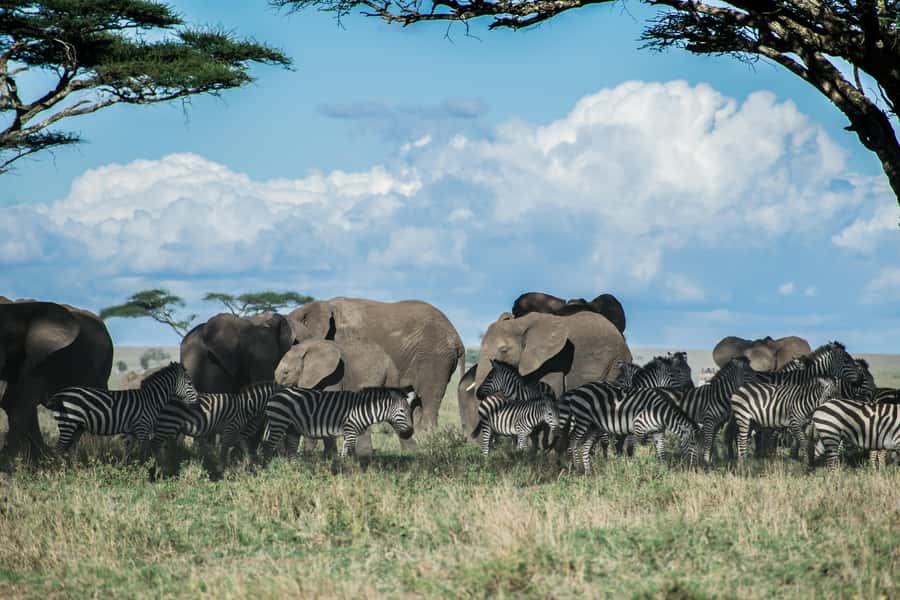
- Elephant country in Tarangire: See one of Tanzania’s best areas for large elephant groups, along with old baobab trees and many bird species.
- Ngorongoro in one morning: The crater gives you a strong chance to search for several major African animals during a single game drive.
- A real safari vehicle: The 4×4 Toyota Land Cruiser has a pop-up roof for open-air viewing and photography.
- Two sleeping styles: Pick a tented camping option or a mid-range lodge, depending on the comfort level you want.
- Useful short-safari timing: Day two can end in Arusha or at the airport, provided your flight leaves after 8:30 p.m.
- Small-group flexibility: The trip is available as a private safari or for a small group, so ask for the arrangement you want when booking.
Why this two-day route works from Arusha
This is a compact introduction to northern Tanzania’s safari circuit. From Arusha, you head first to Tarangire National Park, then spend the night around Mto wa Mbu or Karatu before reaching Ngorongoro Crater early on day two.
That order matters. Tarangire gives you broad views, baobabs, elephants, and varied wildlife. Ngorongoro then provides a concentrated wildlife search in one of Africa’s most famous natural settings. You are not seeing the same park twice, and the contrast keeps the short trip interesting.
The advertised price is $530 per person. That is a substantial amount for two days, but it includes several costs that can quickly add up on an independent safari: national park entry fees, concession or camping fees, crater service fees, accommodation, meals, bottled water, a professional driver-guide, and transport from and back to your Arusha hotel.
The value is strongest if you have only a short window in Tanzania. A longer safari gives you more time and a slower pace, but this route concentrates two major wildlife areas into one overnight trip. If you already have a longer safari planned, this may feel rushed. If you have two days before a flight or another part of your trip, it is a sensible use of that time.
More Serengeti and Ngorongoro itineraries:
- Serengeti Balloon Safari and authentic bush breakfast
★ 5.0 · 2,480 reviews - Balloon Safari & Bush Breakfast in Serengeti – Miracle Experience
★ 5.0 · 1,646 reviews - 3 Days Serengeti & Ngorongoro Group Camping Safari
★ 5.0 · 574 reviews
Day one: Tarangire’s elephants and baobabs
Pickup is scheduled for 8:00 a.m. from your Arusha hotel. Once everyone is aboard, the drive to Tarangire takes about two hours according to the route details. Your vehicle is a Toyota Land Cruiser 4×4 with a pop-up roof, the standard kind of setup you want for game viewing. The raised roof lets you stand for a clearer view while keeping you protected inside the vehicle.
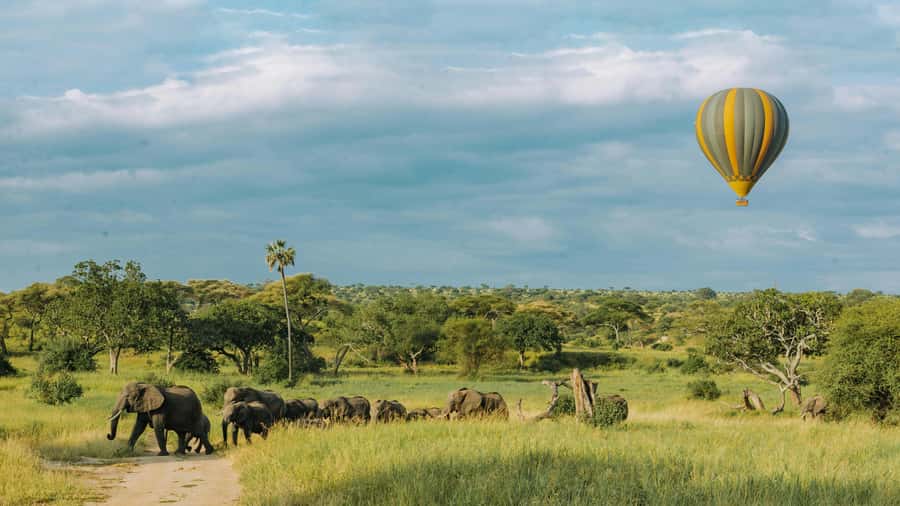
Tarangire is famous for its large elephant population, and that is the park’s main appeal here. You may also see other large mammals and many bird species. The combination of wildlife and giant baobabs gives the park its own look. These old trees are not just scenery for photographs. They help make Tarangire feel different from the crater, where the open floor and steep walls define the view.
Your guide drives the game-viewing route and helps you look for animals. The exact sightings cannot be promised, so keep the phrase high chance in its proper context. Two parks in two days improve your opportunities, but wild animals set the schedule.
The itinerary allows for picnic stops, scenic views, sunrise or sunset viewing, and off-road adventure as part of the planned activities. The precise timing can change with animal sightings, park conditions, and the guide’s judgment. That flexibility is part of safari travel, though it also means you should not expect a tightly timed sightseeing tour.
Tarangire can be a full day in the vehicle. Bring patience, a hat, sunscreen, and a camera with spare battery power. You will want binoculars too. The guide has one available to share in the vehicle, but your own pair saves you from waiting for it.
The overnight choice: camping or a mid-range lodge
After the Tarangire game drive, you transfer to accommodation around Mto wa Mbu or Karatu. The exact place depends on the option selected.
For camping, the listed possibilities are Jua Manyara Campsite or Kizumba Campsite. You sleep in tents with mattresses, and camping equipment includes tables, chairs, and cooking gear. A professional safari chef prepares the meals.
Camping suits you if the night under canvas is part of the appeal and you are comfortable with a simpler setup. It can also make the safari feel closer to the outdoors. Pack a towel and toilet paper, since those are specifically recommended, and do not assume that every part of camp will feel like a lodge.
The mid-range option uses one of several possible properties: Motto Cottages Safari Lodge, Marera Valley Lodge, or Bougainvillea Safari Lodge. The lodge choice is not fixed in the information provided, so confirm the assigned property before departure if room style or location matters to you.
A lodge is the easier choice after a long day in the vehicle. You get a more settled overnight base before the early crater departure. The camping option may offer a stronger outdoor feel, while the lodge option is likely the better fit for anyone who values a bed and a simpler evening.
Dinner is included on day one. Bottled drinking water is provided throughout the safari, and lunch is also included during the day.
Day two: the Ngorongoro Crater before breakfast crowds
The second day begins at about 6:00 a.m. You head toward Ngorongoro Crater for the final game drive. This early start is not a small detail. It gives you more time on the crater floor and helps make the return to Arusha possible later that day.
Ngorongoro is an enormous, unbroken volcanic caldera and a UNESCO World Heritage Site. The crater walls frame the wildlife area below, creating a setting that feels very different from Tarangire’s open parkland and baobab groves.
The crater is also the main reason this short safari can offer a strong Big Five opportunity. Wildlife is concentrated in a relatively contained area, and the itinerary gives you a full morning for searching. You may see several of the major animals associated with an African safari, but no responsible operator can guarantee all five.
The activity list includes a game drive, wildlife viewing, scenic views, picnic time, and off-road adventure. Follow the guide’s instructions at all times. Feeding animals and touching animals are prohibited, and drones are not allowed. These rules protect both wildlife and the quality of the park experience.
After the morning drive, you stop for a packed lunch at the Hippo Pool Picnic Site. This is a practical break in the middle of a long day. Keep food secure, listen to the guide, and do not approach animals. The setting can be memorable, but it is still a wild area, not a normal picnic park.
More Safaris in Tanzania:
- From Zanzibar: Mikumi Safari Day Trip with Flights and Meal
★ 4.7 · 1,470 reviews - 4 Days Group Camping Safari
★ 5.0 · 1,101 reviews - From Zanzibar: Day Selous Game Reserve Safari with Flights
★ 4.7 · 1,025 reviews - 5 Days Group Camping Safari
★ 5.0 · 730 reviews
Returning to Arusha or catching a late flight
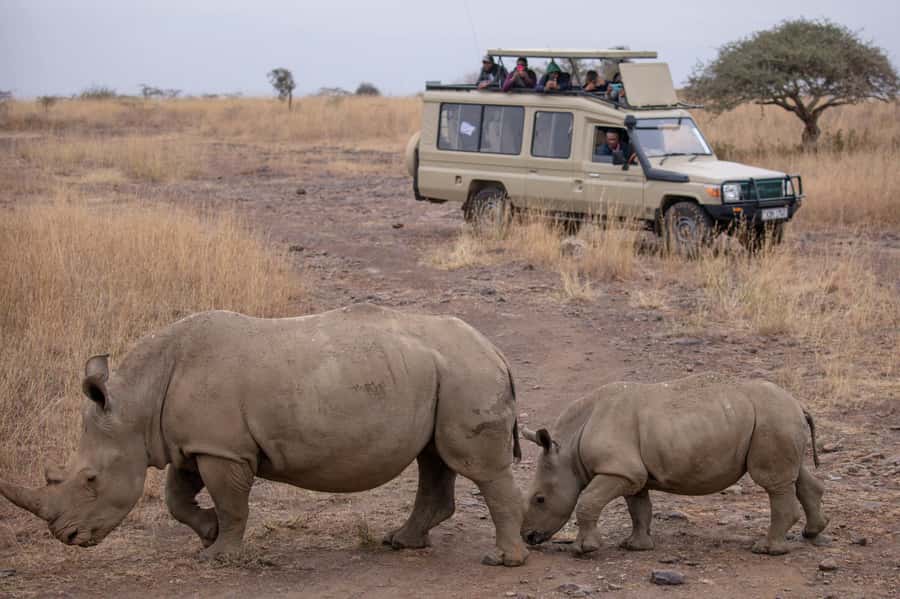
After lunch, you travel back toward Arusha. The route details include about two hours of driving between major stops, but the full day can take longer because of the game drive, park exit, road conditions, and any stop along the way.
The drop-off can be in Arusha or at Arusha Airport. The airport transfer is intended for a late flight departing after 8:30 p.m. That buffer is important. Do not book a tight evening departure and assume the vehicle will arrive at a precise minute. Safari timing is affected by wildlife, traffic, weather, and park procedures.
The return includes a stop at curio shops, where you can look for souvenirs. If you prefer a quick trip back, ask in advance how much time is planned there. If you enjoy browsing local crafts, it gives the final leg a shopping stop rather than one continuous drive.
Breakfast and lunch are included on day two. Dinner is not listed for that evening, so plan your food after arrival if you are staying in Arusha or continuing onward.
What the vehicle and guide setup mean for you
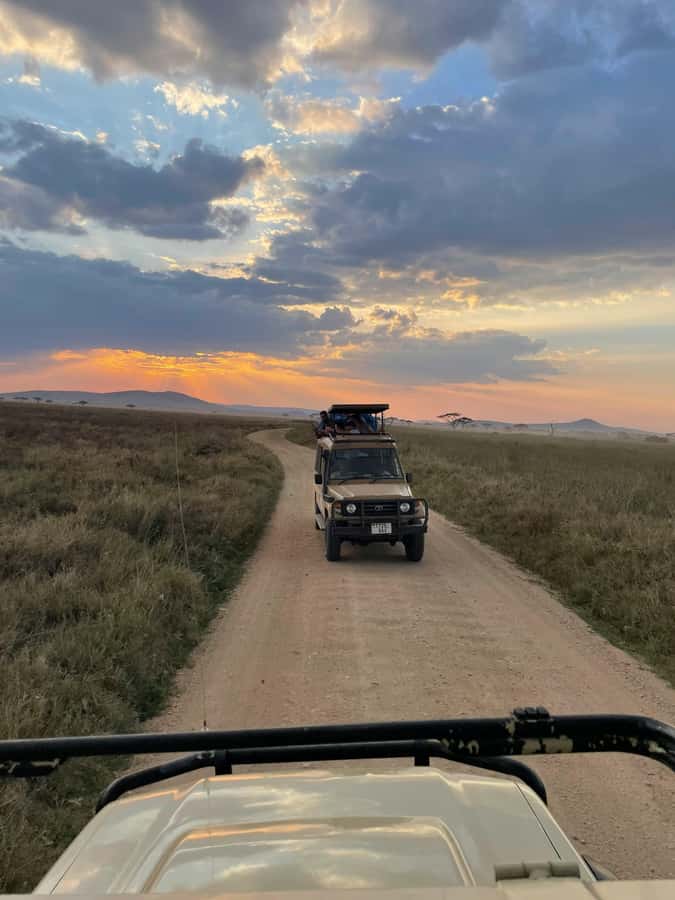
The safari uses a professional English-speaking driver-guide. No guide’s personal name is provided, so you should not expect to request a specific guide by name. The important practical point is that your guide handles the driving, wildlife search, park routes, and timing while you focus on viewing.
The pop-up roof is one of the most useful features of the vehicle. It gives you a standing viewpoint for animals and scenery, while the 4×4 design is suited to park roads and rougher sections. You should still expect dust, bumps, and plenty of sitting.
Private and small-group arrangements are available. A private departure gives you more control over stops and pace, while a small group can make the $530 price easier to justify. Confirm which format you are booking, since the experience can feel quite different depending on how many people share the vehicle.
The tour is wheelchair accessible, according to the activity details. If you use a wheelchair, provide your needs when giving the pickup location and hotel information so the operator can confirm the setup for your specific departure.
Packing for cold mornings and dusty roads
Tanzania can feel warm during the day, but mornings and nights can be cold. Bring a warm sweater, socks, and jacket, especially for the 6:00 a.m. crater departure and the overnight stay.
Neutral colors such as white, beige, and green are recommended. Lightweight layers are more useful than one heavy garment because temperatures can change during the day.
The luggage limit is 10 kilograms per person. Duffel bags are recommended, and extra luggage can be stored at your hotel. This is a real restriction in a safari vehicle, where space is shared with food, equipment, and other bags.
Also pack:
- Mosquito repellent with a high mint concentration
- Binoculars, if you have them
- A towel
- Toilet paper
- Sun protection
- A camera and spare batteries
The operator provides bottled water, but carrying a reusable bottle can help reduce the amount of plastic you use. Travel, accident, and medical insurance are not included and are strongly recommended.
The main drawbacks to consider
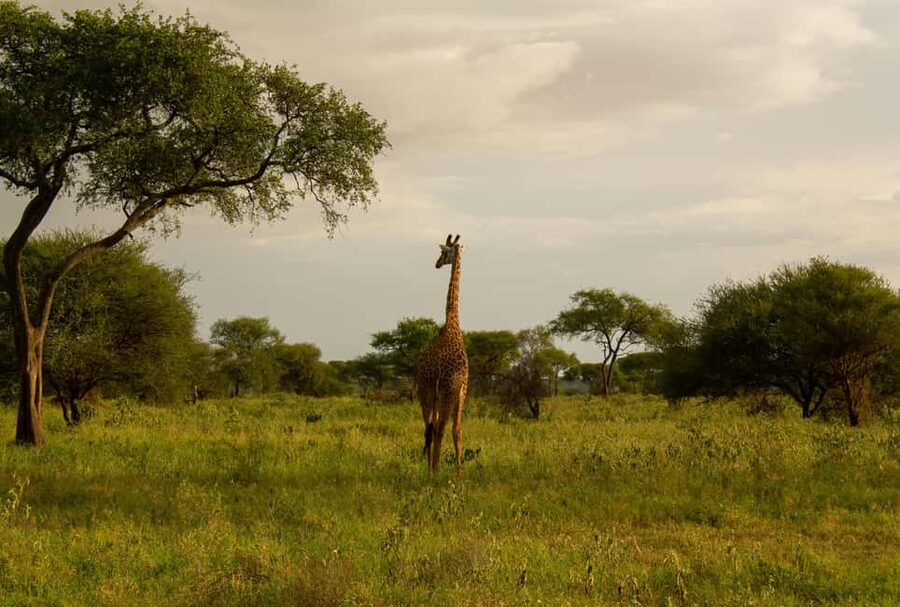
The biggest issue is the pace. You cover two major parks in two days, with an early start and a return journey on the second afternoon. You will spend a meaningful amount of time in the vehicle, so this is not the right pick if you want long, slow mornings or several nights in each park.
Accommodation is also not fully fixed in advance within the choices given. You may stay at one of several mid-range lodges or one of two campsites. Ask which property or campsite is assigned, and decide if the camping or lodge level suits you before paying.
The Big Five claim should be read as a strong possibility, not a promise. Ngorongoro gives you one of Tanzania’s better chances to see major wildlife in a compact area, but animals move freely and sightings vary.
Finally, the luggage limit and airport timing require planning. Pack light and allow plenty of time before a flight. The late-flight condition after 8:30 p.m. is useful, but a same-day airport transfer still deserves a generous margin.
Who should book this safari
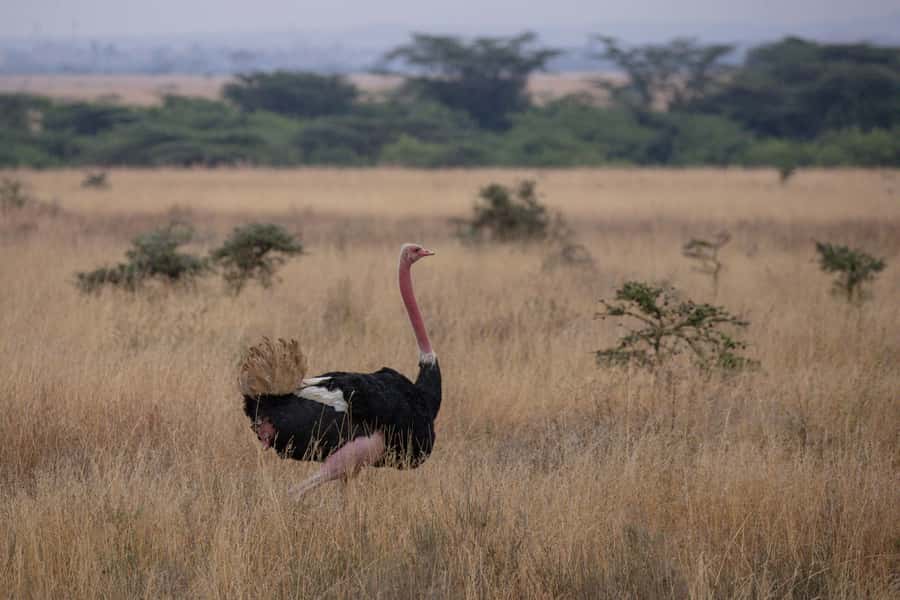
I would point this trip toward you if you have only two days, want to see two major northern Tanzania parks, and prefer a package that includes the main costs. It is also a good match if elephants, baobabs, and the possibility of a Big Five sighting are high on your list.
Choose the mid-range lodge option if comfort after a long day matters more than the outdoor feel of a tent. Choose camping if you want the simpler safari atmosphere and are happy to pack accordingly.
This is less suitable for anyone who dislikes early starts, rough roads, long drives, or fixed park schedules. It is also listed as unsuitable for pregnant women. If you are flying from Arusha on day two, make sure your departure is after 8:30 p.m. and keep your schedule flexible.
The experience has a 5 out of 5 rating from three verified bookings, including a short positive note from a booking made in France. That is encouraging, though the small number of ratings means I would place more weight on the clear itinerary, included costs, vehicle type, and your own tolerance for a fast pace.
Should you book it?
Book this safari if you want the most wildlife value you can reasonably fit into two days from Arusha. Tarangire supplies the elephants and baobabs, Ngorongoro supplies the concentrated wildlife search, and the included park fees and meals make the $530 price easier to assess.
I would not book it for a relaxed safari holiday. For that, add more nights and reduce the driving. But for a short, focused introduction to Tanzania, this route gives you a practical mix of scenery, wildlife, camping or lodge comfort, and a real chance to see the country’s best-known animals.
FAQ
Where does the safari begin and end?
Pickup and drop-off are available in Arusha, including Arusha Urban. Day two can also end at Arusha Airport for a late flight departing after 8:30 p.m.
What parks are included?
The safari visits Tarangire National Park on day one and Ngorongoro Crater on day two.
Is accommodation included?
Yes. The mid-range option includes lodge accommodation. The camping option includes a tent, sleeping mattress, camping equipment, and a professional safari chef.
What meals are included?
Lunch and dinner are included on day one. Breakfast and lunch are included on day two. Bottled drinking water is provided throughout the safari.
What vehicle is used?
Transport is provided in a 4×4 Toyota Land Cruiser with a pop-up roof throughout the safari.
Is the safari private or shared?
Private and small-group options are available. Confirm the group arrangement you want when booking.
What should I pack?
Bring neutral-colored clothing, a warm sweater, socks, a jacket, mosquito repellent with a high mint concentration, binoculars if available, a towel, and toilet paper. Luggage is limited to 10 kilograms per person, and duffel bags are recommended.
More two day trips in Tanzania
- 2 Day Serengeti Safari Experience from Mwanza
★ 5.0 · 198 reviews - 2 Days Tarangire and Ngorongoro Group Camping Safari
★ 5.0 · 146 reviews - 2 Days 1 Night Mikumi National Park from Dar es salaam
★ 5.0 · 60 reviews - 2 Day Safari To Mikumi National Park + transfers from Dar Es Salam
★ 5.0 · 56 reviews
Newly listed around Tanzania
- Prison Island, Sea Turtles, Rock Restaurant & Relax in Beach★ 4.6 · 3 reviews
- 5-Day Private Safari Tour in Tanzania’s Wildlife★ 5.0 · 3 reviews
- Zanzibar: Nungwi/Kendwa Beach Sunset Dhow Cruise with Fruits★ 3.4 · 3 reviews
- Climb Mount Kilimanjaro: 7 Days Machame Route★ 5.0 · 3 reviews
- Starfish Beach; The Rock; Kuza Cave; Paje Beach; Salaam Cave Tour★ 4.5 · 3 reviews
- 3 Day Sharing Safari – Manyara, Ngorongoro Crater and Tarangire National Parks★ 5.0 · 3 reviews
- Mikumi Np Mid Range Tour 3 Days★ 5.0 · 3 reviews
- 3 Days private safari Tarangire ,Ngorongroro crater &Manyara★ 5.0 · 3 reviews
Serengeti & Ngorongoro Safaris, compared.


Balloon Safari & Bush Breakfast in Serengeti – Miracle Experience
Read our review →




Private 6-Day Tarangire Manyara Crater and Serengeti with Mid-Range Lodges
Read our review →
5 Days Camping Tarangire, Serengeti & Ngorongoro crater & Visiting Maasai
Read our review →Browse the lists this tour appears in