
Reviewed · SERENGETI & NGORONGORO SAFARIS
Affordable 3-Day Safari to Serengeti & Ngorongoro Crater
The most exciting part of this $780 safari is the pairing of two very different wildlife areas in only three days. You get the open Serengeti plains, where wildebeest, zebra, gazelles, lions, elephants, giraffes, and birds may appear, followed by the enclosed world of Ngorongoro Crater, one of Africa’s best places to look for black rhino.
I like the practical route and the strong human touch from Shebbie and the Vision Safari team, who have arranged last-minute plans, flights from Zanzibar, airport pickups, and custom packages. I also like that meals, camping gear, and a professional guide are included. The tradeoff is long driving days and basic public camping, so comfort-minded visitors should confirm the accommodation level before paying.
Key points to know before booking
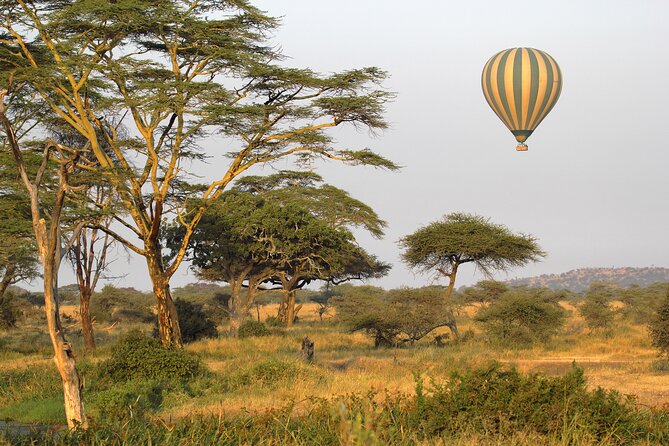
- Two iconic parks in three days: The route covers Serengeti National Park and Ngorongoro Crater, with game drives in both.
- A serious first day: The drive from Arusha to the Serengeti takes about six hours, followed by an afternoon or day-long wildlife drive.
- Basic camping is part of the value: Nights are planned at Seronera Campsite and Ngorongoro Simba Campsite, with camping equipment supplied.
- Meals are included: You receive two breakfasts, two dinners, and three lunches, including picnic lunches during game drives.
- Good support for special arrangements: Shebbie has organized flexible packages, including plans for solo visitors, families, and people arriving from Zanzibar.
- Expect a wildlife-focused trip, not a relaxed resort break: Most of the day is spent driving, watching, and moving between parks.
Why this short safari works
A three-day safari cannot show you every corner of northern Tanzania, but it can give you a sharp taste of the region’s two headline destinations. The Serengeti offers space and movement. Ngorongoro offers density, with animals gathered inside a vast volcanic crater.
That contrast gives the trip its appeal. In the Serengeti, you may spend time searching across broad plains for a pride of lions or a moving herd. In Ngorongoro, the crater walls hold a compact ecosystem where buffalo, zebra, wildebeest, lions, and other animals can be easier to locate.
The route begins and ends at Meru House Inn on Sokoine Road in Arusha. Pickup is offered, but the stated meeting point is the place to confirm if you need a different collection arrangement. The departure time is 6:00 am, which is sensible for a long first day. You should be ready early, with luggage packed and personal items close at hand.
The overall style is best described as an affordable camping safari. Camping equipment is included, but the overnight locations are Seronera Campsite and Ngorongoro Simba Campsite. The accommodation details deserve careful attention: some arrangements have been described as economy or public camping, while mid-range options have also been arranged. Ask exactly what is included for your dates if a tented or more comfortable setup matters to you.
More Safaris in Arusha
- Balloon Safari & Bush Breakfast in Serengeti – Miracle Experience
★ 5.0 · 1,646 reviews - 4 Days Group Camping Safari
★ 5.0 · 1,101 reviews - 5 Days Group Camping Safari
★ 5.0 · 730 reviews
Day 1: Arusha to the wide Serengeti plains
The first day begins with breakfast and a long drive from Arusha toward Serengeti National Park. The stated driving and activity time is about six hours, though the day can feel longer once you add stops, park access, lunch, and game viewing.
This is not simply a transfer between hotels. The route is part of the safari experience, and your guide is expected to explain the wildlife and natural features along the way. Still, you should prepare for plenty of time in a vehicle. This is one reason the early start matters.
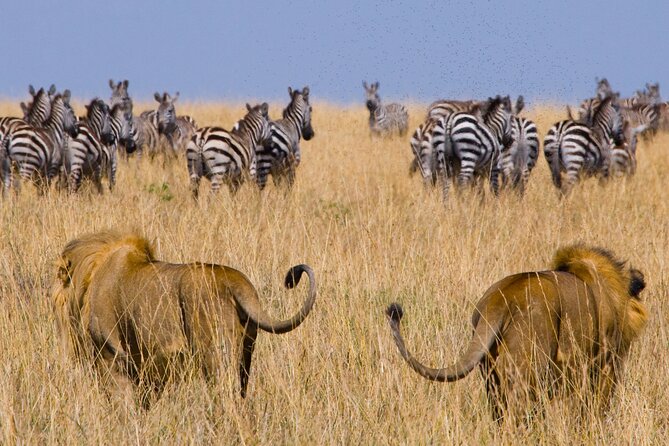
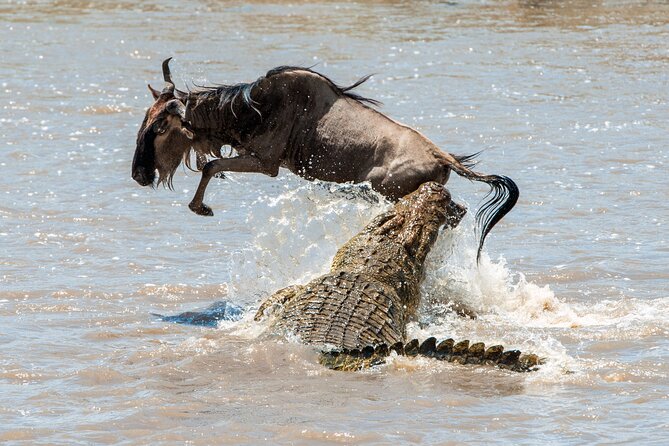
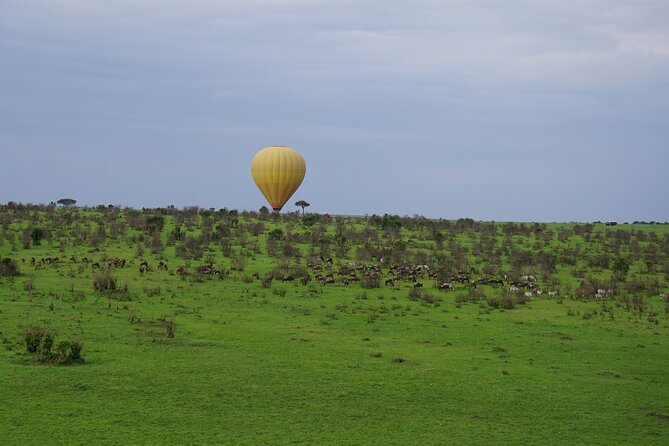
After reaching the Serengeti, the plan calls for an afternoon game drive, with the possibility of continuing through the day using a picnic lunch. The great draw is the open plain. Wildebeest, zebra, and gazelle move through the area along ancient migration routes, and the animals’ location changes with food and water.
The mention of the Great Migration is appealing, but you should treat it as a seasonal possibility rather than a guaranteed event in one exact place. The migration is always moving. Your guide’s skill in finding current wildlife activity will matter more than a promise tied to a calendar label.
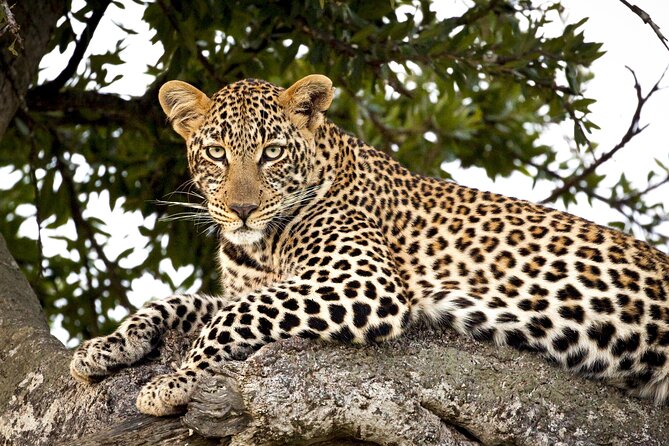
The Serengeti also supports the classic safari list: lions, elephants, giraffes, and many bird species. A lion pride resting in shade can be just as memorable as a large herd. The best moments may come from patient watching rather than rushing from one sighting to the next.
Your first night is at Seronera Campsite. The campsite location puts you inside the Serengeti portion of the trip rather than sending you back toward Arusha. That saves time and gives you a better chance of starting the next day with wildlife nearby.
The practical drawback is simple: this is a packed opening day. If you dislike long road transfers or need a slow start after an international flight, consider arriving in Arusha before the safari rather than scheduling it immediately after landing.
Day 2: A final Serengeti drive, then toward Ngorongoro
Day two starts with a morning game drive in the Serengeti, followed by an early lunch and the drive to Ngorongoro. Morning is a useful time for wildlife viewing, and the route gives you another chance to see animals you missed on the first afternoon.
The Serengeti portion of the day is not limited to ticking off species. The guide is meant to explain predator and prey behavior, animal movement, and the changing scenery. That matters because a good safari is not only about the number of animals seen. It is also about understanding why they are in a particular place.
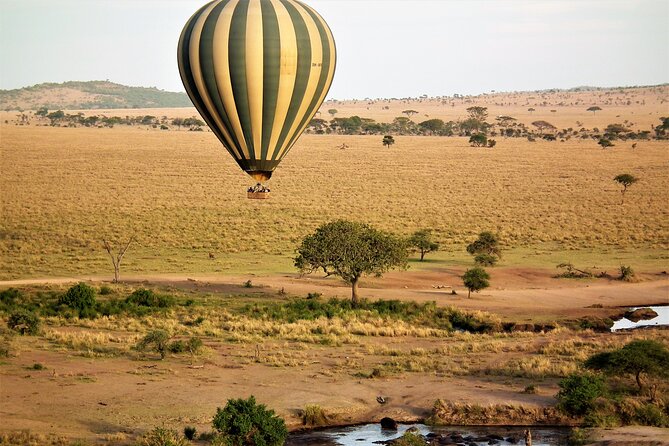
The supplied program mentions optional ideas such as a sunrise hot-air balloon ride and Maasai rock paintings at Lobo, but these should not be treated as included parts of this three-day package. The included plan describes game drives, meals, camping equipment, and transfers. If either activity interests you, ask for a clear price and schedule before booking.
The transfer from Serengeti to Ngorongoro is another long stretch, listed at about six hours. Your guide will explain wildlife and natural features along the way, but the day still involves substantial time on the road. You should bring water, sun protection, and a small bag with anything you may need during the vehicle ride.
The overnight stop is Ngorongoro Simba Campsite on the crater rim. Sleeping near the crater is useful because it places you close to the next day’s main activity. It also gives the route a clear shape: Serengeti first, crater second, Arusha last.
Camping standards are the main comfort question here. An economy or public campsite can be a good way to keep the price down, but it asks you to adapt more than a lodge-based safari would. The camping equipment is included, yet the listing does not spell out every item or the exact sleeping arrangement. Confirm the tent type, bedding, washing facilities, and whether any upgrade is available.
Day 3: Inside Ngorongoro Crater
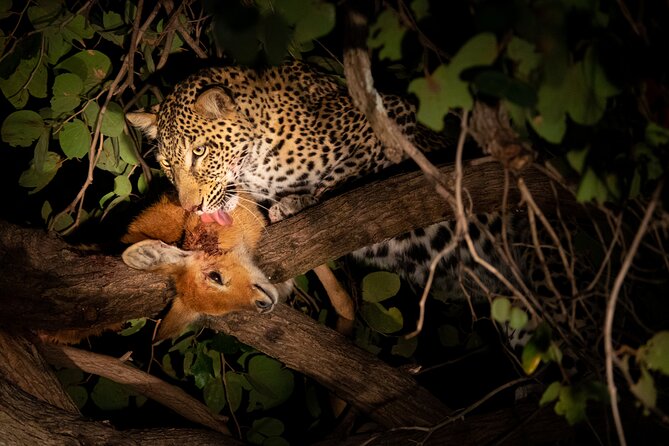
After breakfast, you collect picnic lunches and enter Ngorongoro Crater for the day’s main game drive. The crater formed when a huge volcano collapsed about two million years ago. Its steep walls surround grassland, forest, and a soda lake, creating a compact habitat with a high concentration of animals.
This is where the route changes character. The Serengeti asks you to scan wide distances. Ngorongoro gives you a contained setting, and the combination of open plains, forest, and water can produce a varied day of sightings.
The crater is known for buffalo, zebra, wildebeest, and many lion families. It also offers one of the better chances in Africa to see the rare black rhino, though no wildlife sighting is guaranteed. A guide who watches carefully and understands animal patterns is especially valuable here.
The program describes Ngorongoro as one of the seven African wonders and notes its UNESCO World Heritage status. Those labels are less important than the view from the crater rim and the unusual feeling of being inside a vast natural bowl. You are looking at a place shaped by geology first, then occupied by a dense mix of wildlife.
Lunch is a picnic, as it is during the long game-driving days. That keeps the schedule moving, but it also means you should not expect a restaurant stop or a long midday break. The day is built around time in the crater.
After the crater drive, your guide transfers you back to Arusha for drop-off at the meeting point. The return drive makes day three another full day. If you have an evening flight, confirm the expected arrival time before making a tight connection.
More Serengeti and Ngorongoro itineraries:
- 3 Days Serengeti & Ngorongoro Group Camping Safari
★ 5.0 · 574 reviews - 5-Day Highlights mid-Range Crater, Serengeti, Tarangire
★ 5.0 · 296 reviews - 3-Day Classic Serengeti Safari
★ 5.0 · 263 reviews - Private 6-Day Tarangire Manyara Crater and Serengeti with Mid-Range Lodges
★ 5.0 · 238 reviews
What the $780 price really buys
At $780 per person, this safari is priced for access to major parks with camping rather than for luxury accommodation. The value is strongest if you care most about wildlife time, a guide, meals, and a route that connects the Serengeti with Ngorongoro without arranging each piece yourself.
The package includes camping equipment, a professional guide, two breakfasts, two dinners, and three lunches. Picnic lunches are part of the rhythm, allowing the game drives to continue instead of returning to a hotel or camp for every meal.
The price does not include tips, international flights, personal items, or round-trip airport transfers. Those exclusions are normal for a safari package, but they affect your real budget. If you are flying into Tanzania, add the cost of reaching Arusha and confirm how you will get from the airport to the meeting point.
The biggest price question is accommodation. The information describes campsites and camping equipment, while past arrangements have included economy, public, and mid-range options. Do not assume that an advertised affordable safari includes a private tent, lodge room, or upgraded bedding. Ask for the exact accommodation category in writing.
A chef has also been part of some small-group arrangements, preparing meals for groups of up to six. The maximum advertised tour size is 100 people, which is a broad operational limit rather than a promise that your vehicle will contain 100 people. Ask about your actual vehicle and group size if that affects your decision.
The guide and service factor
The strongest personal detail attached to this experience is Shebbie, who handles arrangements for Vision Safari and Tours. Shebbie has organized spontaneous bookings, custom itineraries, airport pickup, and flights from Zanzibar. That flexibility is useful if your Tanzania plans are still taking shape.
The guide’s role is central. You need someone who can spot animals, explain what you are seeing, and manage the long drives between parks. The available feedback repeatedly highlights helpful guides, smooth planning, strong communication, and family-friendly support. One solo visitor also received a package designed around her needs, which is encouraging if you are not traveling with a large group.
Families may appreciate the approachable service and the fact that children have responded well to the guides. Solo visitors may also find the planning support useful. At the same time, camping and long driving days can test younger children, so ask about vehicle arrangements and the daily pace before booking for a family.
Communication before arrival has been described as quick and clear, with frequent contact before airport arrival. That is a practical strength, especially for a first safari. You still need to confirm the basics yourself: pickup point, campsite type, group size, and what happens if your flight schedule changes.
What you may see, and what you should not expect
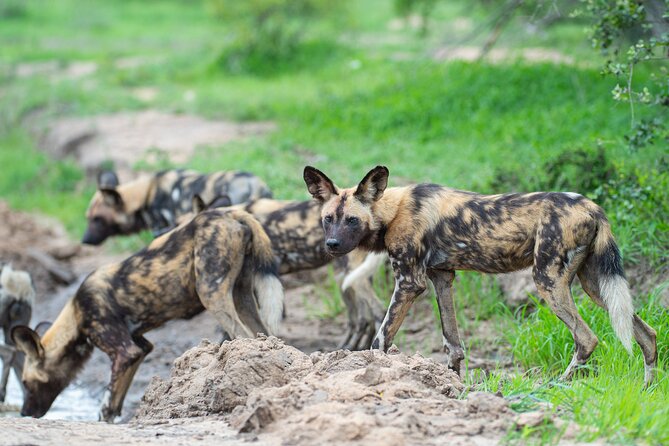
The wildlife list is impressive: wildebeest, zebra, gazelle, lion, elephant, giraffe, buffalo, birds, and the possibility of black rhino. The Serengeti also offers predator-prey encounters and large herds moving across the plains.
No three-day safari can guarantee the Big Five. Sightings depend on season, weather, animal movement, road conditions, and time spent searching. The experience is strongest when you value the search itself, not only a checklist.
The route gives you two good settings for wildlife. Serengeti provides distance and migration country. Ngorongoro provides concentration and variety. That pairing makes this a sensible choice for a first safari when time or budget is limited.
Rainy-season travel can still produce excellent sightings, and a trip arranged during that period has resulted in Big Five sightings. But you should expect conditions to affect roads and daily comfort. The operator can explain current conditions closer to departure.
Who should book this safari
I would recommend this trip to you if you want the essential northern Tanzania safari route at a moderate price and you accept camping. It suits first-time safari visitors, couples, families who are comfortable with long days, and solo visitors who want help arranging a plan.
It also suits people who are already in Tanzania and need a short add-on from Arusha. The company’s experience arranging plans from Zanzibar may help if you are linking this safari with time on the coast.
I would be cautious if you want lodge comfort, short transfers, a fixed luxury standard, or a slow schedule. Three days gives you a strong introduction, but it does not leave much room for delays or rest.
Free cancellation is available up to 24 hours before the 6:00 am start time. Inside that window, the payment is not refunded and changes are not accepted. Keep the local cut-off time in mind when your plans are uncertain.
Should you book it?
Book this safari if your priority is seeing the Serengeti and Ngorongoro in one focused trip, with meals, camping gear, a professional guide, and planning support included. The combination of open Serengeti wildlife and dense crater viewing gives you a lot in three days.
Before you pay, get written confirmation of the campsite standard, tent setup, vehicle group size, airport transfer arrangements, and any optional upgrades. If those details match your expectations, $780 can be a sensible price for a wildlife-first safari. If you need polished lodging and generous downtime, spend more or choose a longer, lodge-based route.
FAQ
How long is the safari?
The experience lasts approximately three days, beginning at 6:00 am in Arusha and ending back at the meeting point after the Ngorongoro Crater visit.
Where does the safari start?
The stated meeting point is Meru House Inn, JMGJ+9QF, Sokoine Road, Arusha, Tanzania. Pickup is offered, so confirm your exact collection details before departure.
Where does the safari end?
The activity ends back at the meeting point in Arusha.
Which parks are included?
The route includes Serengeti National Park and Ngorongoro Crater.
Where do you sleep?
The planned overnight stops are Seronera Campsite in the Serengeti and Ngorongoro Simba Campsite on the crater rim.
Are meals included?
Yes. The package includes two breakfasts, two dinners, and three lunches. Picnic lunches are used during the game-driving days.
Is camping equipment included?
Yes. Camping equipment is included in the price.
What is not included?
Tips, international flights, personal items, and round-trip airport transfers are not included.
More three day trips in Arusha
- 3 Day Serengeti National Park & Ngorongoro Crater Camping Safari
★ 5.0 · 142 reviews - 3 Days Tarangire, Ngorongoro & Lake Manyara Group Camping Safari
★ 5.0 · 102 reviews - 3 Days Private Safari – manyara, Ngorongoro & Tarangire
★ 5.0 · 94 reviews - 3 Days Small Group Safari to Serengeti NP and Ngorongoro Crater Tour in Tanzania
★ 5.0 · 77 reviews
Newly listed around Arusha
- 5-Day Private Safari Tour in Tanzania’s Wildlife★ 5.0 · 3 reviews
- 3 Days private safari Tarangire ,Ngorongroro crater &Manyara★ 5.0 · 3 reviews
- 3 Day Sharing Safari – Manyara, Ngorongoro Crater and Tarangire National Parks★ 5.0 · 3 reviews
- Tarangire National Park Day Trip★ 5.0 · 3 reviews
- 2 Days Tarangire and Ngorongoro Crater Tour★ 5.0 · 3 reviews
- 6 -Day Tarangire, Manyara, Serengeti & Ngorongoro★ 5.0 · 3 reviews
- 5 Days Group Camping Safari★ 4.7 · 3 reviews
- 4 Days Tanzania Safari★ 4.5 · 3 reviews
Serengeti & Ngorongoro Safaris, compared.


Balloon Safari & Bush Breakfast in Serengeti – Miracle Experience
Read our review →




Private 6-Day Tarangire Manyara Crater and Serengeti with Mid-Range Lodges
Read our review →
5 Days Camping Tarangire, Serengeti & Ngorongoro crater & Visiting Maasai
Read our review →Browse the lists this tour appears in